
Why did Slam Dunk become a basketball phenomenon in Japan?
Start with how unlikely the vehicle was. When Inoue began the series, his editor told him "basketball was a taboo in this world": a minor sport in Japan, far behind baseball, in the country's biggest boys' magazine. What changed his drawing, by his own afterword account, was the mail. Inoue was surprised to receive letters from readers who had begun playing the sport due to his manga, and because of those letters he decided he wanted to draw better basketball games. The feedback loop is the phenomenon in miniature: the manga taught the game, readers took up the game, and their letters pushed the manga to teach it better.
The scale is not in dispute. Slam Dunk passed 100 million copies in Japan by 2004 and now stands at over 185 million copies in circulation worldwide. Volumes 21 to 23 held the record for a manga's initial printing, 2.5 million copies, until 2002. It won the Shogakukan Manga Award in 1994, and in 2006, in a Japan Media Arts Festival poll of close to 79,000 voters, it was voted the number one manga of all time. The question is whether the popularity crossed from reading into playing, and on that the record is unusually direct.
It did, and named people say so. The series' success is cited as a cause for the increased popularity of basketball among Japanese youth during the 1990s. Yahoo Sports' Alex Wong wrote that the work "inspired an entire generation of basketball players in Japan," and a Cornell dissertation puts it as: "The first wave of basketball in Japan was pushed forward by Slam Dunk." Professional players Rui Hachimura and Yuta Watanabe have cited it as an inspiration, and FIBA records that many of Japan's current national team players grew up reading it; national team player Yudai Baba says plainly that without Slam Dunk, basketball would not be this popular in Japan. Inoue saw the arc coming early: in volume 9, in 1992, he wrote that he wanted to see the Japanese national team in the Olympics, and that if the kids who started playing because of Slam Dunk grew up and made it happen, he would cry. Japan qualified for the Paris 2024 Olympics on its own merit, with the film's theme song playing in the arena.
The institutions then made it official. In 2006, Inoue and Shueisha created the Slam Dunk Scholarship, sending a winning 17 or 18 year old to a fully paid academic and athletic year at a preparatory school in America; recipients include future professionals Narito Namizato and Daichi Taniguchi. In 2010, the Japan Basketball Association gave Inoue a special commendation, as part of its 80th anniversary, explicitly recognizing his contribution to the growing popularity of basketball in Japan and the scholarship he built from the manga. When a sport's governing body thanks a comic, the phenomenon stops being a metaphor.
Why this manga, and not another? The strongest explanation on record points at its honesty. Real Sound's Azusa Takahashi argues the appeal and the impact are rooted in how realistic it is: not only flashy game scenes, but steady practice, the unglamorous work a real beginner, like Sakuragi and like its readers, actually has to do. The afterlife keeps proving the pull in person: the Kamakura railroad crossing from the anime's opening has become a pilgrimage site busy enough that the local government assigns security guards to it, and a replica crossing has been built in Taiwan.
The phenomenon, renewing itself
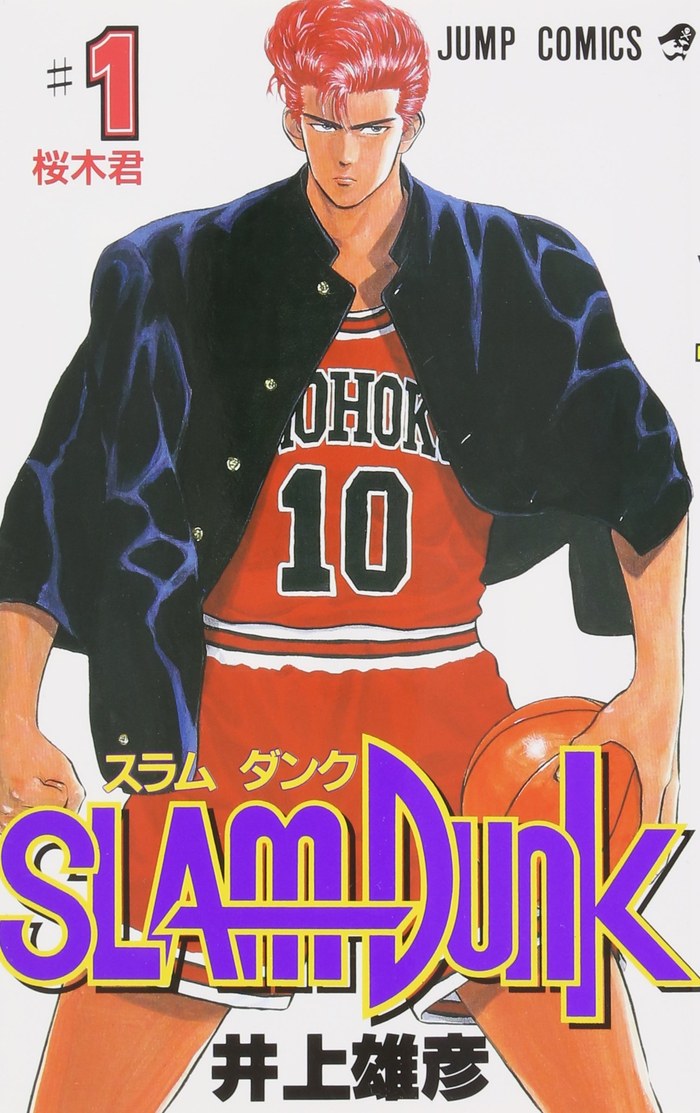
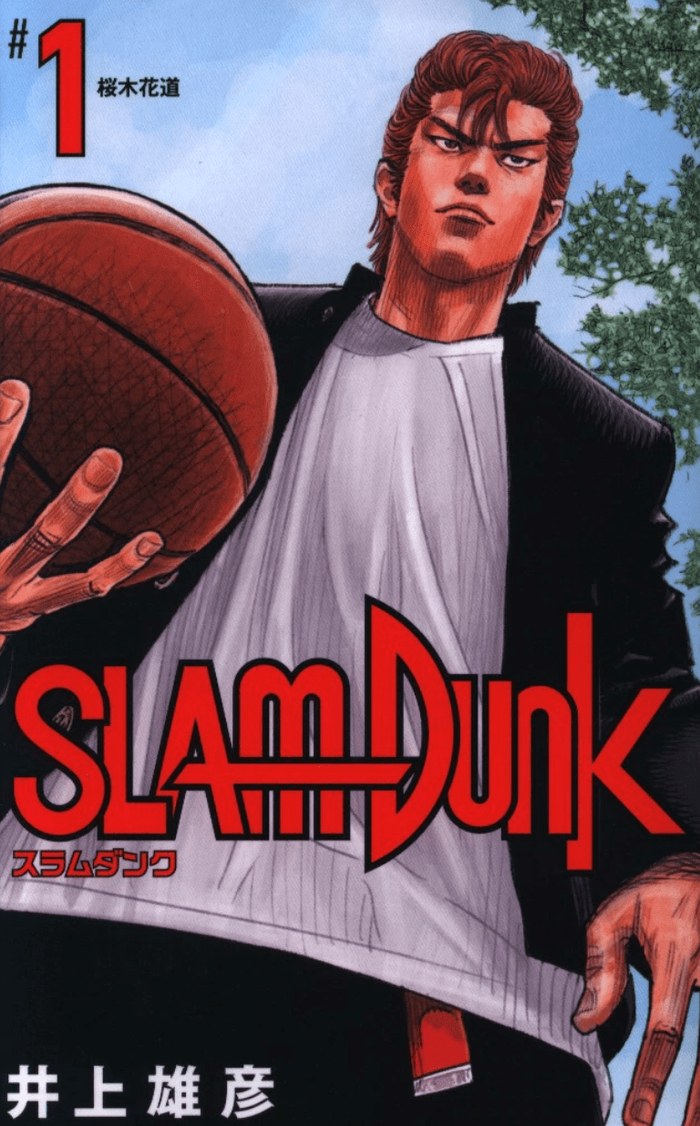
Twenty seven years after it started, Slam Dunk was the fourth best selling manga of 2018, with 5.2 million copies sold that year. Phenomena end. This one reprints.