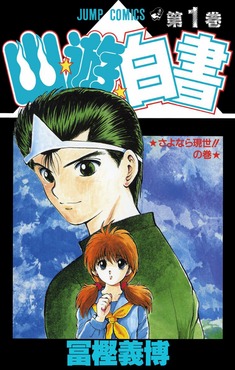
Why did Yu Yu Hakusho change from detective stories to tournaments?
The shift is real on the page: a dead delinquent revived as an Underworld Detective, investigating cases involving demons and apparitions in the Human World, in a series that gradually becomes a martial arts manga of battles and tournaments, ending with a tournament to rule the Demon Plane itself. What the record rules out is drift or accident. Togashi planned the move from occult detective fiction to martial arts from the start.
He took the shape from a series he could point to: Kinnikuman, which began largely as a comedy before concentrating more on action. His stated method was sequencing. Establish the main characters first, make the reader familiar with them, and only then place them in tense, physical conflicts. Yusuke's early cases, the stolen treasures, the Genkai succession tournament used as cover for a hunt, the Four Beasts in Labyrinth Castle, are that establishment phase doing its job.
The one nervous party was his editor. Togashi's editor at the time was nervous about him beginning the manga this way and recommended he transition to a battle focused plot after about 30 chapters. The recommendation and the plan point the same direction; they argue only about timing.
WHY A FIGHTING MANGA AT ALL
Togashi, on the recordTogashi had just finished his romantic comedy Ten de Showaru Cupid in Weekly Shonen Jump, and, by his own account in Shueisha's Jump 50th anniversary interview, felt somewhat intimidated by more popular fellow authors during that run. He concluded he would need to create a fighting manga, both to gain popularity and to write something he enjoyed.
The detective half was not a costume either. As a fan of the occult and horror films, he wanted a manga based on those interests, and he had form: his earlier occult detective manga, Occult Tanteidan, had drawn positive reader reception, which he cited as a reason to keep creating manga in that vein. The series' three worlds, Human World, Underworld, and Demon Plane, came from that side of him, built, he said, as places a spirit without a material body could move between in a way modern travel could not.
So the honest summary is two intentions, not one betrayal: an occult detective opening he believed in, laid over a fighting manga he had decided in advance to build, with Kinnikuman as the working model for how a series can change weight class mid-run.
THE SHAPE THAT RESULTED
Cases, then tournamentsTHE FIRST VOLUME
Yu Yu Hakusho, in print