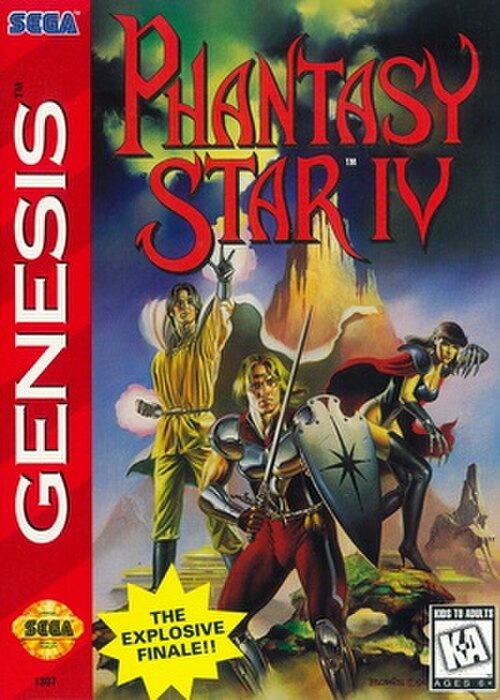
Why is Phantasy Star IV considered the best Genesis RPG?
The verdict: Phantasy Star IV: The End of the Millennium (1993 in Japan, 1995 in the West) is the consensus peak of the Genesis RPG library: Complex ranked it the second best Sega Genesis game of all time in any genre, IGN placed it 61st among all games in 2007 and 59th in its Top 100 RPGs of all time in 2012, and Nintendo Power named it, with Phantasy Star II, one of the greatest role playing games of all time. Mean Machines Sega had already called it the best pure RPG for the Mega Drive in its own era.
THE REASON WHY
A finale that used everything the series had learnedIt is the only game on the shelf that concludes a four game saga rather than starting one: a thousand years after Phantasy Star II, closing the Profound Darkness arc that II opened and III detoured around, with Alys's death handing the lead role to Chaz mid game as Nei's death once darkened II. The telling was upgraded to do it justice, with manga style panel illustrations carrying the story, and the systems were completed rather than reinvented: combination techniques, battle macros, and an expanded script. Retrospective reviewers converge on the same wording: IGN called it one of the definitive 16 bit role playing games with deep, engaging characters and anime style cutscenes that steal the show; RPGFan called it one of the best RPGs ever made; Tor.com called it the perfect end to the series, weaving the best elements of each previous game.
THE PRICE CHAPTER
Just under $100, and what that did to its legendIn the United States the game retailed for just under $100, at the top of what a mainstream cartridge could cost. The documented consequence is structural, not anecdotal: a price like that, in the rental era, meant a generation of Genesis owners met the series' finale as a weekend rental or not at all, and the game's reputation grew by word of mouth and magazine rankings faster than its ownership did. Sega had initially said it would not publish the game in Europe at all; it arrived there in November 1995, ten months after America. Scarcity of access, not scarcity of quality, is the documented shape of its 1995 Western life, and it is why the game reads today as a classic that many players admired for years before they owned.
THE DISSENT, KEPT
What the peak looked like in 1995The question's honest answer includes this: the peak was not obvious at launch. The contemporary record is a fight between its systems and story, which reviewers loved, and its presentation, which several scored as dated on arrival. The canon verdict formed retrospectively, as the genre's later innovations dated faster than Phantasy Star IV's completeness did.
THE GAME ON THE SHELF
Phantasy Star IV