
The History of Yakuza
A series Sega almost didn't make, America almost stopped importing, and one prequel brought back from the dead.
In December 2005, Sega released a PlayStation 2 game it had nearly refused to fund: a crime drama about middle-aged men in a Tokyo red-light district, made for Japanese adults while the rest of the industry chased teenagers and Grand Theft Auto. Twenty years later that game's series, Ryū ga Gotoku in Japan and Like a Dragon almost everywhere now, is Sega's flagship, with more than 27 million copies sold. This page is the map; the rest of this archive is the territory.
FOUR ERAS
2005 · todayThe PS2 gamble · 2005-2010
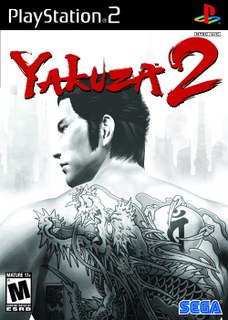
Producer Toshihiro Nagoshi's pitch was rejected by Sega's executives before chairman Hajime Satomi overruled them. The budget reached ¥2.4 billion (about $21 million), enormous for a new Japanese series. Japan bought over a million copies of the first game; the West, despite a celebrity English dub, largely shrugged.
The lean years · 2011-2015
The zombie spin-off Dead Souls flopped in America, Yakuza 4 sold softly, and Sega went silent on Yakuza 5 for three years. Sony eventually funded its localization after a fan campaign, and it arrived digital-only in December 2015.
The Zero revival · 2016-2019
A bubble-era prequel, Yakuza 0, reached the West in January 2017 and did what a decade of sequels could not: it made the series fashionable. Remakes, remasters, PC ports and Xbox releases followed in a rush.
The Like a Dragon era · 2020-now
A new hero, a new city and a turn-based battle system in 2020; the Western name retired in 2022 to match the Japanese one; a simultaneous worldwide launch in 2024 that sold a million copies in a week. The series turned twenty on December 8, 2025.
THE PEOPLE AND THE PLACE
Who and whereToshihiro Nagoshi
The creator: arcade veteran of Daytona USA and Super Monkey Ball who bet on Japanese adulthood, ran the series for sixteen years, and left Sega in 2021.
Ryu Ga Gotoku Studio
The team named after its own game, led since 2021 by Masayoshi Yokoyama, who wrote the first game's script.
Kamurocho
The fictional district rebuilt from Shinjuku's Kabukicho street by street, down to the measured brightness of its lamps.
Kazuma Kiryu and Ichiban Kasuga
Two protagonists, one grey suit and one maroon one: the stoic Dragon of Dojima and the Dragon Quest fan who replaced him.