
THE LIBRARY
Collector guides, cover censuses, and edition answers, documented issue by issue. Every page answers one specific question, completely.
← Back to RPG: NES on the Library shelf
RPG: NES
17 shelves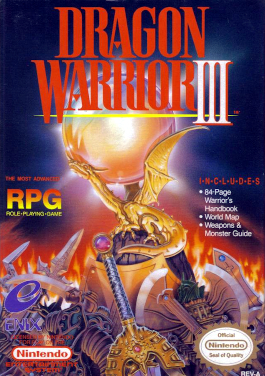
The NES RPG Gallery
Fourteen Famicom and NES role-playing games, Dragon Quest to Lagrange Point, with their covers, their two names apiece, and the questions behind them.
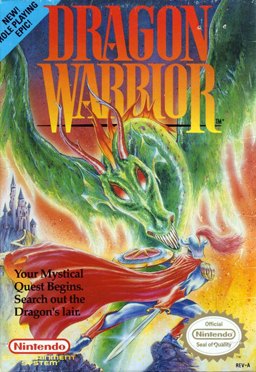
The History of Dragon Quest
Horii, Toriyama, and Sugiyama build the first Japanese console RPG in 1986, and America meets it in 1989 as Dragon Warrior.
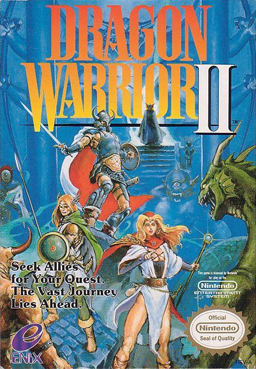
The History of Dragon Quest II
The first party, the first ship, 2.4 million copies in Japan, and the hardest late game of the early series.
The History of Dragon Quest III
The class system, a world shaped like Earth, 3.8 million copies, and the prequel twist that explained the Erdrick legend.
Was There Really a Dragon Quest Law in Japan?
No law was passed. A million copies in a day, almost 300 truancy arrests, and Enix's own weekend decision: the record, with the myth labeled.
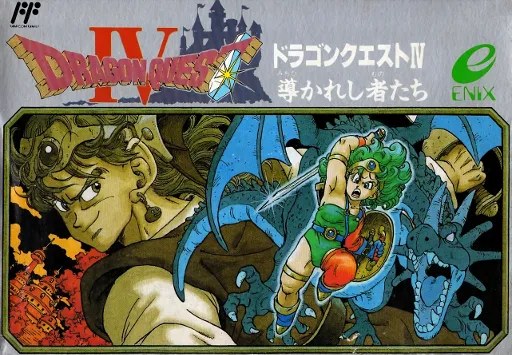
The History of Dragon Quest IV
Five chapters, five viewpoints, the Tactics system, 3.1 million Famicom copies, and the PlayStation remake America never got.
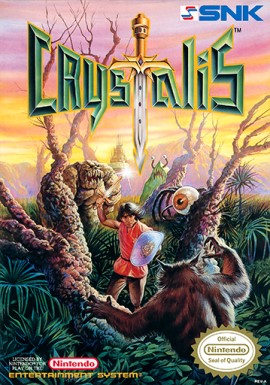
The History of Crystalis
SNK's God Slayer: four elemental swords, a hero woken a century after the end of the world, and a Game Boy Color version that rewrote it.
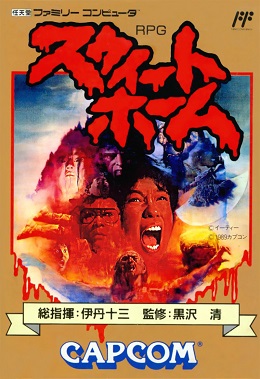
The History of Sweet Home
Capcom's 1989 horror RPG: five filmmakers, five tools, permanent death, and the mansion Resident Evil was built on.
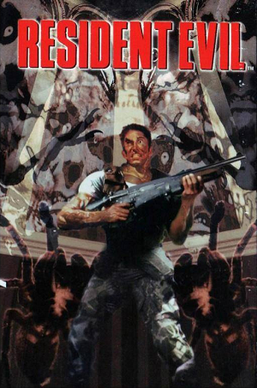
How Did Sweet Home Lead to Resident Evil?
Through its own director. Fujiwara produced Resident Evil to do what the Famicom could not, and the inheritance is itemized on the record.
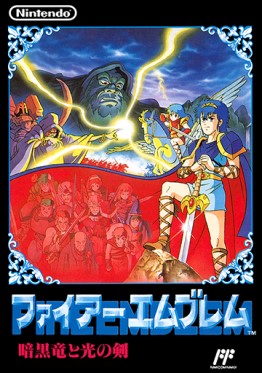
The History of Fire Emblem
Shadow Dragon and the Blade of Light: Kaga fuses Famicom Wars with an RPG, death becomes permanent, and Japan waits thirty years to share it.

The History of Willow
Capcom's second Willow game of 1989: Akira Kitamura's NES action RPG, Harumi Fujita's score, and an eighteen character password.
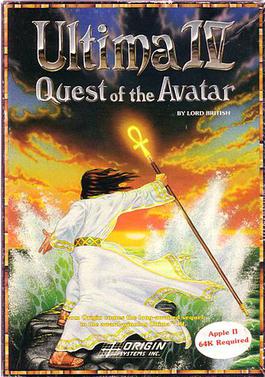
The History of Ultima: Quest of the Avatar
Garriott's 1985 RPG of eight virtues and no villain, remade in Japan for the Famicom and sold back to America on the NES.
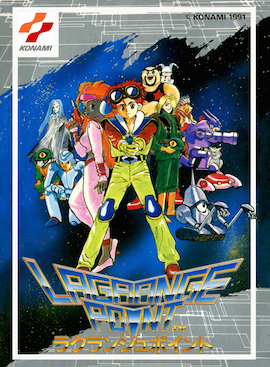
The History of Lagrange Point
Konami's Japan only space opera of 1991, and the VRC7 chip that gave it a sound no other Famicom game has.
Why Does Lagrange Point Sound Different from Other Famicom Games?
Its cartridge carries six channels of FM synthesis. Konami claimed the first; the technical record says it stayed the only one.
The Dragon Quest Gallery
Eight main line games and Monsters on one shelf: Horii, Toriyama, and Sugiyama's series, cover by cover, Japan's national event against America's nine year silence.
How did Dragon Quest's music end up in concert halls?
Sugiyama recorded the eight melodies with an orchestra in 1986 and conducted them at Suntory Hall in 1987. The suites never stopped.
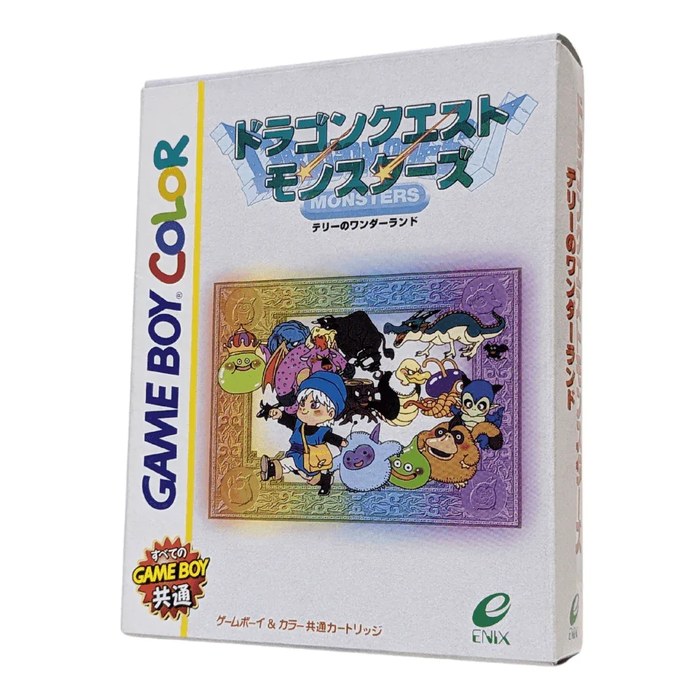
The History of Dragon Quest Monsters
Terry's Wonderland: Tose's 1998 spin-off, the breeding system, 2.35 million Japanese copies, and 60,000 American ones.
