
THE LIBRARY
Collector guides, cover censuses, and edition answers, documented issue by issue. Every page answers one specific question, completely.
RANMA 1/2
20 shelvesThe Ranma 1/2 manga: how Takahashi built a martial arts comedy
Rumiko Takahashi's Ranma 1/2 ran in Weekly Shonen Sunday from 1987 to 1996. This page covers its premise, structure and place in her career.
Jusenkyo explained: how the Ranma 1/2 curses work
The cursed springs of Jusenkyo drive all of Ranma 1/2. This page explains the spring rules, who fell in which spring and what counts as a cure.
The Tendo dojo household: Ranma's Nerima home base
The Tendo dojo in Nerima is where Ranma 1/2 lives. This page profiles Soun, Kasumi, Nabiki, Akane and the Saotomes who invade their home.
Too many fiancees: Ranma's engagements explained
Ranma is engaged to Akane, Shampoo, Ukyo and more, all at once. This page untangles who promised what to whom, and why nobody can cancel.
Ranma 1/2 movies and OVAs: the complete guide
Three films and a long OVA run carried Ranma beyond TV. This guide lists the theatrical films, the OVA series and the later anniversary special episode.
Who made the 1989 Ranma anime? Studios, directors and designers
The 1989 Ranma anime was made by Kitty Films and Studio Deen, not by Takahashi. This page separates the manga author from the anime staff who adapted her.
The 2024 Ranma remake: MAPPA, the new staff and the returning cast
The 2024 Ranma remake kept its legendary voice cast and changed everything else. This page covers MAPPA, director Konosuke Uda and what the remake does differently.
Ranma 1/2 Japanese editions: tankobon, wide-ban and reissues
Japan has kept Ranma in print for nearly forty years in several formats. This guide compares the original tankobon, the wide-ban edition and later reissues.
Ranma covers compared: Japanese originals vs English editions
Ranma's English editions flipped the art, literally. This page compares Japanese and English covers across the flipped era, the reissues and the 2-in-1 volumes.
Ranma music: the openings, endings and soundtrack albums
Ranma's TV music was a chart presence in Japan. This page covers the opening and ending themes, Kenji Kawai's score and the album culture around the series.
Ranma on Super Famicom: the fighting games and Hard Battle
Ranma's best games were Super Famicom fighters. This page covers the three Japanese fighting titles and how one became the localized Hard Battle overseas.
Collecting Ranma 1/2: a first printings and editions guide
Ranma collecting spans flipped comics, tankobon and omnibus sets. This guide sorts the editions, the first printing tells and where value actually sits.
How long is Ranma 1/2? The manga, anime and remake measured
Ranma ran nine years in manga and keeps returning on screen. This page measures the 38 volumes, the 161 TV episodes and the remake's progress.
Ranma endings compared: manga finale vs the anime's open door
Only the manga ends Ranma's story. This page compares Takahashi's Jusenkyo finale and wedding with how the 1989 anime and OVAs chose to stop.
The Ranma live action special: the 2011 TV drama
Ranma reached live action once, in a 2011 television special. This page covers its casting, its original story and its place in the franchise.
RECORD OF LODOSS WAR
15 shelvesHow did Record of Lodoss War begin?
Record of Lodoss War began as serialized Dungeons & Dragons session transcripts in Kadokawa’s Comptiq magazine, September 1986: Ryo Mizuno’s campaign, played by…
What is an RPG replay?
A replay is a Japanese publishing genre invented in practice by the Lodoss serials: an edited transcript of a real tabletop RPG session, sold and read as a book.
What is Sword World RPG?
Sword World RPG (1989) is Group SNE’s own fantasy role-playing system, built so the Lodoss replays could be published as a game: Japan’s best-selling domestic…
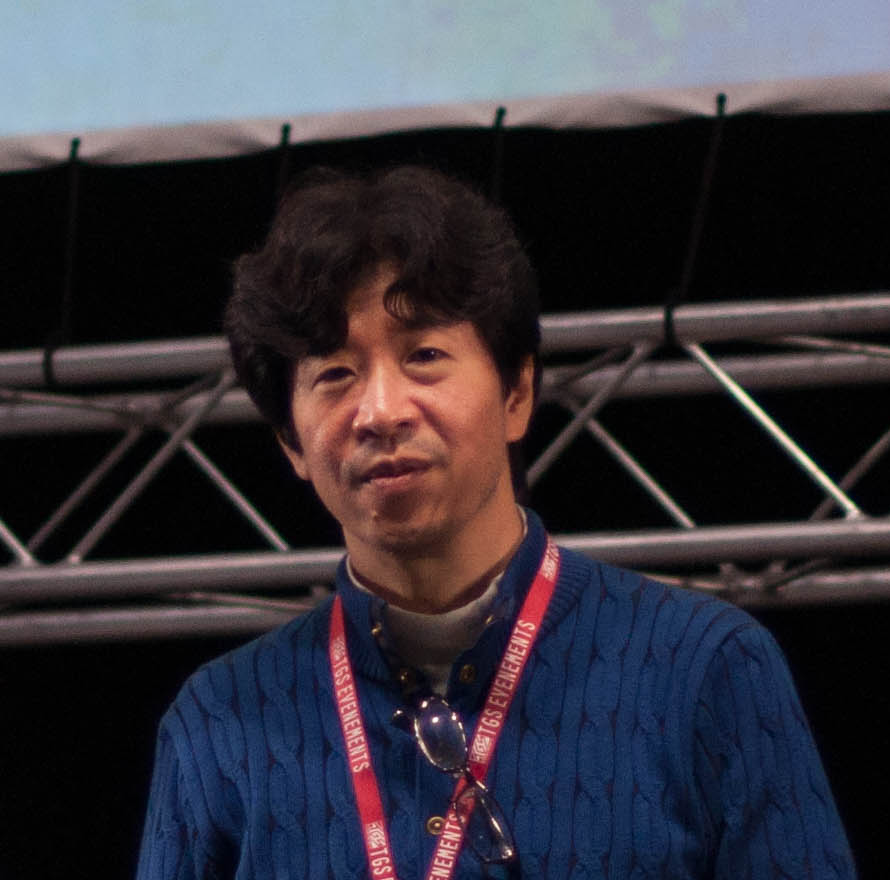
Who is Ryo Mizuno?
Ryo Mizuno (born 1963) is the game master, novelist, and Group SNE co-founder who ran the campaign that became Record of Lodoss War and wrote the novels himself.
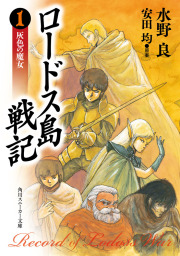
The history of Record of Lodoss War
From a 1986 magazine game log to novels, a landmark 1990 OVA, a 1998 TV series, and a 2021 Metroidvania: the documented chronology of Record of Lodoss War.
The Record of Lodoss War novels, volume by volume
The seven original Record of Lodoss War novels (Kadokawa, 1988–1993) and the two 1995 side-story collections, with their dates, campaigns, and English status.
Who illustrated the Record of Lodoss War novels?
The original novels were illustrated by Yutaka Izubuchi, the designer of record for the franchise’s first decade: seven novels, the replay paperbacks, and the…
Who is Akihiro Yamada?
Akihiro Yamada (born 1957) is the watercolor illustrator of the Legend of Lodoss prequel novels and the artist of The Lady of Pharis manga: the painterly heart…
Who is Nobuteru Yuki?
Nobuteru Yuki (born 1964) is the character designer of the 1990 Record of Lodoss War OVA, whose elegant, long-lined designs became the franchise’s face in the West.
How was the Record of Lodoss War OVA made?
Madhouse’s 13-episode OVA (1990–91): chief director Akinori Nagaoka, designs by Nobuteru Yuki, music by Mitsuo Hagita, and the painted, stillness-first style…
What is Record of Lodoss War: Chronicles of the Heroic Knight?
The 1998 TV series from AIC: 27 episodes on TV Tokyo retelling the later Lodoss novels with Spark as hero, famous above all for its opening song, Kiseki no Umi.
Why is “Kiseki no Umi” famous?
Kiseki no Umi (Sea of Miracles), the 1998 Chronicles of the Heroic Knight opening: Yoko Kanno’s music, Yuho Iwasato’s words, Maaya Sakamoto’s voice, and a second…
The Record of Lodoss War manga, series by series
Six Lodoss manga lines documented: The Grey Witch (two versions), Akihiro Yamada’s The Lady of Pharis, Natsumoto’s Chronicles of the Heroic Knight, Deedlit’s…
What Record of Lodoss War video games are there?
The documented Lodoss games: Hummingbird Soft’s 1988 PC-98 RPG, the PC Engine CD pair, Mega-CD, the 1995 Super Famicom RPG, the Dreamcast’s Advent of Cardice,…
How can you collect Record of Lodoss War in English?
The English Lodoss map: Central Park Media’s anime and CPM Manga lines, the decade out of print, Funimation’s 2017 rescue, Seven Seas’ Grey Witch novel, and…
RESIDENT EVIL
11 shelfs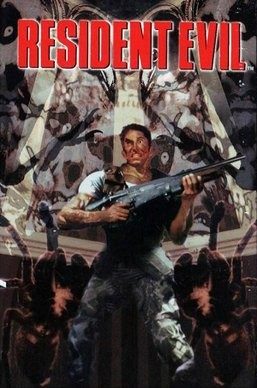
The Resident Evil Gallery
The Japanese Biohazard and American boxes side by side for seven games, from the bloodshot eye of 1996 to the red sky of Resident Evil 4, with their histories and questions behind them.
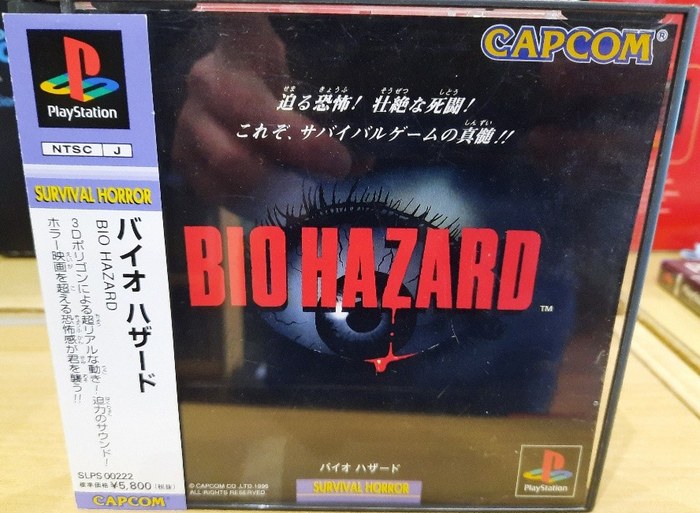
The History of Resident Evil
Fujiwara and Mikami in the Spencer Mansion: the making, the editions, Famitsu 38/40, and the game that named survival horror.
Why is the voice acting in Resident Evil so bad?
A camp direction given in a Tokyo studio, a Japanese dub recorded and never used, and a Guinness record for the dialogue.
What happened to the Resident Evil Director's Cut soundtrack?
The deaf genius credited with the 1998 replacement score admitted in 2014 that Takashi Niigaki wrote it, and that he was not deaf.
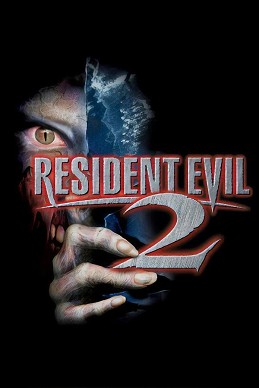
The History of Resident Evil 2
Kamiya, the scrapped Resident Evil 1.5, Sugimura's zapping system, and the Romero commercial: the sequel that became the series' best seller.
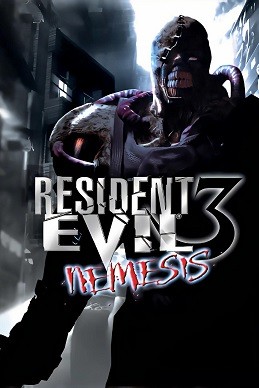
The History of Resident Evil 3: Nemesis
Biohazard 3: Last Escape in Japan: the spin off promoted to a numbered game, Jill's last day in Raccoon City, and the Nemesis built from the T-1000.
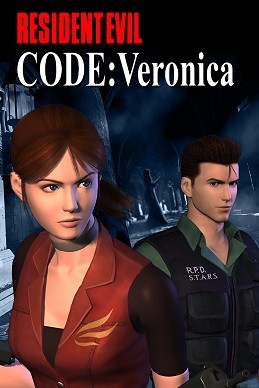
The History of Resident Evil: Code: Veronica
The Dreamcast sequel that lost its number to console politics: real time 3D, European gothic, the Ashford twins, and Metacritic 94.
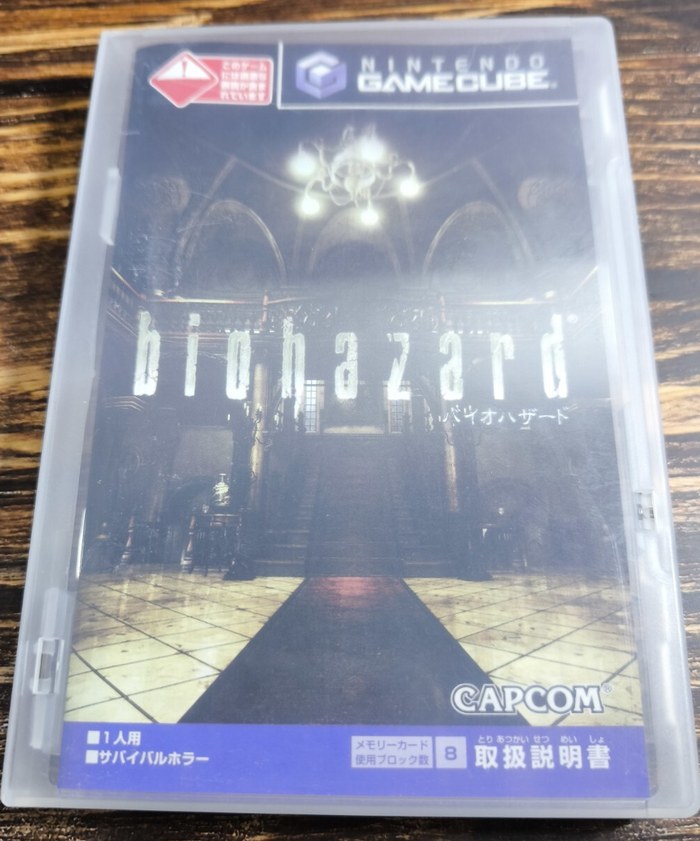
The History of Resident Evil (2002)
Mikami rebuilds his own game for the GameCube: Crimson Heads, Lisa Trevor, Famitsu 39/40, and sales that steered the whole series.
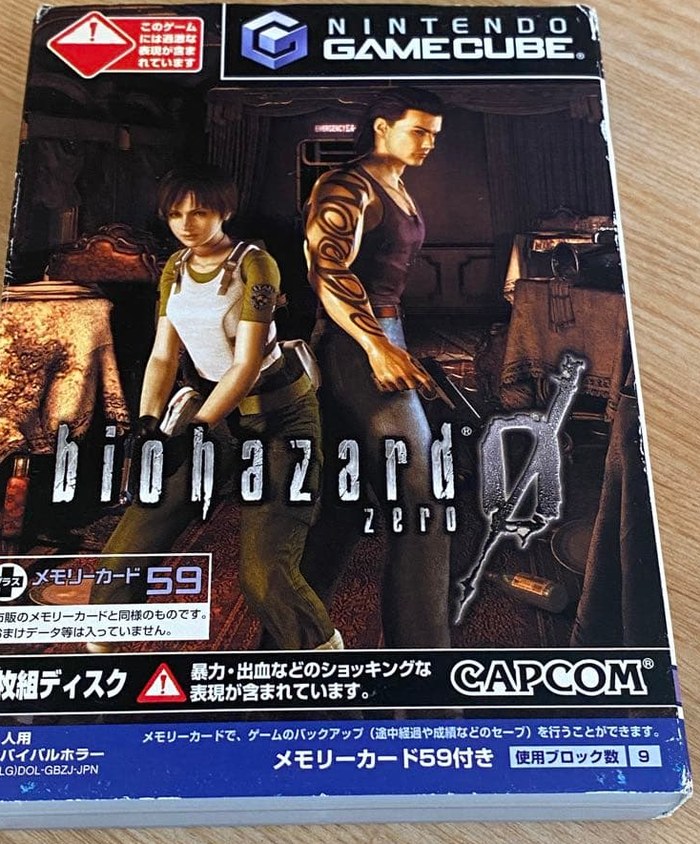
The History of Resident Evil Zero
The Nintendo 64 prequel rebuilt for GameCube: Rebecca and Billy, partner zapping, and item boxes removed in Sweet Home's name.
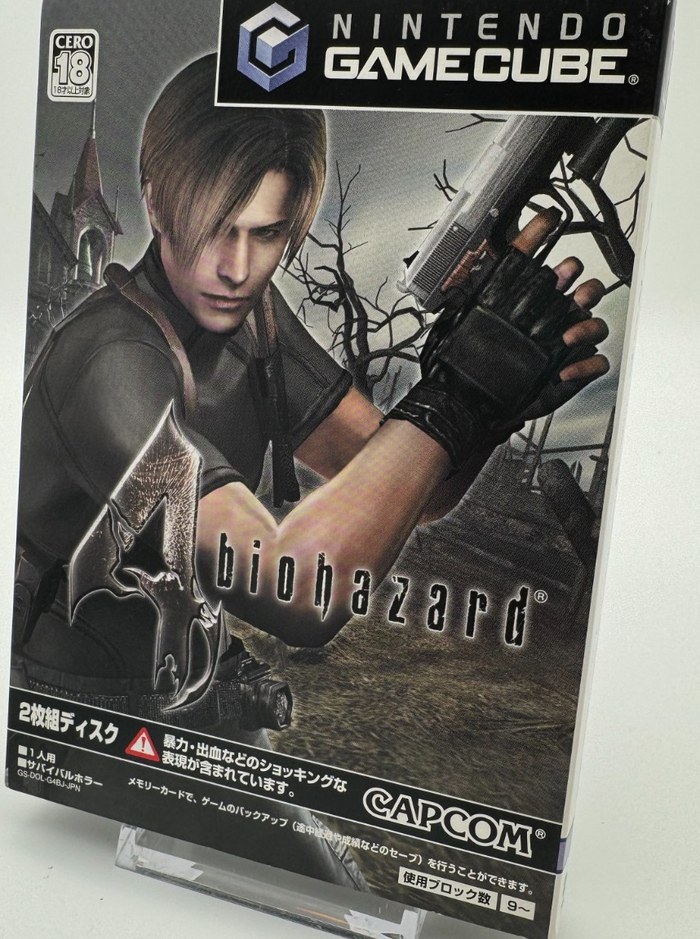
The History of Resident Evil 4
Four discarded versions, one of them Devil May Cry, then Mikami's takeover: the making of the game that moved the camera and the industry.
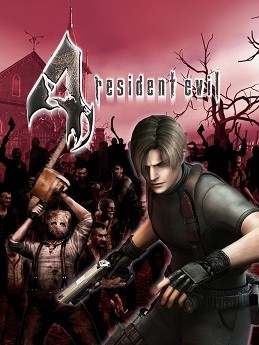
Why did Resident Evil 4 change the series?
The over the shoulder camera, the Ganados, and the Merchant's economy, and the documented road into Gears of War, Dead Space, and The Last of Us.
RPG: DREAMCAST
5 shelfs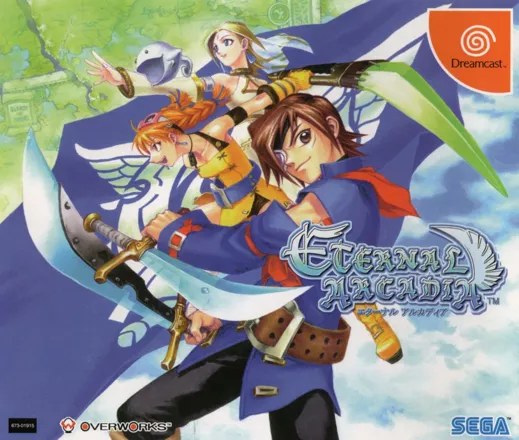
The Dreamcast RPG Gallery
Three Dreamcast RPGs in one room: Skies of Arcadia, Grandia II, and Phantasy Star Online, with their covers and the discs that came inside the boxes.
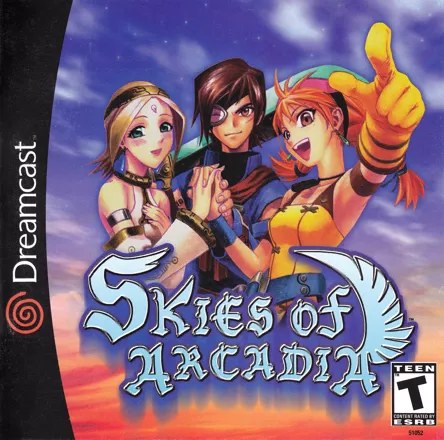
The History of Skies of Arcadia
The bright game in a dark decade: sky pirates, Discoveries, a 93 on Metacritic, and the sales that never came.
What Changed in Skies of Arcadia Legends?
The GameCube director's cut: fewer encounters, new hunts, the download extras folded in, and the cooler second reception, documented.
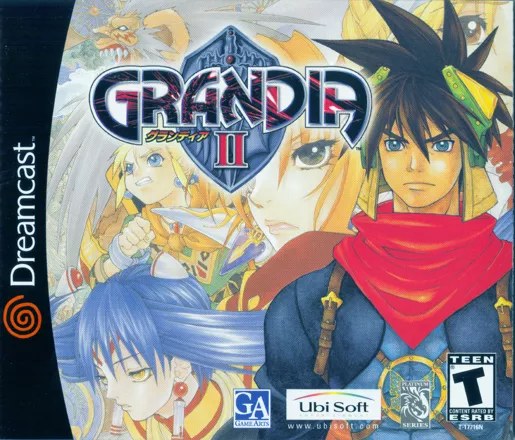
The History of Grandia II
The IP gauge battle system, the 90 on Metacritic, the port that damaged the name, and the remasters that went back to the Dreamcast version.
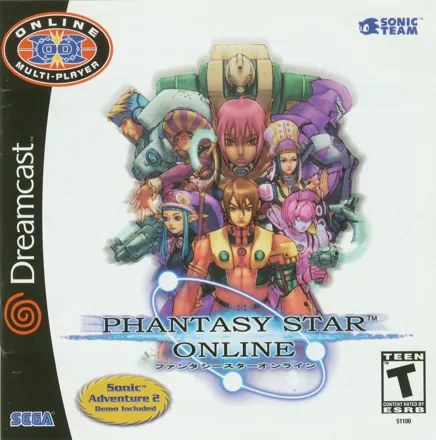
The History of Phantasy Star Online
The first successful console online RPG: ordered by Sega's chairman, modeled on Diablo, and kept alive by fan servers after 2010.
RPG: GAMECUBE
7 shelfs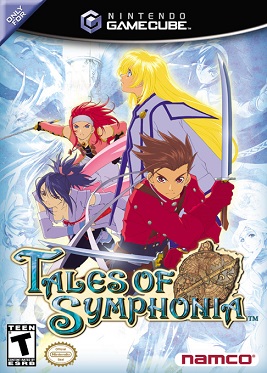
The GameCube RPG Gallery
Six role-playing games of the GameCube era: Tales of Symphonia, Baten Kaitos, Paper Mario, Path of Radiance, Crystal Chronicles and Skies of Arcadia Legends, covers first.
The History of Tales of Symphonia
The first 3D Tales: a Namco and Nintendo collaboration, an 86 on Metacritic, 2.4 million copies, and the port that stayed in Japan.
Why did Tales of Symphonia's PlayStation 2 port stay in Japan?
No official reason was ever given. The documented record, the rumors labeled, and the content's arrival in 2014.
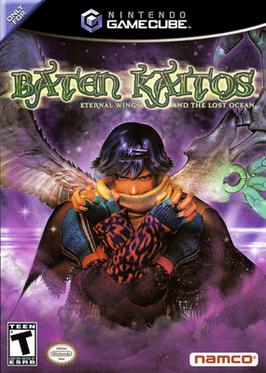
The History of Baten Kaitos
Monolith Soft and tri-Crescendo's thousand card RPG: built to give the GameCube a true RPG, an 80 on Metacritic, and a famous sales miss.
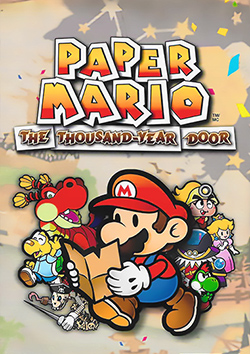
The History of Paper Mario: The Thousand-Year Door
Rogueport, the Crystal Stars and a battle audience: an 87 on Metacritic and Console Role-Playing Game of the Year.
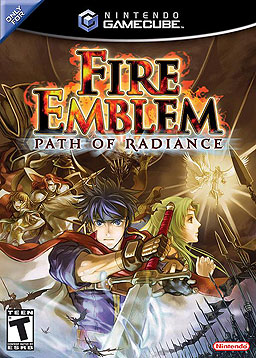
The History of Fire Emblem: Path of Radiance
Fire Emblem returns to home consoles in 3D behind a mercenary: an 85 on Metacritic, and the Maniac difficulty the West never got.

The History of Skies of Arcadia Legends
The GameCube edition as its own release record: Sega after hardware, an 84 on Metacritic, and no rerelease since.
RPG: GENESIS
11 shelfs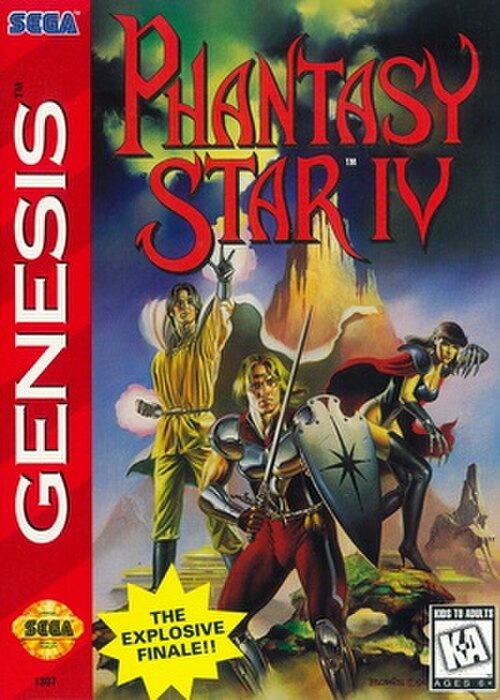
The Genesis RPG Gallery
Phantasy Star II, III and IV, Shining Force and its sequel, Warsong, and the two Lunar games: the verified covers, the honest gaps, and the histories behind them.
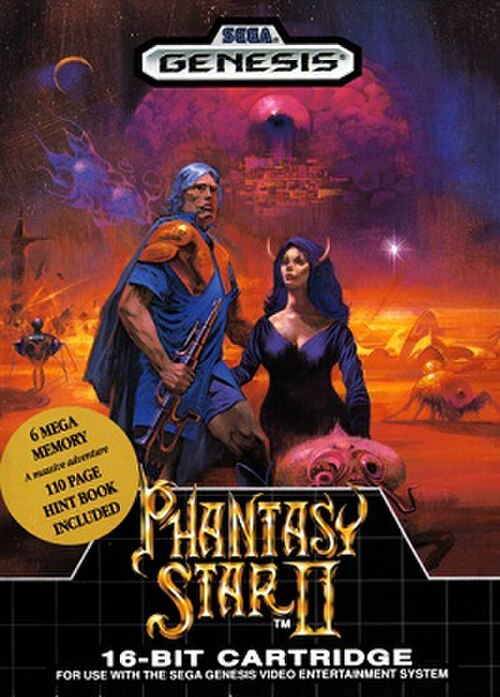
The History of Phantasy Star II
The first Mega Drive RPG: a 6 megabit cartridge, Nei, a bundled 110 page hint book, and the ending that reversed the invasion.
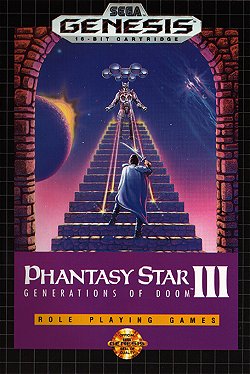
The History of Phantasy Star III
Generations of Doom: three generations, marriage choices, four endings, and the black sheep argument in full.
The History of Phantasy Star IV
The End of the Millennium: Kodama's finale, Boris Vallejo's cover, just under $100 at American retail, and the missing fifteenth combo.
Why is Phantasy Star IV considered the best Genesis RPG?
The rankings that settled it, the near $100 price that shaped its legend, and the 1995 dissent that said years behind.
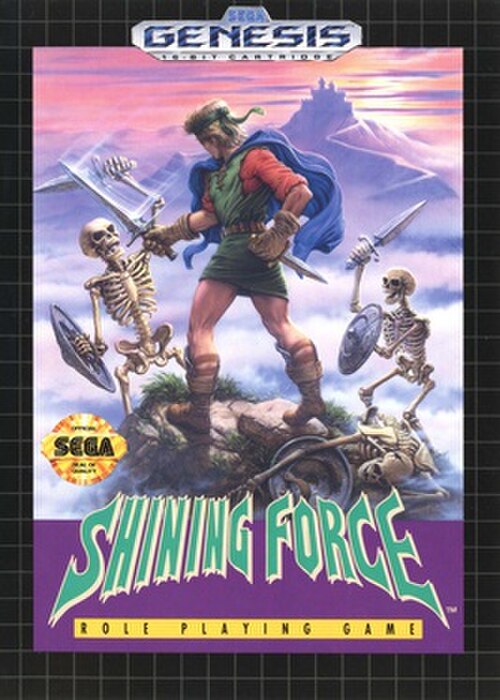
The History of Shining Force
Takahashi on the record: not Fire Emblem. Dragon Quest battles, an obscure PC game called Silver Ghost, and the tactical RPG with no game over.
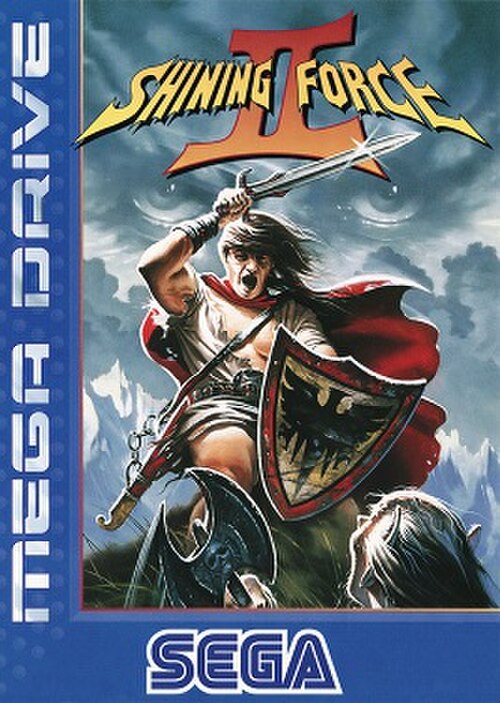
The History of Shining Force II
The hit or else sequel: free roaming, branching promotions, GamePro's pan against the canon, and the Devil Kings translation its co-director corrected.
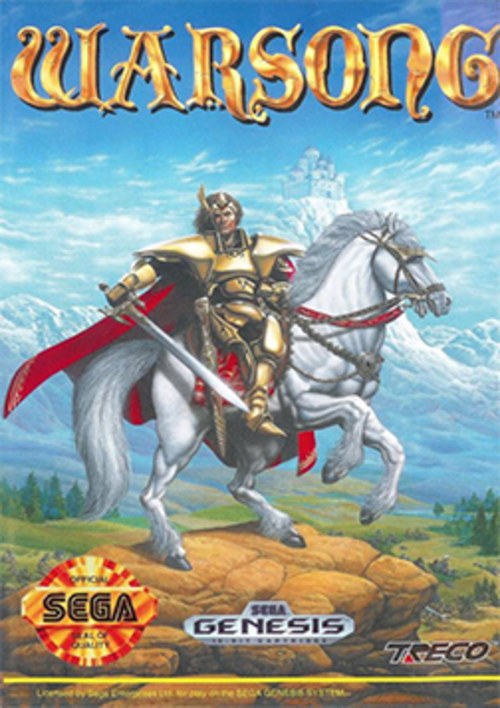
The History of Warsong
Langrisser in Japan, Warsong in America: Masaya's commander and troops tactics, Treco's renamed edition, and the five game series the West saw once.
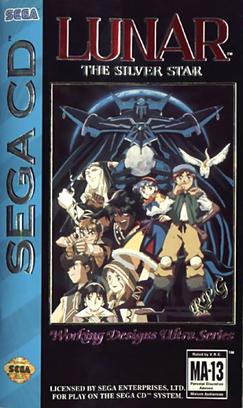
The History of Lunar: The Silver Star
Japan's best selling Mega-CD game: animation as storytelling, Working Designs' eight week translation, and seven collectible disc art variants.
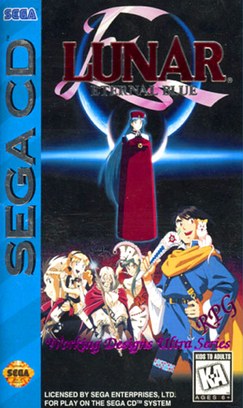
The History of Lunar: Eternal Blue
Three years and $2.5 million, fifty minutes of animation, a save system that charges experience, and GameFan's about face on the jokes.
What did Working Designs change in Lunar?
Names, censorship, injected jokes, a new harp sequence, rewritten lyrics, rebalanced battles, and priced saving, itemized from the record of both Lunar games.
RPG: NES
17 shelves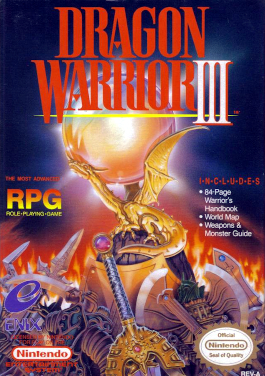
The NES RPG Gallery
Fourteen Famicom and NES role-playing games, Dragon Quest to Lagrange Point, with their covers, their two names apiece, and the questions behind them.
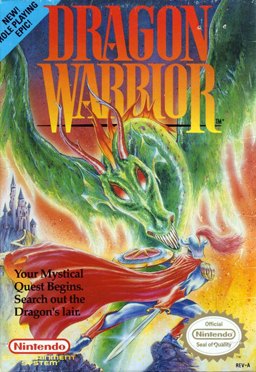
The History of Dragon Quest
Horii, Toriyama, and Sugiyama build the first Japanese console RPG in 1986, and America meets it in 1989 as Dragon Warrior.
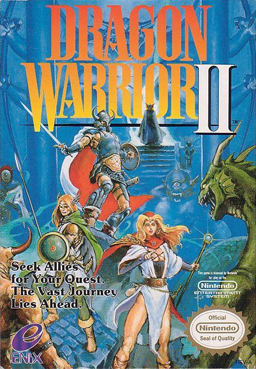
The History of Dragon Quest II
The first party, the first ship, 2.4 million copies in Japan, and the hardest late game of the early series.
The History of Dragon Quest III
The class system, a world shaped like Earth, 3.8 million copies, and the prequel twist that explained the Erdrick legend.
Was There Really a Dragon Quest Law in Japan?
No law was passed. A million copies in a day, almost 300 truancy arrests, and Enix's own weekend decision: the record, with the myth labeled.
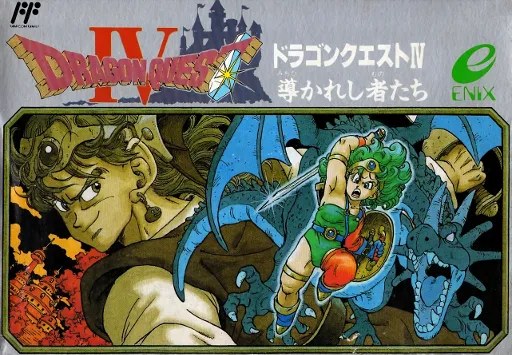
The History of Dragon Quest IV
Five chapters, five viewpoints, the Tactics system, 3.1 million Famicom copies, and the PlayStation remake America never got.
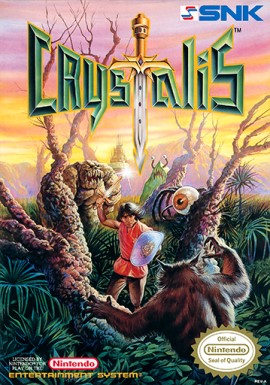
The History of Crystalis
SNK's God Slayer: four elemental swords, a hero woken a century after the end of the world, and a Game Boy Color version that rewrote it.
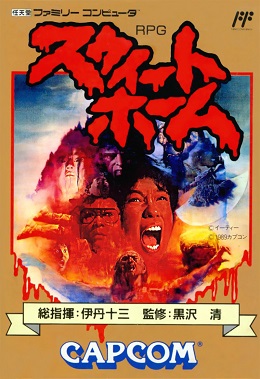
The History of Sweet Home
Capcom's 1989 horror RPG: five filmmakers, five tools, permanent death, and the mansion Resident Evil was built on.
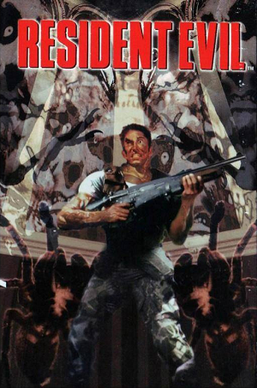
How Did Sweet Home Lead to Resident Evil?
Through its own director. Fujiwara produced Resident Evil to do what the Famicom could not, and the inheritance is itemized on the record.
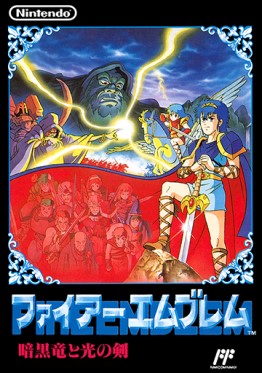
The History of Fire Emblem
Shadow Dragon and the Blade of Light: Kaga fuses Famicom Wars with an RPG, death becomes permanent, and Japan waits thirty years to share it.
The History of Willow
Capcom's second Willow game of 1989: Akira Kitamura's NES action RPG, Harumi Fujita's score, and an eighteen character password.
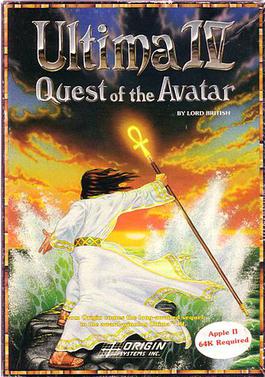
The History of Ultima: Quest of the Avatar
Garriott's 1985 RPG of eight virtues and no villain, remade in Japan for the Famicom and sold back to America on the NES.
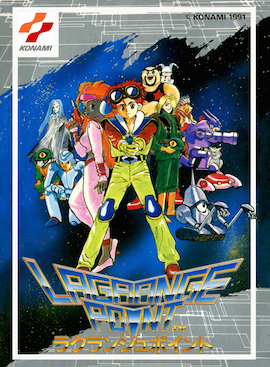
The History of Lagrange Point
Konami's Japan only space opera of 1991, and the VRC7 chip that gave it a sound no other Famicom game has.
Why Does Lagrange Point Sound Different from Other Famicom Games?
Its cartridge carries six channels of FM synthesis. Konami claimed the first; the technical record says it stayed the only one.
The Dragon Quest Gallery
Eight main line games and Monsters on one shelf: Horii, Toriyama, and Sugiyama's series, cover by cover, Japan's national event against America's nine year silence.
RPG: PC ENGINE
6 shelfs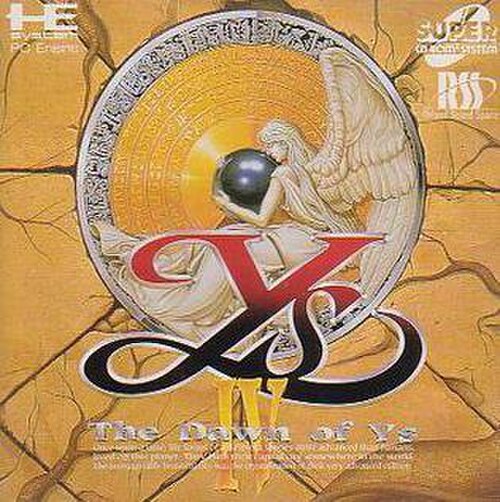
The PC Engine RPG Gallery
Ys Book I and II, Ys IV: The Dawn of Ys, Tengai Makyou II, and Cosmic Fantasy 2: the first CD console's RPG shelf, with its absences stated.
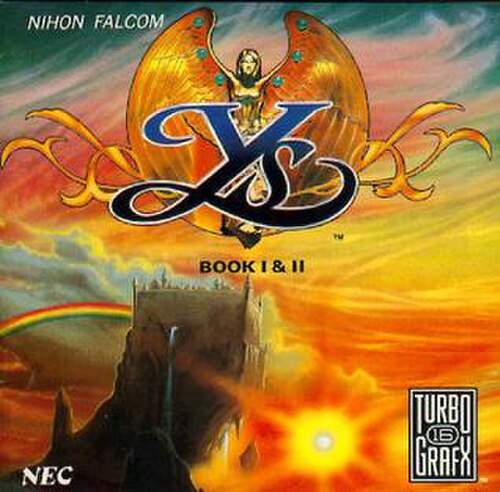
The History of Ys Book I & II
732 megabytes in 1989: two Falcom games on one CD, voice dubbing, bump combat, and EGM's number 38 game of all time.
The History of Ys IV: The Dawn of Ys
One of two games called Ys IV, Hudson's licensed Celceta chapter, Japan only, with the 2004 fan translation as its only English door for decades.
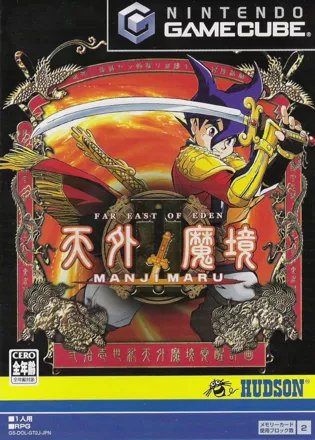
The History of Tengai Makyou II: Manji Maru
500 million yen, Joe Hisaishi, 20,000 screens: Japan's best selling PC Engine game and its highest rated, never released outside Japan in any version.
Why was Tengai Makyou II never released outside Japan?
The platform that lost America, the biggest localization job on it, an American preview that led nowhere, and Victor Ireland's number one game of all time.
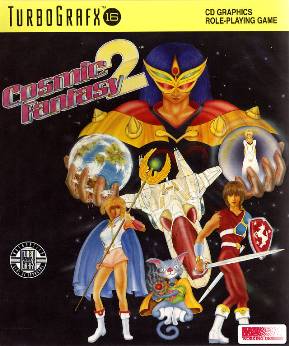
The History of Cosmic Fantasy 2
The first third party game published on a CD console, EGM's Best RPG of 1992, and nearly one copy sold per American TurboGrafx-CD.
RPG: PLAYSTATION
24 shelfs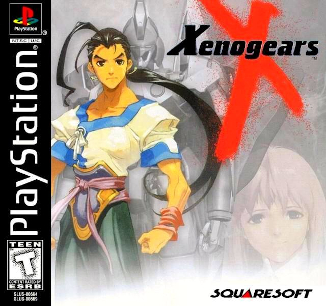
The PlayStation RPG Gallery
Twenty games that made one console the home of the RPG: Final Fantasy VII to IX and Tactics, Xenogears, Chrono Cross, Vagrant Story, Parasite Eve, Valkyrie Profile, Suikoden, Persona, Grandia, and Lunar.
The History of Xenogears
The Final Fantasy VII proposal that was too dark: Episode V of a six part saga, Perfect Works, 1.19 million copies, and no European release.
Why does Xenogears' second disc tell its story instead of playing it?
The budget cut legend, and director Tetsuya Takahashi's own account from 2017, labeled apart: a young team, a two year rule, and a choice.
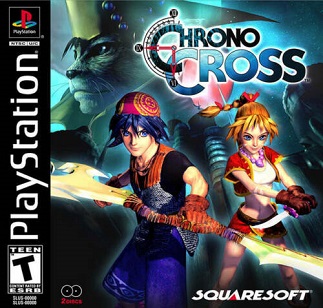
The History of Chrono Cross
Kato and Mitsuda return without the Dream Team: parallel worlds, 45 heroes, a perfect 10 from GameSpot, and the sequel argument that never ended.
Why is Chrono Cross so divisive?
A 94 on Metacritic against a fan argument about what a sequel owes: the critics judged the game, the fans judged the sequel.
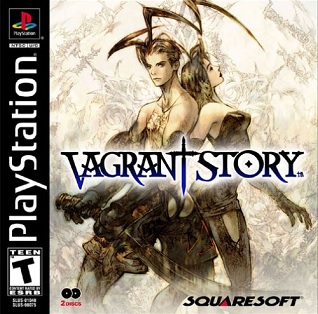
The History of Vagrant Story
Matsuno's one man dungeon: Famitsu's perfect 40, the Tactics team in full 3D, and the most admired Square game of its year, overshadowed by its own stablemates.
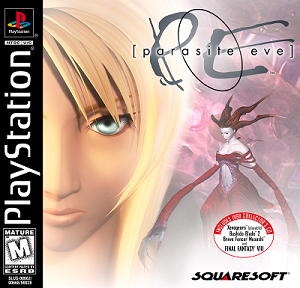
The History of Parasite Eve
Square adapts Hideaki Sena's horror novel, builds its first M rated game with a mostly American team in Los Angeles, and invents the cinematic RPG.
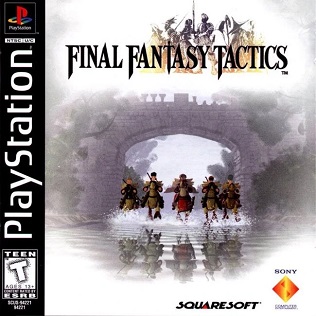
What did War of the Lions change in Final Fantasy Tactics?
Almost every word: the complete retranslation, Algus renamed Argath, two new jobs, Balthier and Luso, voiced cutscenes, and the slowdown that came with them.
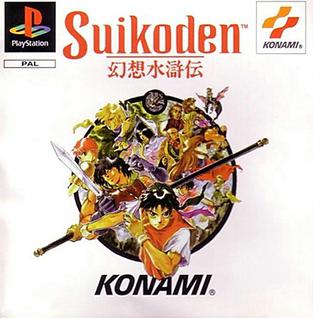
The History of Suikoden
Murayama and Kawano build Konami's 108 Stars RPG: Water Margin's outlaws, three kinds of battle, and the split verdict: America's RPG of the Year against Famitsu's series-low 26.
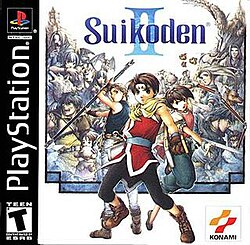
The History of Suikoden II
Two friends, two halves of one rune, and a limited Western print run: the 1999 record (Japan hit, EGM 7) and the canon lists that reversed it.
Why did Suikoden II become a cult classic?
No reprint after a tepid Western start, a decade of best-ever lists, PSN in 2014: the dated stages of an afterlife, separated from the nostalgia.
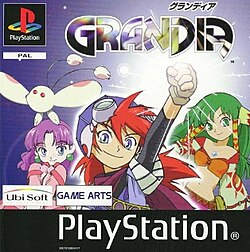
The History of Grandia
The Saturn original in full: 344,554 Japanese copies, a cloth map limited edition, and import fame, then the 1999 PlayStation port that carried it West.
Why did Grandia move from the Saturn to the PlayStation?
Sega of America said no, the petition failed, the European talks failed: how an acclaimed Saturn game reached the West only by changing machines.
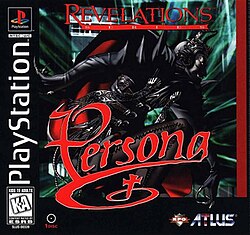
The History of Revelations: Persona
The West's first Megami Tensei RPG: Jung, Twin Peaks, demon negotiation, and a 1996 edition that cut an entire second campaign, restored on PSP in 2009.
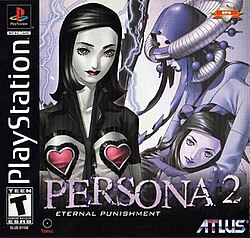
The History of Persona 2
Innocent Sin and Eternal Punishment as the pair they are: rumors that become real, one story from two viewpoints, and a first half the West waited twelve years for.
RPG: PS2
17 shelfs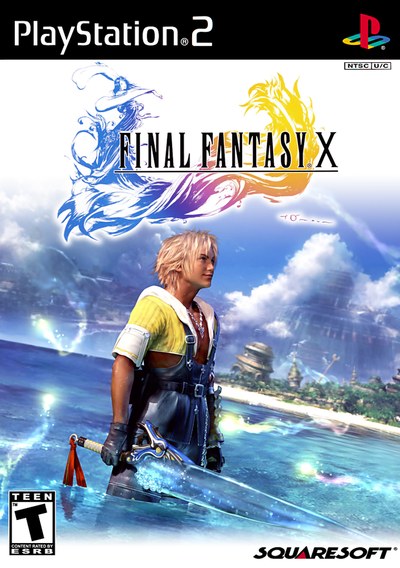
The PS2 RPG Gallery
Sixteen games, cover first: the deepest bench in role-playing history.
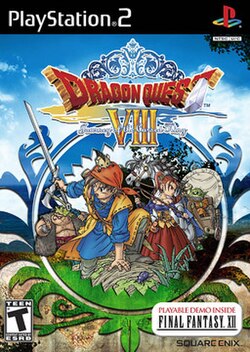
Dragon Quest VIII (2004)
The History: Level-5 rebuilds the tradition, and Japan's biggest PS2 game goes west.
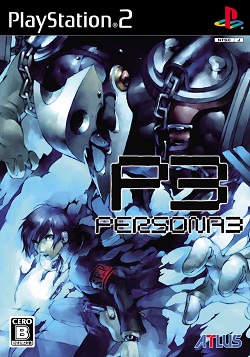
Persona 3 (2006)
The History: the calendar, the Social Links, and the Evokers.
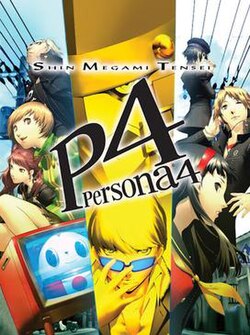
Persona 4 (2008)
The History: a murder mystery, the fog deadline, and a 90 on Metacritic.
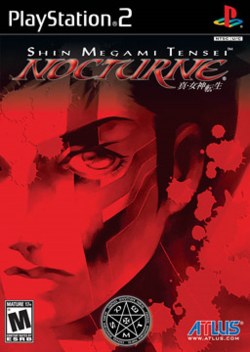
Shin Megami Tensei III: Nocturne (2003)
The History: the Conception, the Press Turn, and the West's first mainline SMT.
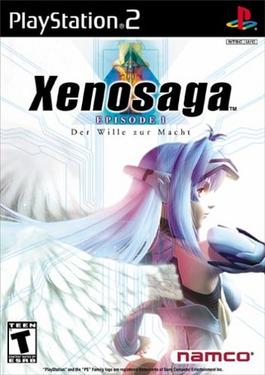
Xenosaga Episode I (2002)
The History: Takahashi's six part plan, cut to three.
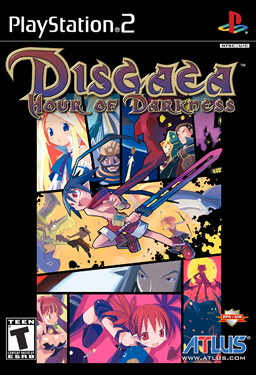
Disgaea: Hour of Darkness (2003)
The History: the bet the company game, and five million Prinnies.
How did Dragon Quest VIII break through in the West?
The name, the localization, the demo disc, and Europe's first entry.
Why is Dante in Nocturne?
A fan on staff, a pitch film to Capcom, and a trade in character designs.
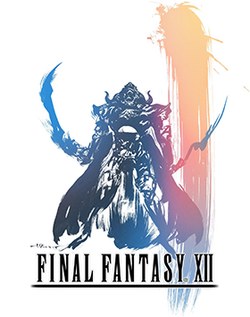
Why did Yasumi Matsuno leave Final Fantasy XII?
The documented health record, and the rumors, labeled as rumors.
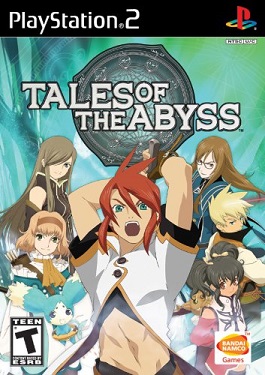
Tales of the Abyss (2005)
The History: the tenth anniversary Tales, Free Run, the Score, and a hero who is a copy.
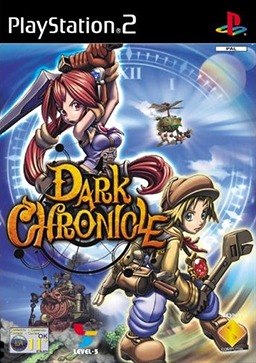
Dark Cloud 2 (2002)
The History: Dark Chronicle in Japan and Europe, Georama, inventions, and GameSpot's best PS2 game of 2003.
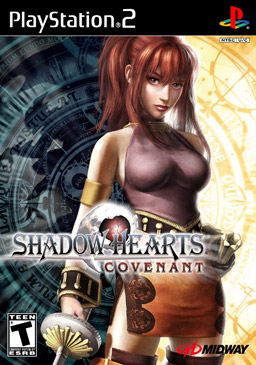
Shadow Hearts: Covenant (2004)
The History: Shadow Hearts II in Japan, the Judgment Ring, and IGN's PS2 RPG of the year.
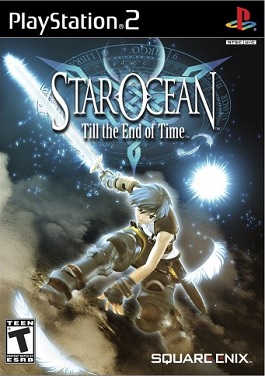
Star Ocean: Till the End of Time (2003)
The History: tri-Ace goes 3D, a buggy launch, the Director's Cut, and the Eternal Sphere.
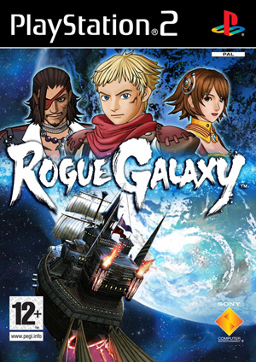
Rogue Galaxy (2005)
The History: Level-5's biggest game, a seamless galaxy, and the expanded version the West received.
RPG: SATURN
11 shelfs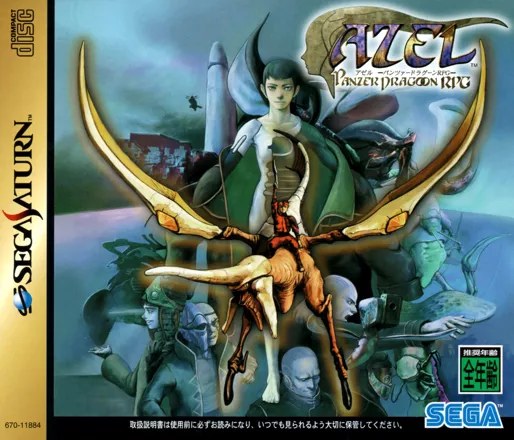
The Saturn RPG Gallery
Six Saturn RPGs and one famous guest: Panzer Dragoon Saga, Shining Force III, Sakura Wars, Dragon Force, Rayearth, Albert Odyssey, and the Saturn's Grandia, covers side by side.
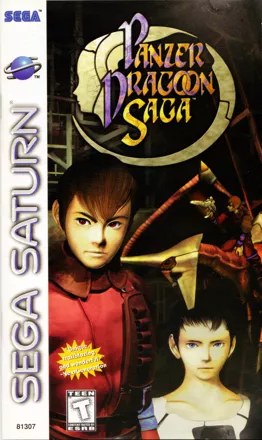
The History of Panzer Dragoon Saga
Team Andromeda's four disc answer to Final Fantasy VII: the making, the morphing dragon, the 92 percent reviews, and the lost source code.
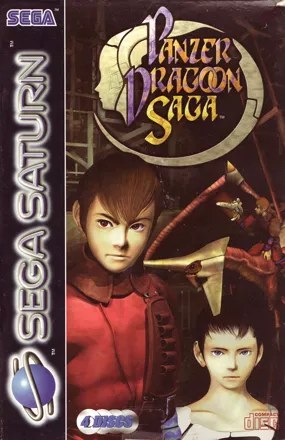
How Many Copies of Panzer Dragoon Saga Were Made?
About 20,000 for North America and around 1,000 for Europe: what the record supports about the scarcity, and what is folklore.
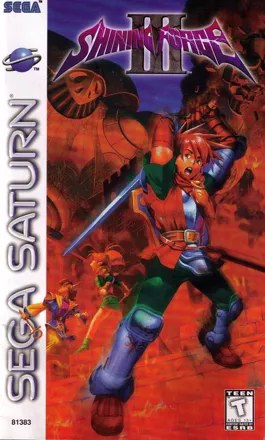
The History of Shining Force III
One war told three times in Japan, once in the West: the three scenarios, the Synchronicity saves, and the Premium Disk, stated precisely.
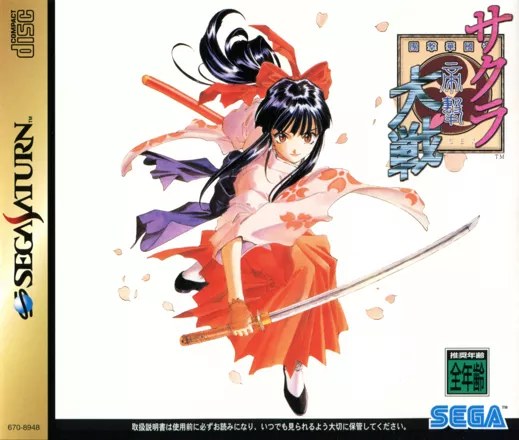
The History of Sakura Wars
Sega's most expensive project of its era: the dramatic adventure, the LIPS system, and the biggest selling original title on the Saturn in Japan.
Why Did Sakura Wars Stay in Japan for So Long?
359,485 copies at home and nothing abroad for fourteen years: the sales record, the two exceptions, and the 2019 turn.
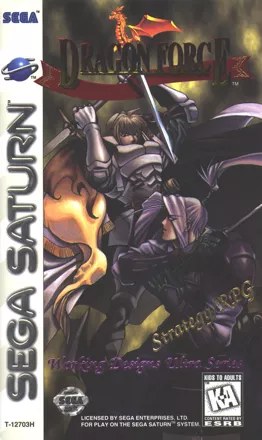
The History of Dragon Force
Eight rulers, two hundred soldiers on one screen, and a working week of ruling between battles: EGM's Saturn game of 1996.
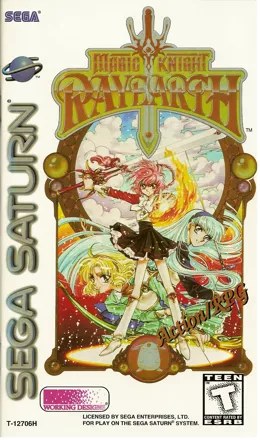
The History of Magic Knight Rayearth
Kodama's first directing job, a localization rebuilt after a hard drive crash, and the last Saturn game released in North America.
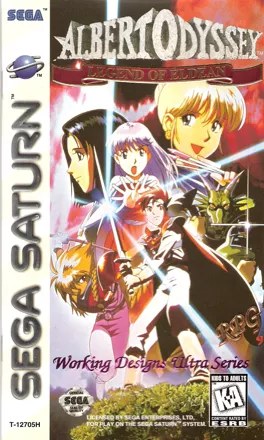
The History of Albert Odyssey: Legend of Eldean
A Super NES game that lost its platform and gained an orchestra: Sunsoft's side story and the era's most divided reviews.
What language are the Panzer Dragoon songs sung in?
Panzerese, a language invented for the series from Ancient Greek, Latin and Russian roots. Saga closes with a full song in it, sung by Eri Ito.
Why is the Sakura Wars theme song so famous in Japan?
Geki! Teikoku Kagekidan: a Super Sentai opening crossed with a 1949 film song, written to put melody back in front of a generation.
RPG: SNES
33 shelfs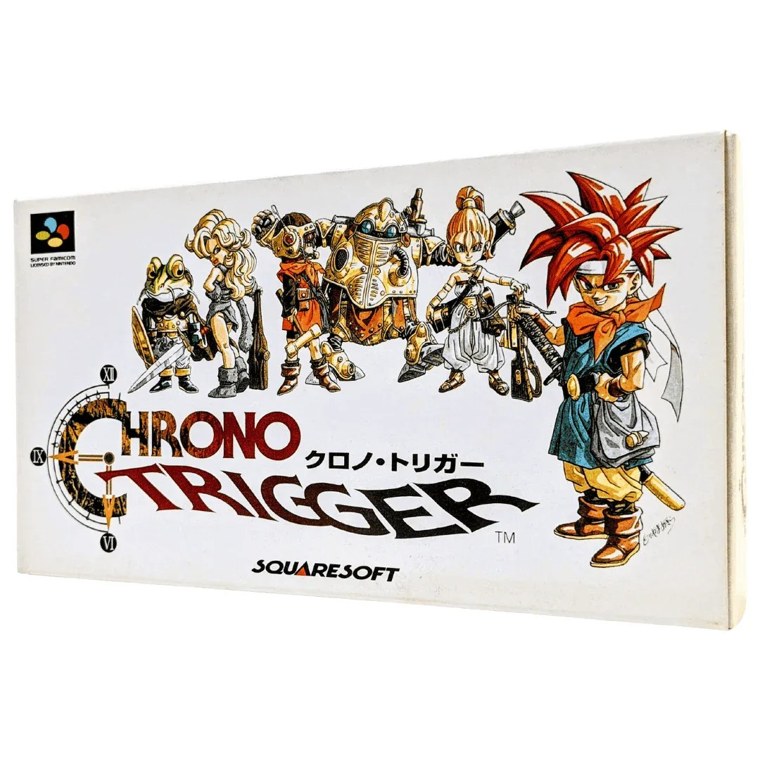
The SNES RPG Gallery
Seventeen Super Nintendo and Super Famicom role-playing games, cover first, with the Japanese and Western boxes side by side wherever both exist, and the missing Western boxes named as missing.
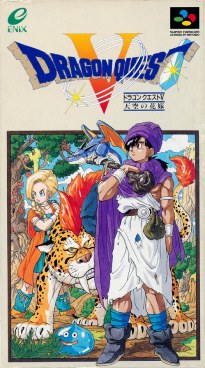
The History of Dragon Quest V
One hero from birth to fatherhood: monster recruitment, the marriage choice, and 1.3 million copies sold in a single day in Japan.
Why does Dragon Quest V span three generations?
Because Horii built a life, not a quest: the father searches, the son answers, and the party spans thirty years.
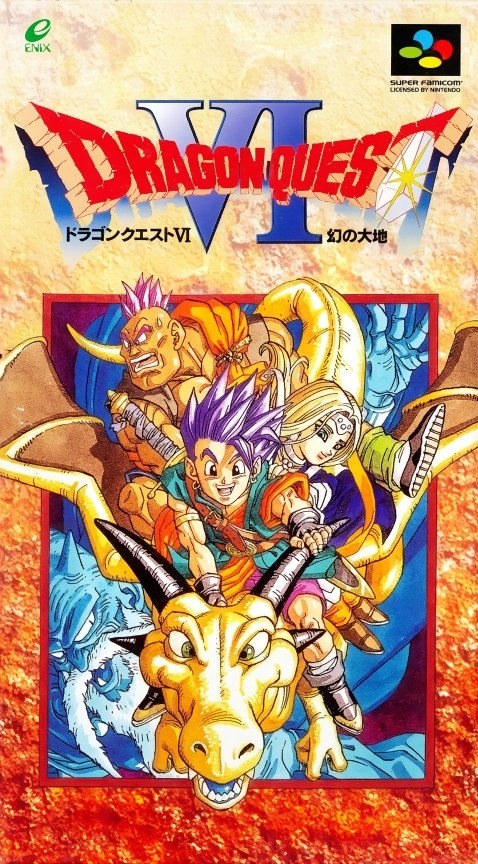
The History of Dragon Quest VI
Heartbeat's first entry in the series, two worlds that explain each other, and the trilogy ending America waited fifteen years to read.
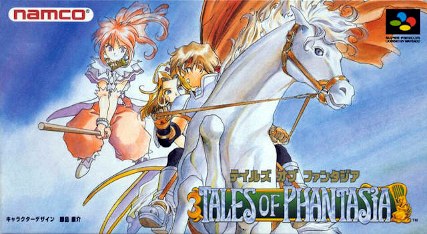
The History of Tales of Phantasia
Wolf Team's singing cartridge: a rejected Enix pitch, a Namco contract, and a staff walkout that founded tri-Ace.
How did Tales of Phantasia fit a sung theme song on a cartridge?
A 48-megabit cartridge, a sound system called Flexible Voice Drive, and Yukari Yoshida singing Yume wa Owaranai.
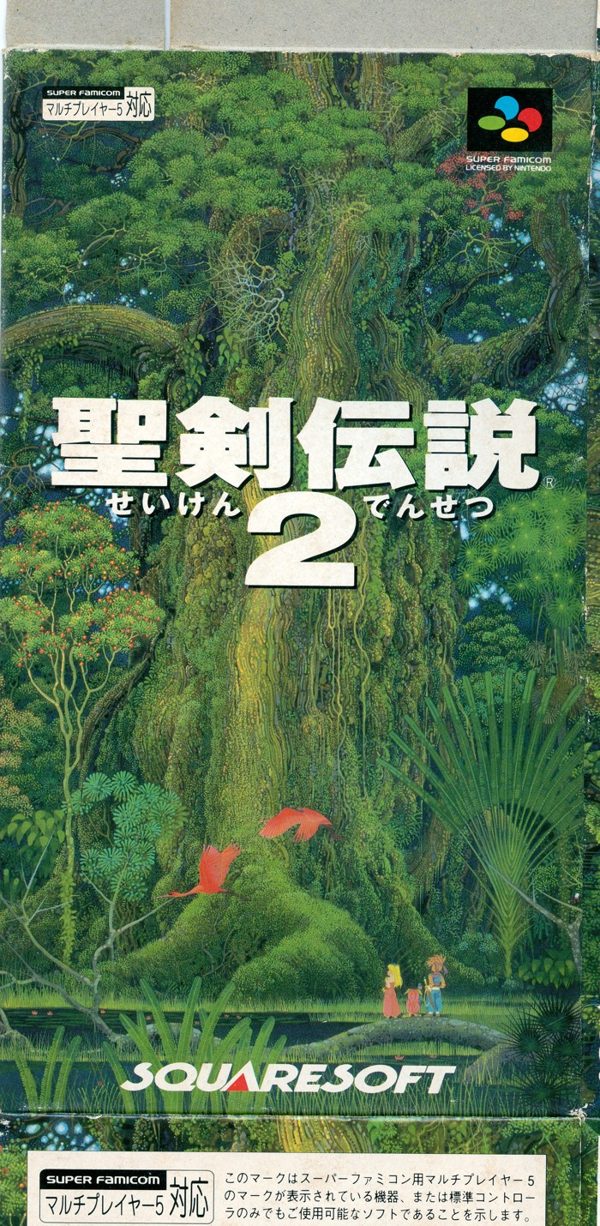
The History of Secret of Mana
The cancelled CD-ROM launch title, the forty percent that was cut, and the three-player action RPG that resulted.
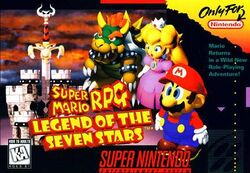
The History of Super Mario RPG
Square and Nintendo's 1996 collaboration: the making, the SA-1 chip, timed action commands, the scores, and the two series it started.
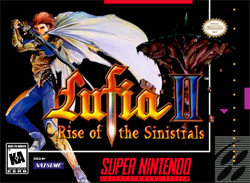
The History of Lufia II
Neverland's prequel built out of puzzles: Maxim's first war against the Sinistrals, the IP skills, the 99-floor Ancient Cave, and the scores.
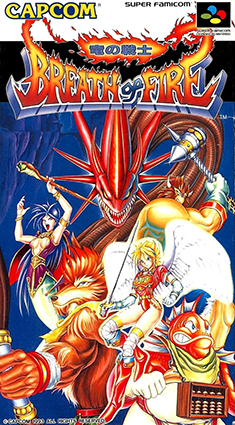
The History of Breath of Fire
Capcom's first traditional RPG: Inafune's characters, the Square Soft American release and Woolsey translation, the scores, and the series it founded.
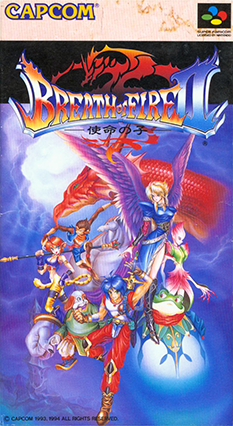
The History of Breath of Fire II
The direct sequel 500 years on: town building, shaman fusions, the church that eats prayers, its famously rough translation, and the scores.
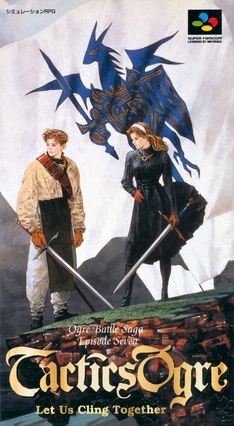
The History of Tactics Ogre
Yasumi Matsuno's branching war story: the making, the massacre choice, the ports that carried it West three years late, the scores, and the legacy.
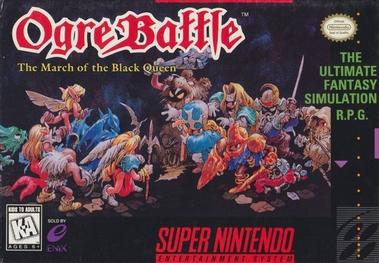
What Inspired Tactics Ogre?
Matsuno on record: the Yugoslav Wars on the evening news, the fall of the Berlin Wall, and Queen, with interpretation labeled Tier 2.
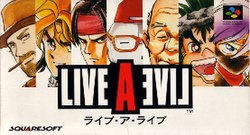
The History of Live A Live
Tokita's seven-era omnibus RPG: seven heroes, seven manga artists, Shimomura's first major score, its Japanese failure, and its worldwide remake.
Why Did Live A Live Take 28 Years to Reach the West?
A 270,000-copy disappointment, a localization chief's on-record doubts, fallen-through revivals, and the HD-2D style that finally unlocked it.
RPG: XBOX
12 shelfs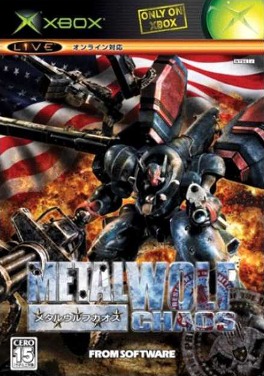
The Xbox RPG Gallery
Morrowind, both Knights of the Old Republic games, Fable, Jade Empire, Dark Alliance, and the two Japan only prints, Shin Megami Tensei: Nine and Metal Wolf Chaos: the verified covers, the honest gaps, and the histories behind them.
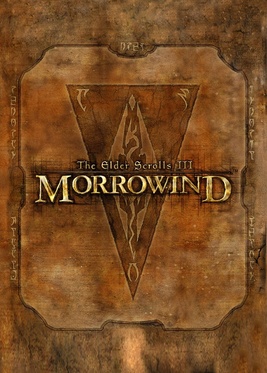
Morrowind (2002)
The History: Bethesda builds one island by hand, ships the Construction Set, and puts a PC epic on the Xbox.
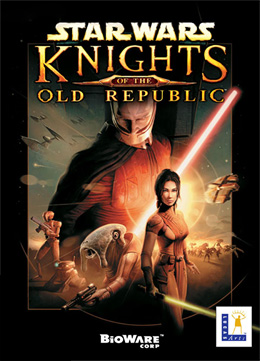
Star Wars: Knights of the Old Republic (2003)
The History: BioWare's first Star Wars RPG, the Revan twist, a 93 on Metacritic, and the road to Mass Effect.
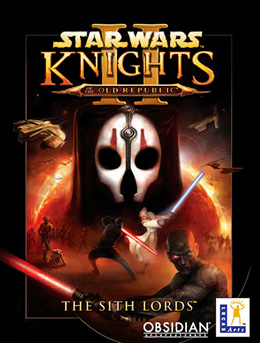
Star Wars Knights of the Old Republic II: The Sith Lords (2004)
The History: Obsidian's first game, Kreia's deconstruction of the Force, and a sequel made in fourteen months.
Why did Knights of the Old Republic II ship with cut content?
A date moved up from 2005 to December 2004, penalties for missing it, a cut planet, and the fan mod that put much of it back.
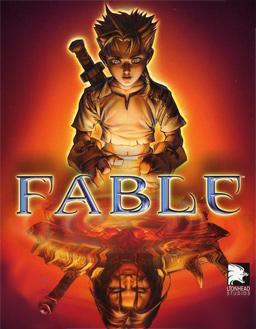
Fable (2004)
The History: Project Ego, Peter Molyneux's promises, a hero whose body keeps the score, and 375,000 copies in a week.
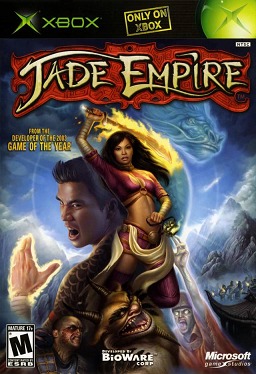
Jade Empire (2005)
The History: BioWare's dream project and first original world, an 89 on Metacritic, and the launch window that sank it.
Why was Jade Empire not an Xbox 360 launch title?
Greg Zeschuk's on record answer: Microsoft's advice to ship at the end of the original Xbox's life, in his words the stupidest thing ever.
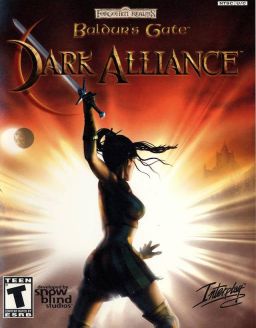
Baldur's Gate: Dark Alliance (2001)
The History: Snowblind's console reinvention of Baldur's Gate, PlayStation 2 first in 2001 and Xbox in 2002, and the engine that powered Champions of Norrath.
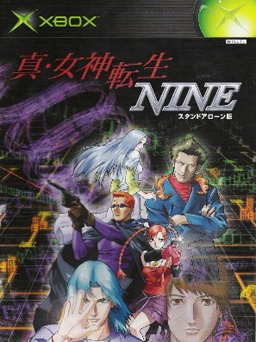
Shin Megami Tensei: Nine (2002)
The History: Atlus's Japan only Xbox RPG, announced as Shin Megami Tensei Online, nine alignments, and a cancelled online half that became Imagine.
Metal Wolf Chaos (2004)
The History: FromSoftware's Japan only mecha game, a president in a mech suit, and English voices recorded for a release that never came.
Why did Metal Wolf Chaos stay in Japan until 2019?
FromSoftware's own 2018 answer, the end of the Xbox's cycle, and the 2016 tweet that brought it back as XD.
RUMIKO TAKAHASHI
30 shelves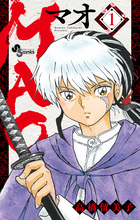
Who is Rumiko Takahashi?
Rumiko Takahashi, creator of Urusei Yatsura, Maison Ikkoku, Ranma 1/2 and Inuyasha: over 230 million copies in circulation, two Shogakukan Manga Awards, and the…
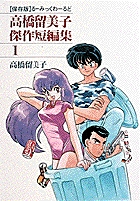
What is Rumic World?
Rumic World is the name for Rumiko Takahashi’s short manga: the one-shots and sporadic series from Katte na Yatsura (1978) to Mermaid Saga, several of them…
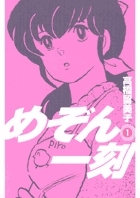
What is Maison Ikkoku?
Maison Ikkoku (1980–87) is Rumiko Takahashi’s seinen romance: 15 volumes and 25 million copies, drawn simultaneously with Urusei Yatsura, and adapted into…
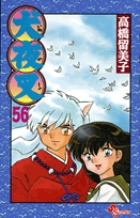
How successful is Rumiko Takahashi?
Over 230 million copies in circulation, repeated appearances in Japan’s top-taxpayer coverage, two Shogakukan Manga Awards, the Eisner and Harvey Halls of Fame,…
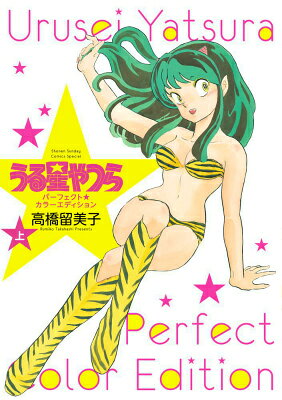
How does Rumiko Takahashi work?
Takahashi creates the story and layout and pencils and inks the characters herself; four assistants (all women, by her stated policy) handled backgrounds, panel…
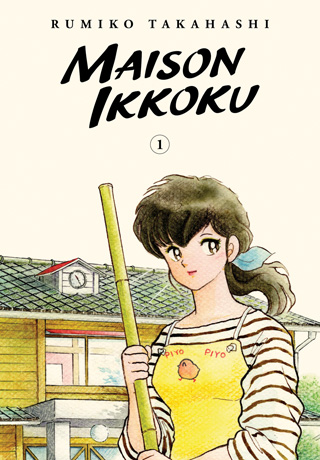
Viz and Rumiko Takahashi: a thirty-year history
Every major Rumiko Takahashi series reached English through Viz Media: Urusei Yatsura from 1989, Ranma 1/2 from 1992, Inuyasha from 1997, through flipped comics…
The History of Urusei Yatsura
Urusei Yatsura ran in Weekly Shonen Sunday from August 1978 to January 1987: 366 chapters, 34 volumes, over 35 million copies, and the series that launched…
Urusei Yatsura: The Manga Gallery
All 34 Urusei Yatsura covers documented: the 1980–87 Shonen Sunday Comics tankobon, the 15-volume wideban, the 17-volume bunkoban with other artists’…

The Urusei Yatsura anime and the Oshii years
Kitty Films’ Urusei Yatsura (1981–86) ran 194 episodes containing 213 stories; the first 106 episodes were directed by Mamoru Oshii, the remainder by Kazuo…
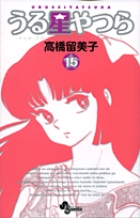
The Urusei Yatsura films
Six Urusei Yatsura films, 1983–1991: Only You, Beautiful Dreamer, Remember My Love, Lum the Forever, The Final Chapter and Always My Darling, plus the…
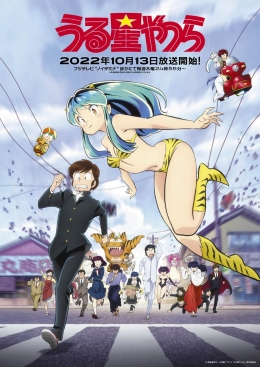
The 2022 Urusei Yatsura remake
David Production’s Urusei Yatsura (2022–24): 46 episodes in four cours on Fuji TV’s Noitamina block, a selected-chapters adaptation of the manga, licensed…
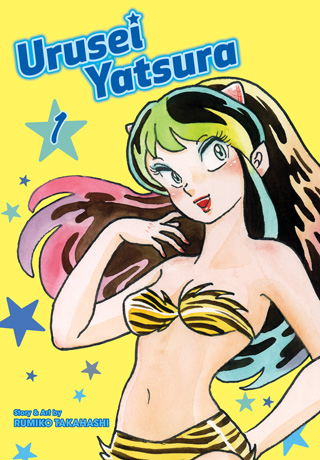
Urusei Yatsura in English
Viz Media’s first Urusei Yatsura run (1989–2000) stalled at nine volumes covering roughly the first eleven Japanese volumes; the complete 17-volume 2-in-1…
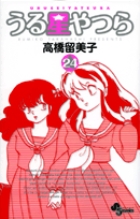
Urusei Yatsura video games
The Urusei Yatsura games, 1982–2005: a Bandai handheld, Jaleco’s Famicom Lum no Wedding Bell, Hudson’s PC Engine CD Stay With You, Game Arts’ Mega-CD Dear…
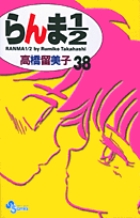
The History of Ranma 1/2
Ranma 1/2 ran in Weekly Shonen Sunday from August 1987 to March 1996: 407 chapters, 38 volumes, 55 million copies, and one of the first manga and anime to become…
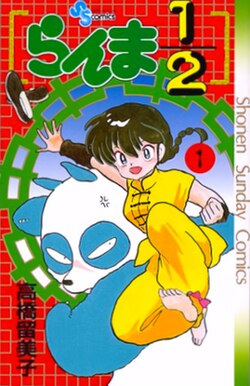
Ranma 1/2: The Manga Gallery
All 38 Ranma 1/2 covers documented: the 1988–96 Shonen Sunday Comics tankobon, the 38-volume shinsoban of 2002–03, and the 20-volume Shonen Sunday…
RUROUNI KENSHIN
20 shelves
The Kenshin Manga Gallery
Every Japanese Jump Comics cover of Rurouni Kenshin, volumes 1 to 28, 1994 to 1999, each with its release date, plus the kanzenban and Hokkaido designs.
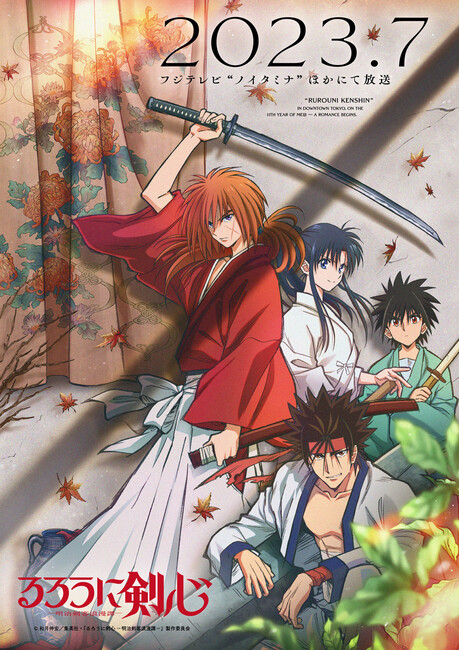
What is Rurouni Kenshin?
Rurouni Kenshin in brief: Watsuki’s 1994 Jump classic about a Bakumatsu assassin who swore never to kill again, its premise, its wordplay, and its 72 million copies.
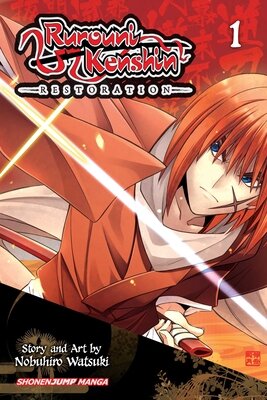
The history of Rurouni Kenshin
From the 1992 one-shots to the September 1999 finale: how Rurouni Kenshin was serialized in Weekly Shonen Jump and ended at its peak by its author’s choice.
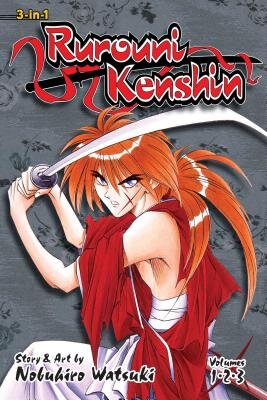
How many Kenshin books are there?
The count, edition by edition: 28 tankobon, 22 kanzenban, 14 bunkoban, 10 Hokkaido volumes and counting, plus the English Viz lines.
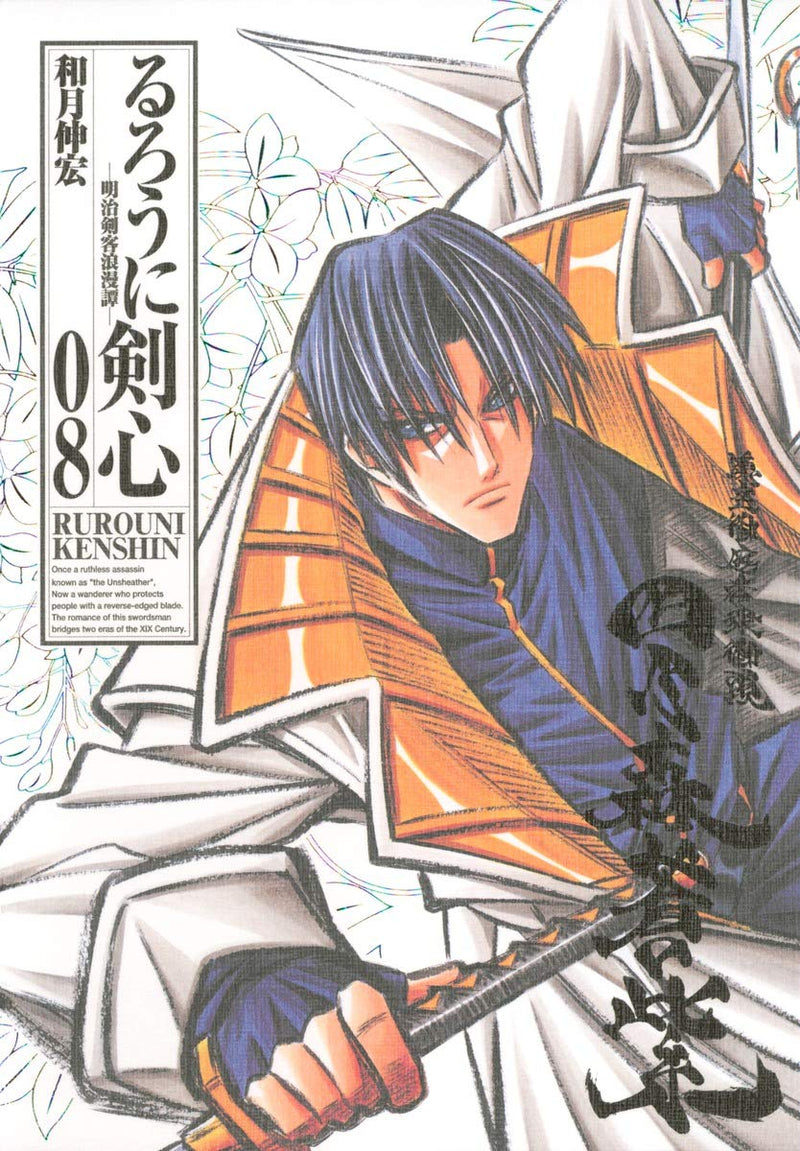
What is the Kenshin kanzenban?
The 2006–07 complete edition of Rurouni Kenshin: 22 larger volumes, covers drawn again from scratch, and the two lost stories restored.
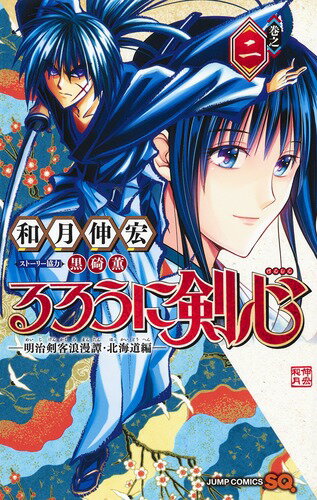
What is the Kenshin Hokkaido Arc?
The Hokkaido Arc explained: Watsuki’s direct sequel in Jump Square from 2017, set in 1883, its new cast, its ten volumes and its interrupted schedule.
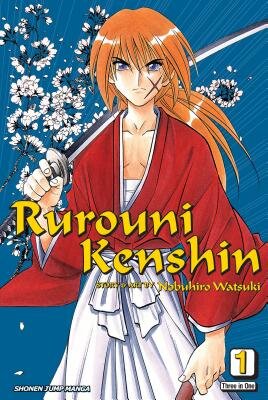
Kenshin in English: the Viz editions
Rurouni Kenshin in English: Viz Media’s 28 volumes of 2003–06, the VIZBIG omnibuses, the 3-in-1 line, and the Samurai X name the anime travelled under.
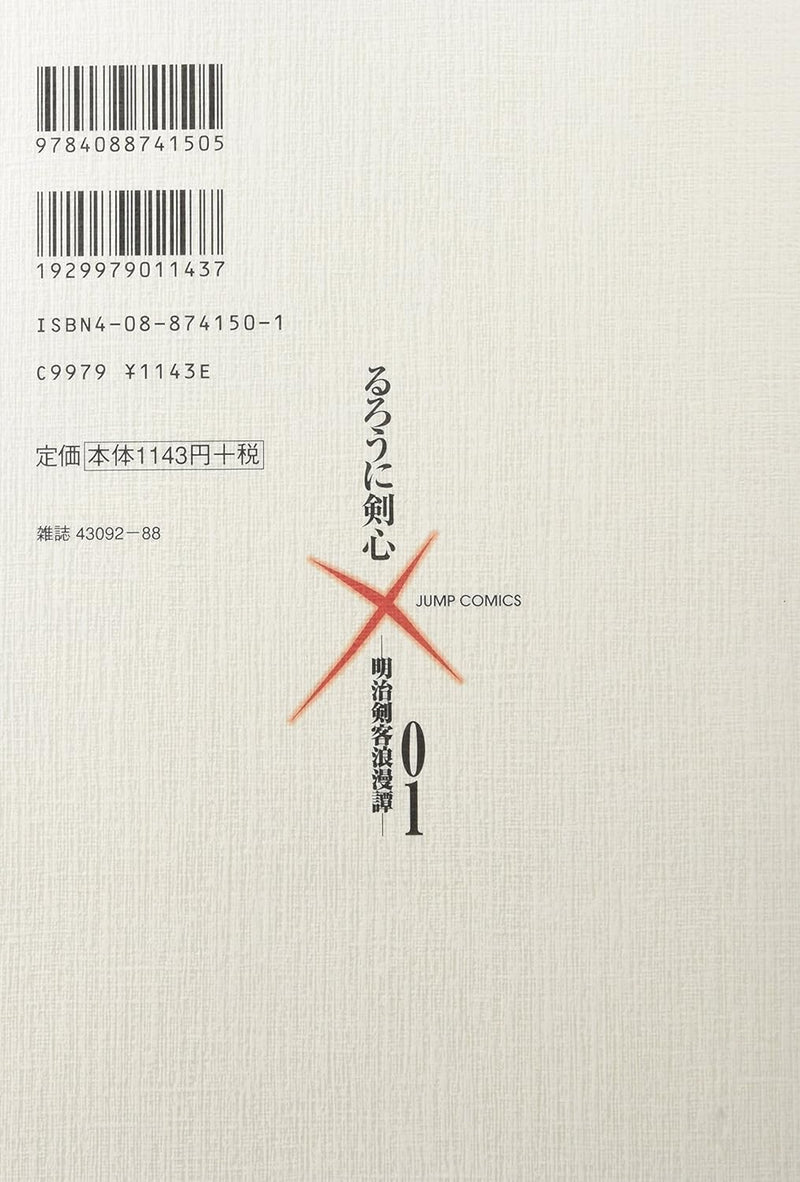
How can you tell a first printing of Kenshin?
Reading a Japanese Kenshin colophon: the printing line, the issue-versus-release date trap, obi, and what separates a 1994 first printing from later impressions.
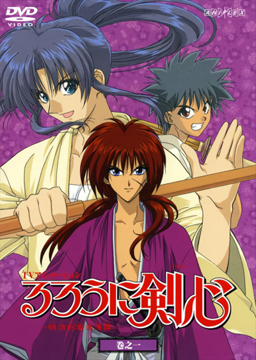
The 1996 Kenshin anime
The 1996 Rurouni Kenshin anime: 95 episodes on Fuji TV, Studio Gallop then Studio Deen, director Kazuhiro Furuhashi, and why it stopped before the final arc.
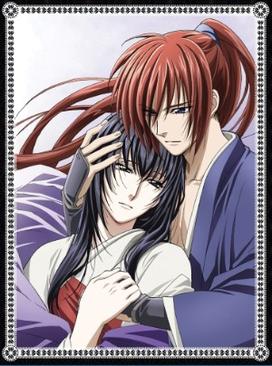
Why is Trust & Betrayal considered a masterpiece?
Trust & Betrayal as craft: how Furuhashi, Masashi Sogo, Masahide Yanagisawa and Taku Iwasaki rebuilt Kenshin’s Remembrance chapters into four 1999 OVA episodes.
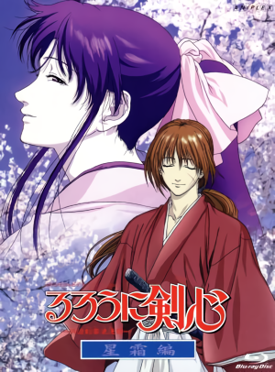
Reflection and the New Kyoto Arc
The OVAs after Trust & Betrayal: Reflection (2001–02), the sequel Watsuki disowned, and the New Kyoto Arc (2011–12), the Kyoto story retold by its original makers.
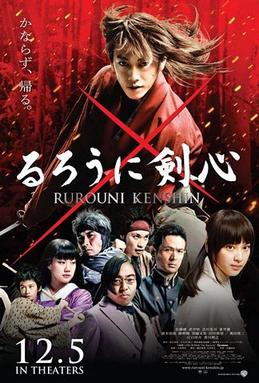
The Kenshin live-action films
The five live-action Rurouni Kenshin films, 2012–2021: Keishi Otomo’s series with Takeru Satoh, the manga adaptation that reset the standard for all of them.
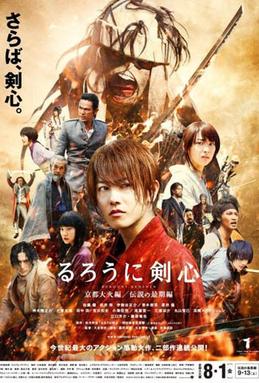
How much did the Kenshin films make?
The Kenshin live-action box office, film by film: Kyoto Inferno’s 5.22 billion yen, the series past 19 billion, from the films’ own official announcements.
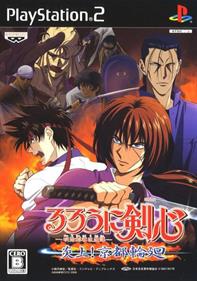
What Kenshin video games are there?
The Rurouni Kenshin games: the 1996 PlayStation fighter, the 1997 RPG with original heroes, Kyoto Rinne on PS2, Saisen and Kansei on PSP, and the Jump crossovers.
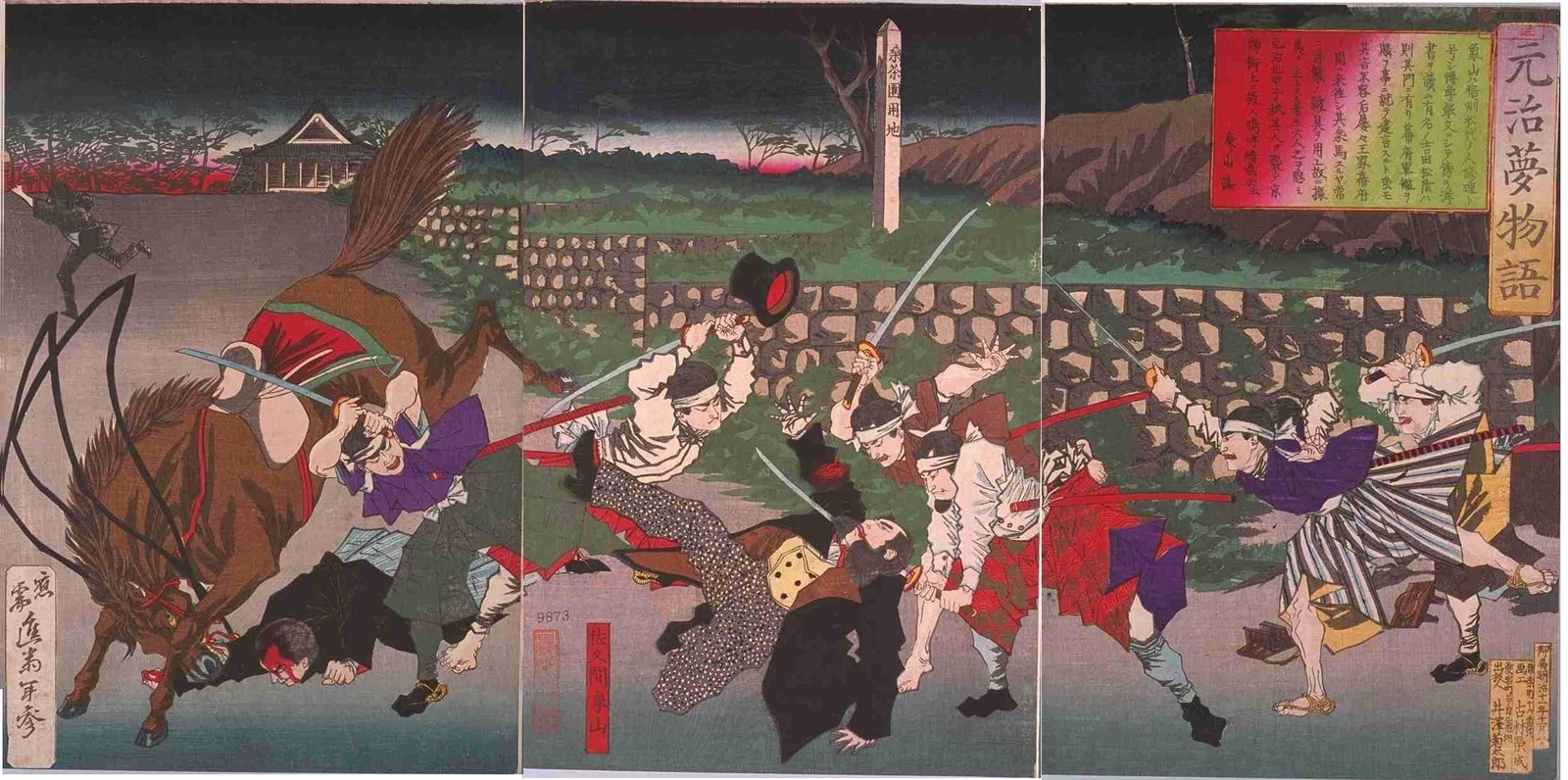
Who was Kawakami Gensai?
Kawakami Gensai (1834–1872): the real hitokiri of Kumamoto, one of the Bakumatsu’s four assassins, and the documented model behind Himura Kenshin.
