
THE LIBRARY
Collector guides, cover censuses, and edition answers, documented issue by issue. Every page answers one specific question, completely.
WEEKLY SHONEN JUMP
10 shelves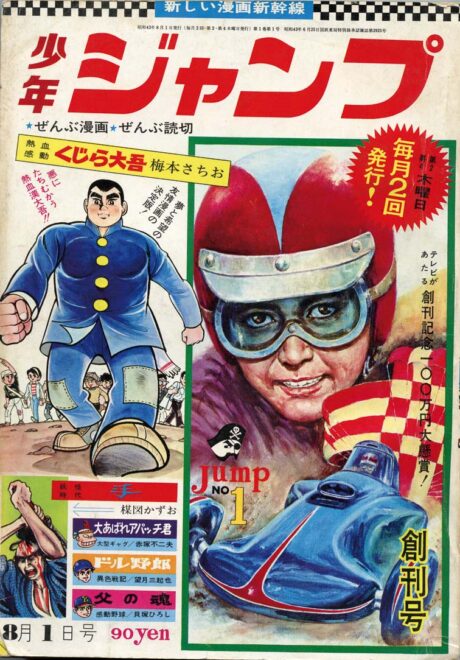
The Weekly Shonen Jump Cover Gallery
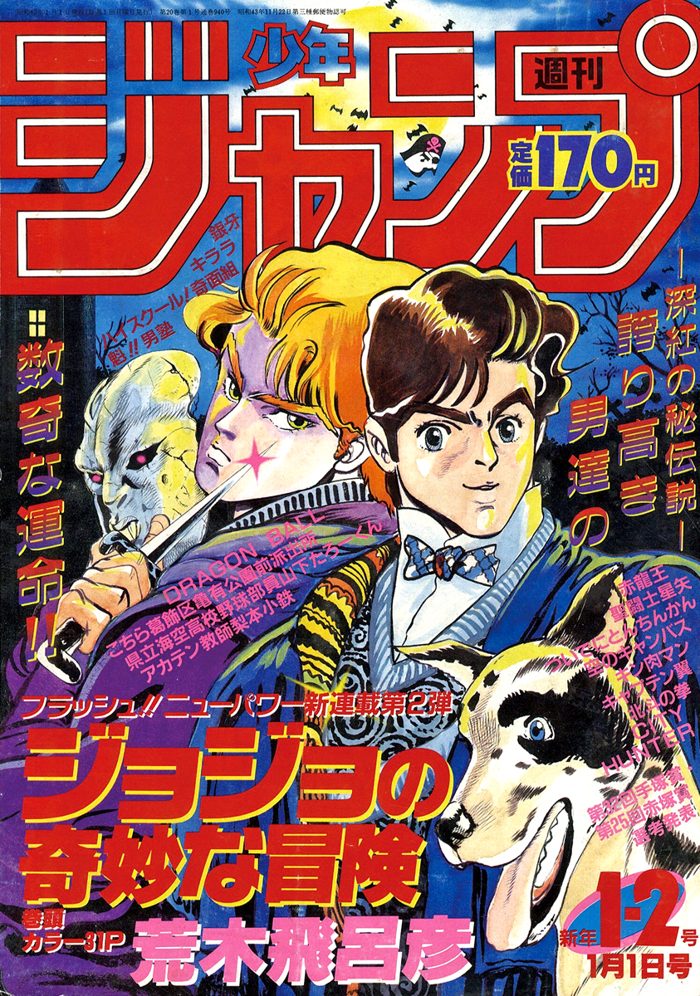
Landmark covers verified for identification: the 1968 first issue, four debut covers, the Kochikame farewell, and the American premiere.
The History of Weekly Shonen Jump Covers
From the 90 yen biweekly of 1968 to the 6.53 million copy peak and the farewell cover that broke house policy in 2016.
What was on the first Weekly Shonen Jump cover?
Kujira Daigo, a racing driver, 90 yen, eight stories, and the pirate mark that never left.

Which Weekly Shonen Jump issue sold the most copies?
The combined New Year No.3-4 for 1995: 6.53 million copies, with Slam Dunk in colour and Dragon Ball running.
Why do some Weekly Shonen Jump issues have two numbers?
Combined issues cover two numbering weeks across a holiday, and the cover date is not the sale date.
Why is there a pirate on every Shonen Jump cover?
The Jump logo since 1968, named Journey in 2022, with a sideways sister called Jamie.
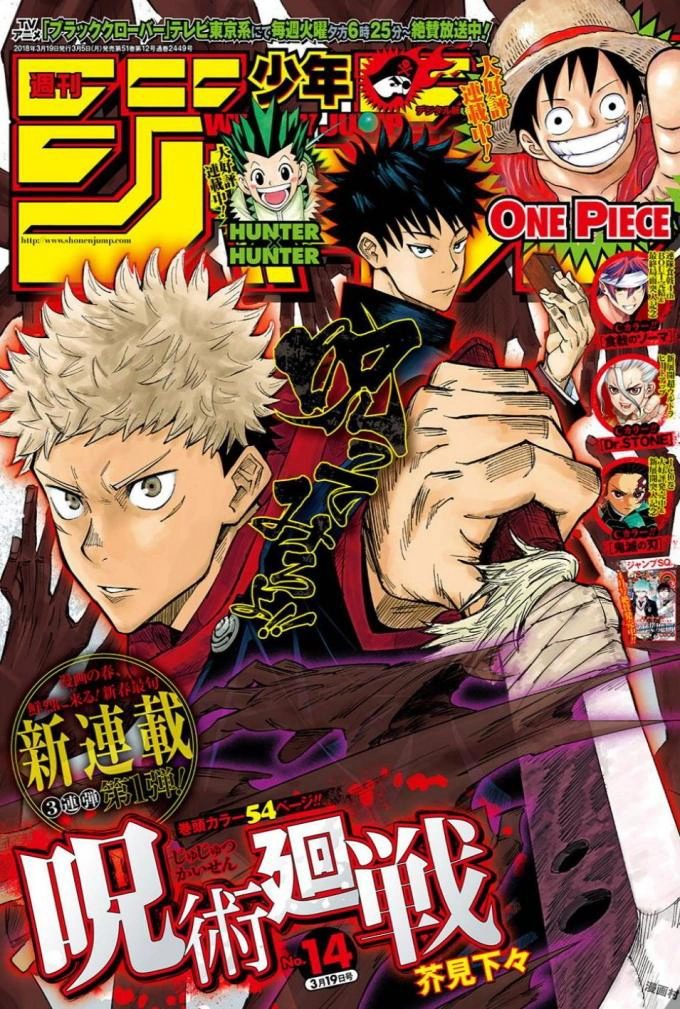
How does a series earn the Weekly Shonen Jump cover?
The cover follows the lead colour chapter, assigned by the editors on the reader survey evidence. Oda on the record.
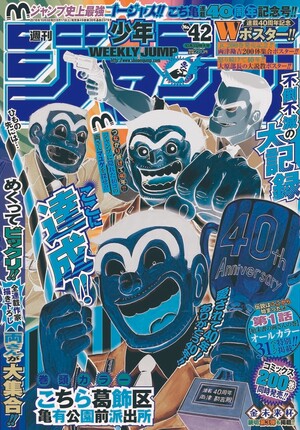
Why did Kochikame get a cover for its final chapter?
House policy said no. Forty unbroken years, a Guinness record, and the first reprint in Jump history said otherwise.
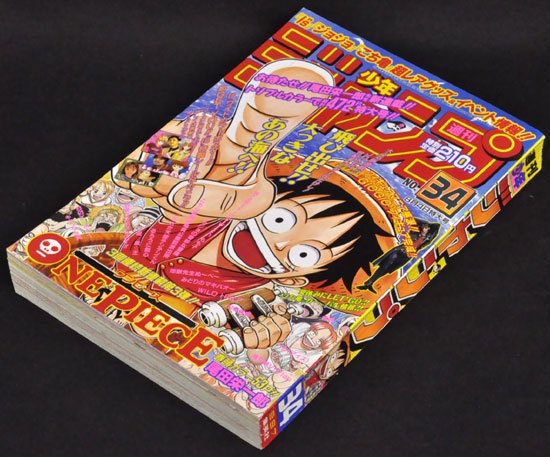
Why did Shueisha reprint old Jump issues in 2017?
The Fukkokuban packs for the 50th anniversary: 1968 with 1995, JoJo 1987 with One Piece 1997, reproduced as they ran.
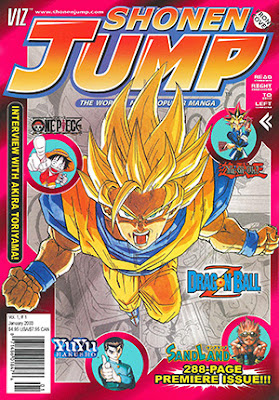
How were American Shonen Jump covers different?
Monthly, newly drawn, badged and barcoded, with no Japanese twin issue. The Viz system against the Japanese one.
WOLF'S RAIN
13 shelves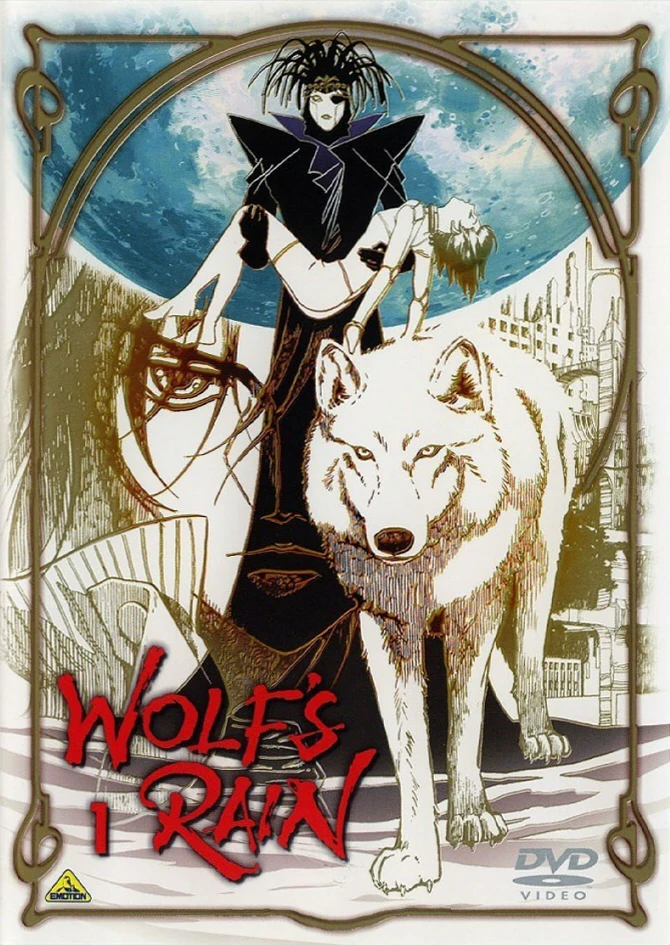
The History of Wolf's Rain
The history of Wolf's Rain: Keiko Nobumoto's original anime at Bones, its 2003 Fuji TV run, the recap crisis, the DVD ending, and its long cult afterlife.
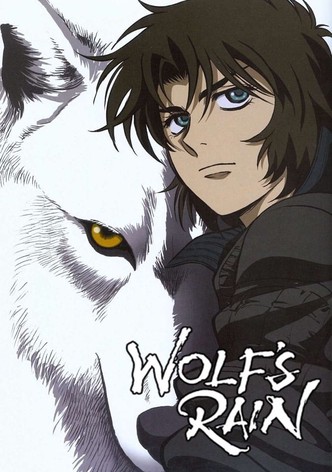
The Wolf's Rain Gallery: Key Art and Covers
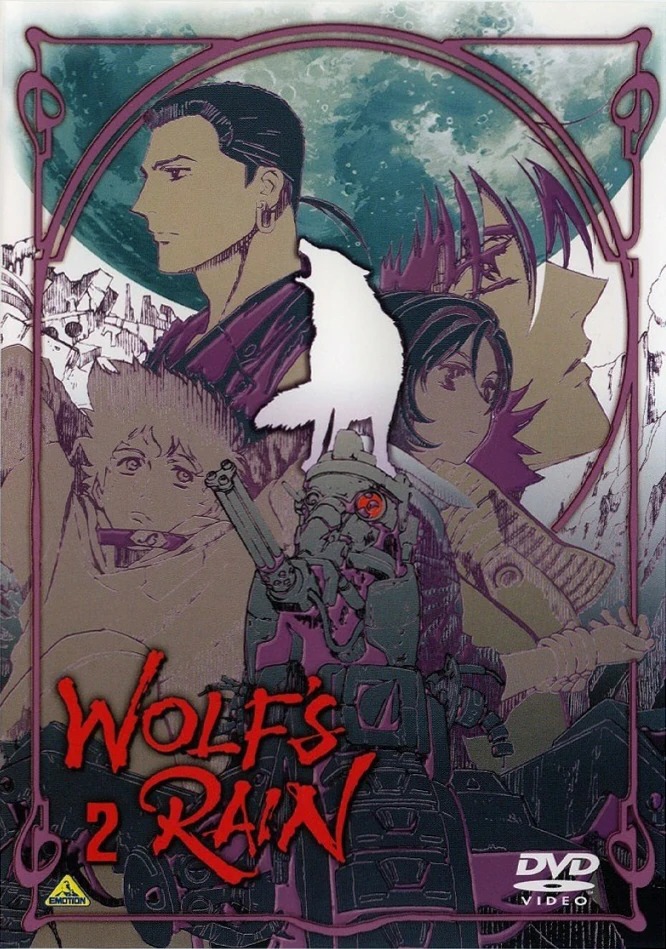
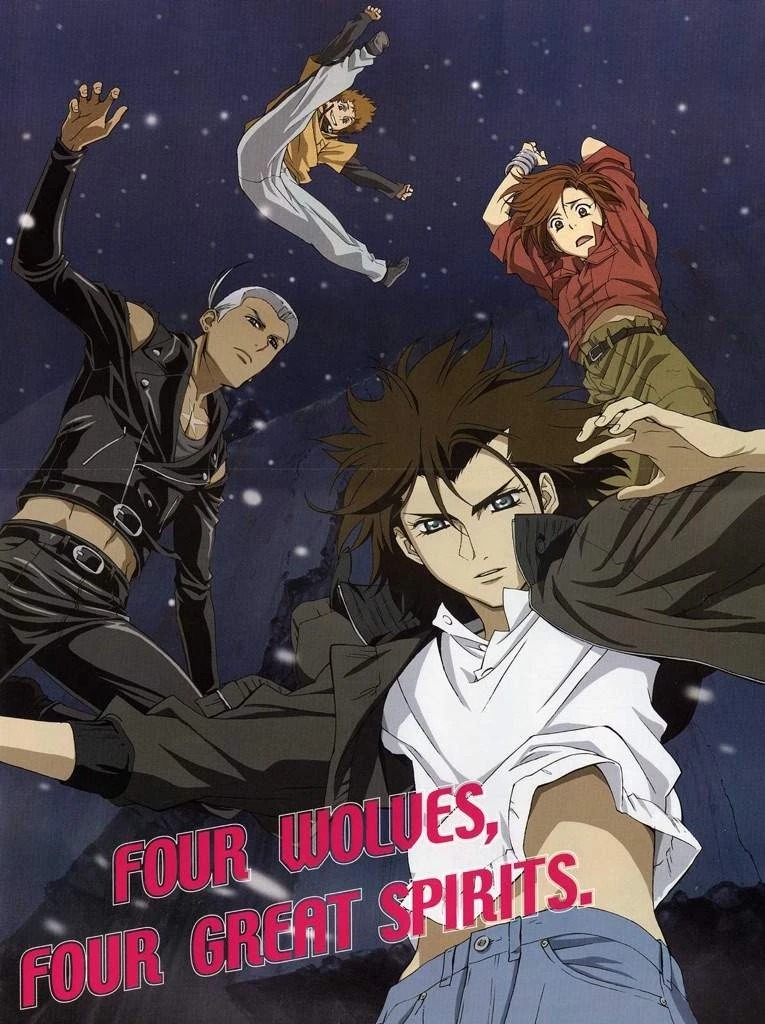
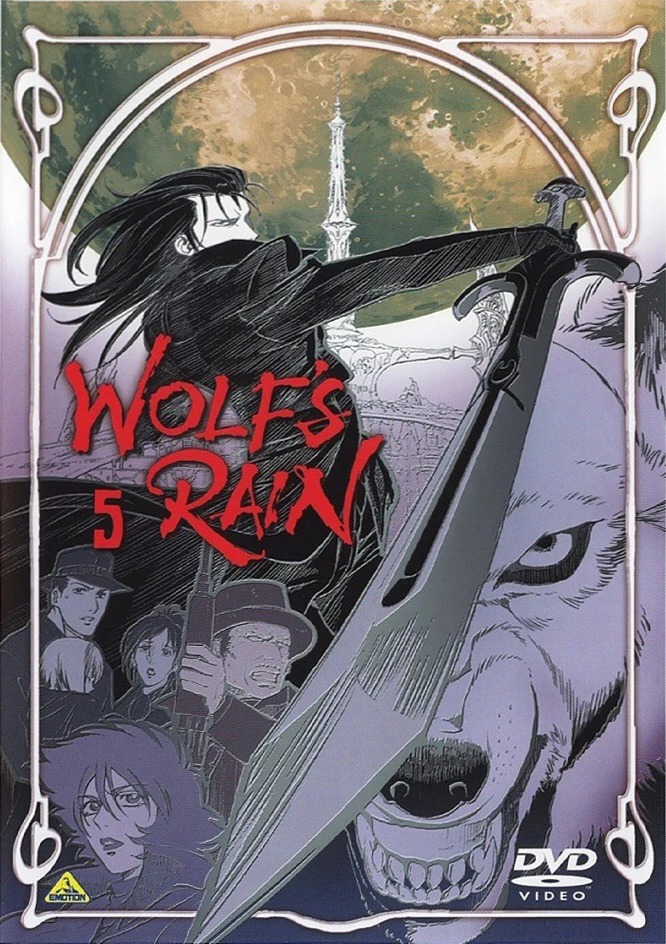
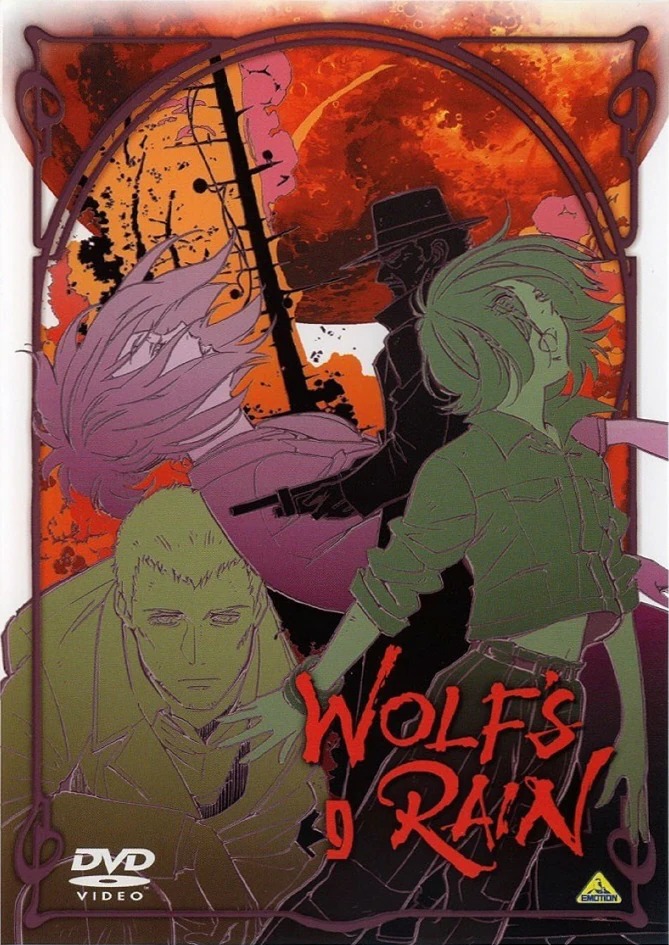
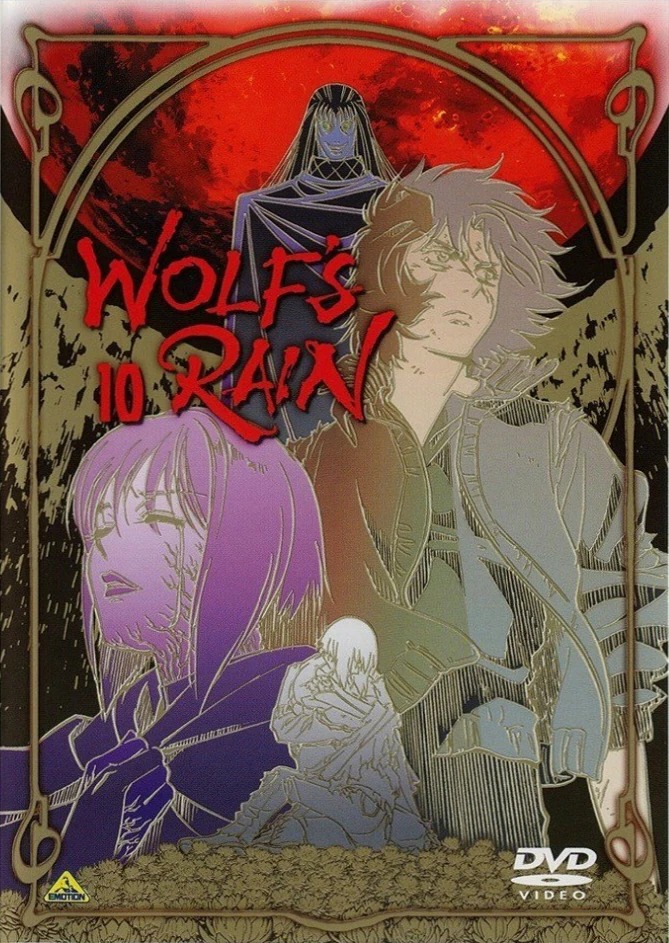
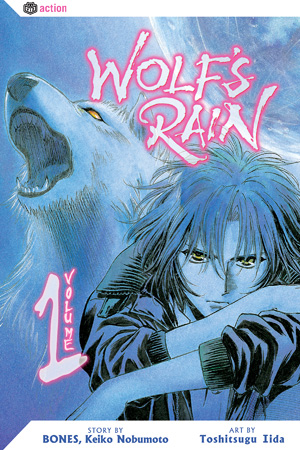
Wolf's Rain key art and covers, verified: the series key visual of Kiba in both his forms, the first Japanese DVD cover, and the Viz manga volume 1 cover.
Who created Wolf's Rain?
Who created Wolf's Rain: writer Keiko Nobumoto, director Tensai Okamura, designer Toshihiro Kawamoto and composer Yoko Kanno, the Cowboy Bebop reunion at Bones.
Why do the wolves in Wolf's Rain look human?
Why the wolves in Wolf's Rain look human: they do not transform. They cast an illusion, and the series' saddest device is that humans only ever see the disguise.
Why does Wolf's Rain have four recap episodes in a row?
Why Wolf's Rain has four recap episodes in a row: production fell behind at a young Bones, the SARS outbreak is the cause most often named, and Fuji TV needed…
Why did Wolf's Rain end on DVD instead of TV?
Why Wolf's Rain ended on DVD: the television run closed unresolved at episode 26, and the final four episodes came as an OVA in January and February 2004.
Wolf's Rain's ending, explained
The Wolf's Rain ending explained, with interpretation marked as interpretation: the deaths on the mountain, why Darcia is refused, Cheza's seeds, the rain, and…
How is the Wolf's Rain manga different from the anime?
How the Wolf's Rain manga differs from the anime: two volumes, a restructured second half, Darcia recruiting Blue, a blinded Kiba, and an ending where the pack…
Yoko Kanno and the music of Wolf's Rain
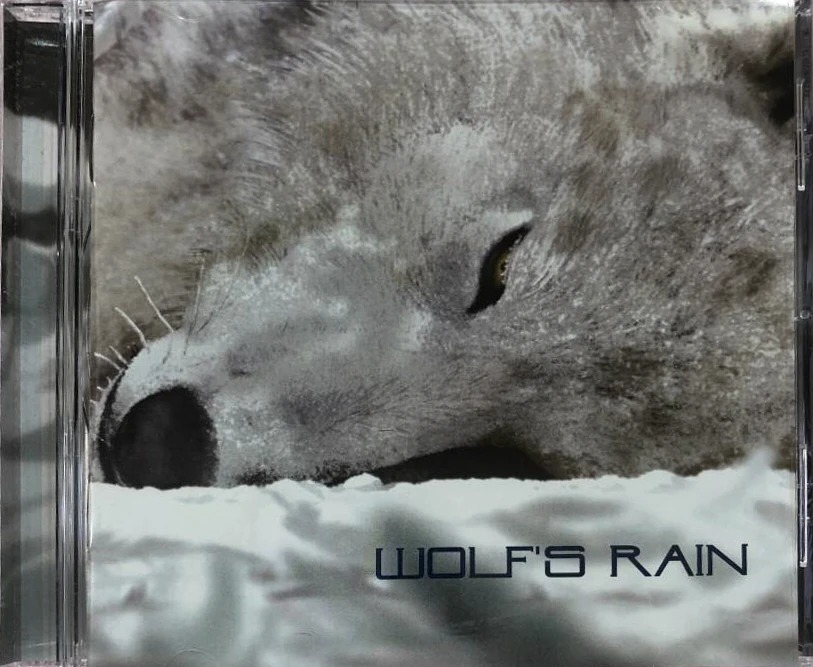
Yoko Kanno's Wolf's Rain score: recorded in Japan, Poland, Brazil, the United States and Italy, two Victor Entertainment albums, and an Annie Award nomination.
Stray, Gravity, and the songs of Wolf's Rain
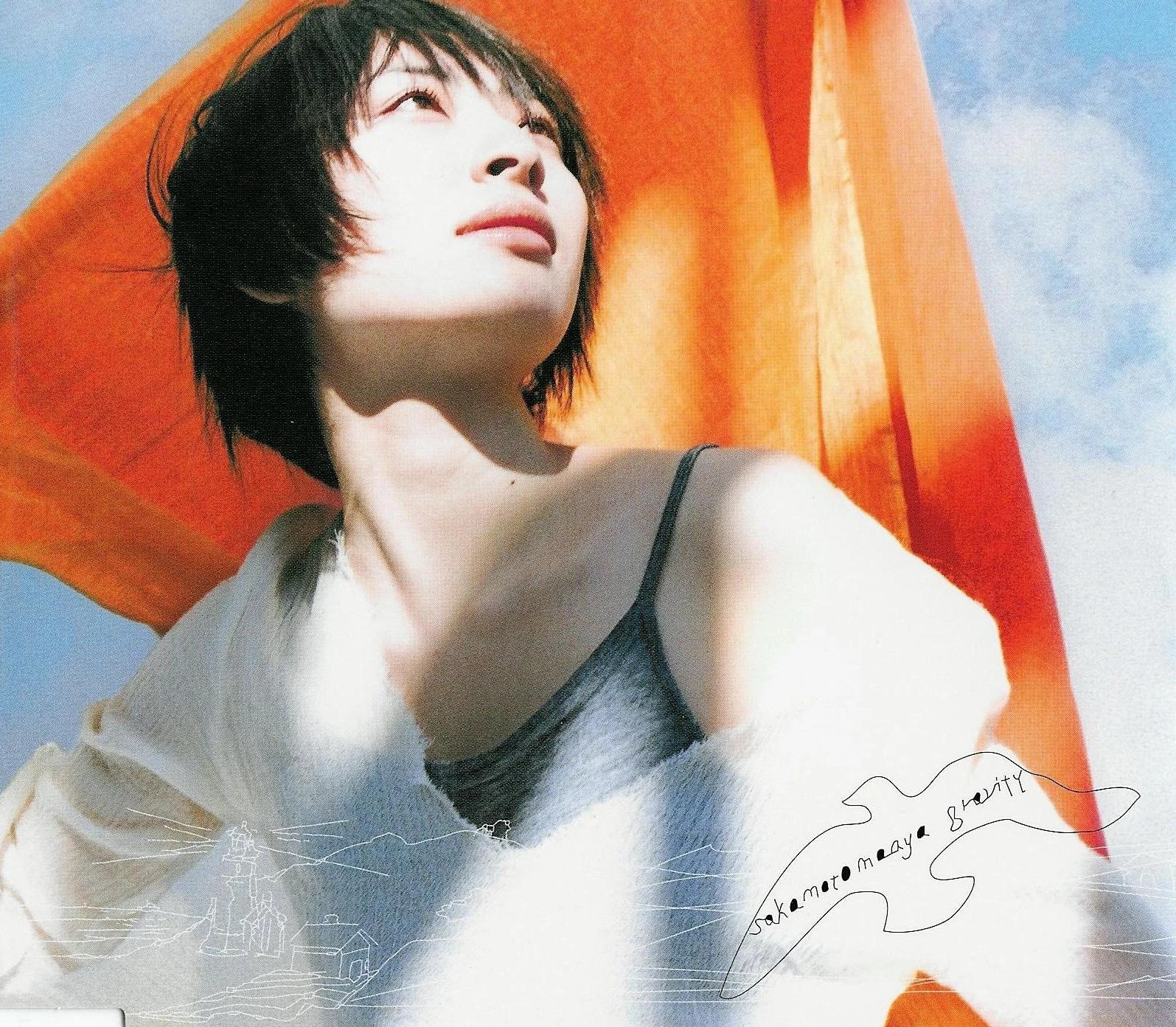
Stray, Gravity, and the songs of Wolf's Rain: Steve Conte's opening, Maaya Sakamoto's ending, Tell Me What the Rain Knows, and Heaven's Not Enough, with their…
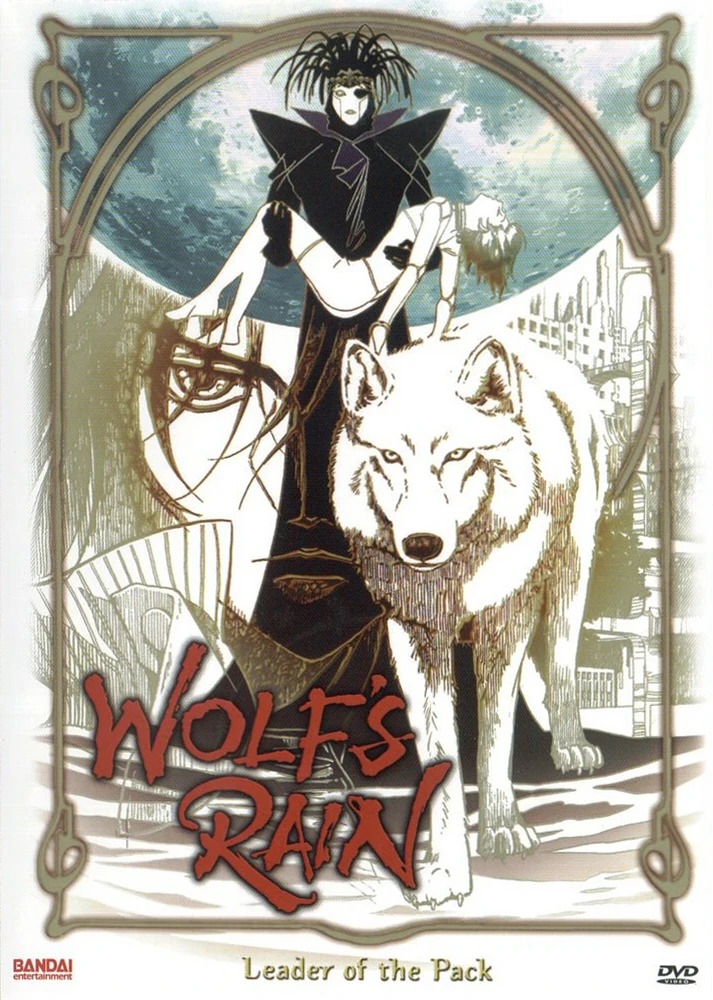
Wolf's Rain in English: the Bandai release
Wolf's Rain in English: Bandai's seven DVD volumes, the Adult Swim run that skipped the recaps, the dub cast, ICv2's 2004 award, and the American soundtrack CD.
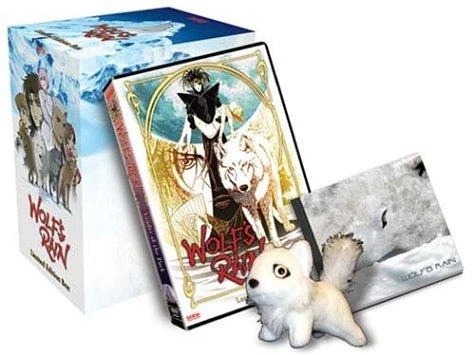
How to collect Wolf's Rain
How to collect Wolf's Rain: the Japanese DVD art, the Bandai limited edition with the Kiba plush, the Japan-only second soundtrack, the Borders manga box, and…
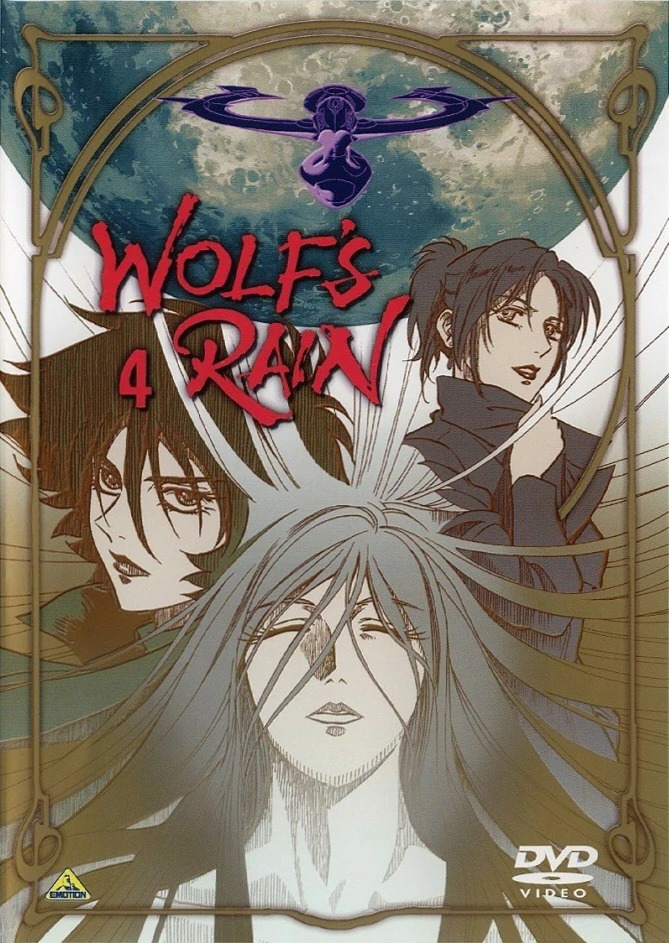
Why does Wolf's Rain endure?
Why Wolf's Rain endures: an original story that refuses comfort, a pack played as animals rather than heroes, Kanno's score, and an ending fans still argue about.
WRESTLING GAMES
6 shelves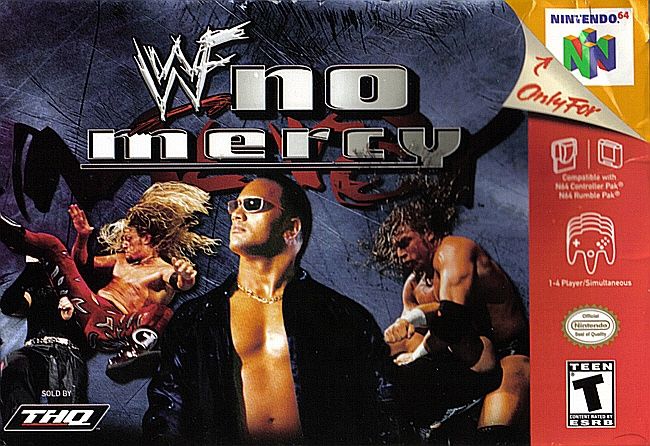
The Wrestling Games Gallery
Five games, one engine room: Revenge, WrestleMania 2000, Virtual Pro Wrestling 2, No Mercy, and Here Comes the Pain, covers first.
Why is WWF No Mercy considered the greatest wrestling game ever made?
An 89 on Metacritic, a million copies, and a fan vote it wins at 80.5 percent, twenty-five years on.
Why did some copies of WWF No Mercy erase your saves?
The first cartridges could wipe your whole game. THQ's exchange fixed so few that the fixed ones are the rare ones.
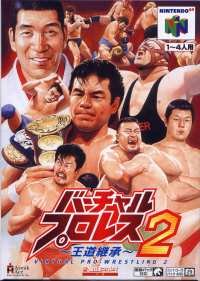
What is Virtual Pro Wrestling 2, the Japanese game behind No Mercy?
Ninety-eight wrestlers, one license, and the engine No Mercy inherited. The best wrestling game America never got.
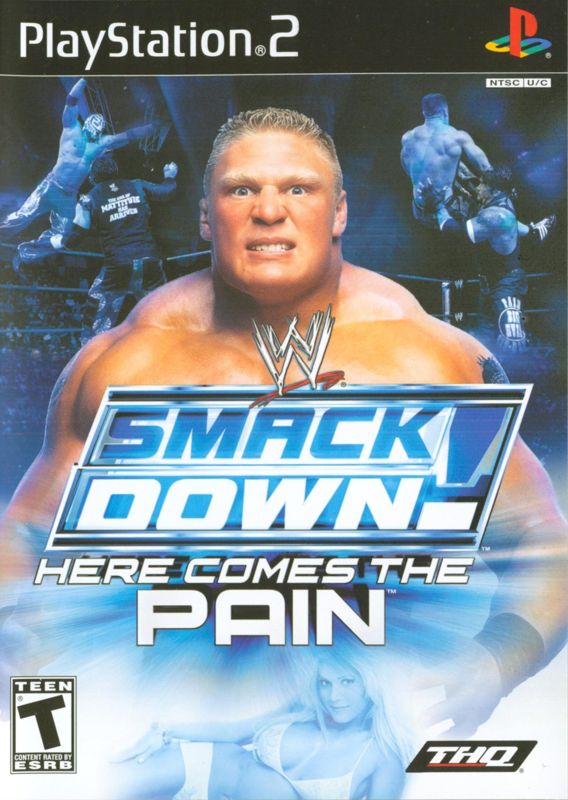
Why is WWE SmackDown: Here Comes the Pain considered the best of its series?
The SmackDown series' best reviews, its first Elimination Chamber, and a season mode with a memory.
What was the AKI engine, and why did its wrestling games feel different?
Momentum instead of health, and big moves you have to earn. The system every wrestling game is still measured against.
