
THE LIBRARY
Collector guides, cover censuses, and edition answers, documented issue by issue. Every page answers one specific question, completely.
SAINT SEIYA
20 shelves
The Saint Seiya Manga Gallery
Every Japanese tankobon cover of Saint Seiya, volumes 1 to 28, Jump Comics, Shueisha, 1986 to 1991, each with its release date, plus the English first volume…
What is the Saint Seiya Final Edition?
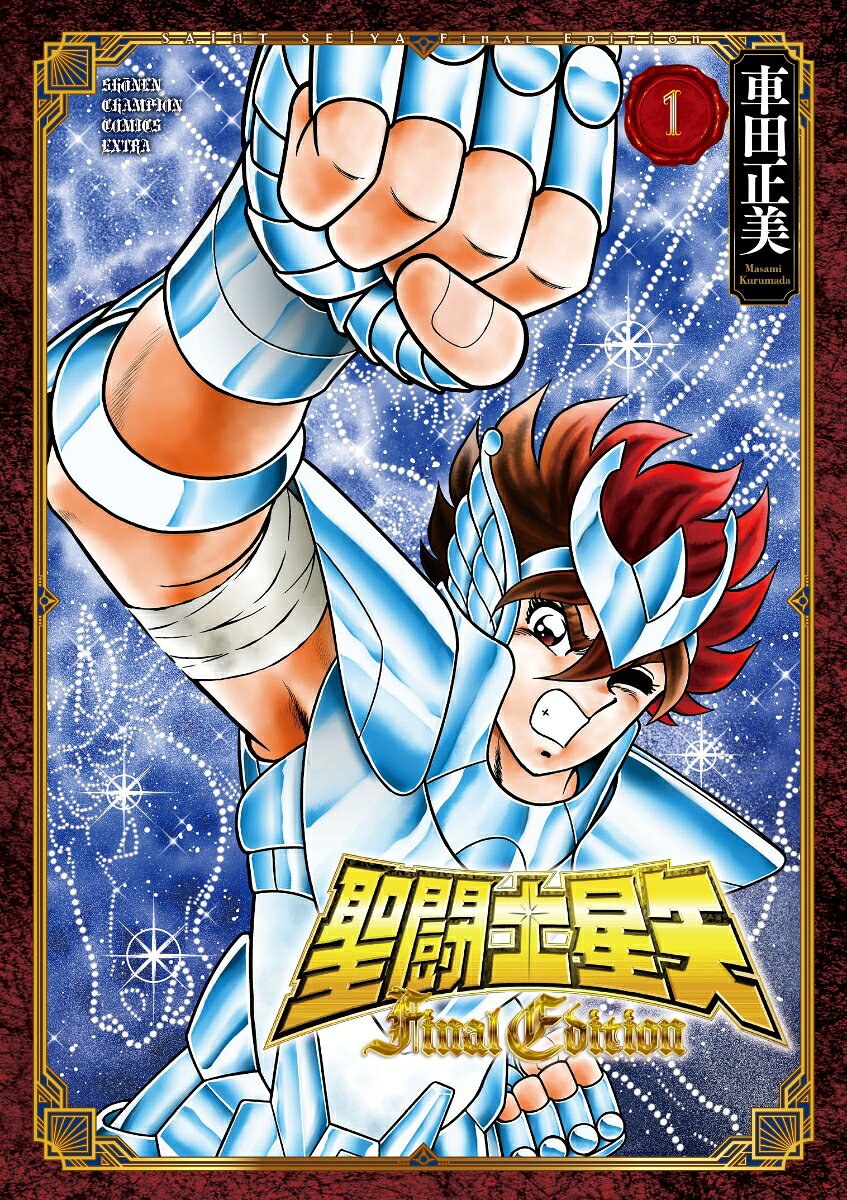
The Saint Seiya Final Edition is Akita Shoten’s shinsoban reissue of Kurumada’s manga, begun June 2021, and the fifth life of the series in print after the…
Are the Saint Seiya covers the same in Japanese and English?
No. Viz Media’s Knights of the Zodiac (2004–2010) replaces Masami Kurumada’s Jump Comics cover art with a different illustration program and an American trade…
How can you tell a first printing of Saint Seiya?
By the colophon. Japanese tankobon print their impression history on the okudzuke page; a first printing of Saint Seiya reads as the first impression with a date…
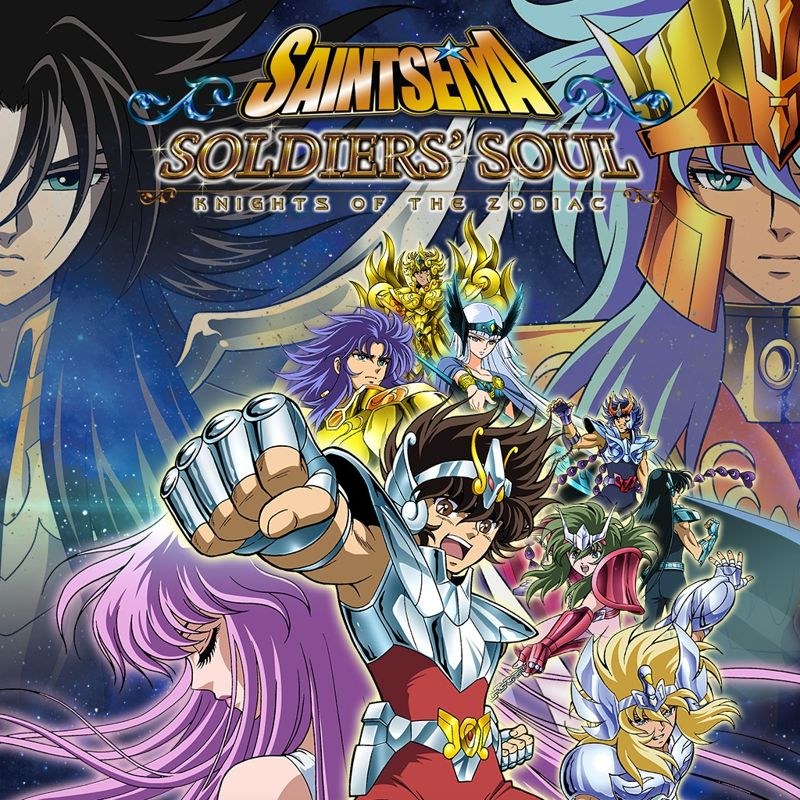
What Saint Seiya video games are there?
The complete Saint Seiya game census: the Famicom RPG pair of 1987–88, the Game Boy and WonderSwan chapters, the PS2 and PS3 Dimps fighters, and the mobile era…
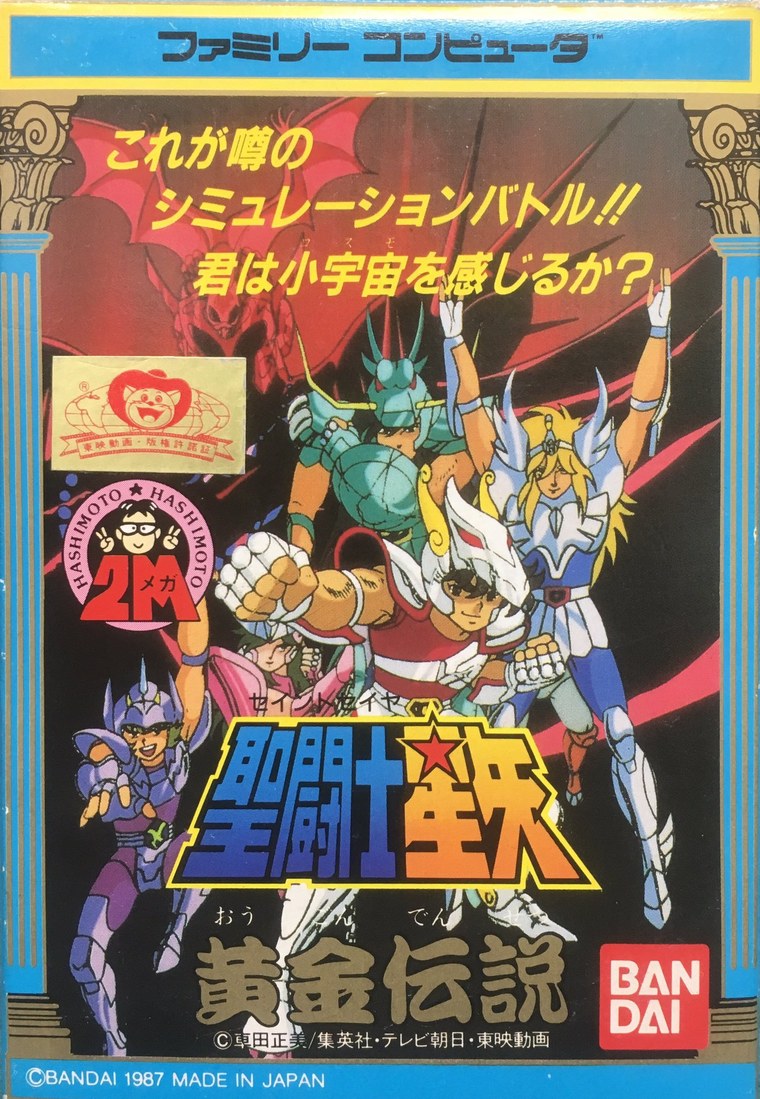
What were the Saint Seiya Famicom games?
Saint Seiya: Ougon Densetsu (1987) and Ougon Densetsu Kanketsu Hen (1988): Bandai’s two-part Famicom RPG of the Sanctuary arc, the first exported to France on…
What are the Saint Seiya PlayStation 2 games?
Two Dimps fighters: Saint Seiya: The Sanctuary (2005) and Saint Seiya: The Hades (2006 in Europe, 2007 in Japan). Neither reached North America.
What are Saint Seiya: Brave Soldiers and Soldiers' Soul?
Dimps’ PlayStation 3 and 4 arena fighters (2013 and 2015): the first Saint Seiya console games to cover all three manga arcs, and the first to be released in…
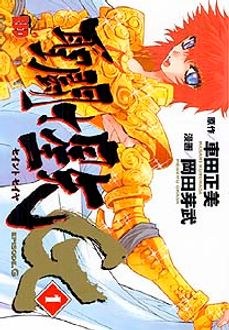
What is Saint Seiya Episode.G?
Megumu Okada’s Gold Saint prequel: serialised in Champion Red from December 2002 to June 2013, twenty volumes plus a volume 0, followed by Episode.G Assassin and…
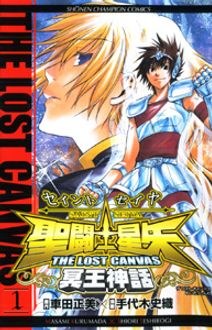
What is Saint Seiya: The Lost Canvas?
Shiori Teshirogi’s telling of the previous Holy War: Weekly Shonen Champion, August 2006 to April 2011, twenty-five volumes plus sixteen Gaiden volumes, with a…
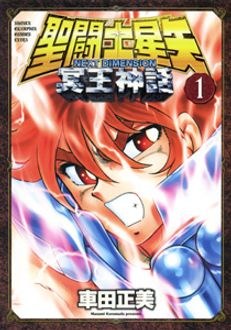
What is Saint Seiya: Next Dimension?
Masami Kurumada’s own sequel to Saint Seiya, drawn in full colour and published irregularly in Weekly Shonen Champion from 2006 until its conclusion on July 4,…
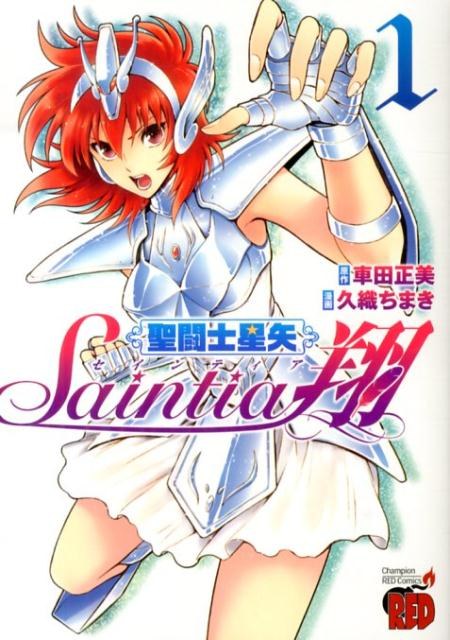
What is Saint Seiya: Saintia Shō?
Chimaki Kuori’s Saint Seiya, told through Athena’s female attendants the Saintias: Champion Red, August 2013 to July 2021, sixteen volumes, with a 2018 anime…
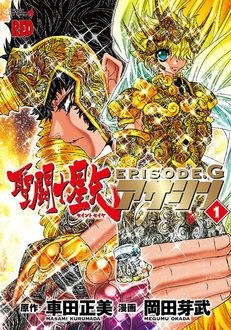
What other Saint Seiya manga are there?
Beyond the big four: Dark Wing, Rerise of Poseidon, Saint Mariya, Kurumada’s Episode Zero and Origin shorts, the Gigantomachia novels and France’s own Time…
Why is Saint Seiya bigger in France than in America?
Because France met it first, whole, and at full volume: TF1’s Club Dorothee from 1988, an uncut wave across Europe and Latin America, while America waited until…
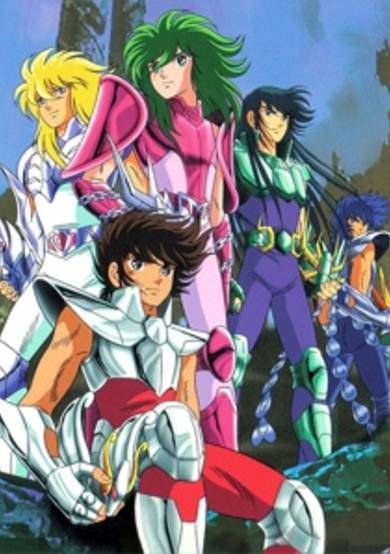
How was the 1986 Saint Seiya anime made?
Toei Animation, TV Asahi, October 1986 to April 1989: 114 episodes directed by Kozo Morishita and Kazuhito Kikuchi, designed by Shingo Araki and Michi Himeno,…
SAKAMOTO DAYS
7 shelves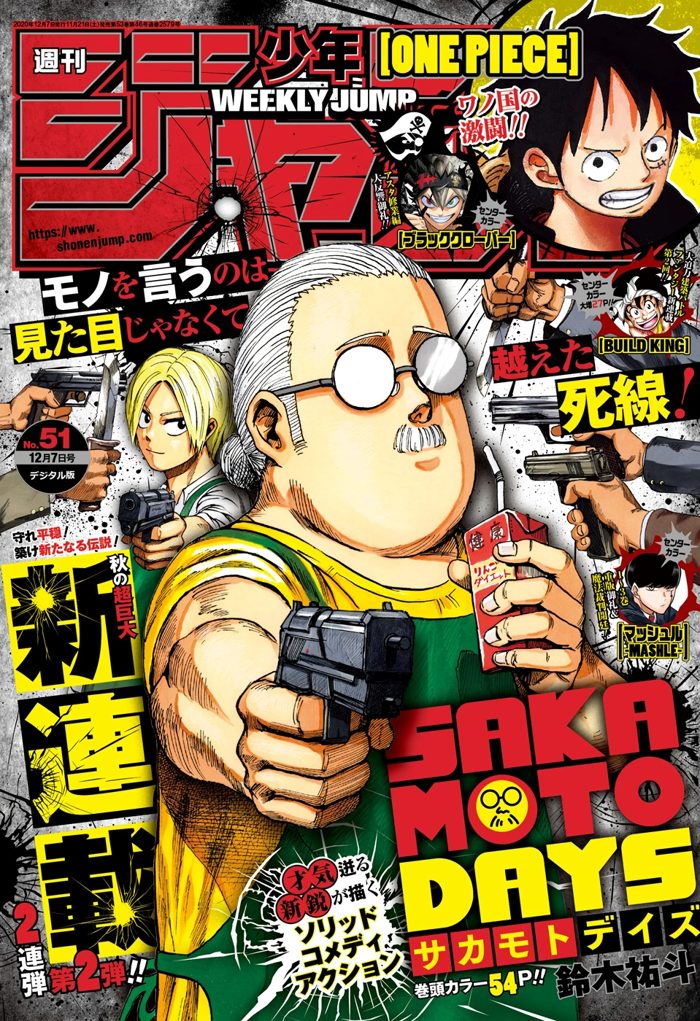
What WSJ issues have Sakamoto Days on the cover?
All 23 feature covers, 2020 to 2026, plus the anniversary trap to avoid.
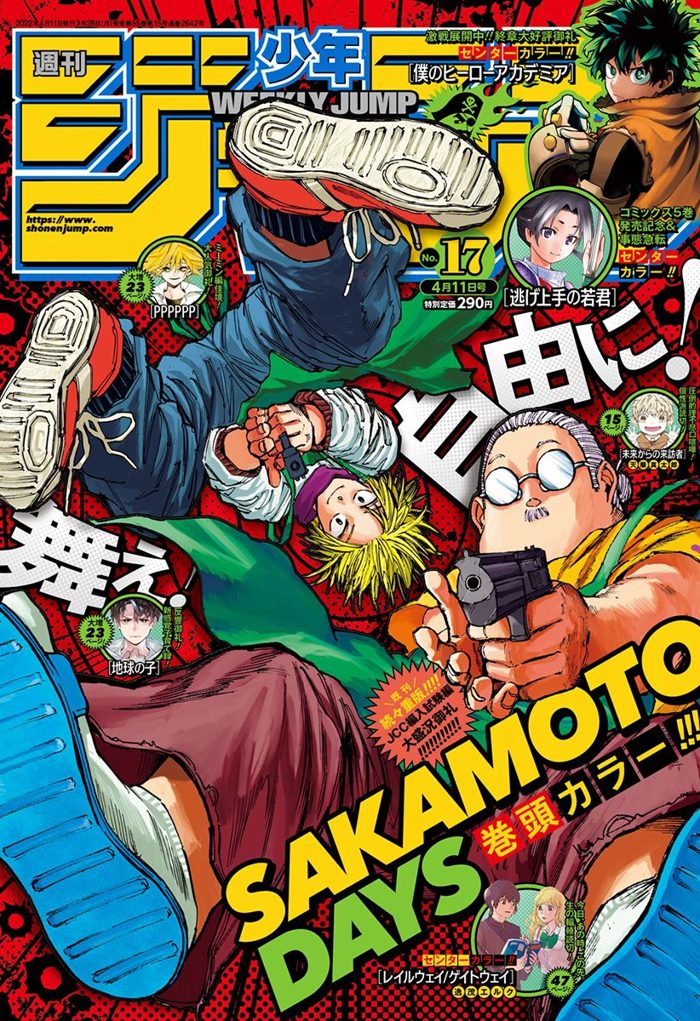
What WSJ issue has the first Gear 5 chapter?
2022 No.17, and the cover is Sakamoto, not Luffy. How to identify the issue.
What is Sakamoto Days?
A retired legendary hitman running a convenience store: Yuto Suzuki's action comedy manga, its premise, cast, and run in Weekly Shonen Jump.
Who is Yuto Suzuki, and how did he create Sakamoto Days?
The artist behind the store: his route into Jump, the one shot that became the series, and the drawing approach that makes the fights readable.
What is the Sakamoto Days anime?
The TMS Entertainment adaptation: when it aired, how it is structured, and what its split cour release means for viewers and discs.
How do the Japanese and English Sakamoto Days editions compare?
Shueisha tankobon against the Viz volumes: size, covers, bonus material, and which edition a Jump magazine collector should pair with the issues.
What makes the Sakamoto Days debut issue and Gear 5 issue collectible?
Weekly Shonen Jump 2020 No. 51 and 2022 No. 17: one carries chapter one, the other carries a Sakamoto cover and One Piece's most famous modern chapter. The collector context for both.
SERIAL EXPERIMENTS LAIN
18 shelves
The Serial Experiments Lain gallery
Every object in the Serial Experiments Lain shelf pictured or described: the anime’s covers, the PlayStation game, the artbooks, the soundtracks and the…
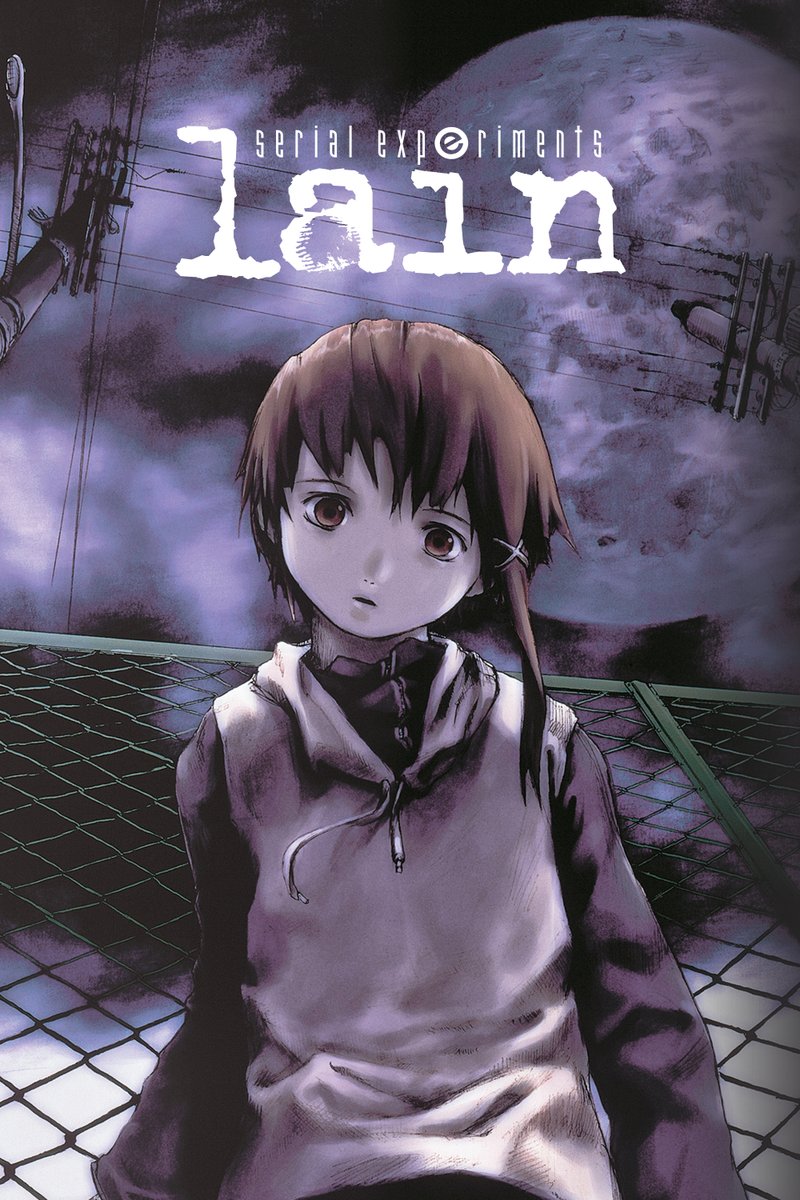
What is Serial Experiments Lain?
Serial Experiments Lain explained: the 13-episode 1998 Triangle Staff anime, its premise, its makers, and why a small late-night series won the Japan Media Arts…

How was Serial Experiments Lain conceived?
Yasuyuki Ueda’s original-project gamble at Pioneer LDC: Lain designed as a multimedia experiment across anime, game and manga, the game script written first, and…
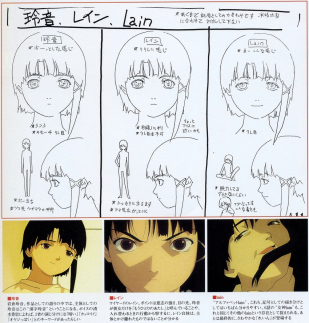
How did Yoshitoshi ABe design Lain?
Yoshitoshi ABe’s character design for Lain Iwakura: the forelock Ueda demanded, the bear pajamas Kishida demanded, the unused transforming hairclip, and the…
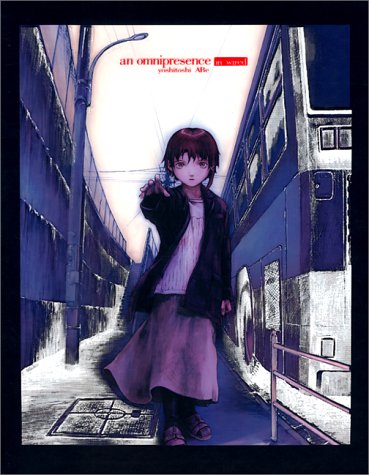
What is An Omnipresence in Wired?
An Omnipresence in Wired (1999): Yoshitoshi ABe’s 128-page Lain artbook documented, its transparent slipcover, the AX Layer illustrations with Konaka’s text,…
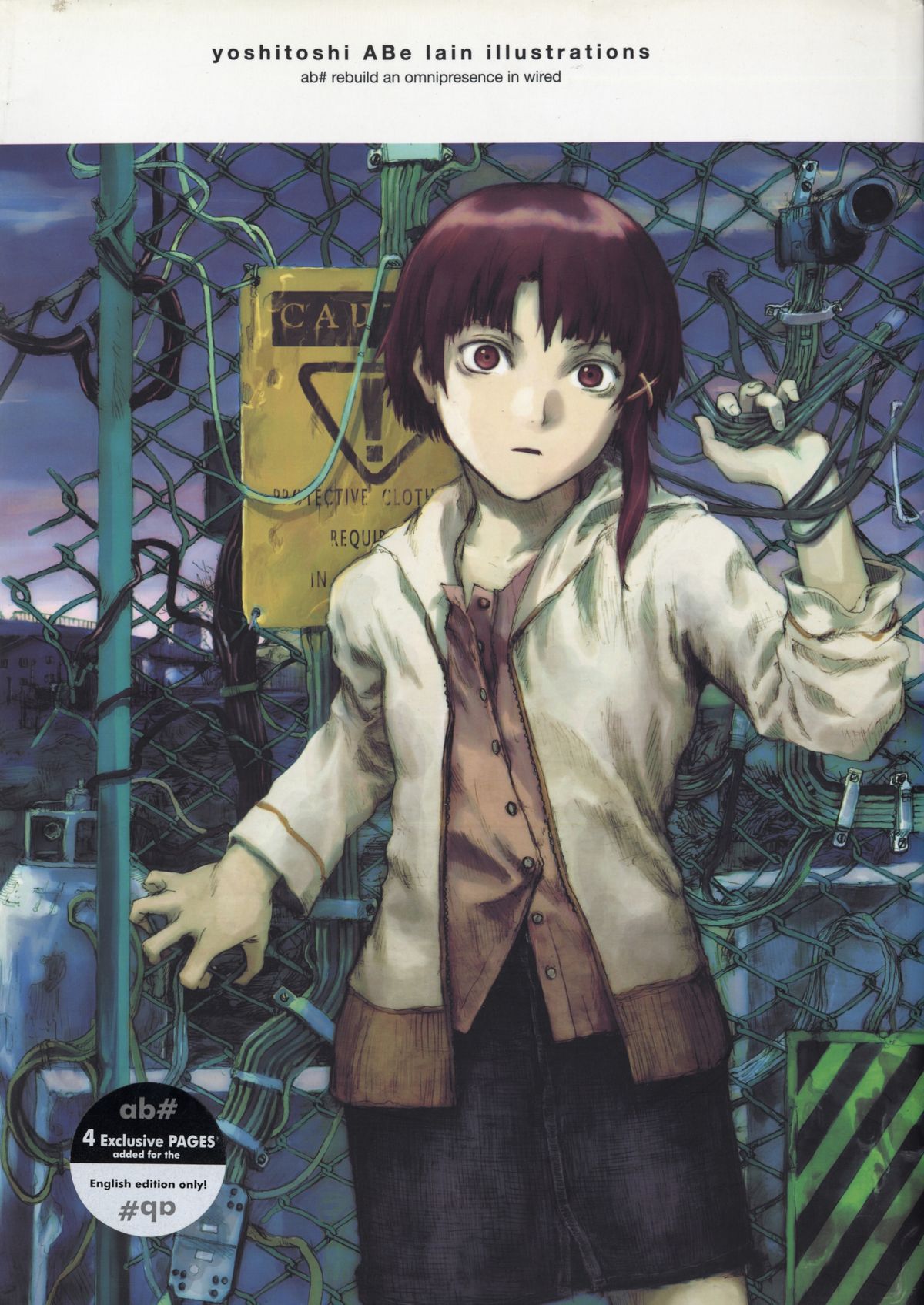
What is ab# rebuild, the second Omnipresence?
ab# rebuild an omnipresence in wired: the 2005 Wani Magazine remake of ABe’s Lain artbook and its 2006 Digital Manga Publishing English edition, compared with…
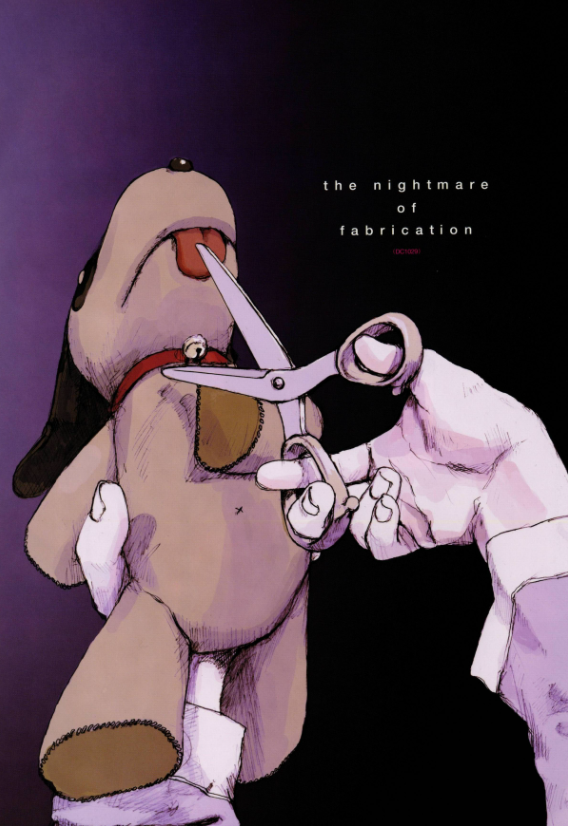
What is The Nightmare of Fabrication?
The Nightmare of Fabrication: Yoshitoshi ABe’s 18-page full-color Lain manga, a dōjinshi collected in An Omnipresence in Wired, and the PlayStation game’s…
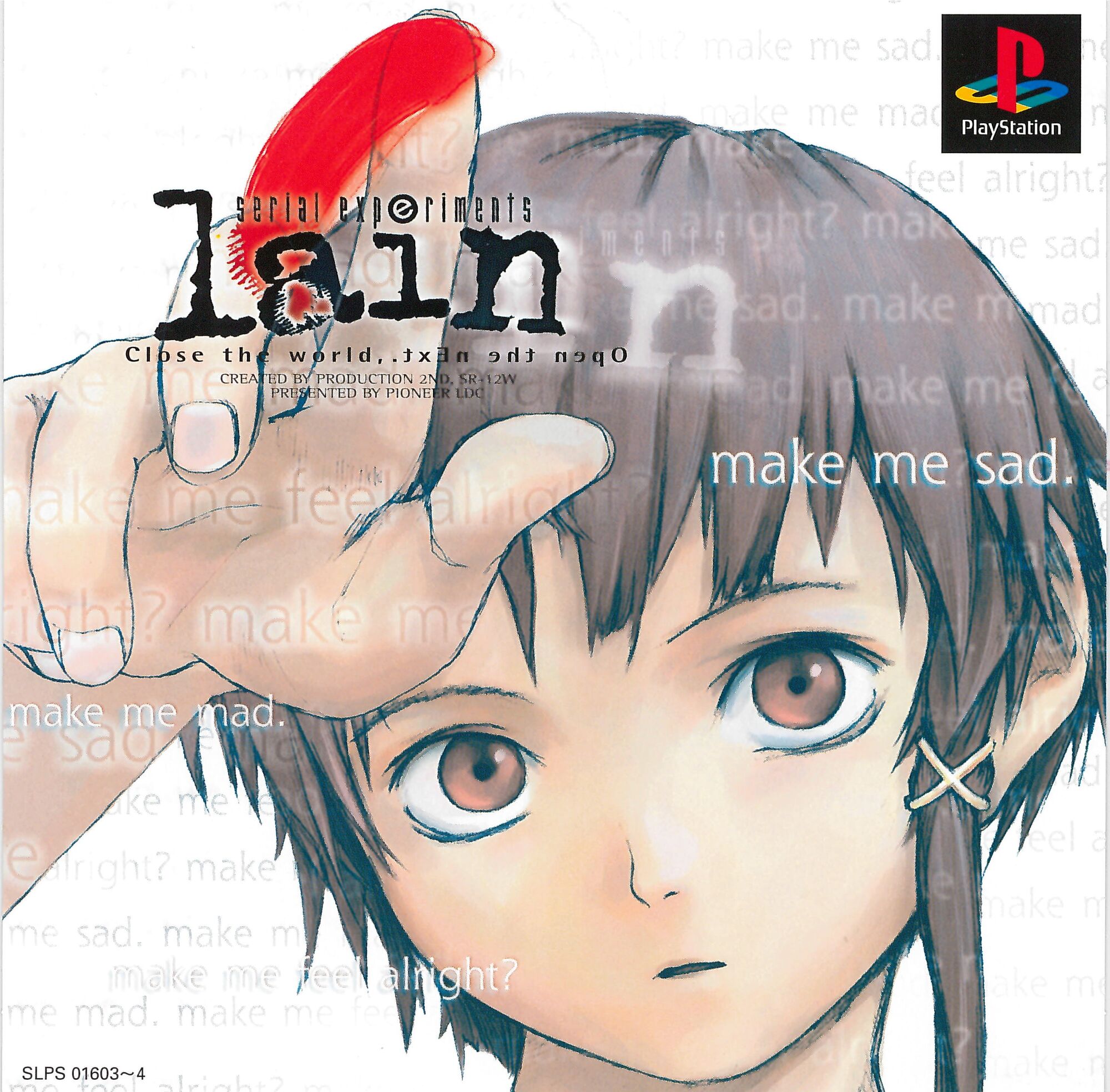
What is the Serial Experiments Lain PlayStation game?
The 1998 Pioneer LDC PlayStation game documented: a two-disc “network simulator” designed by Konaka and Ueda, built from therapy files and diaries, ignored on…
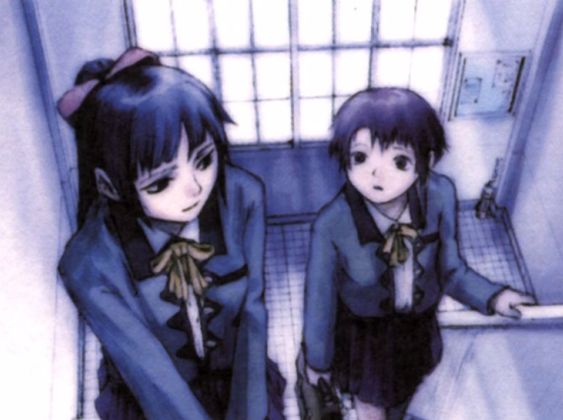
How is the Lain game different from the anime?
The Serial Experiments Lain game versus the anime: same protagonist and themes, a different plot, Touko Yonera the psychiatrist, the imaginary friend, the role…
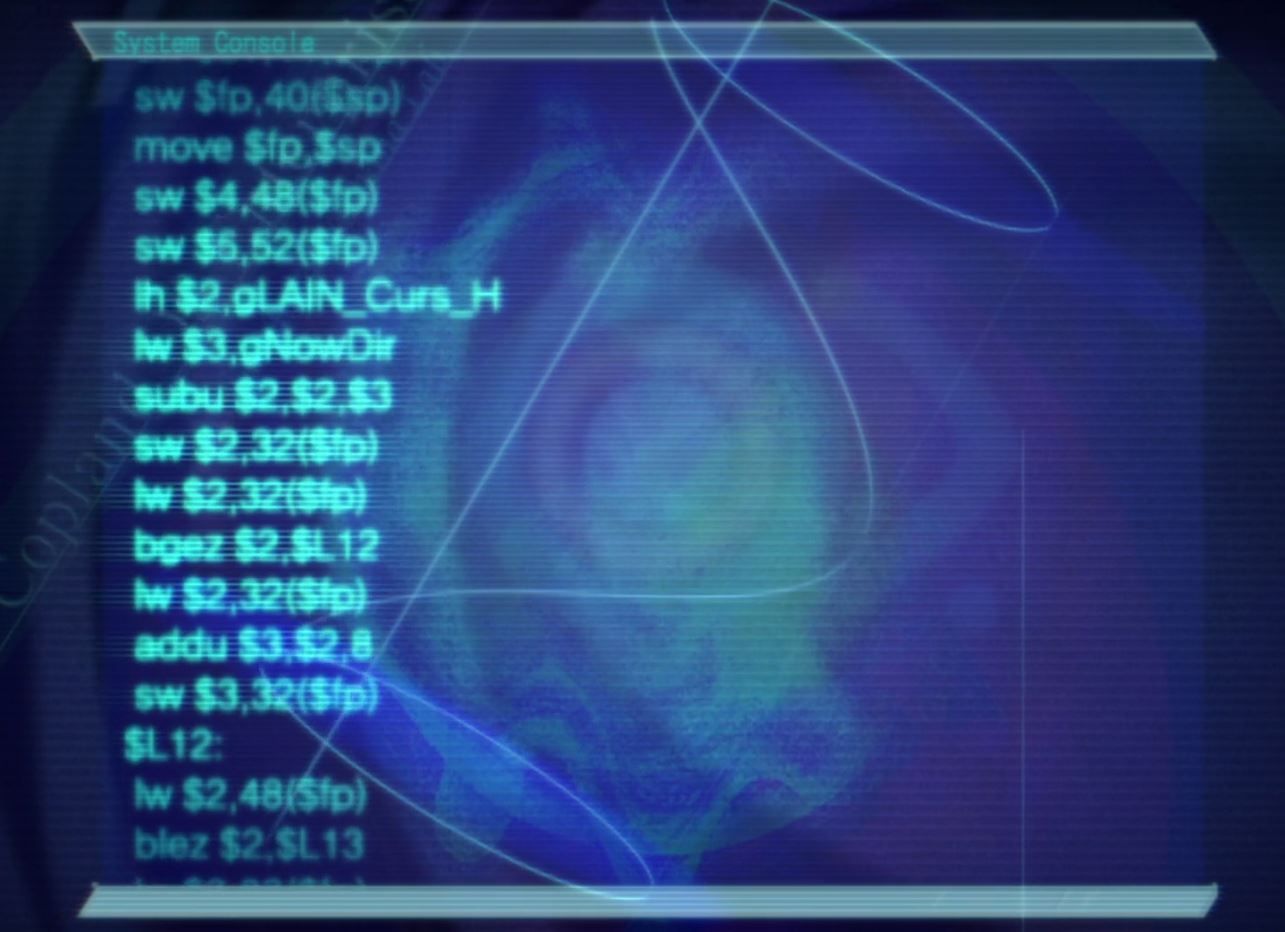
How did fans bring the Lain game to the West?
The untranslated Lain game’s fan afterlife: the 2008–2014 script translation, the 2021 lainTSX browser port, and the 100% decompilation completed in September…
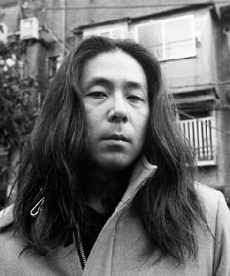
Who wrote Serial Experiments Lain?
Chiaki J. Konaka’s writing of Serial Experiments Lain: his horror-film influences, the Godard typography, the Alice in Cyberland inheritance, the three spellings…
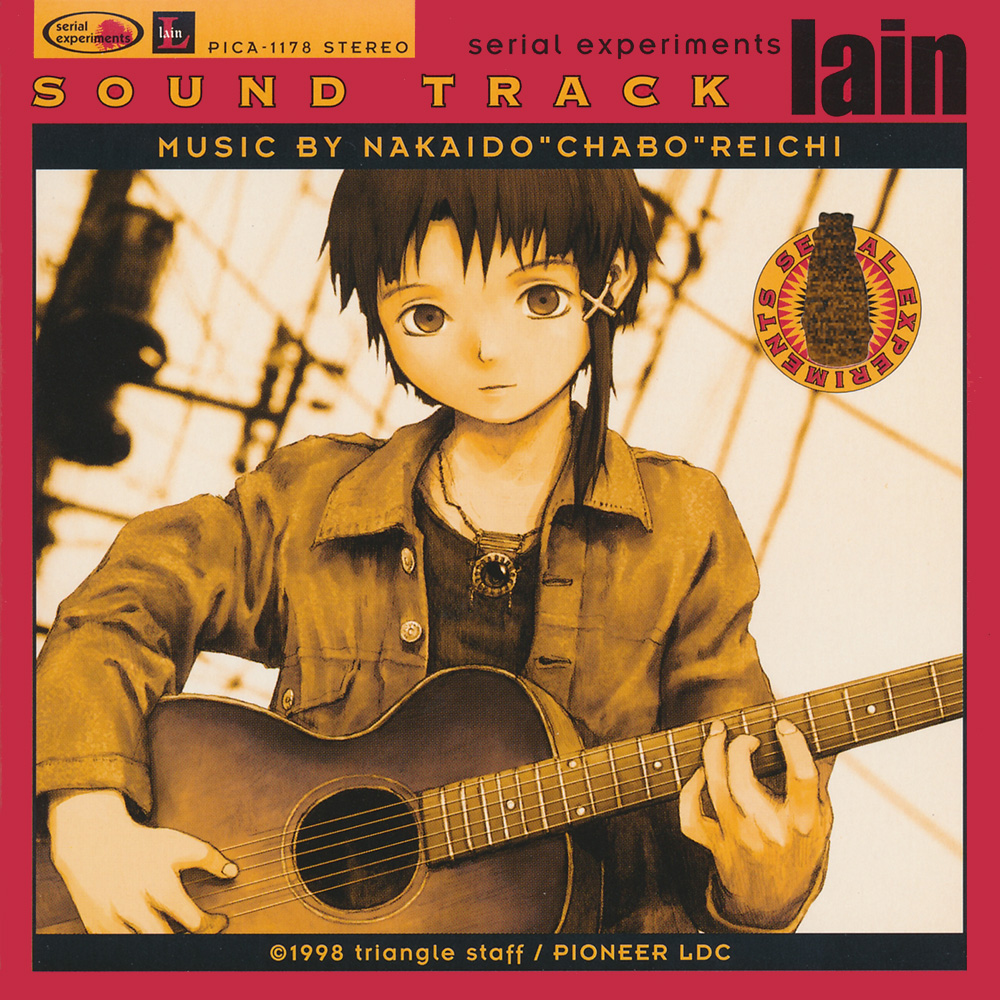
What music and sound define Serial Experiments Lain?
Lain’s sound world documented: Akira Takemoto’s ambient score, Reichi Nakaido’s songs, the three Pioneer soundtrack albums including BOOTLEG’s CD-ROM, and the…

What is the Wired in Serial Experiments Lain?
The Wired explained from the sources: Lain’s definition of the network, Protocol Seven, the Knights of the Eastern Calculus, the staff’s cited ancestors from…
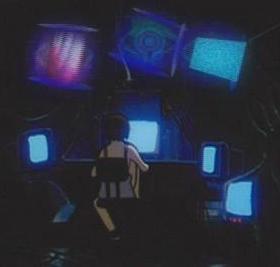
What are the Serial Experiments Lain DVD and Blu-ray editions?
Lain on disc, documented: Japan’s five-volume releases, the Яesurrection and TV-BOX sets, the 2009 Blu-ray RESTORE, Pioneer/Geneon’s four American volumes, the…

What did Serial Experiments Lain do for its 25th anniversary?
Lain’s 25th anniversary in 2023, documented: the Layer 3301: De-Cipher alternate-reality game, the AI lain chatbot voiced from Kaori Shimizu’s archives, Ueda’s…
SHADOW HEARTS
16 shelves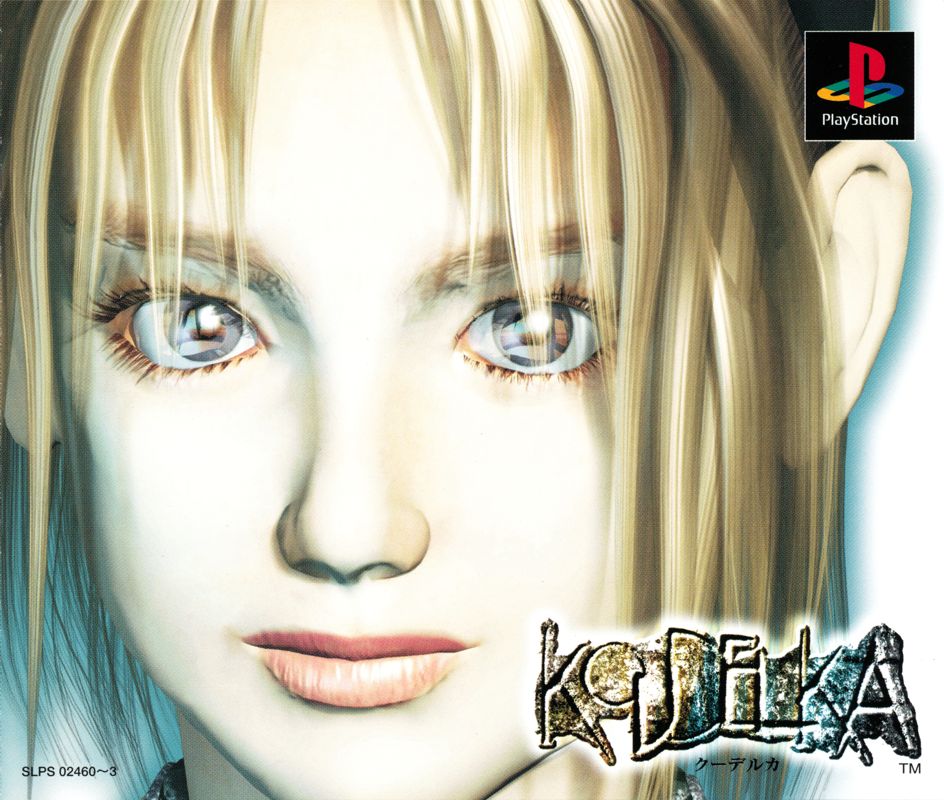
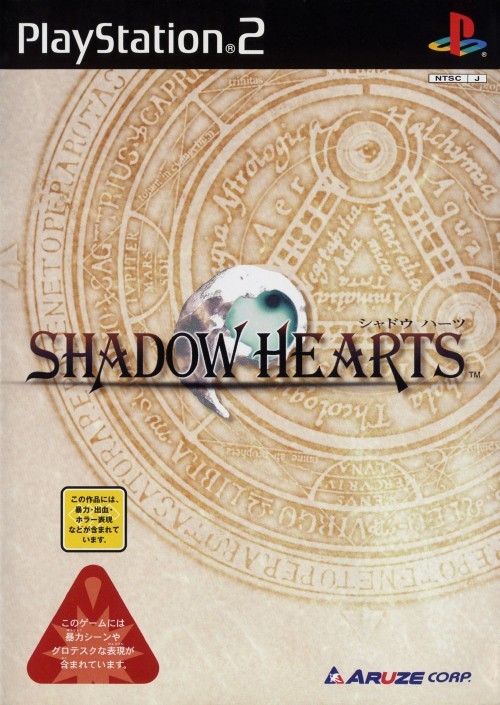
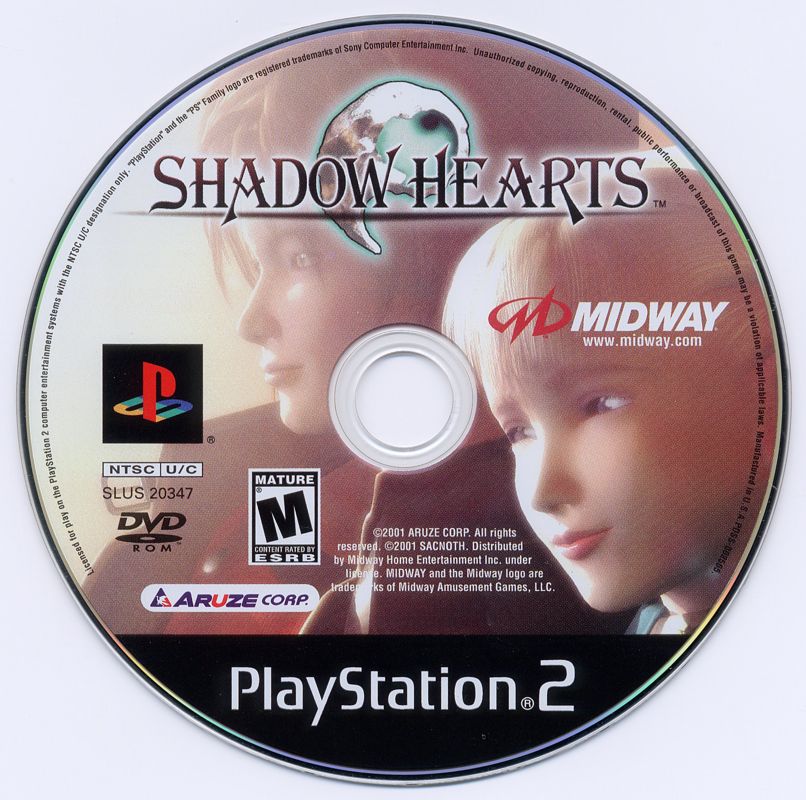
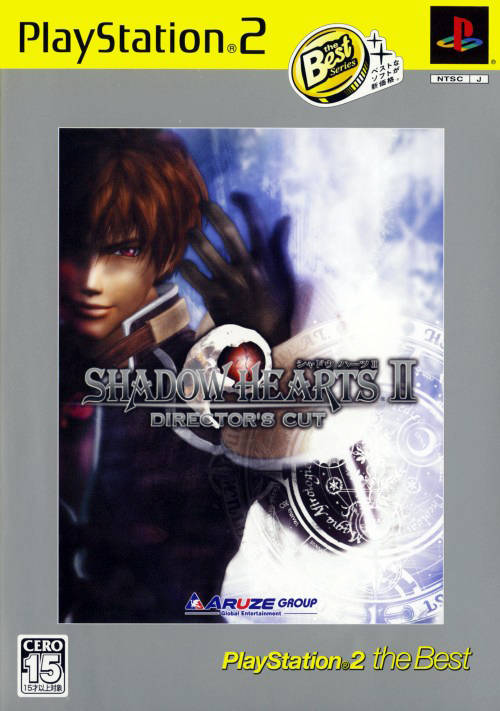
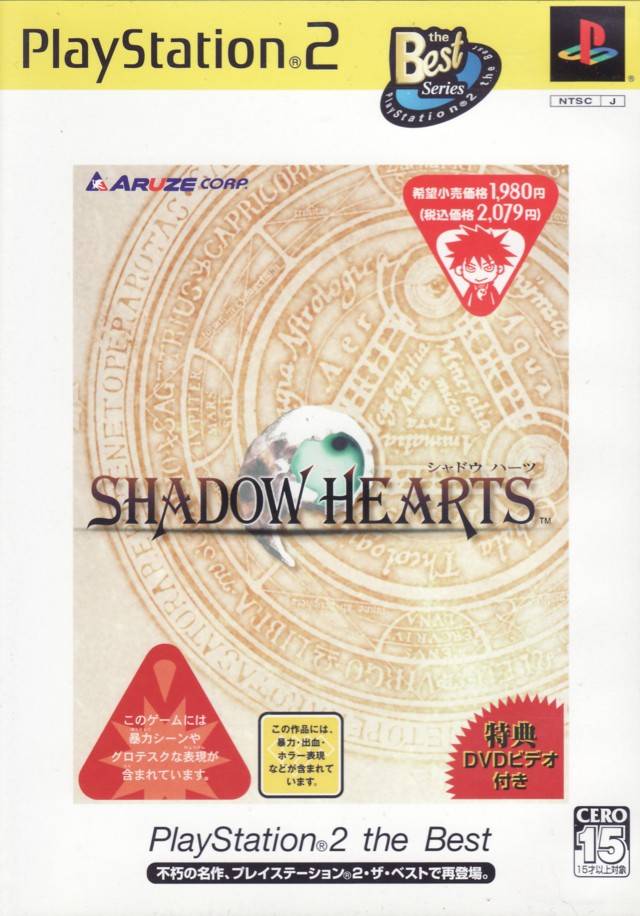
The Shadow Hearts Box Art Gallery
Every region’s box art for Koudelka and the Shadow Hearts trilogy, Japanese, North American and European covers with the disc sets that define a complete copy.
Are Shadow Hearts covers the same in Japanese and English?
No: all four Sacnoth games, Koudelka and the Shadow Hearts trilogy, received different box art in Japan and the West. The four regional pairs, compared.
The history of Shadow Hearts
From Sacnoth’s founding by Square expatriates in 1997 through Koudelka, the three PS2 Shadow Hearts games, the studio’s dissolution, and the Penny Blood campaign.
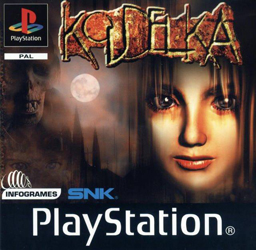
What is Koudelka?
Sacnoth’s 1999 PlayStation horror RPG: one haunted Welsh monastery, three leads, grid battles, full English voice acting on four discs, and the foundation of…

Who made Shadow Hearts?
Sacnoth and Nautilus: the Square expatriate studio Hiroki Kikuta founded in 1997, Matsuzo Machida’s creative takeover, Aruze’s ownership, and the 2009 dissolution.
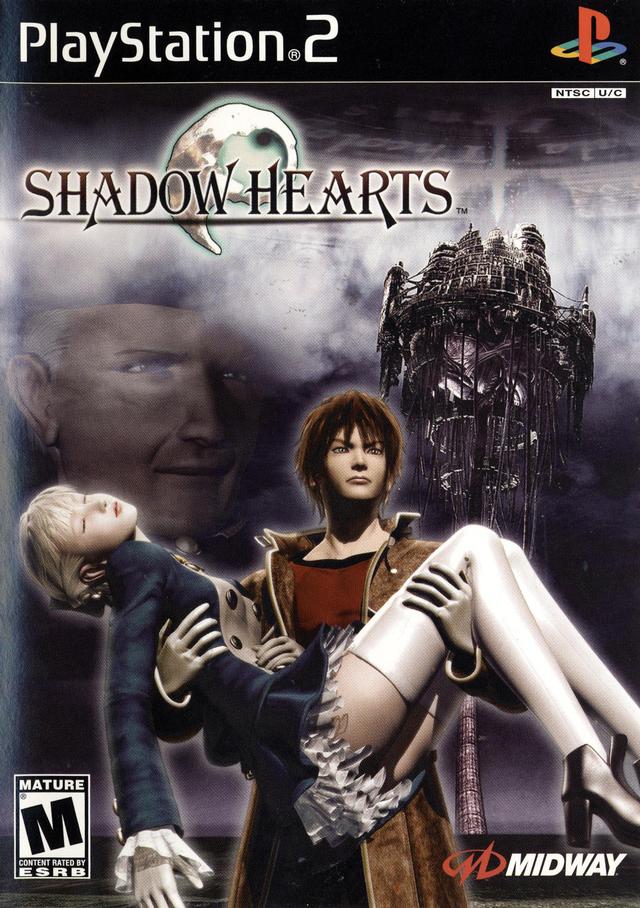
What is Shadow Hearts (2001)?
Sacnoth’s 2001 PS2 RPG: Yuri Hyuga and Alice Elliot across a Lovecraftian 1913, the Judgement Ring’s debut, and a launch that collided with Final Fantasy X.
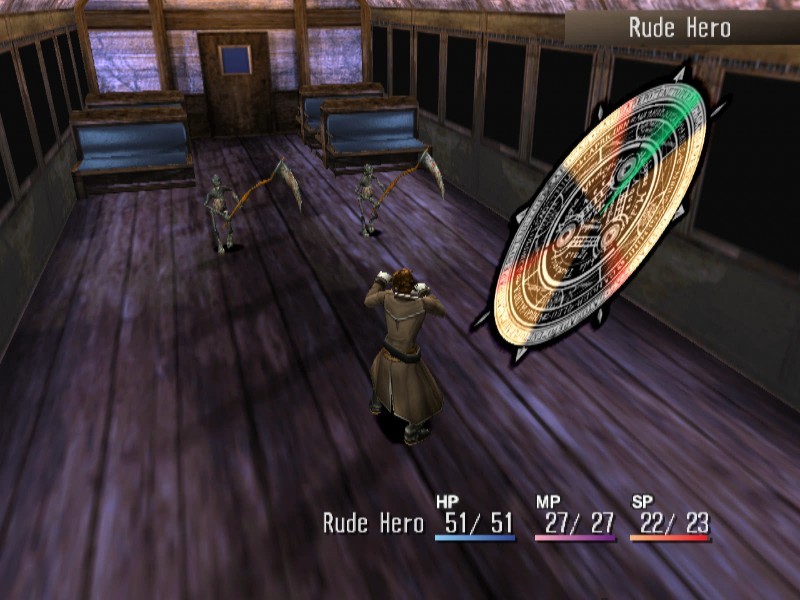
What is the Judgement Ring?
The Shadow Hearts battle system explained: the spinning disc behind every attack, spell, item and shop discount, its fighting-game and pachinko origins, and its…
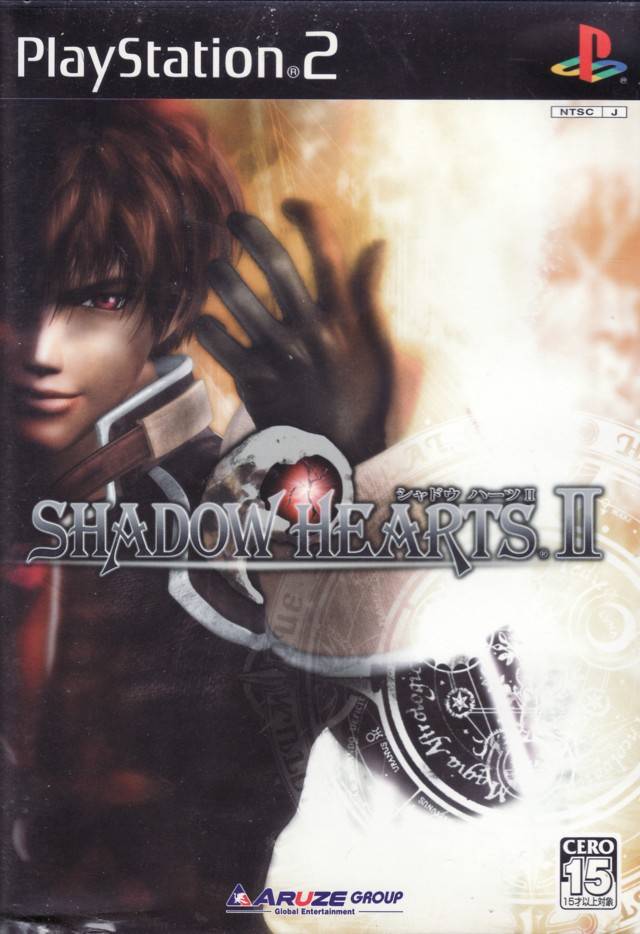
Why is Shadow Hearts: Covenant the beloved one?
Covenant’s reputation, documented: 240,000 copies, a Metascore of 85, IGN and RPGamer game-of-the-year honours for 2004, the two-disc scale, the free first game…
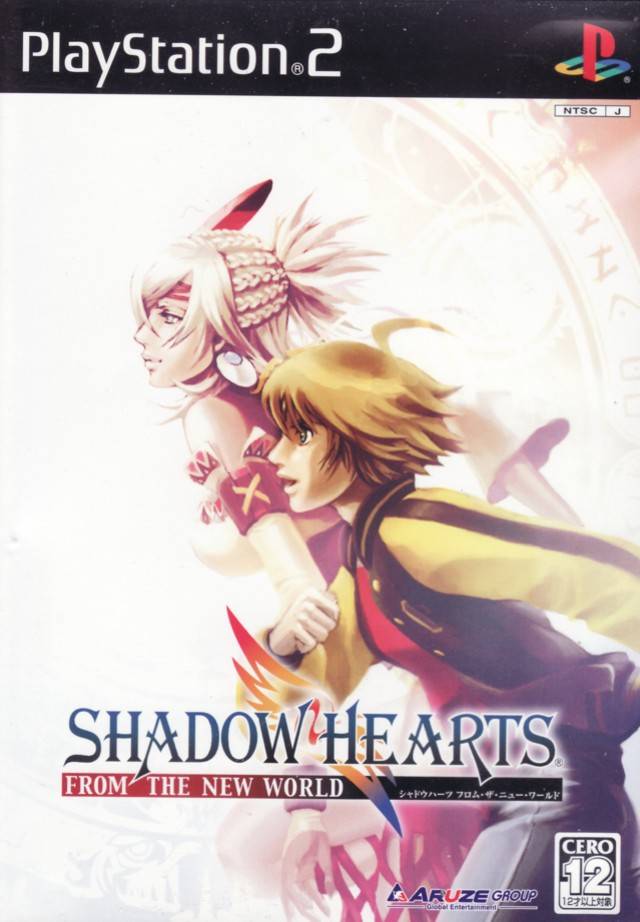
What is Shadow Hearts: From the New World?
The third and final Shadow Hearts (2005): Johnny Garland and Shania in Prohibition-era America, the Stock gauge battle refinements, the tight schedule, and the…
Who is Yuri Hyuga?
The Harmonixer hero of Shadow Hearts: his Devilman-inspired design, the voice in his head revealed as Koudelka, the Fusion gift, the Mistletoe curse, and his…
How do the Shadow Hearts endings work?
The full spoiler account: Koudelka’s pendant endings, Shadow Hearts’ Atman condition, why Covenant follows the bad ending, its two doors for Yuri and confirmed…
Why did the Shadow Hearts series end?
The structural answer: Aruze’s 2007 exit from game development, Nautilus renamed and merged away by 2009, cult-scale sales, Universal Entertainment’s retained…
What is Penny Blood?
Matsuzo Machida’s Shadow Hearts successor: the 2022 Double Kickstarter triumph, the lawsuit over undisbursed funds, the exhausted budget, and the verified status…
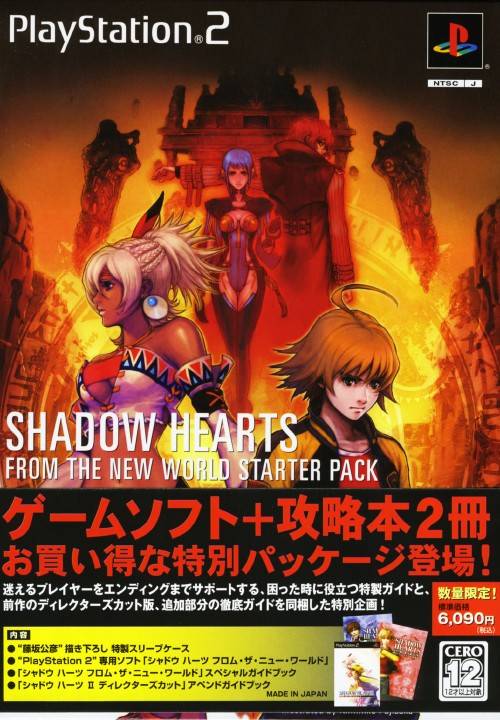
What Shadow Hearts strategy guides are there?
The documented shelf: BradyGames’ Covenant guide (2004), Prima’s From the New World guide (2006), the missing English guides for Shadow Hearts and Koudelka, and…
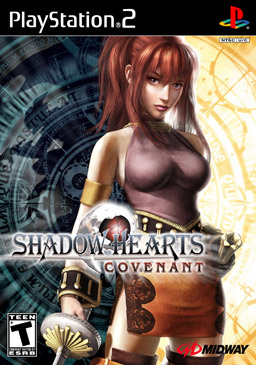
Collecting Shadow Hearts in English
The collector’s map: disc counts and catalogue numbers for all four games, the Promotional Copy variant from the Covenant pre-order, the Japan-only editions, and…
SILENT HILL
25 shelves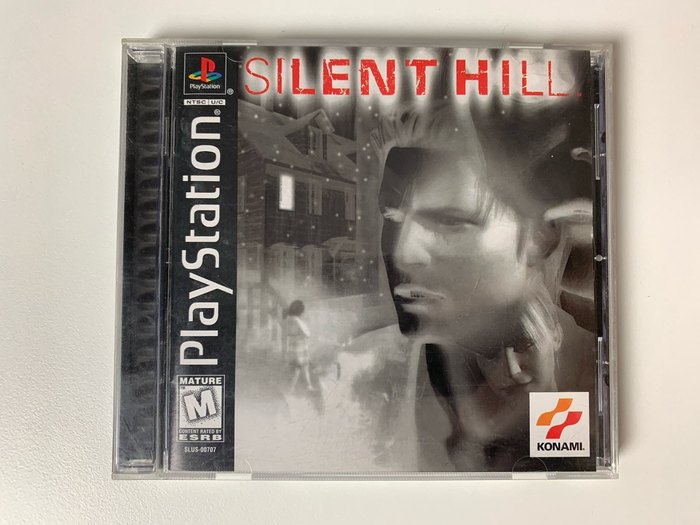
The History of Silent Hill
Team Silent's 1999 original: the outsider team, the fog turned into design, the editions, the scores, and the legacy.
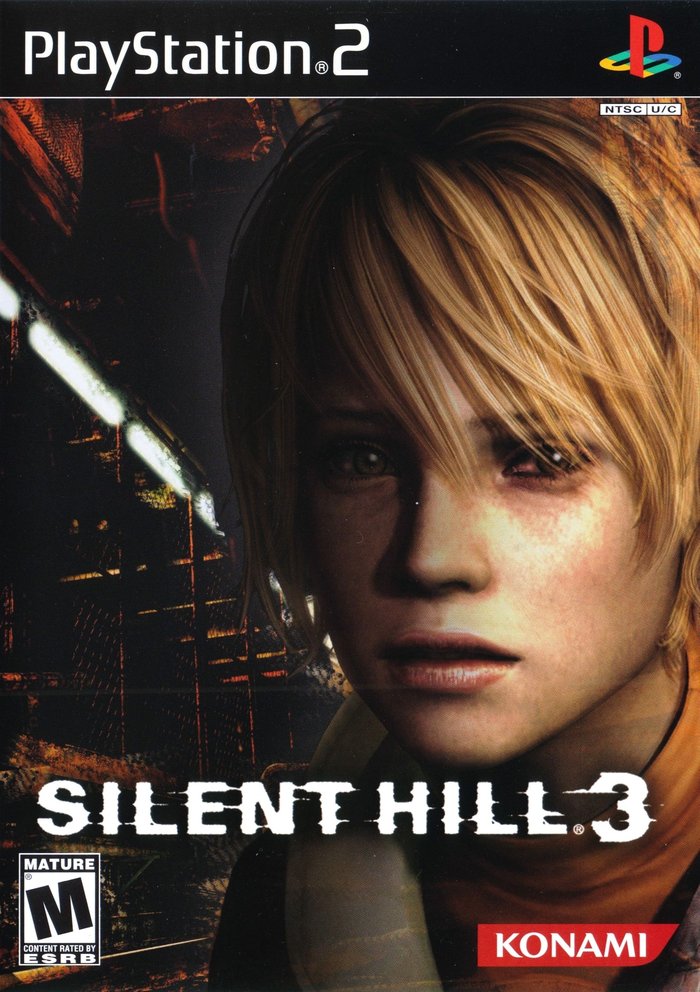
The History of Silent Hill 3
Heather Mason's story: the direct sequel to the first game, the scrapped rail shooter, the editions, the scores, and the legacy.
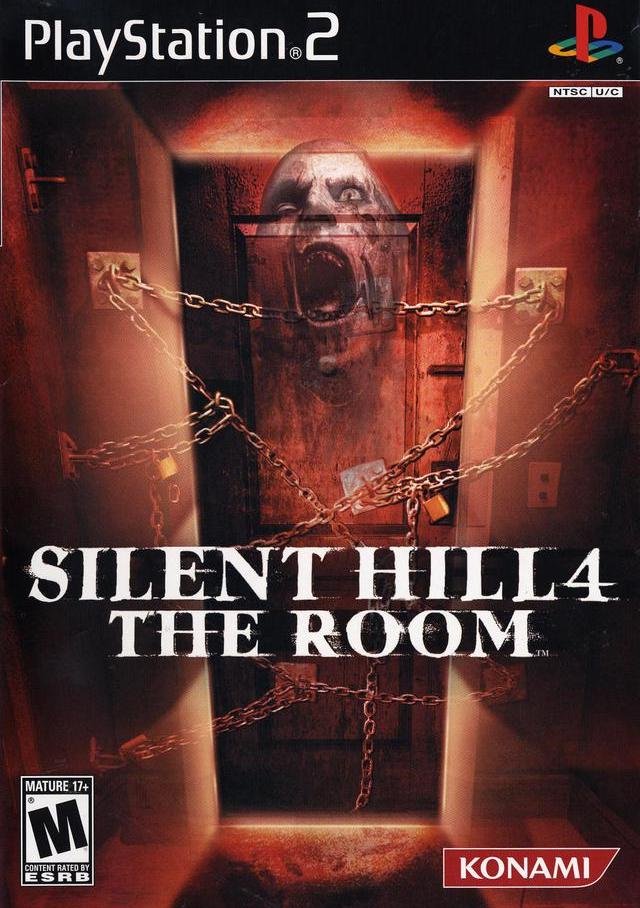
The History of Silent Hill 4: The Room
Walter Sullivan and Room 302: Team Silent's last game, the room as trap, the editions, the divided scores, and the legacy.
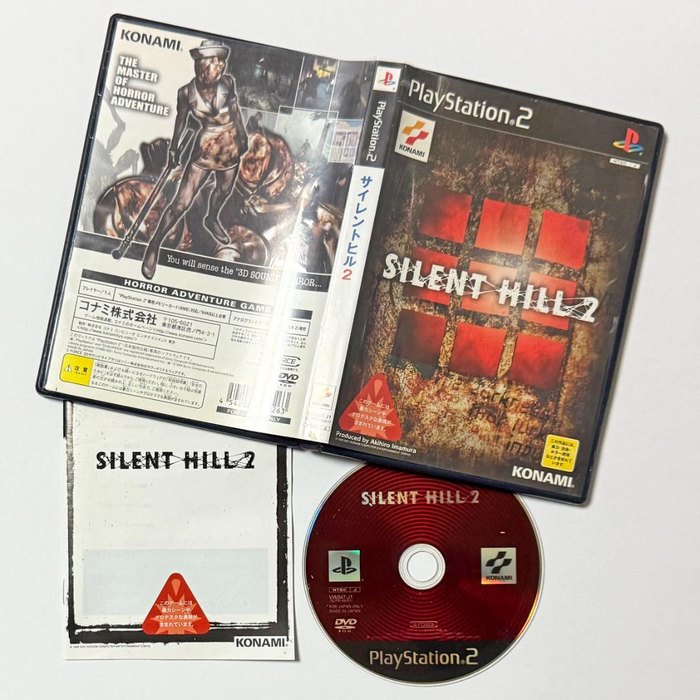
The Silent Hill 2 Gallery
The Japanese and American boxes side by side, red panes against a face in green fog, with the history and the questions behind them.
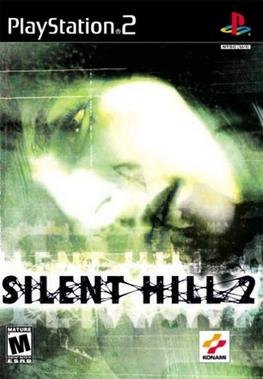
The History of Silent Hill 2
Team Silent's 2001 sequel: how it was made, Pyramid Head's design, the editions, the scores, and the legacy.
Why is Silent Hill covered in fog?
A hardware limit, per the developers' own postmortem, that Toyama turned into design.
What is Silent Hill 2: Saigo no Uta?
The expanded Japanese edition, and what its name actually promises buyers.
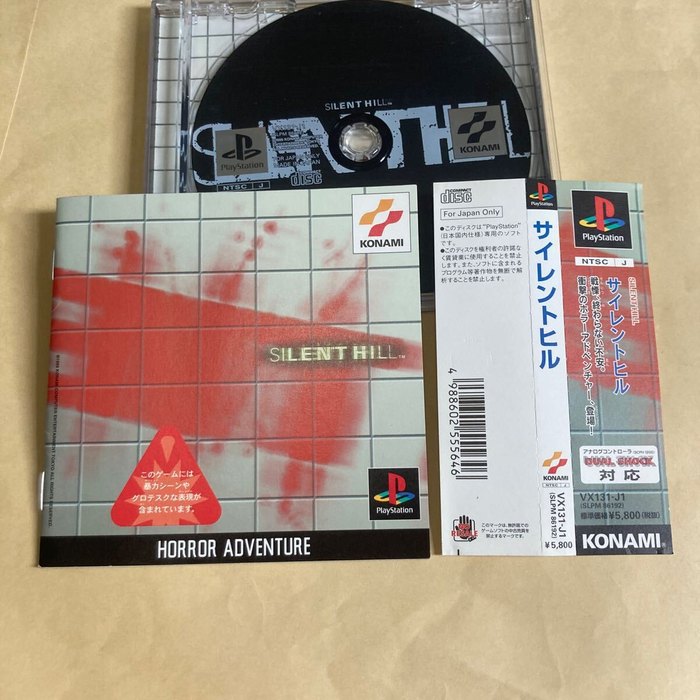
What inspired Silent Hill?
Jacob's Ladder, Lynch, Bacon and Wyeth, from the creators' own lists.
Is Silent Hill based on a real town?
Centralia inspired the film, not the 1999 game. The record, separated.
Why do the Japanese Silent Hill covers look different?
Portraits in fog in America, graphic design in Japan, checked cover by cover.
Who composed Silent Hill's music?
Akira Yamaoka, who volunteered for the job, then took over every sound in the game, music and noise alike.
What is Silent Hill: Origins?
The 2007 PSP prequel explained: trucker Travis Grady, the burning house, and the game that tried to explain how Silent Hill began.
What is Silent Hill: Homecoming?
The 2008 American entry explained: soldier Alex Shepherd, the neighboring town of Shepherd's Glen, and the most divisive combat in the series.
What is Silent Hill: Shattered Memories?
The 2009 reimagining explained: Harry Mason retold in ice instead of rust, a therapy frame that profiles the player, and no combat at all.
What are Silent Hill: Downpour and Book of Memories?
The last two games of the 2012 wave explained: the open, rainy Downpour and the Vita dungeon crawler that took the series somewhere entirely new.
SIMCITY
3 shelves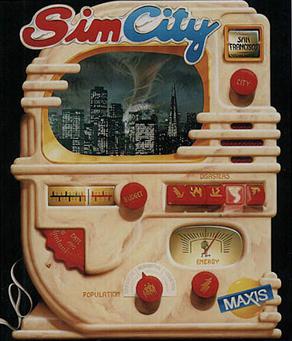
What inspired SimCity?
Wright said it himself: building islands for a bombing game was more fun than bombing them, and urban dynamics theory brought the city alive.
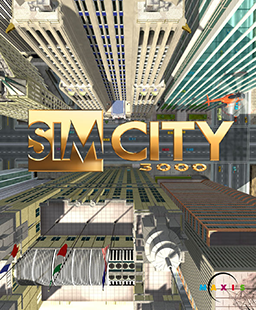
Why is SimCity 3000's music jazz?
Maxis recorded a live score and put a jazz composer in charge. Why jazz, exactly, nobody documented, and the page says so.
Who wrote SimCity's music?
Sue Kasper wrote 2000, Soyo Oka the SNES score, and Jerry Martin directed 3000 and 4. The credits, corrected.
SLAM DUNK
35 shelves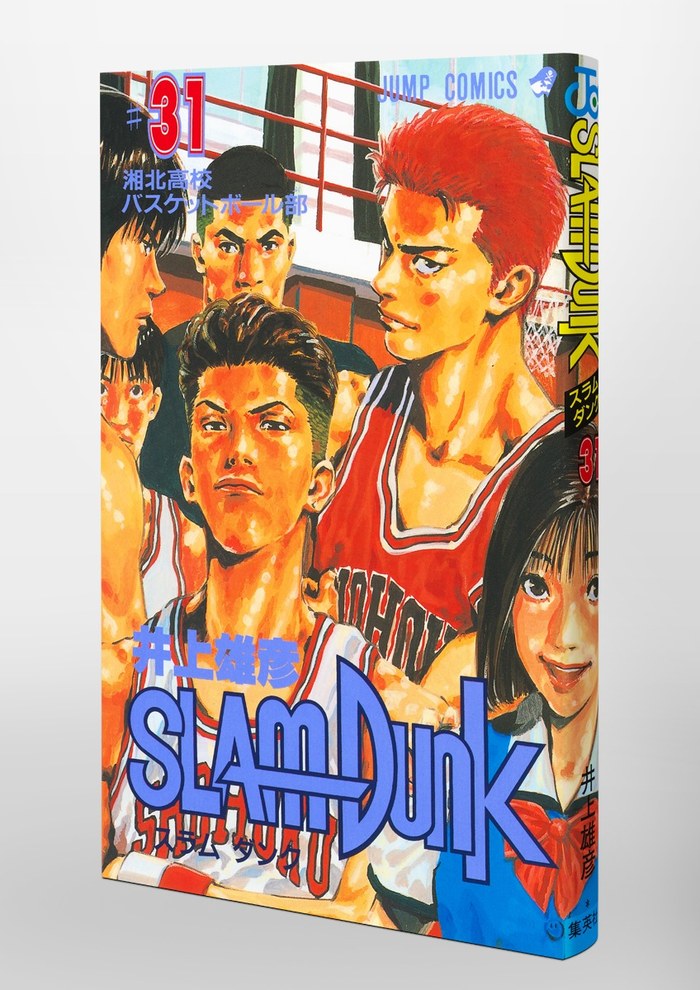
Why did Slam Dunk end after 31 volumes?
Inoue on the record: the Sannoh game ending was planned, the final page said End of Part One, and 10 Days After was his answer to readers.
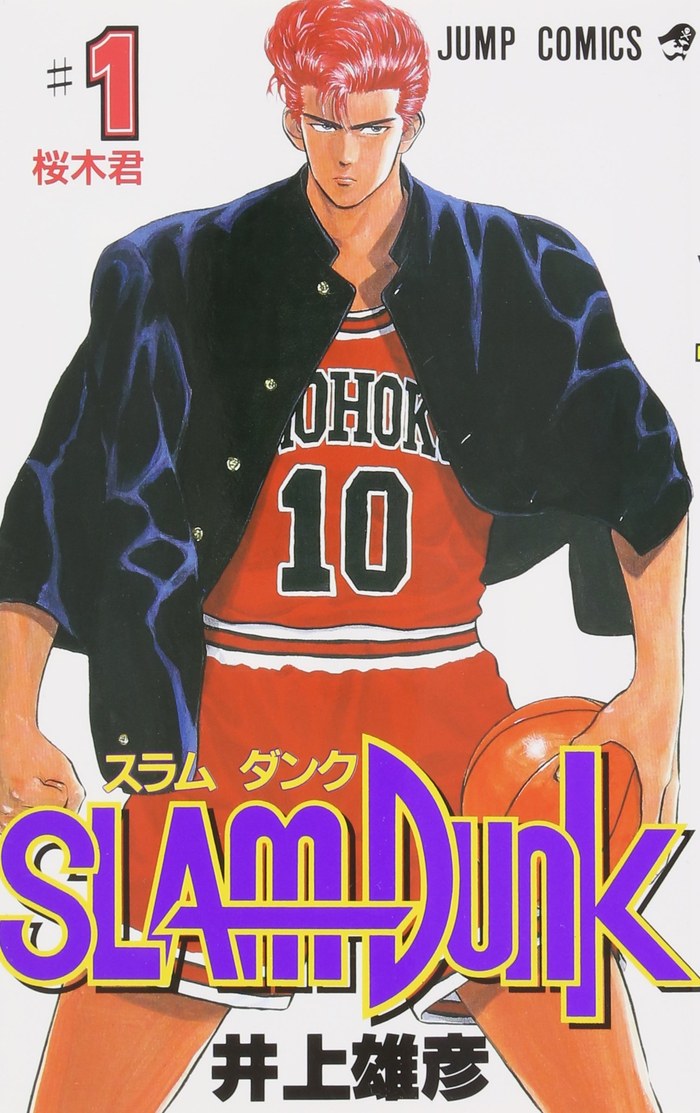
Why did the Slam Dunk anime never adapt the National Tournament?
101 episodes stopped at the train to the Inter High in 1996. No official reason is on record, and this page labels the fan theories as theories.
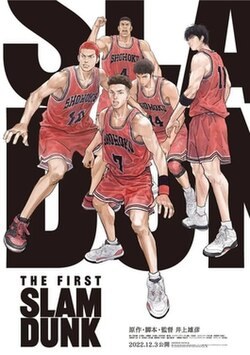
What is The First Slam Dunk, and why did Inoue direct it himself?
The 2022 film of the final game through Ryota Miyagi: five years of prototypes, Matsui's suggestion that Inoue direct, and a $279 million answer.
Why did Slam Dunk become a basketball phenomenon in Japan?
Reader letters from new players, the Slam Dunk Scholarship, and the Japan Basketball Association commendation that made the phenomenon official.
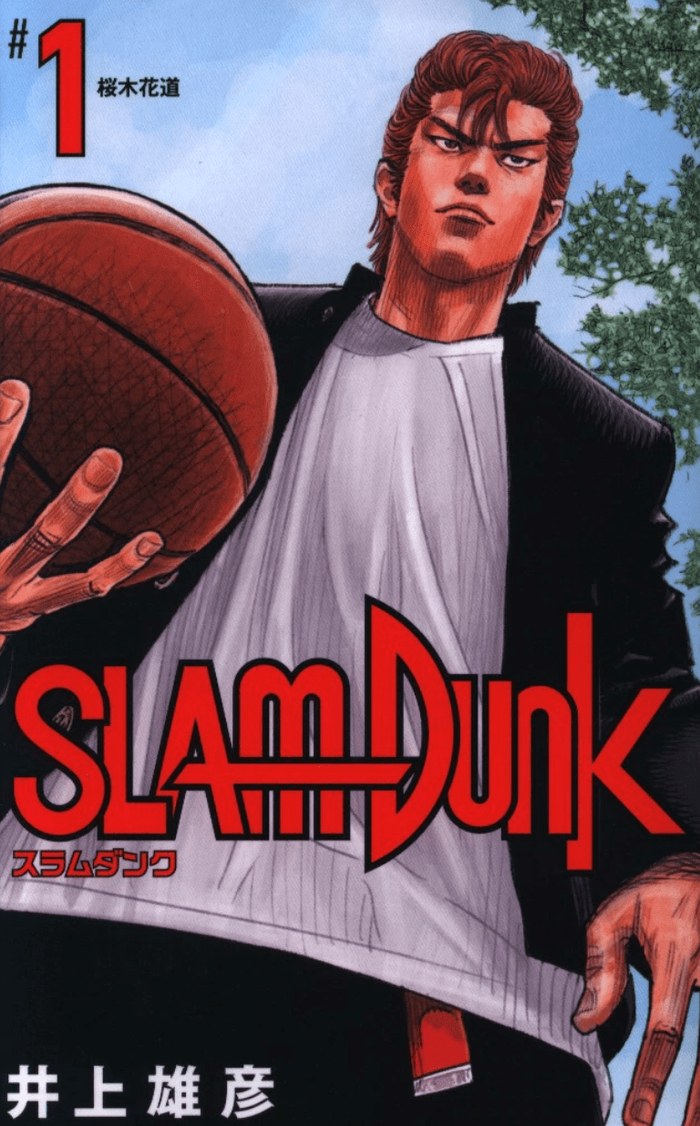
What inspired Slam Dunk?
On Inoue's own say so: his high school basketball club, the empty basketball shelf, Dokaben, and his own start in the sport, mirrored in Sakuragi.
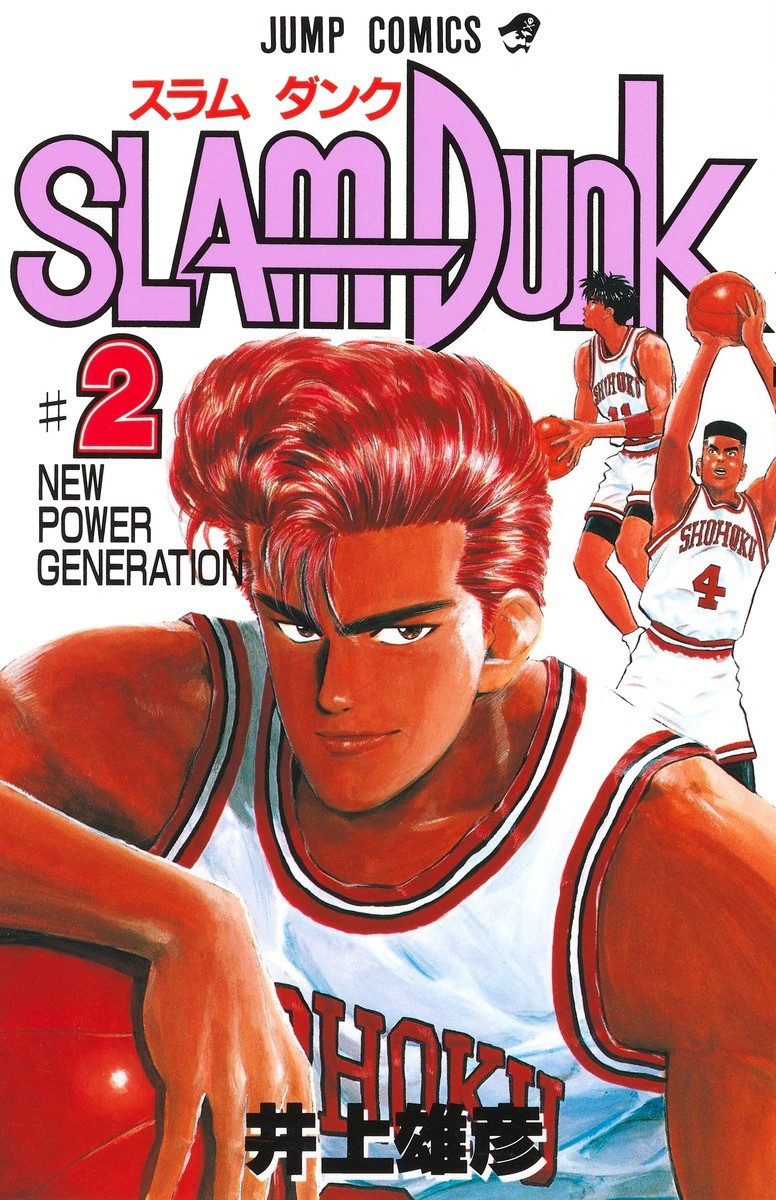
What is Slam Dunk?
Takehiko Inoue's basketball manga ran in Weekly Shonen Jump from 1990 to 1996 and follows Shohoku High's impossible run at the national tournament.
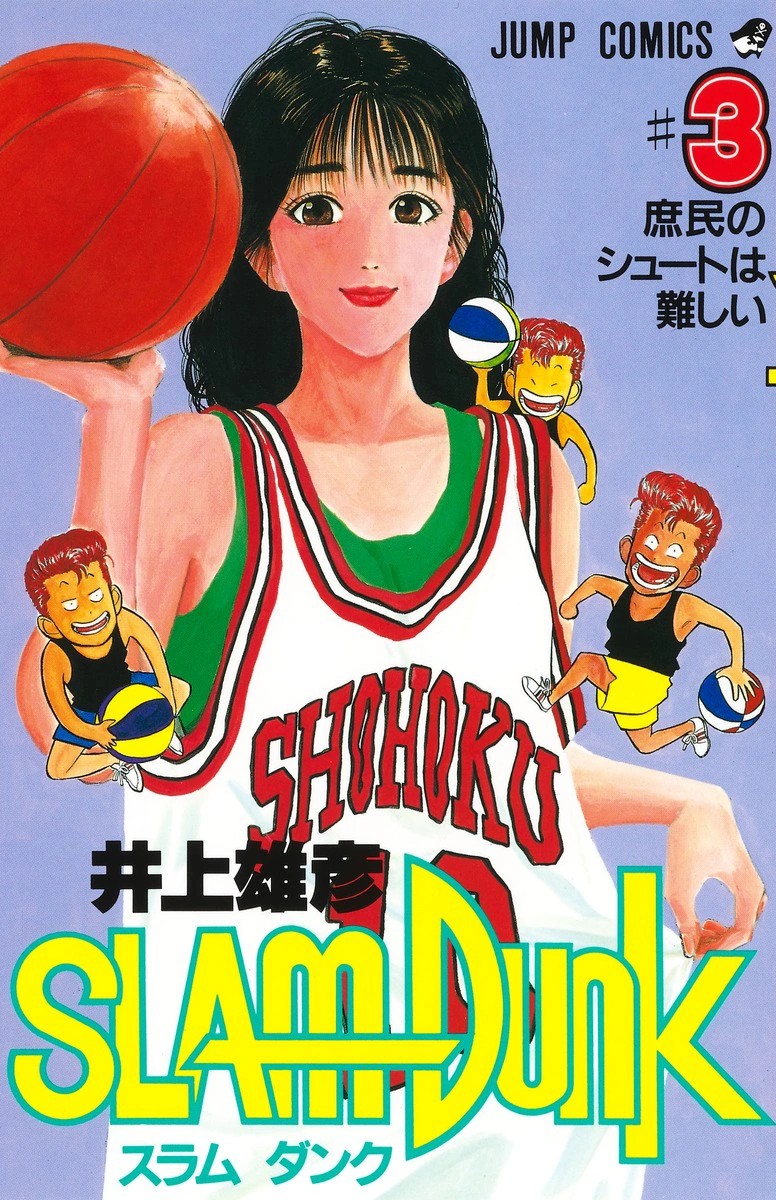
When did Slam Dunk run in Weekly Shonen Jump?
Slam Dunk debuted in Jump issue 42 of 1990 and ended in issue 27 of 1996, one of the defining series of the magazine's best-selling era.
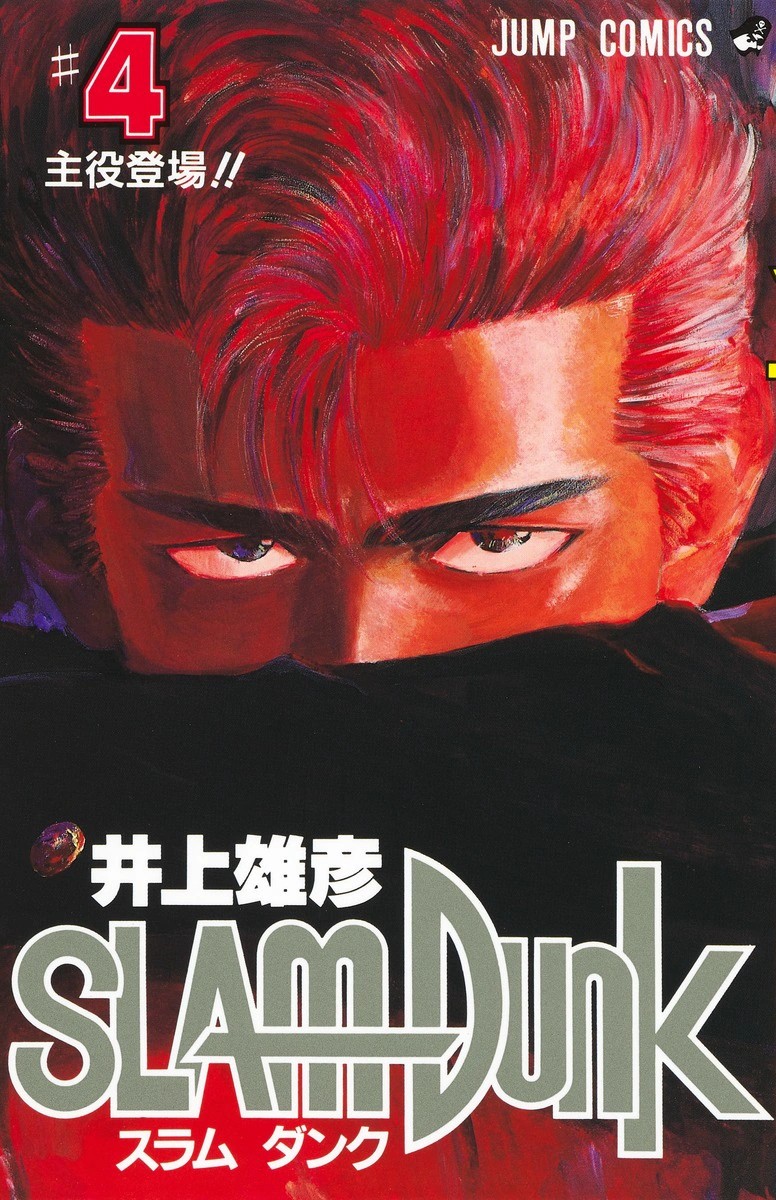
How many chapters and volumes does Slam Dunk have?
The count depends on the edition: 276 chapters collected as 31 tankobon, 24 kanzenban or 20 shinsoban volumes, all complete.
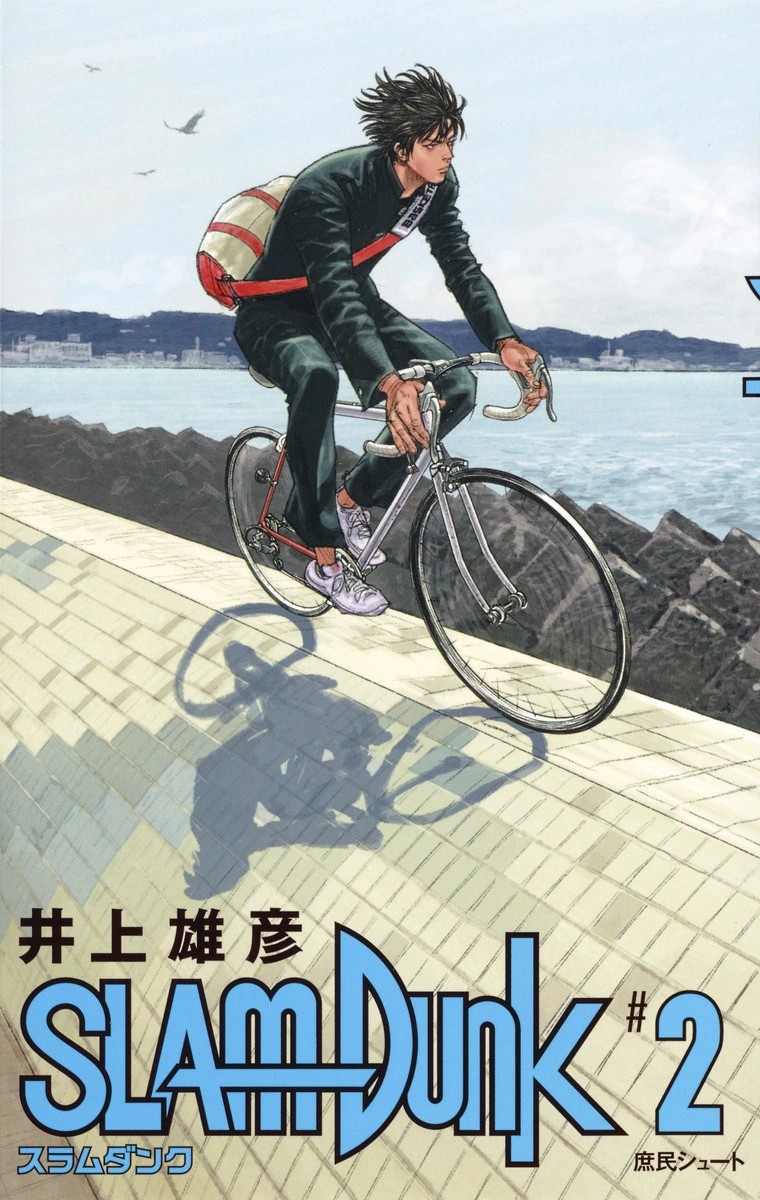
What is the Slam Dunk shinsoban, the 2018 reorganized edition?
The 2018 shinsoban reorganized 31 volumes into 20, split at match endings and titled by matchup, with every cover newly drawn by Inoue.
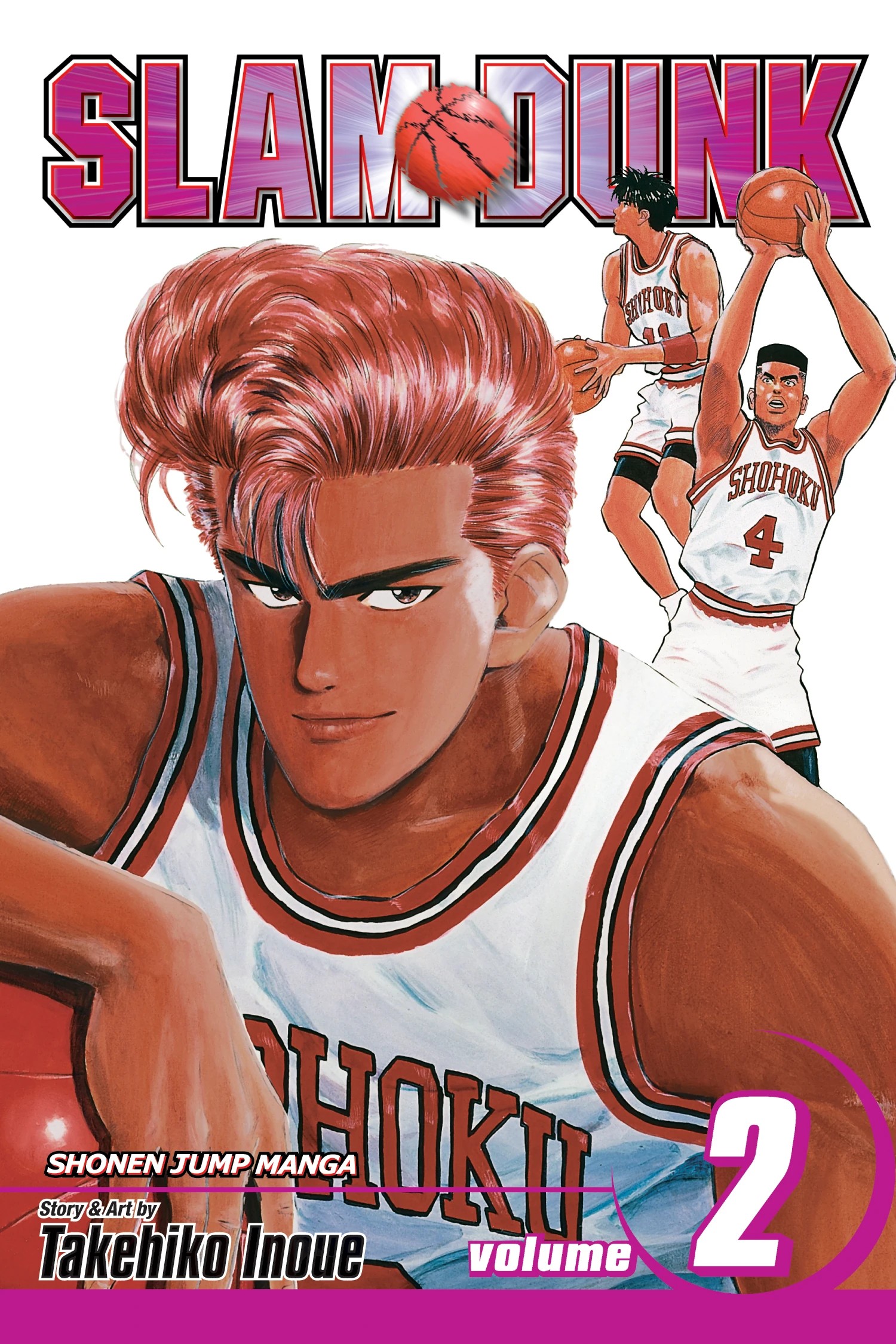
Are Slam Dunk covers the same in Japan and America?
Viz's English edition uses the original tankobon cover art. Inoue's 2018 redrawn covers were never used on an English print edition.
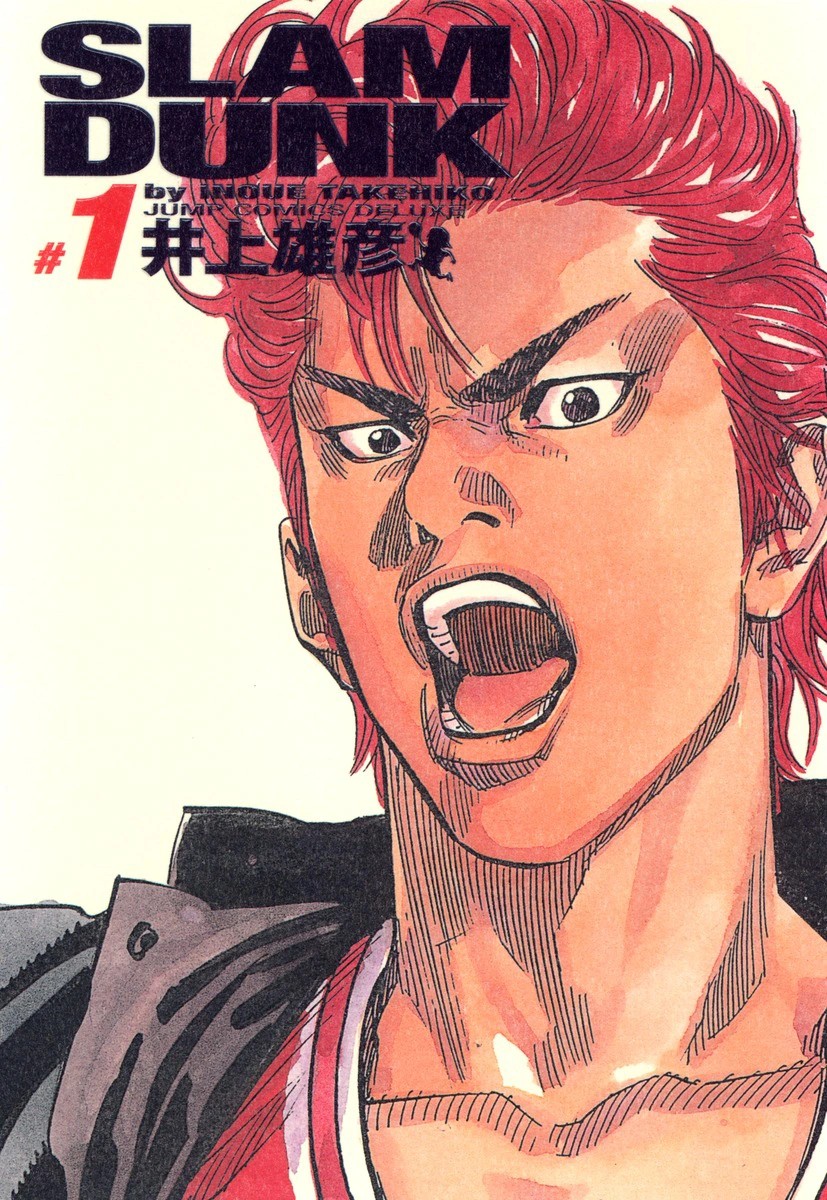
What is the Slam Dunk kanzenban?
The kanzenban is the 24-volume Jump Comics Deluxe edition of 2001-2002, printed larger with the magazine color pages restored.
What is Slam Dunk: 10 Days After?
10 Days After is the 2004 epilogue Inoue drew in chalk on 23 blackboards at a closed Kanagawa school to mark 100 million copies.
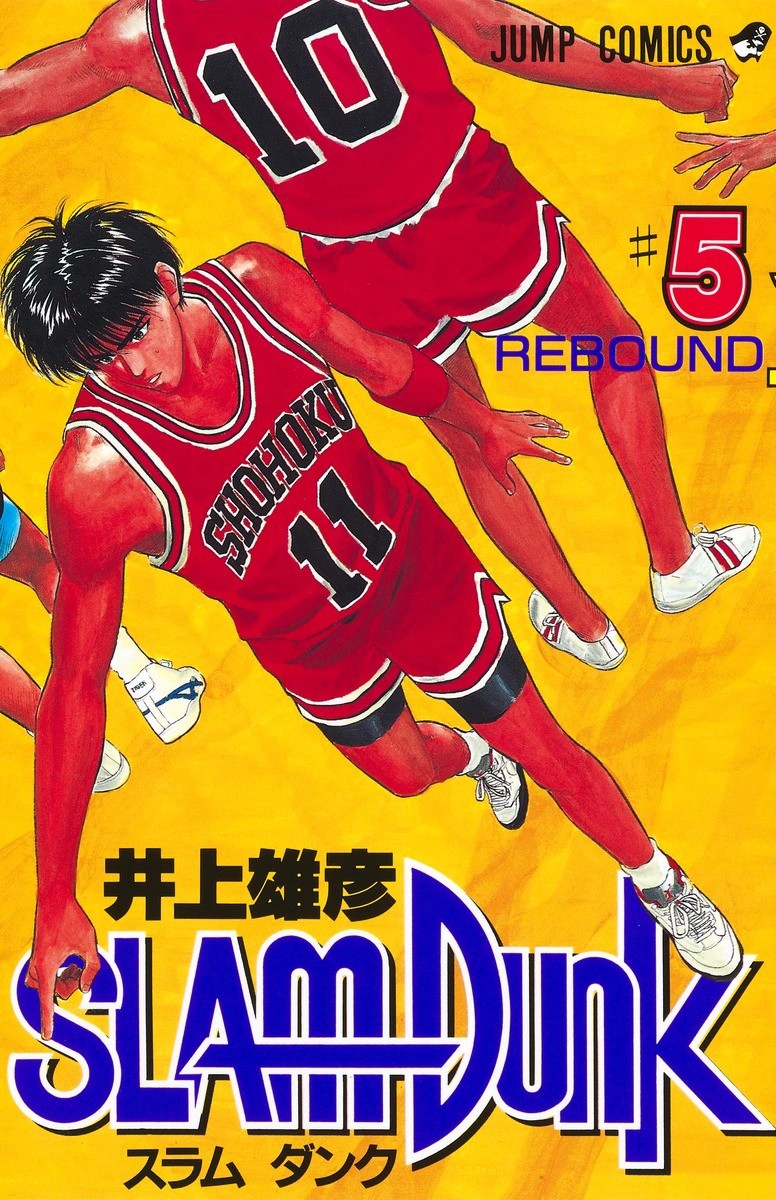
When did Slam Dunk get a digital edition?
Slam Dunk's first digital edition arrived June 2, 2025, all 20 shinsoban volumes, announced by Inoue himself with reading advice.
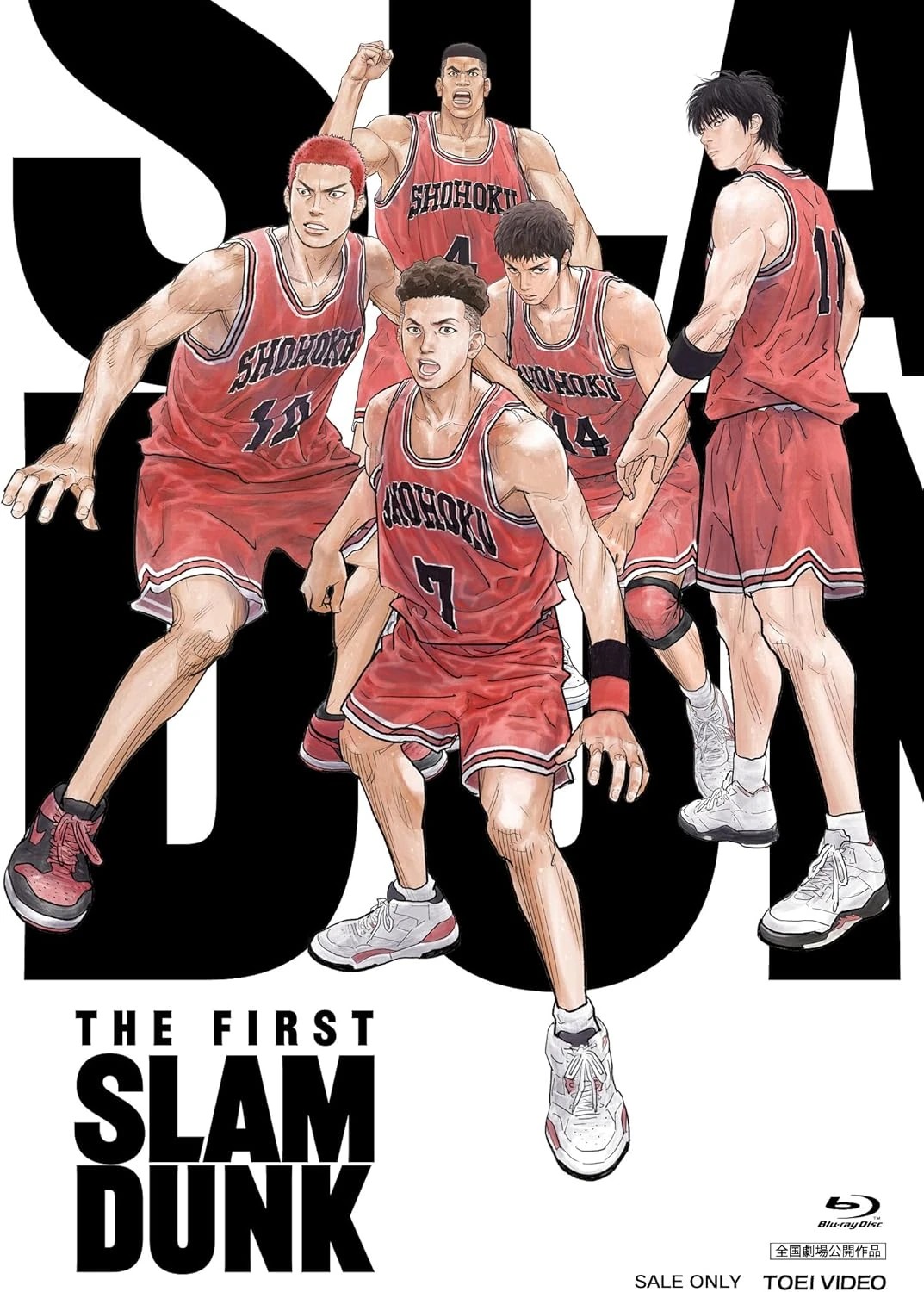
How much did THE FIRST SLAM DUNK earn?
The film grossed 15.73 billion yen in Japan on its first run and about $279 million worldwide, the most any basketball film has earned.
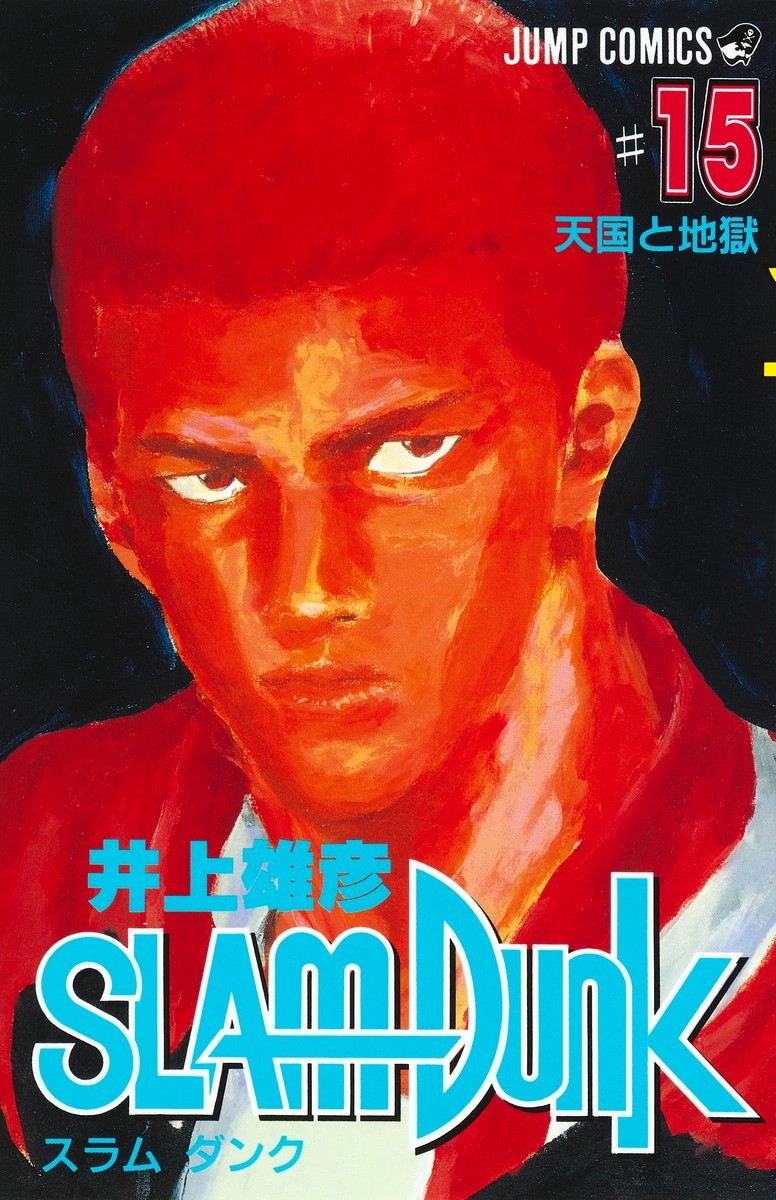
Why is THE FIRST SLAM DUNK told through Ryota Miyagi?
The film retells the Sannoh game through point guard Ryota Miyagi, adding the family backstory the manga only implied.
SLAYERS
15 shelves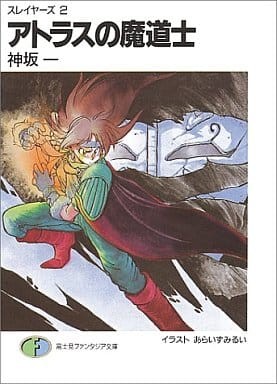
The history of Slayers
From a 1989 Dragon Magazine debut to a 22-million-copy franchise: the history of Hajime Kanzaka and Rui Araizumi's Slayers, the novels that ended in 2000 and…
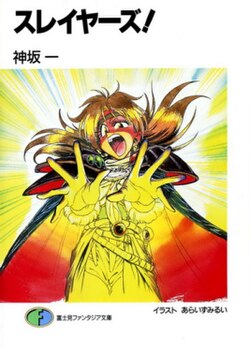
The Slayers novels, volume by volume
All seventeen main Slayers novels documented volume by volume: titles, Japanese release dates, and what each book does, from Slayers! (1990) to The Long Road…
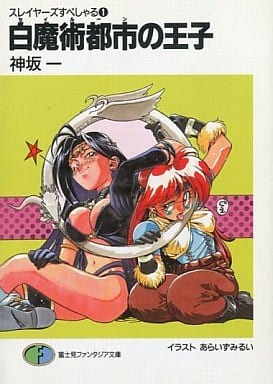
What are the Slayers Special novels?
Slayers Special: the 30-volume prequel line of Lina and Naga one-shot stories (1991–2008), plus Smash, Delicious, Select, and the rest of the novel family,…
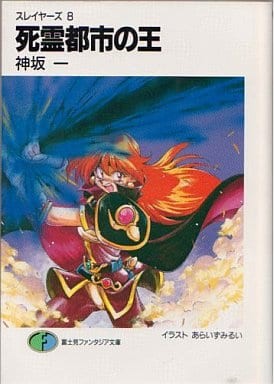
Who is Hajime Kanzaka?
Hajime Kanzaka: the contest winner who wrote Slayers at his puzzle-piece method, ended it in 2000, revived it in 2018, and quietly built Lost Universe in the…
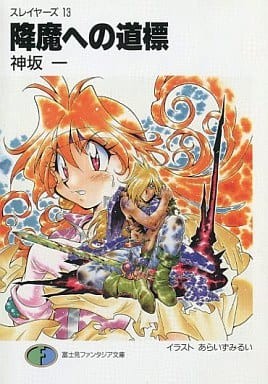
Who is Rui Araizumi?
Rui Araizumi: the artist who designed Lina Inverse, illustrated every Slayers novel line for three decades, redrew the covers for the 2008 revised edition, and…
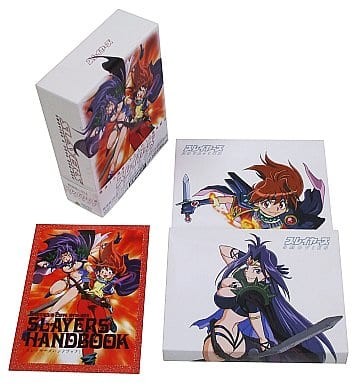
How was the Slayers anime made?
How the Slayers anime was made: E&G Films and Takashi Watanabe adapting the novels in a scrambled order, Software Sculptors' VHS success in America, and the…
Who is Megumi Hayashibara?
Megumi Hayashibara, the voice of Lina Inverse in every Slayers anime and the singer of nearly every theme: Get Along, Give a Reason, Breeze, and the 2020…
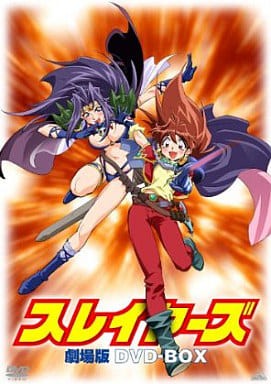
What Slayers movies and OVAs are there?
The five Slayers films and two OVA series documented: Perfect, Return, Great, Gorgeous, Premium, and the Special and Excellent OVAs, the Lina and Naga prequel…
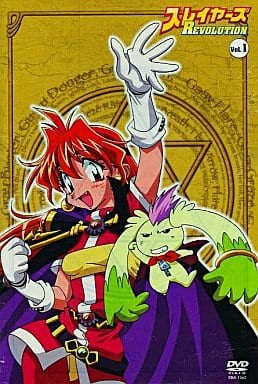
What is Slayers Revolution?
Slayers Revolution (2008) and Evolution-R (2009): the J.C.Staff revival that told one story across two short seasons, with the original director and voice cast,…
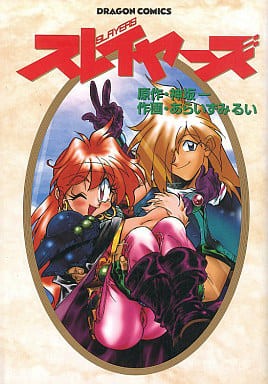
The Slayers manga, series by series
Every Slayers manga line documented: Araizumi's Medieval Mayhem, Yoshinaka's 8-volume Super-Explosive Demon Story, Knight of the Aqualord, and the rest, with…
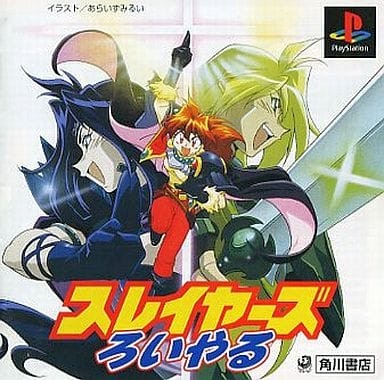
What Slayers video games are there?
The five Slayers RPGs of 1994–1998 documented: two different games both named Slayers in one year, the Royal tactical pair, Wonderful, plus the card game and…
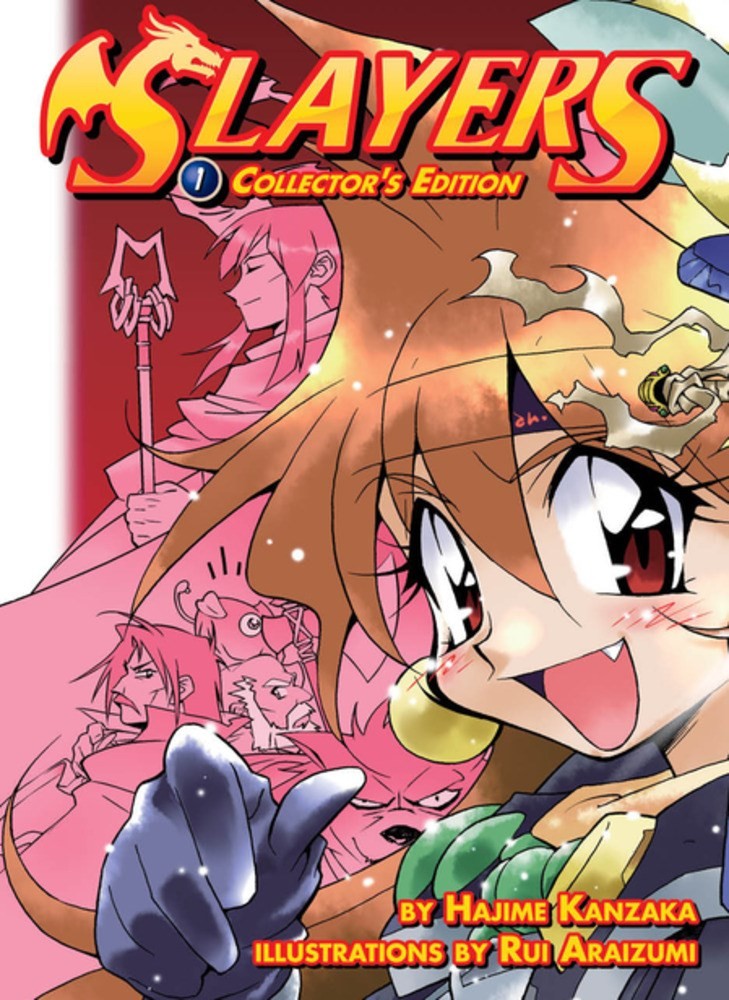
How can you collect Slayers in English?
Collecting Slayers in English: Tokyopop's abandoned 8 volumes, J-Novel Club's complete retranslation and Collector's Edition hardcovers, the CPM manga, and what…
What is Lost Universe?
Lost Universe: Hajime Kanzaka's science-fiction sibling to Slayers, five novels (1992–1999), the 1998 anime in Slayers Try's old timeslot, and the Black World…
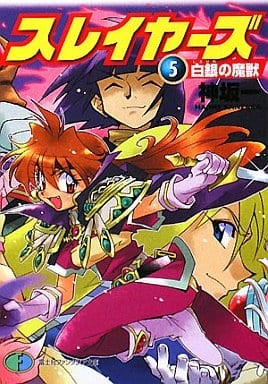
How is Slayers related to Record of Lodoss War?
Slayers and Record of Lodoss War: the twin pillars of Japanese fantasy, one solemn and one satirical, compared by critics since the 1990s and shelved side by…
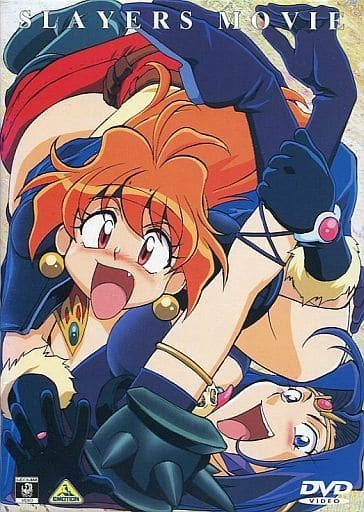
What is the Dragon Slave?
The Dragon Slave and the magic system of Slayers: the four schools of magic, Shabranigdu's borrowed power, and the two spells above them all, the Ragna Blade and…
SNK
10 shelves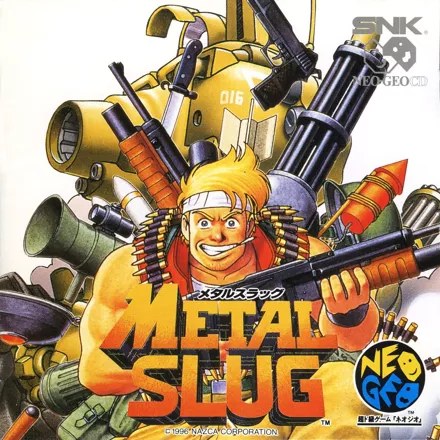
The SNK Gallery
SNK beyond the fighters: the Neo Geo at home and in the arcade, Metal Slug, Magician Lord, and Baseball Stars, cover by cover.
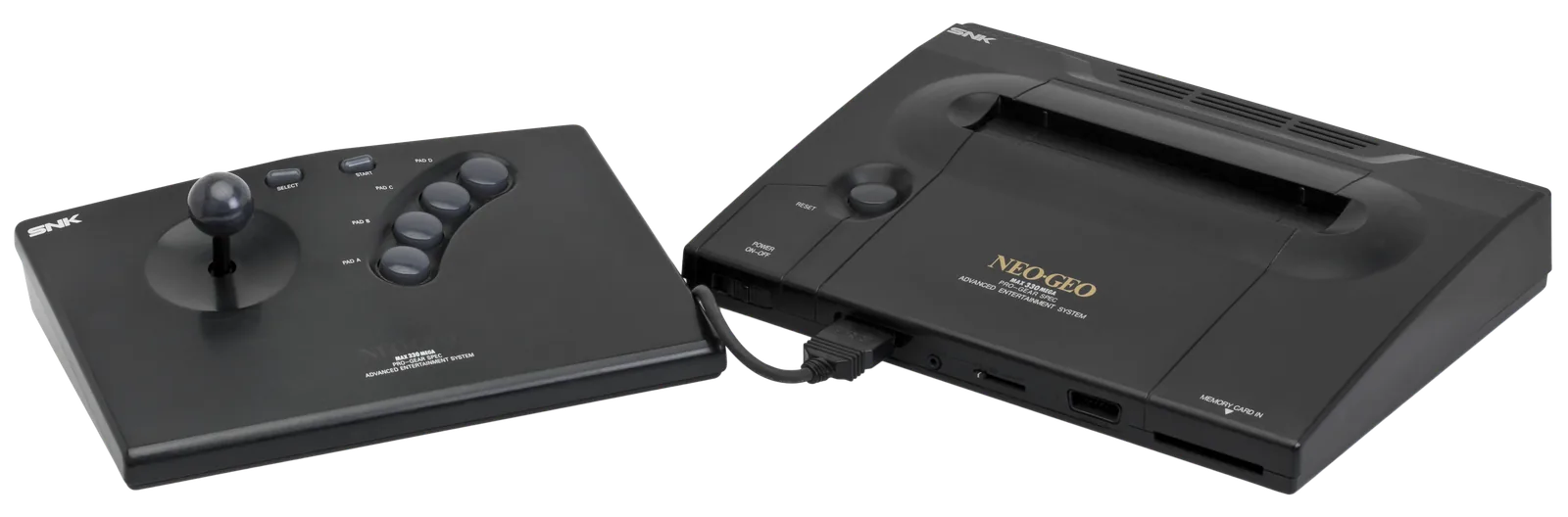
The History of Neo Geo
One cartridge system for the arcade and the home: the MVS, the AES, the $649.99 launch, and fourteen years of software.
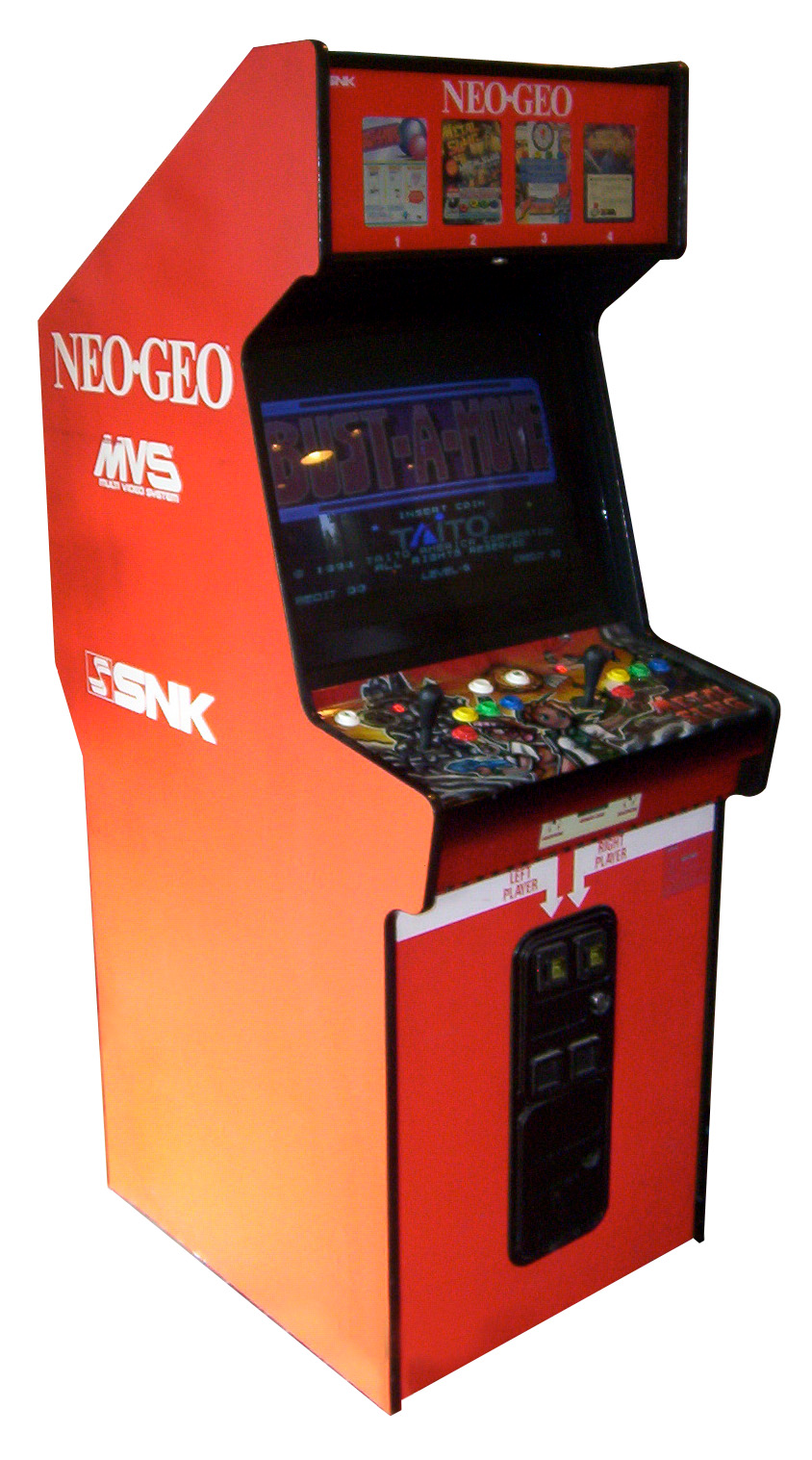
Why Was the Neo Geo So Expensive?
A $649.99 console and games at $200 and up, because the home machine was the arcade machine, cartridges and all.
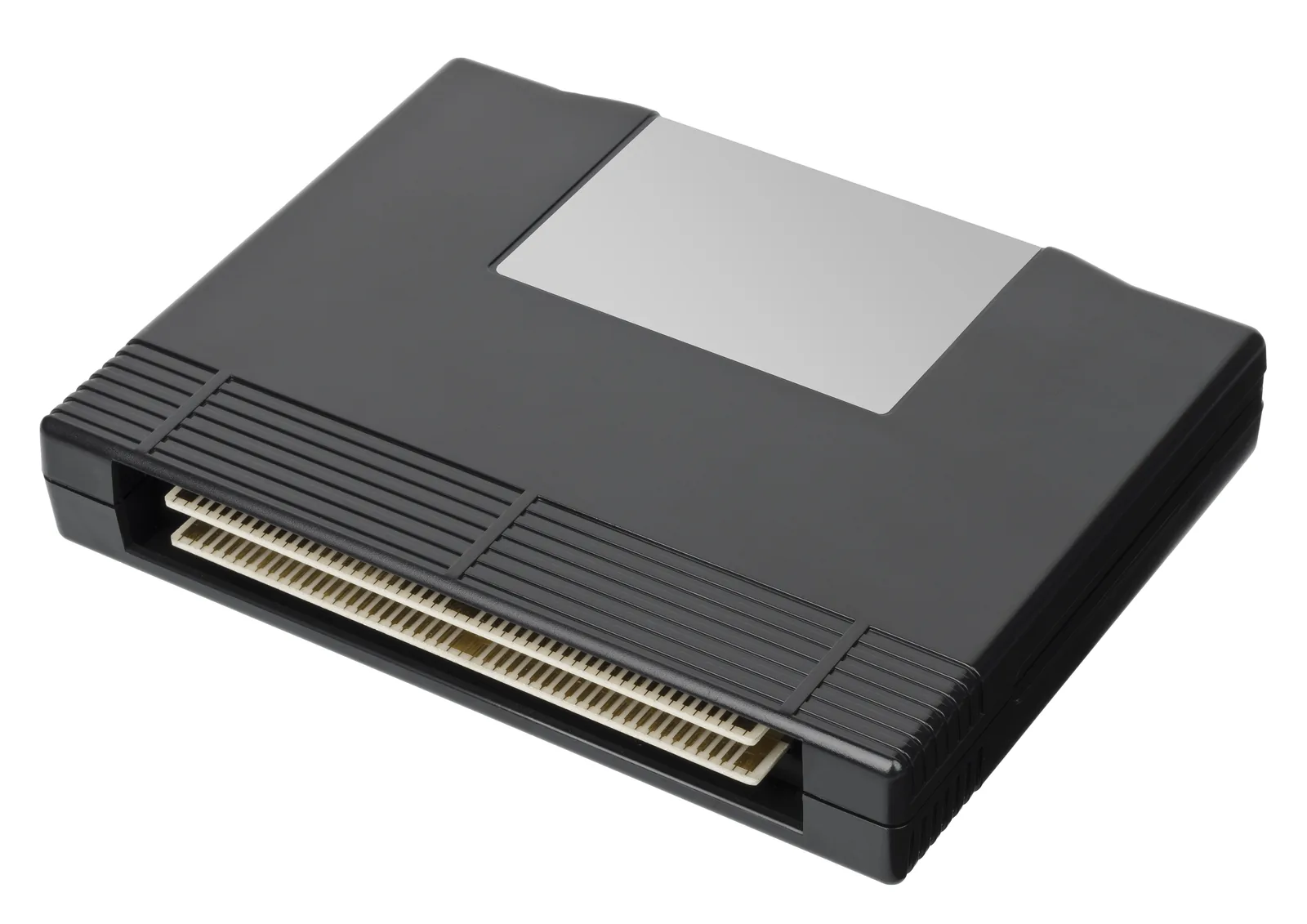
Why Won't an MVS Cartridge Fit in an AES?
The code is identical and the ROMs even swap. The pinout is the lock, built to stop operators buying cheaper home carts.
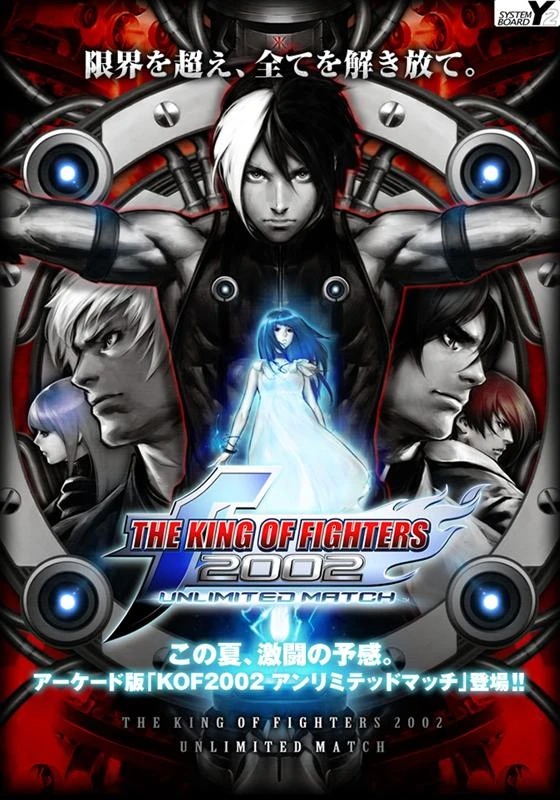
What Happened to SNK After It Went Bankrupt?
Bankruptcy in 2001 at 38 billion yen of debt, then founder Kawasaki's Playmore won the catalog at auction and became SNK again.
The History of Metal Slug
Nazca's 1996 run and gun: Irem veterans, a failed tank prototype, Marco and Tarma, and the series SNK bought with its makers.
Was Metal Slug Originally a Tank Only Game?
Yes. The slower tank only prototype failed its location tests, so the soldiers got out and the game got longer.
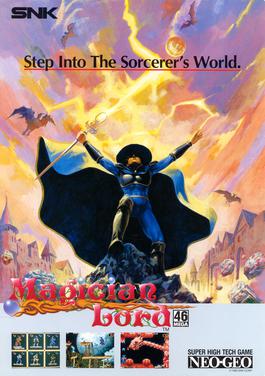
The History of Magician Lord
Alpha Denshi's launch wizard: six transformations, a difficulty spike chosen on purpose, and an arcade flop that topped the AES chart.
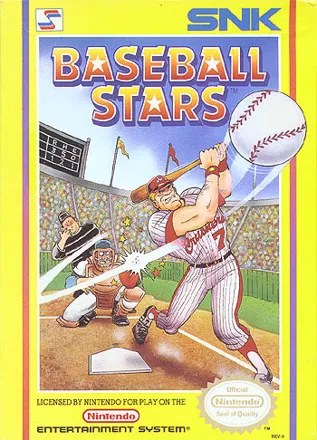
The History of Baseball Stars
SNK's 1989 NES classic and its Neo Geo sequels: the saved season, created teams, and the depth the bigger machines gave back.
What Did Baseball Stars Do First?
Battery saves in a baseball game, create a player on the NES, and a prestige economy with free agents, all in one 1989 cartridge.
SOLO LEVELING
15 shelves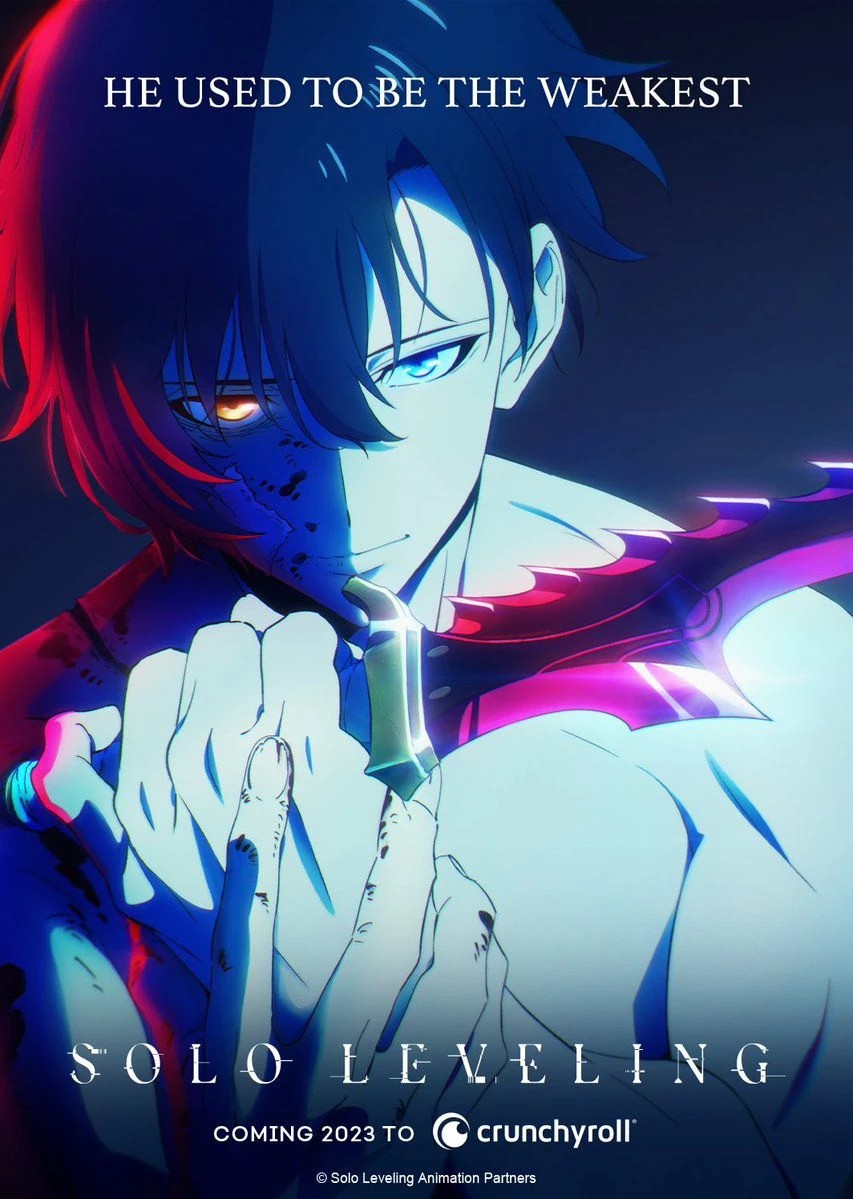
Is Solo Leveling a novel, a comic, or an anime?
All three, in that order: a Korean web novel in 2016, a webtoon in 2018, and an anime in 2024. Each version is a different physical object.
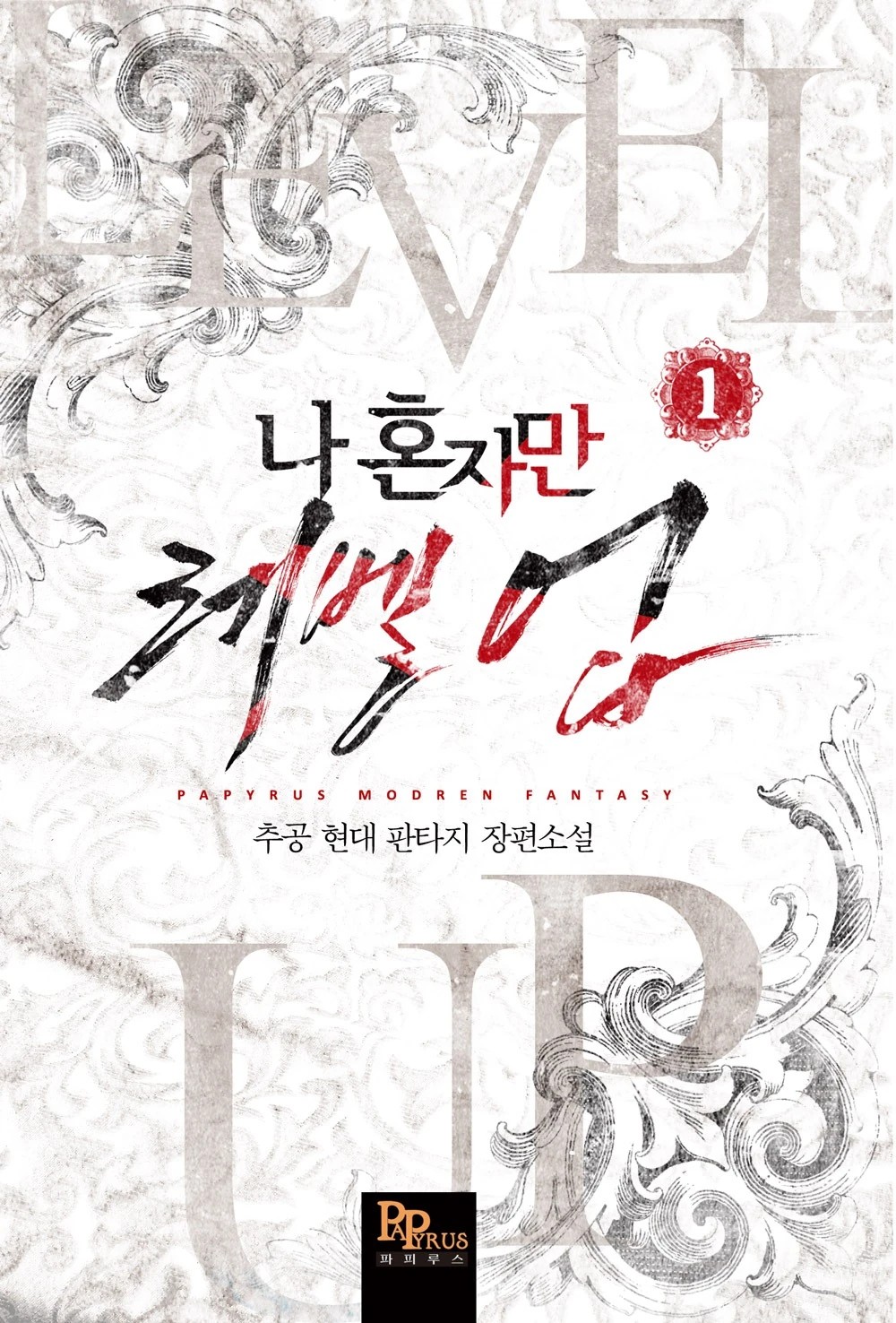
Who wrote Solo Leveling?
Chugong, a pen name, serialized the web novel on KakaoPage from July 2016 to March 2018: 270 chapters about the weakest hunter alive.
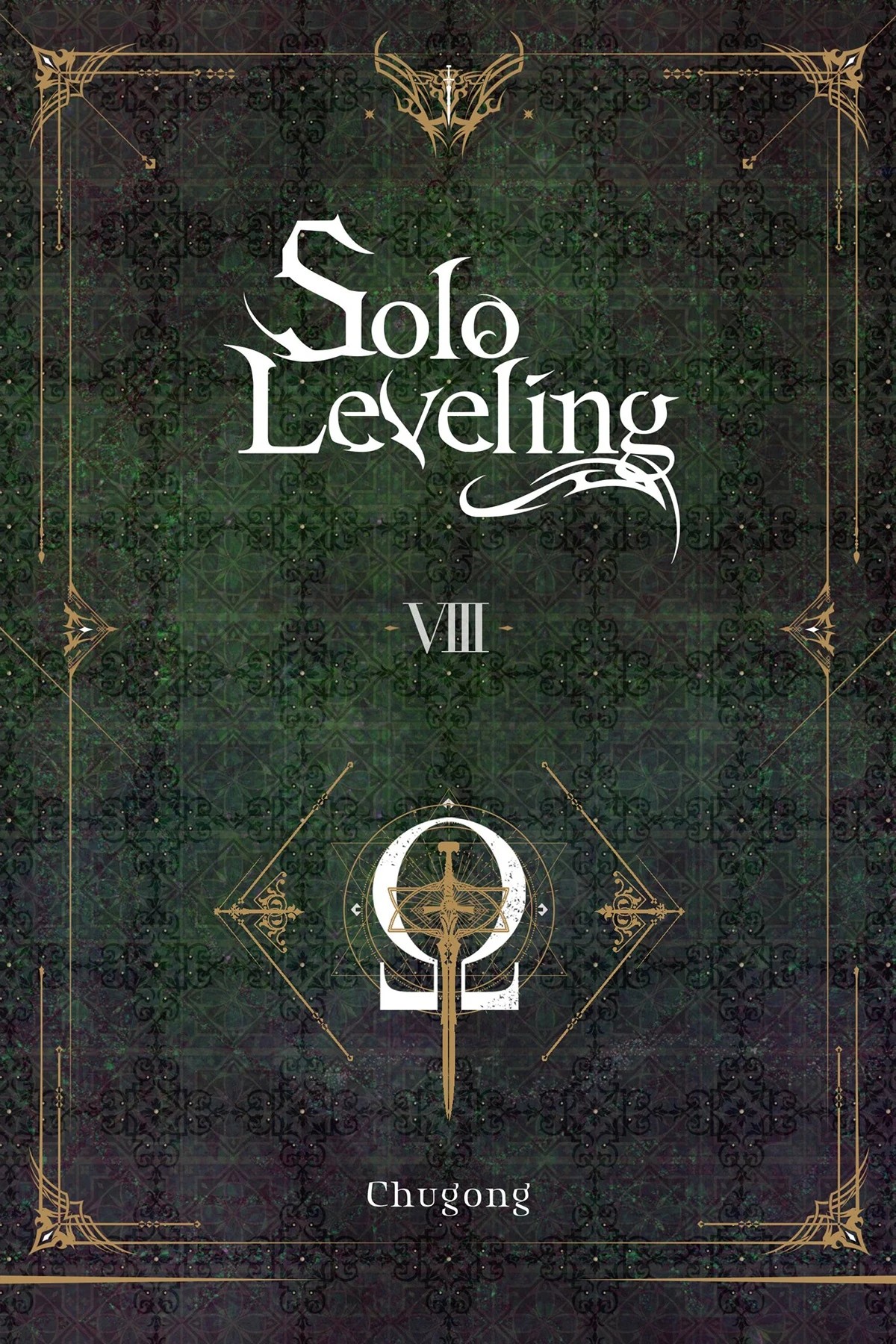
How many volumes of the Solo Leveling novel are there?
Fourteen in the first Korean print edition, eight in the revised edition, and eight in English. The story is the same; the packaging is not.
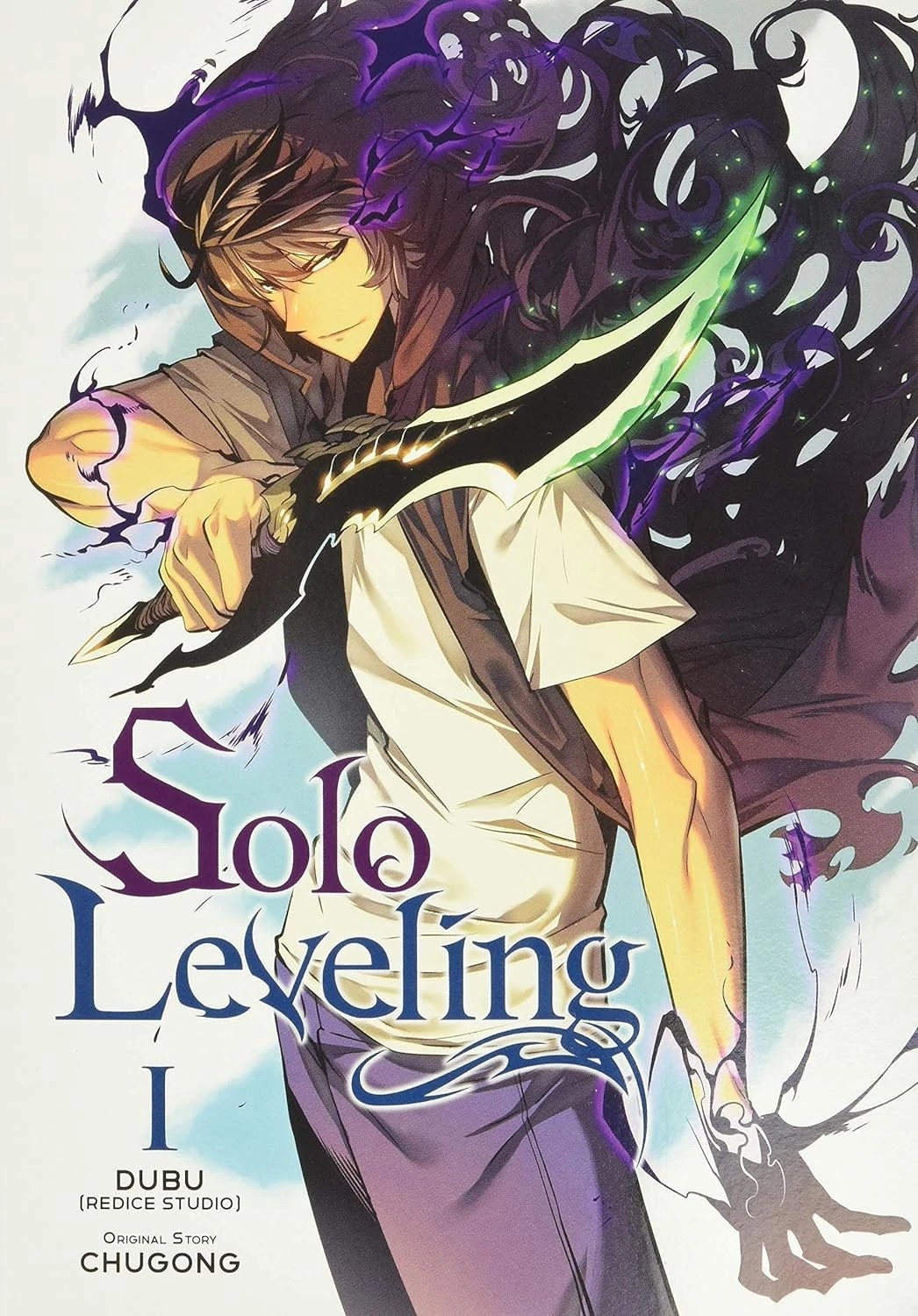
Who drew the Solo Leveling webtoon?
Jang Sung-rak, known as Dubu, CEO of REDICE STUDIO. His art carried the series from 2018 to 2021, and he died the year after it ended.
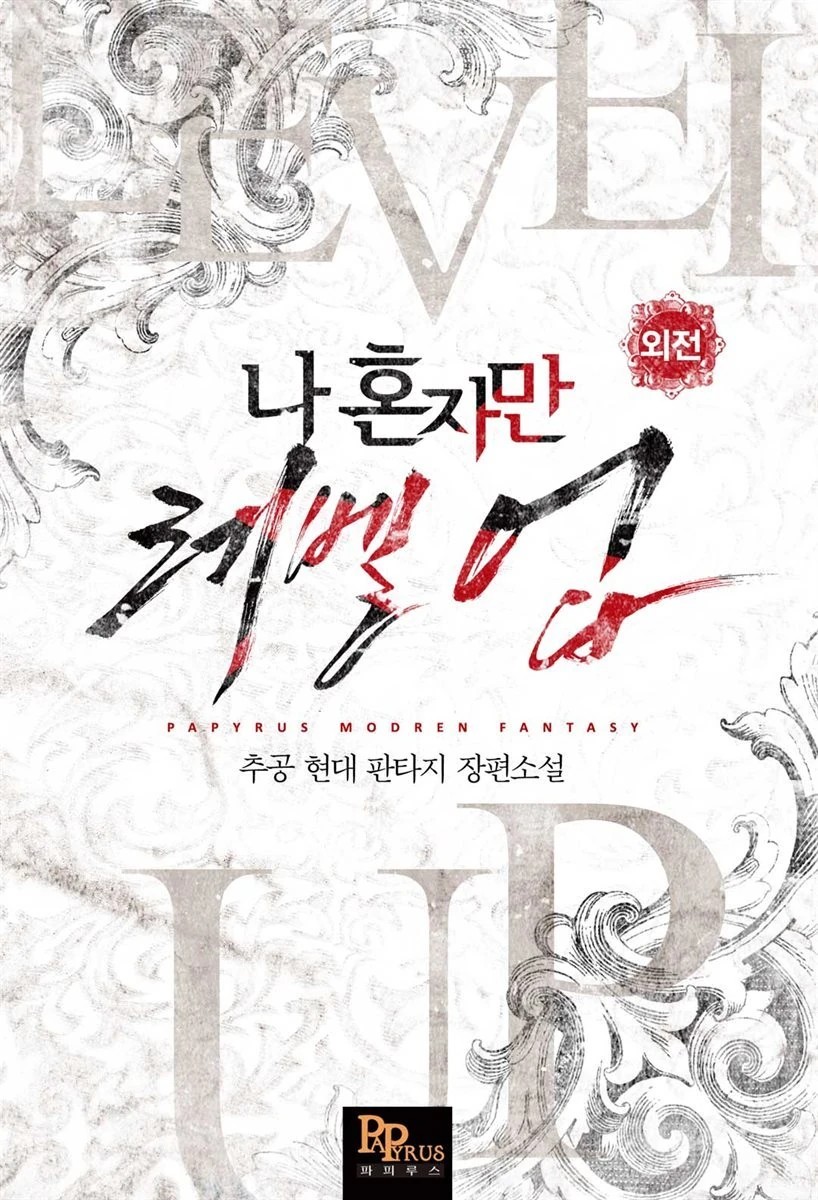
What are the Solo Leveling side stories?
Twenty-one extra webtoon episodes from 2023, drawn by REDICE STUDIO's DISCIPLES team after Dubu's death, bridging into the Ragnarok sequel.
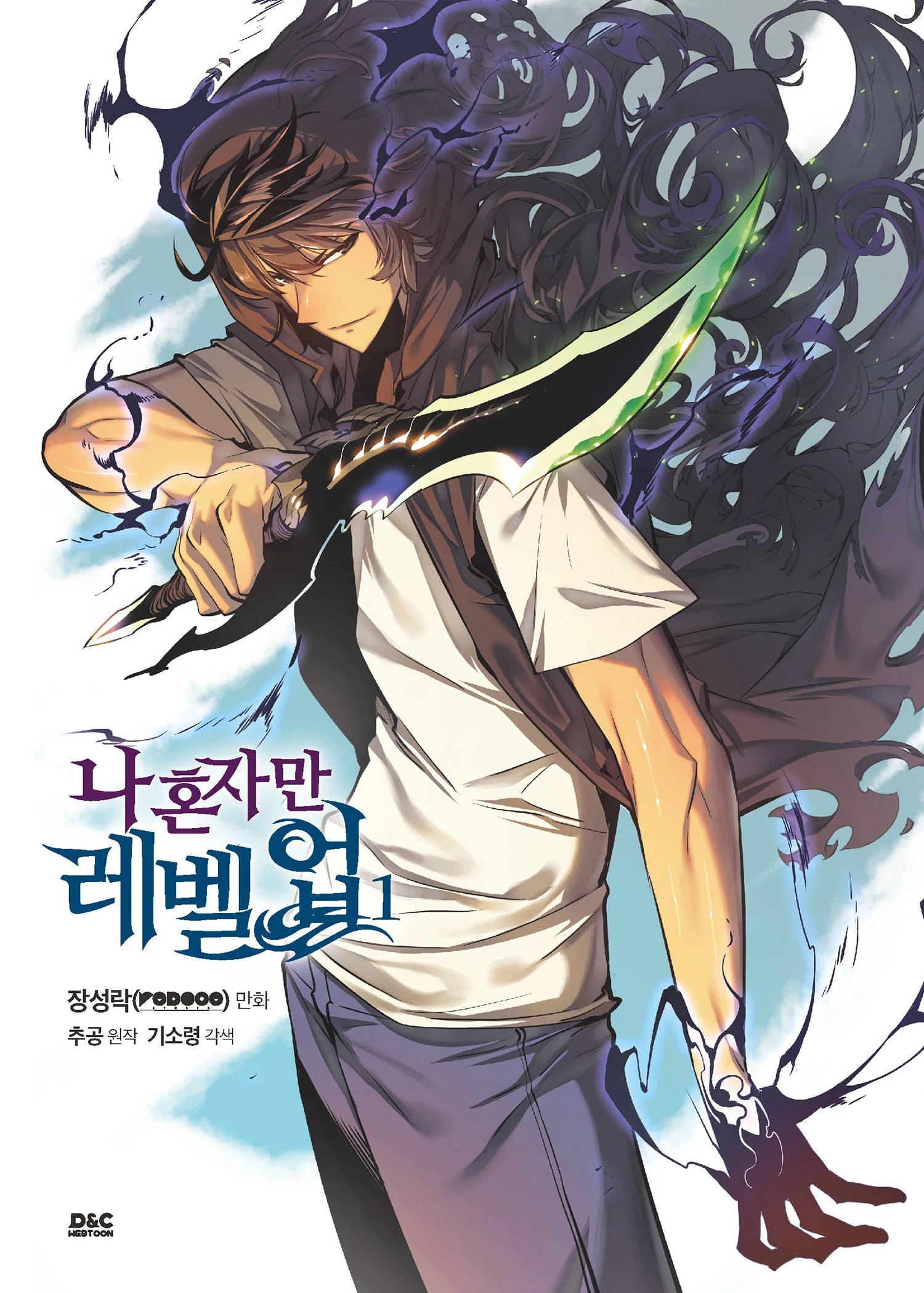
How is the Korean print edition of Solo Leveling different?
D&C Webtoon Biz rebuilt the scroll comic for paper: re-edited pages, a large trim, roughly 300 pages a volume, 15 volumes from 2019 to 2025.
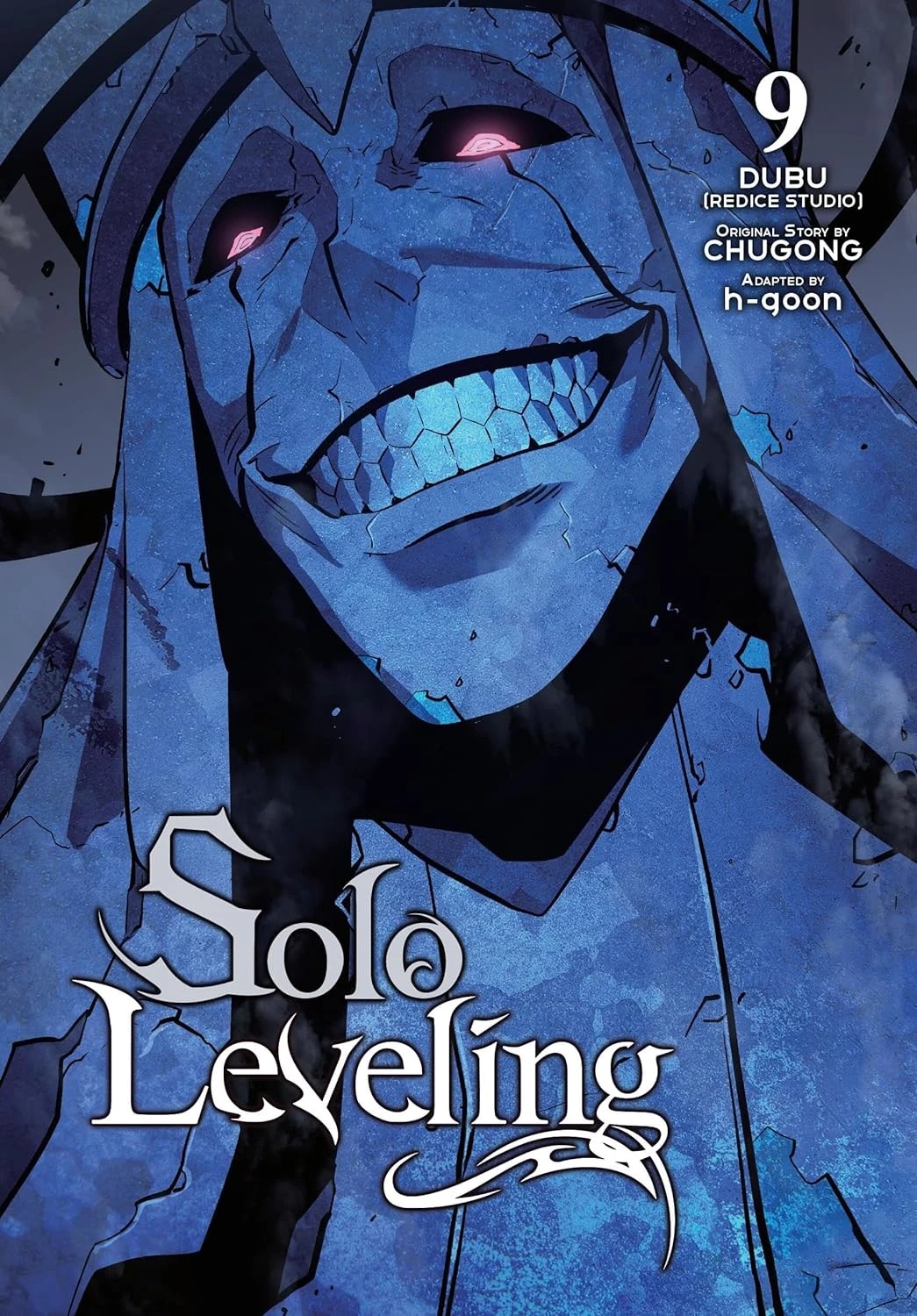
What comes in the Korean Solo Leveling limited editions?
Cards, posters, acrylic goods and guild badges, different in every volume. Korea's two-tier system is the collector tier of the print run.
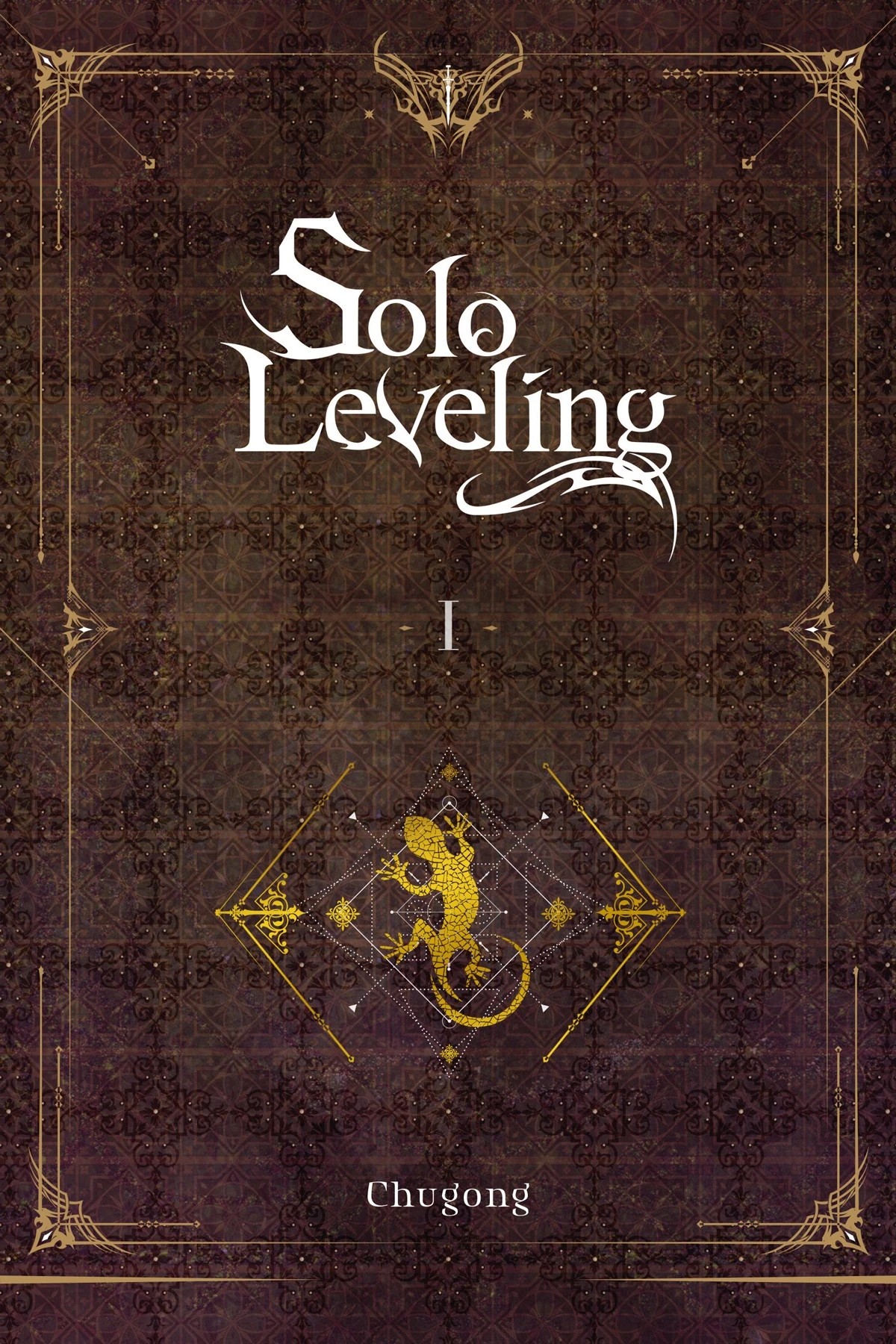
How many Solo Leveling volumes are there in English?
Fifteen, complete in March 2026: thirteen story volumes plus two side-story volumes, full color at $20 each from Yen Press and Ize Press.
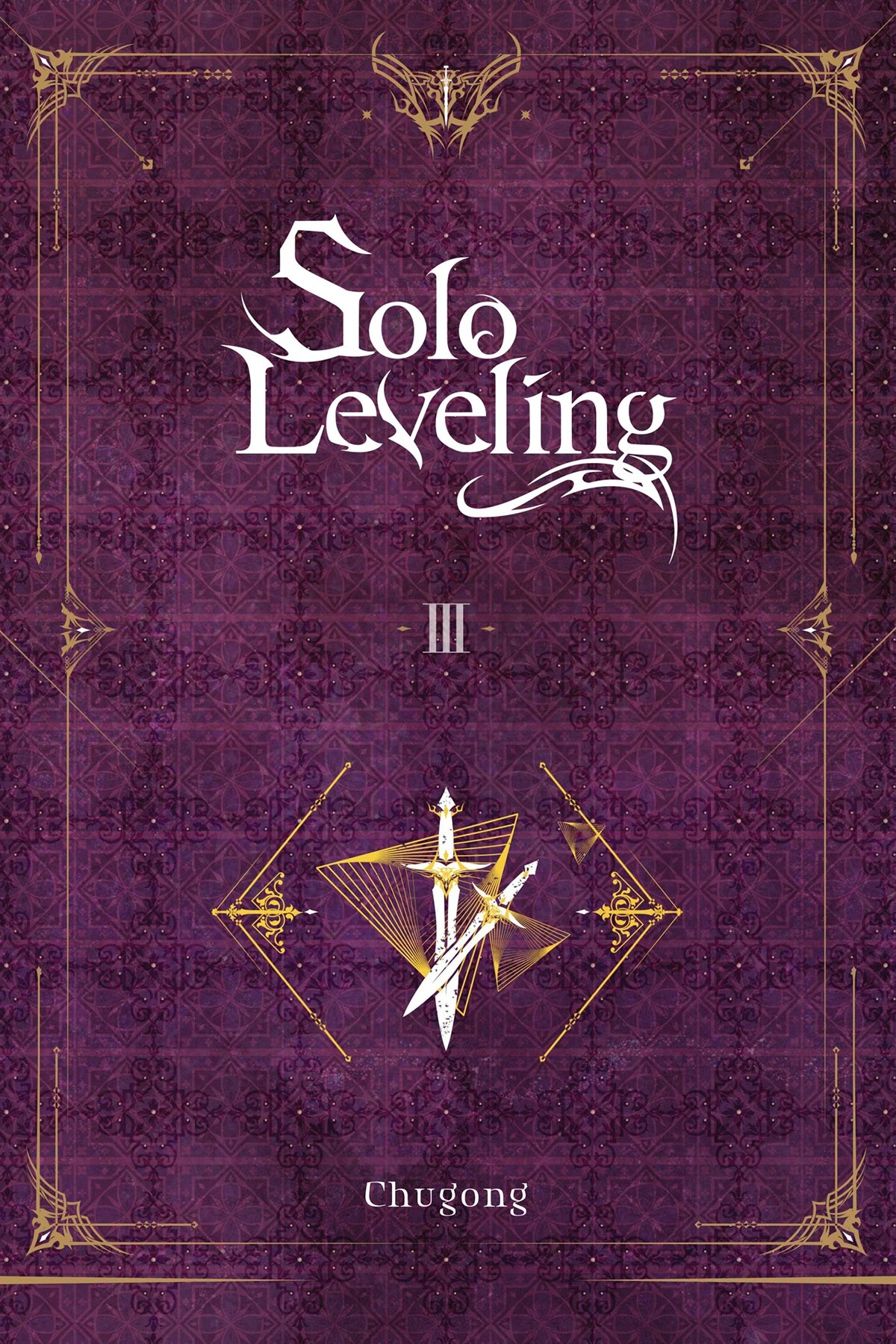
Is the Solo Leveling Novel Omnibus the manhwa?
No. It is a $125 deluxe hardcover of the eight prose novels, illustrated with Dubu's webtoon art. No English comic omnibus exists.
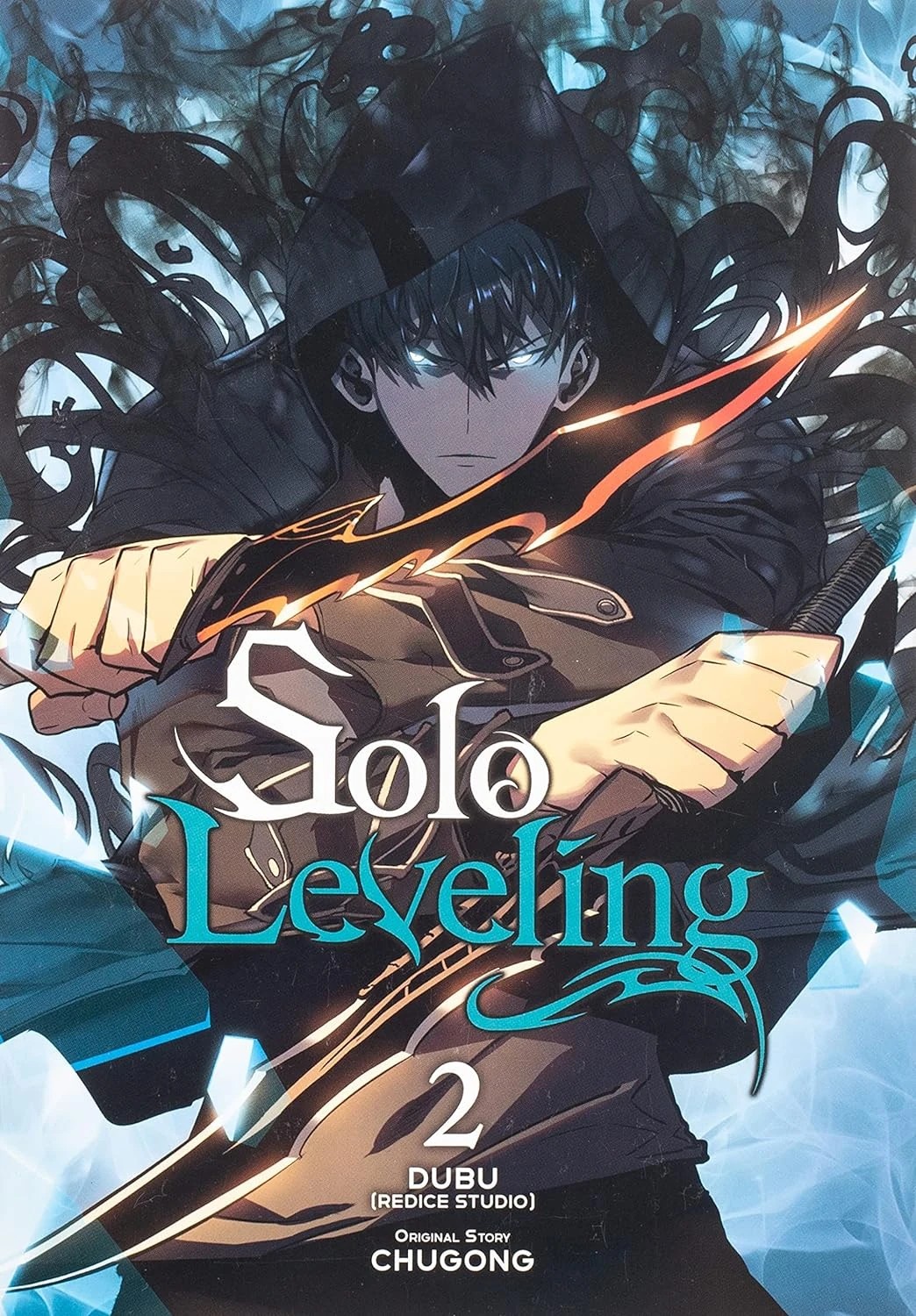
Why does Solo Leveling have a different name in Japan?
Japan localized it as Ore Dake Level-Up na Ken, moved the story to Tokyo, and renamed Jinwoo as Shun Mizushino. The print run reached 25 volumes.
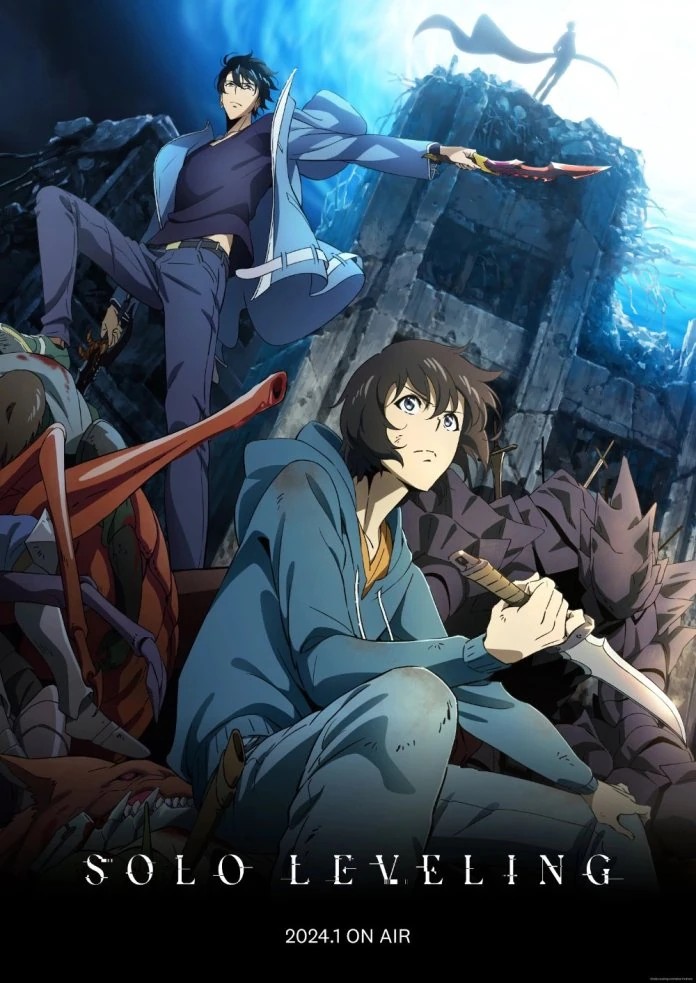
How many episodes of the Solo Leveling anime are there?
Twenty-five: twelve episodes in 2024 and thirteen in 2025 from A-1 Pictures, plus the ReAwakening compilation film and two Blu-ray waves.
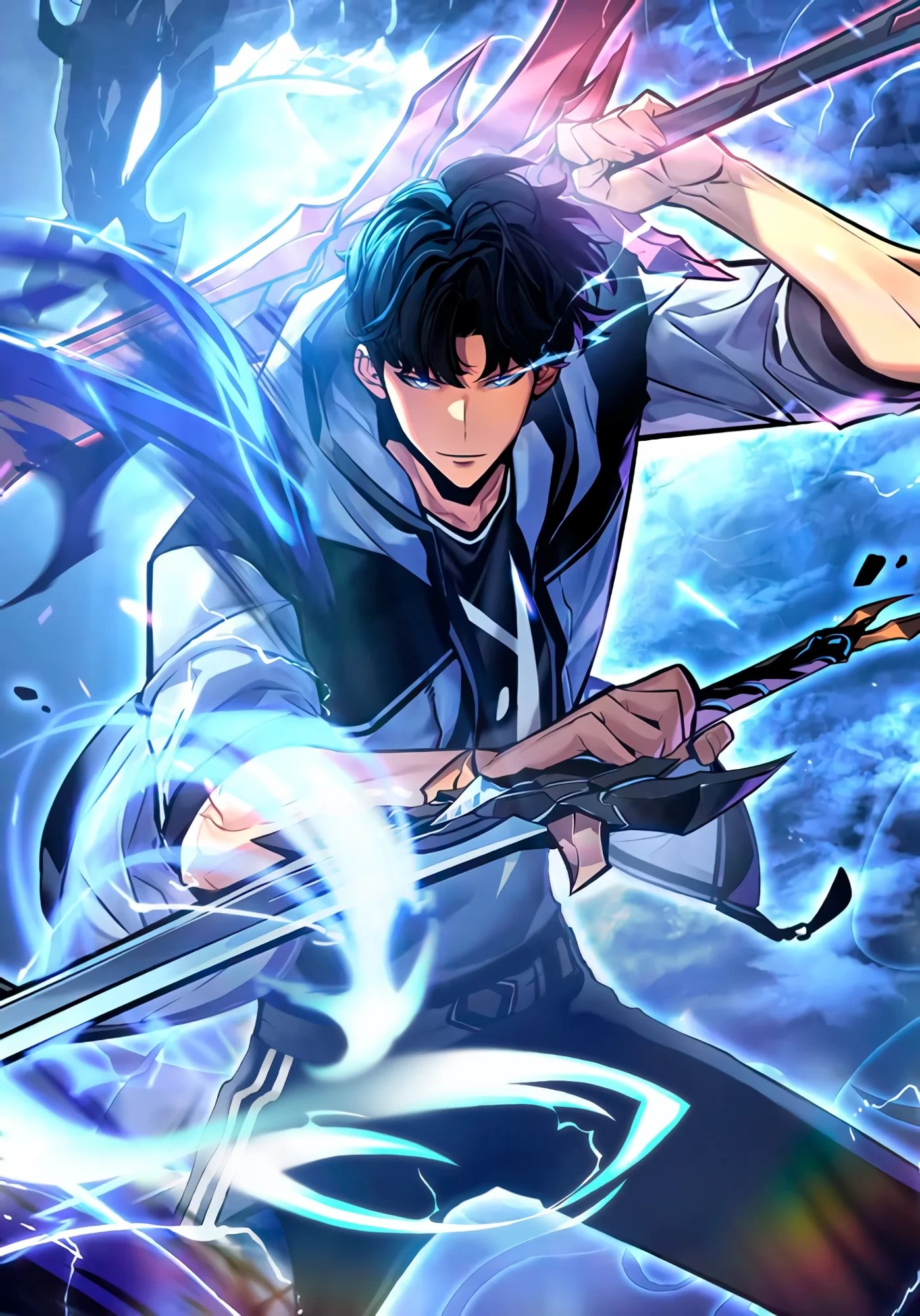
What is Solo Leveling: Ragnarok?
The sequel: Daul's web novel about Jinwoo's son Suho, finished in 2025, and a REDICE webtoon that has already changed artists once.
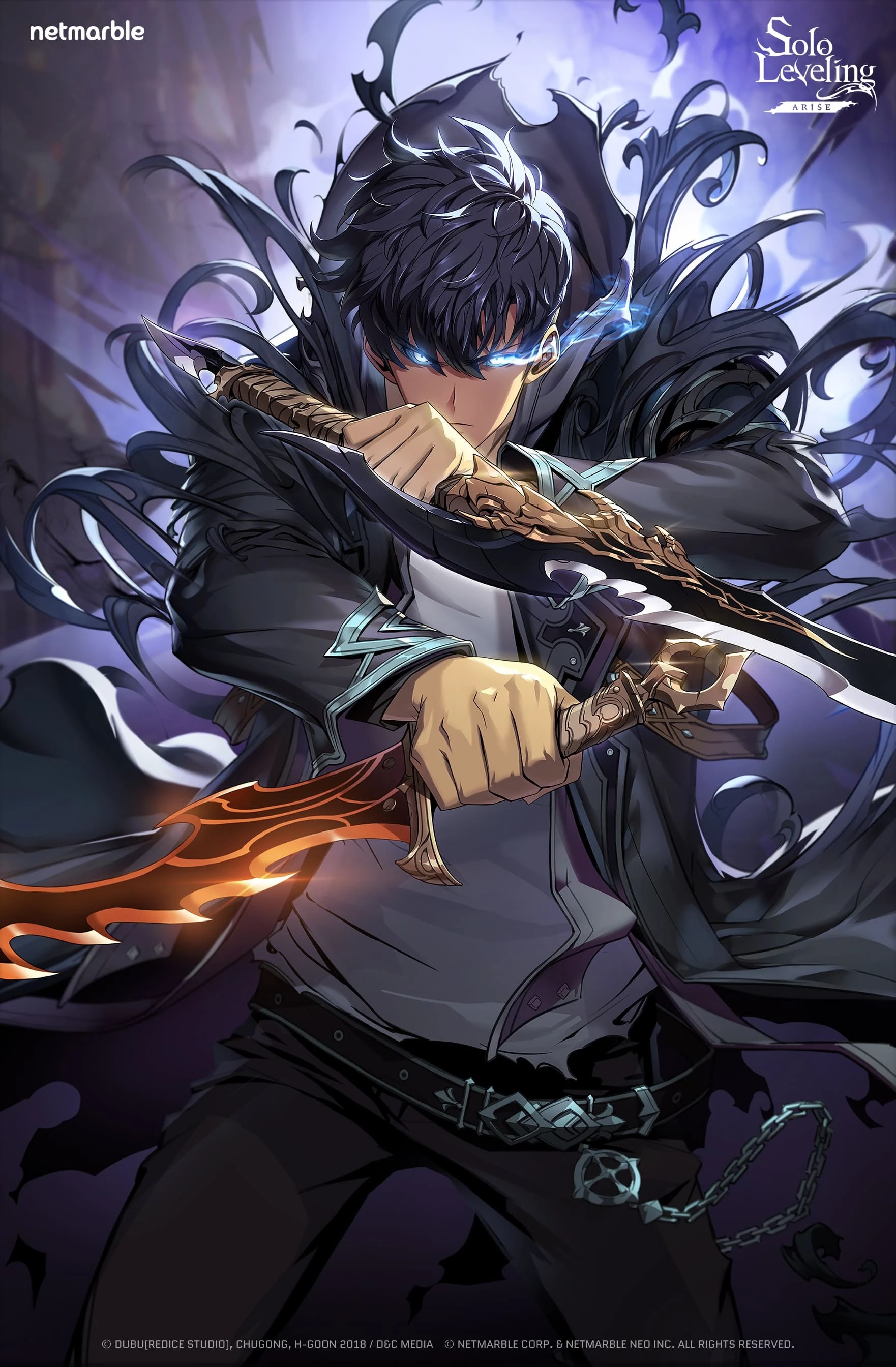
What is Solo Leveling: ARISE?
Netmarble's action RPG, launched May 8, 2024. Fifteen million pre-registrations, $100 million in three months, 50 million downloads by October.
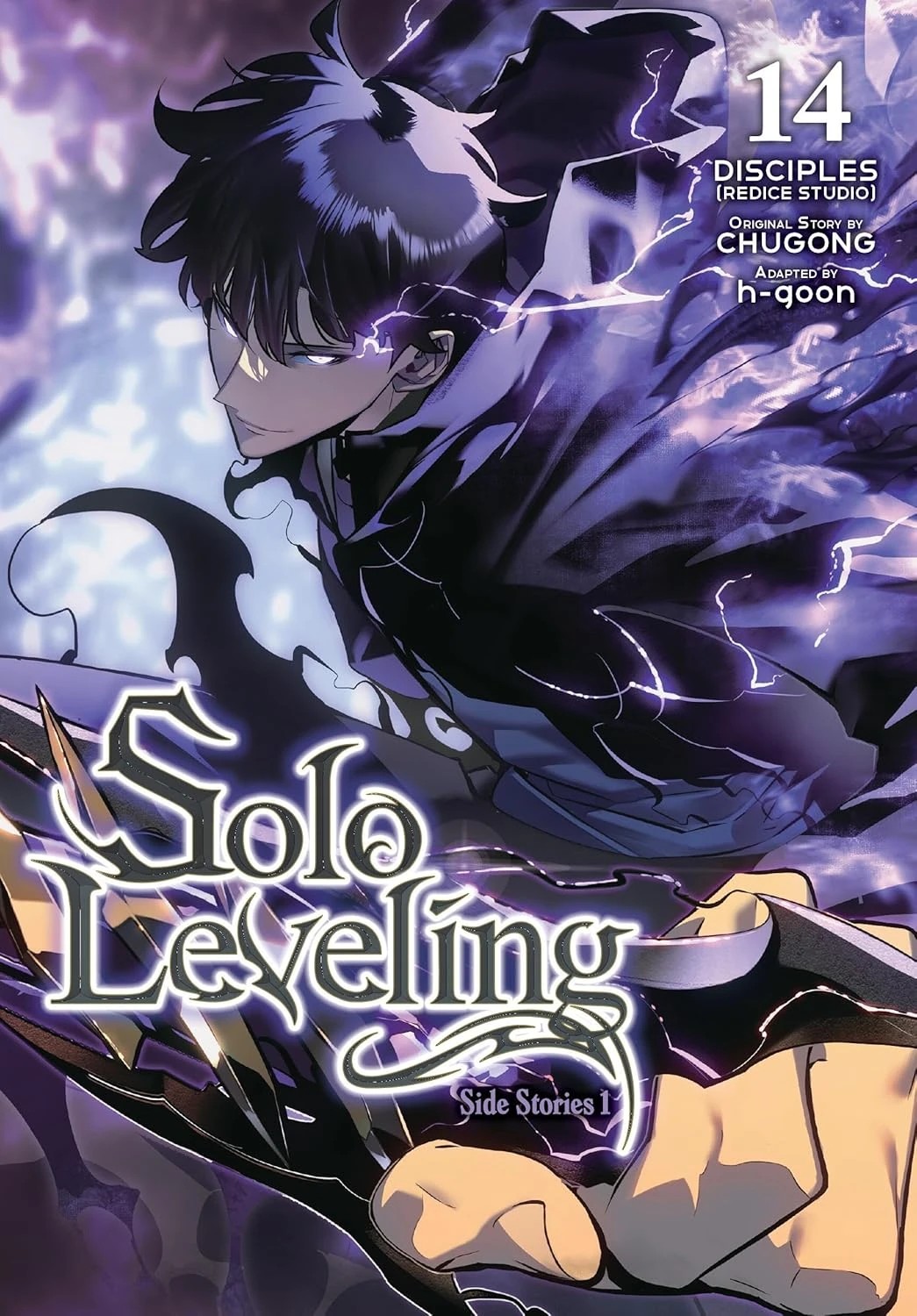
What Solo Leveling figures and art books are there?
SEGA's Xross Link prize figures lead the official figure shelf. The best Dubu art book in English comes inside a Blu-ray box.
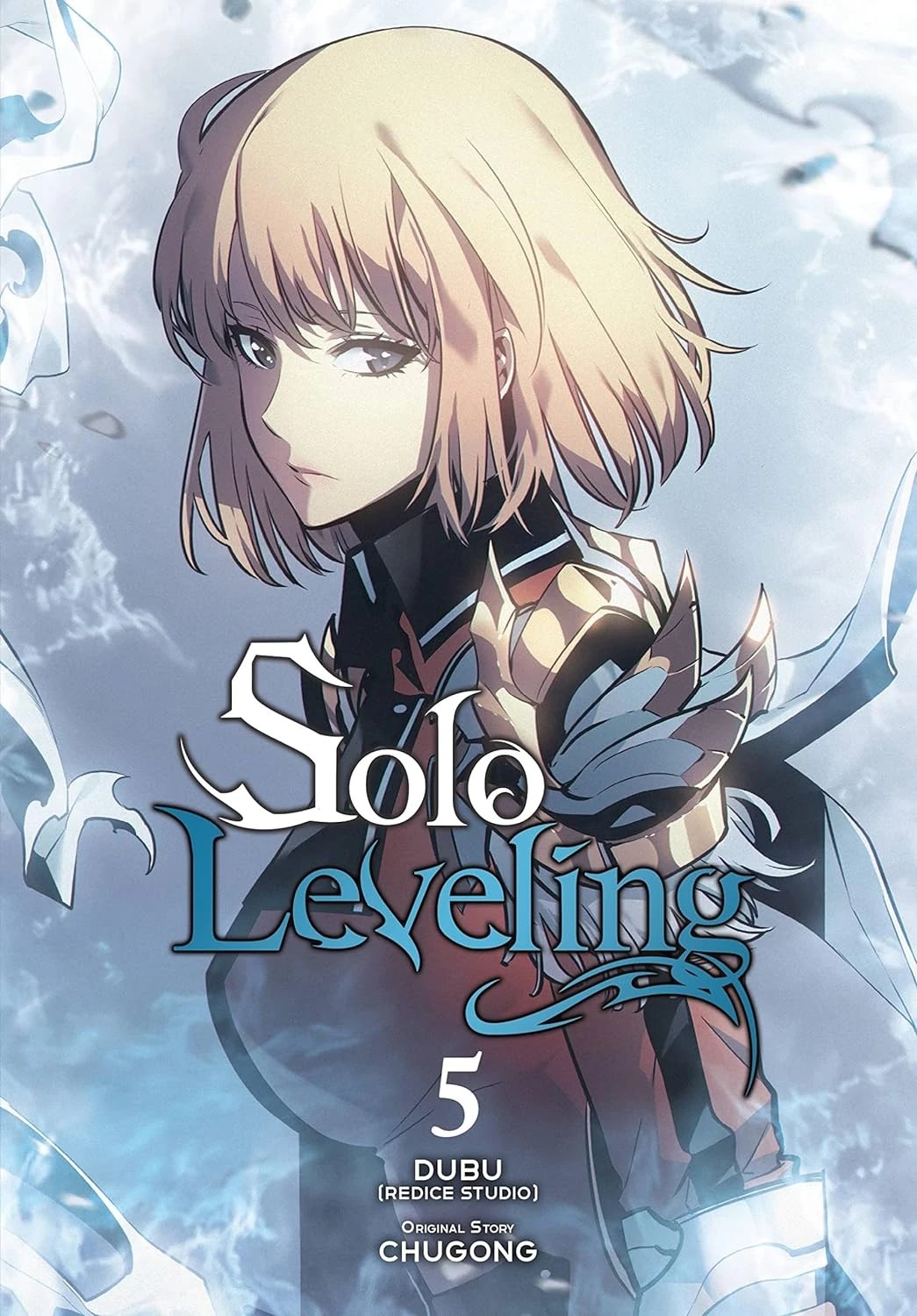
Why did Solo Leveling get so big?
It turned a progress bar into a plot: the only man who can level up, drawn like a poster every week, then crowned Anime of the Year.
SONIC
14 shelves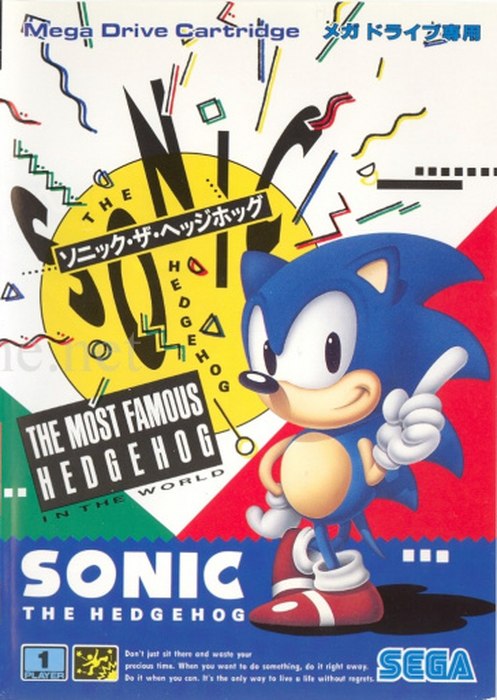
Why does Sonic look different on Japanese and American covers?
Two art directions for the same hedgehog: Ohshima's rounded original against Sega of America's local redraws.
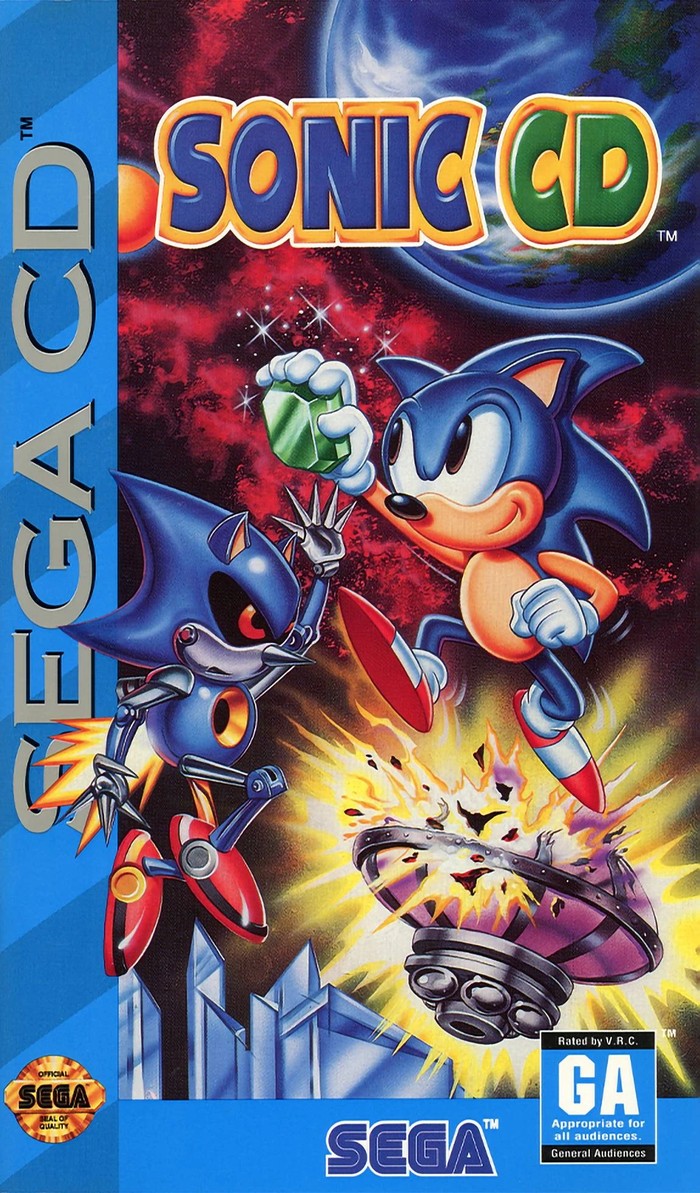
Why was Sonic CD's music different in America?
America replaced the soundtrack in two months: Hataya and Ogata's score out, Spencer Nilsen's in. The Past tracks stayed Japanese.
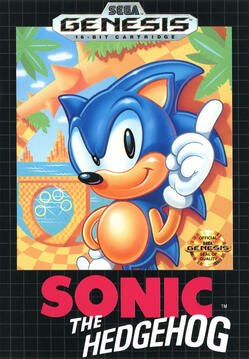
Why is Dr. Robotnik called Eggman?
Always Eggman in Japan. Renamed Robotnik in America in 1991 without asking the developers, then merged back together by Sonic Adventure.
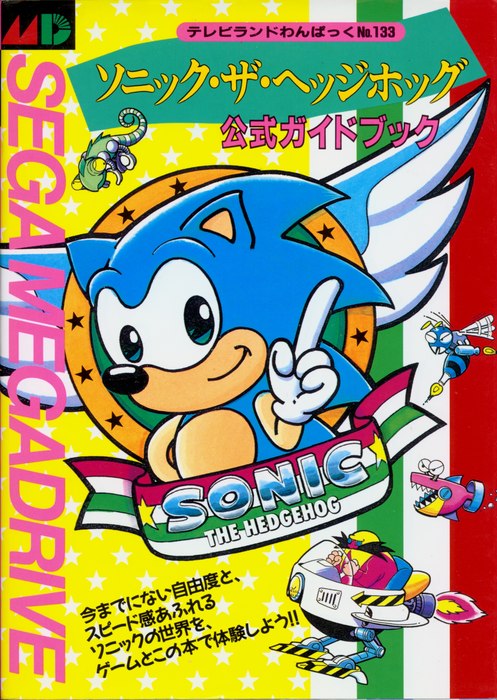
Why did Sonic's Japanese and Western stories differ?
Japan's manuals needed no origin story. America's internal Sonic Bible invented one, and Britain's Sonic the Comic adopted it.
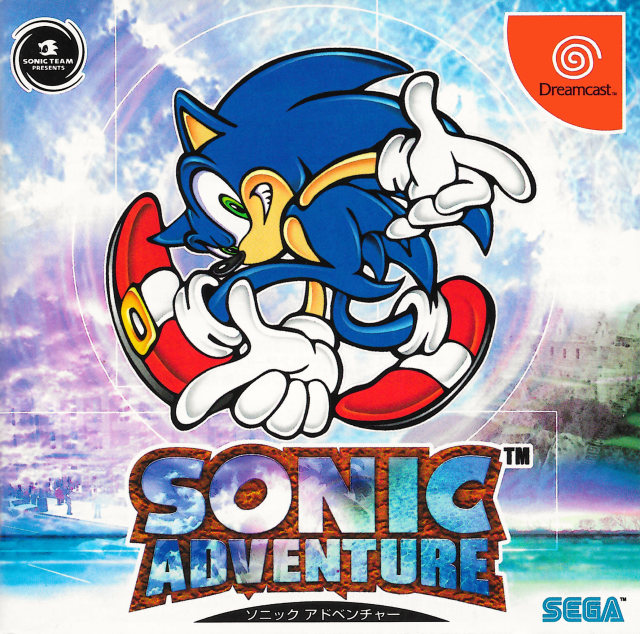
The Sonic Games Gallery
Japanese and American covers side by side for the six documented games: pop typography against airbrushed paintings, and the Dreamcast convergence that ended the split.
The History of Sonic the Hedgehog
The 1991 original: the mascot mandate, Naka's rolling ball engine, Nakamura's film score approach, and 15 million bundled copies.
Why was Sonic designed to beat Mario?
Nakayama's 1990 order, the internal contest, Ohshima's Central Park survey, and the composer who took the job for the beat Mario feeling.
What inspired Sonic's look?
Ohshima on the record: the Bad album cover and Santa Claus behind the red shoes, Sega blue, and a wartime pilot's nose art.
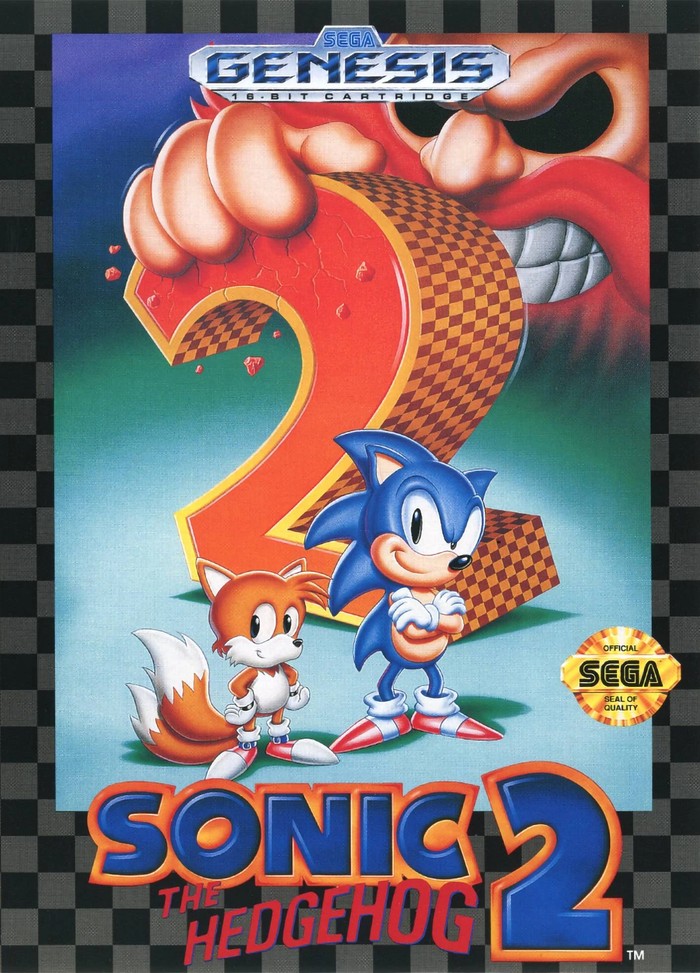
The History of Sonic the Hedgehog 2
California built sequel: Tails and the name compromise, the Spin Dash, and the Sonic 2sday launch that sold out 3.2 million cartridges.
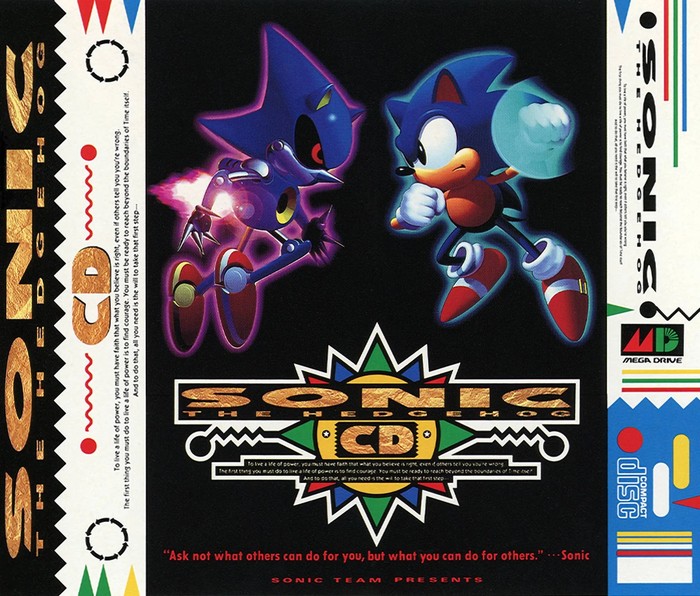
The History of Sonic CD
Ohshima's Japan made sequel: time travel after Back to the Future, Amy and Metal Sonic's debuts, and the best selling Sega CD game.
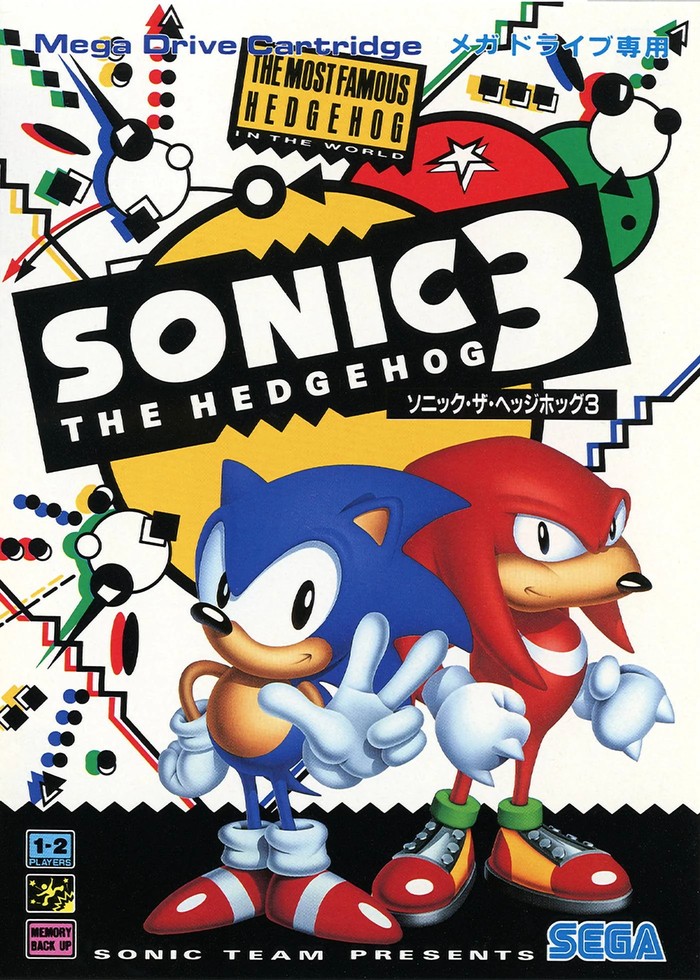
The History of Sonic 3 and Knuckles
One game split by cartridge costs and a promotional deadline, rejoined by lock on technology. Four million copies, and the Michael Jackson music question behind it.
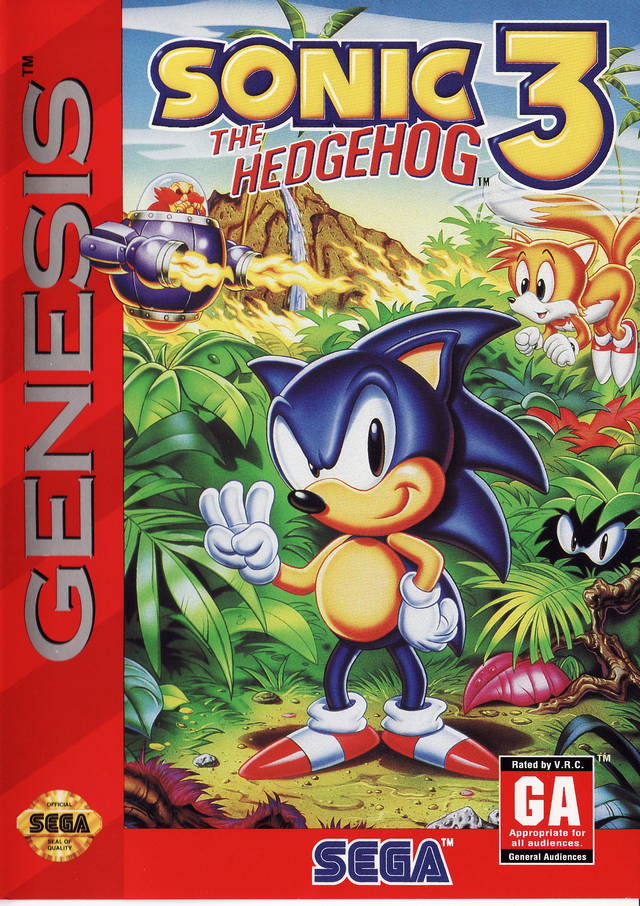
Did Michael Jackson compose music for Sonic 3?
His collaborator says yes, and uncredited at his own request. The studio director says the work was removed. The producer confirmed it in 2022. Weighed by tier.
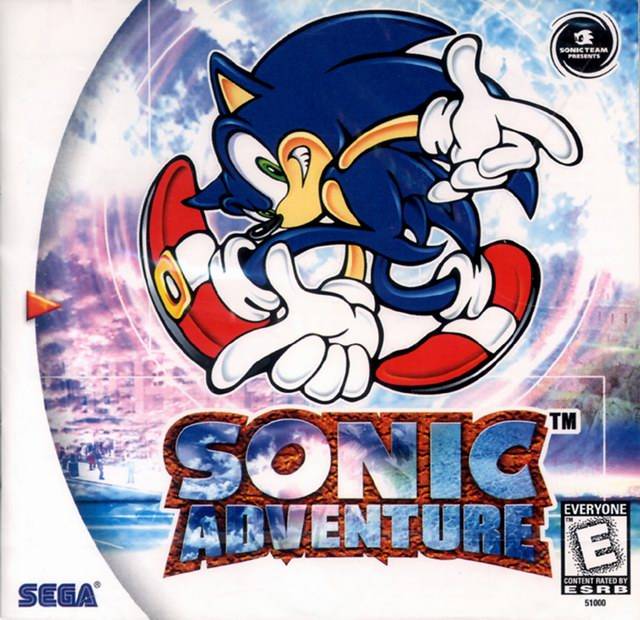
The History of Sonic Adventure
The ten month Dreamcast build: Peru and Guatemala fieldwork, Uekawa's winning redesign, and the best selling game on the console.
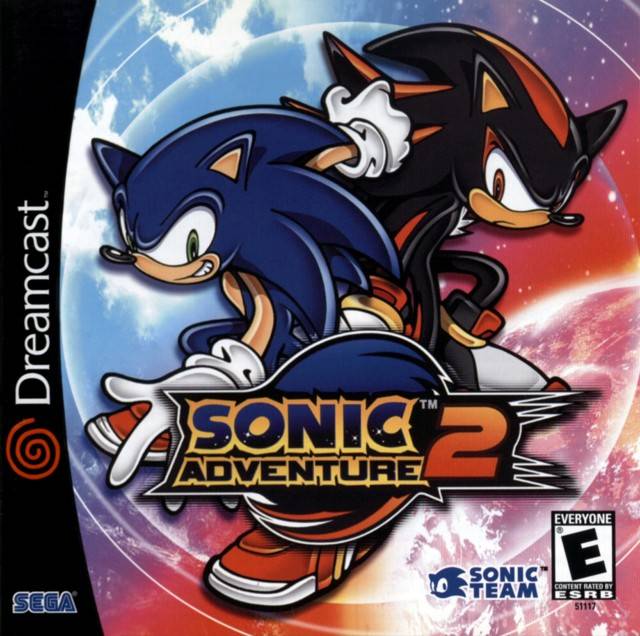
The History of Sonic Adventure 2
Sonic Team USA's anniversary game: Hero and Dark campaigns, Shadow built as an American antihero, and the last Sonic on a Sega console.
SOUL EATER
20 shelvesWhat is Soul Eater? Ohkubo's weapon and meister manga explained
Soul Eater is Atsushi Ohkubo's manga about students who hunt evil souls in Death City. This page covers its premise, run and place in shonen manga.
Who is Atsushi Ohkubo? From B. Ichi to Fire Force
Atsushi Ohkubo created Soul Eater and Fire Force. This page follows his path from assistant work and B. Ichi to two of his generation's defining series.
How Soul Eater was published: prologues, Gangan and 25 volumes
Soul Eater began as three one shot prologues before it became a series. This page traces its Gangan serialization and the road to 25 volumes.
Death City and the DWMA: Soul Eater's world explained
Lord Death's academy sits under a laughing sun. This page explains Death City, the DWMA, soul wavelengths and the order the school defends.
Meisters and weapons: Soul Eater's three teams profiled
Maka and Soul, Black Star and Tsubaki, Kid and the Thompsons. This page profiles the three lead teams and what each pairing says about the series.
The Soul Eater anime: Bones, 51 episodes and the Resonance era
Studio Bones made Soul Eater a 2008 phenomenon. This guide covers director Takuya Igarashi, the 51 episode run and its famous openings.
Soul Eater endings: how the anime and manga diverge
The Bones anime invented its own finale in 2009; Ohkubo's manga ended in 2013 on the Moon. This page compares the two endings without spoiling their best beats.
Soul Eater NOT! explained: the slice of life spin off
NOT! shows the academy's ordinary students. This guide covers Ohkubo's spin off manga, its halloween of everyday school life and its 2014 anime.
B. Ichi: Ohkubo's first series and Soul Eater's blueprint
Before Soul Eater there was B. Ichi, a four volume series full of its ideas in embryo. This page reads B. Ichi as the blueprint for everything after.
Soul Eater and Fire Force: the connection explained
Fire Force ends by rebuilding the world, and Soul Eater fans recognized the address. This page explains the connection Ohkubo hid for six years.
Soul Eater's art: Halloween design, fashion and the crooked city
Ohkubo's art made Soul Eater unmistakable. This page studies the Halloween iconography, street fashion design and the architecture of Death City.
Soul Eater covers: the 25 tankobon as a design set
Each Soul Eater tankobon cover is a poster for its arc. This gallery page reads the cover program from the prologue volume to the Moon war finale.
Soul Eater in English: Yen Press singles and the Perfect Edition
Yen Press built Soul Eater's English life. This guide compares the 25 single volumes, the NOT! and B. Ichi releases and Square Enix's Perfect Edition.
Soul Eater art books: Soul Art 1 and 2 and the guidebooks
Ohkubo's art carries its own books. This guide covers the two Soul Art collections, the Japanese guidebooks and what each volume actually contains.
Soul Eater games: Monotone Princess, Medusa's Plot and Battle Resonance
Soul Eater's games stayed in Japan. This guide covers the Wii, DS and PlayStation titles released alongside the anime in 2008.
SPY X FAMILY
20 shelves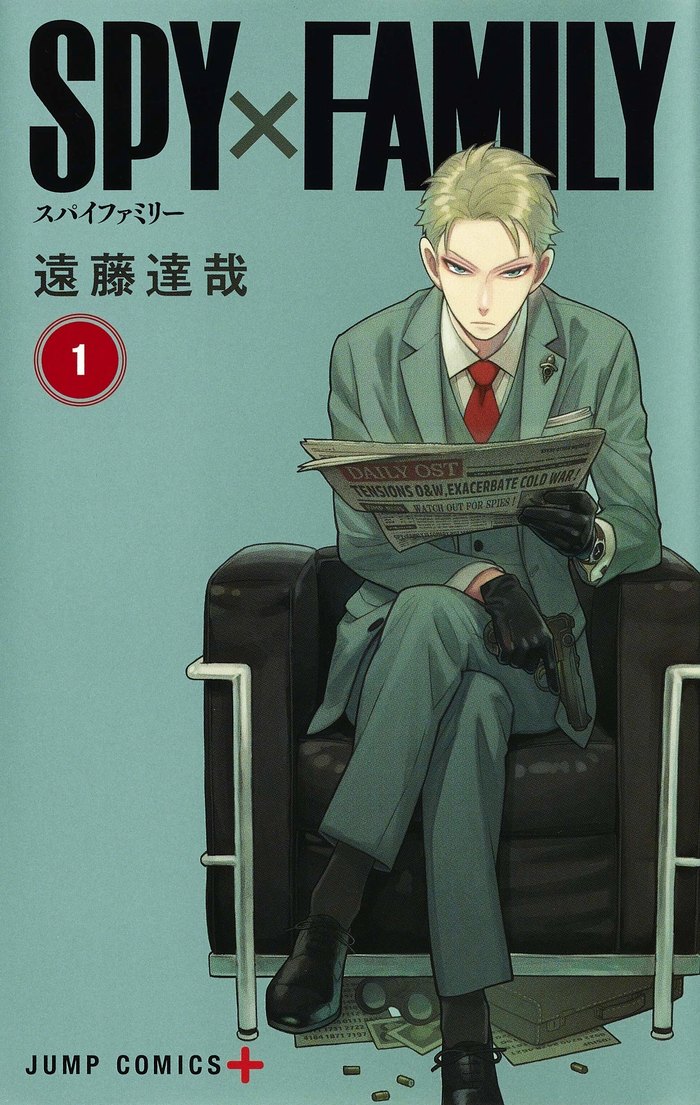
Did the Spy x Family mangaka hate the series?
He said a narrower thing. The record, the quote, and the headlines that widened it.
What inspired Spy x Family?
Two cancelled series, three one-shots, and an editor's ban on drawing anything dark.
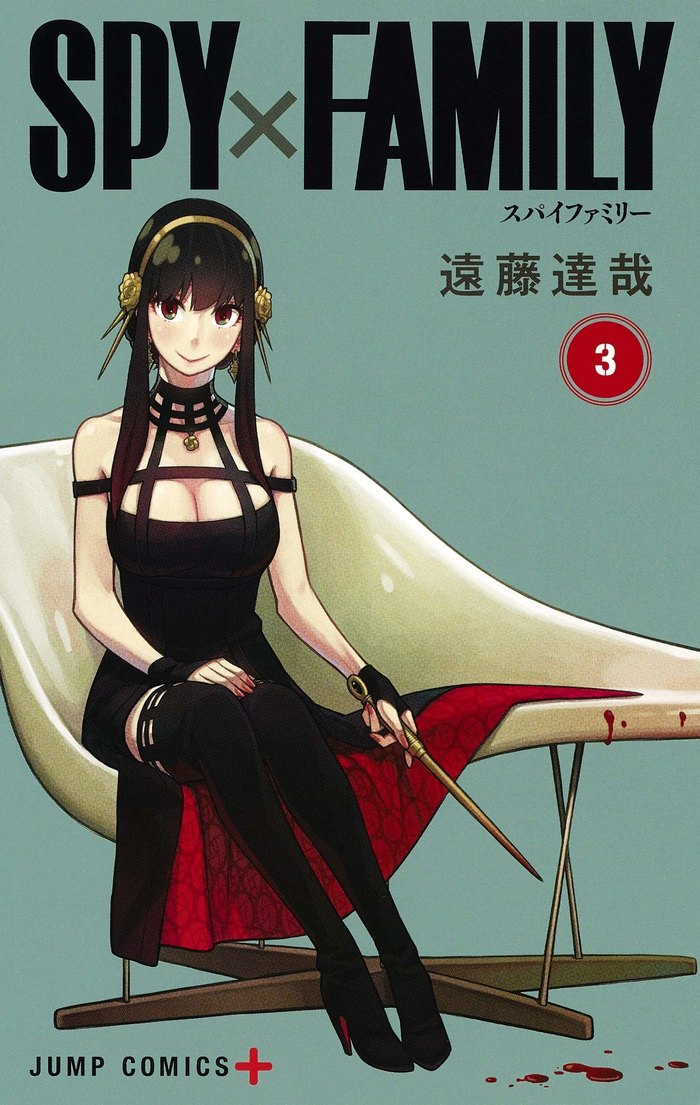
Why do the Spy x Family covers show designer chairs?
Every chair identified, in Endo's stated reasoning, plus the volume that breaks the pattern.
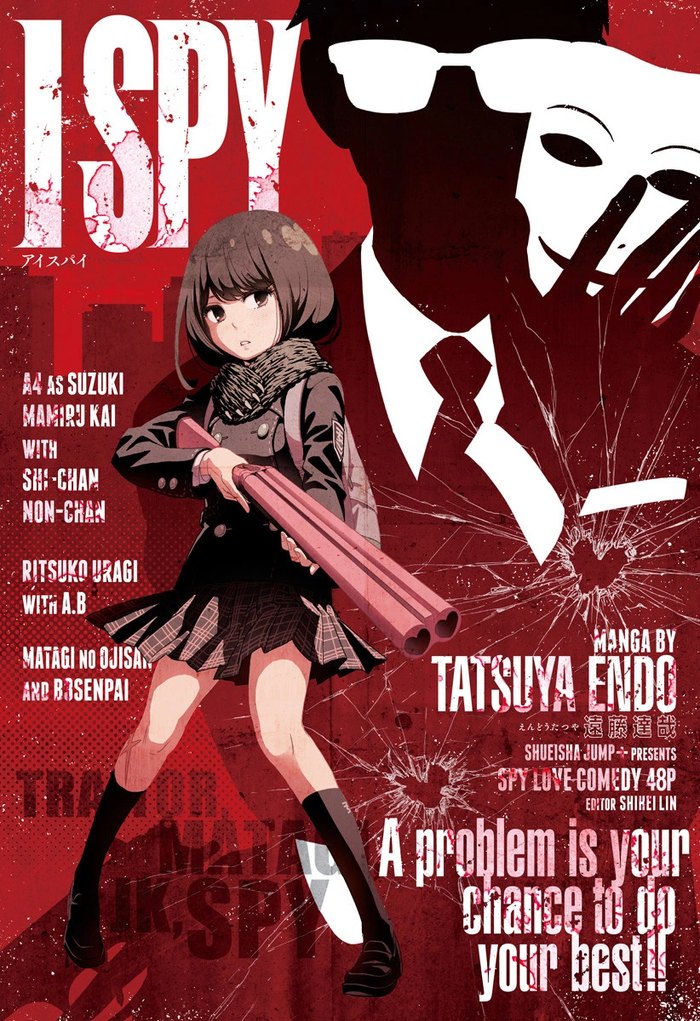
Why is Spy x Family not in Weekly Shonen Jump?
A Jump+ original, built for the platform by an editor and author who moved there together.
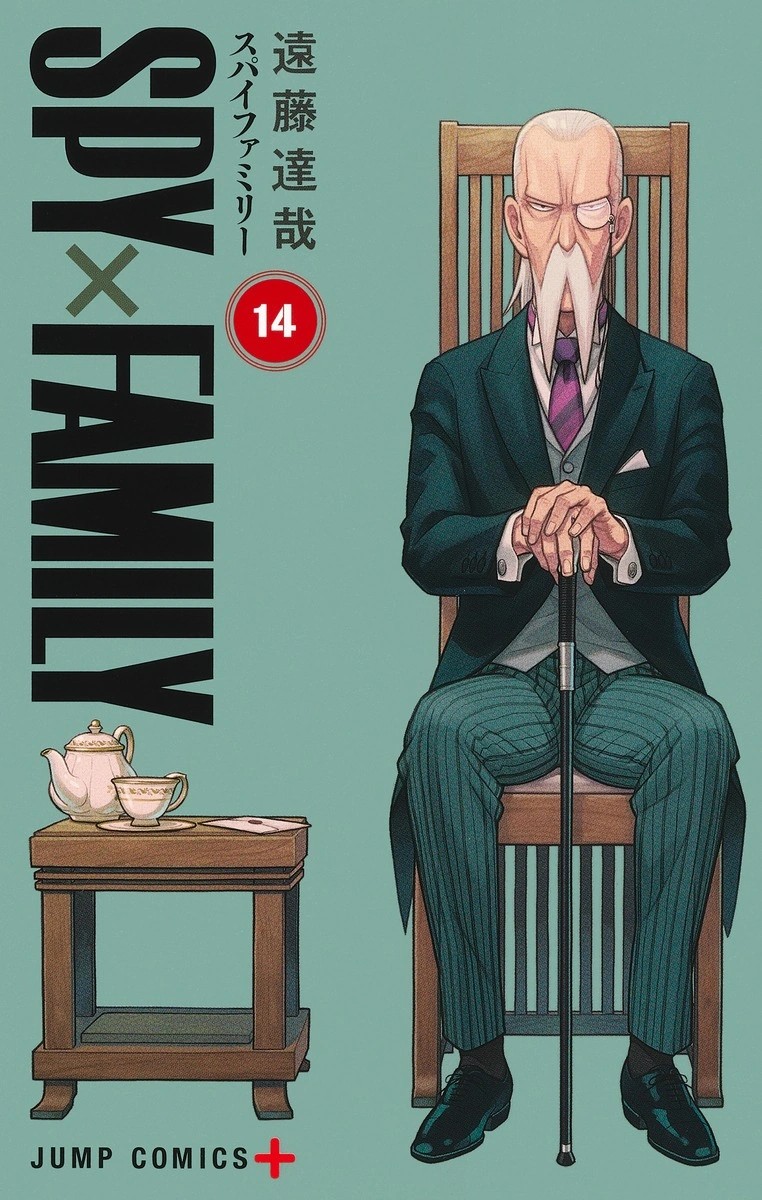
Who is Tatsuya Endo, the creator of Spy x Family?
Tatsuya Endo drew dark manga for nineteen years before Spy x Family. The Ibaraki artist, his editor of a decade, and the assistants' years, documented.
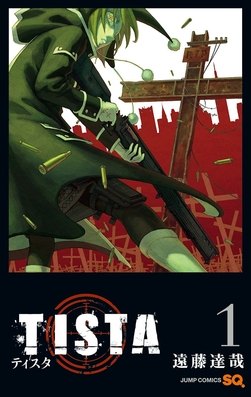
What is Tista, Tatsuya Endo's first series?
Endo's 2007 debut serialization: a New York sniper assassin raised by a religious order. Two volumes, and the dark template Spy x Family inverted.
What is Blade of the Moon Princess?
Gekka Bijin: the Tale of the Bamboo Cutter rebuilt as a moon-empire coup, serialized 2010 to 2012 in five volumes. Endo's second dark series.
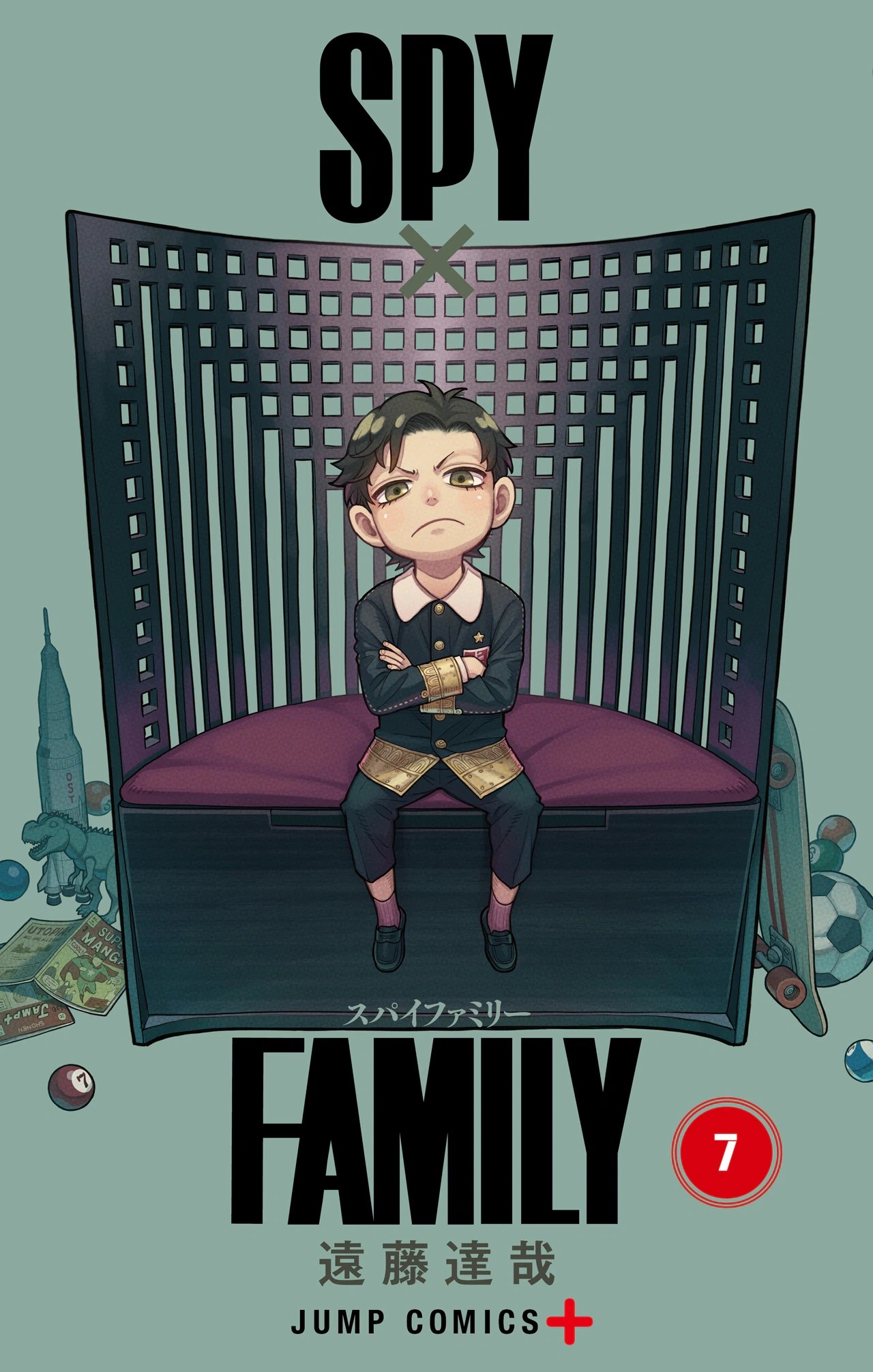
What do the Japanese Spy x Family volumes look like?
Jump Comics+ paperbacks since July 4, 2019: obi bands, colophon printing records, million-copy first runs, and the volume that broke the chair rule.
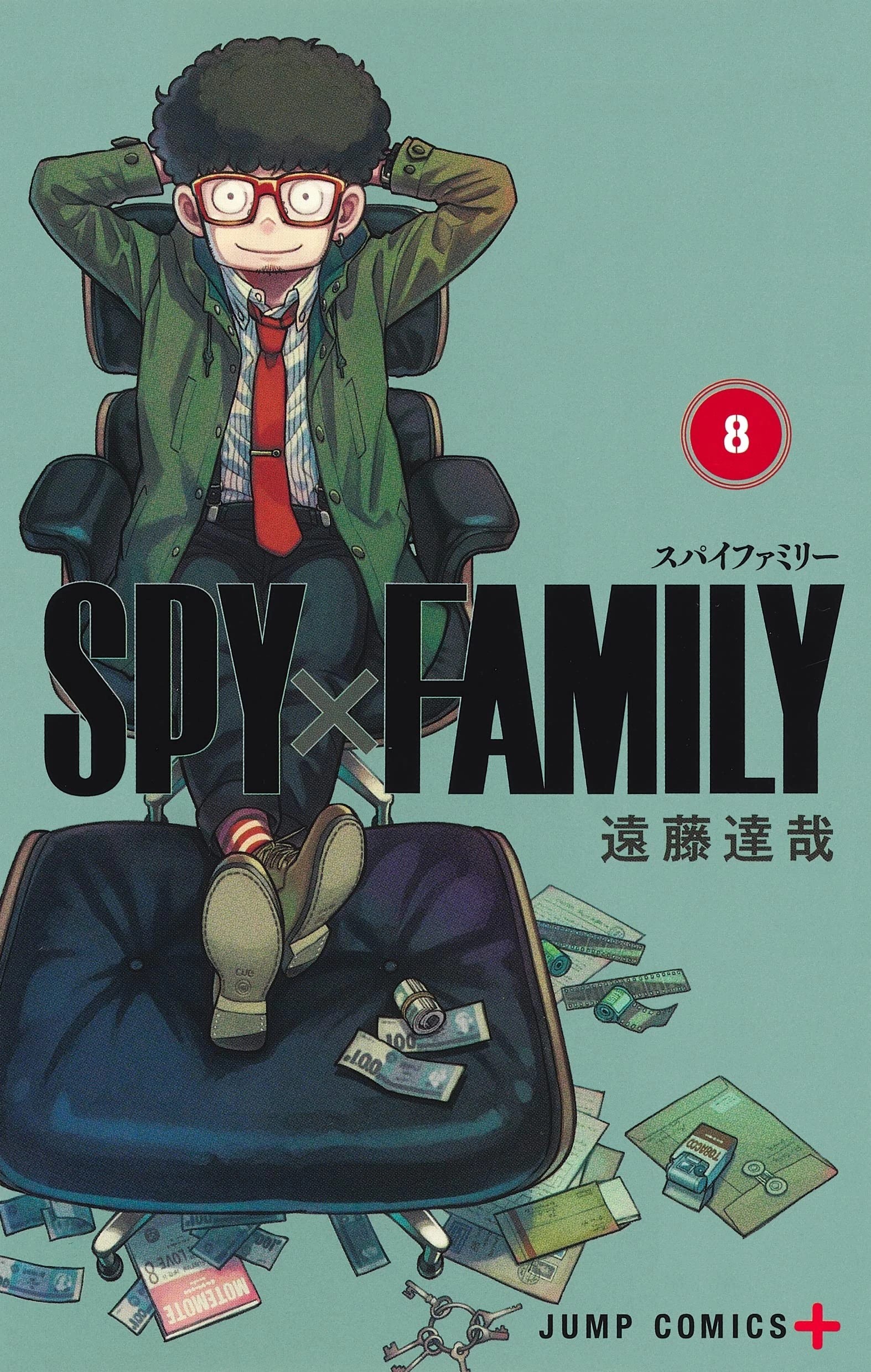
How are the Viz Spy x Family volumes different from the Japanese ones?
Same Endo covers, different object: Viz's June 2, 2020 paperback runs 220 pages to Japan's 212, at a larger trim, with Casey Loe's translation inside.
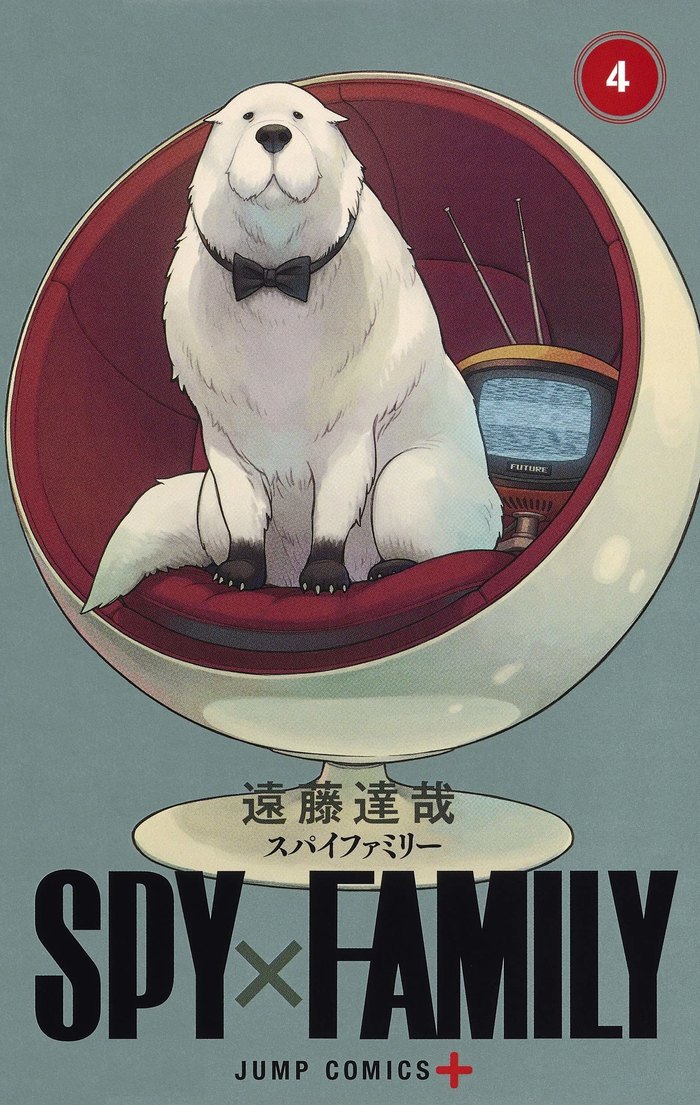
What extras come with the Spy x Family volumes?
Extra Missions, Short Missions and the Top Secret dossiers: the volumes print stories and files the Jump+ chapters never carried.
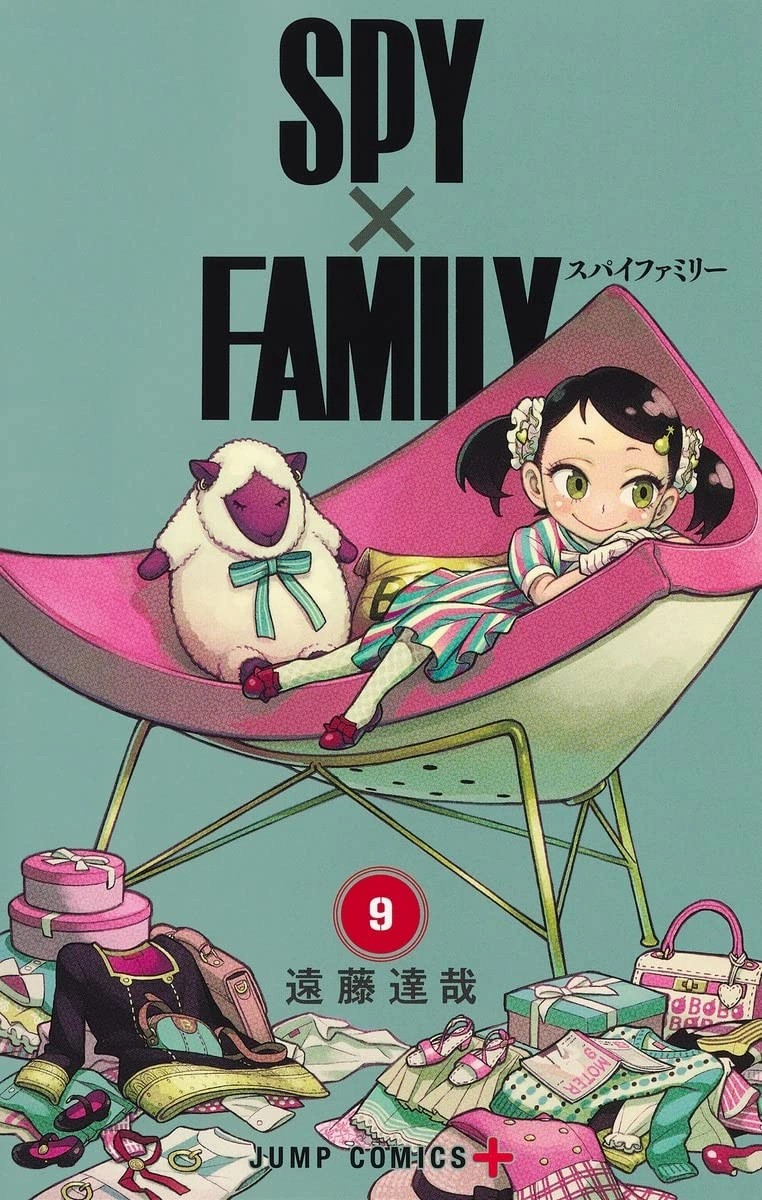
Why does the Spy x Family anime look different from the manga?
Because two art teams drew it. Endo pens the manga; Kazuaki Shimada redesigned the cast for animation at Wit Studio and CloverWorks, under Endo's eye.
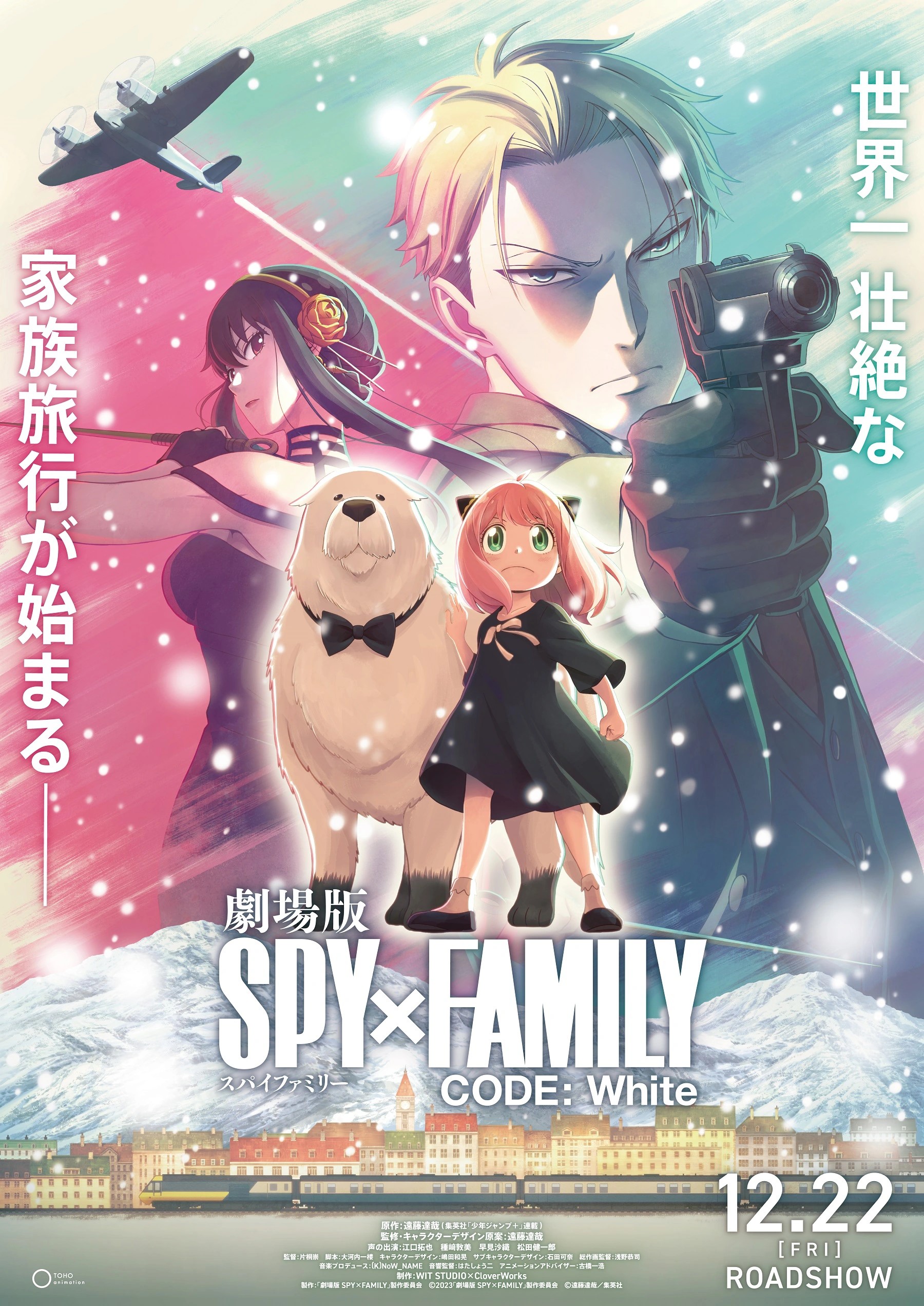
What is Spy x Family Code: White?
The 2023 film: an original story Endo supervised but did not write, a ¥6.32 billion (about $40 million) Japanese run, and a 4-million-copy booklet.
Is there a Spy x Family stage musical?
Yes: Toho's Musical Spy x Family premiered at Tokyo's Imperial Theatre on March 8, 2023, with four Anyas in rotation, and returned for a 2025 tour.
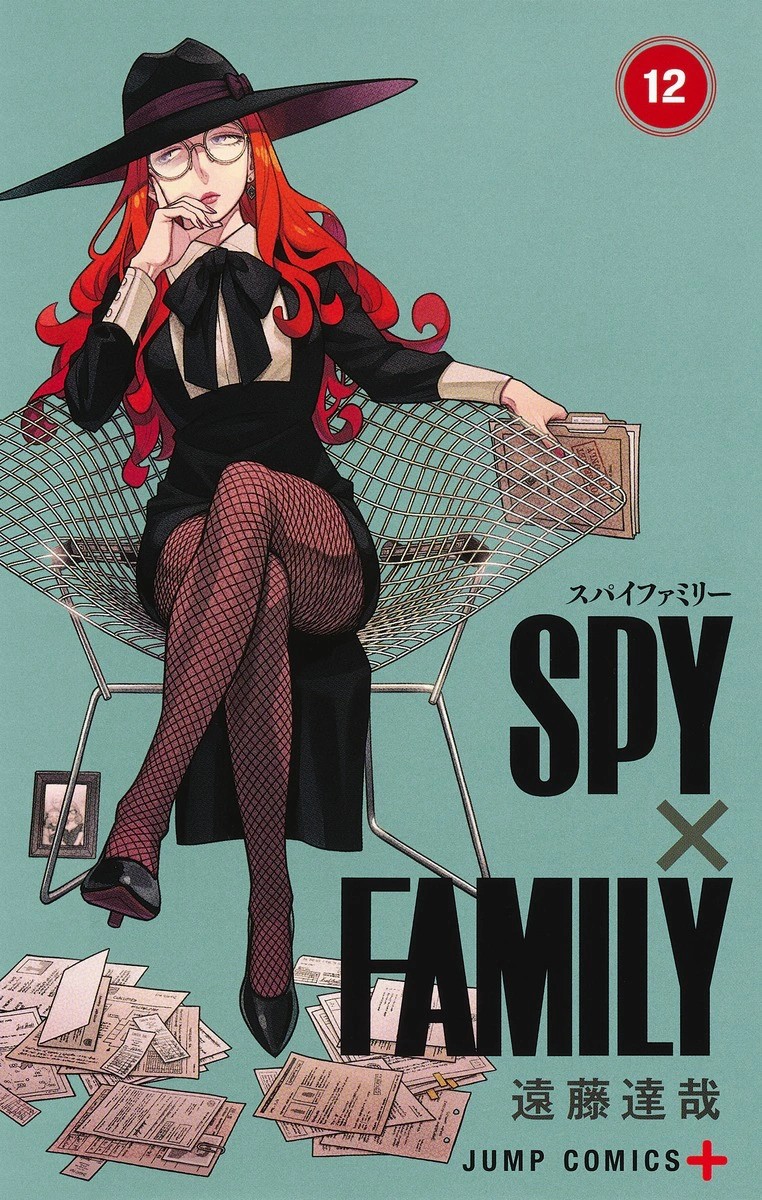
What Spy x Family books are there beyond the manga?
A light novel, an official fanbook, an animation art book and shelves of guidebooks: the documented shelf beside the seventeen volumes.
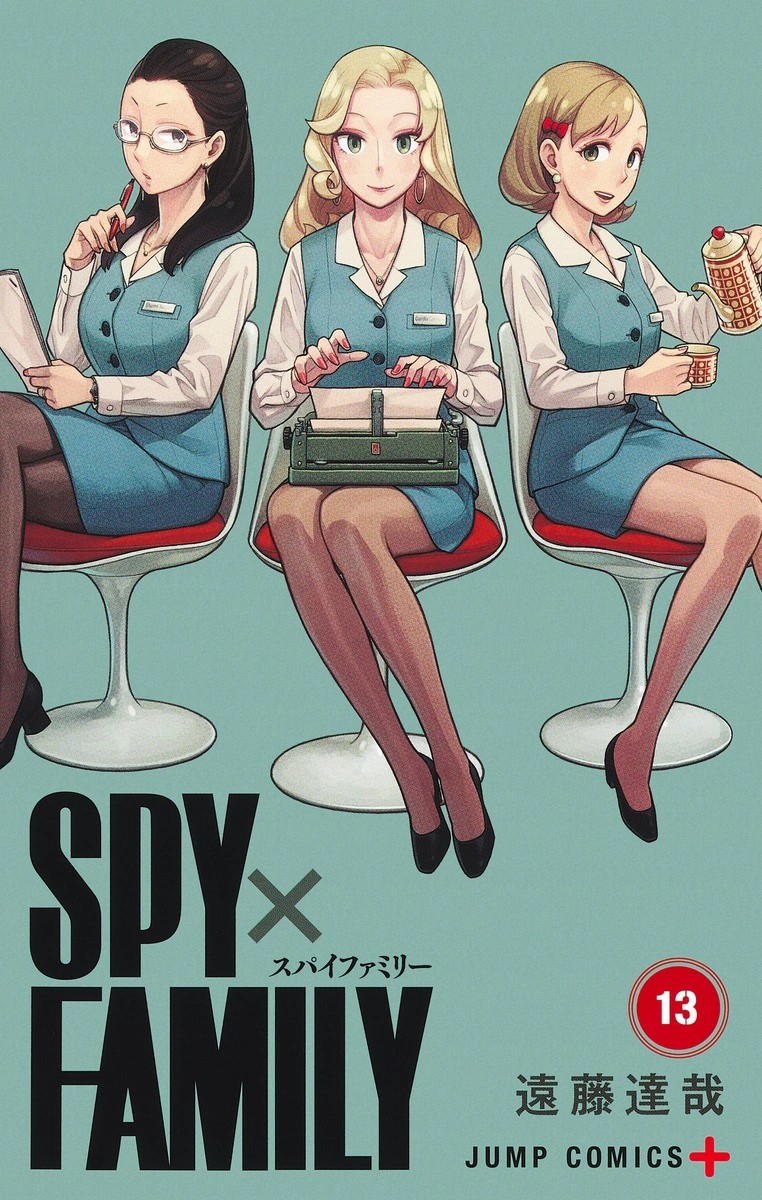
How many copies has Spy x Family sold?
Over 42 million copies in circulation by April 2026, on seventeen volumes: the fastest rise ever recorded by a Shonen Jump+ original.
SPYRO THE DRAGON
6 shelfs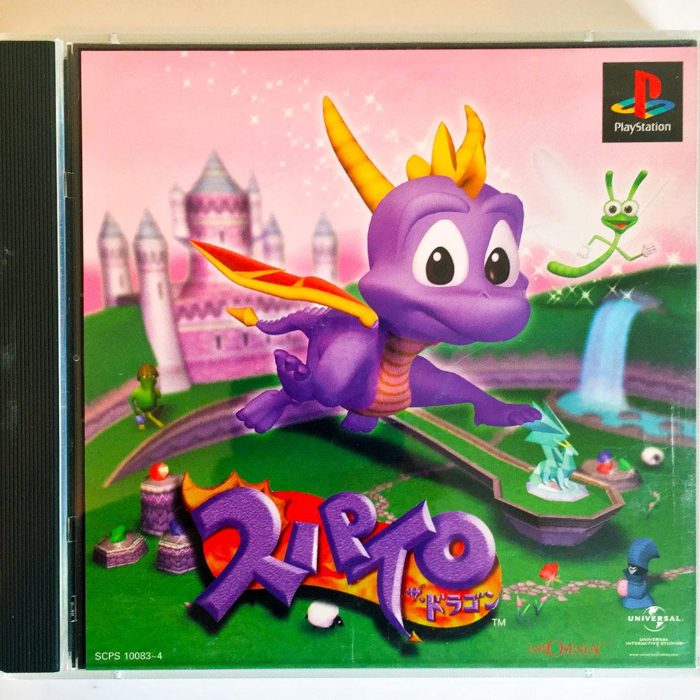
The Spyro Gallery
The Insomniac trilogy on one shelf: the Japanese and American boxes for the first game, the Year of the Dragon cover, and the histories of all three.
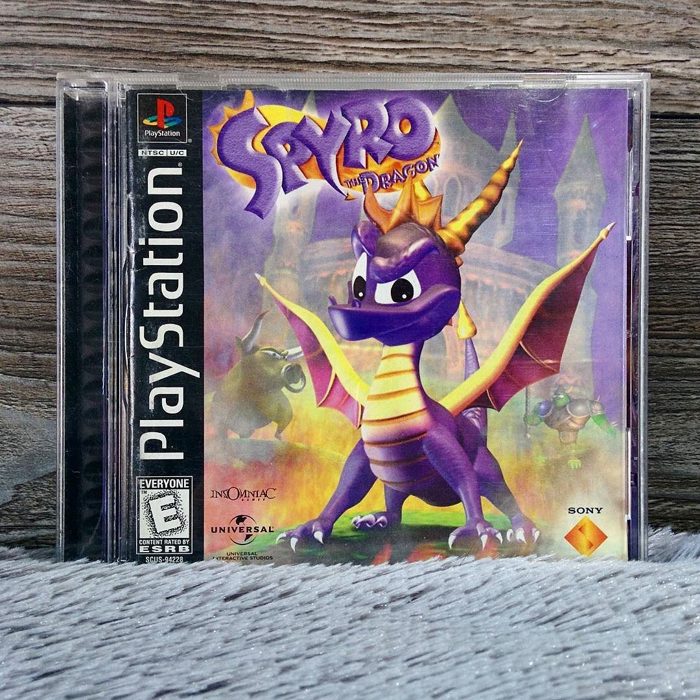
The History of Spyro the Dragon
Insomniac's 1998 original: the panoramic engine, Stewart Copeland's score, nearly five million copies, and the slower Japanese rebuild.
The History of Spyro 2: Ripto's Rage and Gateway to Glimmer
One game, three names: Ripto's Rage in America, Gateway to Glimmer in PAL regions, and Tondemo Tours in Japan, with Moneybags and Avalar.
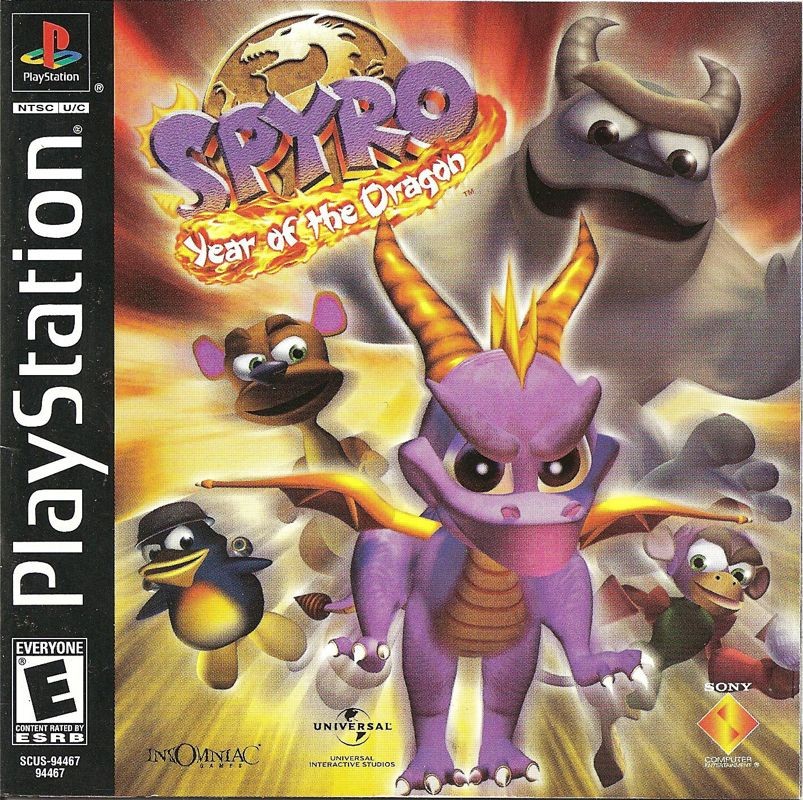
The History of Spyro: Year of the Dragon
Insomniac's 2000 farewell: the playable critters, a 91 on Metacritic, over three million copies, and the Japanese release that never happened.
Why is the Japanese version of Spyro the Dragon different?
The American game made Japanese players sick, so Sony rebuilt it slower. The backstory, told in full.
Who composed Spyro the Dragon's music?
Stewart Copeland of the Police, who played every level first, then wrote a quadruple album of backing tracks every summer for four years.
STAR OCEAN
12 shelves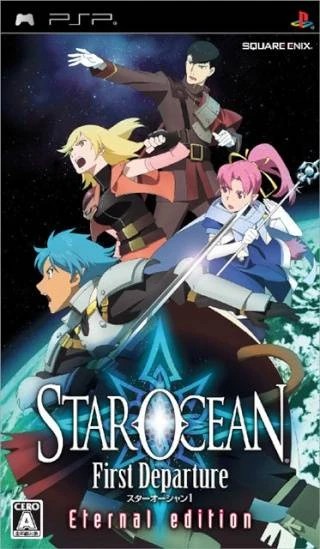
Why did Star Ocean's creators leave Tales of Phantasia to found tri-Ace?
Star Ocean exists because Tales of Phantasia went wrong at the management level: Gotanda, Norimoto and Asanuma walked out of Wolf Team and founded tri-Ace in 1995.
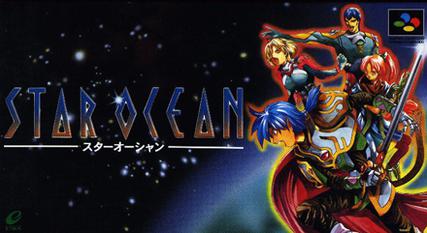
How did Star Ocean fit a voiced intro on a Super Famicom cartridge?
Star Ocean (1996) tied for the largest Super Famicom cartridge ever sold at 48 megabits, then used an S-DD1 decompression chip to hold still more, plus a voiced…
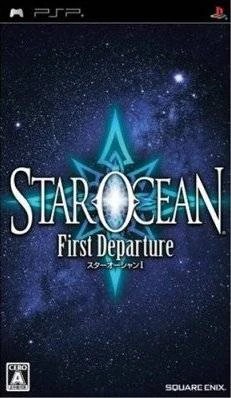
What is the first Star Ocean game?
The first Star Ocean (Super Famicom, July 19, 1996): Roddick’s time-travel story on Roak, the debut of real-time battles, Private Actions and item creation.
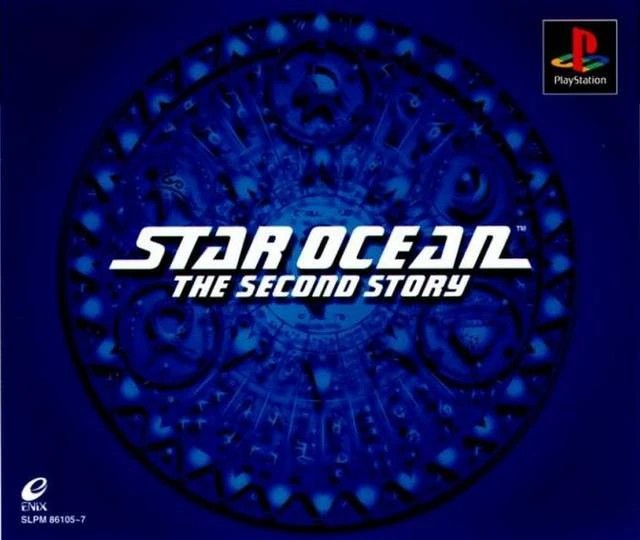
Why does Star Ocean: The Second Story have two protagonists?
The Second Story tells one journey through two witnesses: Claude the Federation outsider and Rena the Expel native, with exclusive scenes, recruits and endings.
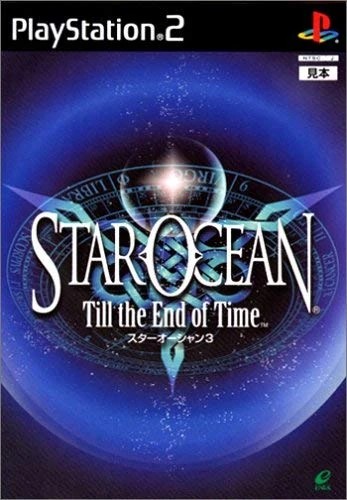
What is the Eternal Sphere twist in Star Ocean: Till the End of Time?
The Eternal Sphere twist, documented carefully: what Till the End of Time (2003) reveals about its universe, how it foreshadows it, and how later games stepped…
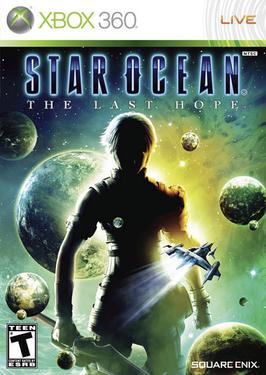
What is Star Ocean: The Last Hope?
Star Ocean: The Last Hope (2009): the series prequel, Edge Maverick’s first voyage in S.D. 10, its Xbox 360 launch and the PS3 International edition that followed.
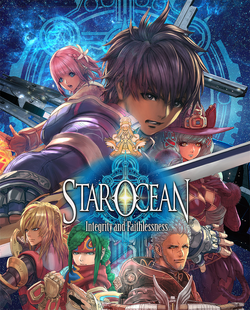
What is Star Ocean: Integrity and Faithlessness?
Star Ocean: Integrity and Faithlessness (2016): the series’ return after seven years, seamless battles with seven fighters, Akiman’s designs, and its mixed…
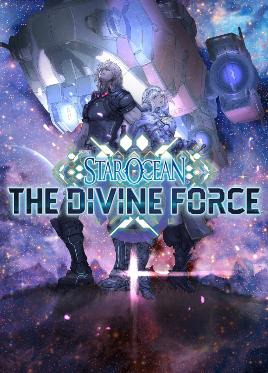
What is Star Ocean: The Divine Force?
Star Ocean: The Divine Force (2022): dual protagonists return, Raymond and Laeticia, the flying D.U.M.A. system, and the widest launch the series has ever had.
Who wrote Star Ocean's music? Motoi Sakuraba
Motoi Sakuraba: the progressive-rock keyboardist who has scored every main Star Ocean, most Tales games, Valkyrie Profile, Golden Sun and the Dark Souls series.
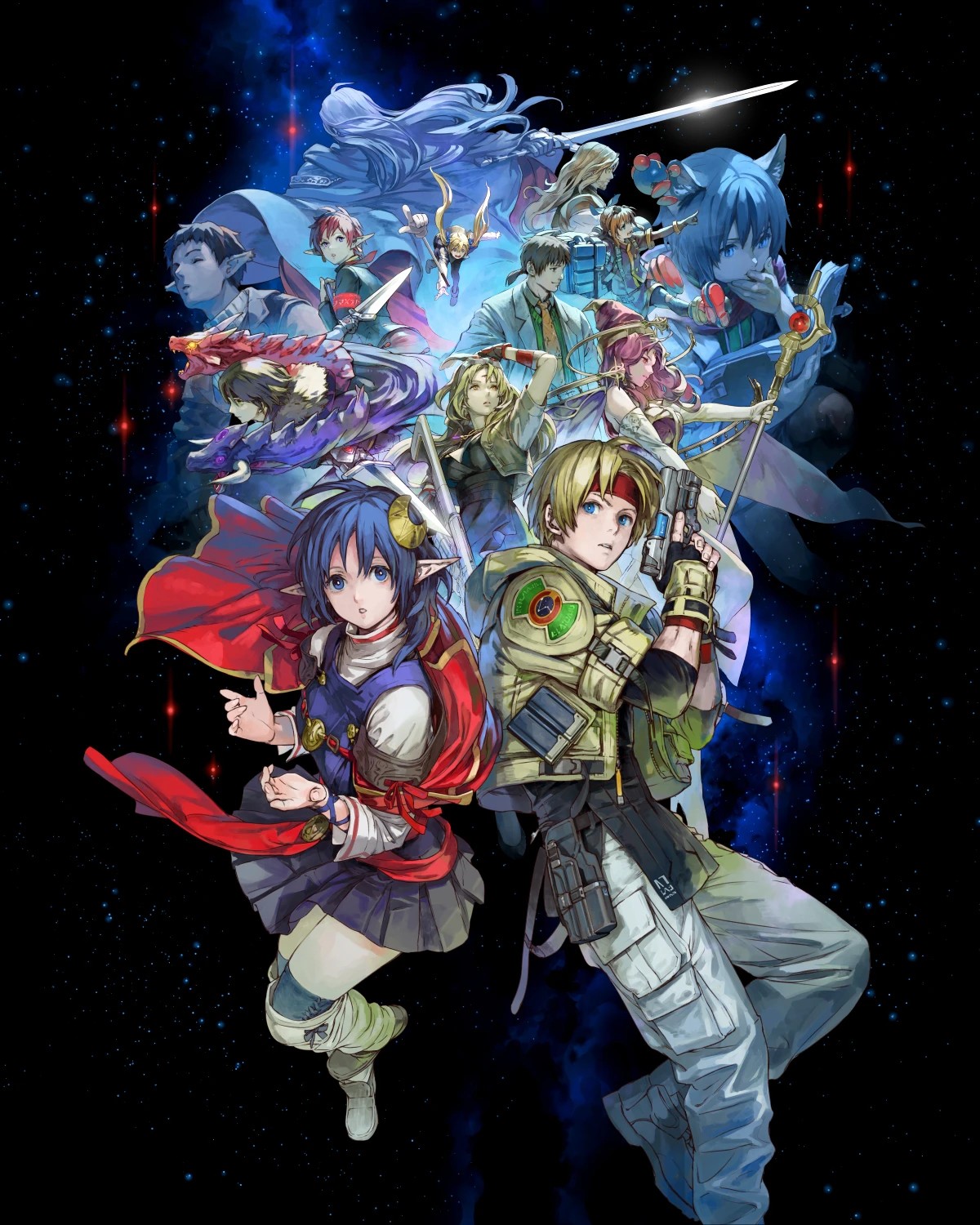
What is Star Ocean: The Second Story R?
Star Ocean: The Second Story R (2023): Gemdrops’ remake, its 2.5D pixel-and-3D art style, new Kajimoto illustrations, full voice, and Sakuraba’s rearranged score.
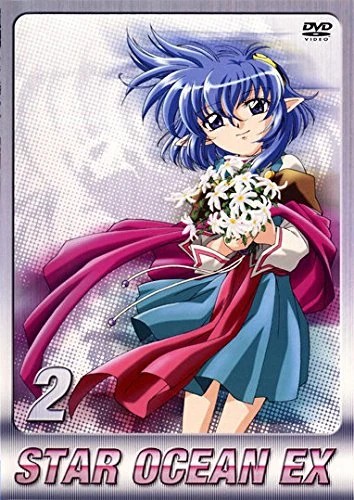
What Star Ocean manga and anime are there?
Star Ocean on paper and on TV: Mayumi Azuma’s Second Story manga (1999-2001), the Star Ocean EX anime, the drama CDs that finished the story, and the later manga.
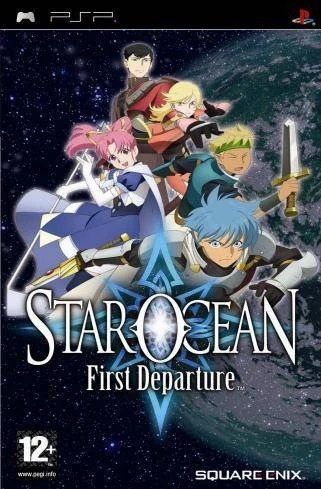
How did Star Ocean reach English-speaking players?
The English map of Star Ocean: the game Enix America never lived to ship, Sony’s rescue of The Second Story, Ubisoft’s Europe, and the road to simultaneous launches.
STRATEGY GUIDES
9 shelves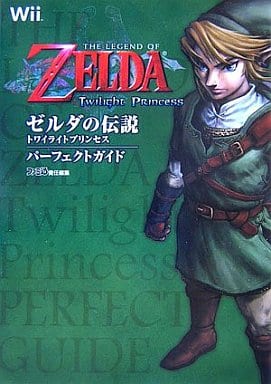
The Strategy Guides Gallery
Japanese and American guide covers side by side: several official books for one game in Japan, one licensed book per game in America, and the hardcover survivors.
Why did Japan get several official guides for the same game?
Four licensed Twilight Princess guides in Japan against one licensed guide in America: two licensing models, documented in counts and in a guide writer's words.
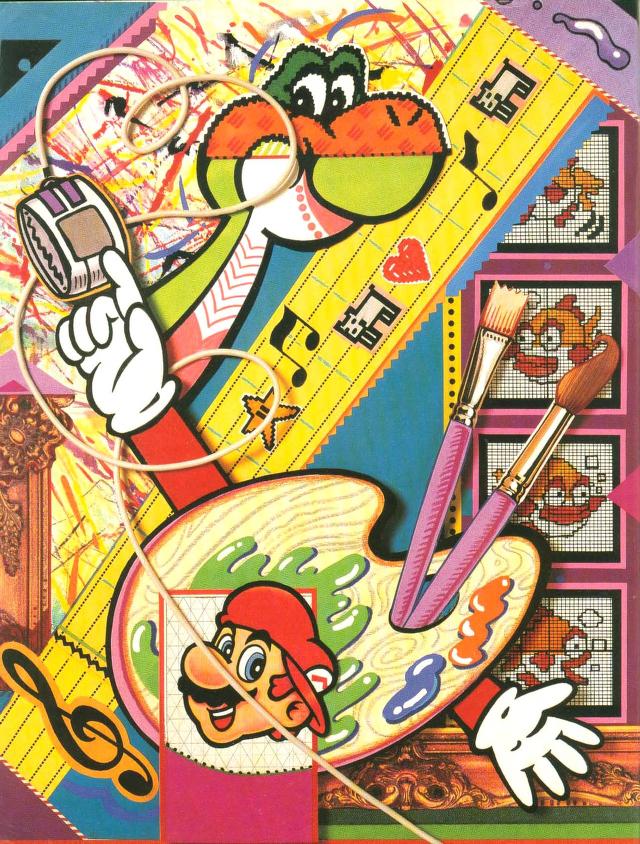
Why did Nintendo publish America's early game guides itself?
Nintendo Power, the Player's Guides of 1991 to 2007, and a hint telephone line: at the start, the platform holder was the guide industry.
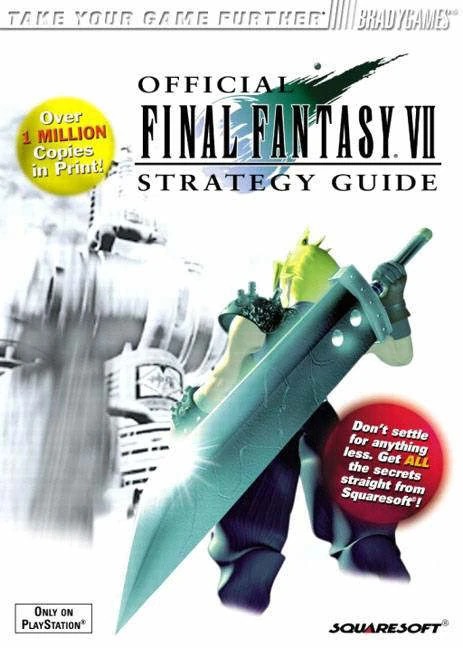
What made the Final Fantasy VII guide sell a million copies?
BradyGames, 1997, 224 pages: 150,000 copies in weeks against a 70,000 industry ceiling, and the three reasons Brady's own staff gave.
Why did reviewers recommend the unauthorized Final Fantasy VII guide?
GameSpot's 1997 comparison of three guides: the official BradyGames book spoiled the story, and the cheaper Versus Books book protected it.
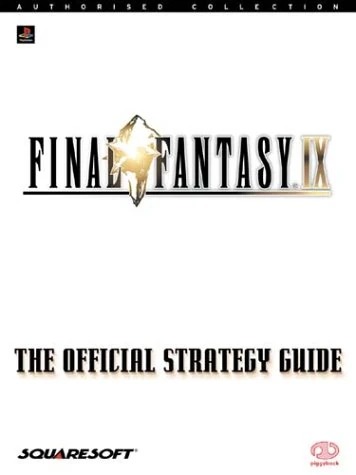
Why does the Final Fantasy IX guide keep sending you to a website?
SquareSoft's PlayOnline portal, BradyGames' pushback, and the Final Fantasy X license at stake, in veteran guide writer Doug Walsh's account.
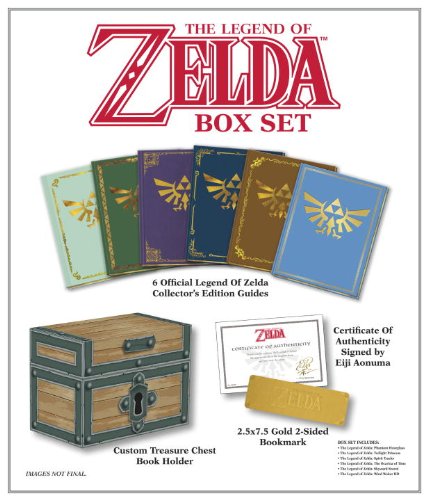
Why did BradyGames and Prima vanish from the guide shelves?
A 2015 merger retired one name, free guide websites retired the other's print business in 2019, and the surviving name became a website.
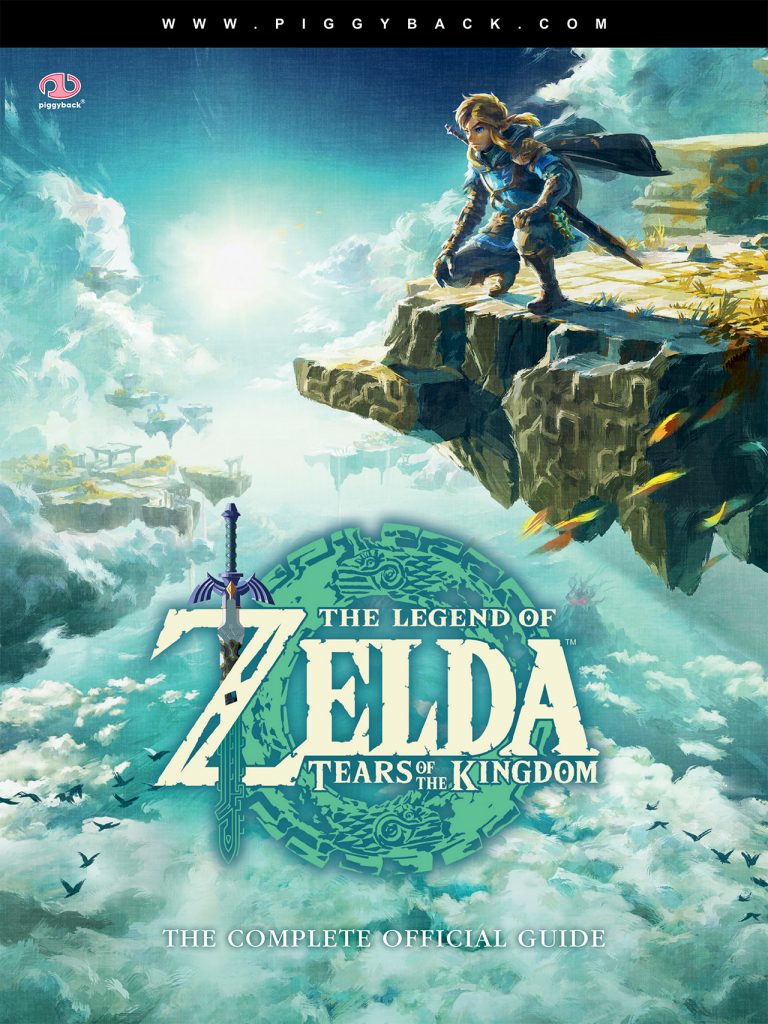
Who still publishes print strategy guides?
Piggyback's four games a year in five languages and Future Press's 512 page hardcovers that sell out: print survived by becoming a collector's object.
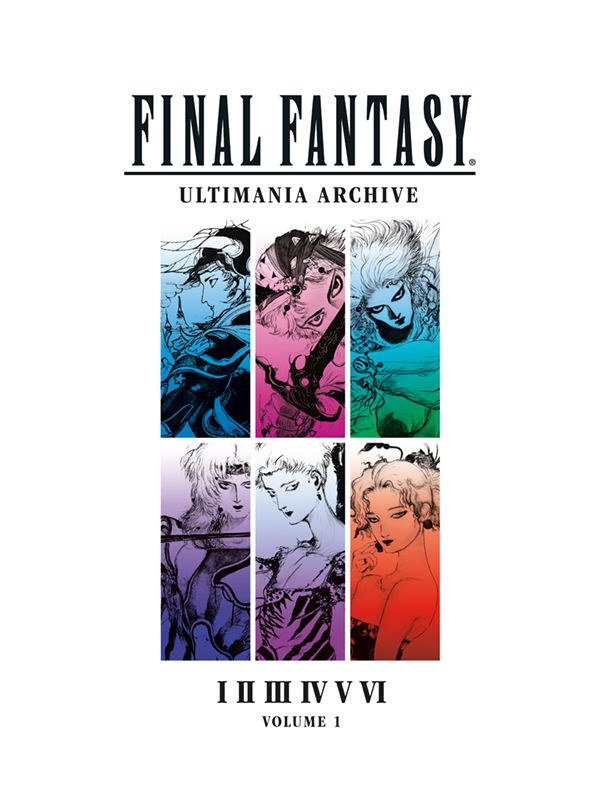
Where does the art you only see in a guide come from?
Art the game maker handed over exclusively, concept art printed first in a guide, and art the guide makers invented themselves, from clay figures to fake newspapers.
STREET FIGHTER
4 shelves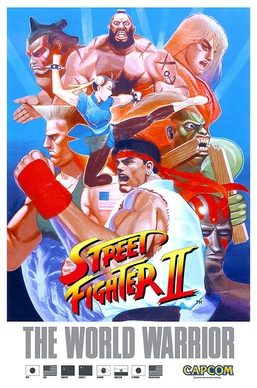
Why were Street Fighter's boss names swapped outside Japan?
One boss was a Mike Tyson parody named Mike Bison. Capcom rotated three names rather than risk the lawsuit.
Why does Street Fighter II have so many versions?
Five arcade editions, each answering a problem: unplayable bosses, bootlegs, new hardware, lost speed, a hidden demon.
Who is Sheng Long in Street Fighter?
Nobody. A mistranslated taunt plus an April Fools' prank built the most famous fighter who never existed.
Who wrote Street Fighter II's music?
Yoko Shimomura, nearly all of it, written country first and then written again at danger tempo.
SUIKODEN
10 shelves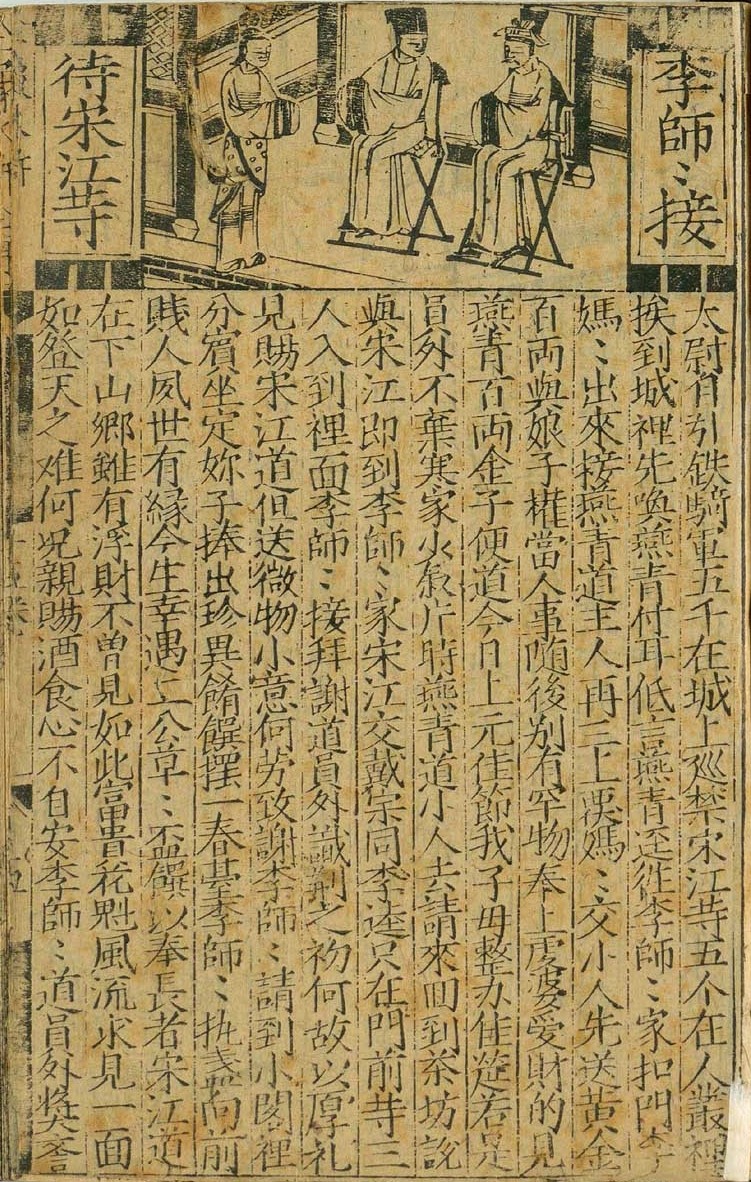
What Is Water Margin, the Novel Behind Suikoden?
Water Margin (Shui Hu Zhuan), the 14th-century Chinese novel of 108 outlaw heroes, documented: its authorship debate, the 36 Heavenly Spirits and 72 Earthly…
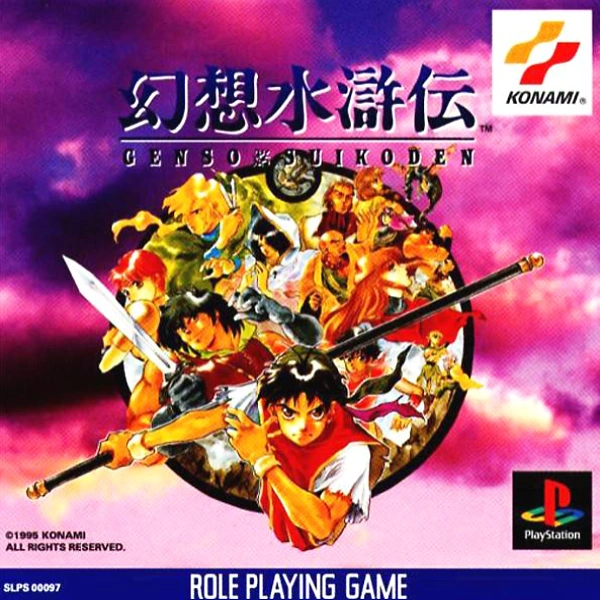
Who Is Yoshitaka Murayama, the Creator of Suikoden?
Yoshitaka Murayama (1969 to 2024) documented: the Konami decade, the creation of Suikoden, his departure a month before Suikoden III shipped and the removal of…
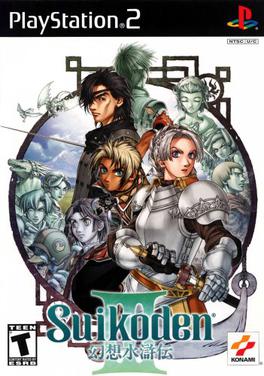
The History of Suikoden III
The history of Suikoden III (2002): the series' first 3D entry, the Trinity Sight System's three viewpoints, the Flame Champion, the missing European release,…
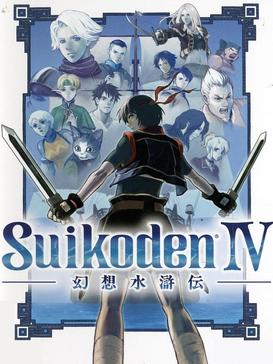
The History of Suikoden IV
The history of Suikoden IV (2004): the prequel set 150 years before the series, the Rune of Punishment that eats its bearers, the ship that replaced the castle,…
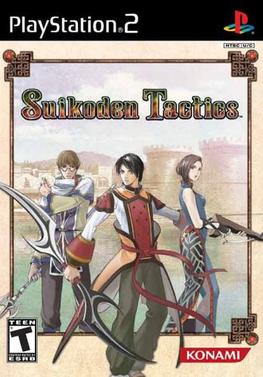
The Suikoden Games, in Order
Every Suikoden game mapped by era and by story: the PlayStation years, the PlayStation 2 run, the handheld departures, the thirteen-year silence, and the 2025…
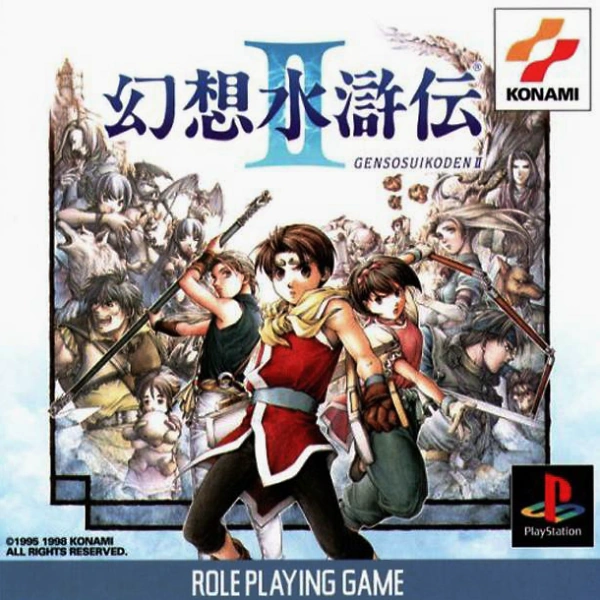
How Do the 108 Stars of Destiny Work in Suikoden?
The 108 Stars of Destiny as a game design, documented: where the roster comes from, why most of the army never fights, how the castle grows, and what completing…
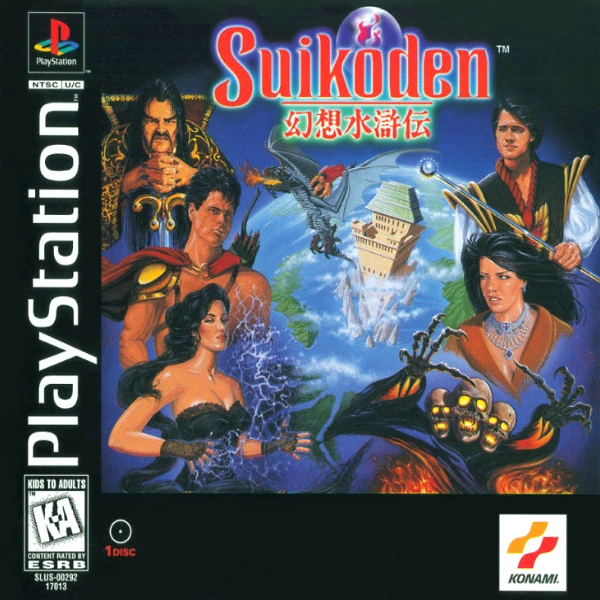
What Are the 27 True Runes in Suikoden?
The 27 True Runes documented: the creation myth of Sword and Shield, the rules every bearer lives under, the eighteen runes the games have actually identified,…
Why Did the Suikoden I&II HD Remaster Take So Long?
The Suikoden I&II HD Remaster delay documented: the September 2022 announcement, the August 2023 postponement and Konami's statement, the year of silence, and…
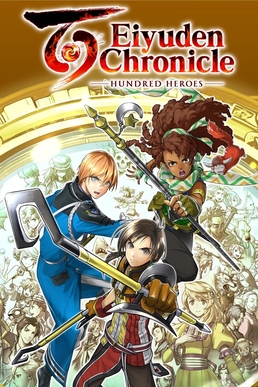
What Is Eiyuden Chronicle, Suikoden's Spiritual Successor?
Eiyuden Chronicle: Hundred Heroes documented with care: Rabbit & Bear Studios, the 2020 Kickstarter, Murayama's death on February 6, 2024, the studio's…
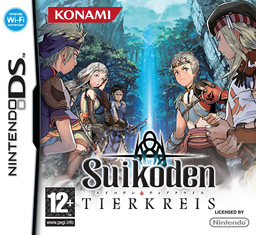
Collecting Suikoden in English: The Editions Guide
Collecting Suikoden in English, documented: which games were released in English and which never were, why Suikoden II became one of the most valuable…
SWEET HOME
11 shelves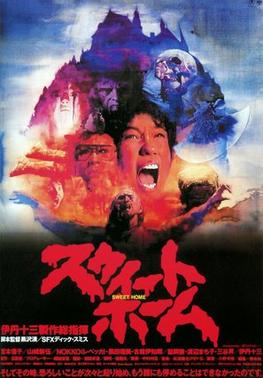
The Sweet Home Gallery
The visual record of Sweet Home: the 1989 Famicom box art beside the film poster it was adapted from, the cartridge, and the manual, documented.
Who Is Tokuro Fujiwara?
Tokuro Fujiwara: the Capcom director of Ghosts 'n Goblins and Sweet Home, main producer of Mega Man, and the man who conceived Resident Evil as a Sweet Home remake.
How Does Sweet Home's Party System Work?
Sweet Home's five-character party system explained: two parties of up to three, one essential tool per character, permanent death, and the substitute items that…
How Many Endings Does Sweet Home Have?
Sweet Home has five endings, decided by how many of the five filmmakers survive the final battle, not by which ones. The film's outcome is one of them.
Was Sweet Home a Movie or a Game First?
The Sweet Home film came first, in January 1989, and the Famicom game followed in December, but the two were developed together as one production, film crew and…
What Did Juzo Itami Have to Do with Sweet Home?
Juzo Itami produced both the Sweet Home film and the Capcom game, put his name on the box, then re-edited the film after release and was sued by its director,…
Why Did Sweet Home Never Leave Japan?
Sweet Home was never localized: critics blame its gruesome imagery under Nintendo's Western content rules, the weak North American market for RPGs in 1989, and a…
What Is the Sweet Home Fan Translation?
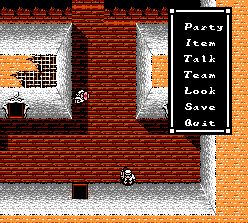
The 2000 fan translation of Sweet Home by Gaijin Productions and Suicidal Translations: a year of work, the Taguchi-to-Taro compromise, and the patch every…
Is Sweet Home the First Survival Horror Game?
Sweet Home (1989) assembled survival horror's design grammar years before the term existed: the mansion, the limited inventory, the notes, the permadeath. The…
The Sweet Home Strategy Guide and Gamebook
The Japanese print around Sweet Home: Futabasha's official strategy guide of January 1990 (ISBN 4-575-15154-8), the Masho no Sumu Yakata gamebook by Katsuyuki…
Collecting Sweet Home
Collecting Sweet Home on Famicom: what a complete copy includes, the CAP-EH cartridge and its battery, PriceCharting's late-October 2026 record for loose,…
