
THE LIBRARY
Collector guides, cover censuses, and edition answers, documented issue by issue. Every page answers one specific question, completely.
PERSONA
20 shelves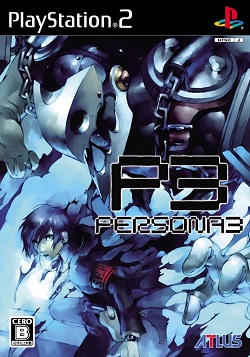
Why do Persona 3's party members summon with Evokers?
Not a gun: a Kirijo device built to provoke terror, because extreme stress is the stated price of calling a Persona out.
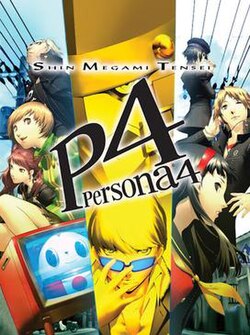
Why did Persona drop the Shin Megami Tensei prefix in the West?
A Western marketing banner added after Nocturne, kept for Persona 3 and 4, then omitted from Golden and Arena as too long, per Atlus's own project manager.
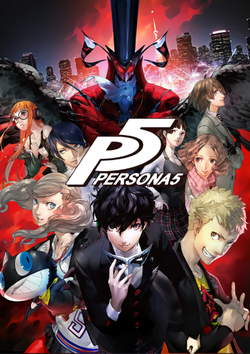
Why did Persona 5's menus and UI become famous?
Color first, no subcolors, lines that guide the eye: art director Masayoshi Suto and producer Kazuhisa Wada explained the method at CEDEC in 2017.
Why does Persona run on a calendar and Social Links?
Hashino, on the record: links came from self-discovery and the face we show others, and Persona 4's clock was built to match the pressure its cast was feeling.
Why do Persona games have sung battle themes?
It started as a prototype. Shoji Meguro wrote Mass Destruction as a test, the staff loved it, and every Persona since has had a voice: Kawamura, Hirata, Lyn.
What is Revelations: Persona, the first Persona game?
The 1996 PlayStation original that started the Persona series: a first person dungeon crawler about students, demons and a town quietly going wrong.
What is Persona 2: Innocent Sin and Eternal Punishment?
The Persona 2 duology explained: two linked PlayStation games from 1999 and 2000, a rumor driven city, and the strangest release history in the series.
What is Persona 3? FES, Portable and Reload explained
Persona 3 exists in four major versions. This page separates the 2006 original, FES, Portable and the Reload remake, and what each one actually contains.
What is Persona 4 and Persona 4 Golden?
Persona 4 and its Golden expansion explained: the rural murder mystery, the Midnight Channel, and why the Vita version became the definitive one.
What is Persona 5 and Persona 5 Royal?
Persona 5 and Royal explained: the Phantom Thieves, the Palaces, and what the Royal expansion adds to the best selling game in the series.
What are Persona Q, Q2 and the Persona dancing games?
The chibi dungeon crawlers and the rhythm game trilogy explained: how Persona filled its gaps with spin-offs, and which ones are worth collecting.
Who is Katsura Hashino, the director behind modern Persona?
Katsura Hashino directed Persona 3, 4 and 5 and rebuilt the series around school life and social bonds. This page covers his career at Atlus and beyond.
Who is Shigenori Soejima, the artist of modern Persona?
Shigenori Soejima drew the faces of Persona 3, 4 and 5. This page covers his path from junior artist under Kazuma Kaneko to the series' defining illustrator.
Are Persona covers the same in Japanese and English?
Persona covers compared region by region: where Japan and the West share art, where they diverge, and why the differences matter to collectors.
Why is the American version of Persona 1 so different?
Revelations: Persona's 1996 localization renamed characters, changed appearances, cut a whole route and raised the encounter rate. Here is what changed and why.
PHONE CARDS
4 shelves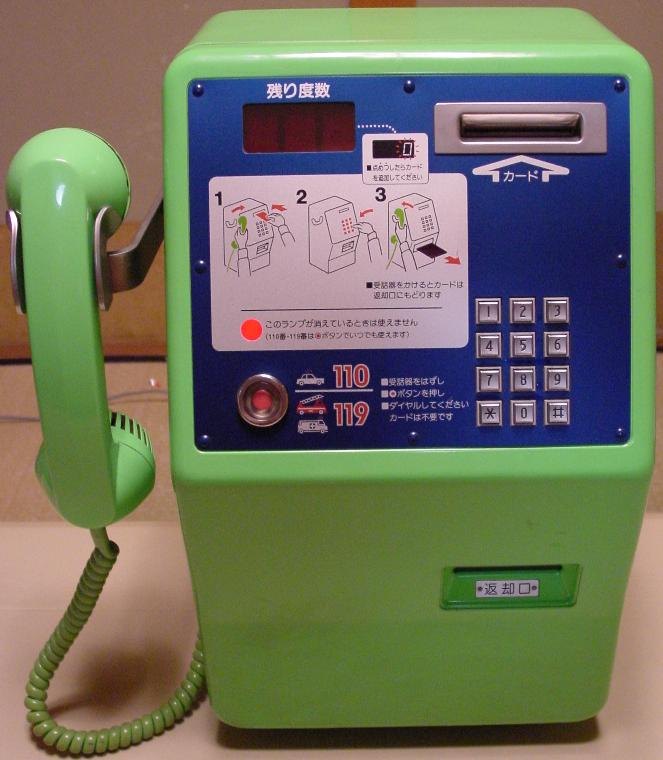
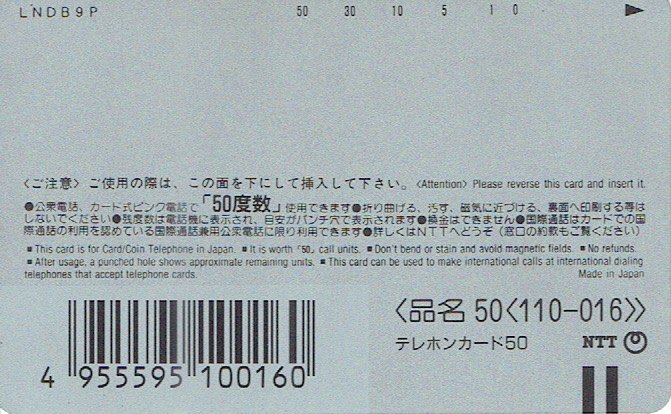
What are Japanese phone cards?
NTT's prepaid payphone card of 1982, and how a piece of phone credit became a pocket-sized art medium.
Why do people collect Japanese phone cards?
Swap meets, printed catalogs, and designs collected by theme, series and place.
Why do people grade Japanese phone cards?
Authentication, a fixed identity, and a flat sealed case for a paper-thin piece of print.
What do the numbers on a Japanese phone card mean?
50 to 540 units, one unit per ten yen of calls, and the punch holes that count the card down.
PIKMIN
15 shelves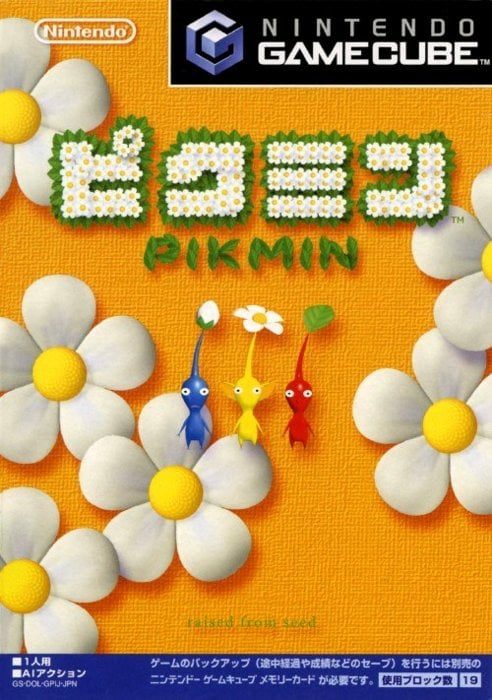
What inspired Pikmin?
Ants in Miyamoto's garden, in his own words, plus the Burton, the French film, and the Dawkins the team added.
Why are Pikmin 2's treasures different in Japan and America?
Real junk is regional: National batteries in Japan, Duracell in America, and one cave slot holding three different treasures.
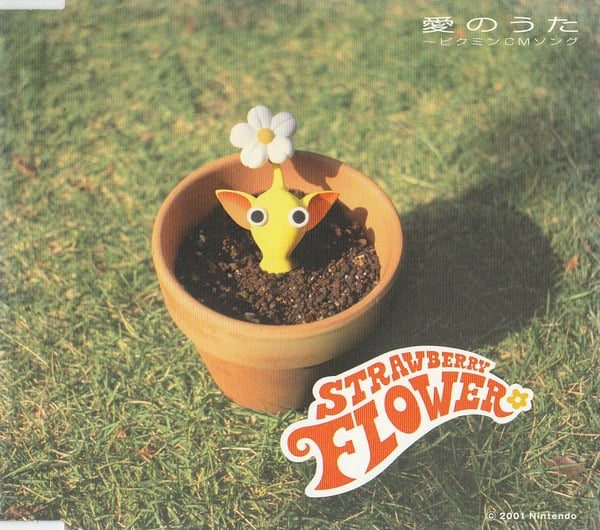
How did the Pikmin commercial song outsell the game?
Strawberry Flower's Ai no Uta hit #2 in Japan and sold past 600,000 singles. The game it advertised reached 500,000.
What is Pikmin on the GameCube?
Olimar, thirty days, and a hundred plant soldiers: the 2001 strategy game that grew from a garden, a tech demo, and Miyamotos imagination.
What is Pikmin 2?
No time limit, two captains, underground caves, and two hundred treasures of beautiful junk: the 2004 sequel that turned Pikmin into a collectors game inside a game.
What are Pikmin 3 and Pikmin 3 Deluxe?
Fruit, three captains, and a rescue mission: the Wii U original of 2013 and the Deluxe Switch edition that finally found its audience.
What is Pikmin 4?
A rescue pup, a custom recruit, night expeditions, and the friendliest on ramp in series history: the 2023 Switch entry that became the best selling Pikmin.
What is Hey! Pikmin?
The 3DS side scroller: Olimar on foot, Pikmin thrown by touch, and the spin off that asked what Pikmin looks like in two dimensions.
What is Pikmin Bloom?
The walking game from Niantic: steps grow Pikmin, flowers bloom along your route, and the gentlest spin off turned daily walks into a garden.
What are the different types of Pikmin?
Red through Glow: every Pikmin type, what it resists, what it carries, and the game that introduced it, in one field guide.
What are Japanese Pikmin strategy guides?
Day plans for a thirty day clock, cave maps floor by floor, and creature catalogues: the Japanese print record of a series built on efficient planning.
Who sang Ai no Uta, the Pikmin song?
Strawberry Flower, a commercial that became a single: the rest of the Pikmin song story, the group behind it, and the CD collectors actually hunt.
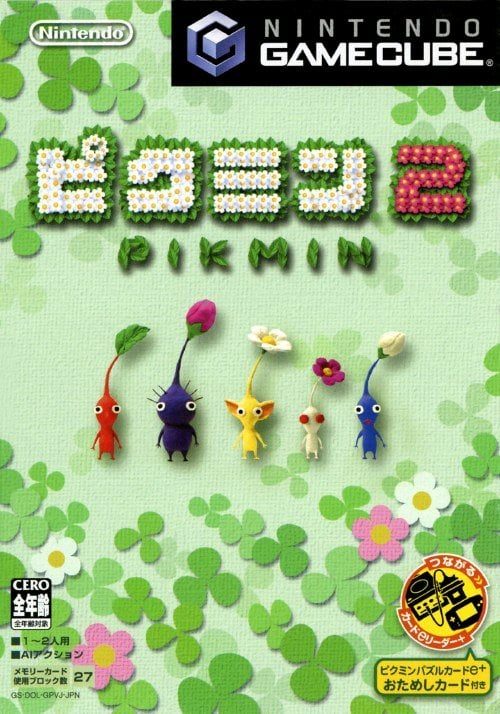
How do Japanese and American Pikmin covers compare?
A garden at giant scale in both regions: what the Pikmin boxes share, where the treasures forced them apart, and the quietest cover line in Nintendo history.
What are the New Play Control and Switch versions of Pikmin?
Pointer controls on Wii, a bundled homecoming on Switch: how the GameCube classics were rereleased, and which version a collector should play and shelve.
Collecting Pikmin: games, merchandise, and art
Four mainline games, a garden of plush, and official art that hides in guidebooks: a compact series that rewards the complete set collector.
POKÉMON
121 shelves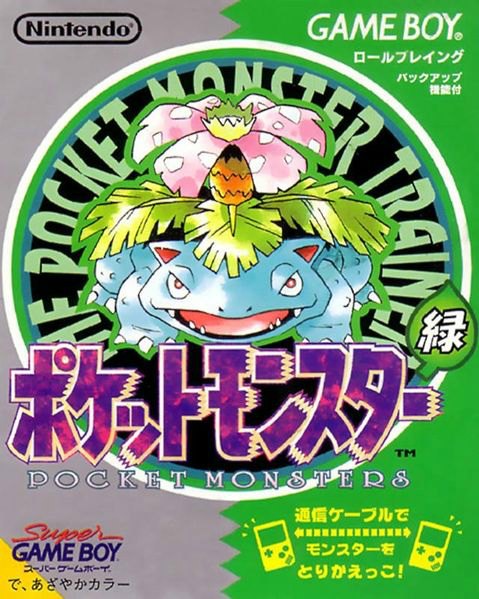
The Pokémon Gallery
Red, Green and Blue, covers first: the Japanese boxes of 1996 and the American boxes of 1998, with the history and the origin question behind them.
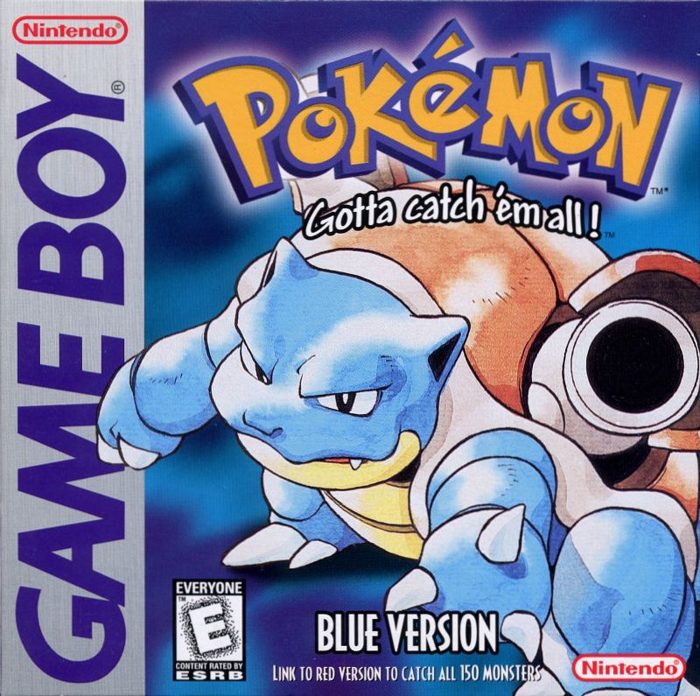
The History of Pokémon Red and Blue
Red and Green in February 1996, Blue as the mail order special edition, and the Western pair built on Blue: over 31 million copies, from bugs and a link cable.The pair that started with bugs and a cable, and sold over 31 million copies.
→
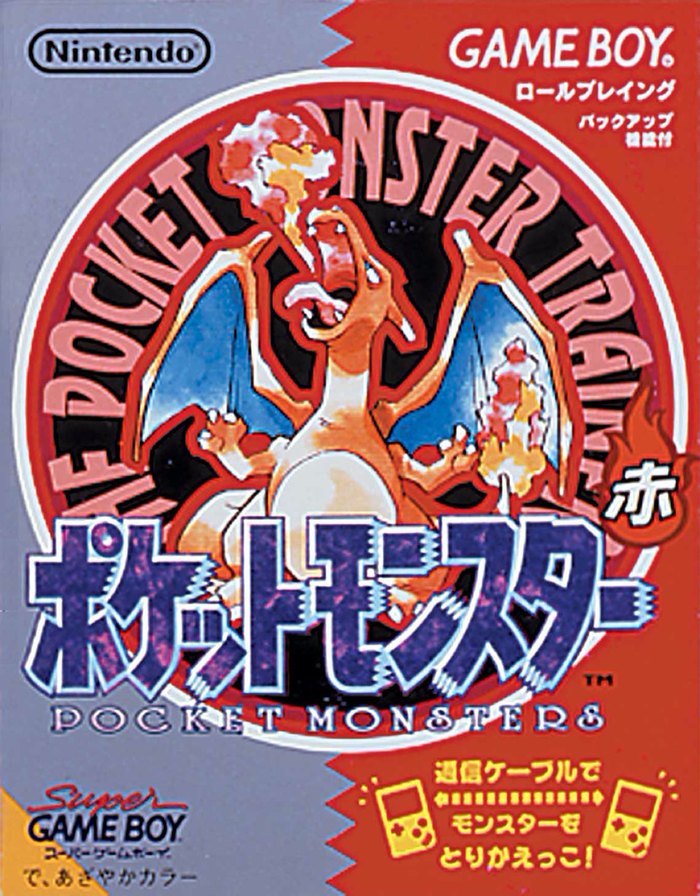
What inspired Pokémon?
A childhood spent catching insects, in Satoshi Tajiri's own account.
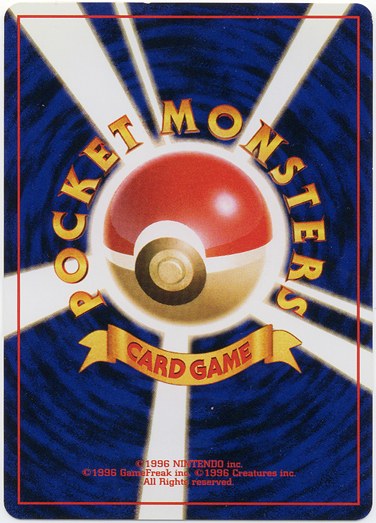
Why do Japanese Pokémon cards have different backs?
Japan's 1996 back and the world's 1999 back never unified, and tournament rules still count them as marked cards.
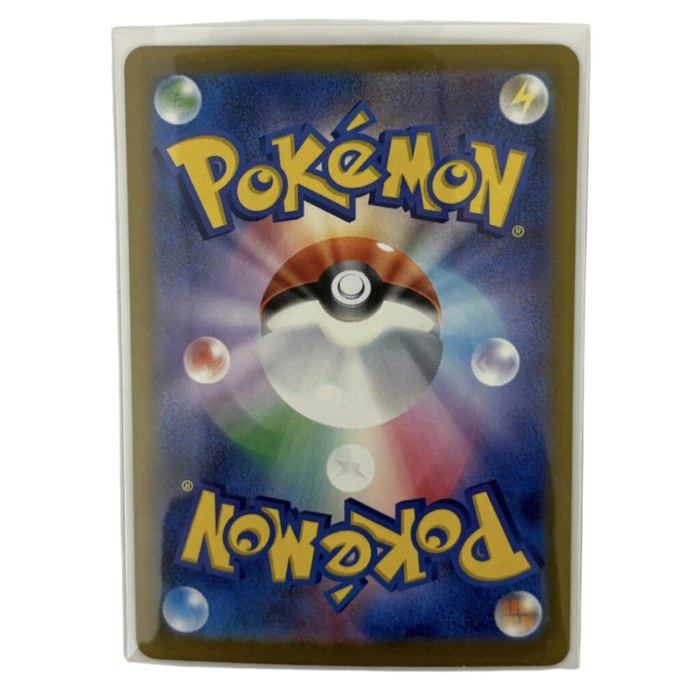
The History of Pokémon Cards in Japan and the West
Media Factory in October 1996, Wizards of the Coast in January 1999: two publishers, two backs, and two 1st Edition timelines that never lined up.
Do Japanese Pokémon cards have 1st Edition stamps?
Yes, but only from 2001: Japan adopted the stamp just as the West was dropping it, and Japanese Unlimited prints are often the scarcer ones.
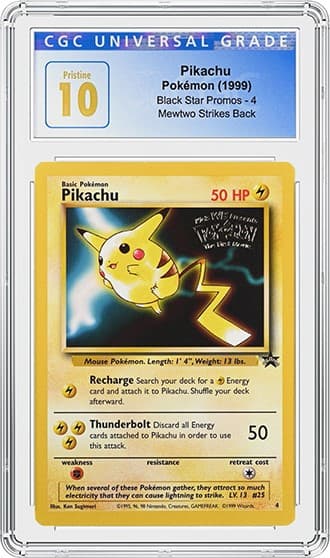
The Pokémon Promo Gallery
The Burger King gold cards, the movie promos, Ancient Mew, the Poncho Pikachu universe, sticker cards and phone cards: Pokémon's promotional history, documented…
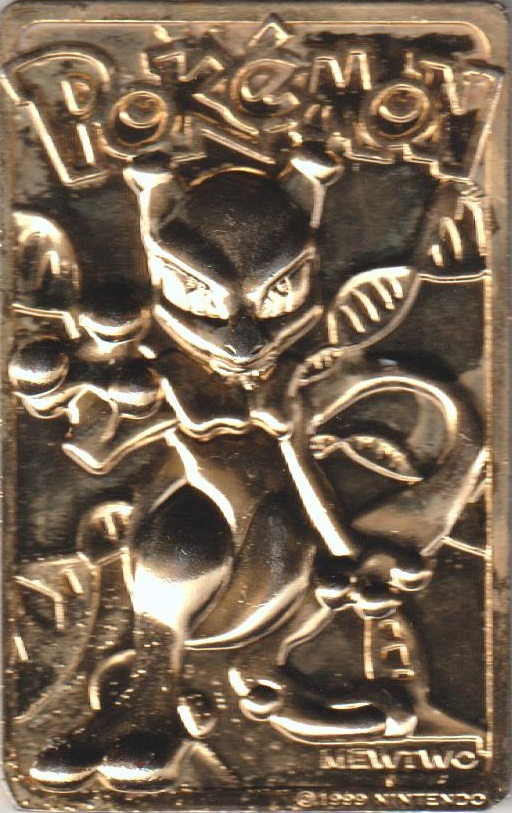
Are the Burger King gold Pokémon cards real gold?
The 1999 Burger King gold cards are real 23-karat gold plating on thick metal, sold for $1.99 with a meal during the First Movie campaign: six Pokémon, a Poké…
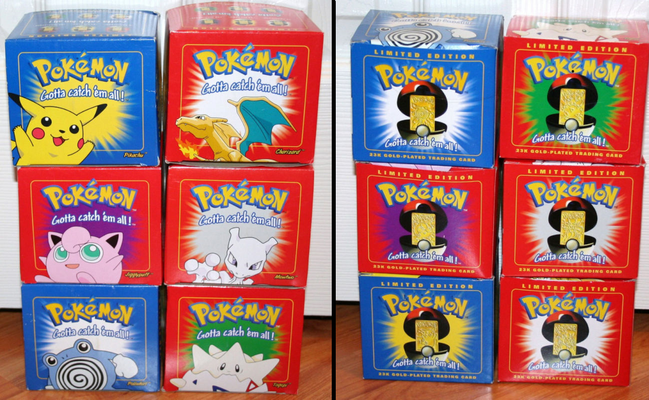
What comes in a complete Burger King gold card set?
A complete Burger King gold card example is four pieces: the gold-plated metal card, its plastic Poké Ball, the certificate of authenticity signed by Howard…
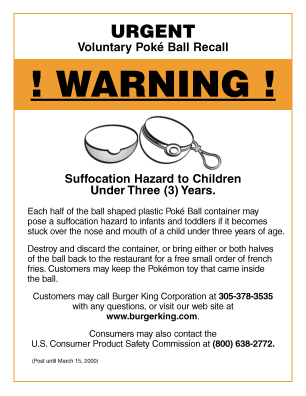
Why were the Burger King Poké Balls recalled?
Burger King recalled the Poké Ball containers in December 1999 after two infants suffocated on the ball halves. The campaign also included 59 toys, PokéTrivia…
What cards were given away at Pokémon: The First Movie?
Four Wizards Black Star Promos: Electabuzz 2, Mewtwo 3, Pikachu 4 and Dragonite 5, each stamped in gold foil with the Kids WB movie logo, handed out sealed at US…
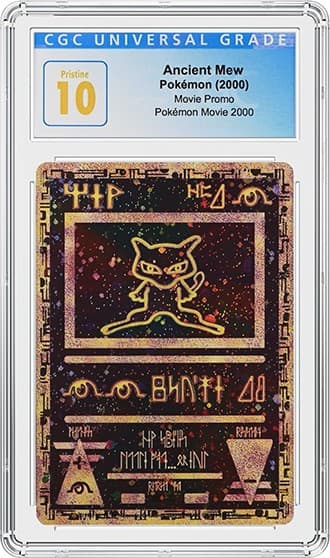
What does the Ancient Mew card actually say?
Ancient Mew's runes are a cipher for the Latin alphabet: the card is a 30 HP Psychic Basic whose attack Psyche does 40, whose flavor line reads
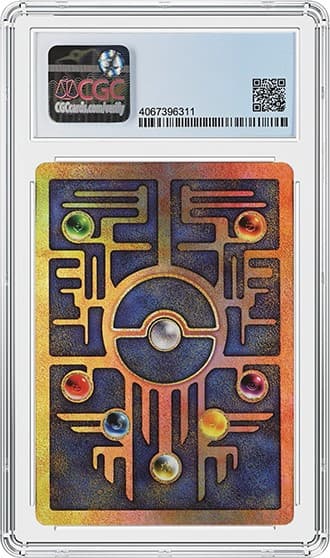
How many versions of Ancient Mew are there?
Six distinguishable prints: three Japanese prints from 1999 (the
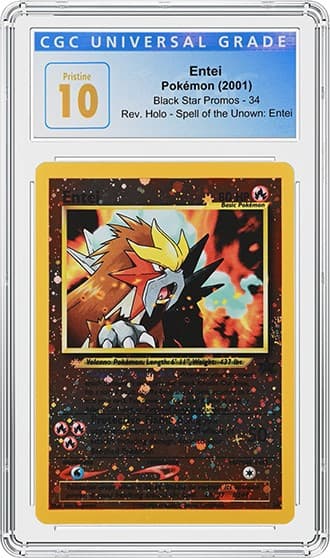
What movie promo cards came after the first movie?
The Movie 2000 gave Ancient Mew, then the three legendary birds; Pokémon 3 gave the first reverse holo outside Japan; Pokémon 4Ever closed the Wizards era; Japan…
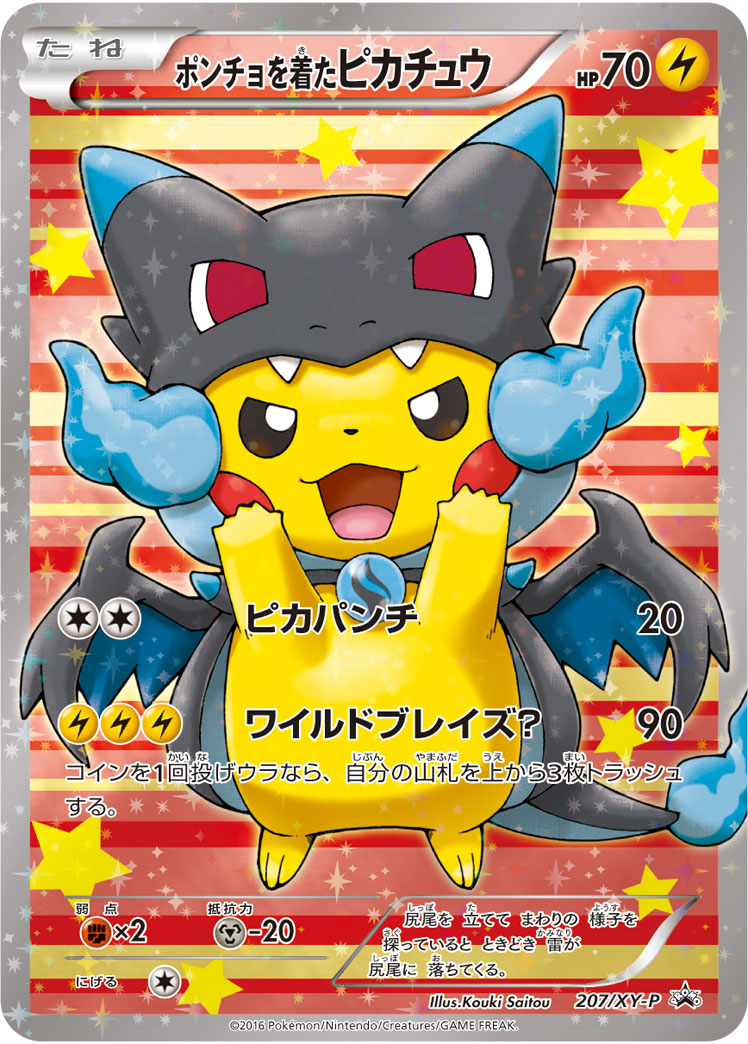
The Poncho Pikachu Gallery
All twelve Poncho Pikachu promo cards documented: the nine XY-P cards of 2014 to 2016 and the three SM-P cards of 2017, every one illustrated by Kouki Saitou and…
PUNCH-OUT
3 shelves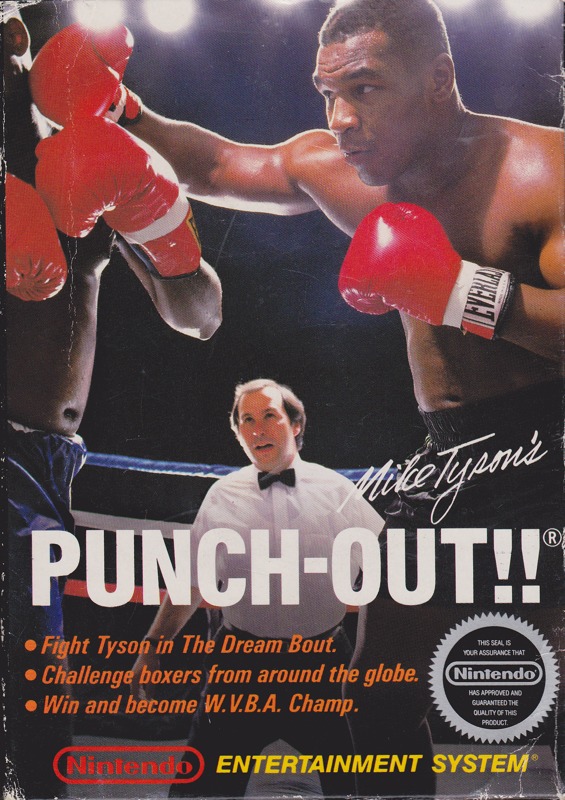
Why was Mike Tyson removed from Punch-Out?
The contract expired in 1990 and Nintendo let it go. The timeline, the rumored price, and the myth to retire.
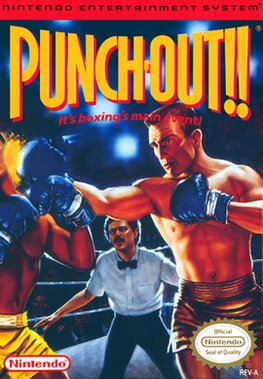
Who is Mr. Dream in Punch-Out?
A 99 and 0 champion from Dreamland, built out of Tyson's sprite, and the boss in every modern re-release.
Why is the Mike Tyson fight in Punch-Out so hard?
Ninety seconds of one-punch knockdowns, tells measured in blinks, and delays you cannot memorize.
THE FIRST WORD
First word on new listings, plus a subscriber promo code for the eBay store.
 Want SOJ on your home screen?
Add SOJ to your home screen
- 1Tap the Share icon in Safari’s toolbar.
- 2Scroll down and tap Add to Home Screen.
- 3Tap Add — SOJ is on your home screen.
- 1Tap the menu (the ☰ icon) and open this page in Safari — Apple only allows home-screen adds from Safari.
- 2Tap the Share icon in Safari’s toolbar.
- 3Scroll down and tap Add to Home Screen, then tap Add.