
THE LIBRARY
Collector guides, cover censuses, and edition answers, documented issue by issue. Every page answers one specific question, completely.
MAGIC KNIGHT RAYEARTH
13 shelves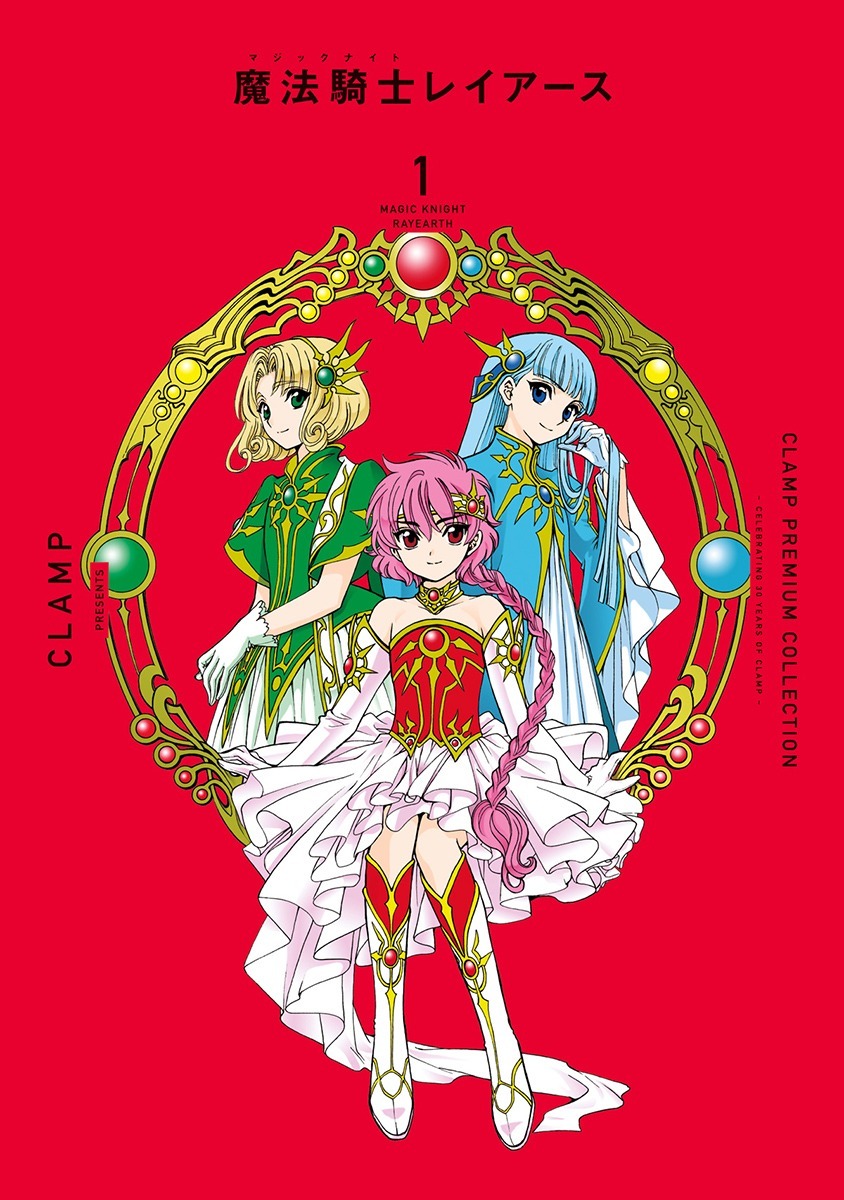
The Magic Knight Rayearth Manga Gallery
Every Japanese tankobon of CLAMP’s Magic Knight Rayearth, parts I and II: six Kodansha volumes from 1994 to 1996, with release dates and ISBNs.
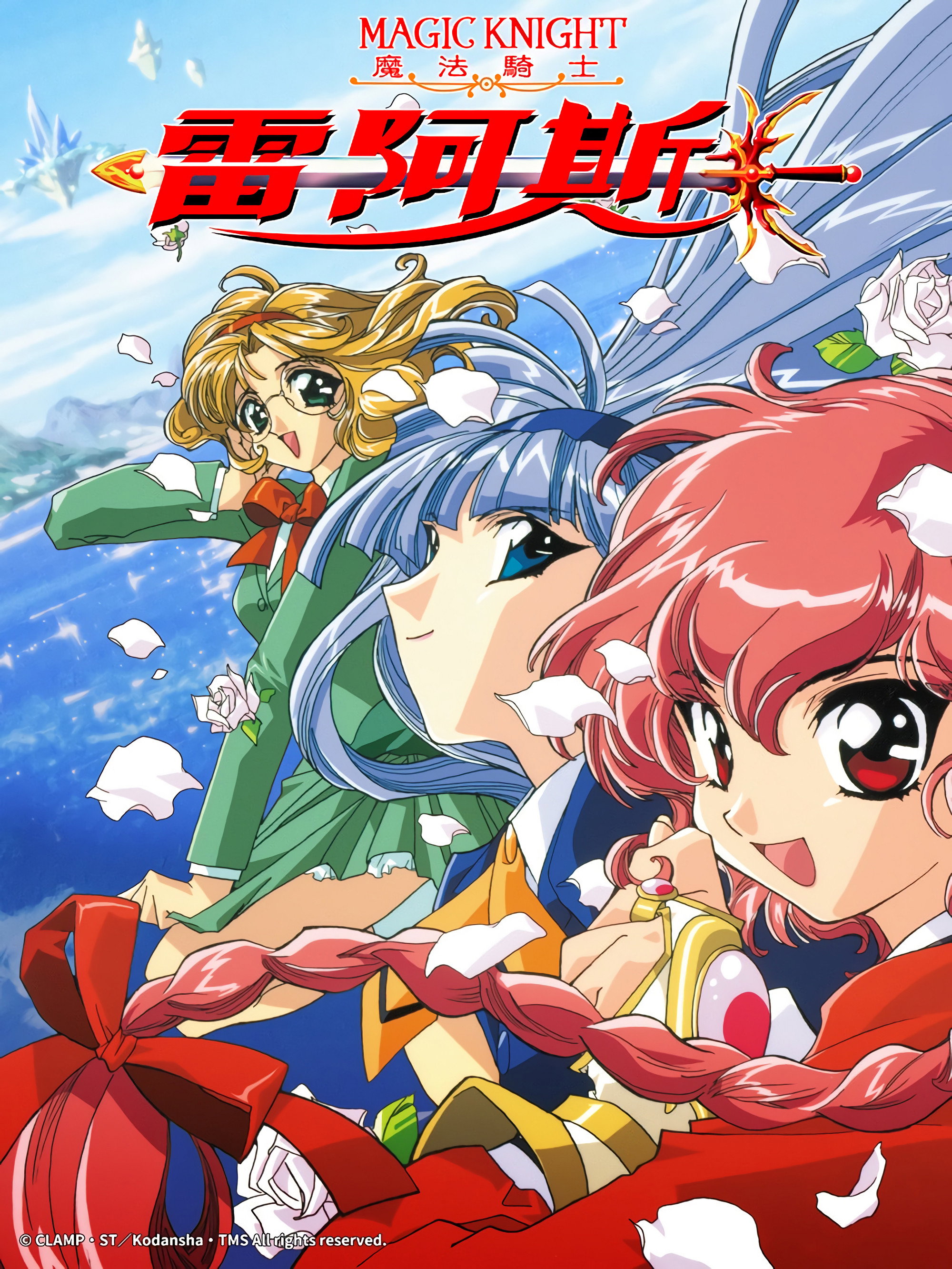
The History of Magic Knight Rayearth
Magic Knight Rayearth from a 1993 Nakayoshi serial to the 2026 remake anime: the manga, the TMS series, the OVA, the last American Saturn game, and four English…
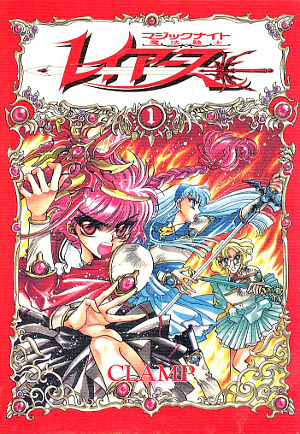
How Was Magic Knight Rayearth Created?
How CLAMP built Rayearth for Nakayoshi: an editor’s commission, Sailor Moon’s shadow, a formula of robots plus RPGs plus fantasy, and names borrowed from cars.
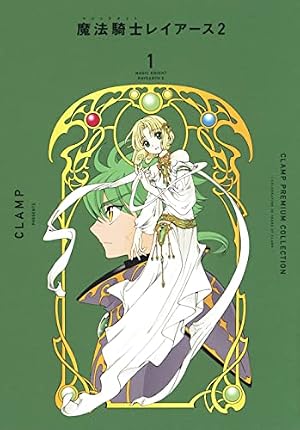
Why Does the Rayearth Anime End Differently from the Manga?
The Rayearth anime’s second season departs from CLAMP’s manga: anime-only villains Nova and Lady Debonair, a dead Presea, and a different road to the same refusal.
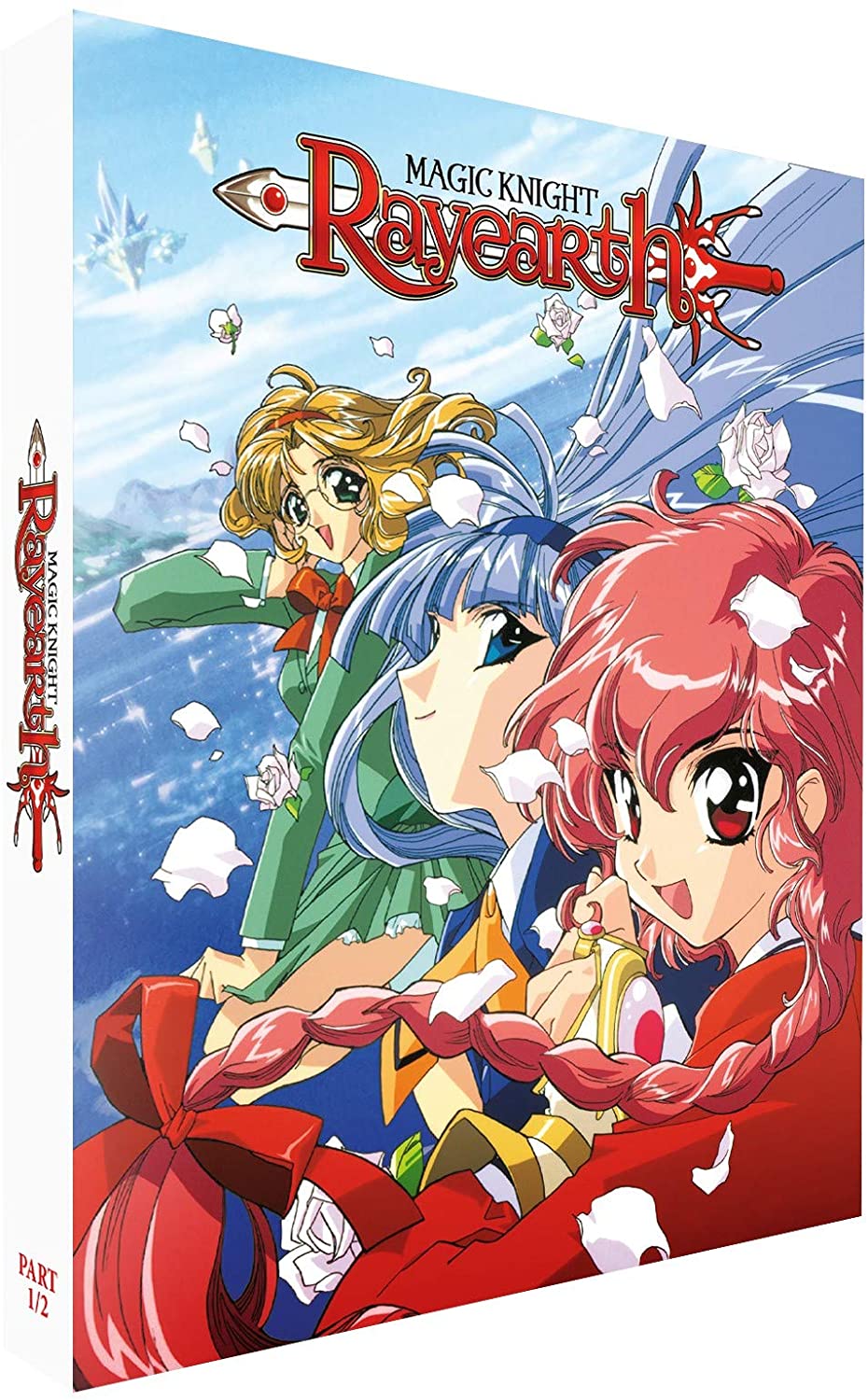
What Is the Rayearth OVA?
Rayearth, the 1997 three-part OVA: CLAMP’s story retold as a dark fantasy invasion of Tokyo, with the same cast in a different story entirely.
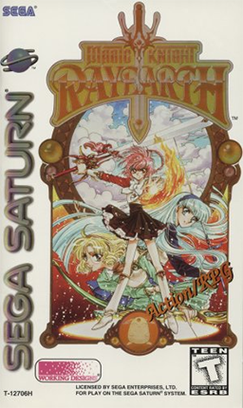
What Magic Knight Rayearth Games Are There?
The Rayearth games, 1994 to 2021: the Saturn action RPG, Super Famicom and Game Boy RPGs, Game Gear and Pico oddities, and the Super Robot Wars crossings.
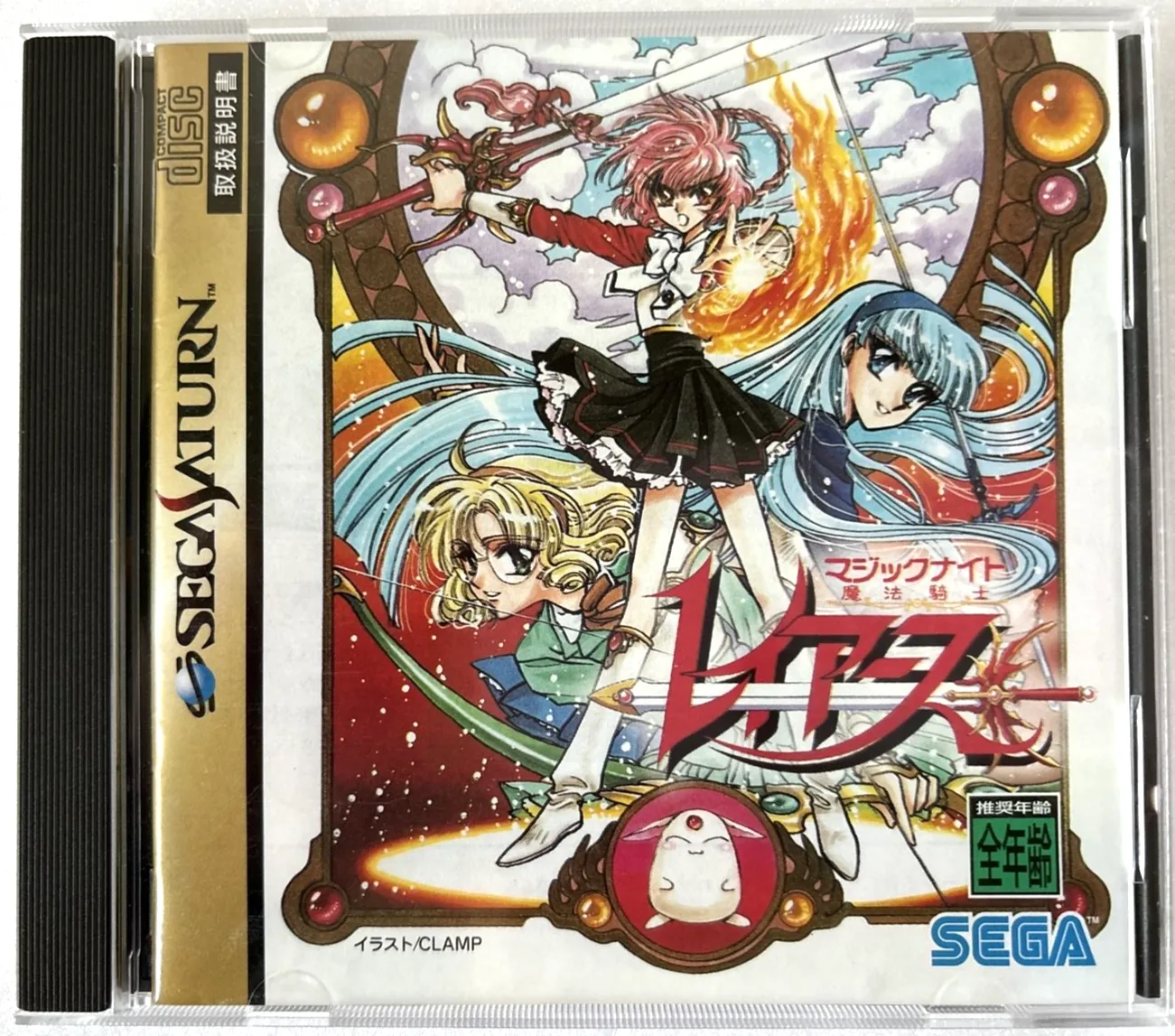
How Did Rayearth Become the Last Saturn Game in America?
The Saturn Rayearth was announced with the console in 1994, released in Japan in 1995, and shipped in America on December 11, 1998: the last Saturn game there.
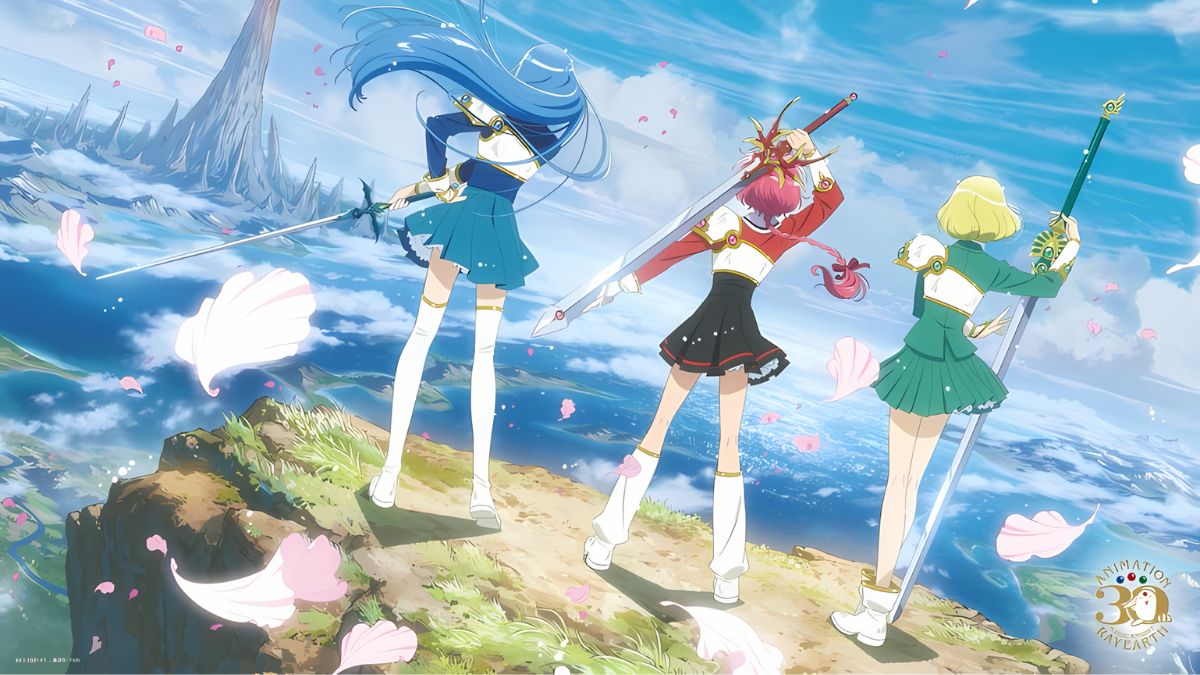
What Is the New Magic Knight Rayearth Anime?
The 2026 Magic Knight Rayearth remake: announced July 2, 2024 for the anime’s 30th anniversary, premiered October 7, 2026, by TMS and E&H Production.
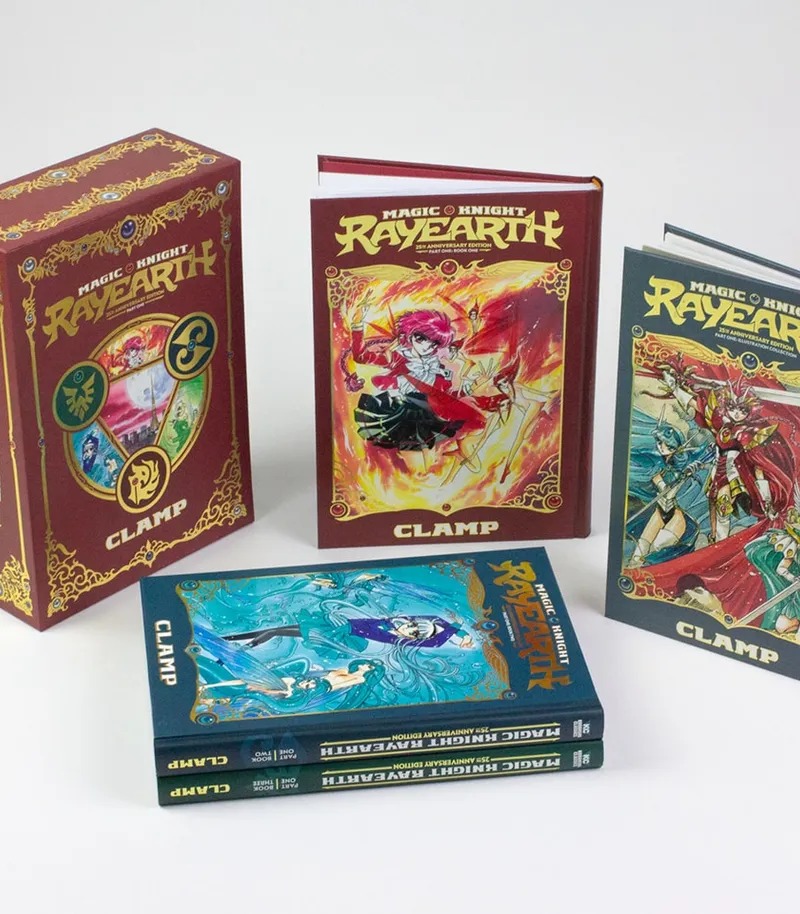
What Are the English Editions of Magic Knight Rayearth?
Rayearth in English, four times over: Tokyopop’s flipped MixxZine-era volumes, the unflipped re-release, Dark Horse’s omnibus, and Kodansha’s anniversary hardcovers.
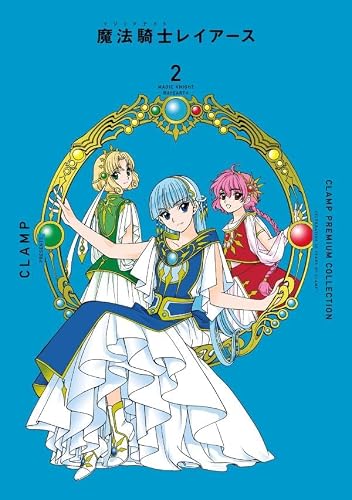
Who Are the Magic Knights?
Hikaru Shidou, Umi Ryuuzaki, and Fuu Hououji: three eighth-graders, three elements, three Rune-Gods, and a cast named after cars.

What Is Mokona?
Mokona, the Magic Knights’ white guide: a manjū-like creature who says only “Puu,” feeds the party from the gem in its forehead, and is not what it seems.
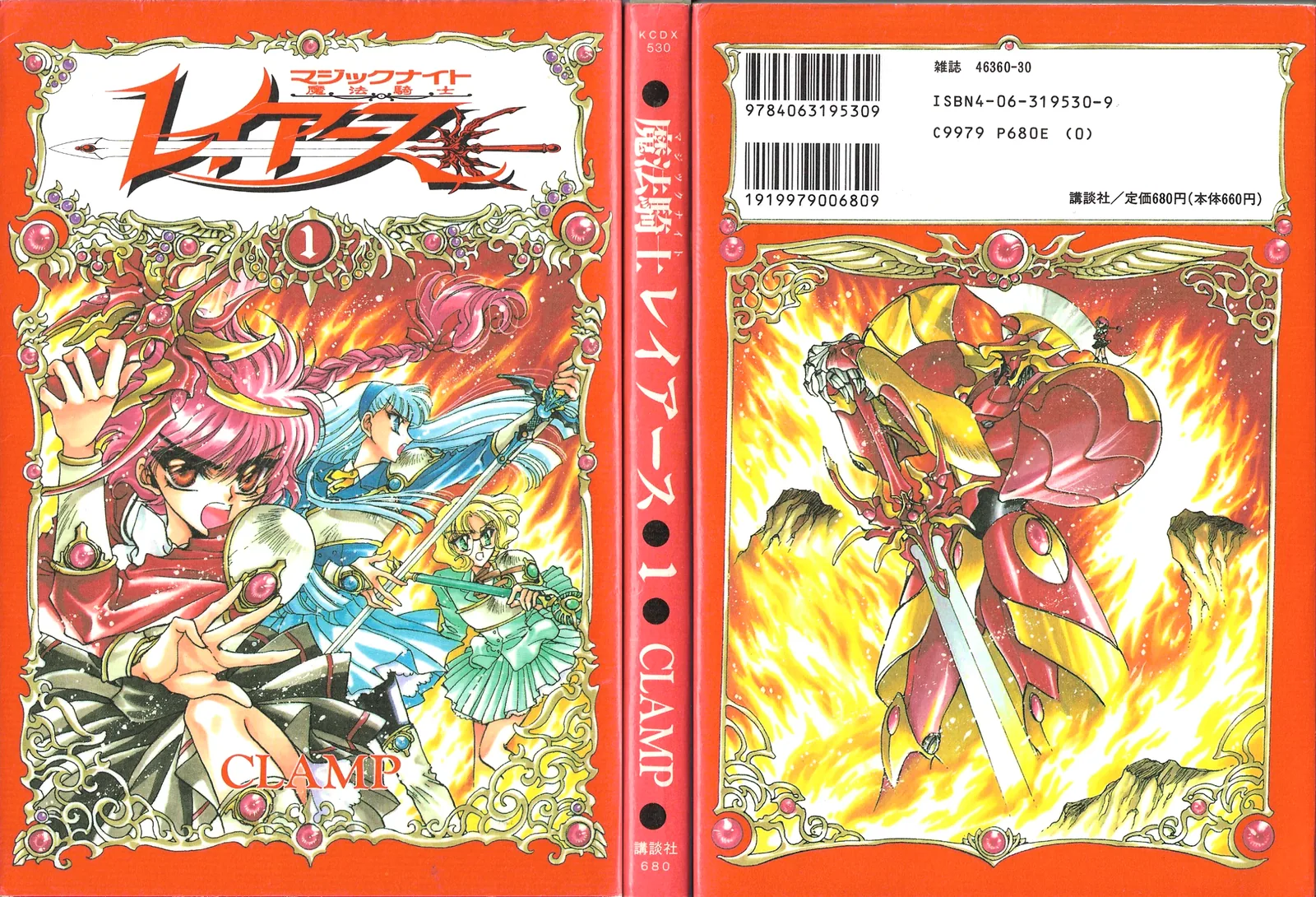
How Can You Tell a First Printing of Rayearth?
Identifying first printings of Magic Knight Rayearth: the six Kodansha ISBNs and dates, and how to separate Tokyopop’s flipped first edition from its unflipped…
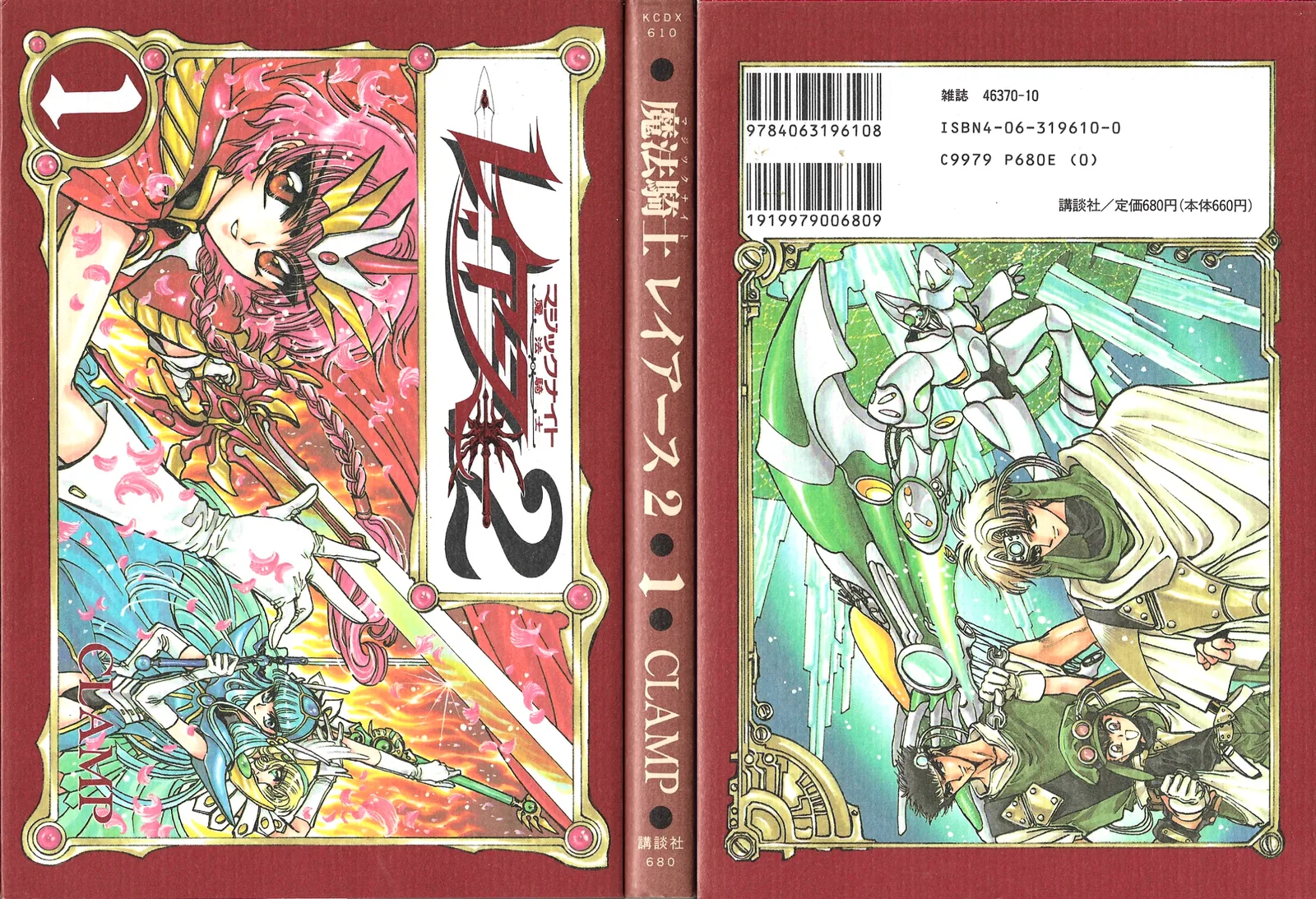
What Are the Rune-Gods?
The Mashin of Cephiro: Rayearth the fire wolf, Selece the water dragon, and Windam the wind bird, living gods who are also giant robots.
MARVEL HEROES
3 shelves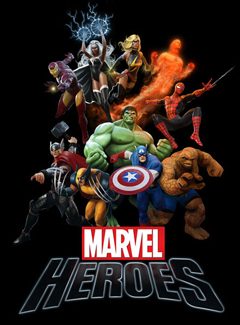
What is Marvel Heroes, the Diablo-style Marvel RPG?
A deliberate post-vintage exception, shelved at the owner's request for the Brevik lineage: the free 2013 Marvel action RPG Diablo's creator built at Gazillion.
What did Diablo's creator change when he made a Marvel game?
The systems Brevik carried over from Diablo, the ones he replaced for a free Marvel MMO, and the 2017 redesign he did not make.
Why did Marvel Heroes shut down in 2017?
Disney ended the licence without stating a cause; the servers closed on November 27, 2017, and the reported accounts are labeled here as reported, not established.
MEDIEVIL
6 shelves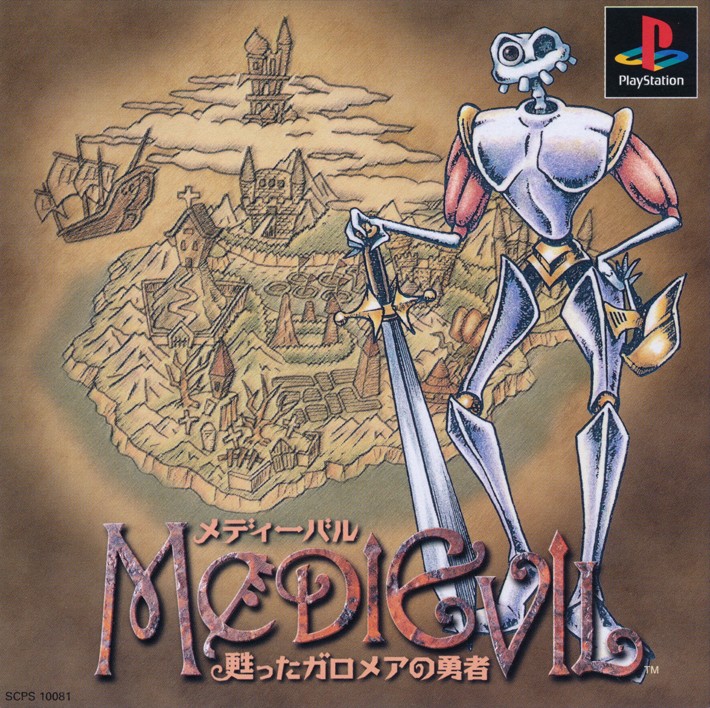
The MediEvil Gallery
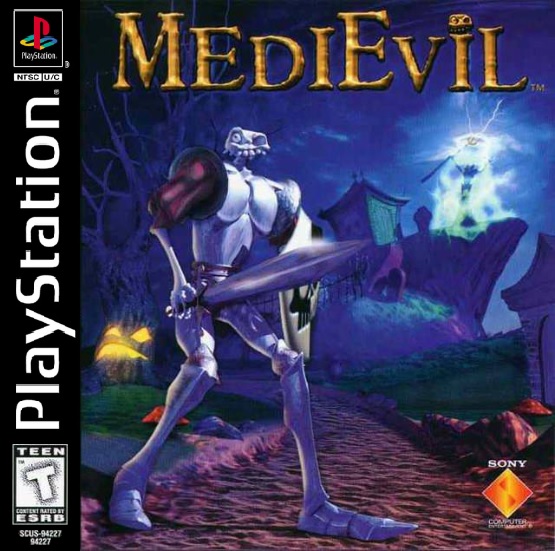
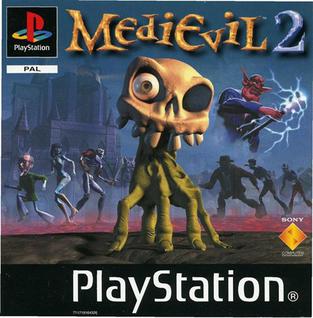
Sir Daniel Fortesque's boxes side by side: the European, American, and Japanese covers, the helmet Japan added, with both histories and the questions behind them.
The History of MediEvil
Millennium Interactive's 1998 original: Chris Sorrell, the Sony buyout, Sir Daniel's design, the editions, the scores, and the 2019 remake.
The History of MediEvil 2
The 2000 sequel in Victorian London: James Shepherd, Lord Palethorn, the Dan Hand, the BAFTA win, and the scores.
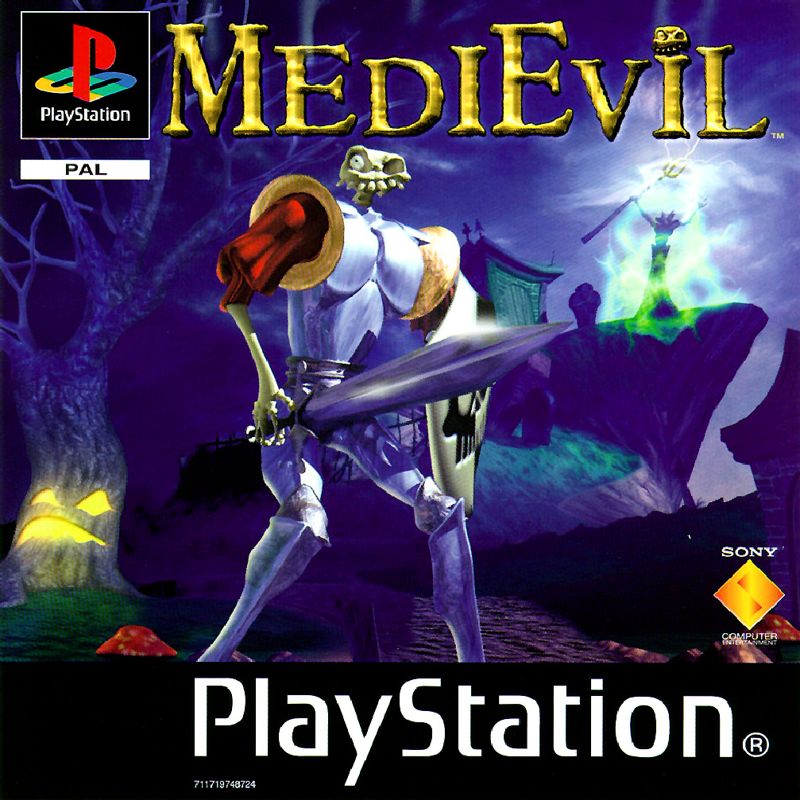
What inspired MediEvil?
Ghouls 'n Ghosts drawn by Tim Burton, in creator Chris Sorrell's own pitch.
How was MediEvil released in Japan?
Last, renamed, and re-covered, and the skeleton hero proved a strange sell.
Why does Sir Daniel Fortesque have one eye?
The first arrow of the battle he never fought took it, and the king covered the story up.
MEGA MAN
31 shelfs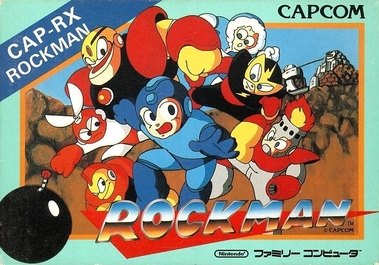
The Mega Man Gallery
The Japanese and American boxes for the classic series side by side, from the 1987 original to Mega Man 11, with their histories and the questions behind them.
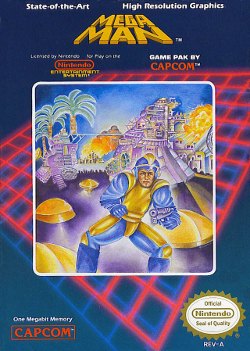
The History of Mega Man
Capcom's six person team invents the template in 1987: Kitamura's concept, Inafune's art, Matsumae's three note score, and a sleeper hit.
What inspired Mega Man?
Astro Boy, on the artist's own record, plus American comics, Santa Claus and Einstein, and a Famicom palette with more blues than anything else.
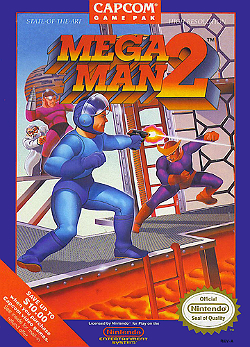
The History of Mega Man 2
The sequel Capcom never ordered, built in the team's own time in three to four months, with 8,370 fan boss designs and Tateishi's soundtrack.
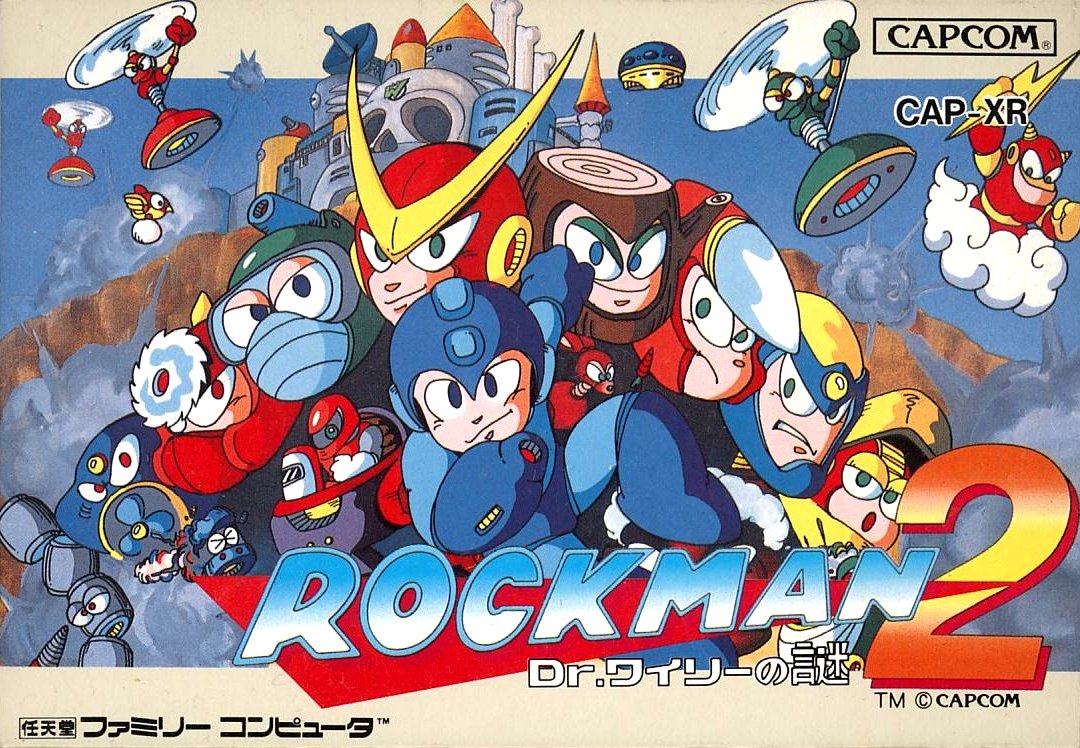
Why was Mega Man 2 the best-selling Mega Man game for thirty years?
1.51 million copies from an unauthorized side project that fixed every complaint on the list, until Mega Man 11 finally passed it.
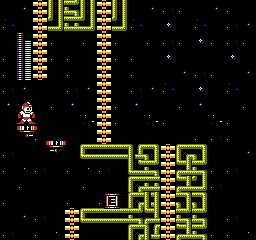
Why is Mega Man 2's Dr. Wily theme so famous?
Takashi Tateishi built it from eight measures repeated under data limits, and the rankings canonized the compromise.
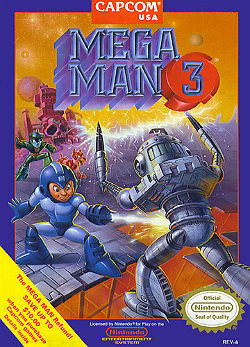
The History of Mega Man 3
Rush, the slide, and a brother named Blues, shipped in September before it was ready, over Inafune's on record protest.
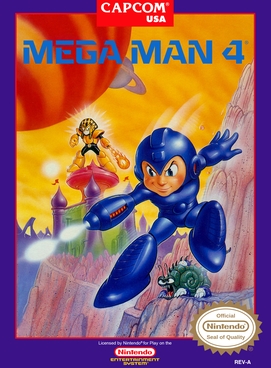
The History of Mega Man 4
Dr. Cossack, the charge shot, 70,000 contest drawings, and the eight golden cartridges that are now among the rarest objects in the hobby.
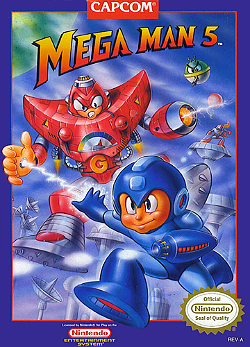
The History of Mega Man 5
Proto Man framed by an impostor, the Nintendo Power contest's 130,000 submissions, and Beat, the bird held over from Mega Man 3.
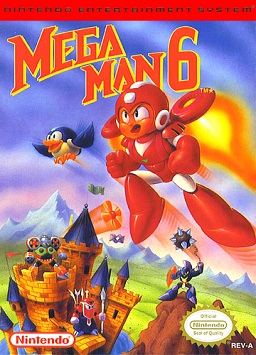
The History of Mega Man 6
The last NES entry, published in America by Nintendo after Capcom passed, with two Robot Masters designed by North American fans.
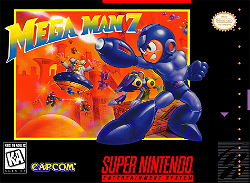
The History of Mega Man 7
Three months, 220,000 contest drawings, a rival named Bass, a versus mode built in two days, and an ending America and Japan wrote differently.
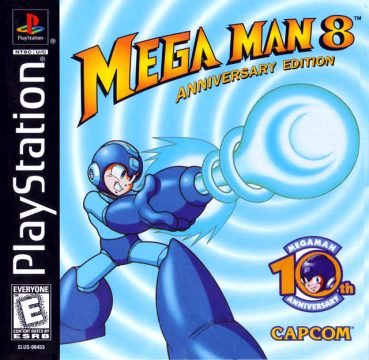
The History of Mega Man 8
The tenth anniversary game: anime cutscenes, Duo and the Evil Energy, and the Saturn version that kept the extra bosses and songs.
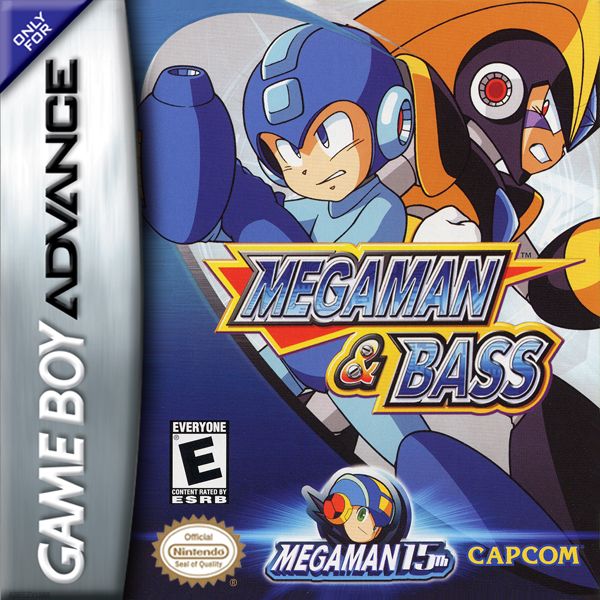
The History of Mega Man & Bass
Rockman & Forte, the Mega Man 8.5 built for Super Famicom players in 1998, King's robot rebellion, and the 100 CD database.
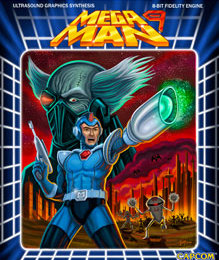
The History of Mega Man 9
The 2008 download revival: an engine that simulates an NES, Splash Woman, and fake box art embracing the worst cover in the medium.
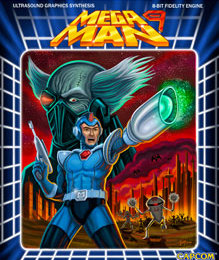
Why did Mega Man 9 go back to 8-bit?
Capcom's management wanted 3D. The team wanted to surpass Mega Man 2, and called the result the new Mega Man 3.
METAL GEAR
20 shelves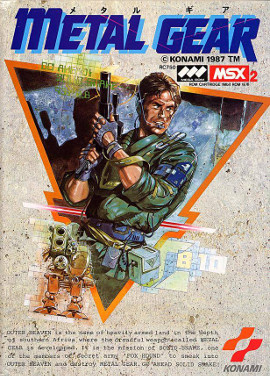
Why is the original Metal Gear a stealth game?
The MSX2 could not show the firefight Konami ordered, in Kojima's own GDC account. Hiding became the combat.
What inspired Metal Gear?
The Great Escape first, then the films Kojima named himself in his 1999 interview and his 2004 essays.
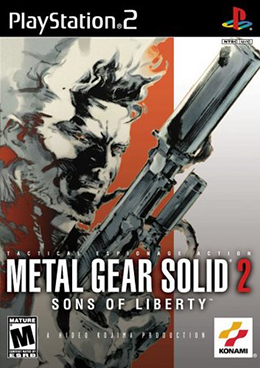
Why did Metal Gear Solid 2 replace Snake with Raiden?
A Watson to watch the legend through, per Kojima and the design document, and the secrecy campaign that hid him.
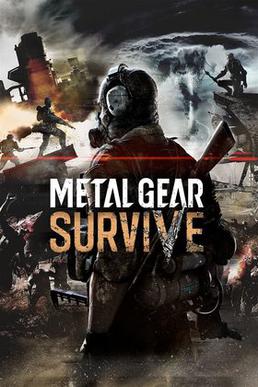
What happened to Metal Gear after Kojima left Konami?
Survive, five quiet years, the Master Collection, and Delta, the remake its producer called too faithful.
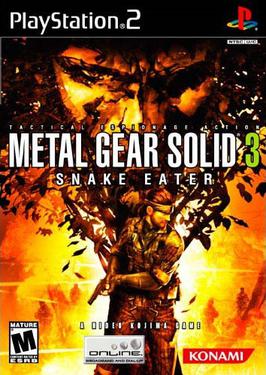
Why does Snake Eater sound like a James Bond theme?
Hideo Kojima asked for a Bond style theme, the budget was gone, and Norihiko Hibino wrote one himself for Cynthia Harrell to sing.
What is the original Metal Gear (1987) for MSX2?
The 1987 MSX2 original explained: why Hideo Kojima built a stealth game out of hardware limits, and how the MSX2 version differs from the famous NES port.
What is Metal Gear 2: Solid Snake?
Kojima's real sequel explained: the 1990 MSX2 game the West skipped for 16 years, and why it is the bridge to Metal Gear Solid.
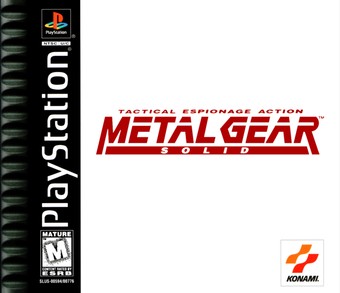
What is Metal Gear Solid, and what is The Twin Snakes?
The 1998 PlayStation landmark and its 2004 GameCube remake compared: what Silicon Knights changed, what stayed, and which version collectors argue about.
What is Metal Gear Solid 3: Snake Eater?
The 2004 jungle prequel explained: Naked Snake, The Boss, survival mechanics, and the Subsistence edition that fixed the camera.
What is Metal Gear Solid Delta: Snake Eater?
Konami's Unreal Engine 5 remake of Snake Eater explained: what was rebuilt, what was deliberately kept, and how it relates to the 2004 original.
What is Metal Gear Solid 4: Guns of the Patriots?
The 2008 PlayStation 3 finale explained: Old Snake, the war economy, and the game that closed Solid Snake's story while staying locked to one console.
What is Metal Gear Solid: Peace Walker?
The PSP entry that built Outer Heaven explained: co-op missions, base building, and the HD version that brought a handheld game to consoles.
What is Metal Gear Solid V? Ground Zeroes and The Phantom Pain
The two part fifth game explained: the short 2014 prologue and the vast 2015 open world finale, and why the split still defines how the series ended.
What are the Metal Gear spin-offs? Rising, Ghost Babel, Acid and Portable Ops
Beyond the numbered games: Platinum's character action Revengeance, the Game Boy Color's lost gem, the card based Acid pair and Portable Ops explained.
Who is Hideo Kojima?
Hideo Kojima created Metal Gear in 1987 and directed every main entry until 2015. This page covers his Konami decades, the split, and Kojima Productions.
METROID
30 shelves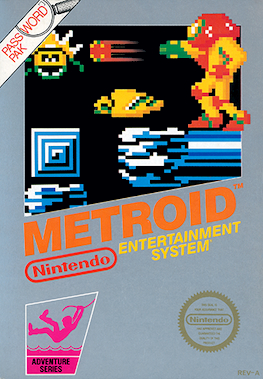
The Metroid Gallery
Every main Metroid box, documented: North American covers from the 1987 NES grey box to Metroid Dread and Prime 4 Beyond key art, with the editions in between.
The History of Metroid
Metroid from the 1986 Famicom Disk original to Prime 4 Beyond: the peaks, the two long silences, the 2002 double launch and the MercurySteam revival.
What Metroid games are there?
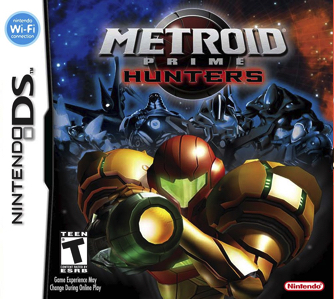
The complete Metroid census: all seventeen releases from the 1986 Famicom Disk original to Prime 4 Beyond, with platforms, developers and documented sales.
How was the first Metroid made?
Metroid (1986) behind the scenes: R&D1 and Intelligent Systems, Yokoi producing, Kiyotake designing Samus, Hip Tanaka composing, and the mid-development twist.
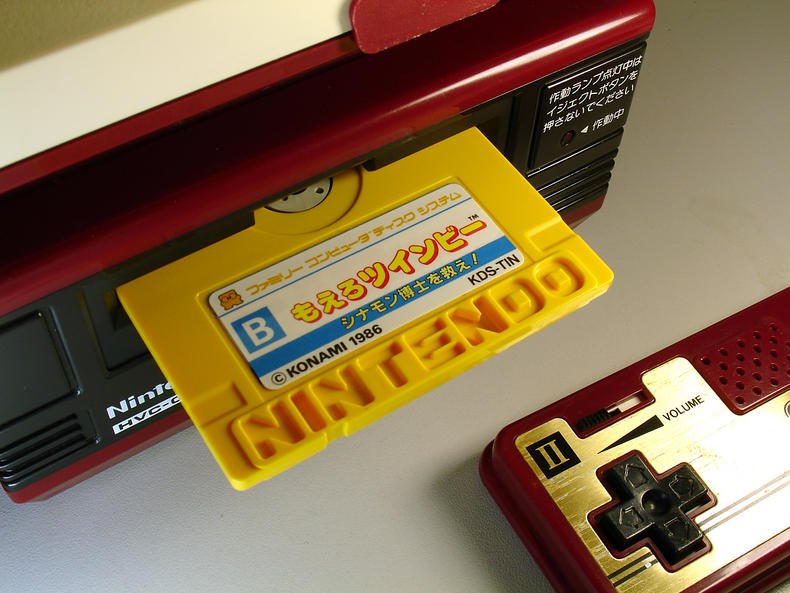
How did the Famicom Disk Metroid differ from the NES version?
Metroid Famicom Disk System vs NES: three save files against 24-character passwords, the extra sound channel, the siren countdown, and the missing suitless Samus.
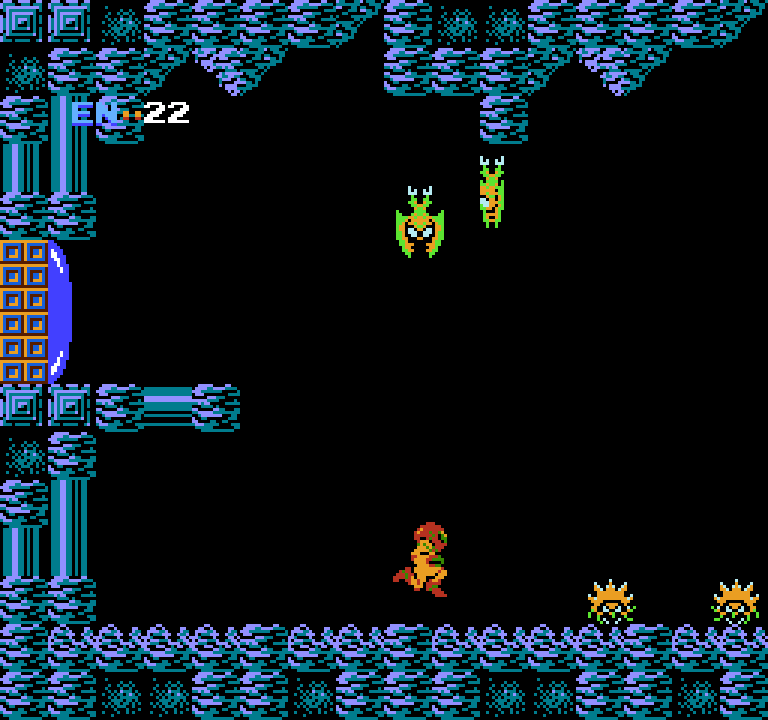
Why did America’s Metroid use passwords?
Why the NES Metroid uses 24-character passwords: the battery budget went to Zelda, and the workaround produced JUSTIN BAILEY and NARPAS SWORD.
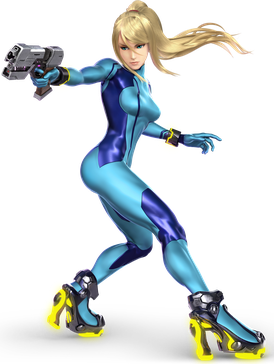
What is Samus Aran’s backstory?
Samus Aran’s backstory documented: K-2L and its destruction, Old Bird and the Chozo adoption, the DNA infusion, and how the 2002 manga codified it.
Who designed Samus Aran?
Who designed Samus Aran: Makoto Kano created the character, Hiroji Kiyotake designed the suit, and the famous reveal was a mid-development suggestion.
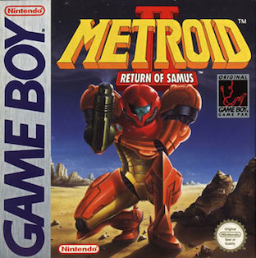
How has Samus’s suit changed?
Samus’s suit design evolution: Kiyotake’s 1986 original, the Varia silhouette fixed by Metroid II, Prime’s sculpture, the Fusion organism, the Zero Suit and…
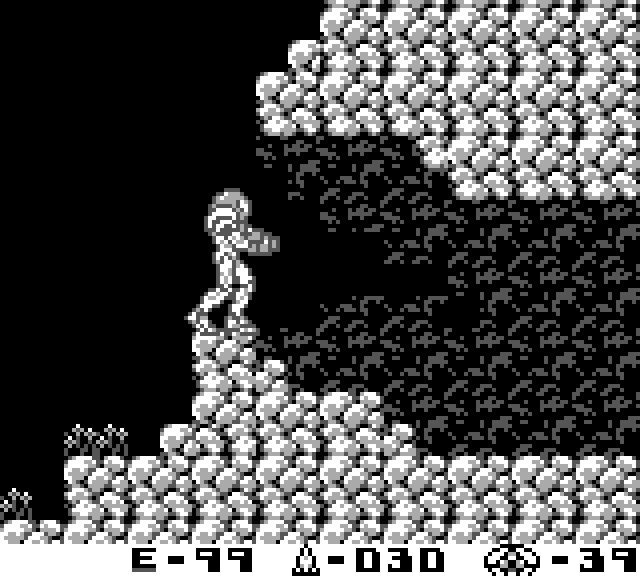
What did Metroid II add to the series?
What Metroid II (1991) added: the final Varia silhouette, battery saves, the Spider Ball, the Metroid life cycle and Queen, and the baby Metroid ending.
Why is Super Metroid a design landmark?
Why Super Metroid is a design landmark: teaching without text, the animal tutorials, environmental storytelling, and the EGM best-game-ever verdict.
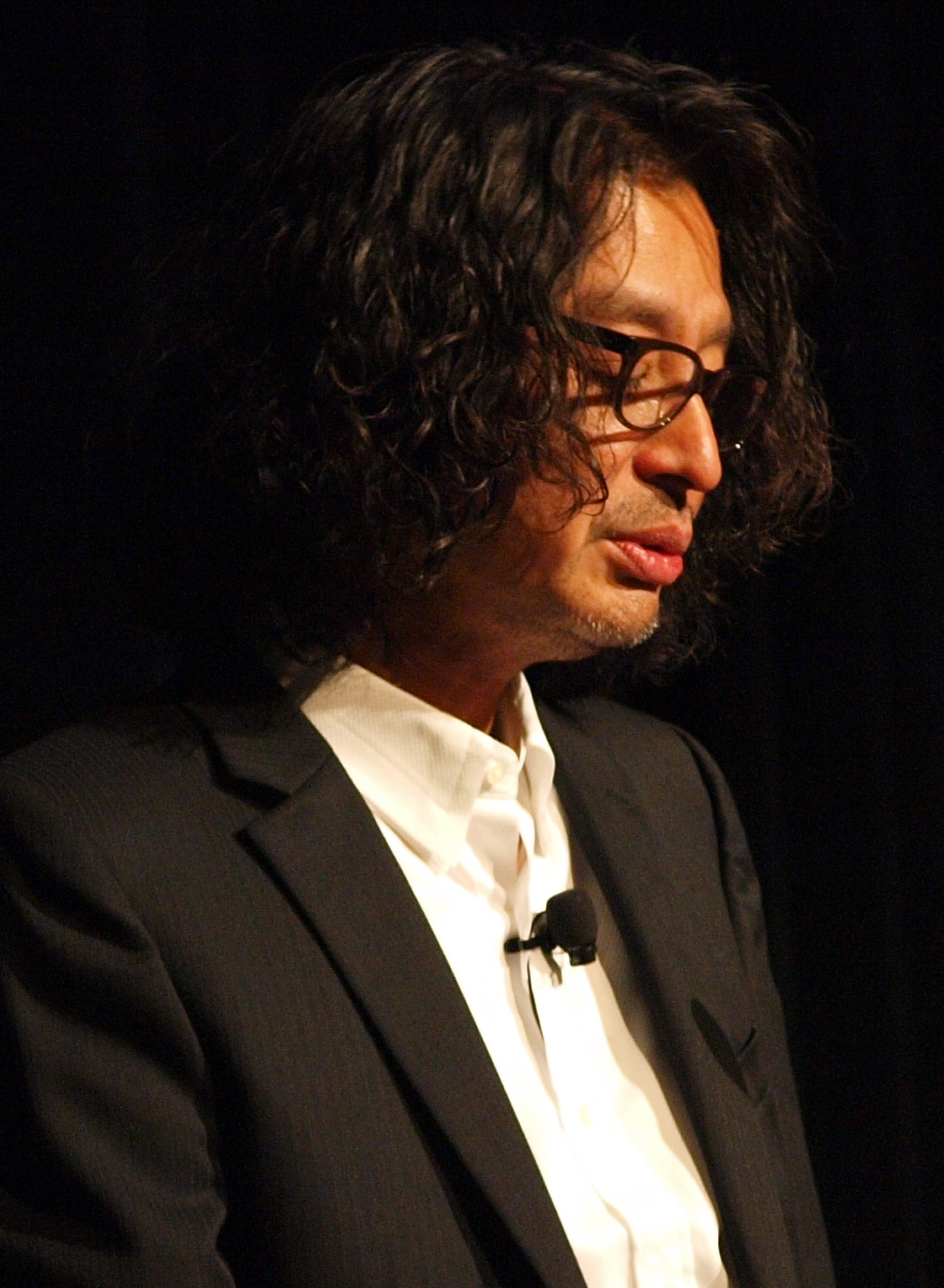
How was Super Metroid made?
How Super Metroid was made: R&D1 with Intelligent Systems, Sakamoto directing, Kano producing, Yamamoto humming themes on a motorcycle, and the 24-megabit cartridge.
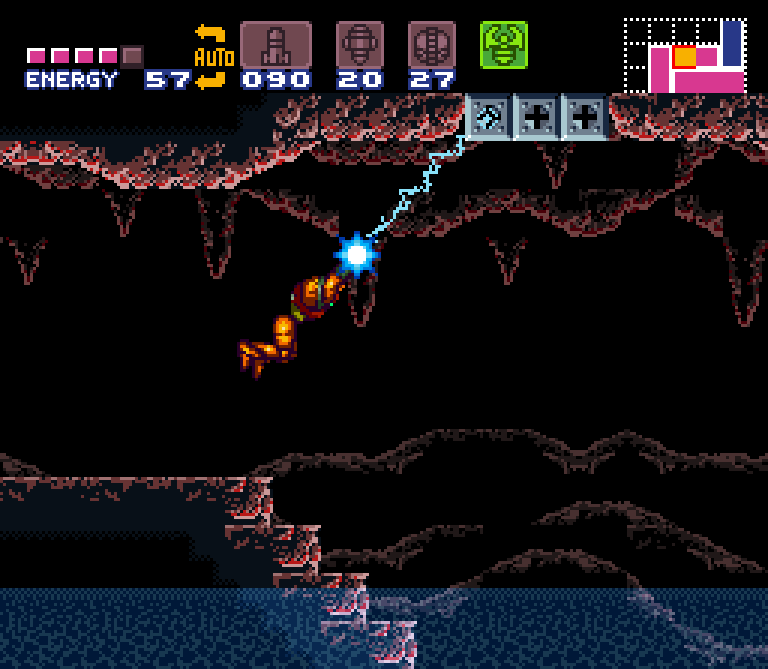
What is sequence breaking in Super Metroid?
Sequence breaking in Super Metroid explained: the wall jump and Shinespark the animals teach, early items, skipped bosses, and why the design tolerates it.
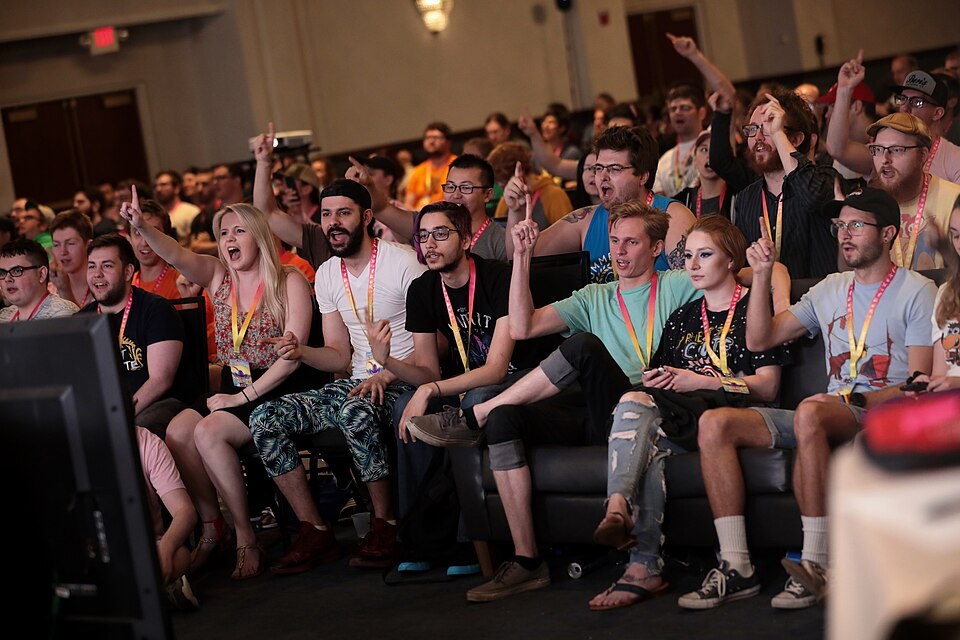
Why do speedrunners race Super Metroid?
Why speedrunners race Super Metroid: the series’ timed endings since 1986, the categories, and GDQ’s Save the Animals donation war.
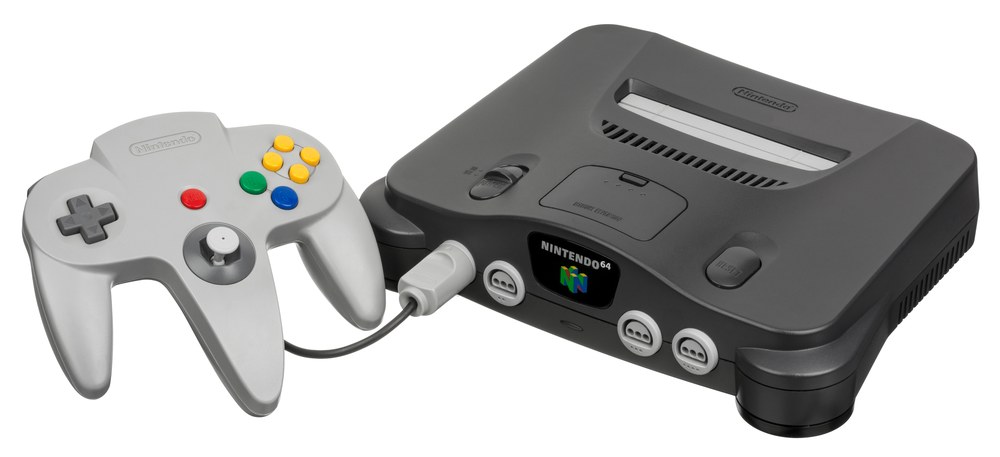
Why is there no Metroid on Nintendo 64?
Why there is no N64 Metroid: Sakamoto’s controller objection, the outside studio that declined, and the eight-year gap Super Metroid left behind.
MONSTER HUNTER
35 shelves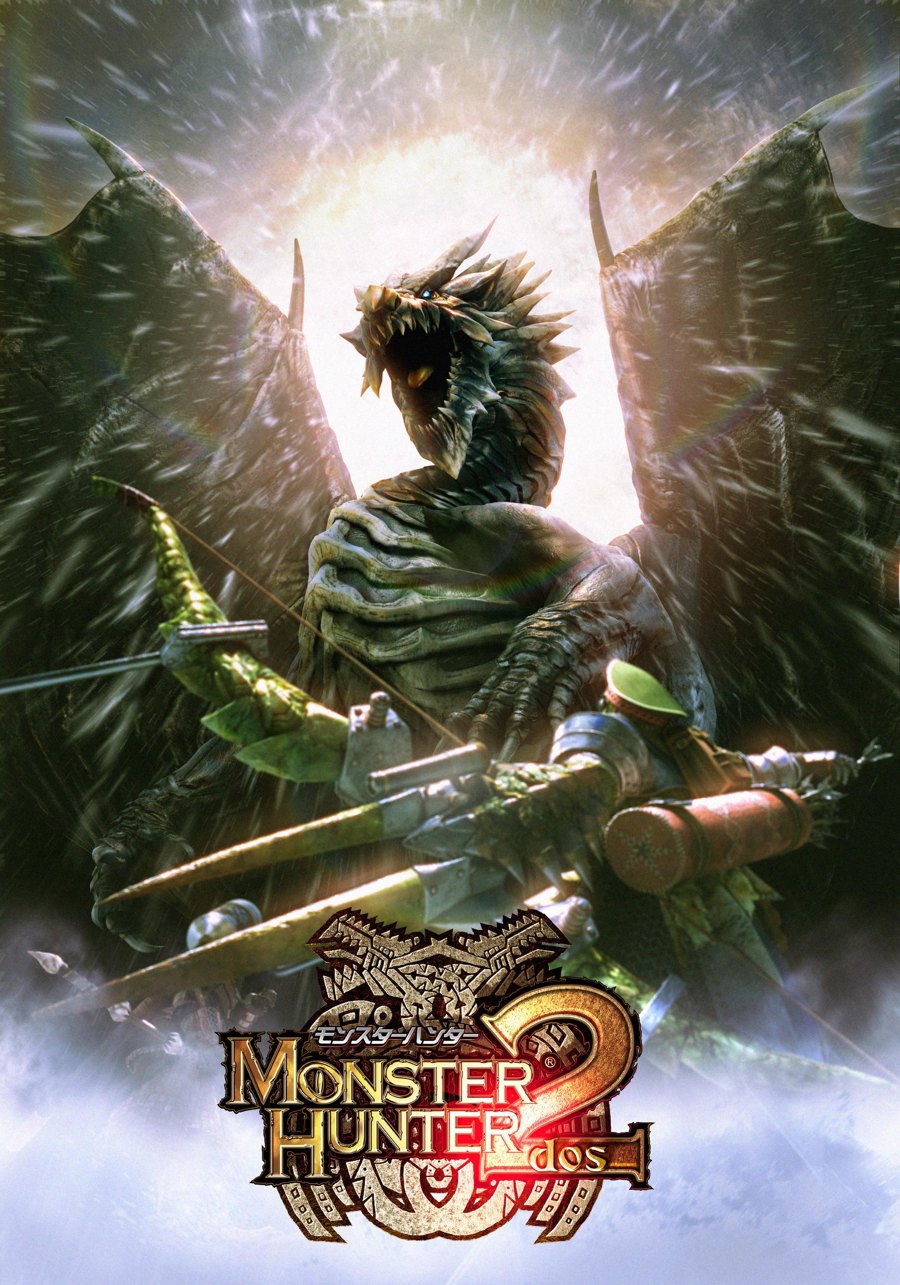
What is the history of Monster Hunter?
The history of Monster Hunter from the 2004 PlayStation 2 original to Wilds: the PSP phenomenon in Japan, the Nintendo years, World's global breakthrough, and…
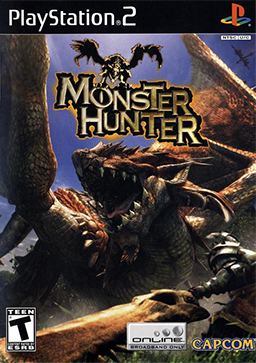
What was the first Monster Hunter game?
The first Monster Hunter, released for PlayStation 2 in Japan on March 11, 2004: right-stick sword swings, online hunts, Rathalos on the cover, and the two…
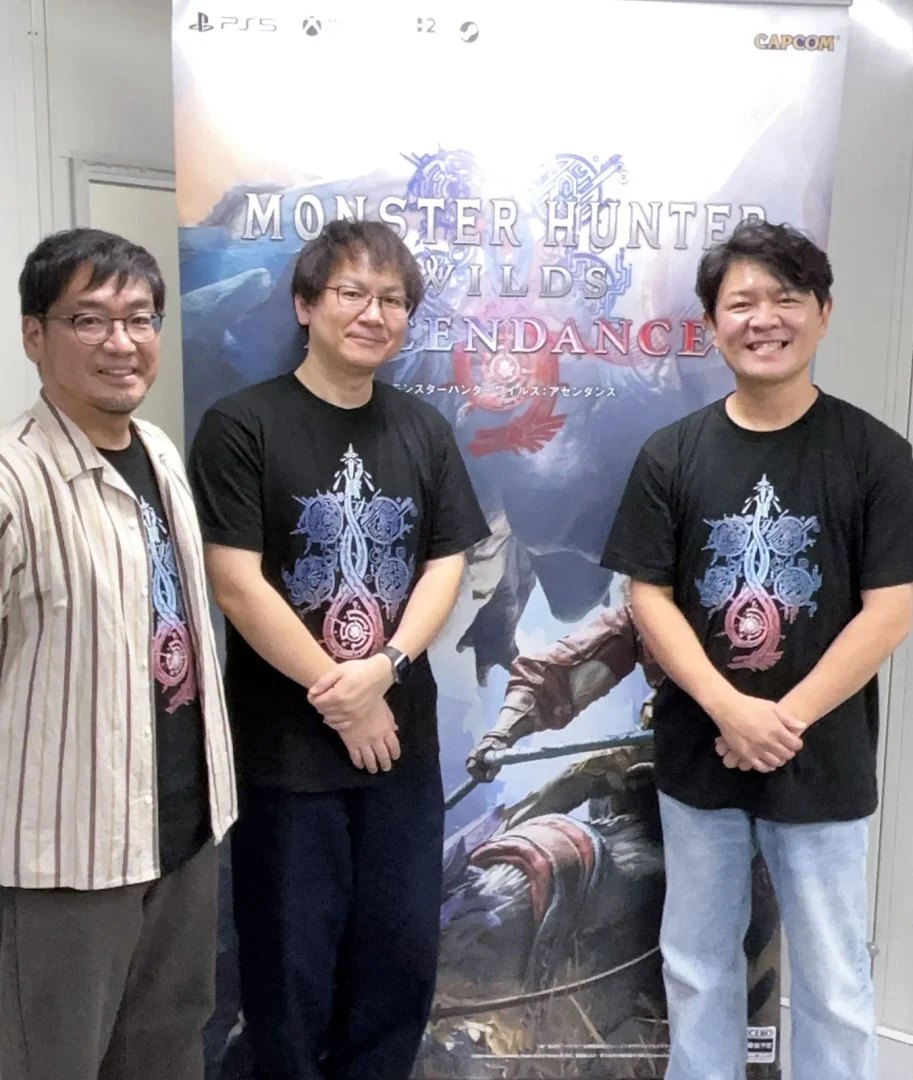
Who created Monster Hunter?
Who created Monster Hunter: director Kaname Fujioka, series producer Ryozo Tsujimoto, World and Wilds director Yuya Tokuda, and the Capcom studio culture that…
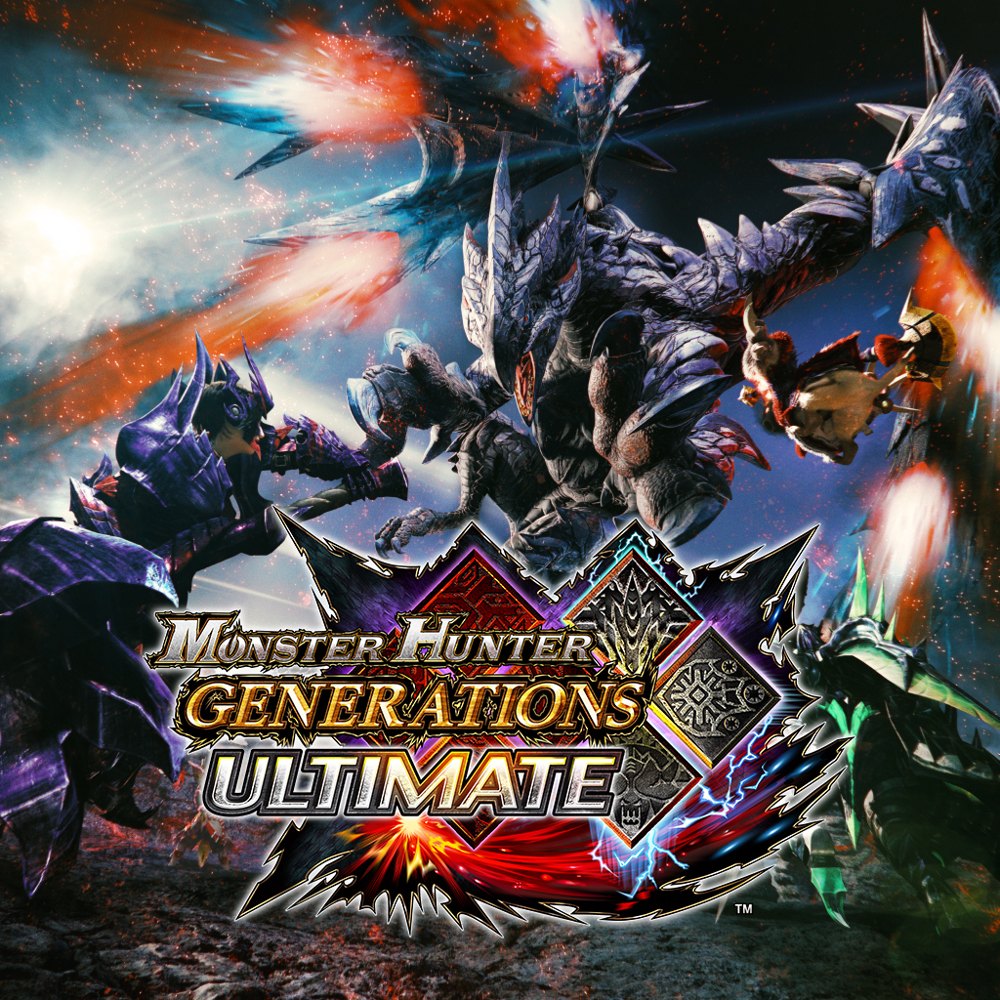
How many Monster Hunter games are there?
How many Monster Hunter games there are: six generations of mainline releases, the expansions, the Frontier MMO, the Stories RPGs, and the mobile line, counted…
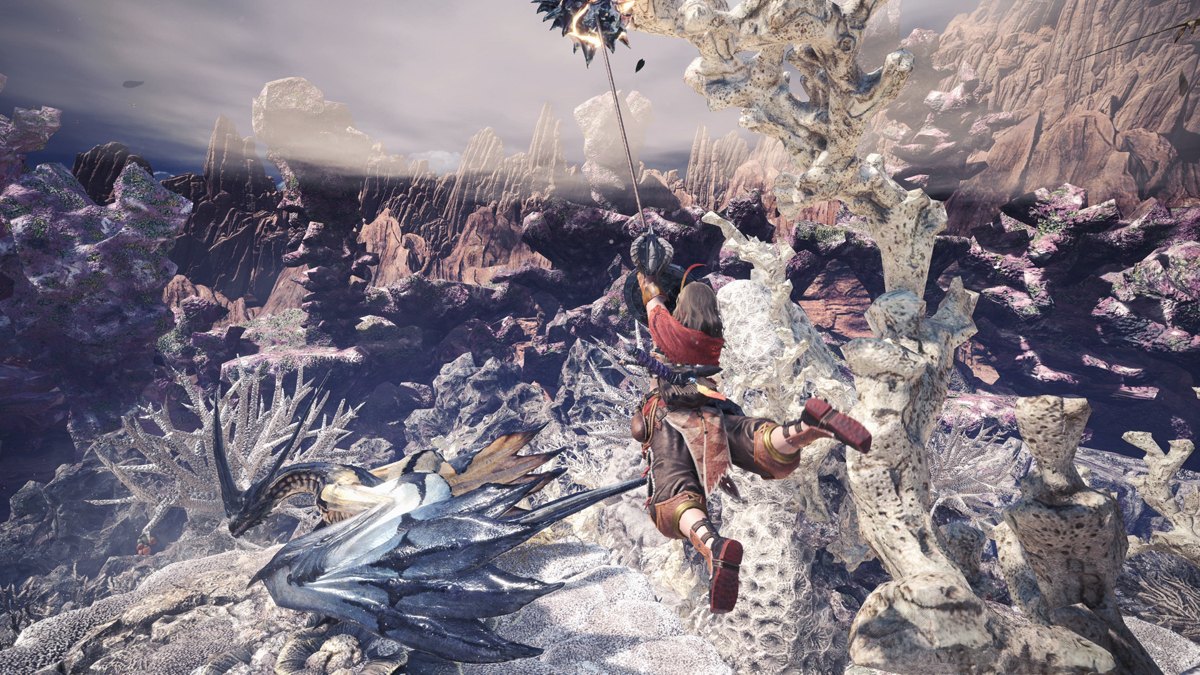
How many copies has Monster Hunter sold?
Monster Hunter sales, verified from Capcom's published figures: the series past 130 million, World as Capcom's best-selling title ever, and the strange empty gap…
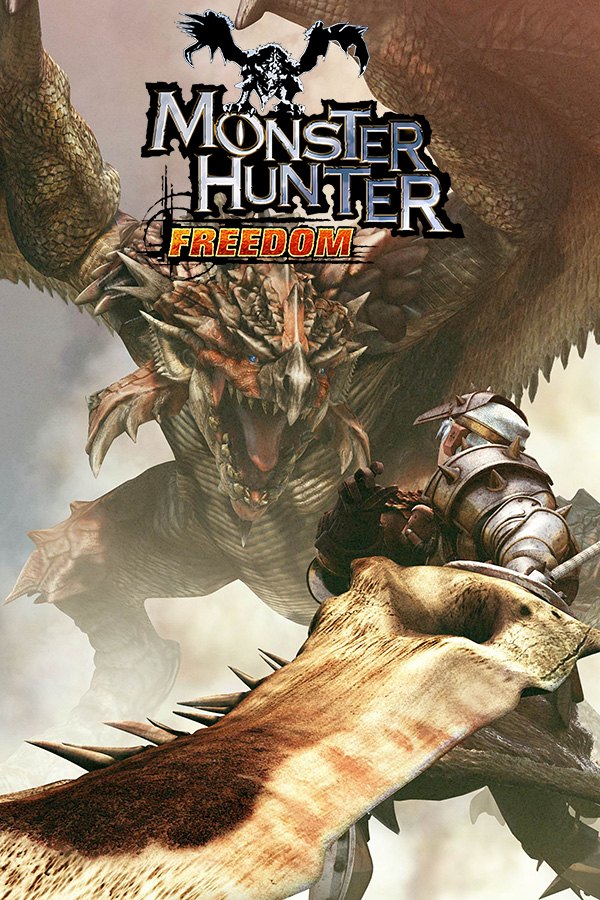
Why did Monster Hunter explode on the PSP in Japan?
Why Monster Hunter became a social phenomenon on the PSP in Japan between 2005 and 2010: local wireless hunting, trains and cafés, Freedom Unite as 2008's…
What was Monster Hunter Portable 3rd?
Monster Hunter Portable 3rd, the December 2010 PSP game that sold 2.58 million copies in two weeks in Japan, introduced Zinogre, and was never released in the West.
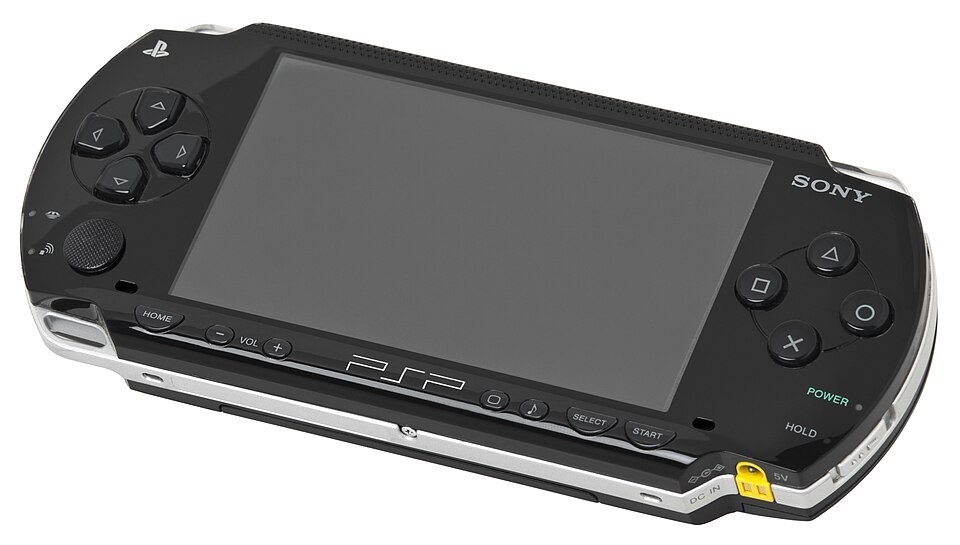
How did Japanese hunters play together before online Monster Hunter?
Japan's ad-hoc Monster Hunter culture: local PSP wireless, hunting parties in public, and Sony's adhoc Party service of October 2008, which used a PlayStation 3…
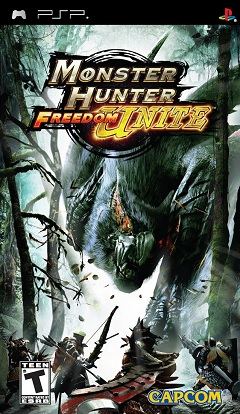
Why is Monster Hunter Freedom Unite still the PSP era's high-water mark?
Monster Hunter Freedom Unite (Portable 2nd G, March 2008): Nargacuga's debut, G-rank, 3.8 million copies, and the longest tail of any handheld entry, kept alive…
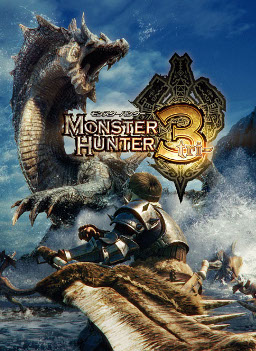
What did Monster Hunter Tri change?
Monster Hunter Tri (Wii, August 2009): the move from PlayStation, underwater combat, the Switch Axe, a near-total bestiary reboot, Famitsu's 40/40, and the…
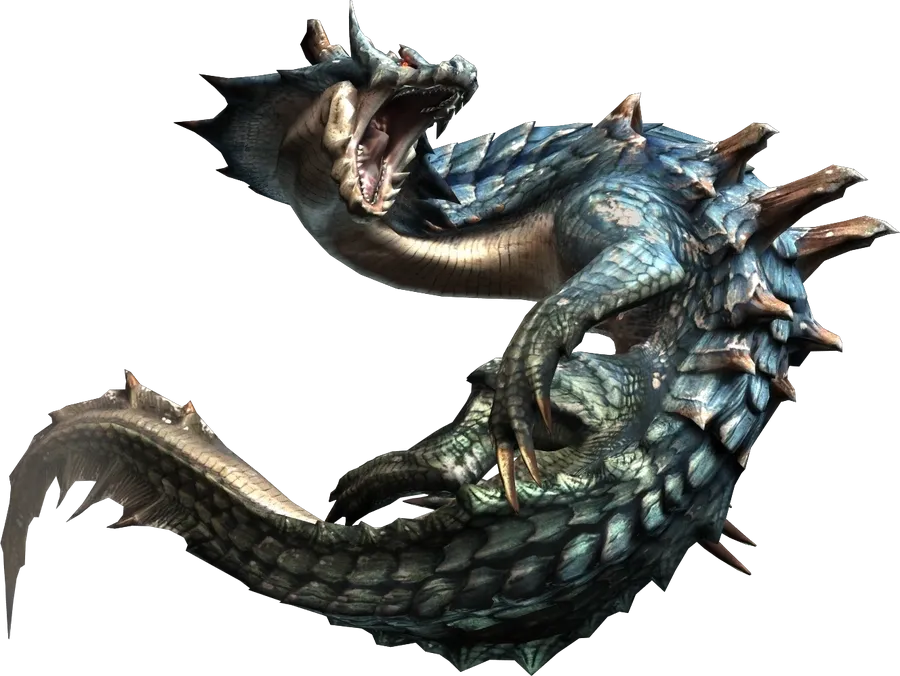
Whatever happened to underwater combat?
The story of Monster Hunter's underwater combat: introduced in Tri, kept in 3 Ultimate, and abandoned after director Kaname Fujioka judged its development cost…
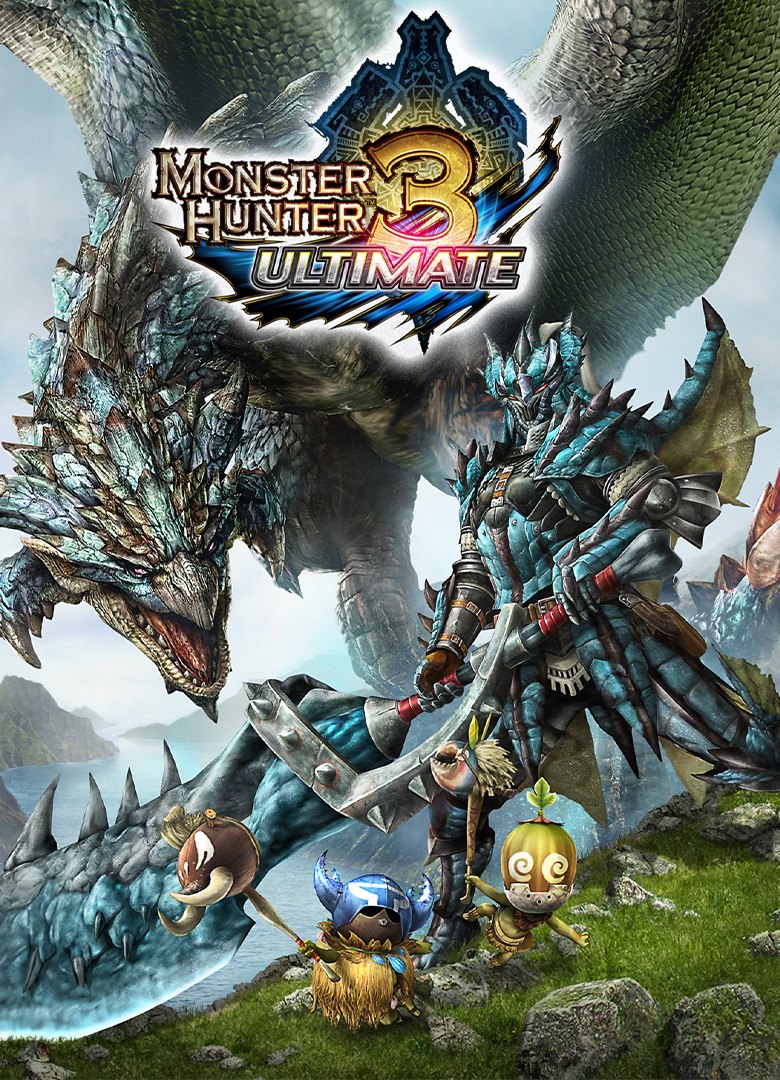
What was Monster Hunter 3 Ultimate?
Monster Hunter 3 Ultimate: the 3DS expansion of Tri (Japan, December 2011), its Wii U HD edition, Brachydios, and the March 2013 Western release that brought HD…
What did Monster Hunter 4 add?
Monster Hunter 4 (3DS, September 2013): vertical terrain, mounting, the Insect Glaive and Charge Blade, the Frenzy Virus, Gore Magala, and why the West had to…
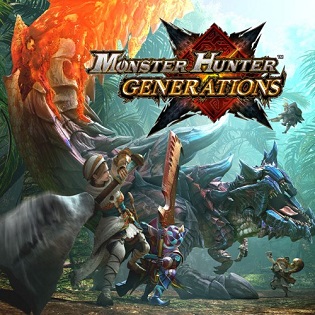
What were Hunting Styles and Hunter Arts?
Monster Hunter Generations (Monster Hunter X, November 2015): the four Hunting Styles, Hunter Arts, Prowler mode, the Fated Four flagships, and Generations…
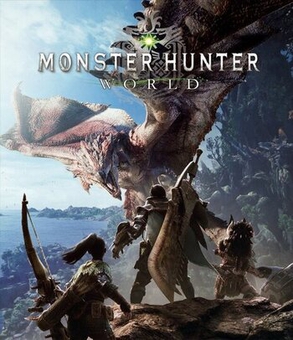
Why did Monster Hunter: World break through in the West?
Why Monster Hunter: World (January 2018) finally broke the series through in the West: the simultaneous global launch, seamless maps, turf wars, and the path to…
MUSHISHI
1 shelf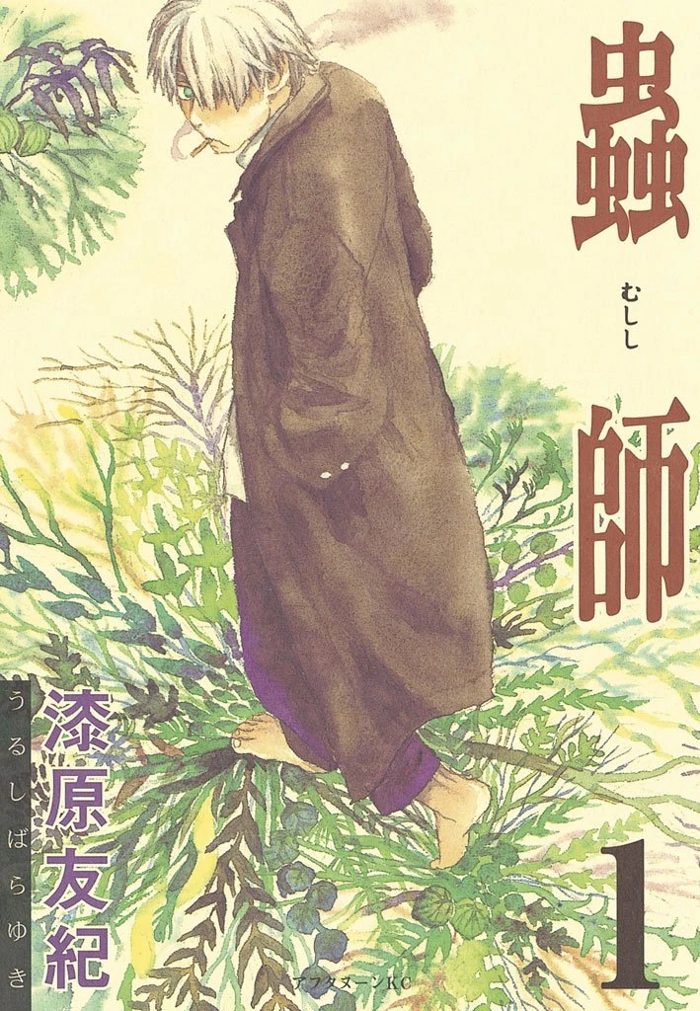
Why is Mushishi volume 8/9/10 so expensive?
Singles stopped at 7. The combined ending, its prices, and the new way in.
MY HERO ACADEMIA
32 shelves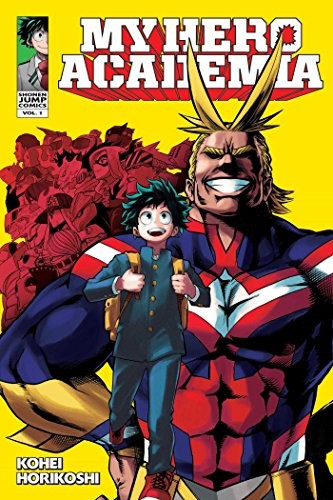
Are My Hero Academia covers the same in Japanese and English?
Yes: Viz kept all 42 of Horikoshi’s cover paintings for the English My Hero Academia and rebuilt the trade dress around them. Two pairs, pictured and compared.
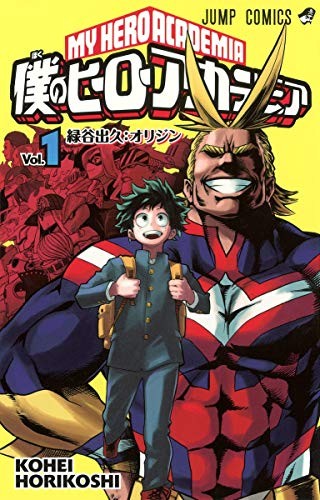
How can you tell a first printing of My Hero Academia?
A first printing of a My Hero Academia Jump Comics volume is identified in the colophon at the back: the printing line and date. The method, and what to check.
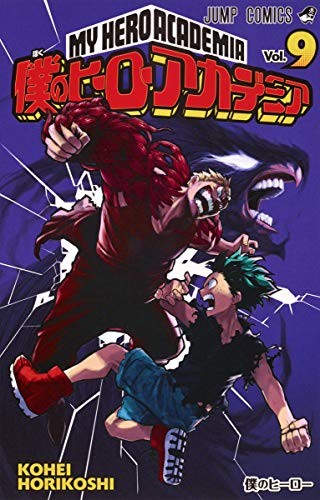
How did My Hero Academia begin?
My Hero Academia began as the 2008 Akamaru Jump one-shot My Hero. After Barrage was cancelled in 2012, Horikoshi rebuilt it into the 2014 Weekly Shonen Jump series.
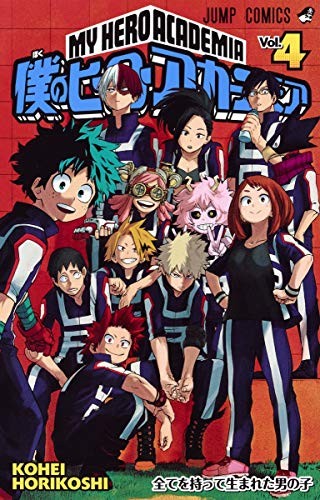
How does Kohei Horikoshi draw?
Horikoshi’s art: Kishimoto’s influence and a love of drawing hands, a figure collector’s superhero anatomy, a hidden horror streak, and a documented warning…

How many copies has My Hero Academia sold?
Over 100 million copies in circulation worldwide by April 2024, spin-offs included, and a regular on the New York Times bestseller list. The numbers, documented.
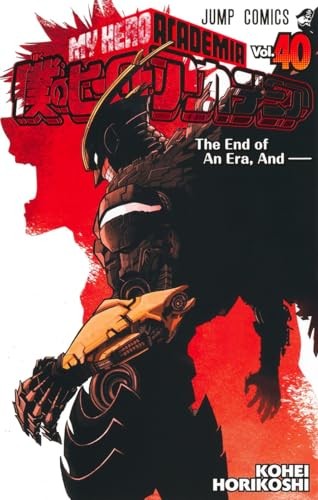
How many volumes of My Hero Academia are there?
My Hero Academia has 42 tankobon volumes and 430 magazine chapters, plus a bonus chapter 431 printed only in the final volume. The full count, documented.
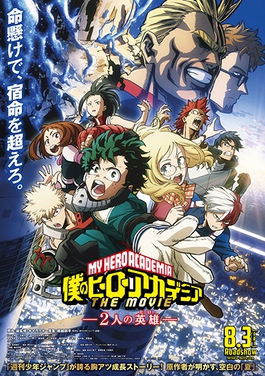
What are the My Hero Academia movie booklet manga?
The giveaway manga of the four films: Vol. 0 Origin, Vol. R, Vol. W, and Vol. Next, printed for first audiences only, with one-shots by Horikoshi and Yoko Akiyama.
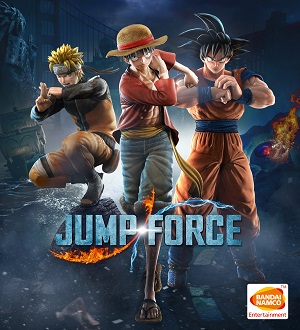
Where has My Hero Academia crossed over?
The guest record: playable in Jump Force, outfits in Fortnite and Overwatch 2, collaborations in Granblue Fantasy and two Roblox games. The crossover census.
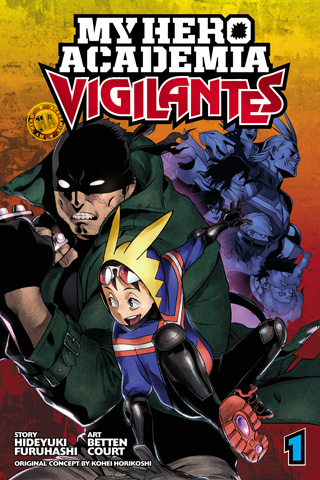
What are the English editions of My Hero Academia?
Viz Media’s English My Hero Academia: volume 1 in August 2015, a chapter simulpub from the start, all 42 volumes by October 2025, and two box sets.
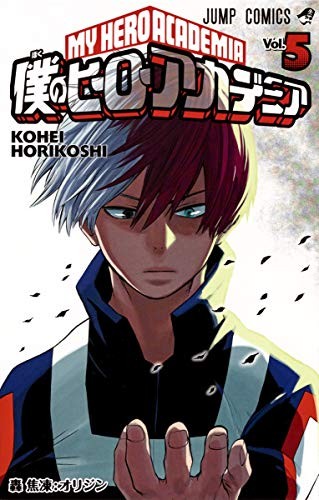
What My Hero Academia exhibitions have there been?
Two major original-art exhibitions: Drawing Smash (Tokyo and Osaka, 2021) and the tenth-anniversary exhibition (Tokyo, June to August 2025, then a four-city tour).
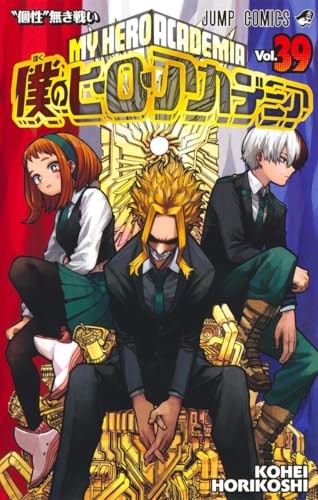
What is the final season of My Hero Academia?
Season 8, the Final Season: 11 episodes, 4 October to 13 December 2025, ending the Bones anime, followed by the bonus special adapting chapter 431 on 2 May 2026.
What is the My Hero Academia live-action film?
Legendary’s live-action My Hero Academia: rights in October 2018, director Shinsuke Sato, Netflix aboard December 2022, Jason Fuchs rewriting in 2025. Still in…
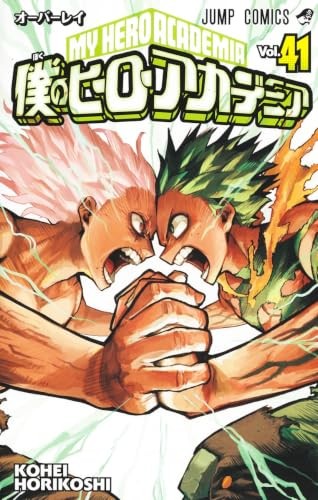
The My Hero Academia Manga Gallery
Every Japanese tankobon cover of My Hero Academia, volumes 1 to 42, Jump Comics editions from 2014 to 2024, with the English volume 1 beside the Japanese original.
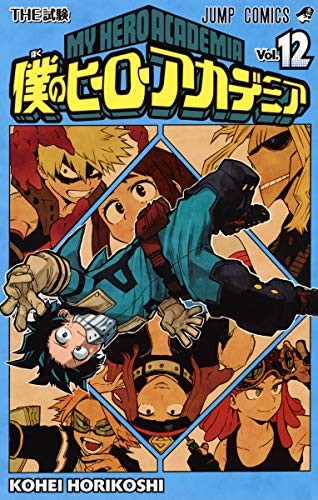
What are the My Hero Academia mobile games?
The mobile and free-to-play shelf: The Strongest Hero (2021), Ultra Impact (2022), and Byking’s cross-platform battle royale Ultra Rumble (2023).
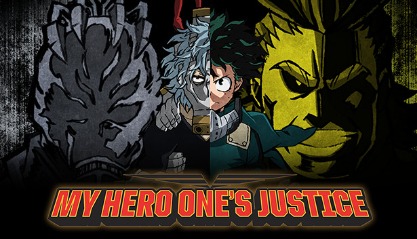
What are the My Hero One’s Justice games?
Byking’s arena fighters for Bandai Namco: One’s Justice (26 October 2018, over 500,000 units by January 2019), One’s Justice 2 (March 2020), and All’s Justice…
MYSTICAL NINJA
5 shelves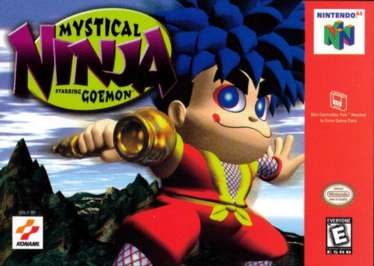
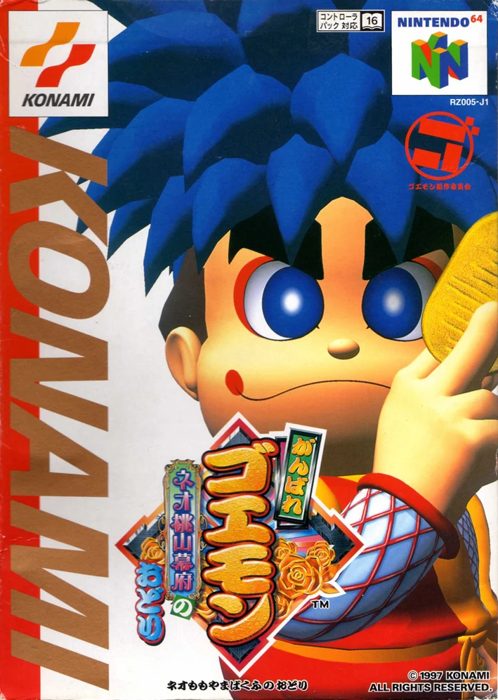
What is Mystical Ninja Starring Goemon?
The Goemon series' leap into 3D: a big, funny Konami adventure in which a blue-haired thief crosses feudal Japan to stop villains who want to turn the whole country into a stage.
Who was Goemon, the thief the games are named for?
A real bandit executed in Kyoto in 1594, and almost everything else you have heard about him was written afterward. The record and the legend are two different men.
Why does Mystical Ninja have a giant robot and musical numbers?
Because the music is the plot and the spectacle is the series' house style. The villains are performers converting Japan into a stage, so Goemon answers spectacle with spectacle.
Why did most Goemon games never leave Japan?
Konami gave the answer itself in 1996: the games were regarded as too specific to the Japanese market to release worldwide. The record bears it out, 23 mainline games, five released overseas.
Who sang the musical numbers in Mystical Ninja Starring Goemon?
Hironobu Kageyama and Ichirou Mizuki, anime song royalty singing inside a 128 megabit cartridge.
