
THE LIBRARY
Collector guides, cover censuses, and edition answers, documented issue by issue. Every page answers one specific question, completely.
← Back to RUROUNI KENSHIN on the Library shelf
RUROUNI KENSHIN
20 shelves
The Kenshin Manga Gallery
Every Japanese Jump Comics cover of Rurouni Kenshin, volumes 1 to 28, 1994 to 1999, each with its release date, plus the kanzenban and Hokkaido designs.
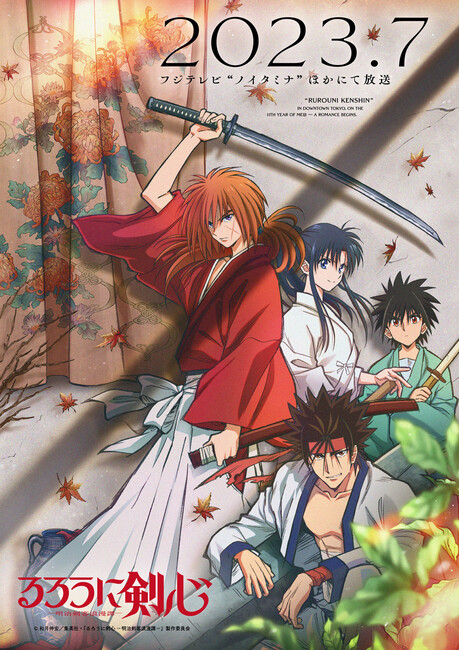
What is Rurouni Kenshin?
Rurouni Kenshin in brief: Watsuki’s 1994 Jump classic about a Bakumatsu assassin who swore never to kill again, its premise, its wordplay, and its 72 million copies.
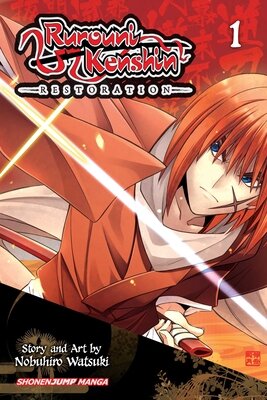
The history of Rurouni Kenshin
From the 1992 one-shots to the September 1999 finale: how Rurouni Kenshin was serialized in Weekly Shonen Jump and ended at its peak by its author’s choice.
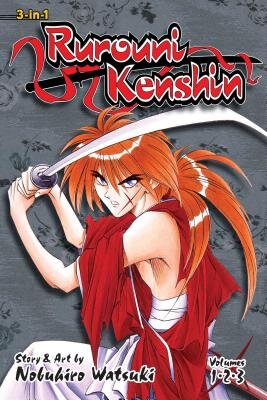
How many Kenshin books are there?
The count, edition by edition: 28 tankobon, 22 kanzenban, 14 bunkoban, 10 Hokkaido volumes and counting, plus the English Viz lines.
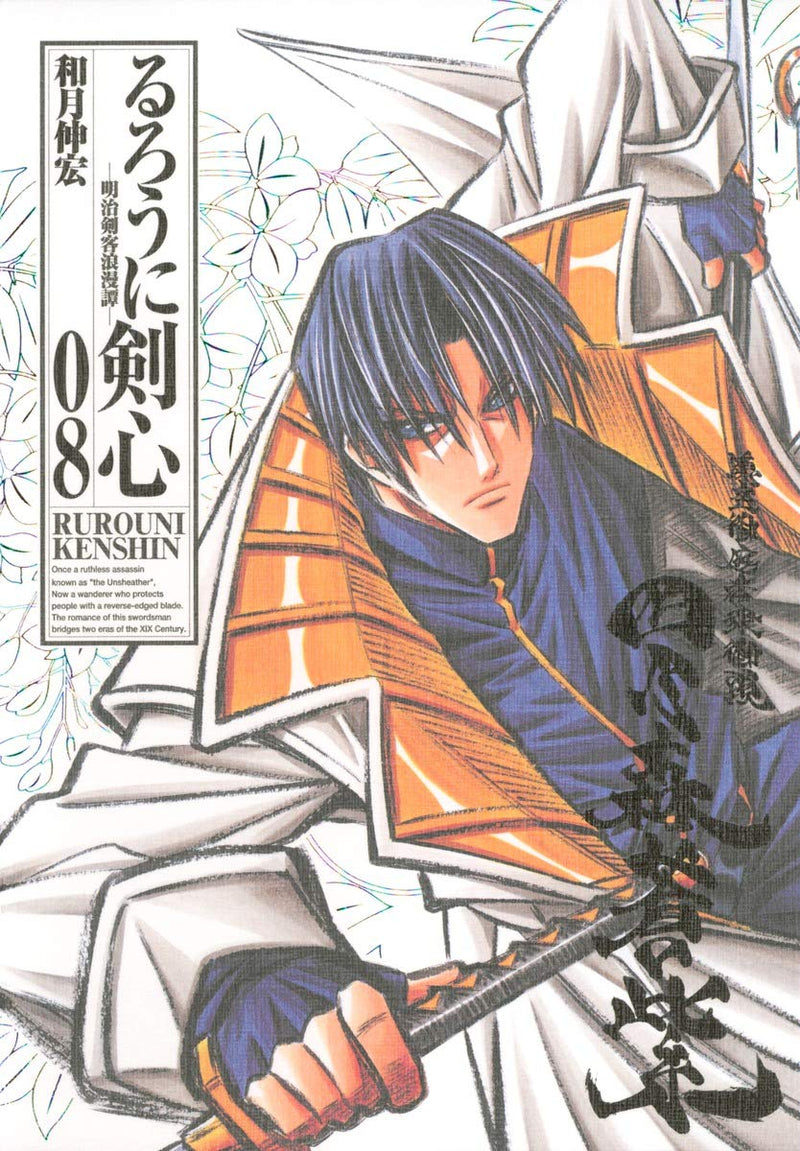
What is the Kenshin kanzenban?
The 2006–07 complete edition of Rurouni Kenshin: 22 larger volumes, covers drawn again from scratch, and the two lost stories restored.
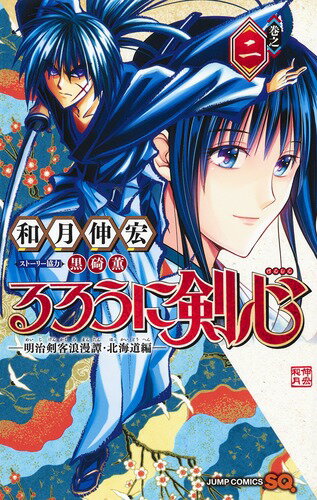
What is the Kenshin Hokkaido Arc?
The Hokkaido Arc explained: Watsuki’s direct sequel in Jump Square from 2017, set in 1883, its new cast, its ten volumes and its interrupted schedule.
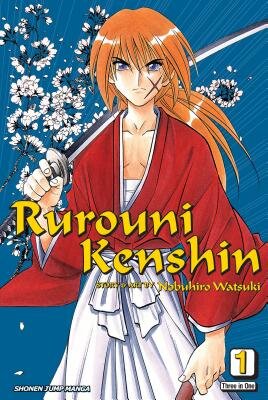
Kenshin in English: the Viz editions
Rurouni Kenshin in English: Viz Media’s 28 volumes of 2003–06, the VIZBIG omnibuses, the 3-in-1 line, and the Samurai X name the anime travelled under.
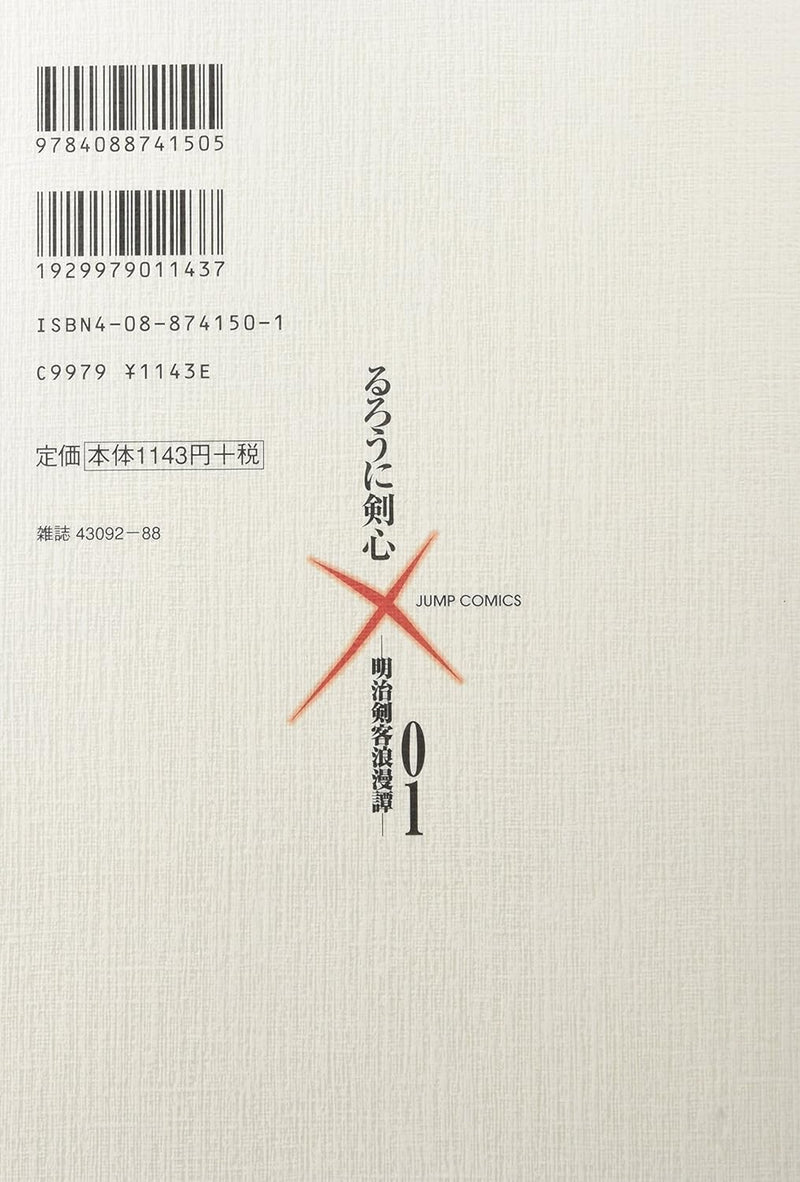
How can you tell a first printing of Kenshin?
Reading a Japanese Kenshin colophon: the printing line, the issue-versus-release date trap, obi, and what separates a 1994 first printing from later impressions.
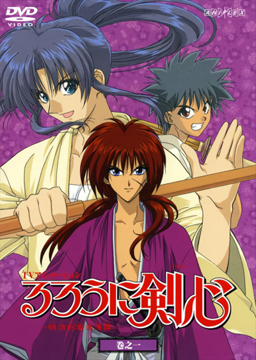
The 1996 Kenshin anime
The 1996 Rurouni Kenshin anime: 95 episodes on Fuji TV, Studio Gallop then Studio Deen, director Kazuhiro Furuhashi, and why it stopped before the final arc.
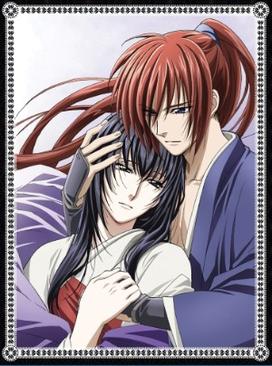
Why is Trust & Betrayal considered a masterpiece?
Trust & Betrayal as craft: how Furuhashi, Masashi Sogo, Masahide Yanagisawa and Taku Iwasaki rebuilt Kenshin’s Remembrance chapters into four 1999 OVA episodes.
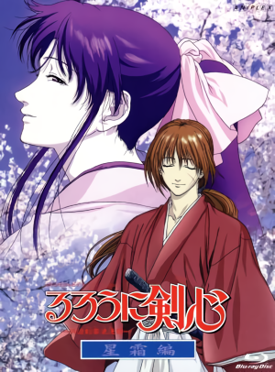
Reflection and the New Kyoto Arc
The OVAs after Trust & Betrayal: Reflection (2001–02), the sequel Watsuki disowned, and the New Kyoto Arc (2011–12), the Kyoto story retold by its original makers.
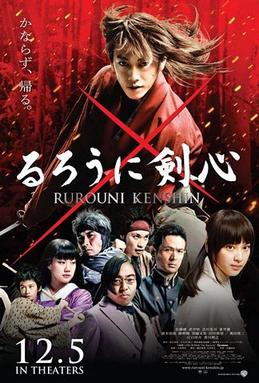
The Kenshin live-action films
The five live-action Rurouni Kenshin films, 2012–2021: Keishi Otomo’s series with Takeru Satoh, the manga adaptation that reset the standard for all of them.
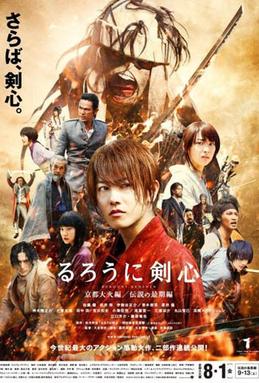
How much did the Kenshin films make?
The Kenshin live-action box office, film by film: Kyoto Inferno’s 5.22 billion yen, the series past 19 billion, from the films’ own official announcements.
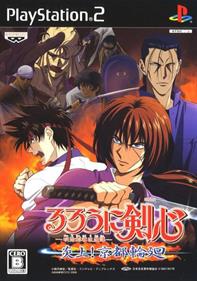
What Kenshin video games are there?
The Rurouni Kenshin games: the 1996 PlayStation fighter, the 1997 RPG with original heroes, Kyoto Rinne on PS2, Saisen and Kansei on PSP, and the Jump crossovers.
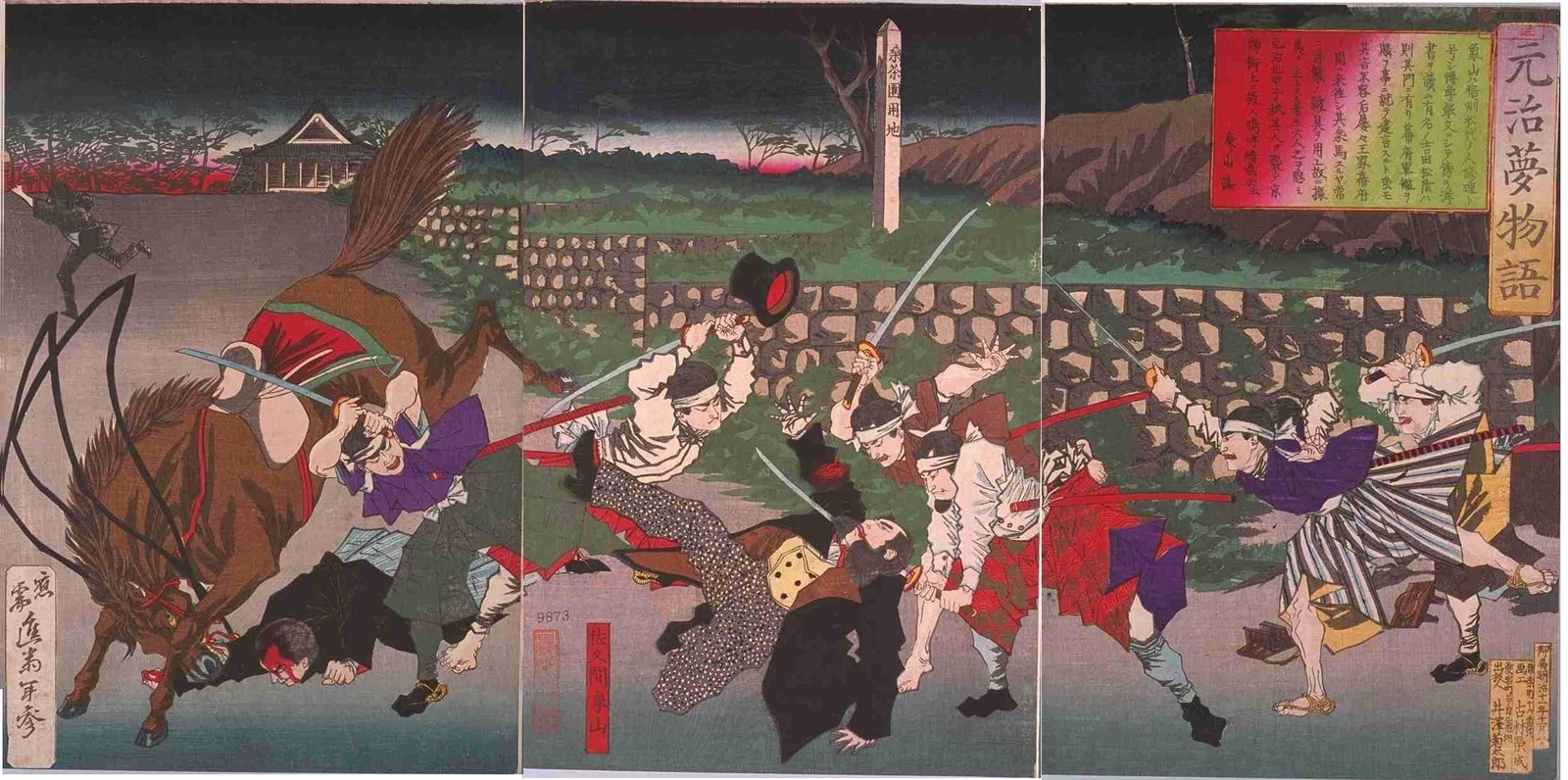
Who was Kawakami Gensai?
Kawakami Gensai (1834–1872): the real hitokiri of Kumamoto, one of the Bakumatsu’s four assassins, and the documented model behind Himura Kenshin.
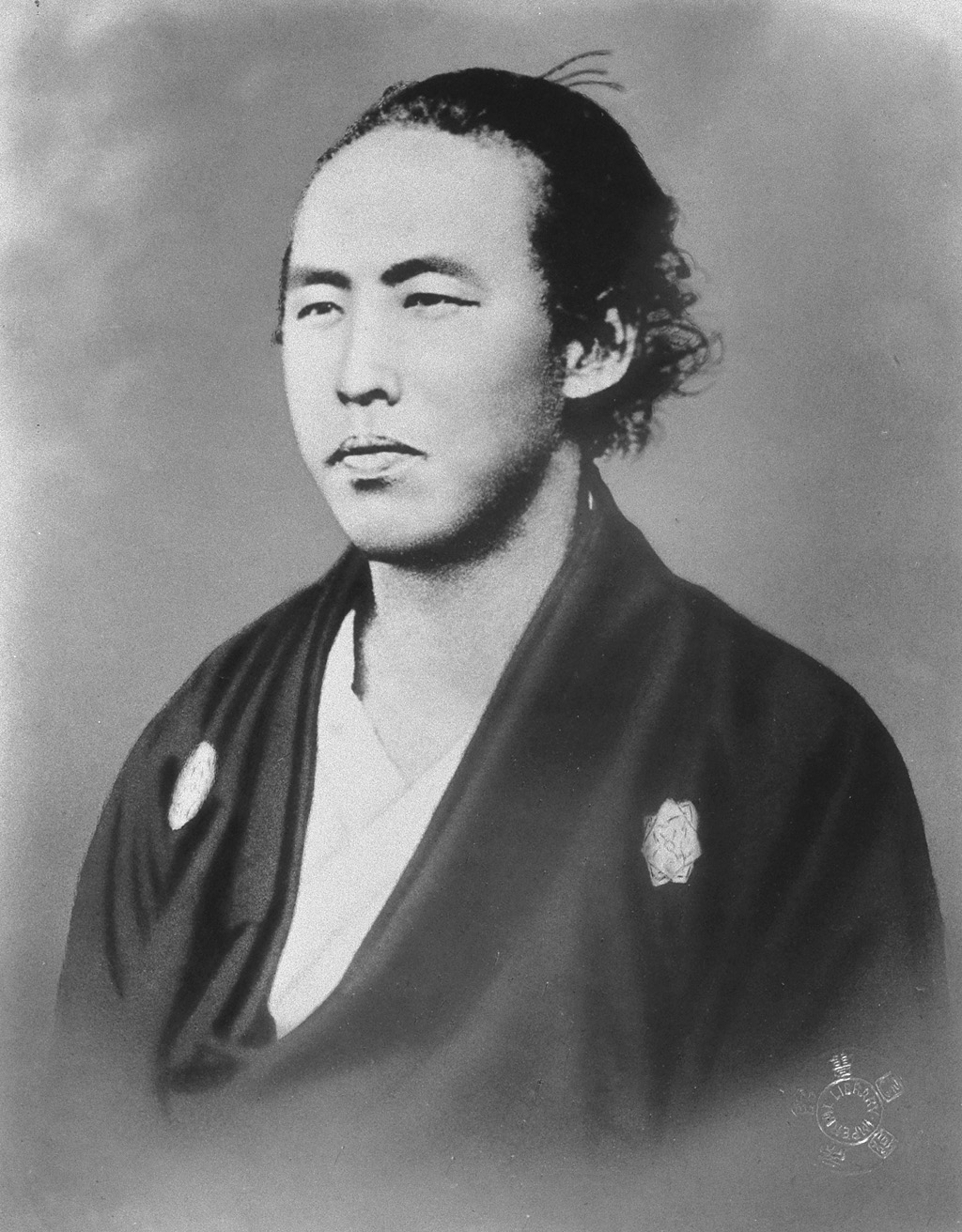
Kenshin and the real Bakumatsu
What is real in Rurouni Kenshin’s history: the Boshin War, Okubo’s assassination on the date volume 7 is named for, the Shinsengumi, and what Watsuki invented.
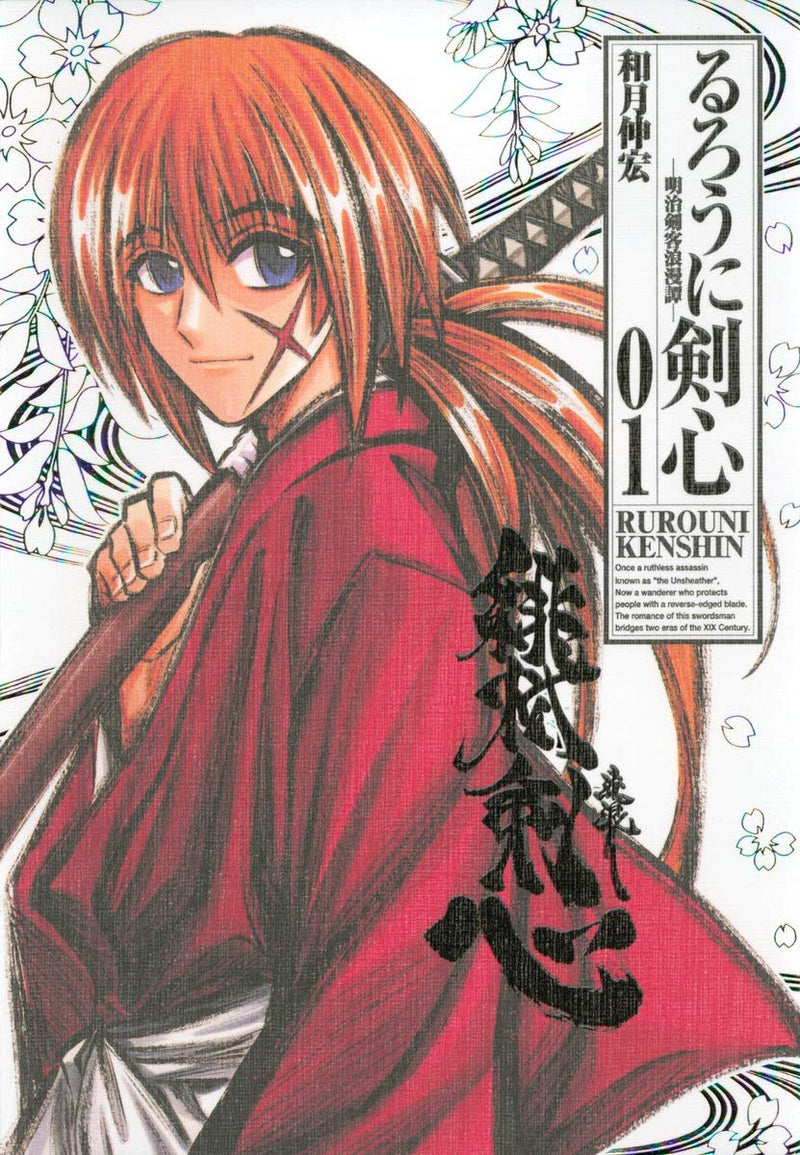
How did Watsuki design Kenshin?
Designing Kenshin: the deliberately feminine silhouette, the Shinsengumi traits borrowed from Okita and Saito, the cross scar added on instinct, and Samurai Shodown.
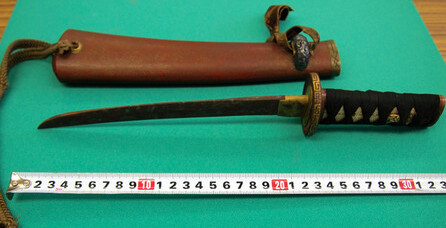
The sakabatō: Kenshin’s reverse-blade sword
The sakabato documented: Arai Shakku’s two swords in the manga, the design logic of the reversed edge, and the real Edo-period reverse blade found in Chiba in 2013.
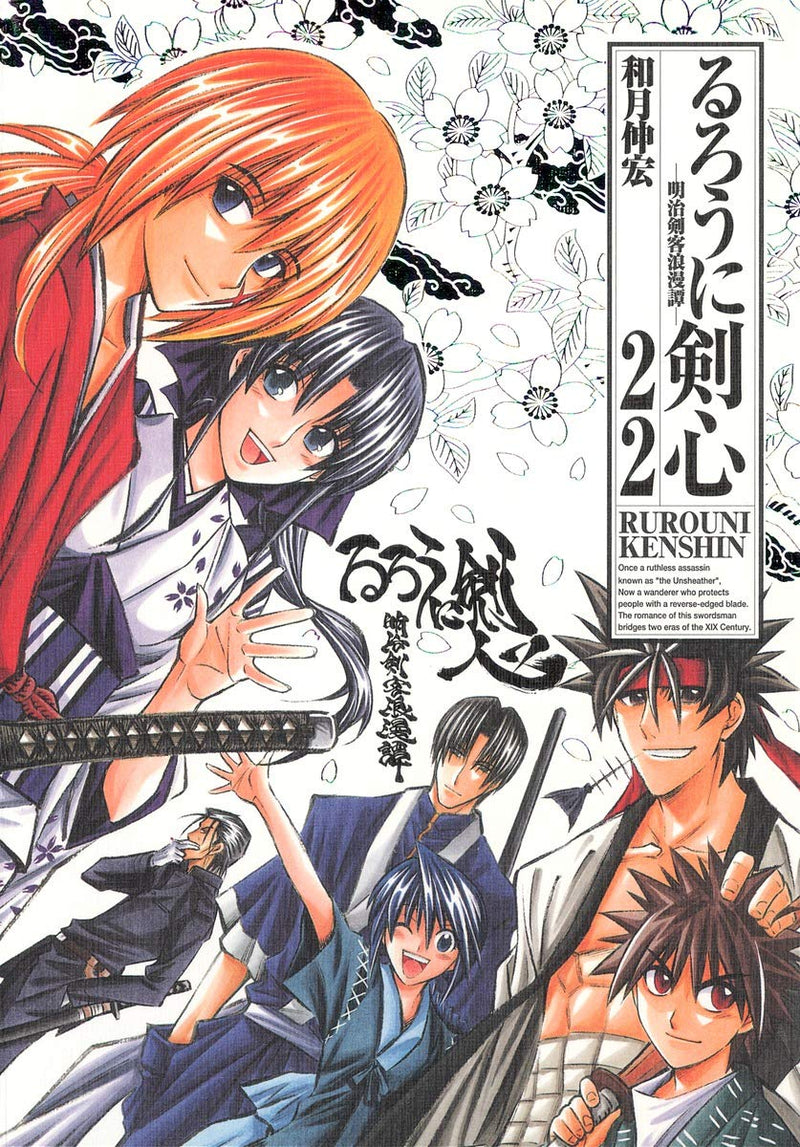
The Kenshin one-shots and side stories
Every Kenshin short: the 1992 and 1993 Rurouni pilots, Crescent Moon in the Warring States, Yahiko no Sakabato, Restoration, Master of Flame and the Ashitaro…
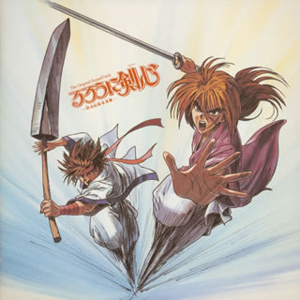
The music of Kenshin: Asakura, Sobakasu and Iwasaki
Kenshin’s three sounds: Noriyuki Asakura’s television score, Judy and Mary’s Sobakasu, and Taku Iwasaki’s OVA music, plus the manga ending the anime’s opening…
