
THE LIBRARY
Collector guides, cover censuses, and edition answers, documented issue by issue. Every page answers one specific question, completely.
← Back to CASTLEVANIA on the Library shelf
CASTLEVANIA
22 shelfs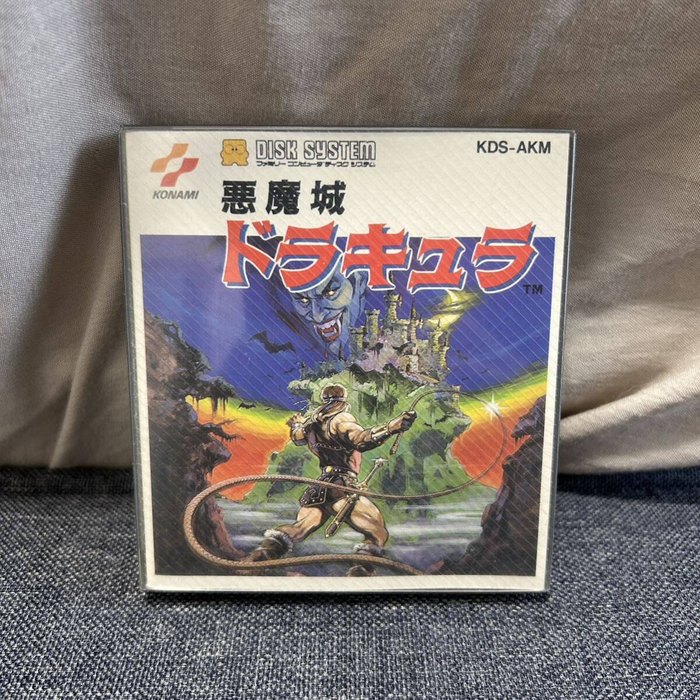
The Castlevania Gallery
The Japanese and American boxes side by side for five games: shared paintings, split paintings, and the histories and questions behind them.
Who composed Castlevania's music?
No single composer: a relay from the Kukeiha Club standards Vampire Killer and Bloody Tears to Michiru Yamane, who studied those themes and scored ten Castlevania games.
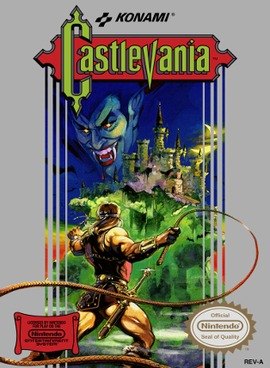
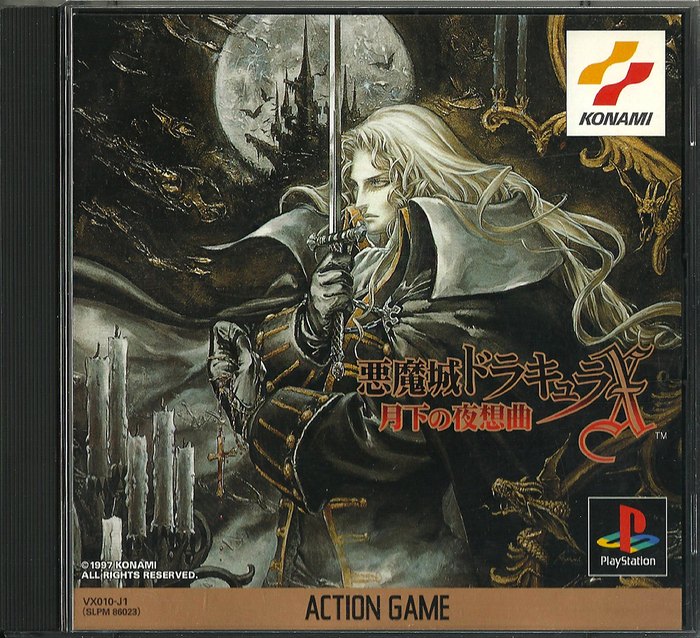
The History of Castlevania
Simon Belmont's 1986 debut as Akumajo Dracula: Akamatsu's horror film in game form, the Disk System original, the editions, and the scores.
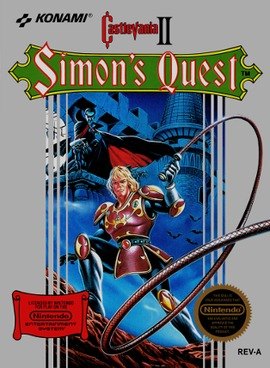
The History of Castlevania II: Simon's Quest
Simon Belmont, cursed: the open world experiment, day and night, the lying villagers, Bloody Tears, and the road to Symphony.
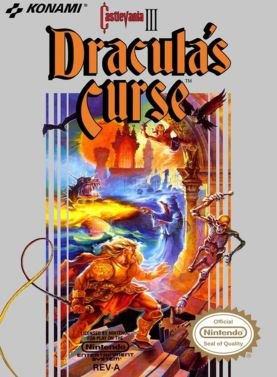
The History of Castlevania III: Dracula's Curse
Trevor Belmont's 1476 prequel: branching paths, Alucard's debut, and the VRC6 sound chip Japan kept.
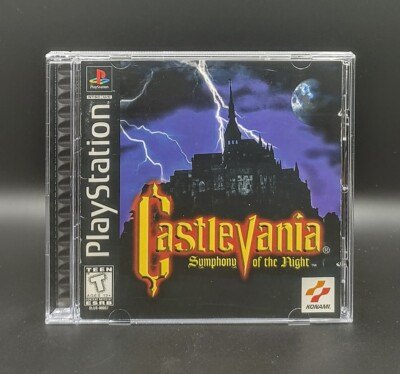
The History of Castlevania: Symphony of the Night
Alucard's return: the bargain bin insight, Kojima's debut, the Saturn version Japan kept, and the genre it named.
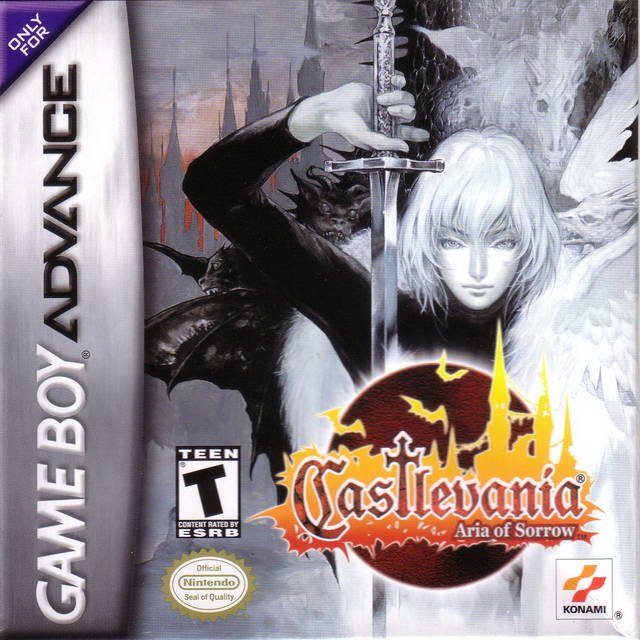
The History of Castlevania: Aria of Sorrow
Soma Cruz in 2035: the Tactical Soul system, Famitsu's highest score for the series, and the Japan and America sales split.
How do the Japanese and American Castlevania covers compare?
Same painting, different painting, no painting at all: eight pairs, checked.
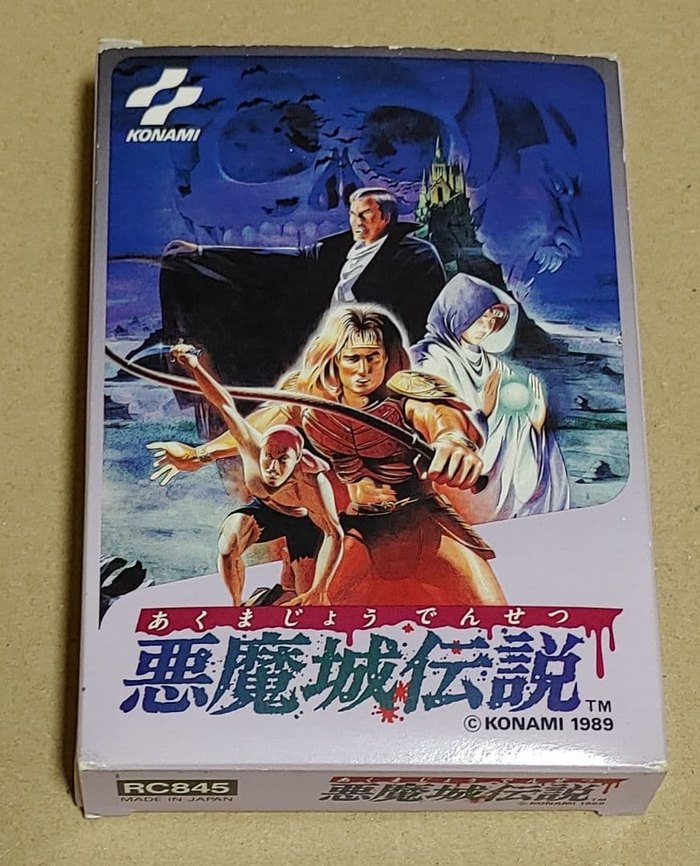
How do the Japanese Castlevania guides differ from the American ones?
Three official guides for one game in Japan. One, plus an unauthorized rival, in America.
What inspired Castlevania?
A director who wanted you inside a classic horror film, and a whip from Raiders.
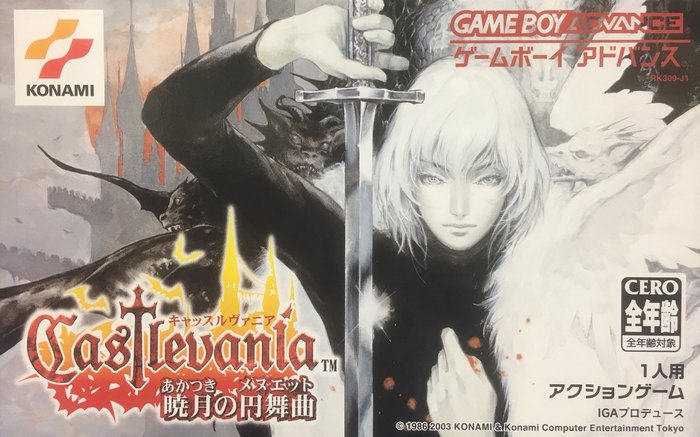
Where does Castlevania's art style come from?
Famicom paintings, Ayami Kojima's baroque era, and the departures after.
Why is Castlevania called Akumajo Dracula in Japan?
The original title, and the American executive who could not ship it.
How is the Japanese Symphony of the Night different?
Two familiars, a rewritten script, and the Maria myth, corrected.
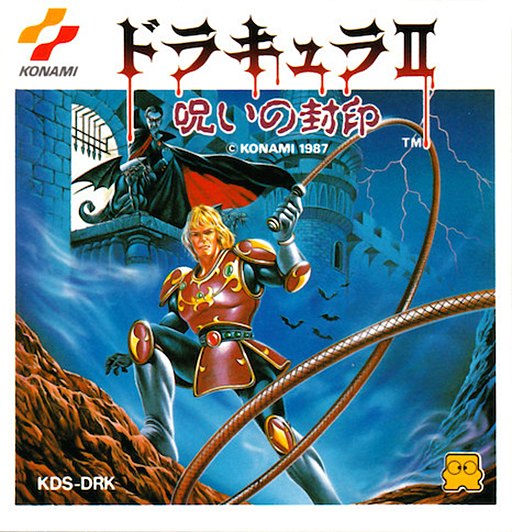
Why are Castlevania's credits full of fake names?
Christopher Bee, Belo Lugosi, Boris Karloffice: the game billed as a horror film.
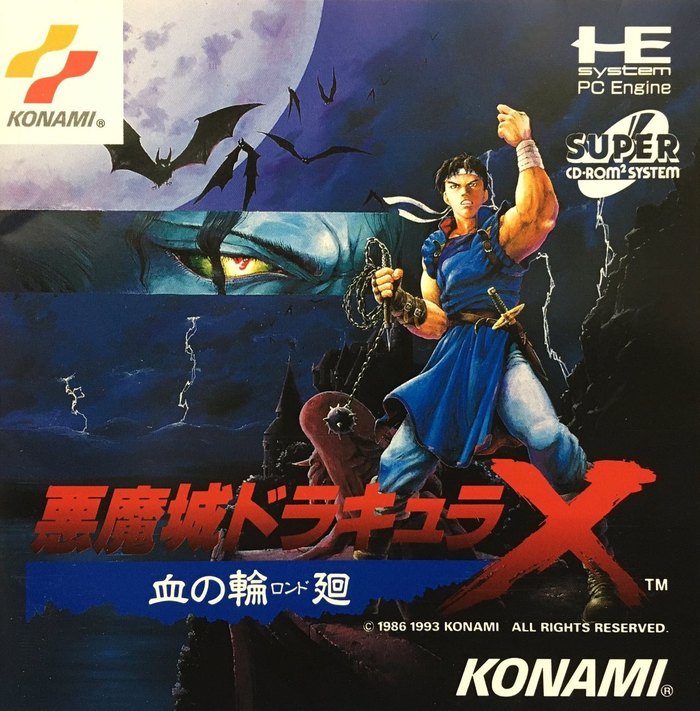
The History of Castlevania: Rondo of Blood
Richter Belmont in 1792: the PC Engine CD game Japan kept for fourteen years, the Dracula X the West got instead, and the road home through Chronicles and Requiem.
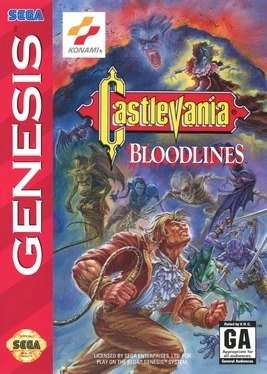
The History of Castlevania: Bloodlines
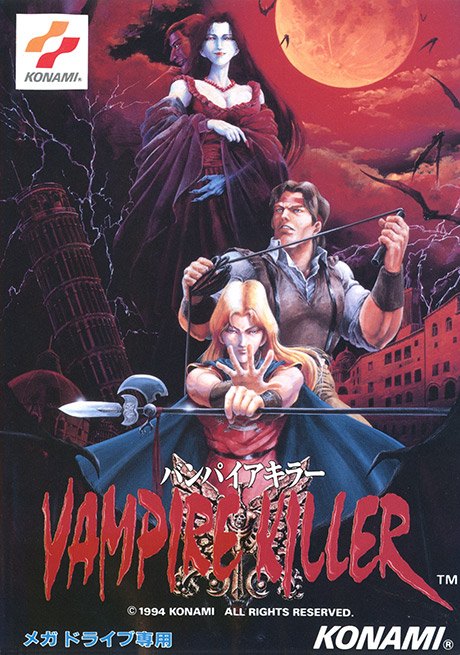
John Morris and Eric Lecarde in 1917: the only Castlevania on the Genesis, Vampire Killer in Japan, and Michiru Yamane's series debut.
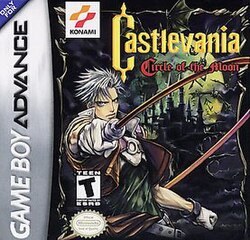
The History of Castlevania: Circle of the Moon
Nathan Graves in 1830: the Game Boy Advance launch castle, the DSS card system, and the game removed from the timeline.
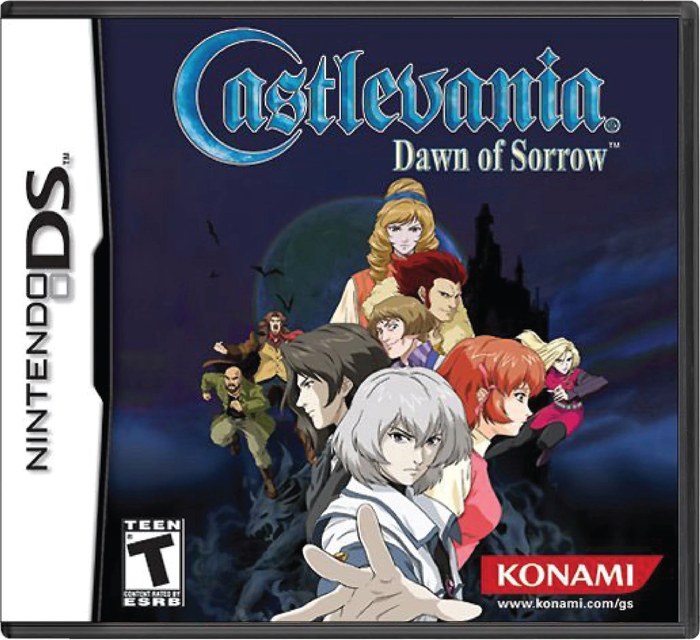
The History of Castlevania: Dawn of Sorrow
Soma Cruz in 2036: Aria's sequel, the first Castlevania on Nintendo DS, the Magic Seals, and the anime art argument.
The History of Castlevania: Portrait of Ruin
Jonathan Morris and Charlotte Aulin in 1944: the Bloodlines sequel, worlds inside paintings, and the series' first co-op.
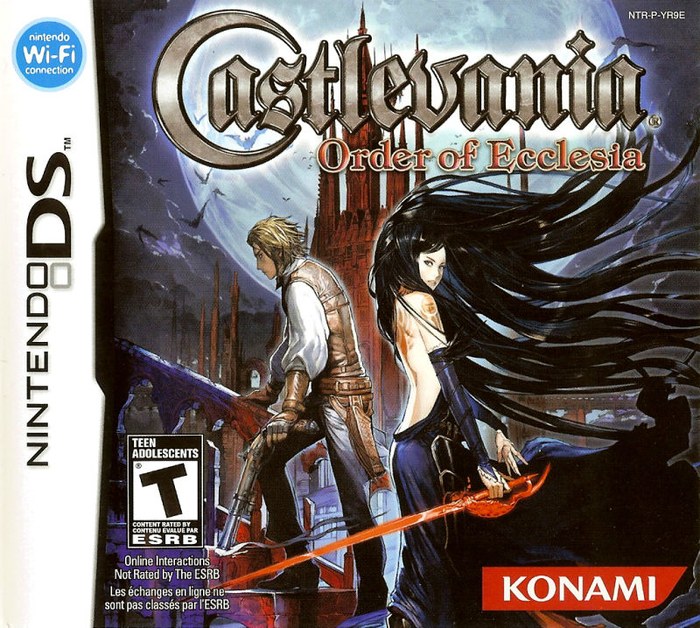
The History of Castlevania: Order of Ecclesia
Shanoa and the Glyphs: no Belmont, no whip, the hardest of the DS games, and the last of the classic line.
What extra content does the Saturn version of Symphony of the Night have?
Two new areas, playable Maria, a third hand, and the Godspeed Boots, plus the compromises Japan's reviewers forgave.
What Castlevania games are there?
The information we have so far: the main line counted, which games Japan kept, what this Library covers, and the open questions.
