
THE LIBRARY
Collector guides, cover censuses, and edition answers, documented issue by issue. Every page answers one specific question, completely.
← Back to FINAL FANTASY on the Library shelf
FINAL FANTASY
19 shelves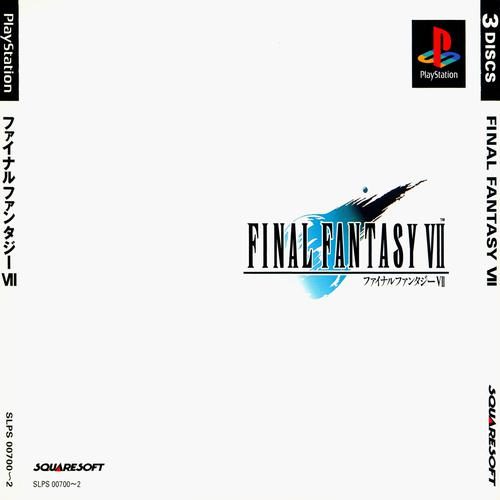
The Final Fantasy Gallery
Two beginnings, ten years apart: the 1987 Famicom original and Final Fantasy VII, each with its Japanese and American covers side by side.
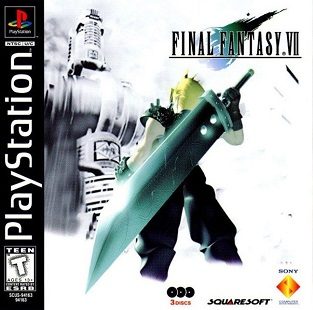
The History of Final Fantasy VII
The move from Nintendo 64 to PlayStation, the full motion video bet, and a 92 on Metacritic.
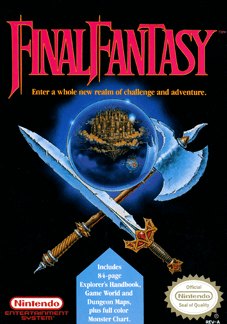
Why is it called Final Fantasy if it never ends?
Not the bankruptcy legend. Hironobu Sakaguchi has debunked it himself, twice.
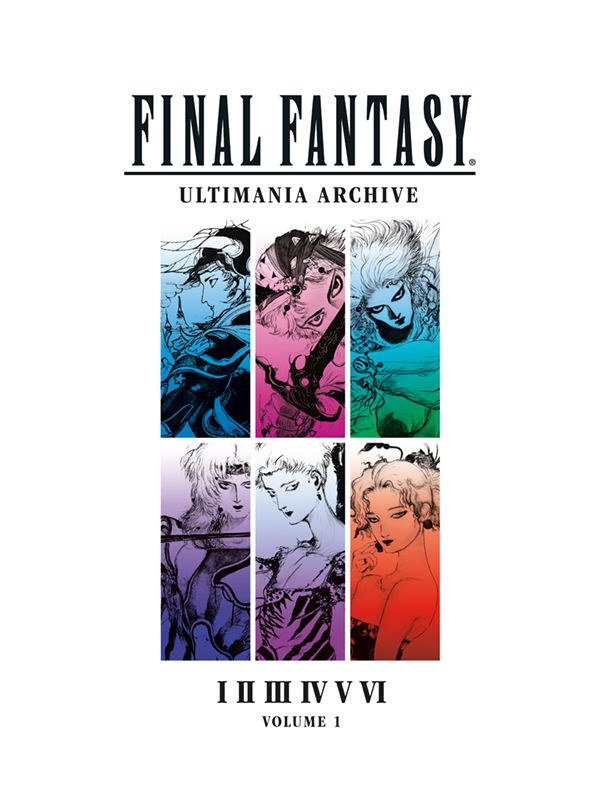
What is the difference between the Final Fantasy Ultimania books and the Ultimania Archive books?
A 75-plus volume Japanese per-game line against a three-volume English archive of one memorial trilogy.
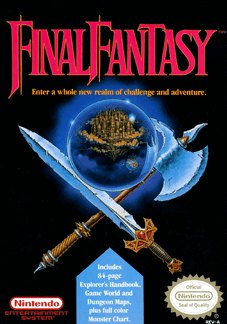
The History of Final Fantasy
Square's seven person A-Team, the side view battle, the Chaos time loop, and two million copies: the 1987 original behind the name.
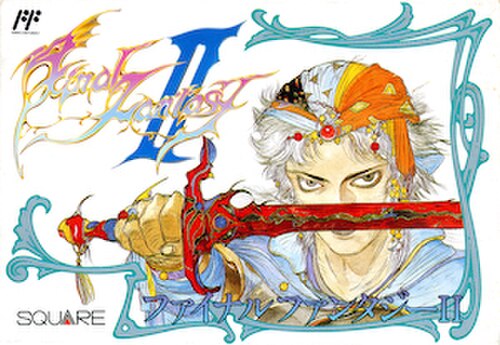
The History of Final Fantasy II
The Japan only sequel that threw out experience points, debuted the chocobo and Cid, and divided its players for good.
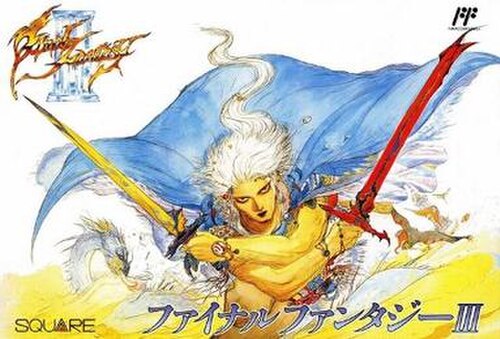
The History of Final Fantasy III
The job system, the largest cartridge on the Famicom, 1.4 million copies at home, and a sixteen year wait for the West.
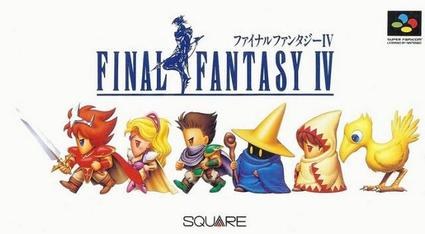
The History of Final Fantasy IV
The first 16-bit Final Fantasy: Active Time Battle debuts, Cecil earns the light, and America gets the game as Final Fantasy II.
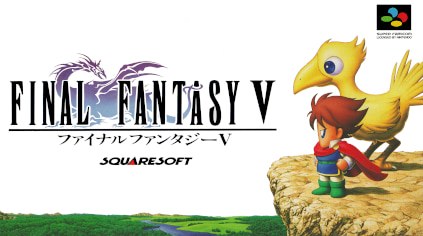
The History of Final Fantasy V
The job system's deepest cut, Sakaguchi's favorite, and the masterpiece Japan kept to itself for seven years.
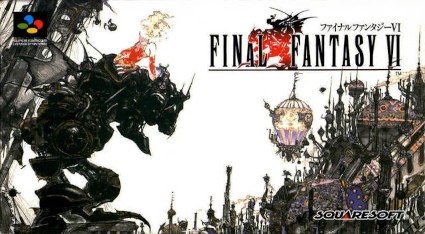
The History of Final Fantasy VI
Kitase and Ito's ensemble epic: fourteen heroes, a world that ends halfway, and the last 2D mainline game, sold in America as Final Fantasy III.
Why does Final Fantasy VI have an opera scene?
Kitase wrote it into the scenario, Uematsu composed the aria, and the sound chip could not sing it, so it almost did.
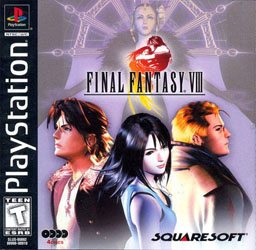
The History of Final Fantasy VIII
Kitase follows a phenomenon: the Draw and Junction system, Eyes on Me, 2.21 million copies in a day in Japan, and reviews that were all over the place.
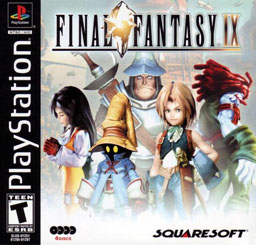
The History of Final Fantasy IX
Sakaguchi's reflection on the series, made in Hawaii: the highest Metacritic score in Final Fantasy, and sales that ran behind the reviews.
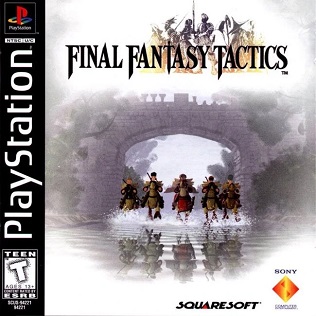
The History of Final Fantasy Tactics
Matsuno brings the Ogre Battle team to Square and invents Ivalice: a tactical RPG about class, buried history, and a million copies in Japan in year one.
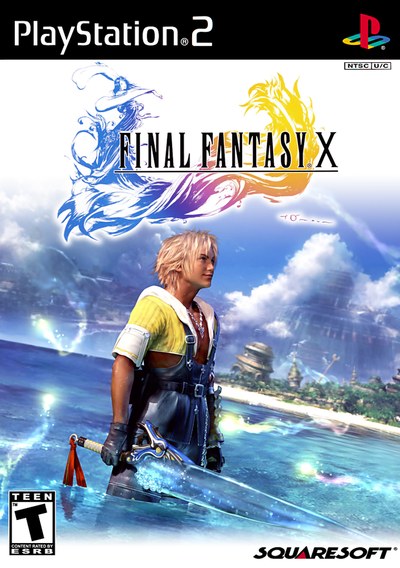
Final Fantasy X (2001)
The History: 100 people, 4 billion yen, the first voiced Final Fantasy, and a 92 on Metacritic.
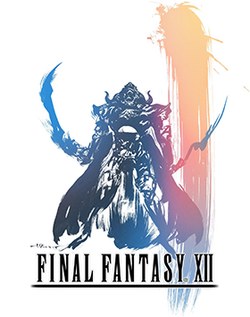
Final Fantasy XII (2006)
The History: Gambits, a perfect Famitsu score, and the Zodiac Job System the West waited a decade for.
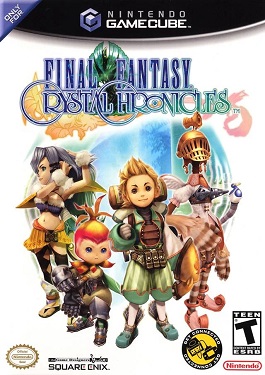
The History of Final Fantasy Crystal Chronicles
Square returns to Nintendo through a shell company: the caravan, the Miasma, and over 1.3 million copies shipped.
Why did Final Fantasy Crystal Chronicles need Game Boy Advances for multiplayer?
Producer Akitoshi Kawazu built the game around the link cable, for private screens and hidden information. His reasons, on the record.
How did Final Fantasy music get its own concert tours?
A limited audience orchestral suite in 1989, a sold out Tokyo concert in 2002, then Dear Friends in America and the Distant Worlds world tour.
