
THE LIBRARY
Collector guides, cover censuses, and edition answers, documented issue by issue. Every page answers one specific question, completely.
← Back to FIGHTING GAMES on the Library shelf
FIGHTING GAMES
104 shelves
The History of SoulCalibur II
One arcade game, three home versions, and a guest fighter for each console.
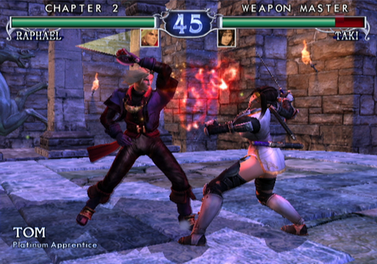
Why Did Each Version of SoulCalibur II Have a Different Guest Character?
Link, Spawn, and Heihachi arrived through three separate deals, and the PlayStation 2 slot was meant for Cloud Strife.
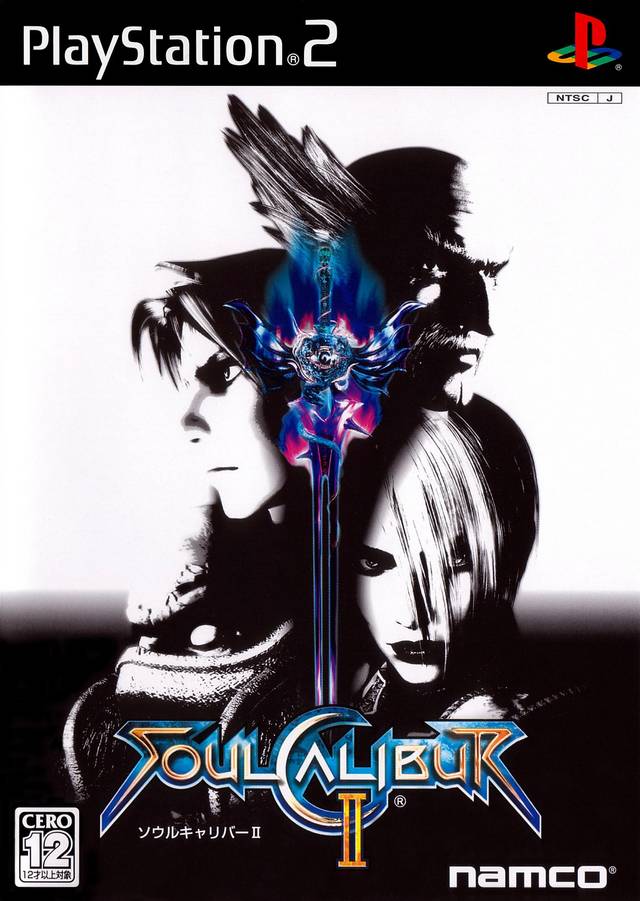
What Is Weapon Master Mode in SoulCalibur II?
A campaign map wrapped around a weapon shop: the mode that turned a fighting game into a collection.
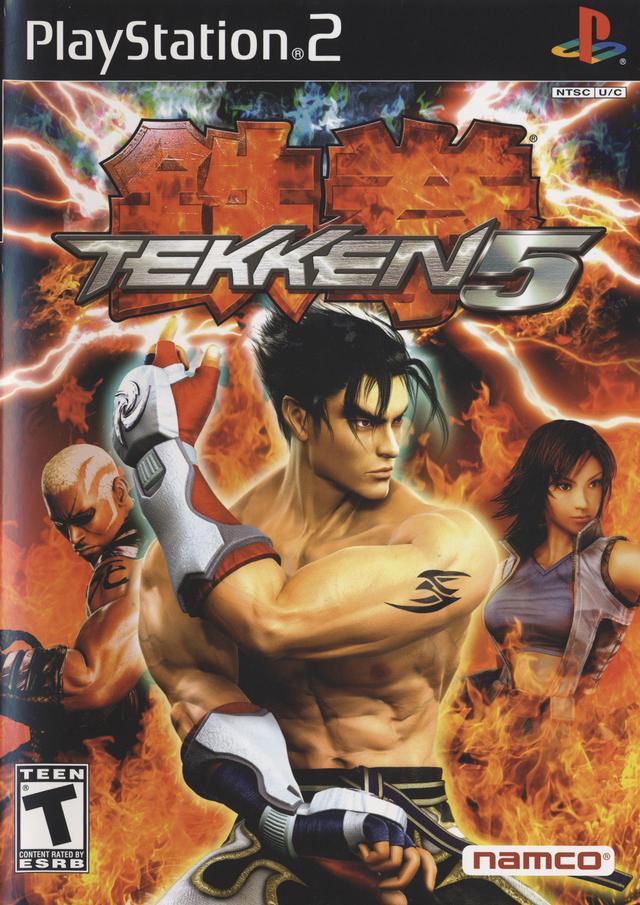
The History of Tekken 5
The tenth anniversary game that rebuilt what Tekken 3 proved and packed three arcade classics into the same box.
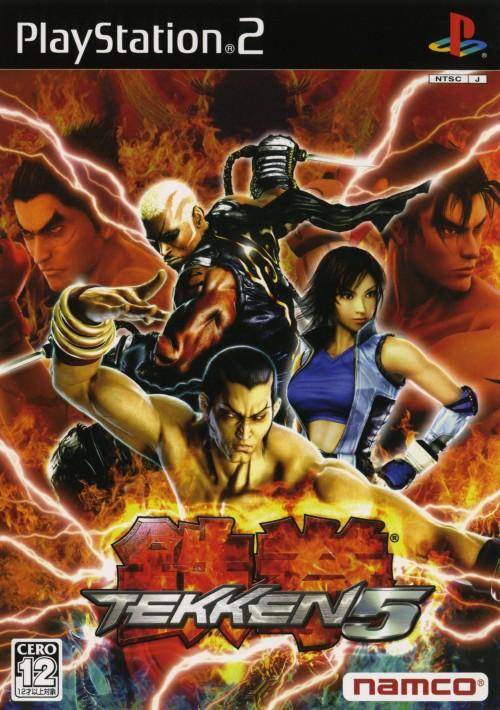
Why Is Tekken 5 Remembered as a Return to Form?
Because Namco reversed Tekken 4, item by item, and the reviews rewarded the retreat.
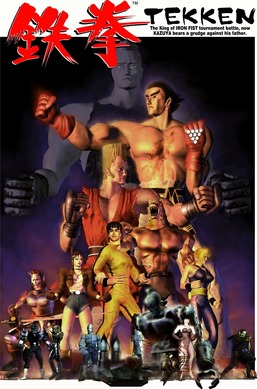
What Games Are Bundled Inside Tekken 5?
The arcade versions of Tekken, Tekken 2, and Tekken 3, plus StarBlade, ride inside the fifth game.
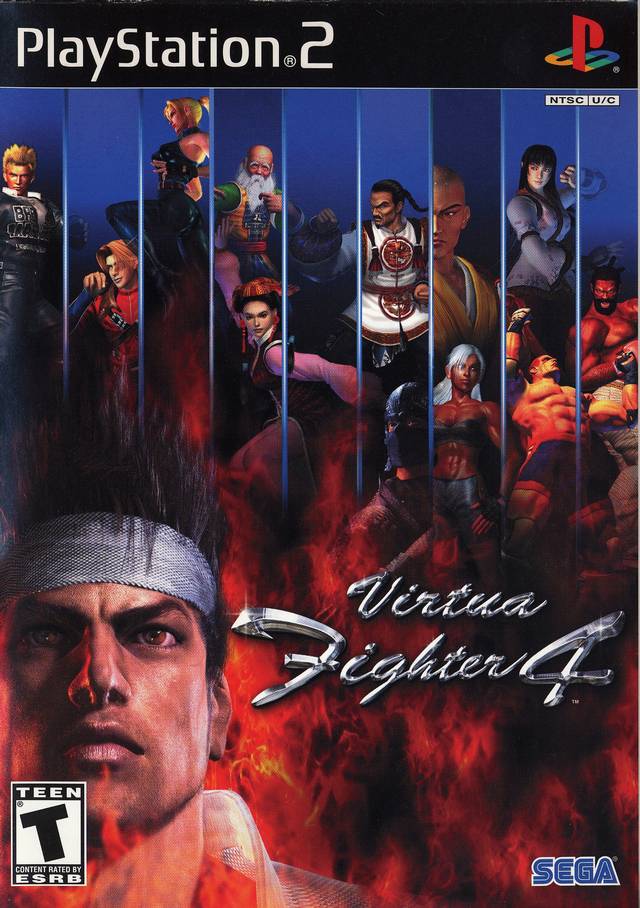
The History of Virtua Fighter 4
The deepest fighter of its generation, sold twice: once at full price, and once, improved, for twenty dollars.
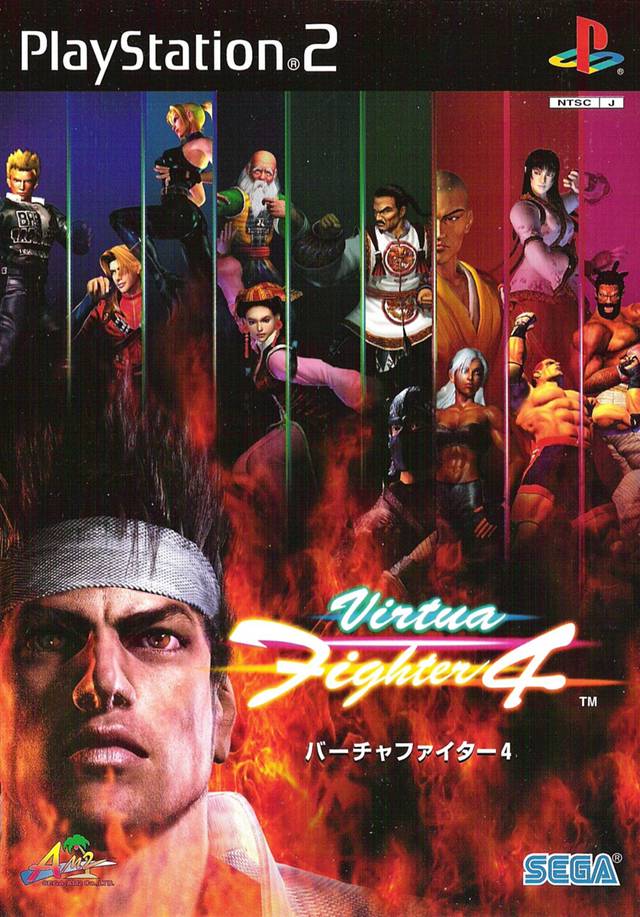
Why Did Virtua Fighter 4: Evolution Launch at a Budget Price?
In America it only ever existed as a Greatest Hits release, so the improved game debuted at $20.
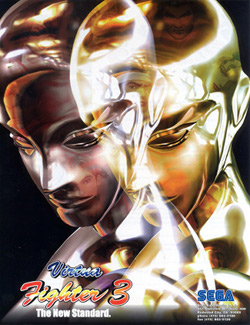
Why Was Virtua Fighter 4's Training Mode So Influential?
It taught the game as a subject: glossary, drills, feedback, and frame data in one mode.
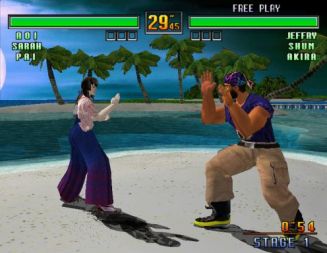
What Is Quest Mode in Virtua Fighter 4: Evolution?
A tour of imaginary arcades, against opponents whose styles were copied from real champions.
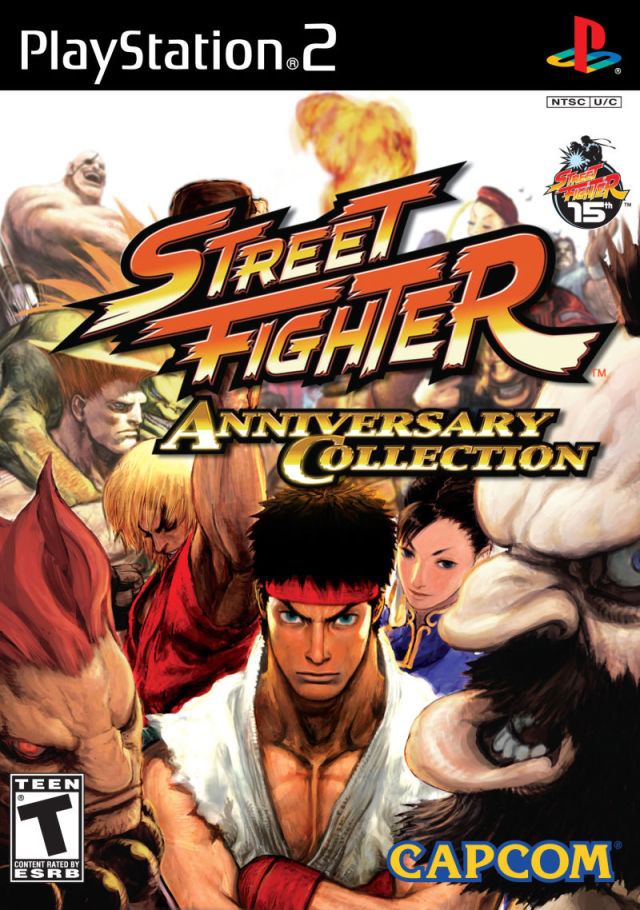
The History of Street Fighter III: 3rd Strike
The 1999 arcade final edition, and its 2004 PlayStation 2 homecoming, standalone in Japan and collected in America.
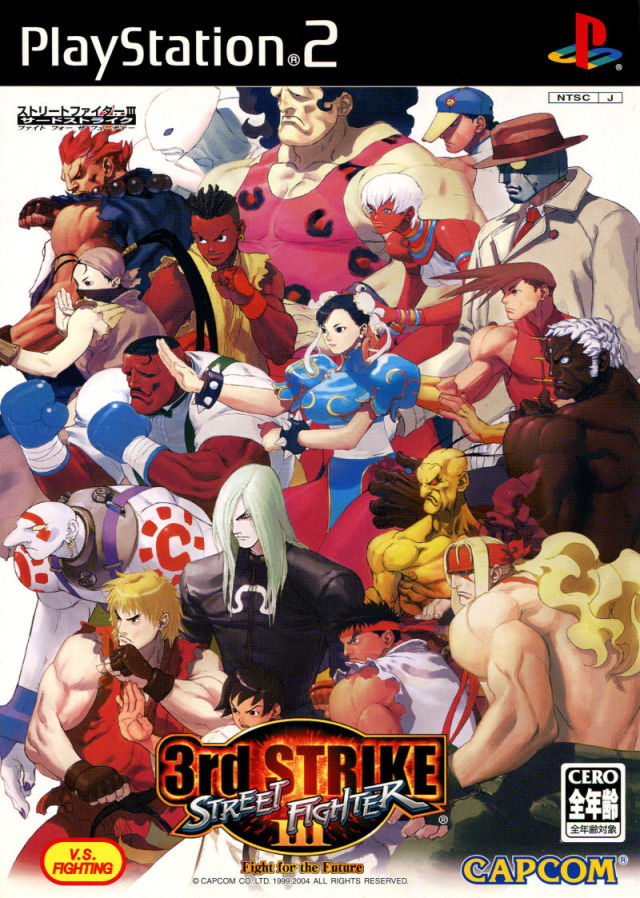
What Is the Parry in Street Fighter III: 3rd Strike?
Defense, played forward: a tap into the blow, timed to the frame, that erases the attack.
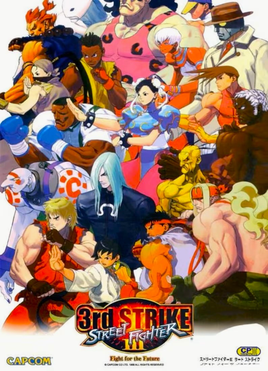
What Is the Daigo Parry at Evo 2004?
Fifteen attacks parried at one unit of health: Evo Moment 37, the most famous sequence in competitive gaming.
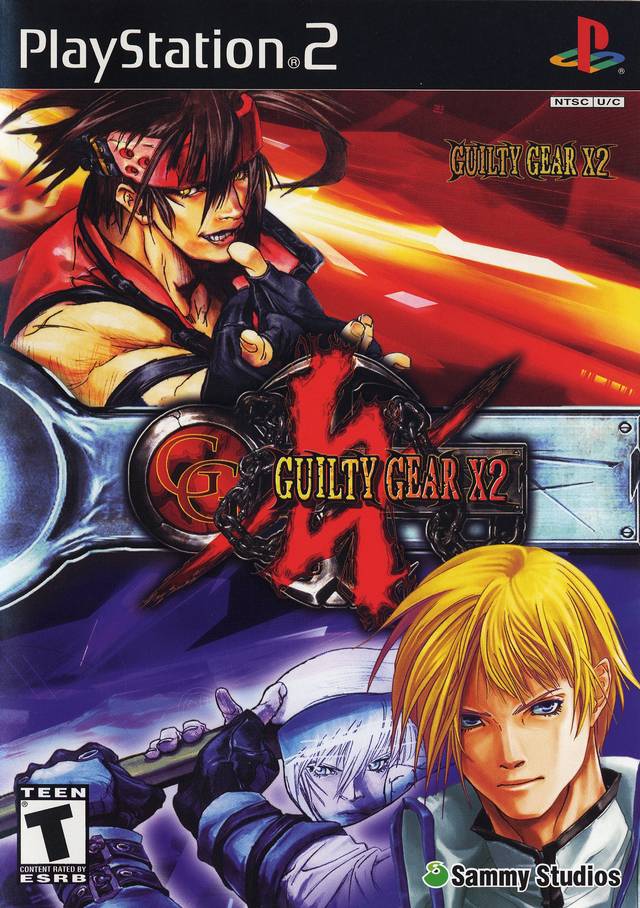
The History of Guilty Gear XX
The 2002 refinement of Arc System Works' anime fighter, and the decade of updates that followed it.
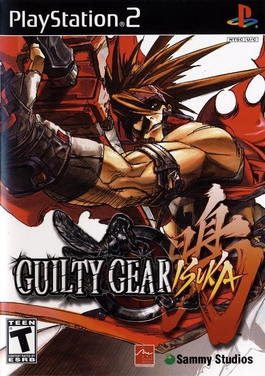
What Are the Versions of Guilty Gear XX?
Reload, Slash, Accent Core, Plus, and Plus R: one game in five documented states over ten years.
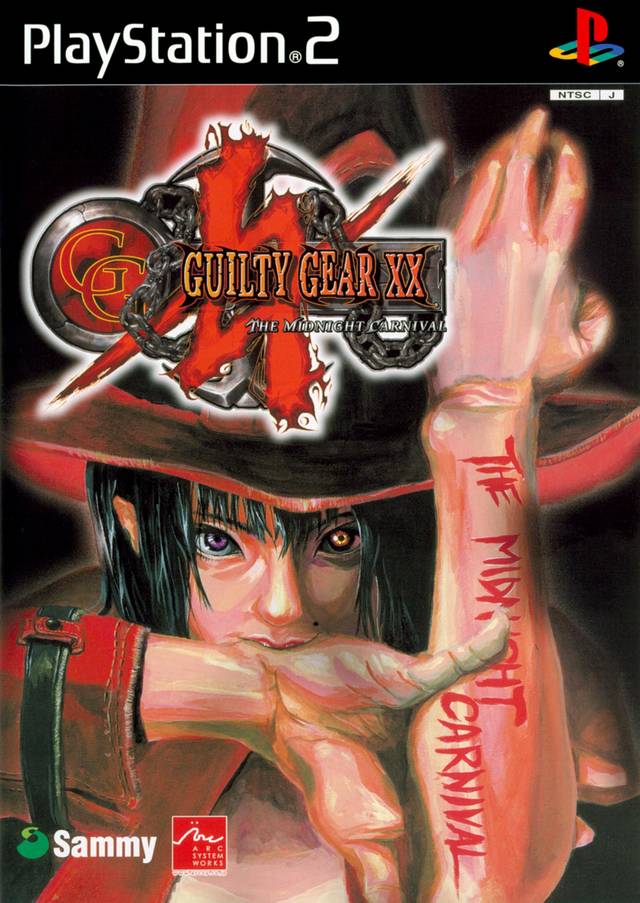
What Is a Roman Cancel in Guilty Gear XX?
Half a meter to erase a move's recovery: the system at the center of Guilty Gear's offense.
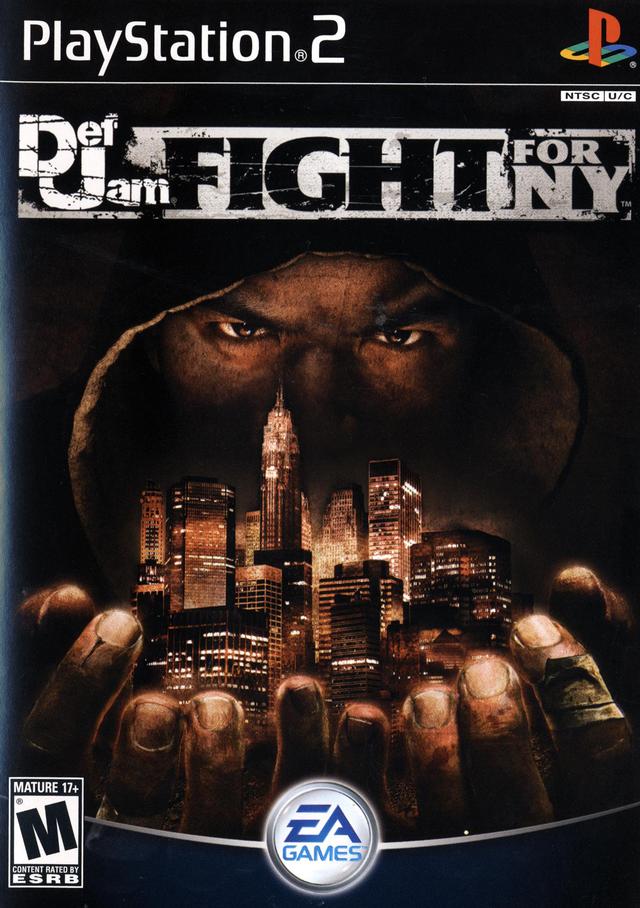
The History of Def Jam: Fight for NY
The AKI wrestling engine under a fighting game, wearing a record label.
How Did the Def Jam License Shape Def Jam: Fight for NY?
The license supplied the roster, the villain, the soundtrack, and the jewelry economy, and it is why the game cannot be rereleased.
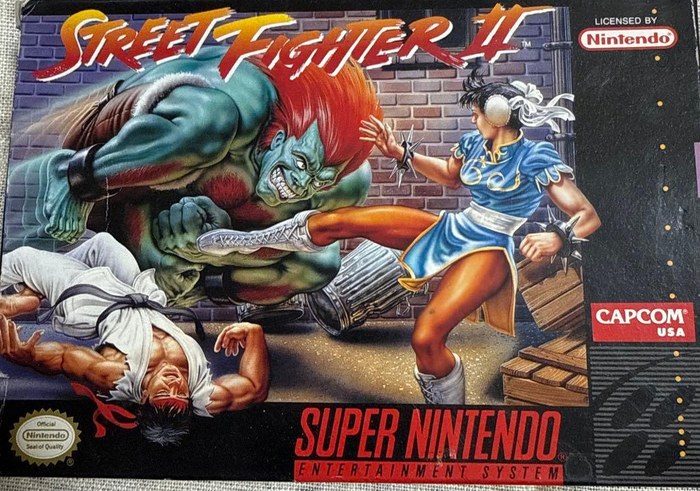
The History of Street Fighter II on Home Consoles
The arcade came home in 1992 and sold the console underneath it: the ports, the cadence, and 14 million cartridges.
Why Did the SNES Street Fighter II Matter So Much in 1992?
Because for a year, the biggest game on Earth had exactly one home address.
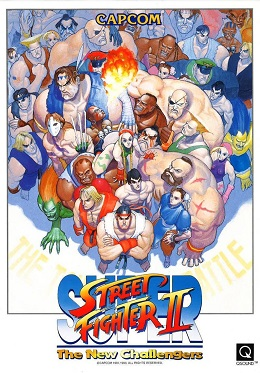
What Did the Genesis Street Fighter II Have to Solve With a Three-Button Pad?
Six attacks, three buttons, and a Start key asked to do a fighter's job.
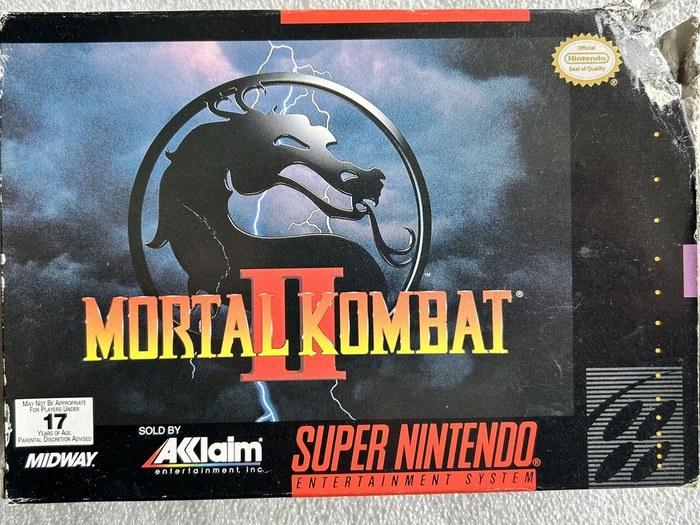
The History of Mortal Kombat II on Home Consoles
The sequel Nintendo let through the door it had barred a year before.
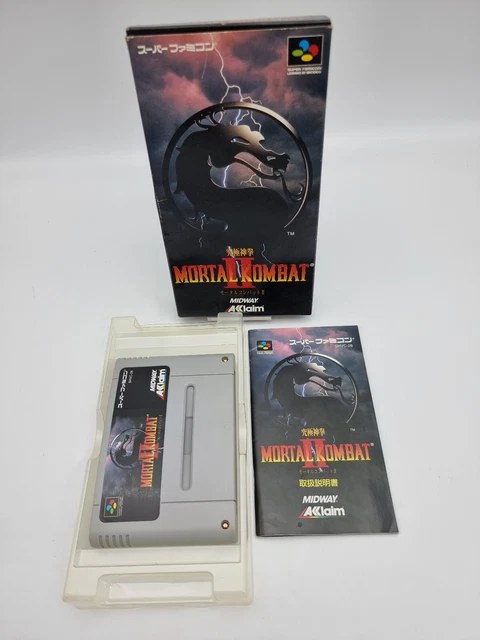
Why Did Nintendo Allow Blood in Mortal Kombat II?
Because the sweat had cost Nintendo a five to one defeat, and a ratings box had just been invented to take the blame instead.
What Were Friendships and Babalities For?
They were the rebuttal: the bloodiest game in the arcade answering its critics with a gift and a baby bottle.
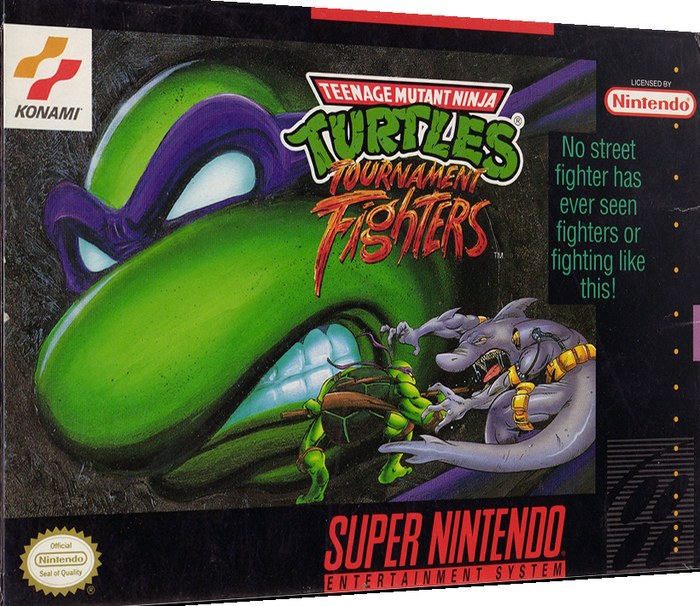
The History of TMNT: Tournament Fighters
One title, three consoles, three different games.