
THE LIBRARY
Collector guides, cover censuses, and edition answers, documented issue by issue. Every page answers one specific question, completely.
FAIRY TAIL
19 shelves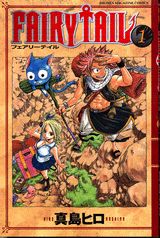
The Fairy Tail Manga Gallery
All 63 Japanese Fairy Tail tankōbon covers, pictured and documented with Kodansha release dates and ISBNs: Mashima's eleven-year run, cover by cover.
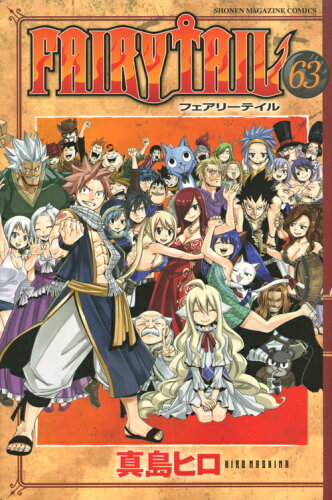
The History of Fairy Tail
Fairy Tail's history: the 2002 pilot one-shot, the August 2006 Weekly Shōnen Magazine launch, 545 chapters without a hiatus, 63 volumes, 72 million copies.
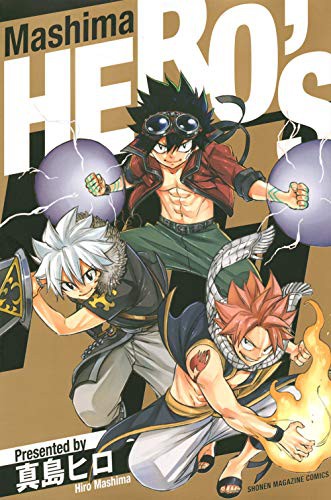
Who is Hiro Mashima?
Hiro Mashima: born 1977 in Nagano, rookie prize winner at 21, creator of Rave Master, Fairy Tail and Edens Zero, and the fastest famous hand in Weekly Shōnen…
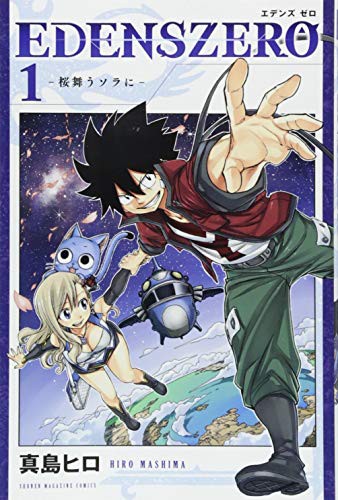
Rave Master, Fairy Tail, Edens Zero: One Universe
The Mashima universe: how Rave Master, Fairy Tail and Edens Zero share creatures, faces and seasonal heroes, and the crossovers where they meet on the page.
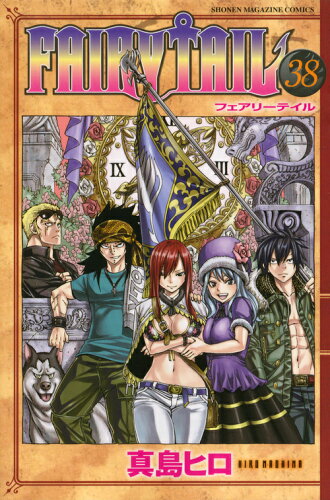
How Fast Does Hiro Mashima Draw?
Mashima's documented speed: three chapters in one issue two weeks running (128 pages), 17-hour days, eleven years of Fairy Tail without a hiatus, 26 years…
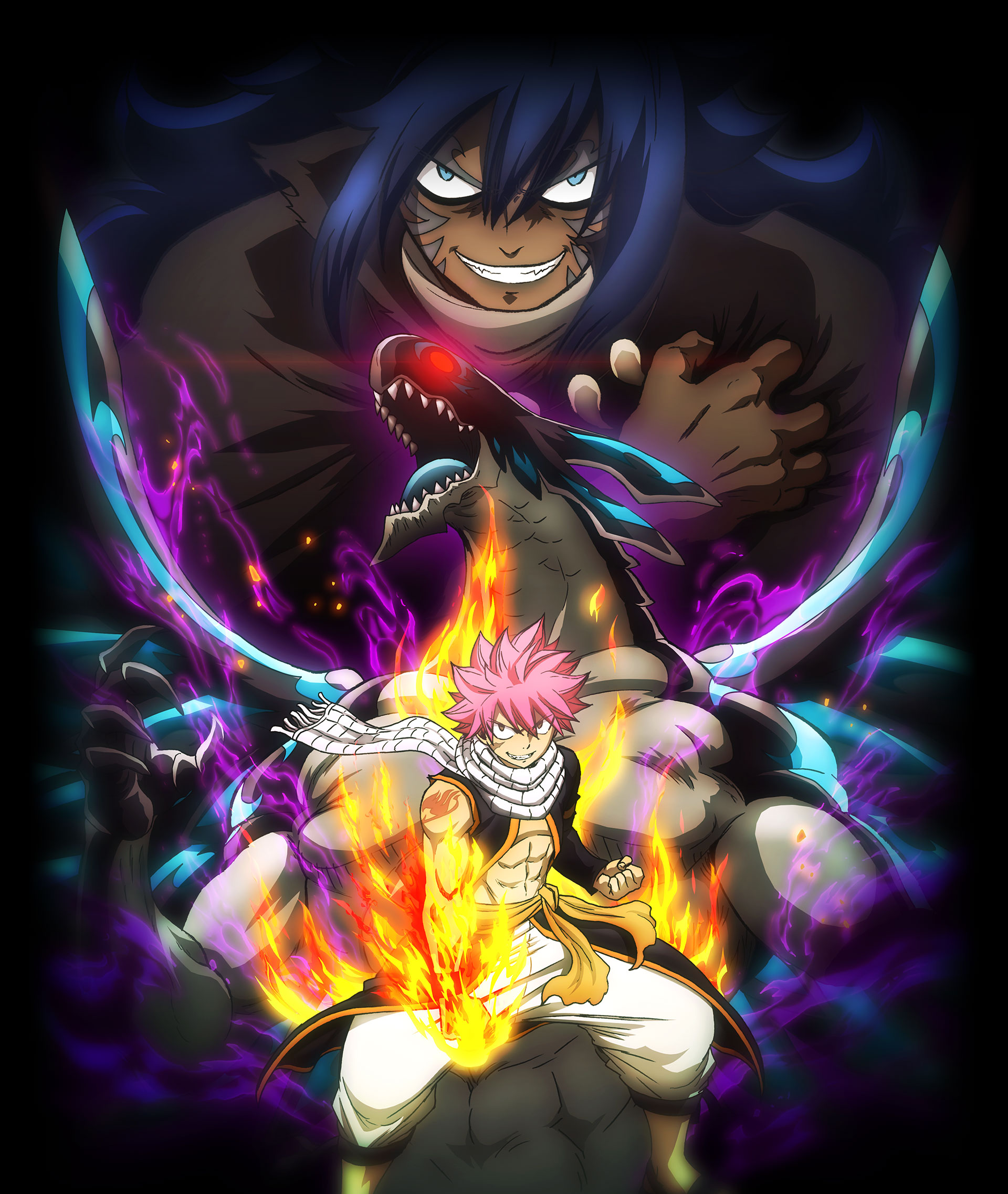
The Fairy Tail Anime, Era by Era
The Fairy Tail anime eras: Satelight and A-1 Pictures (175 episodes, 2009–13), Bridge joins (102, 2014–16), CloverWorks and the final series (51, 2018–19). 328…
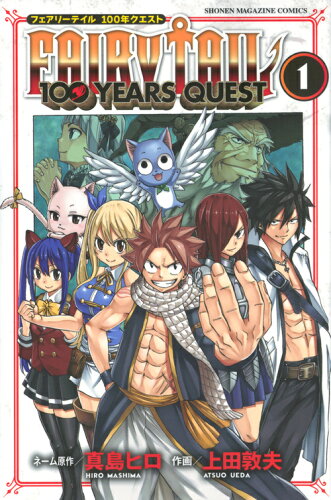
What Is Fairy Tail: 100 Years Quest?
Fairy Tail: 100 Years Quest: the official sequel, storyboarded by Mashima and drawn by Atsuo Ueda since July 2018; 24 volumes, a 25-episode J.C.Staff anime.
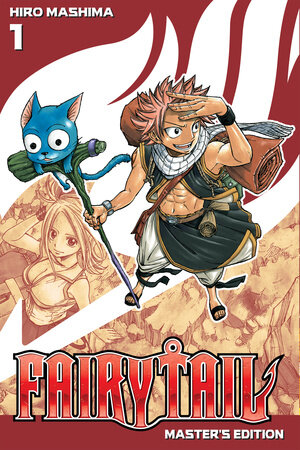
What Are the Fairy Tail English Editions?
Fairy Tail in English: Del Rey's twelve volumes, Kodansha USA's takeover and completion, the five Master's Editions that stopped early, and the 3-in-1 Omnibus line.
What Fairy Tail Video Games Are There?
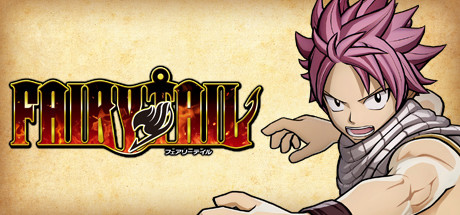
Fairy Tail games: Konami's PSP Portable Guild trilogy and DS fighters, Gust's 2020 console RPG and its sequel, and Mashima's indie contest that produced a…
Are Fairy Tail Covers the Same in Japanese and English?
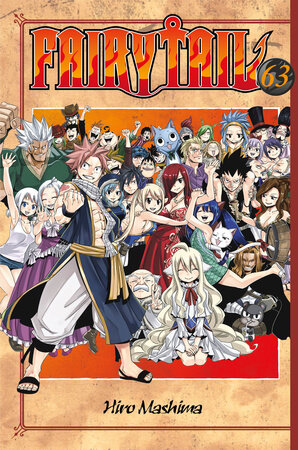
Fairy Tail's Japanese and English covers compared: the same Mashima paintings in both markets, re-dressed, with volume 1 and volume 63 shown side by side.
How Many Fairy Tail Books Are There?
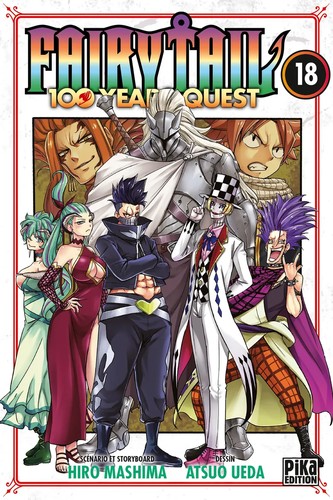
The Fairy Tail census: 63 main volumes, 24 sequel volumes, Zero, Fairy Tail S, and eight spin-off series: 116 Japanese tankōbon in all, counted line by line.
What Is Fairy Tail Zero?
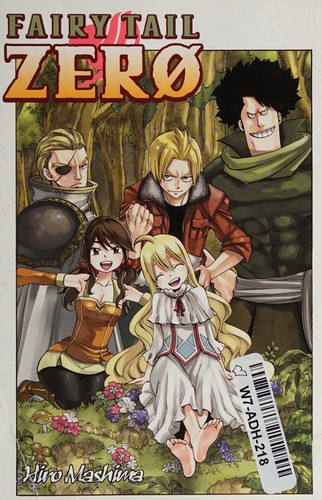
Fairy Tail Zero: Mashima's one-volume prequel about Mavis Vermillion and the founding of the guild, serialized in Monthly Fairy Tail Magazine, 2014–15.
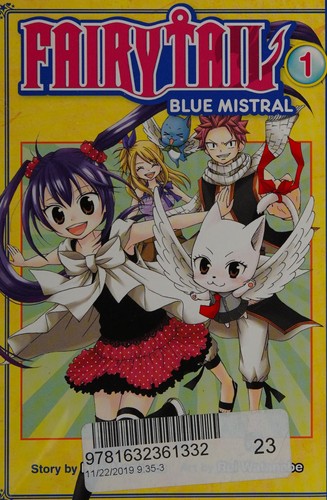
What Are the Fairy Tail Spin-Off Manga?
The eight Fairy Tail spin-off series: Zero, Ice Trail, Blue Mistral, Fairy Girls, the Side Stories trilogy, Happy's Heroic Adventure and City Hero, with authors…
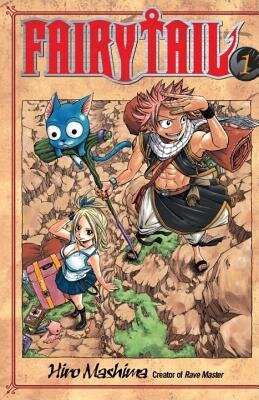
How Can You Tell a First Printing of Fairy Tail?
Identifying a first printing of Fairy Tail: the colophon page method for Kodansha tankōbon, why the ISBN cannot tell you, and volume 1 worked as the example.
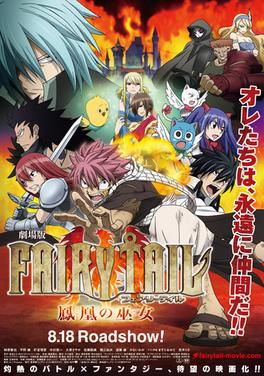
The Fairy Tail Movies
The two Fairy Tail films: Phoenix Priestess (August 18, 2012) and Dragon Cry (May 6, 2017), and the manga-bundled anime DVDs that fill out the screen catalogue.

Fairy Tail in Weekly Shonen Magazine
Fairy Tail's magazine life: the August 2006 debut in Weekly Shōnen Magazine, the crossovers, the simultaneous second series, and the 2017 finale after 545 chapters.
How Did Fairy Tail Get Its Name?
Why Fairy Tail is spelled Tail: the 2002 one-shot called Fairy Tale, Mashima's own explanation of the change, and the founding riddle the title asks.
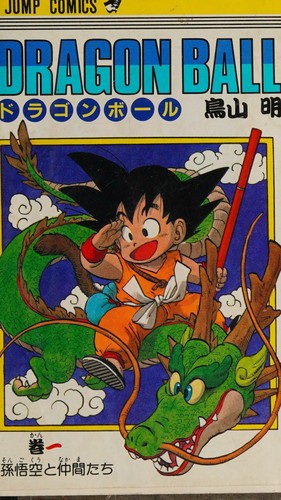
Was Fairy Tail Inspired by One Piece?
The One Piece question answered from the record: Mashima was never Oda's assistant, critics noted the art resemblance from 2008, and both artists cite Dragon Ball.
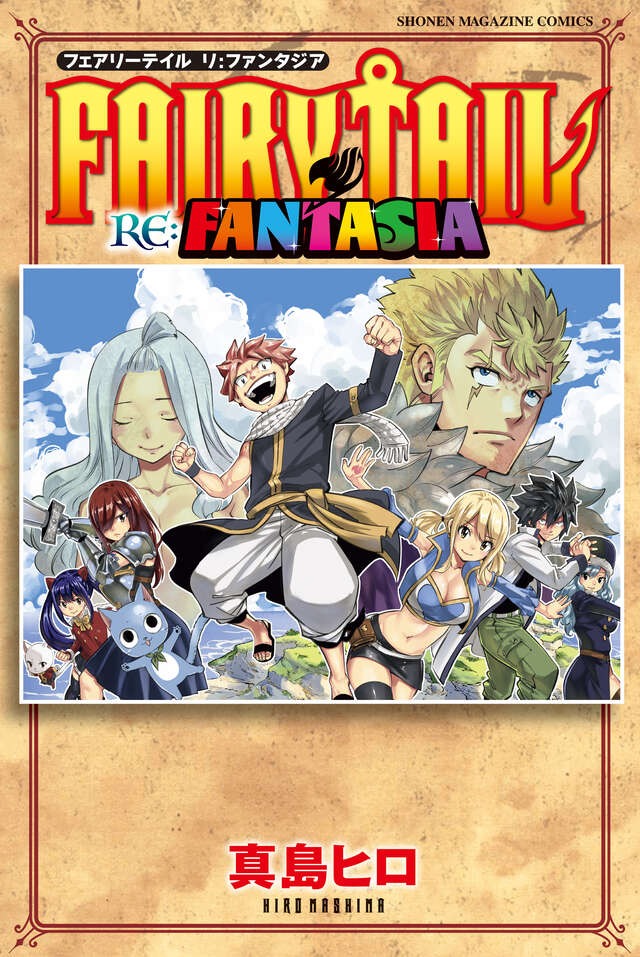
Fairy Tail at Twenty: Re:Fantasia
Fairy Tail Re:Fantasia: Mashima's 20th-anniversary miniseries in Weekly Shōnen Magazine, July to September 2026, moved a week early because he finished too fast.
FAMICOM
4 shelves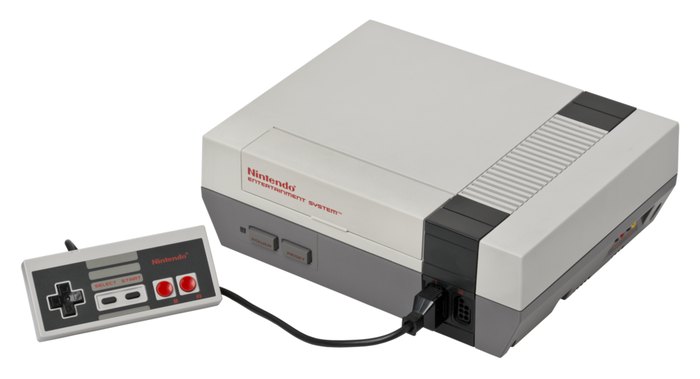
Why did the Japanese Famicom look different from the NES?
After the 1983 crash America would not stock a game console, so the NES arrived disguised as a VCR.
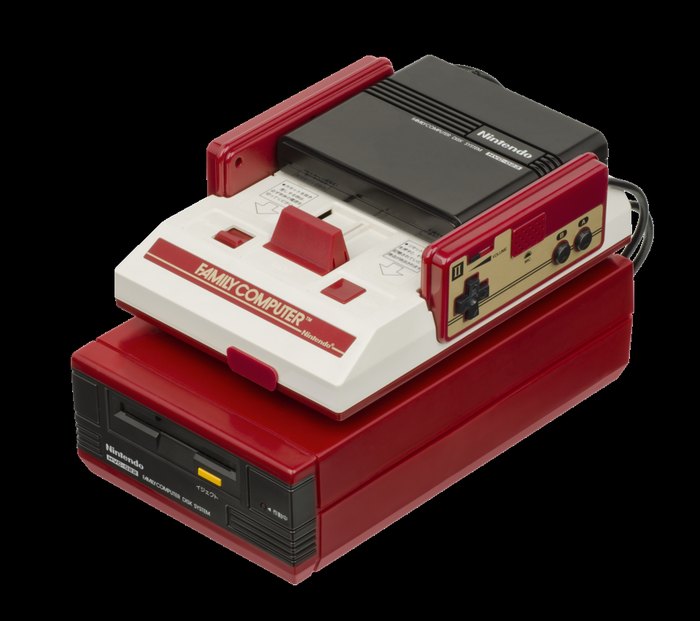
What was the Famicom Disk System?
The floppy drive under the Famicom: rewritable games, Disk Writer kiosks, and Disk Fax contests.
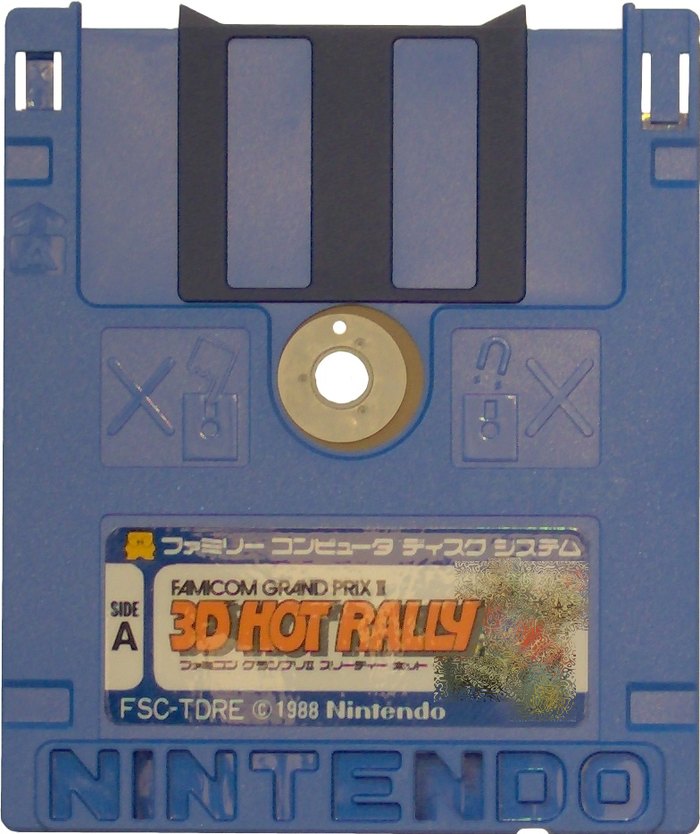
Why were some Famicom games on floppy disks?
Cheaper than chips, roomier than 1986 cartridges, and writable enough to hold a save file.
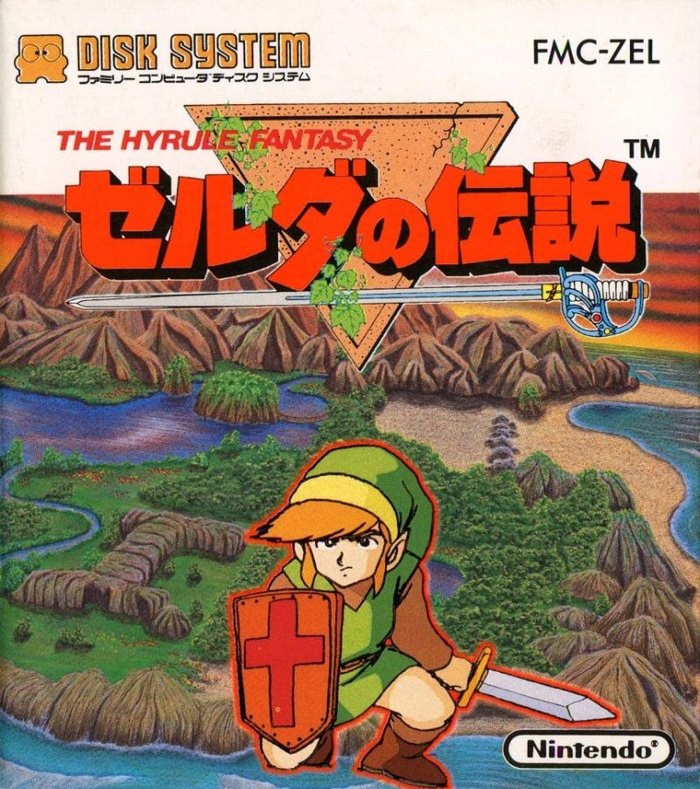
Did Zelda and Castlevania debut on floppy disks?
Yes, and both lost features, a microphone trick and a save system, on the way to American cartridges.
FATAL FRAME
9 shelfs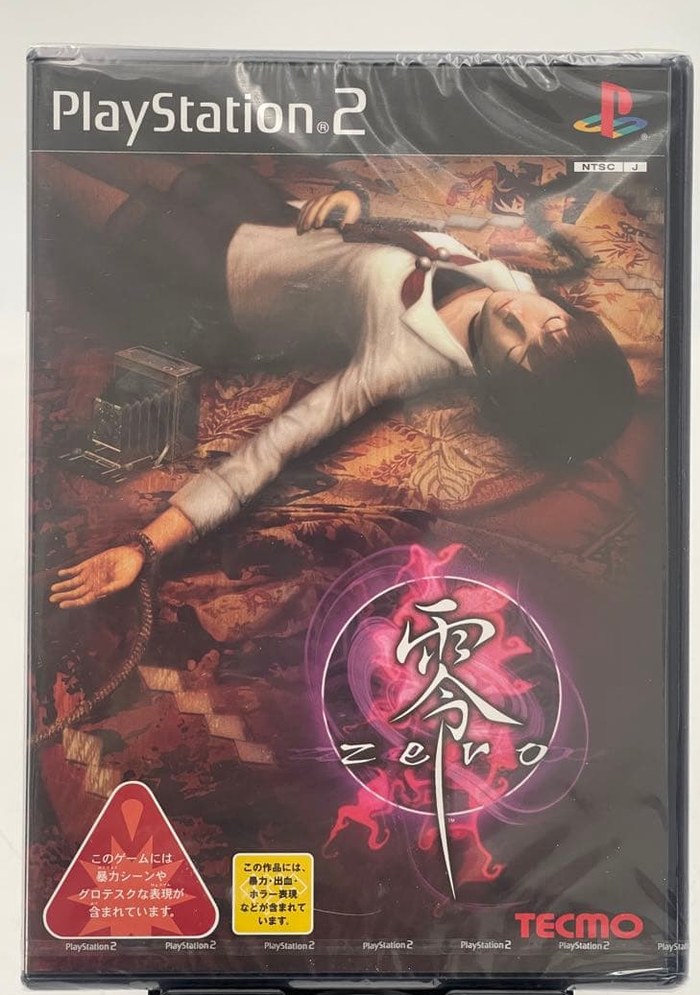
The Fatal Frame Gallery
The Japanese and American boxes side by side for four games: Zero in Japan, Project Zero in Europe, Fatal Frame in America, with their histories and questions behind them.
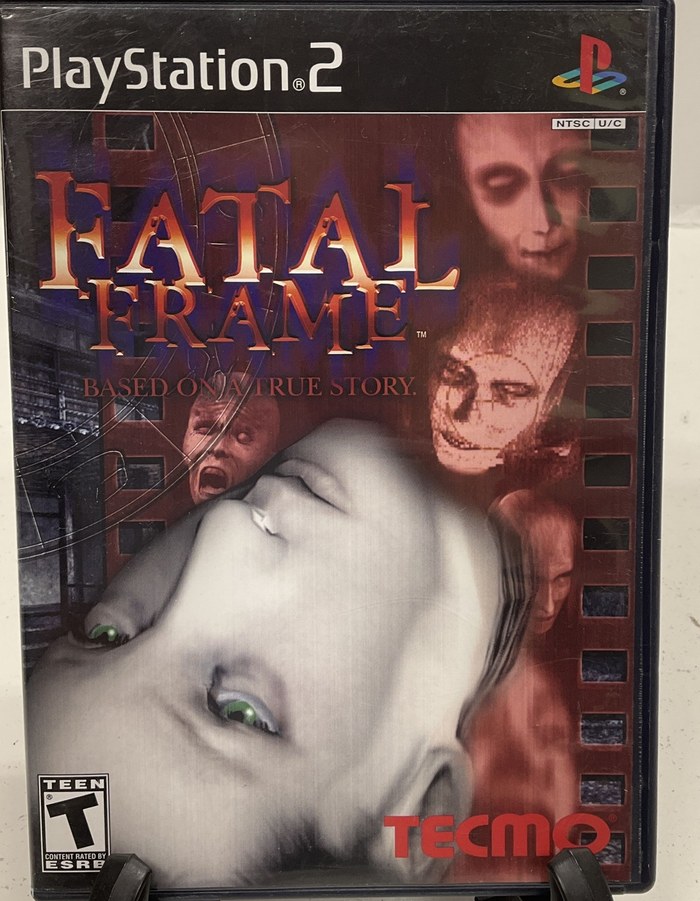
The History of Fatal Frame
Miku Hinasaki in Himuro Mansion, 1986: Shibata's dreams, the black and white design, the camera that arrived late, the editions, and the scores.
Is Fatal Frame based on a true story?
The box said Based on a true story. The record says the claim was marketing: what Tecmo added, what Shibata actually cited, and the quote that needs its label.
Why is the camera the weapon in Fatal Frame?
The Camera Obscura was not in the first design at all: ghosts repelled by light, a producer who objected, and a German military camera.
What inspired Fatal Frame?
Dreams and hauntings, Japanese horror and war films, and Daijiro Morohoshi's Yokai Hunter, with two labelled footnotes.
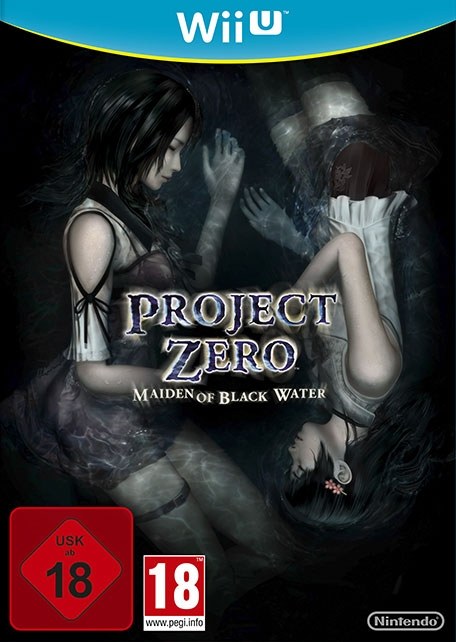
Why is Fatal Frame called Project Zero?
A codename, a title that means nothingness and can be read as ghost, and three names for one series across three markets.
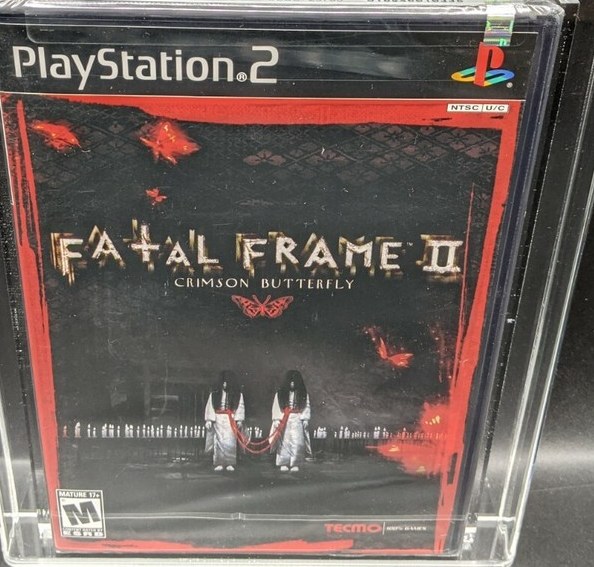
The History of Fatal Frame II: Crimson Butterfly
The Amakura twins in Minakami Village: the dream the plot came from, The Shining, Tsukiko Amano's Cho, and the scariest game lists.
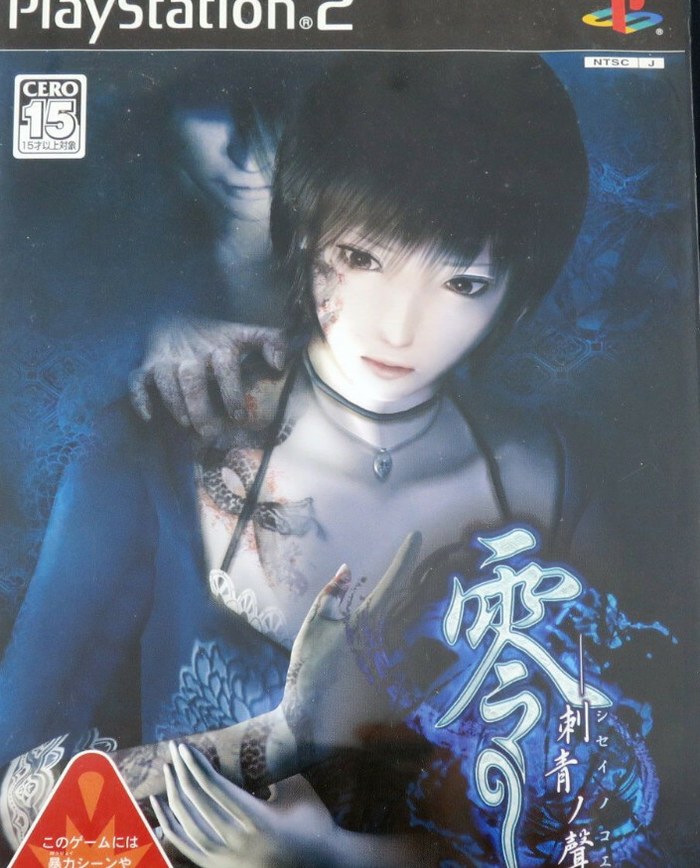
The History of Fatal Frame III: The Tormented
Rei Kurosawa in the Manor of Sleep: the nightmare the house came from, a manor with no music in it, and the trilogy's close.
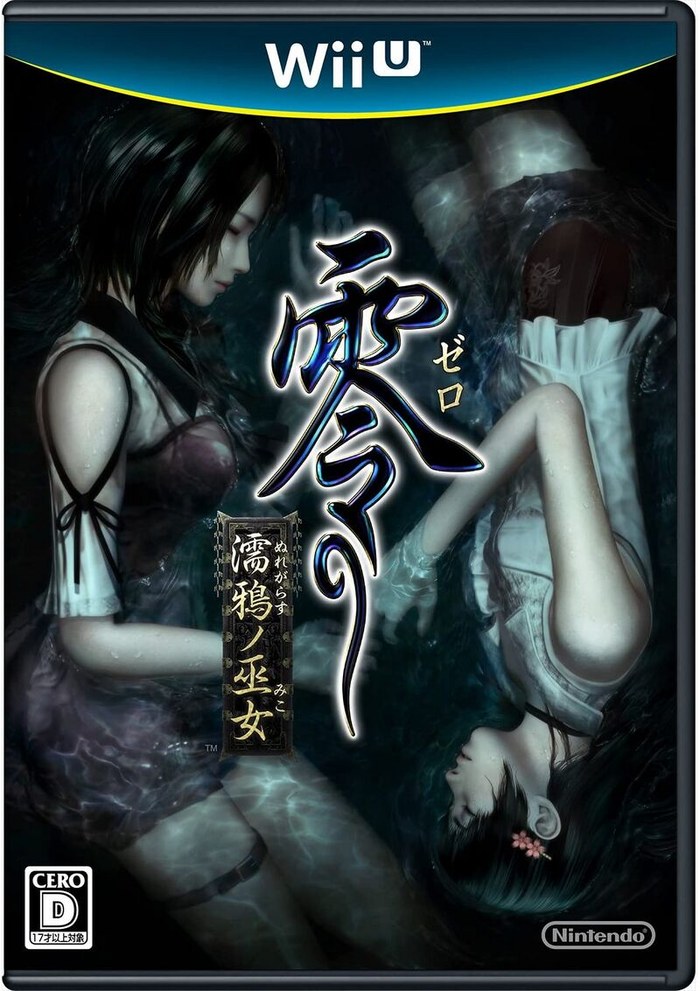
The History of Fatal Frame: Maiden of Black Water
Yuri Kozukata on Mount Hikami: the Wii U GamePad that became the Camera Obscura, the fear of being wet, and the 2021 return.
FIGHTING GAMES
104 shelves
The Fighting Games Gallery
Twelve games that turned the couch into the arcade.
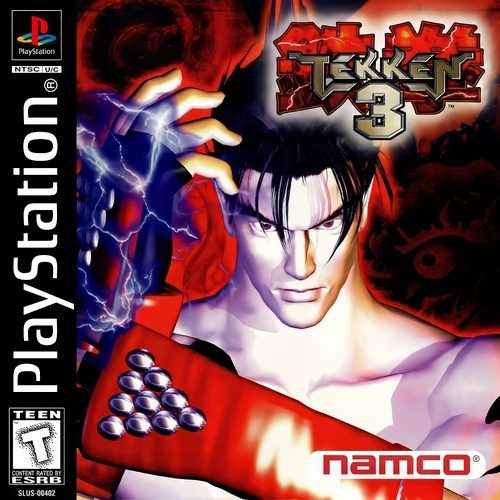
The History of Tekken 3
The game that rebuilt Tekken from scratch and became the PlayStation's defining 3D fighter.
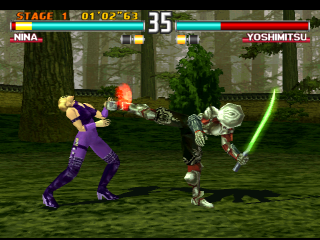
Why Is Tekken 3 Considered the Best Fighting Game on the PlayStation?
Because the reviews, the depth, and the living room all agreed at once.
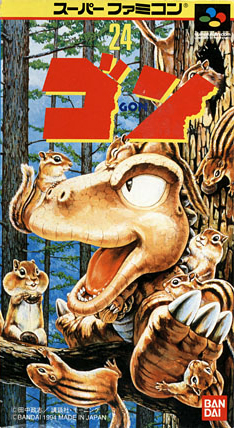
Who Is Gon, and Why Is a Tiny Dinosaur in Tekken 3?
He is a manga star on a one time license, not a Namco character.
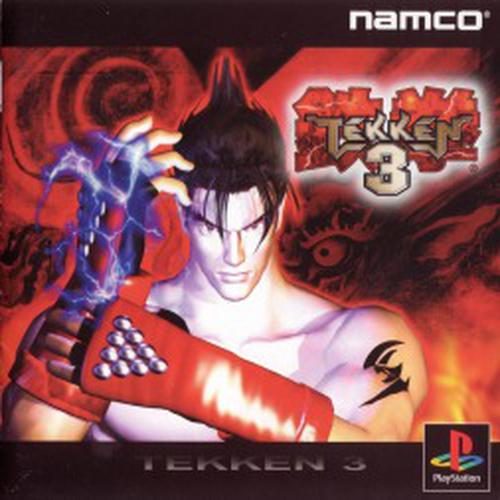
Who wrote Tekken 3's music?
Nobuyoshi Sano and Keiichi Okabe turned Tekken electronic, techno and breakbeat over the ring.
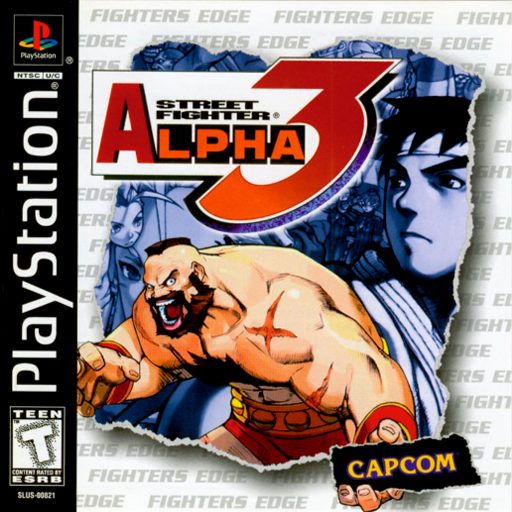
The History of Street Fighter Alpha 3
The Alpha series ended by trying to be three fighting games at once, and mostly succeeding.
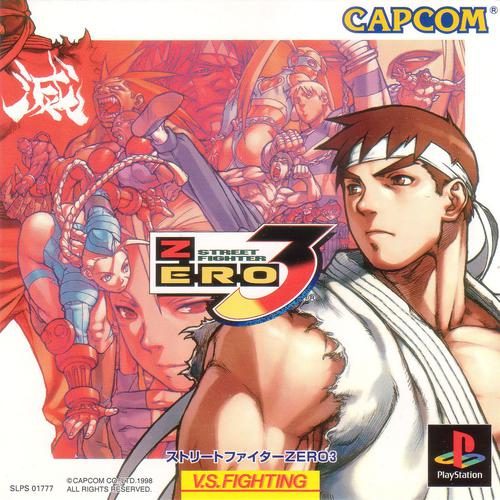
What Is the World Tour Mode in Street Fighter Alpha 3?
An RPG campaign wrapped around arcade fights, built only for the home versions.
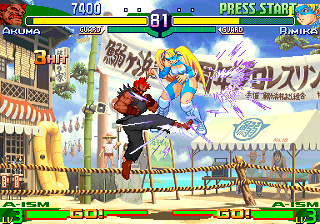
Why Does the PlayStation Street Fighter Alpha 3 Have More Characters Than the Arcade?
Because the home version was built to outdo the arcade, not just copy it.
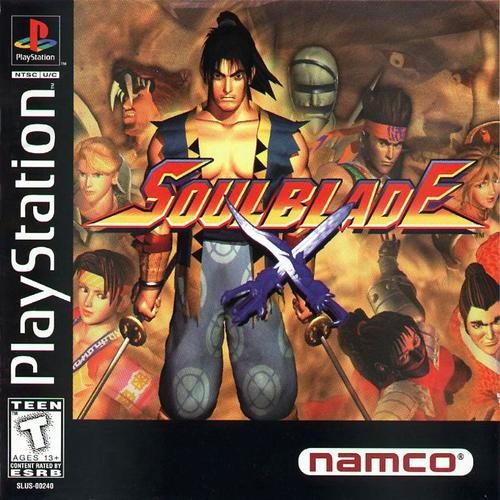
The History of Soul Blade
The weapon fighter that started the Soulcalibur line.
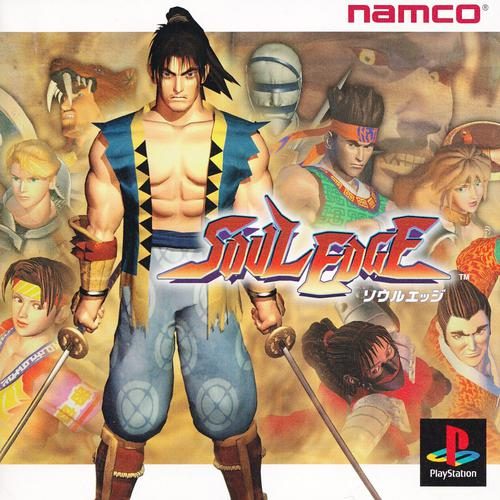
Why Is Soul Edge Called Soul Blade in America?
It was a trademark dodge, not a rebrand.
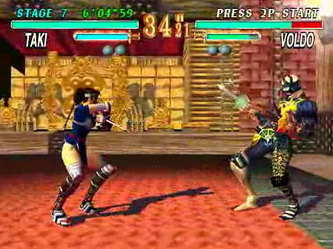
What Is Edge Master Mode in Soul Blade?
A story mode that paid you in swords.
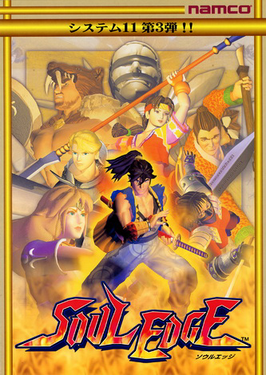
Why does Soul Blade have three soundtracks?
Arcade, arranged, and the Khan Super Session: three complete switchable scores in one PlayStation box.
The History of Mortal Kombat on Consoles
The port that split an industry in two.
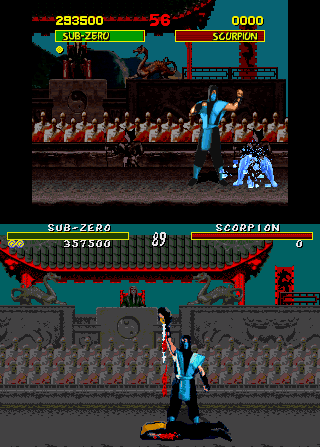
Why Did the SNES Mortal Kombat Have Sweat Instead of Blood?
Because Nintendo required the blood to go.
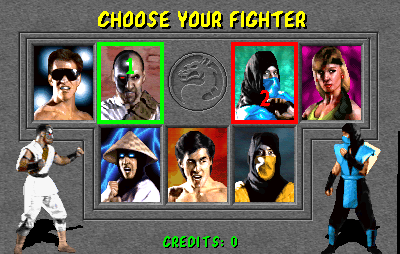
Why Did the Genesis Mortal Kombat Outsell the SNES Version?
Players bought the version that let them turn the arcade game back on.