
THE LIBRARY
Collector guides, cover censuses, and edition answers, documented issue by issue. Every page answers one specific question, completely.
FINAL FANTASY
19 shelves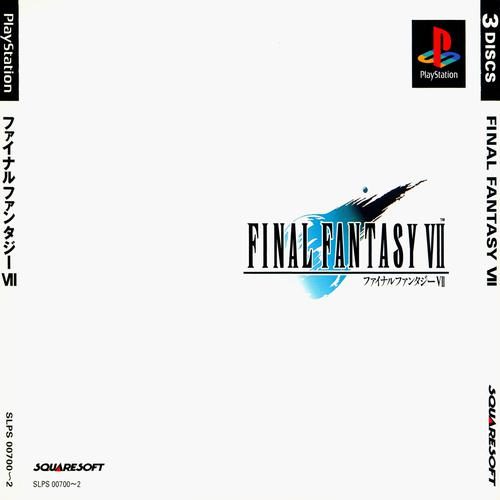
The Final Fantasy Gallery
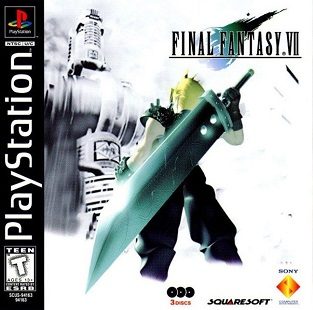
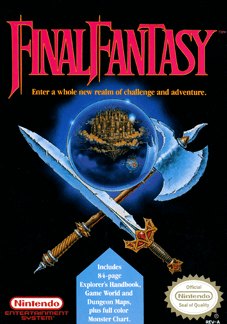
Two beginnings, ten years apart: the 1987 Famicom original and Final Fantasy VII, each with its Japanese and American covers side by side.
The History of Final Fantasy VII
The move from Nintendo 64 to PlayStation, the full motion video bet, and a 92 on Metacritic.
Why is it called Final Fantasy if it never ends?
Not the bankruptcy legend. Hironobu Sakaguchi has debunked it himself, twice.
What is the difference between the Final Fantasy Ultimania books and the Ultimania Archive books?
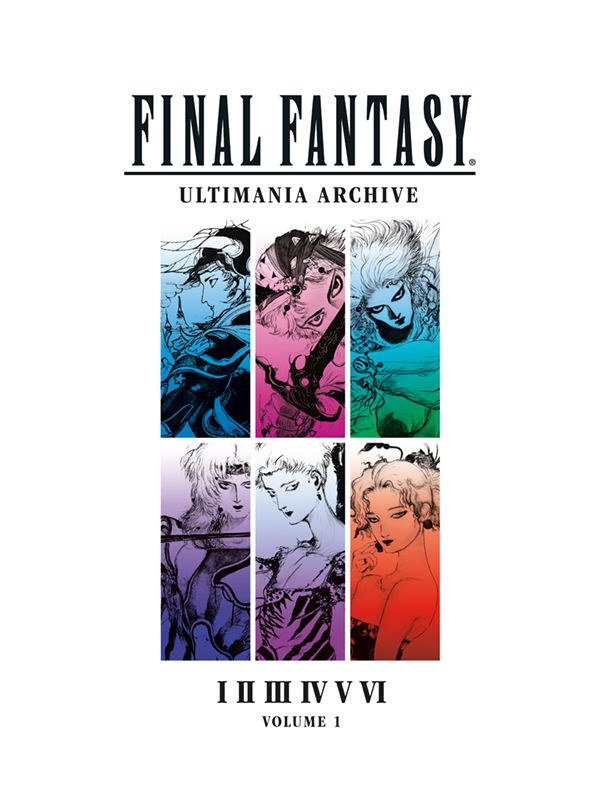
A 75-plus volume Japanese per-game line against a three-volume English archive of one memorial trilogy.
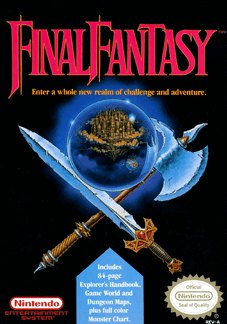
The History of Final Fantasy
Square's seven person A-Team, the side view battle, the Chaos time loop, and two million copies: the 1987 original behind the name.
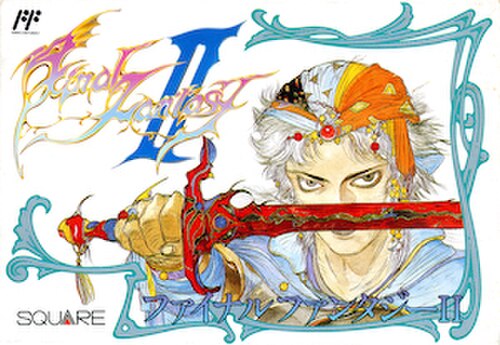
The History of Final Fantasy II
The Japan only sequel that threw out experience points, debuted the chocobo and Cid, and divided its players for good.
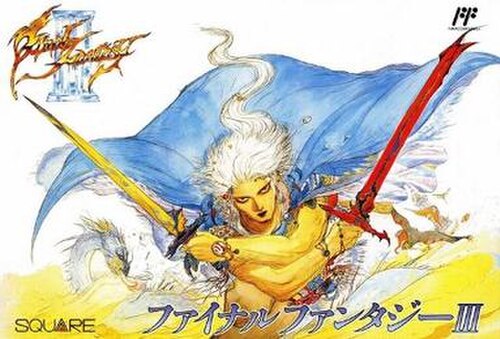
The History of Final Fantasy III
The job system, the largest cartridge on the Famicom, 1.4 million copies at home, and a sixteen year wait for the West.
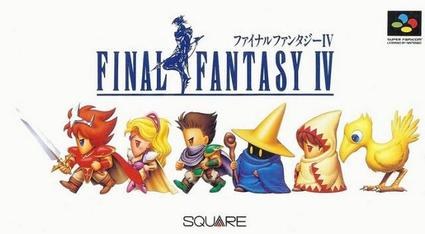
The History of Final Fantasy IV
The first 16-bit Final Fantasy: Active Time Battle debuts, Cecil earns the light, and America gets the game as Final Fantasy II.
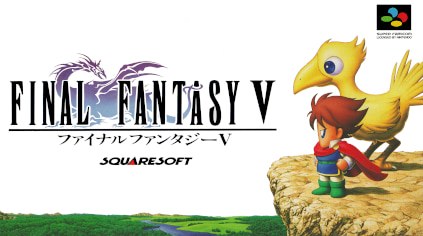
The History of Final Fantasy V
The job system's deepest cut, Sakaguchi's favorite, and the masterpiece Japan kept to itself for seven years.
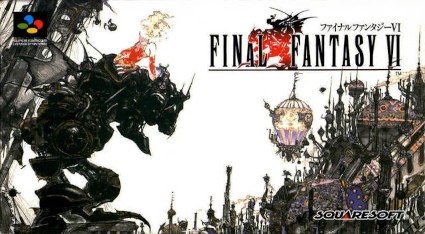
The History of Final Fantasy VI
Kitase and Ito's ensemble epic: fourteen heroes, a world that ends halfway, and the last 2D mainline game, sold in America as Final Fantasy III.
Why does Final Fantasy VI have an opera scene?
Kitase wrote it into the scenario, Uematsu composed the aria, and the sound chip could not sing it, so it almost did.
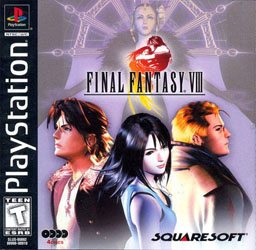
The History of Final Fantasy VIII
Kitase follows a phenomenon: the Draw and Junction system, Eyes on Me, 2.21 million copies in a day in Japan, and reviews that were all over the place.
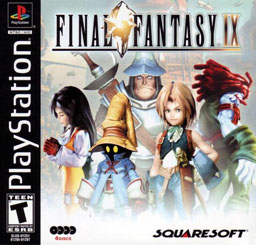
The History of Final Fantasy IX
Sakaguchi's reflection on the series, made in Hawaii: the highest Metacritic score in Final Fantasy, and sales that ran behind the reviews.
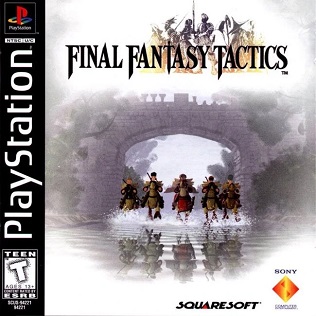
The History of Final Fantasy Tactics
Matsuno brings the Ogre Battle team to Square and invents Ivalice: a tactical RPG about class, buried history, and a million copies in Japan in year one.
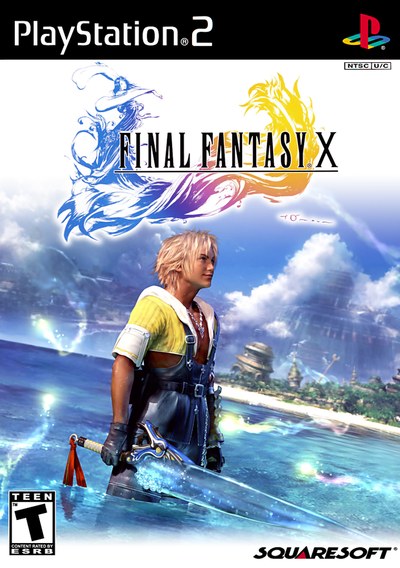
Final Fantasy X (2001)
The History: 100 people, 4 billion yen, the first voiced Final Fantasy, and a 92 on Metacritic.
Final Fantasy XII (2006)
The History: Gambits, a perfect Famitsu score, and the Zodiac Job System the West waited a decade for.
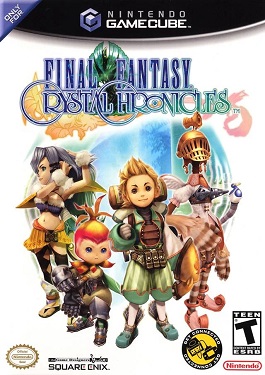
The History of Final Fantasy Crystal Chronicles
Square returns to Nintendo through a shell company: the caravan, the Miasma, and over 1.3 million copies shipped.
Why did Final Fantasy Crystal Chronicles need Game Boy Advances for multiplayer?
Producer Akitoshi Kawazu built the game around the link cable, for private screens and hidden information. His reasons, on the record.
How did Final Fantasy music get its own concert tours?
A limited audience orchestral suite in 1989, a sold out Tokyo concert in 2002, then Dear Friends in America and the Distant Worlds world tour.
FIRE EMBLEM
20 shelves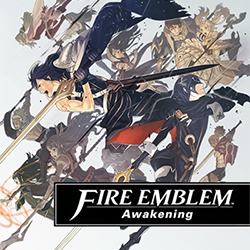
Why was Fire Emblem: Awakening almost the last Fire Emblem game?
Producer Hitoshi Yamagami on the record: the 250,000 copy threshold, the culmination the team built under it, and the 242,600 copy first week that cleared it.
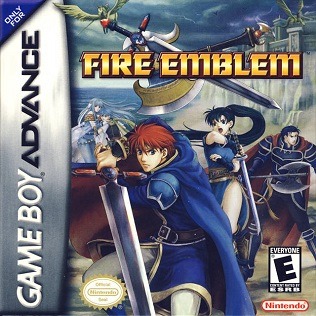
Why did Fire Emblem stay in Japan for thirteen years?
Six games stayed home on text, difficulty, and expected sales, until Advance Wars and Marth and Roy in Melee changed Nintendo's mind.
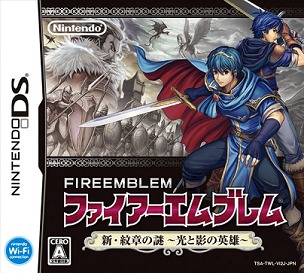
Why does Fire Emblem have permadeath, and why did Casual mode arrive?
Kaga in 1990, on gravity and seriousness, and the four month staff argument that added the off switch in 2010 and carried it worldwide in Awakening.
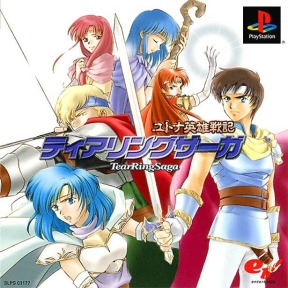
What did Shouzou Kaga do after Fire Emblem?
Tirnanog, Tear Ring Saga on PlayStation, a 76 million yen court fine with no copyright breach, Berwick Saga, and a free game in 2016.
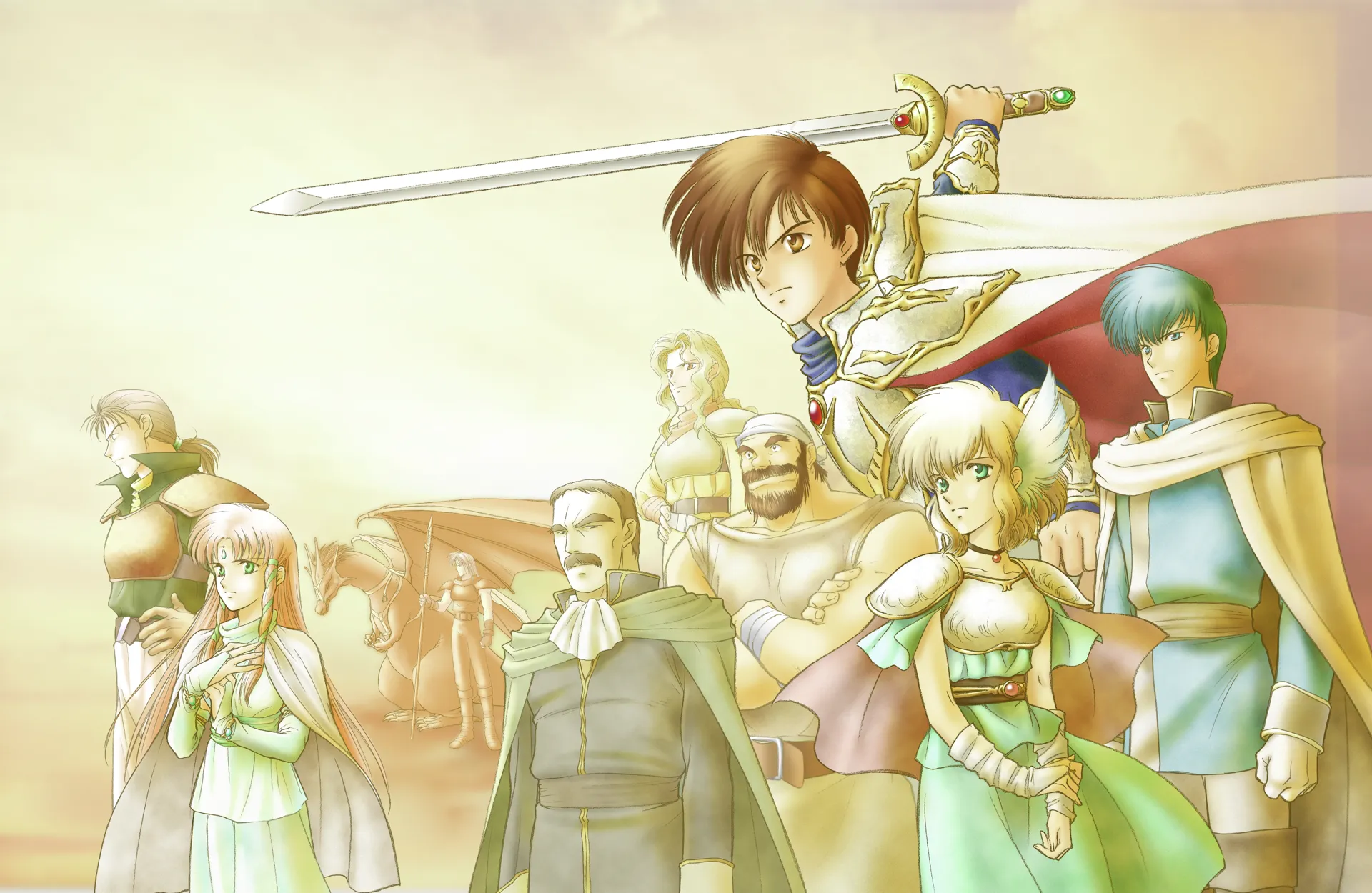
Fire Emblem's Two Eras: The Kaga Years and What Came After
Fire Emblem's two eras: Shouzou Kaga headed the first five games (1990 to 1999) before leaving Intelligent Systems; Tohru Narihiro, Kouhei Maeda, supports, the…
The Archanea Games
The Archanea games documented: Shadow Dragon and the Blade of Light (1990), Mystery of the Emblem (1994), the Satellaview Archanea Saga (1997), the DS remakes,…
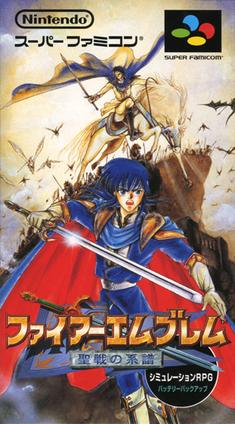
The Jugdral Games
The Jugdral games: Genealogy of the Holy War (Super Famicom, May 14, 1996) with its two generations, weapon triangle and love system, and Thracia 776 (1999),…
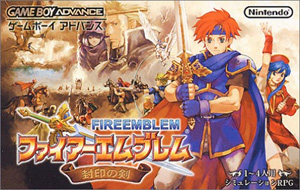
The Elibe Games
The Elibe games: The Binding Blade (GBA, March 29, 2002), Roy's Japan-only sequel-generation war, and its prequel The Blazing Blade (2003), the first Fire Emblem…
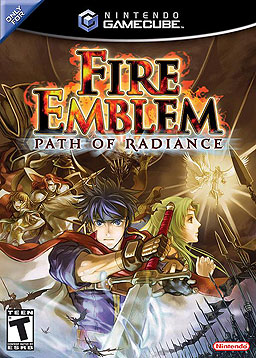
The Tellius Games
The Tellius games: Path of Radiance (GameCube, April 20, 2005), Ike and the laguz war, and Radiant Dawn (Wii, February 22, 2007), its multi-army sequel with a…
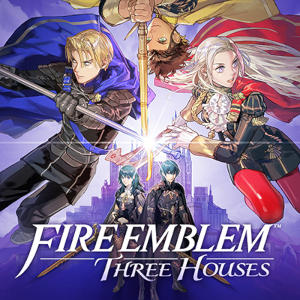
The Fódlan Games
The Fódlan games: Three Houses (Switch, July 26, 2019), the Koei Tecmo co-developed monastery epic and the series' best-selling single entry, and Warriors: Three…
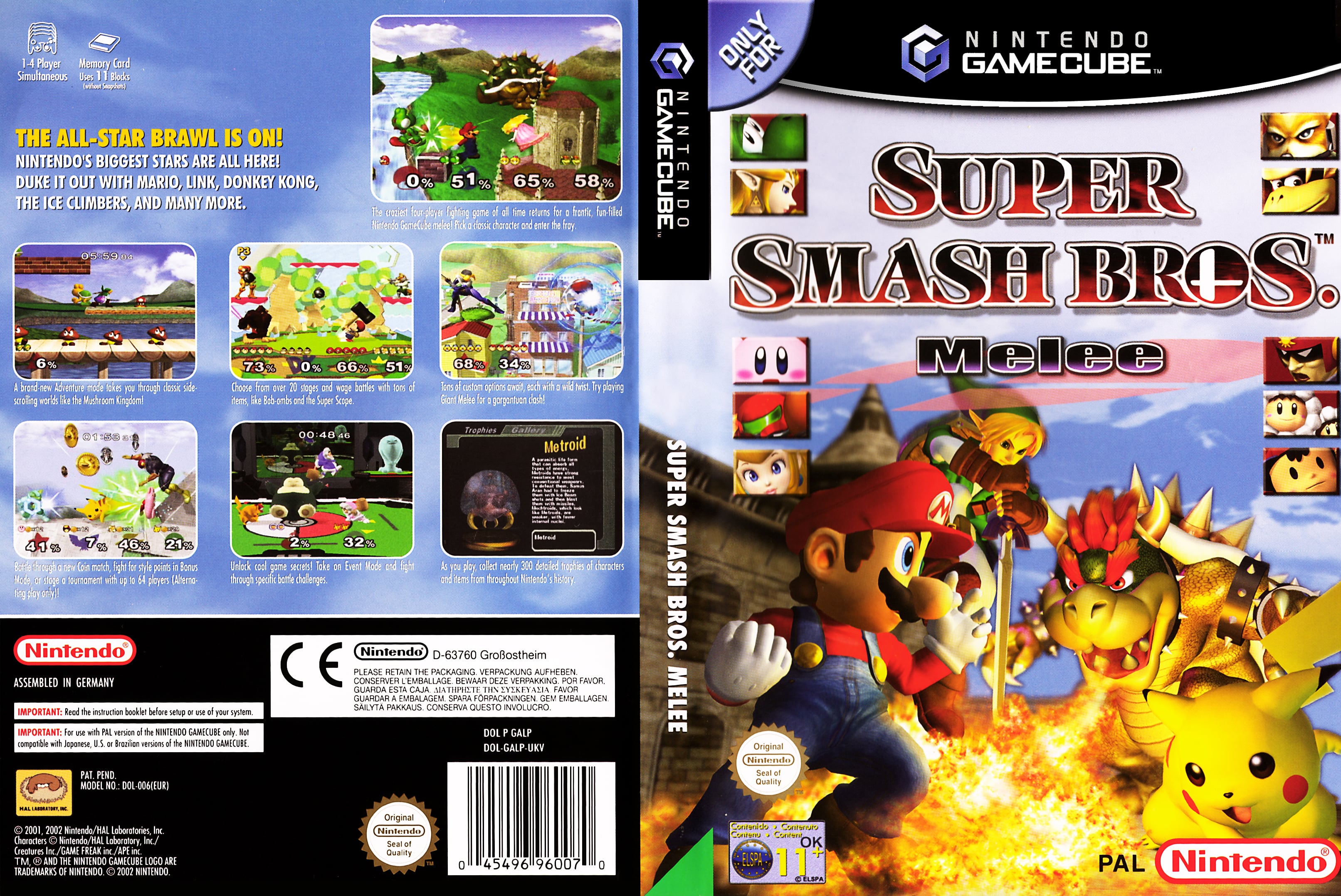
How Melee Brought Fire Emblem West
Marth and Roy in Super Smash Bros. Melee (2001): the documented near-removal from the Western version, Nintendo of America's decision to keep them, Roy's debut…
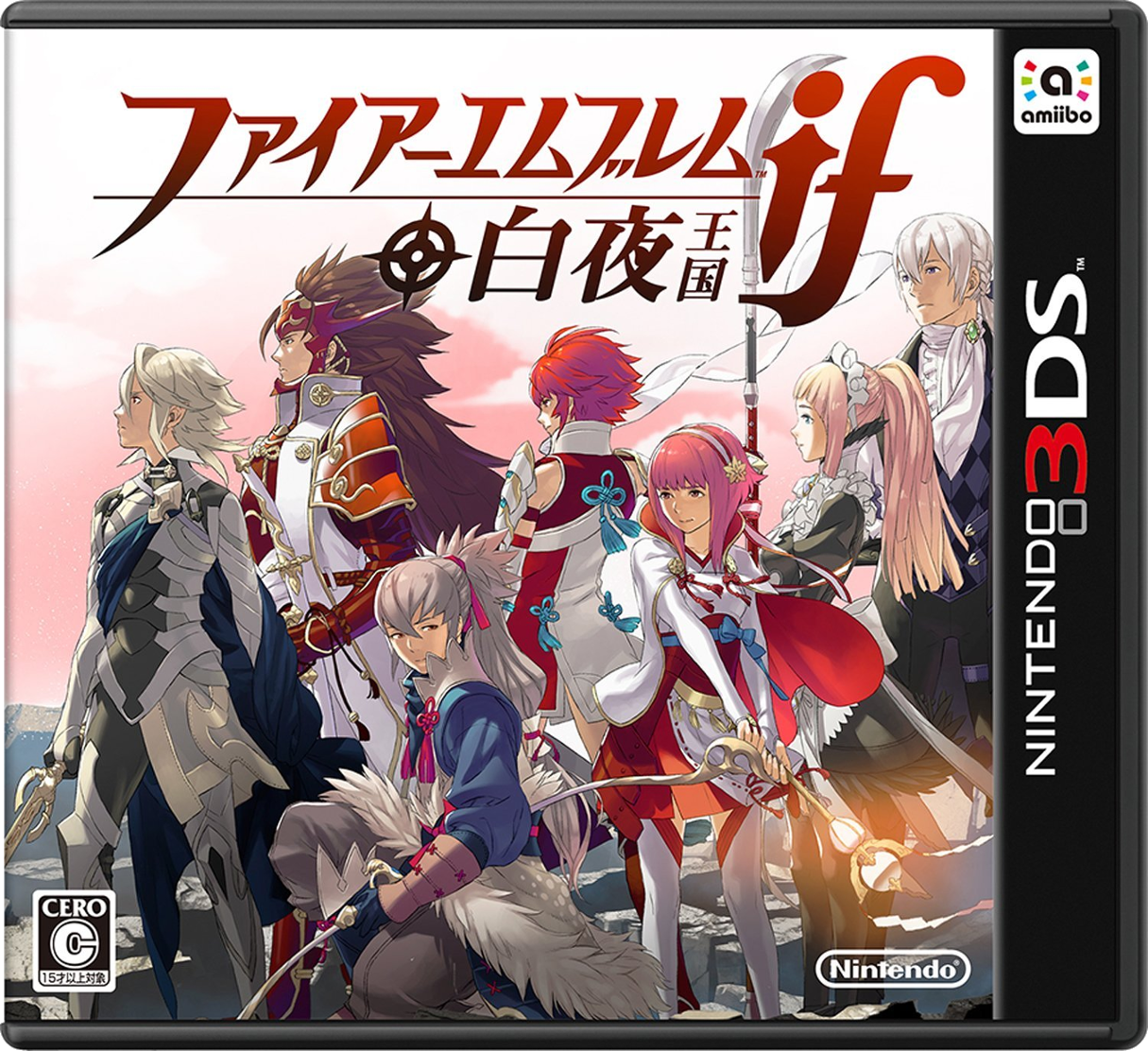
What Did Awakening Change?
What Awakening changed, distinct from its sales rescue: Pair Up, roster-wide marriage and children revived from Genealogy, Robin the Avatar, Casual mode going…
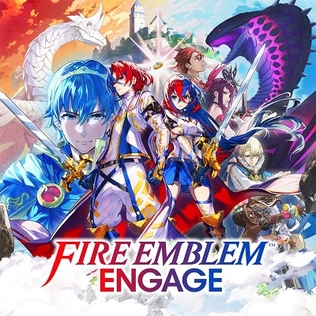
The Weapon Triangle and Durability
The weapon triangle (swords, axes, lances) and trinity of magic, introduced together in Genealogy of the Holy War (1996), the Fates color reorganization,…
Who Designed Fire Emblem's Characters?
Fire Emblem's character designers era by era: Katsuyoshi Koya (Mystery, Genealogy), Mayumi Hirota (Thracia), Kaneda and Wada (GBA), Senri Kita (Tellius),…
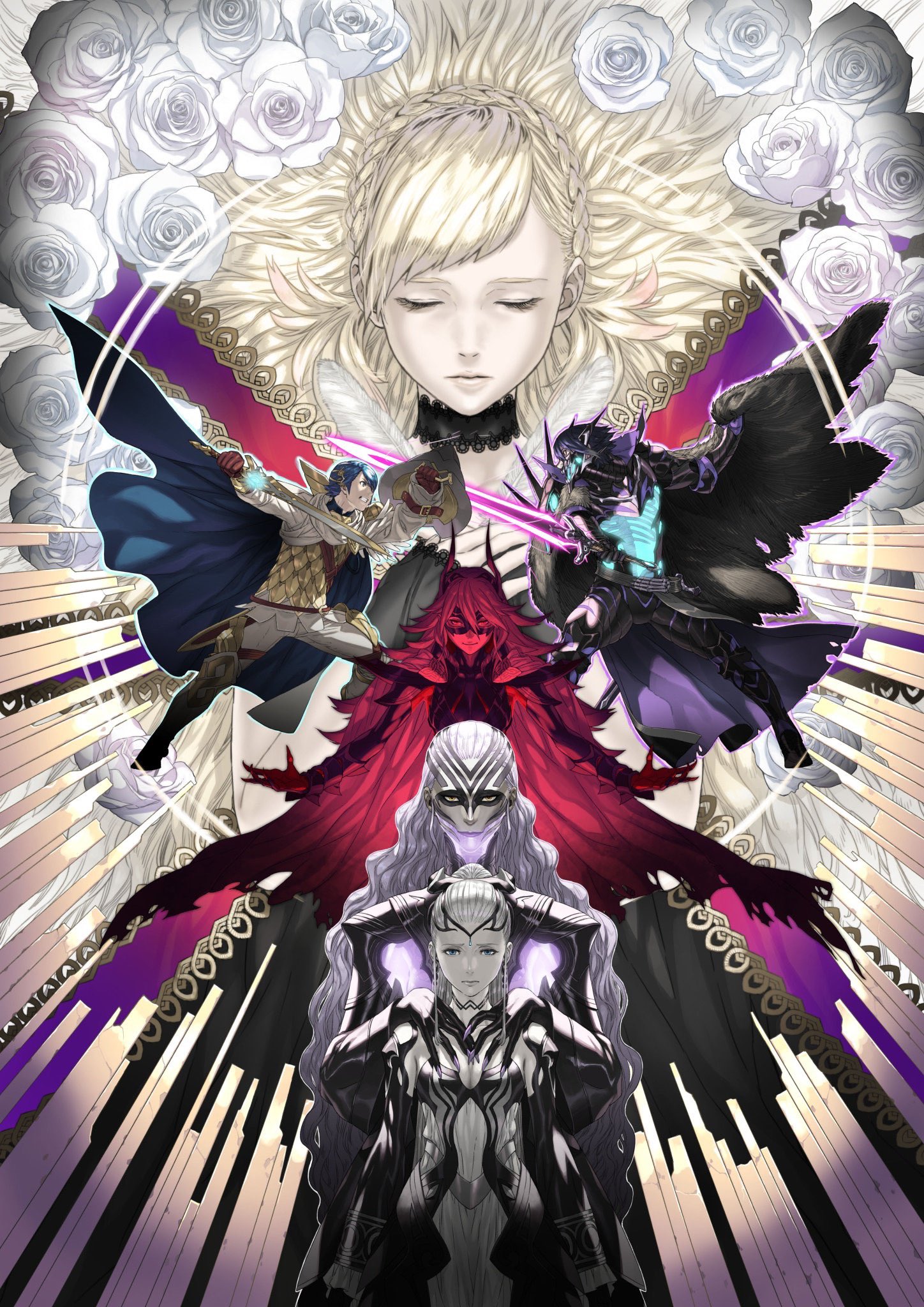
How Much Money Has Fire Emblem Heroes Made?
Fire Emblem Heroes' economics from Sensor Tower estimates, carefully dated: almost $300M in year one, $656M by January 2020, $1B crossed in Q1 2022 (a Nintendo…
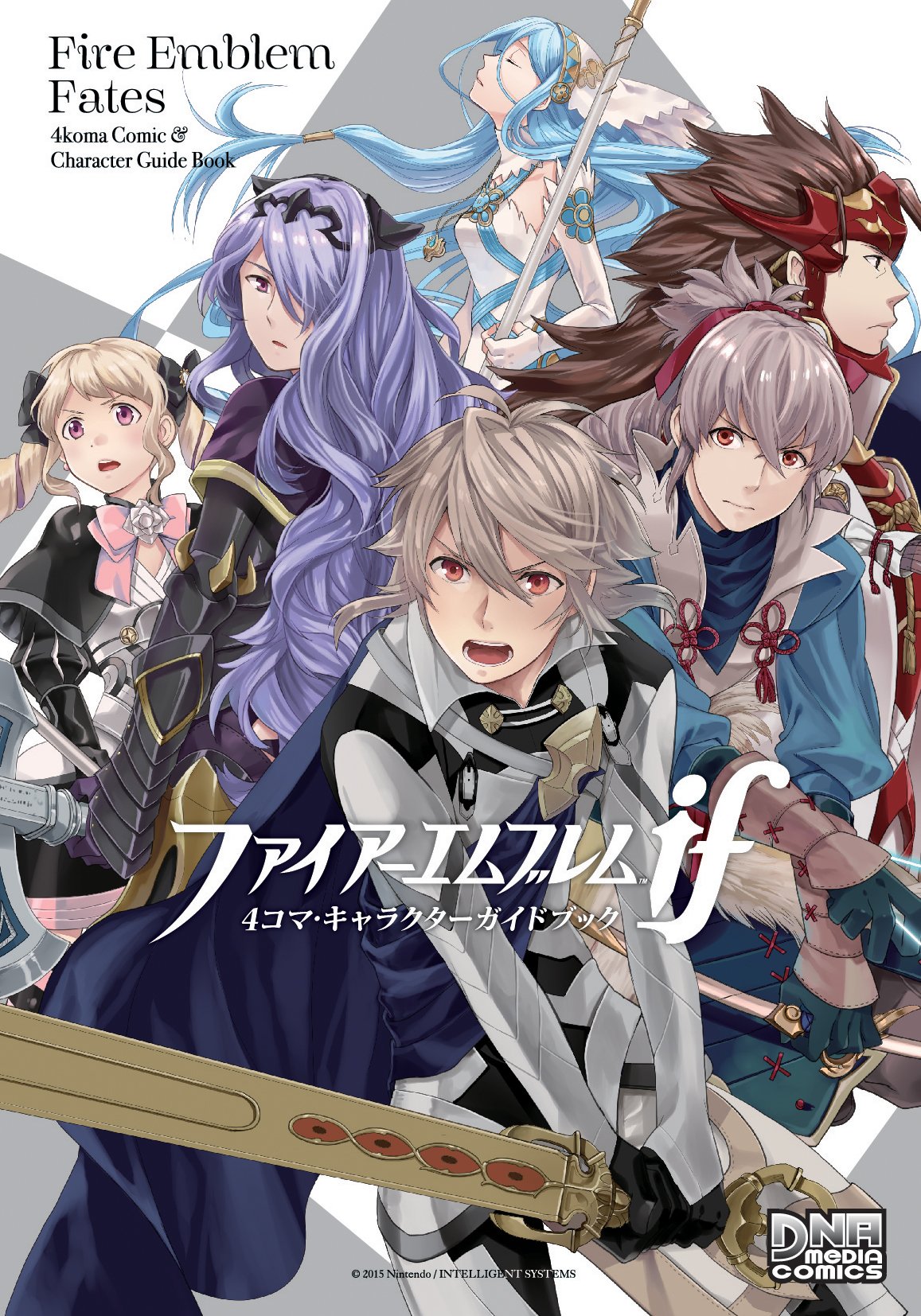
What Fire Emblem Manga Are There?
Fire Emblem manga documented: Hasha no Tsurugi (Hiroshi Izawa and Kotaro Yamada, Monthly Shonen Jump 2001 to 2005, 45 chapters, 11 volumes, JUMP REMIX reissue),…
Which Fire Emblem Games Never Came West?
The Fire Emblem games never released in the West: Gaiden (until its Echoes remake), Mystery of the Emblem, Genealogy of the Holy War, Thracia 776, The Binding…
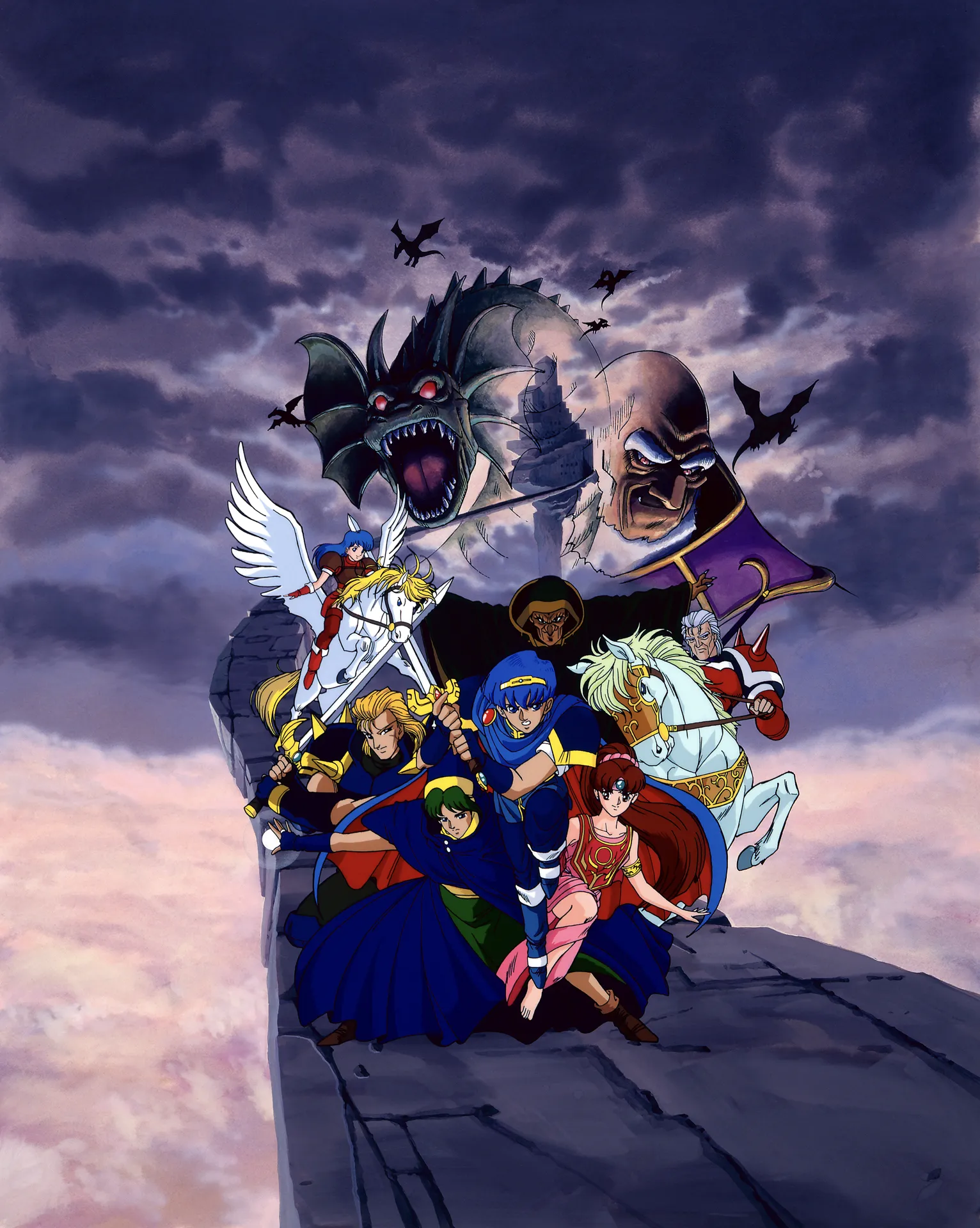
How Many Fire Emblem Games Are There?
How many Fire Emblem games: eighteen core entries (fifteen originals, three remakes) from 1990 to Fortune's Weave (2026), counted by hardware era, plus the…
FIST OF THE NORTH STAR
21 shelves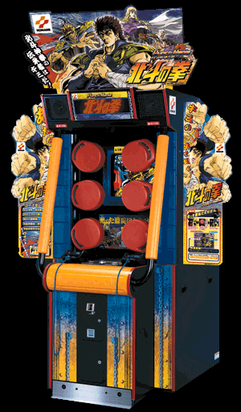
The Hokuto no Ken arcade games
Hokuto no Ken in the arcade: Konami's Punch Mania / Fighting Mania (2000), the punch-pad cabinet that made the player the successor, and Arc System Works' 2005…
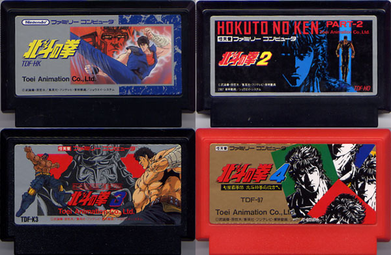
The Hokuto no Ken Famicom games
Toei Animation's eight Nintendo games of Hokuto no Ken: the four Famicom titles (1986 to 1991), the NES Fist of the North Star by Taxan, the Game Boy's 10 Big…
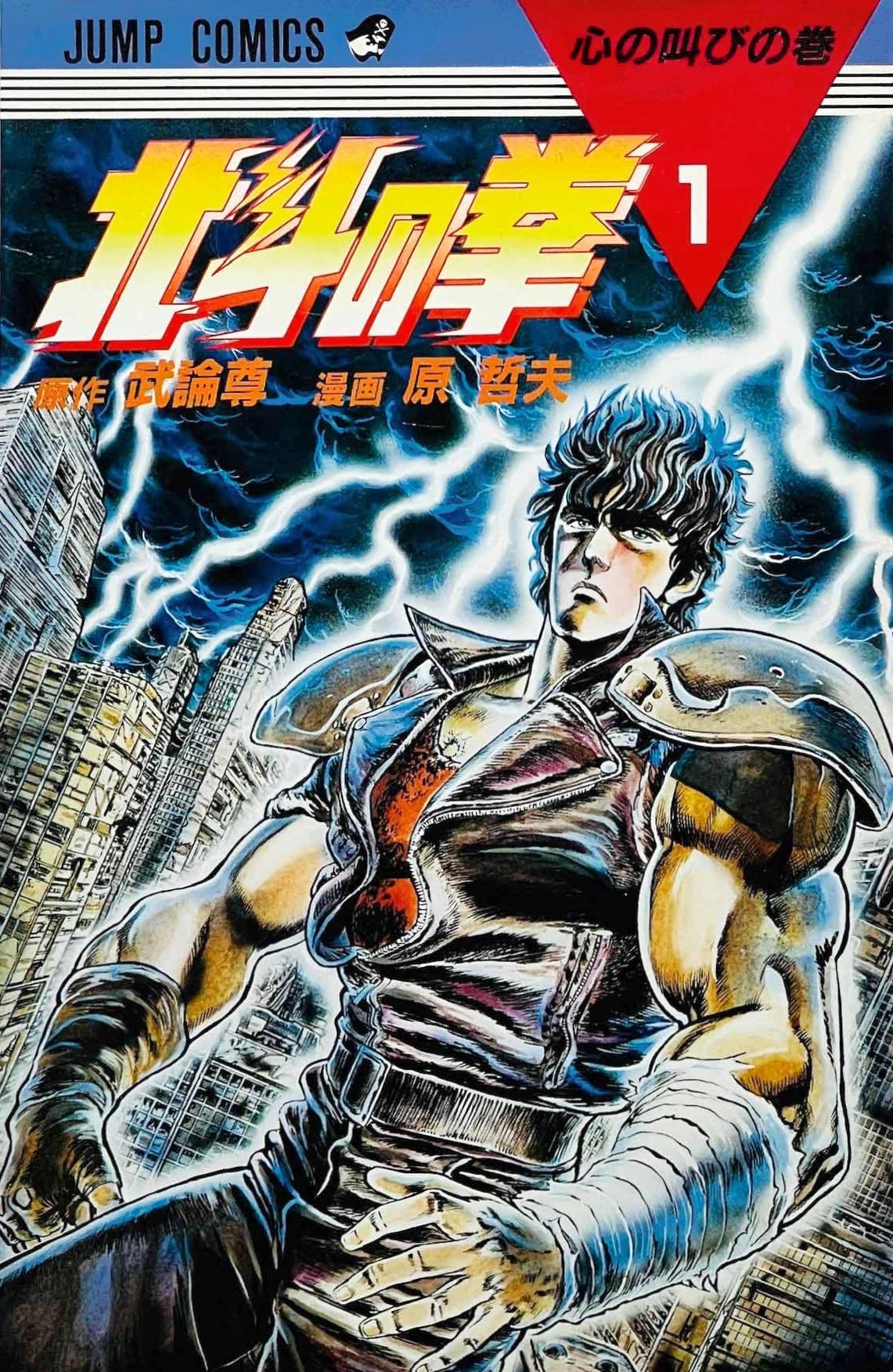
The Hokuto no Ken manga gallery: all 27 Jump Comics covers
All 27 original Jump Comics covers of Hokuto no Ken (Fist of the North Star), Shueisha 1984 to 1989, painted by Tetsuo Hara, verified volume by volume with…
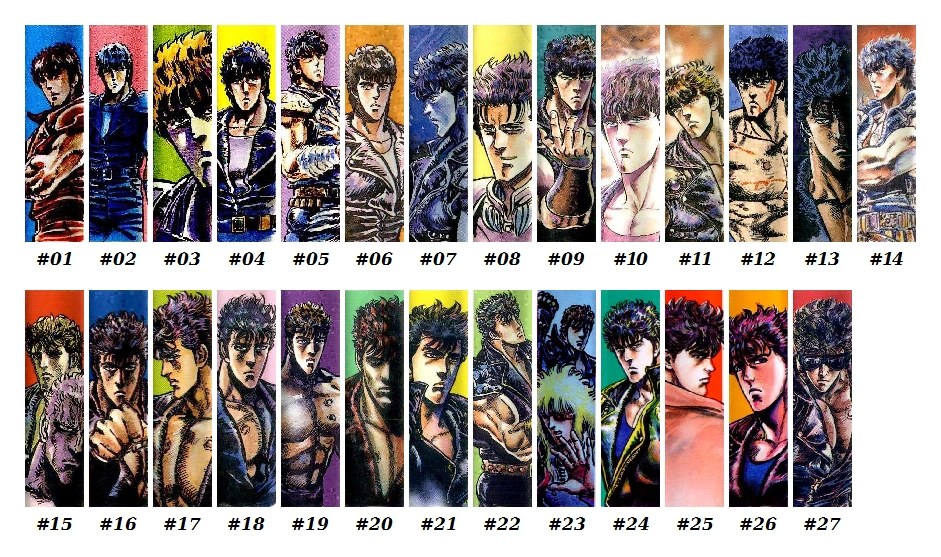
How can you tell a first printing of Hokuto no Ken?
How to identify first printings of the Hokuto no Ken Jump Comics volumes: the Shueisha imprint and ISBN blocks, the colophon printing line, matching the release…
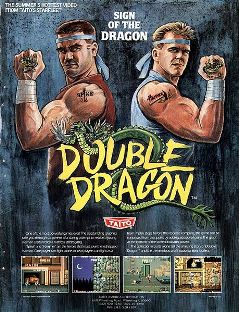
How did Hokuto no Ken influence video games?
Hokuto no Ken's influence on video games: Double Dragon's wasteland, the fatality finishing move Mortal Kombat inherited, the Famicom Shinken column and Yuji…

How does Tetsuo Hara draw Hokuto no Ken?
Tetsuo Hara's method on Hokuto no Ken: twenty pages a week, painted covers, death cries invented as comedy, an editor who never praised him, and the eye disease…
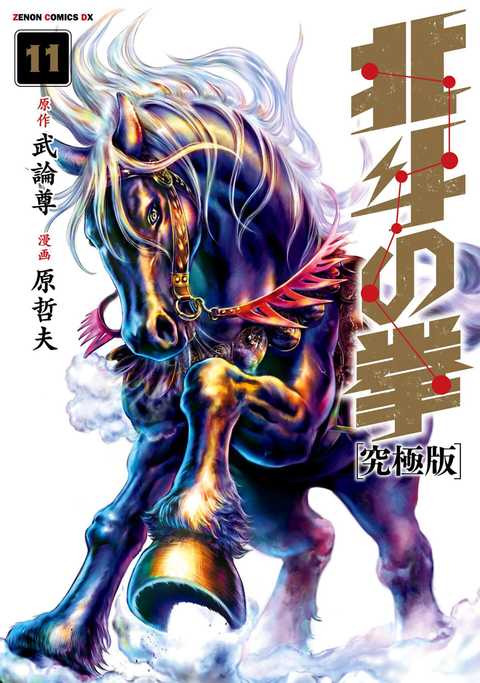
How many editions of Hokuto no Ken are there?
The Japanese editions of Hokuto no Ken counted and explained: 27 Jump Comics volumes, the 15-volume aizoban and bunkoban, the 31-volume Bunch World set, the…
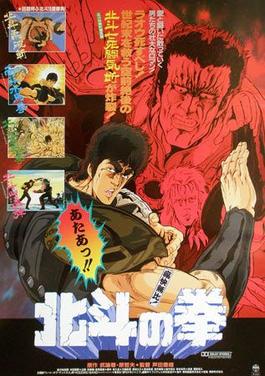
How was the Hokuto no Ken anime censored?
How the Hokuto no Ken anime was censored: the TV series' toned-down, discolored violence, the complaints in Japan and France, the 1986 film's ultra-violence and…
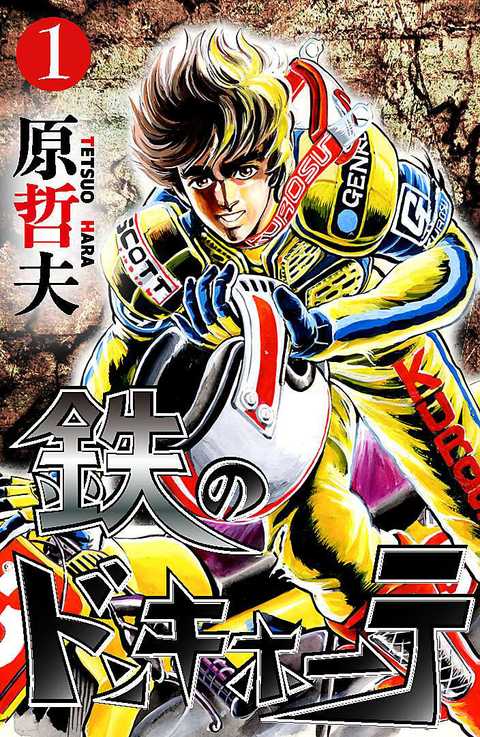
The history of Hokuto no Ken
From two Fresh Jump one-shots in 1983 to a five-year Weekly Shonen Jump run, 27 Jump Comics volumes, 152 anime episodes and over 100 million copies: the…
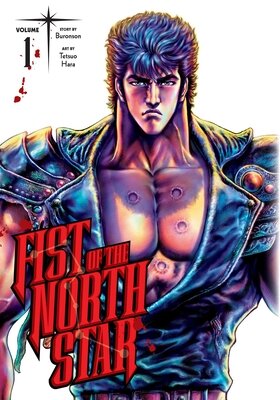
What are the English editions of Fist of the North Star?
The three English editions of Fist of the North Star: Viz Communications' unfinished monthly comics of 1989 to 1997, Gutsoon's colorized Master Edition (nine…
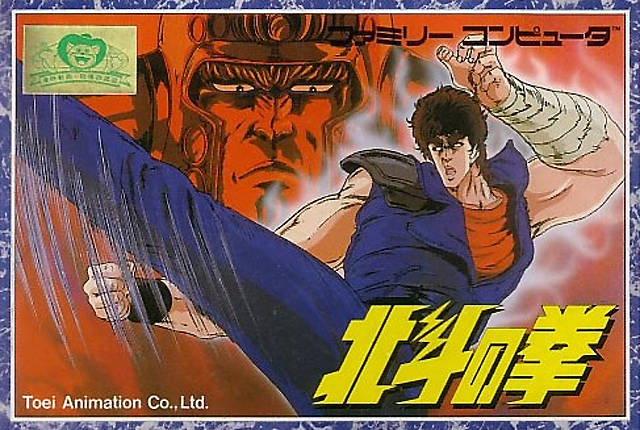
What Fist of the North Star video games are there?
The Fist of the North Star games counted: from Enix's 1986 PC adventure and the Sega and Famicom games of the 1980s, through the Arc System Works arcade fighter…
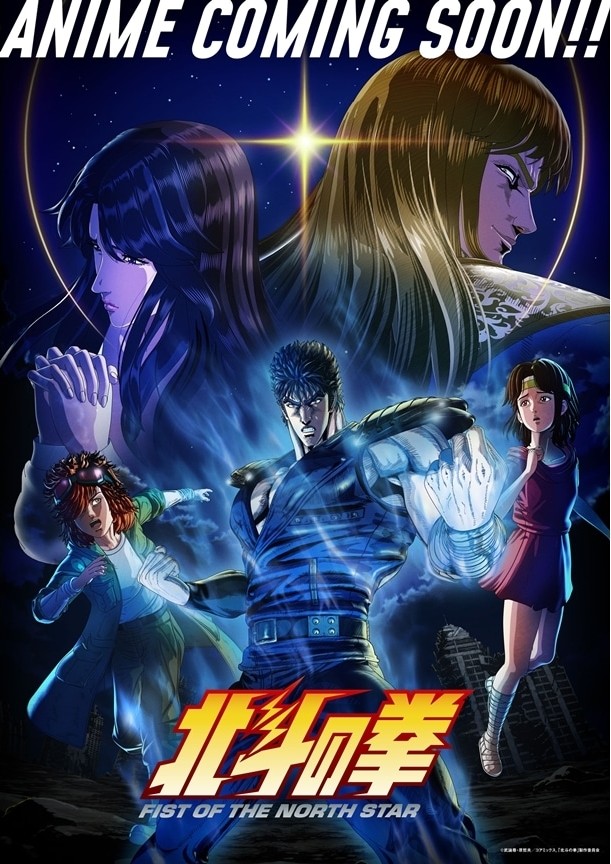
What Hokuto no Ken anime came after the TV series?
The Hokuto no Ken anime after the 1984 TV series: the 1986 film, New Fist of the North Star (2003), the Legends of the True Savior films and OVAs (2006 to 2008),…
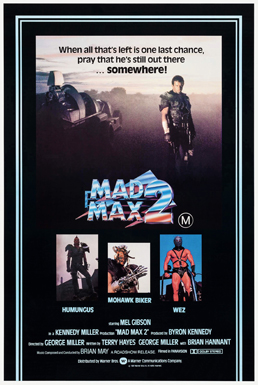
What inspired Hokuto no Ken?
The documented inspirations of Hokuto no Ken: Mad Max 2 and Blade Runner, Katsuhiro Otomo's Akira, Bruce Lee and Yusaku Matsuda, an acupressure anecdote found in…
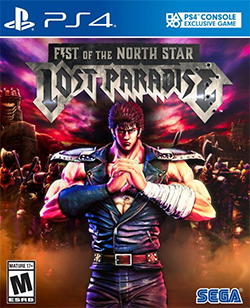
What is Fist of the North Star: Lost Paradise?
Fist of the North Star: Lost Paradise (Hokuto ga Gotoku, 2018): Ryu Ga Gotoku Studio's PS4 action adventure, an original story in the city of Eden, Yakuza's…
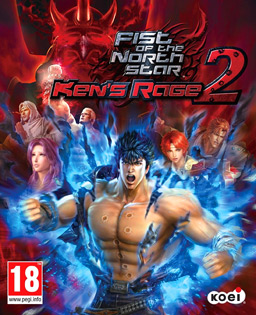
What is Hokuto no Ken: Ken's Rage?
Fist of the North Star: Ken's Rage (Hokuto Musou, 2010) and Ken's Rage 2 (Shin Hokuto Musou, 2012): Koei Tecmo's Dynasty Warriors treatment of the manga,…
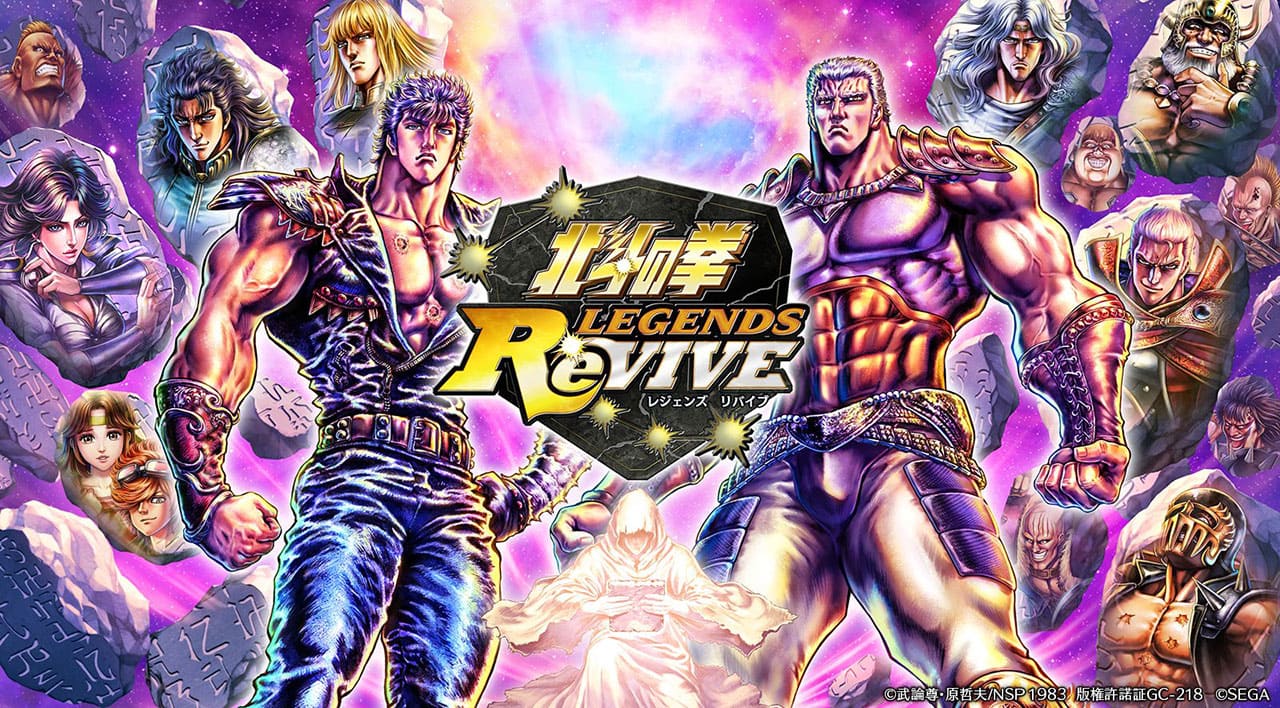
What is Hokuto no Ken LEGENDS ReVIVE?
Fist of the North Star LEGENDS ReVIVE: Sega's mobile action RPG, launched worldwide September 5, 2019 for iOS and Android, retelling the manga from chapter one…

What is Hokuto Shinken?
Hokuto Shinken explained: the 1,800-year-old assassination art of Hokuto no Ken, its 708 secret channeling points (keiraku hiko), the single-successor rule,…
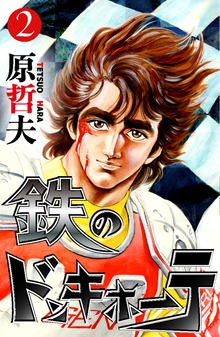
What is the Hokuto no Ken pilot?
The two Hokuto no Ken prototype one-shots Tetsuo Hara published in Fresh Jump in April and June 1983: a present-day Kenshiro Kasumi, the Taizanji Kenpo…
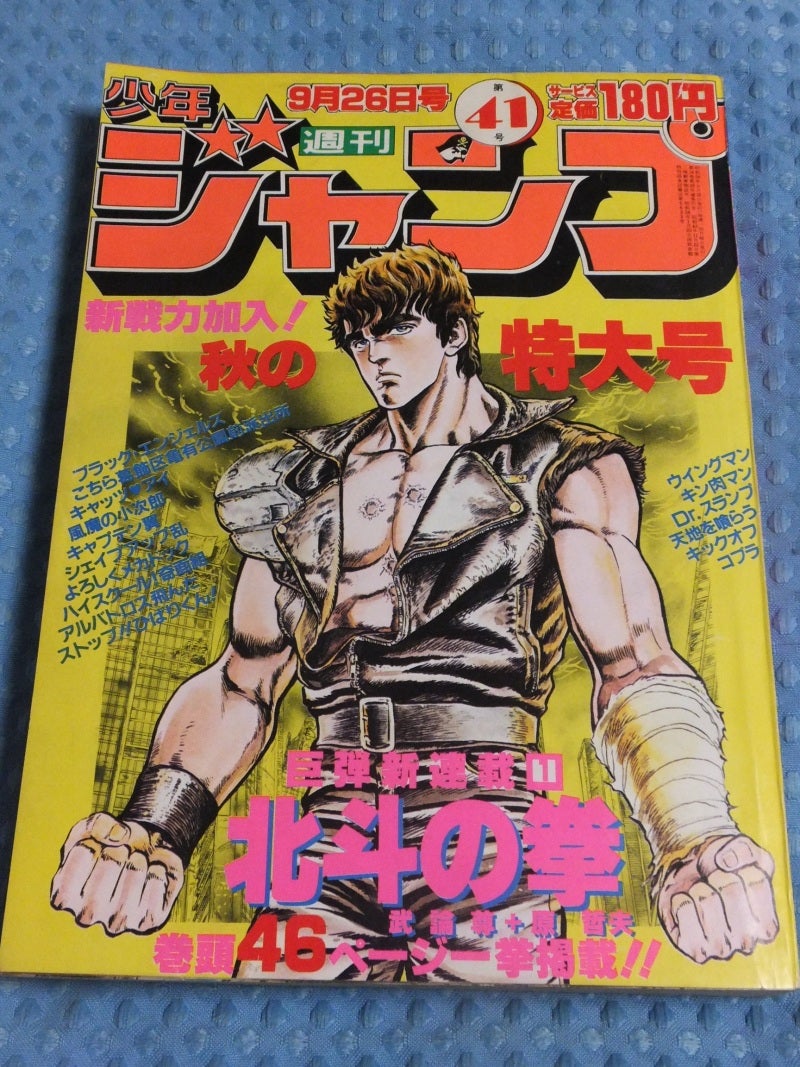
Which Weekly Shonen Jump issues have Hokuto no Ken on the cover?
The verified Weekly Shonen Jump cover appearances of Hokuto no Ken: the 1983 issue 41 debut, the 1985 New Year double issue, and the all-Hokuto special of 1986,…
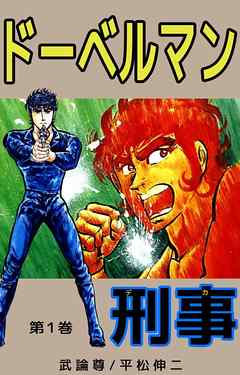
Who is Buronson, the writer of Hokuto no Ken?
Buronson is Yoshiyuki Okamura (born 1947): Air Self-Defense Force radar mechanic, Hiroshi Motomiya's assistant, the Charles Bronson nickname, Doberman Deka, Fist…
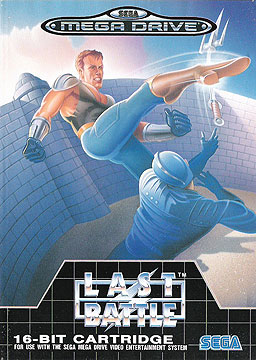
Why are Black Belt and Last Battle Hokuto no Ken games?
Black Belt (Master System) and Last Battle (Genesis) are Sega's Hokuto no Ken games with the license stripped: what Sega changed in 1986 and 1989, Kenshiro…