
THE LIBRARY
Collector guides, cover censuses, and edition answers, documented issue by issue. Every page answers one specific question, completely.
GHOST IN THE SHELL
17 shelves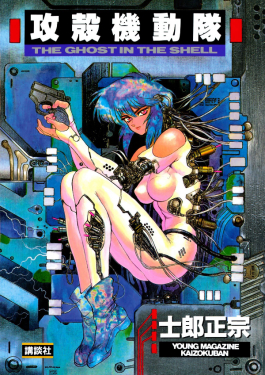
The Ghost in the Shell Manga Gallery
Every Ghost in the Shell manga volume and landmark edition by Masamune Shirow, documented: the 1991 Kodansha tankobon, the Solid Box, 1.5, Man-Machine Interface,…
The History of the Ghost in the Shell Manga
How Masamune Shirow’s Ghost in the Shell ran in Young Magazine Kaizokuban from May 1989, became a single Kodansha tankobon in October 1991, and grew two sequels…
What is Ghost in the Shell 1.5: Human-Error Processor?
Ghost in the Shell 1.5: Human-Error Processor collects four Shirow stories from 1991 to 1996 (Fat Cat, Drive Slave, Mines of Mind, Lost Past) that were left out…
What is Ghost in the Shell 2: Man-Machine Interface?
Ghost in the Shell 2: Man-Machine Interface is Masamune Shirow’s full-color sequel, serialized in Weekly Young Magazine in 1997, boxed in the Solid Box of 2000,…
Are the English Ghost in the Shell Editions the Same as the Japanese?
The English editions of Ghost in the Shell differ from the Japanese originals in reading direction, sound effects, and two famous pages Shirow himself redrew. A…
How Can You Tell a First Printing of the Ghost in the Shell Manga?
Identify a first printing of the 1991 Ghost in the Shell tankobon from its colophon: October 5, 1991 first-printing line, ISBN 4-06-313248-X, KC Deluxe imprint,…
Why Does Ghost in the Shell Have So Many Footnotes?
Masamune Shirow packed the margins of Ghost in the Shell with author’s notes on weapons, politics, and technology. Why the manga’s famous marginalia is a design…
Who is Masamune Shirow?
Masamune Shirow (born Masanori Ota, November 23, 1961) created Black Magic, Appleseed, and Dominion before Ghost in the Shell. His career before and around the…
What Are the Intron Depot Art Books?
Intron Depot 1 (Seishinsha, July 1992) collects 226 of Masamune Shirow’s illustrations from 1981 to 1991, including his Ghost in the Shell color work. The Shirow…
How Was the 1995 Ghost in the Shell Film Made?
Mamoru Oshii’s 1995 Ghost in the Shell at Production I.G: Kazunori Ito’s script, Kenji Kawai’s choral score, and the Digitally Generated Animation process that…
What is Ghost in the Shell 2: Innocence?
Ghost in the Shell 2: Innocence (2004) is Mamoru Oshii’s sequel, co-produced by Production I.G and Studio Ghibli, following Batou in 2032. It was the first anime…
How Does Stand Alone Complex Split Its Episodes?
Stand Alone Complex labels every episode Stand Alone or Complex: self-contained cases versus chapters of the Laughing Man arc, marked by green and blue title…
Who is the Laughing Man in Ghost in the Shell?
The Laughing Man is the hacker at the center of Stand Alone Complex’s first season: a corporate-blackmail case from six years before the series, whose logo and…
What Are the Tachikoma in Ghost in the Shell?
The Tachikoma are Stand Alone Complex’s spider-like think tanks: AI vehicles with childlike voices that learn, individualize, and question their own existence,…
What is the 1997 Ghost in the Shell PlayStation Game?
The 1997 PlayStation Ghost in the Shell by Exact and Production I.G puts the player inside a Fuchikoma that climbs walls and ceilings, with an original story and…
What Are the Stand Alone Complex Video Games?
Stand Alone Complex reached consoles twice: Cavia’s 2004 PlayStation 2 action game, set between the two TV seasons, and G-Artists’ 2005 PSP first-person sequel.…
What Happened to Ghost in the Shell: First Assault Online?
First Assault Online, Neople and Nexon’s Stand Alone Complex shooter, ran from Steam Early Access in December 2015 to shutdown in December 2017. Plus the…
HAJIME NO IPPO
6 shelves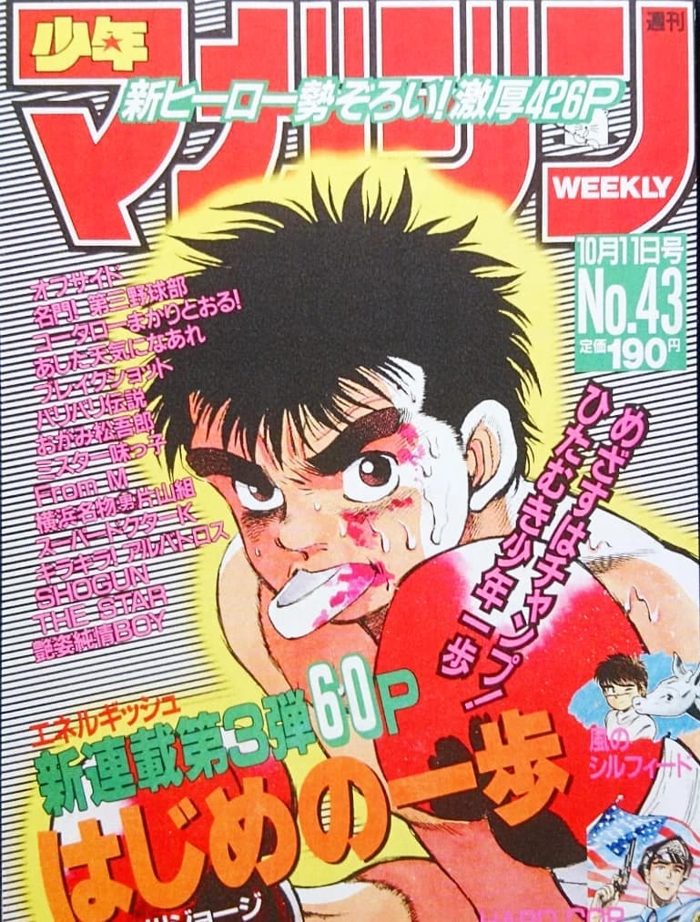
Is Hajime no Ippo available in English?
Digitally yes, in print not until 2027, and the 34-year wait has a specific reason.
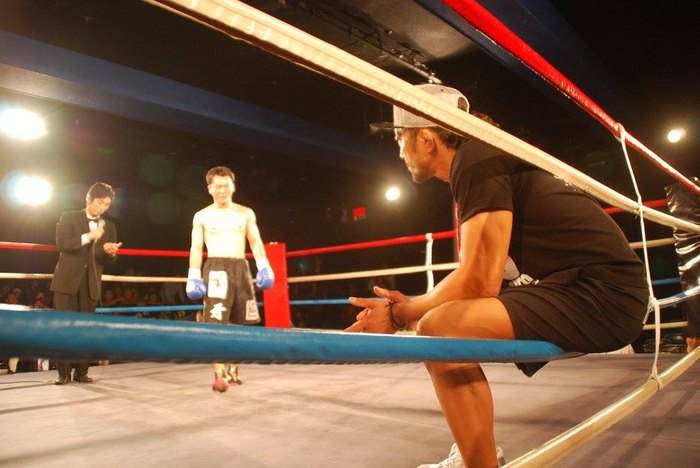
What inspired Hajime no Ippo?
His real Tokyo gym, Tyson and Mancini, and the challenge to Ashita no Joe he first refused.
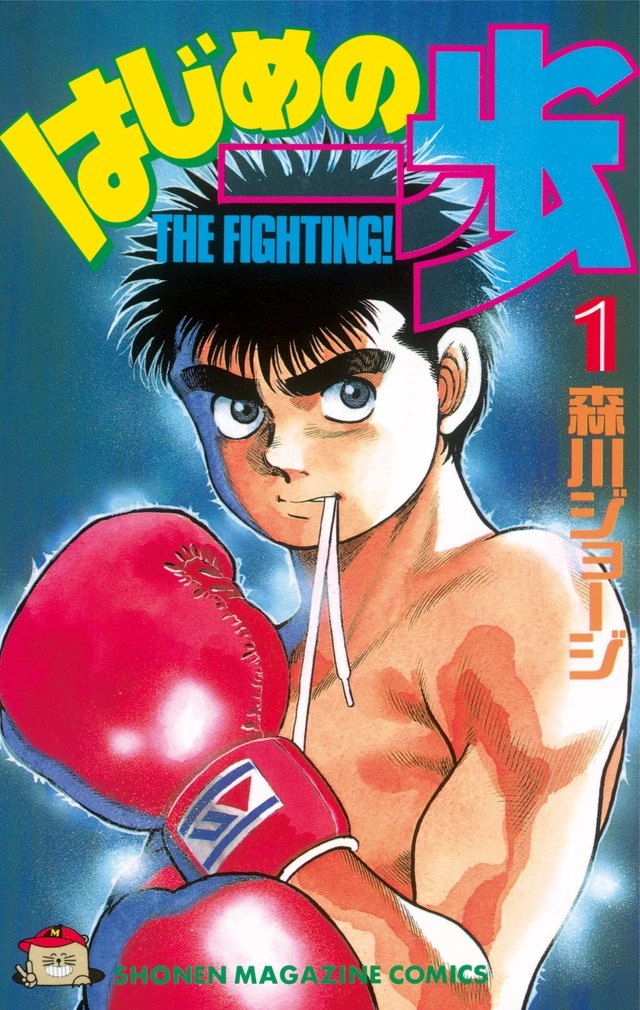
Is the Dempsey Roll real?
The falling step is real, documented in Dempsey's own manual. The named move is Morikawa's.
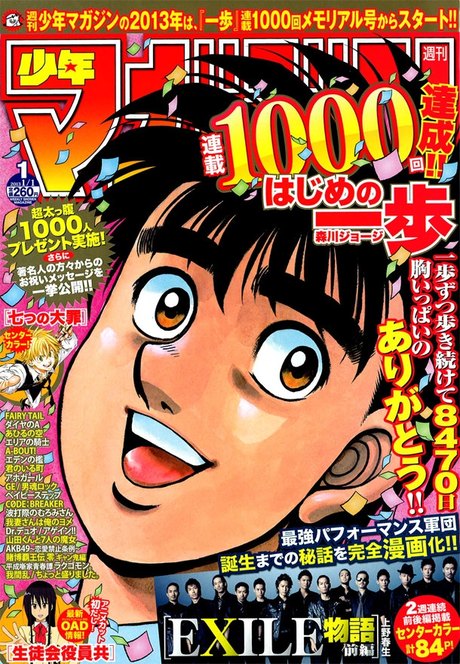
How long is Hajime no Ippo?
145 volumes and 1,515 chapters since 1989, ninth longest ever, currently on hiatus.
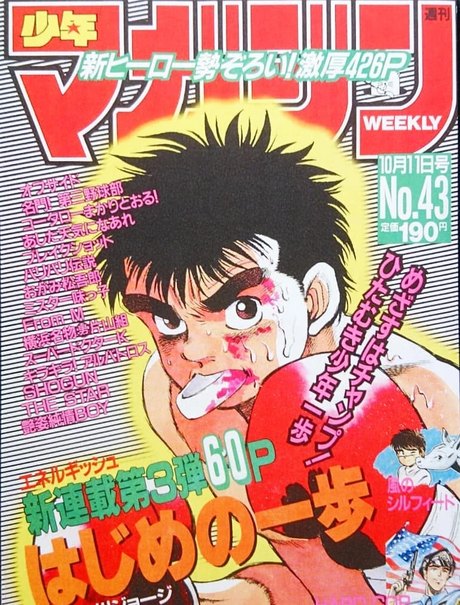
How can you tell the 1989 Hajime no Ippo debut issue?
The 190 yen price, the date line, and the banner that announces the new serialization.
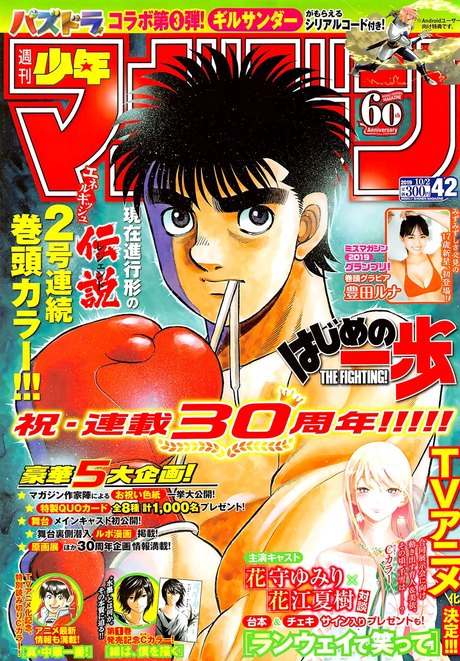
What WSM issues have Hajime no Ippo on the cover?
55 feature covers documented so far, 1989 to 2024, plus 4 ensemble covers.
HALO
8 shelfs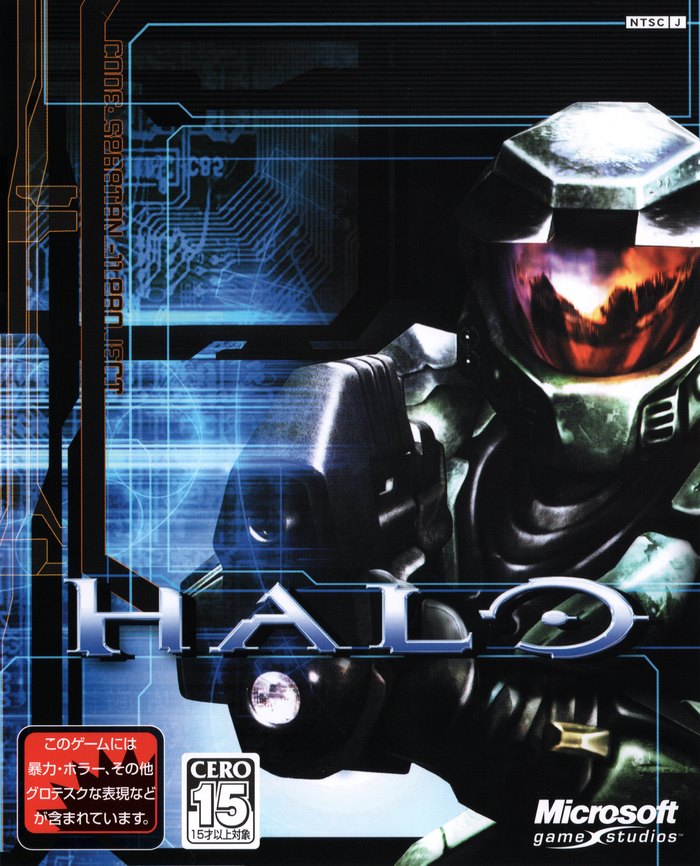
The Halo Gallery
Combat Evolved, Halo 2 and Halo 3: the Japanese and American boxes side by side, Platinum Collection editions included, with the histories behind them.
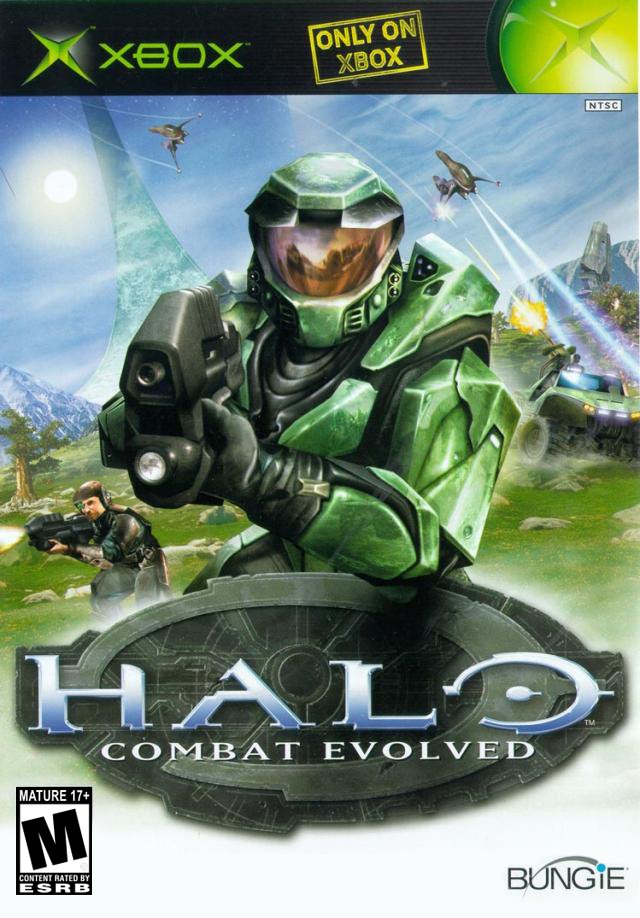
The History of Halo: Combat Evolved
Bungie's 2001 launch game: the Mac strategy game Microsoft bought, the ring, the 97 on Metacritic, and the Japanese Platinum Collection edition.
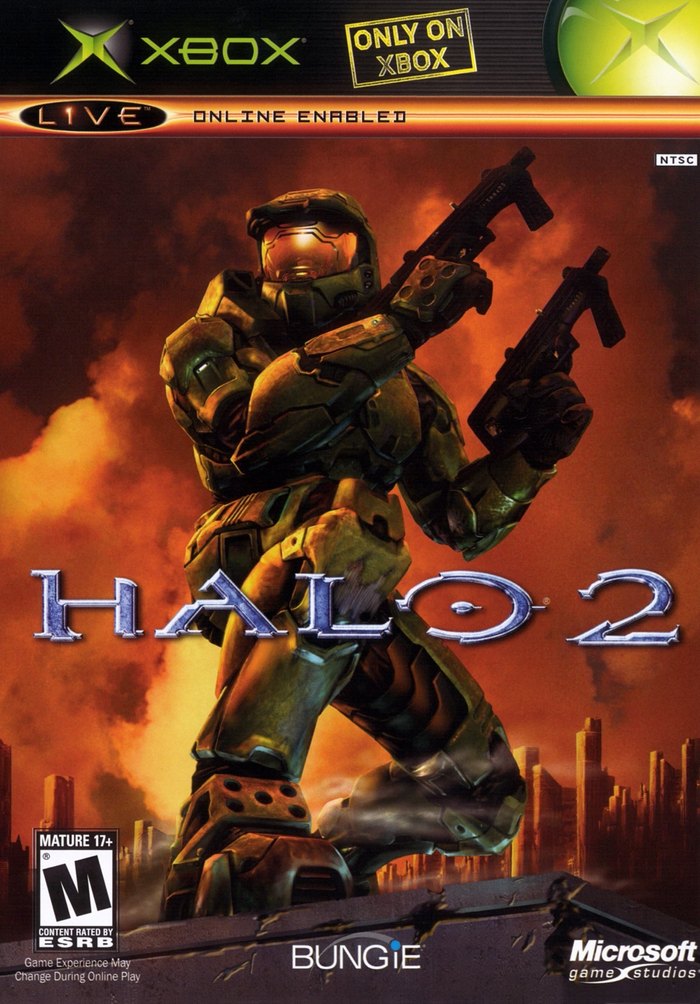
The History of Halo 2
The 2004 sequel that made Xbox Live: matchmaking, the Arbiter, the cliffhanger, 8.46 million copies, and the Limited Edition steelbook.
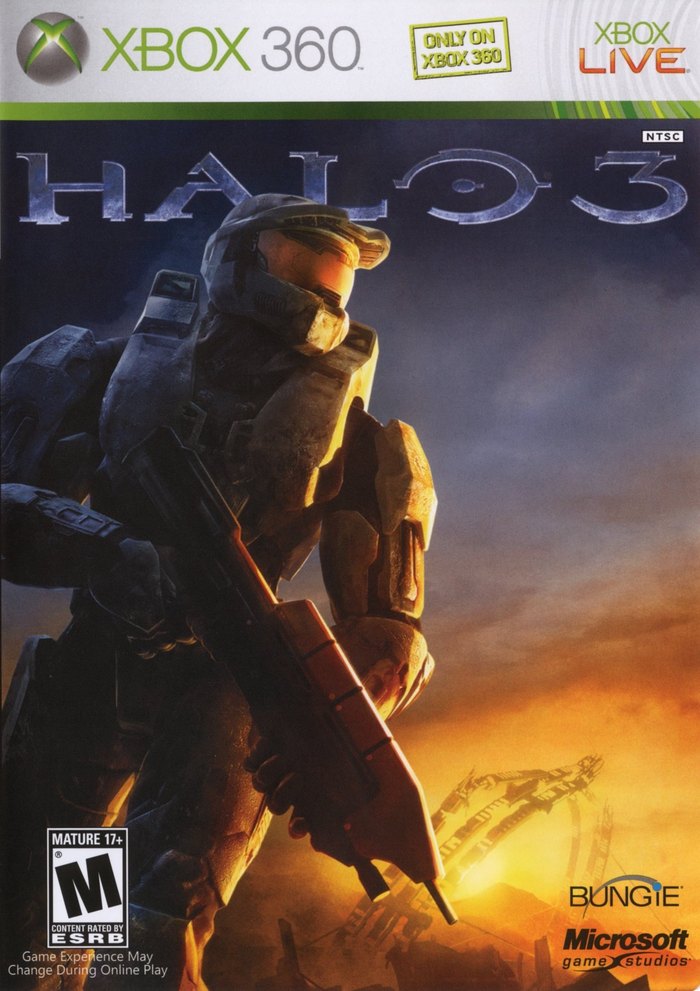
The History of Halo 3
Finish the Fight in 2007: Forge, saved films, the Legendary Edition helmet, 14.5 million copies, and a number one debut in Japan.
What inspired Halo's ring?
Niven's Ringworld and Banks' Culture novels, per Bungie's own list.
How was Halo released in Japan?
Famitsu 33/40 and third best seller on a console Japan never bought.
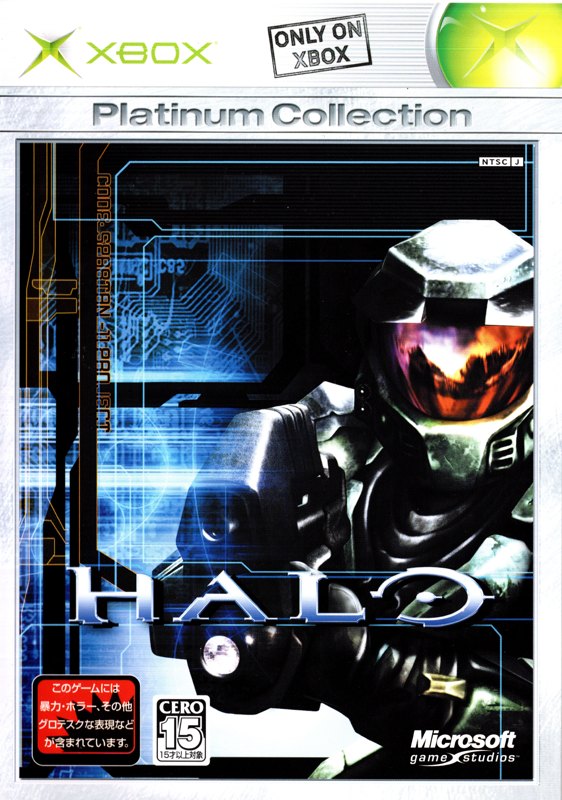
How do the Japanese and American Halo covers compare?
Completely different art for the first game, budget editions included. Identical by Halo 3.
How was the Halo theme written?
In about three days: Martin O'Donnell answered a brief for something big, ancient and unusual with Gregorian chant, written on the drive to Michael Salvatori's studio.
HARRY POTTER
3 shelves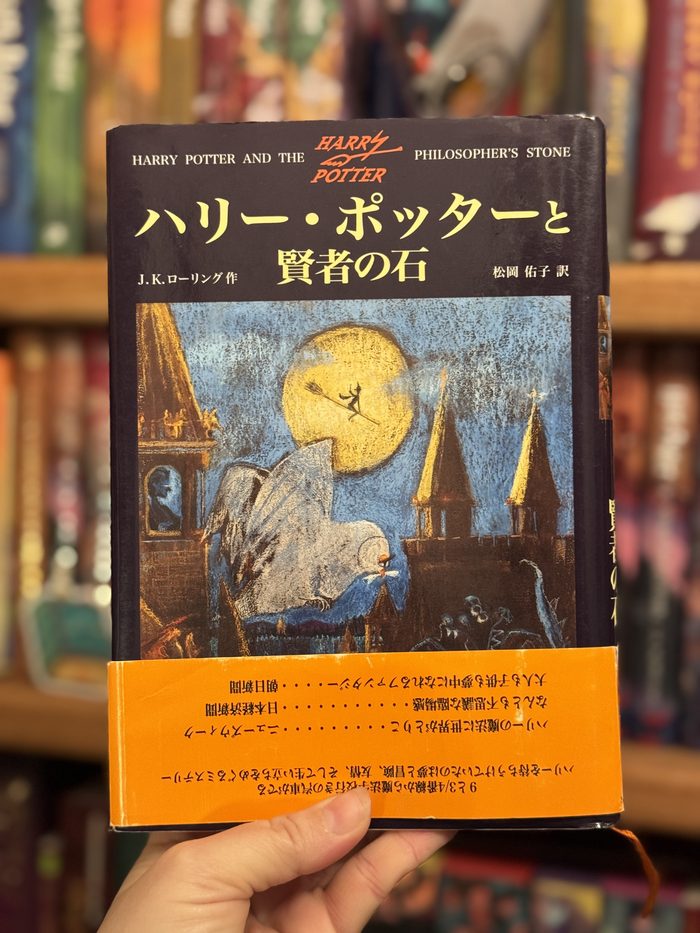
Why do the Japanese Harry Potter books have different covers?
Japan commissioned its own painter: Dan Schlesinger, against Britain's Taylor and America's GrandPré.
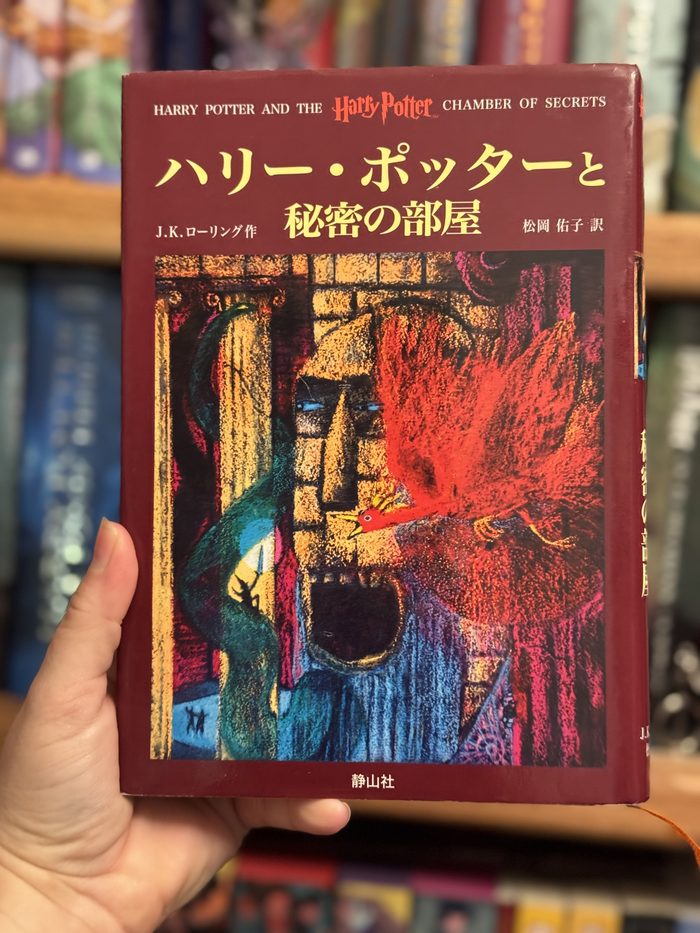
How to identify the Japanese first edition of Philosopher's Stone
The colophon at the back decides it: Say-zan-sha, December 1999, ISBN and printing line included.
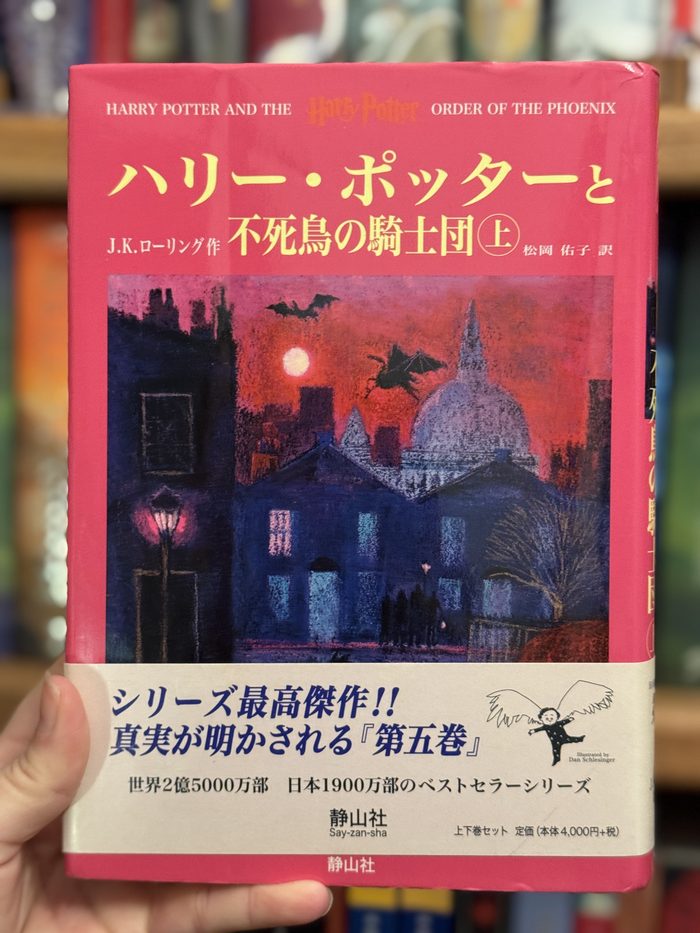
Why are the Japanese Harry Potter books split into two volumes?
Seven novels, eleven hardcovers: from Goblet of Fire, each book became an upper and a lower volume.
HELLSING
15 shelves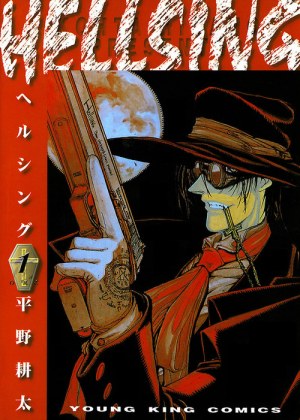
The Hellsing Manga Gallery
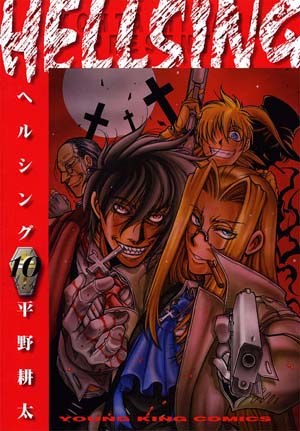
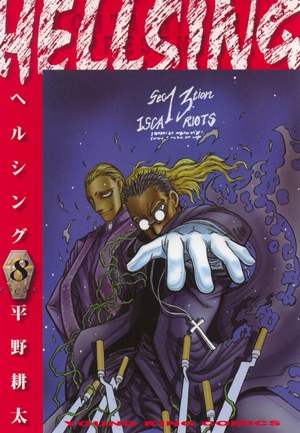
Every Japanese tankobon cover of Hellsing, volumes 1 to 10, from Shonengahosha’s own Young King Comics editions, with the second cover hidden under each dust…
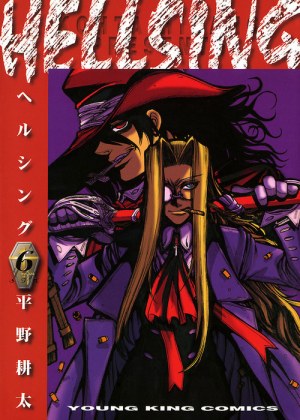
The History of Hellsing
Hellsing from the 1996 one-shot to the 2023 paperback revival: serialization in Young King OURs 1997 to 2008, ten volumes, two anime, the Deluxe Edition, and…
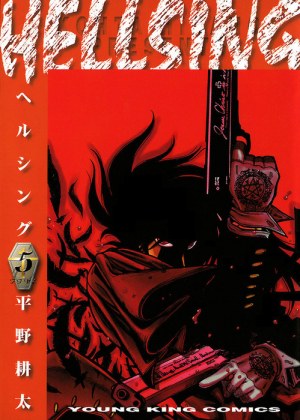
Who is Alucard?
Alucard is Count Dracula: the anagram, the defeat by Van Helsing, the name Arthur Hellsing gave him, and why Kohta Hirano designed him for gunplay instead of…
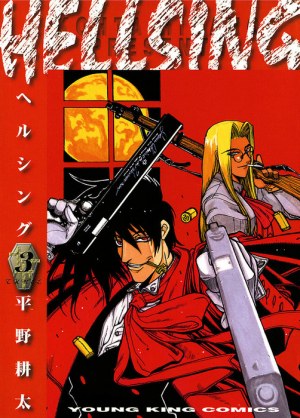
What is the Hellsing Organization?
The Royal Order of Protestant Knights: founded by Abraham Van Helsing, directed by his descendants, overseen by the Round Table, and mirrored by Iscariot and…
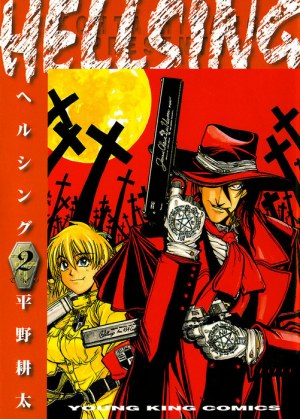
Where did Hellsing begin?
Hellsing began in Kohta Hirano’s doujin years: the assistant work, the GUY-YA circle, Hi-and-Low, and the 16-page Comic Kairakuten one-shot of October 1996 he…
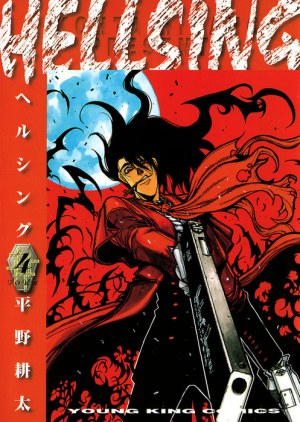
Why is it called Hellsing?
Hellsing is Abraham Van Helsing’s name with a deliberate “hell” in it: Kohta Hirano’s wordplay, invisible in Japanese, and the family name his heroine inherits.
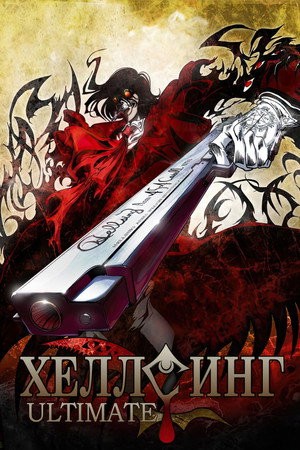
Which Hellsing anime should you watch?
Hellsing (2001) versus Hellsing Ultimate: why Gonzo’s TV series invents its own ending with Incognito, why the OVA was made to follow the manga, and which to…
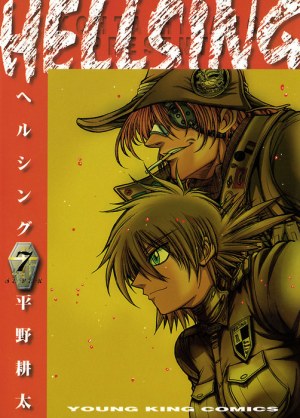
What is Hellsing: The Dawn?
Hellsing: The Dawn is the unfinished six-chapter prequel: Walter aged fourteen and Alucard in Warsaw, September 1944, published 2002 to 2006 and never collected.
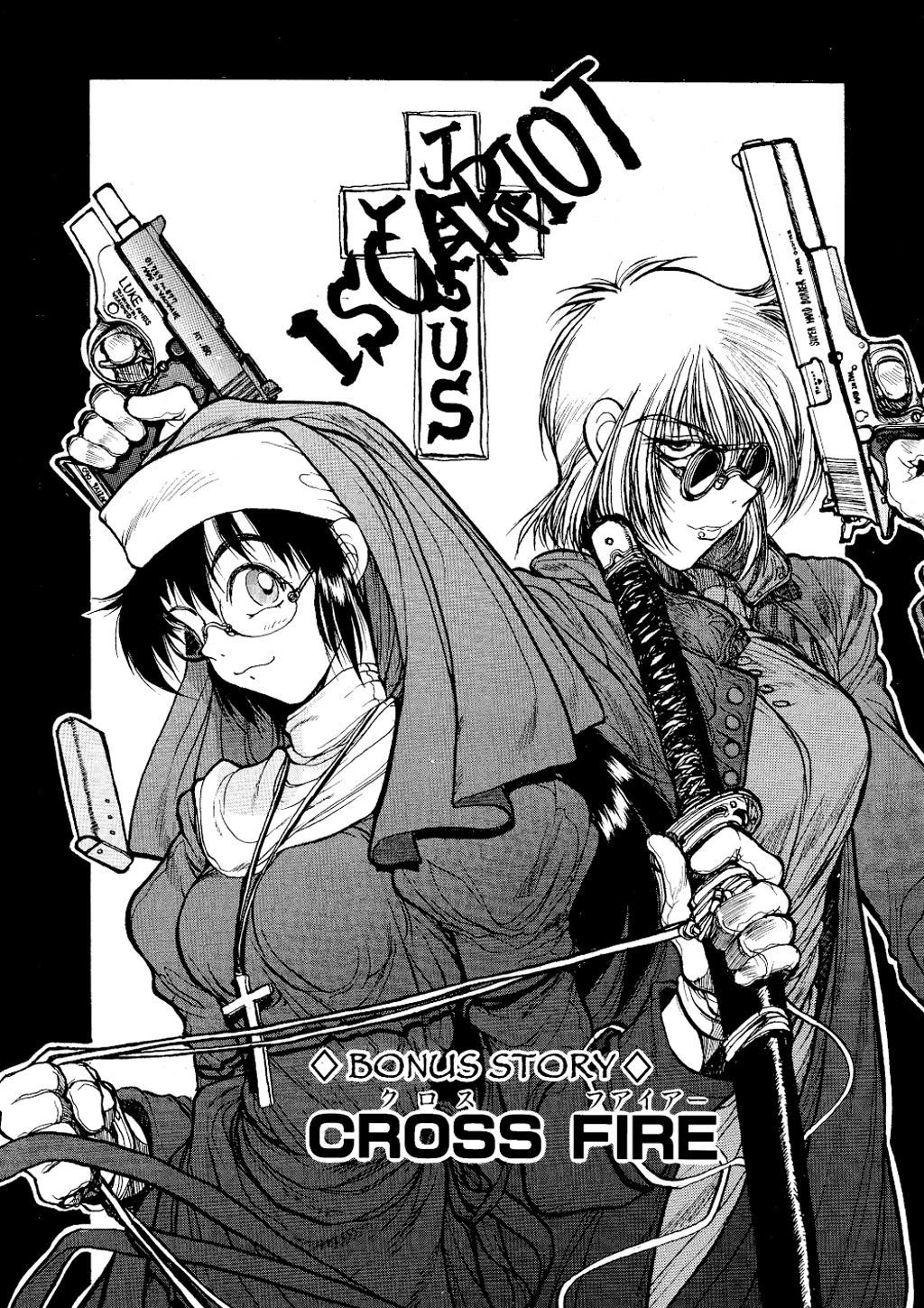
What is Crossfire?
Crossfire is Kohta Hirano’s three-chapter Iscariot side story for Comic Master, republished inside Hellsing volumes 1 to 3 to fill their page counts, with…
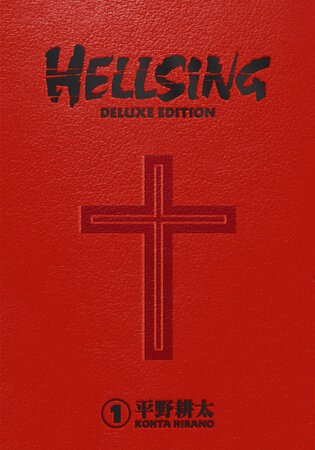
What are the Hellsing English editions?
Dark Horse’s Hellsing in English: the ten paperbacks of 2003 to 2010, the second edition of 2023 to 2025, and the three 7 by 10 inch Deluxe hardcovers of 2020 to…

Is the Hellsing live-action movie still happening?
The Amazon Hellsing film announced in March 2021 with John Wick writer Derek Kolstad: what was actually announced, and why the honest status in 2026 is…
What order should you read Hellsing in?
Read Hellsing in volume order, 1 to 10, with Crossfire inside the first three volumes and The Dawn placed after volume 7: the complete reading order, placed and…
Who is Kohta Hirano?
Kohta Hirano (born 1973, Adachi, Tokyo): the assistant years, the doujin and adult-magazine apprenticeship, Hellsing, Drifters, and the analog method behind the art.
Collecting Hellsing
Collecting Hellsing: the ten in-print Japanese volumes, the 2012 Official Guidebook, three art books, the scarce magazine issues, Hirano’s doujin-era works, and…
How can you tell a first printing of Hellsing?
Identify first printings of Hellsing: the Japanese colophon and printing marks, verified ISBN tables for all ten Young King Comics volumes and the Dark Horse…
HUDSON SOFT
10 shelfs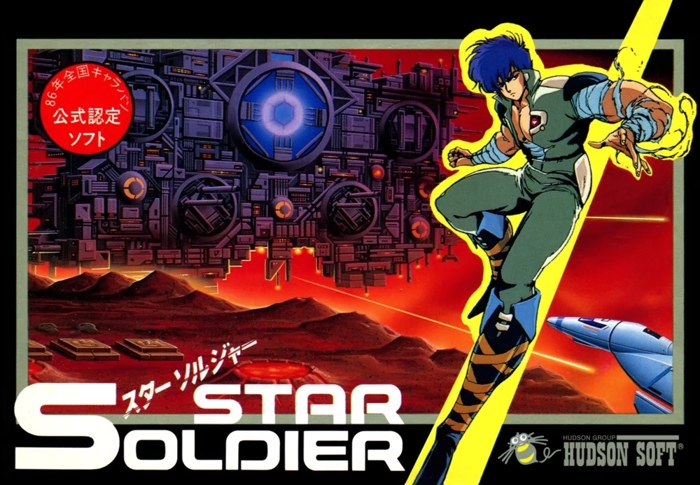
The Hudson Soft Gallery
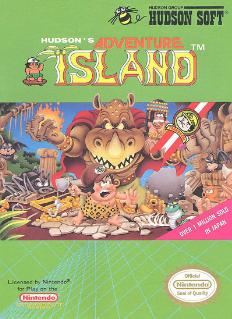
Bomberman, Adventure Island, Bonk, and Star Soldier: the Japanese and American boxes side by side, with the company history and the questions behind them.
The History of Hudson Soft
A Sapporo radio shop, Nintendo's first Famicom licensee, a console built with NEC, and the eleven year Konami absorption that closed it in 2012.
The History of Bomberman
A man in a bowler hat, a borrowed Lode Runner robot, a 72 hour Famicom port, and the multiplayer reinvention on the PC Engine and Super NES.
The History of Adventure Island
Hudson's Wonder Boy port that could not use the Wonder Boy name: how its own spokesman became the hero, and the two series that split from one game.
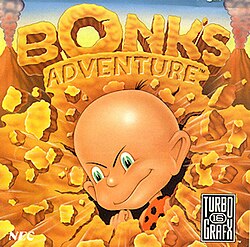
The History of Bonk's Adventure
The magazine comic caveman who became the TurboGrafx-16 mascot in 1989: Red Company designed him, Atlus built the game, and his head did the rest.
The History of Star Soldier
The shooter Hudson designed for its travelling Caravan tournament: sixteen stages, Starbrain bosses, timed score attack modes, and the Soldier line on the PC Engine.
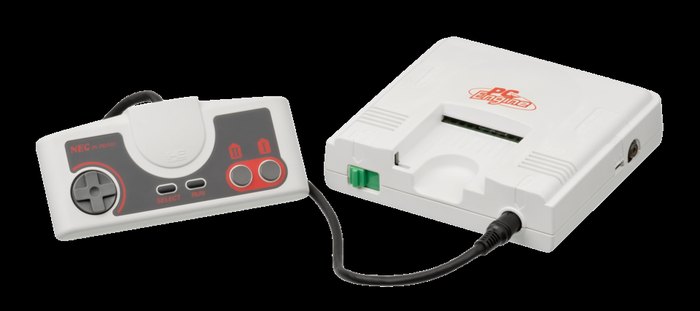
How did Hudson Soft help create the PC Engine?
Hudson's HuC6280 CPU, its two graphics chips, and the HuCard format, inside the machine NEC manufactured and sold.
Who was the real Master Higgins?
Toshiyuki Takahashi, a Hudson executive famous for sixteen shots a second, whose face and name Adventure Island borrowed.
Why is Bonk called PC Genjin in Japan?
A pun on the PC Engine itself, with a fake Latin species name underneath, renamed for every machine he moved to.

Why did Konami absorb Hudson Soft?
Largest shareholder in 2001, control in 2005, full ownership in 2011, dissolved in 2012: the takeover in four dated steps.