
THE LIBRARY
Collector guides, cover censuses, and edition answers, documented issue by issue. Every page answers one specific question, completely.
HUNTER X HUNTER
5 shelves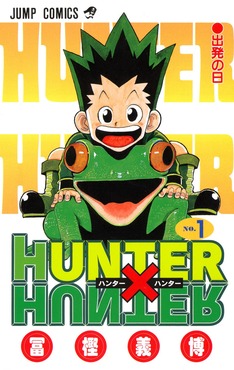
Why does Hunter x Hunter keep going on hiatus?
Togashi's back and hips, in his own 2022 account: two years unable to sit in a chair to draw, and the dated record of the breaks since 2006.
What endings has Togashi planned for Hunter x Hunter?
Patterns A, B and C, rated but never described, plus the discarded pattern D he told in full in November 2023 in case he cannot finish.
Why are there two Hunter x Hunter anime?
The 1999 series ran out of manga and finished on OVA in 2004. Madhouse rebooted from chapter one in 2011 and reached the Election arc.
How does Togashi draw Hunter x Hunter?
Ink and Kabura pens, historically almost alone; since 2022, lying down, with more staff working to his instructions.
What inspired Hunter x Hunter?
His collecting hobby and a cold read of the Jump reader polls, both in Togashi's own words.
JOJO'S BIZARRE ADVENTURE
11 shelves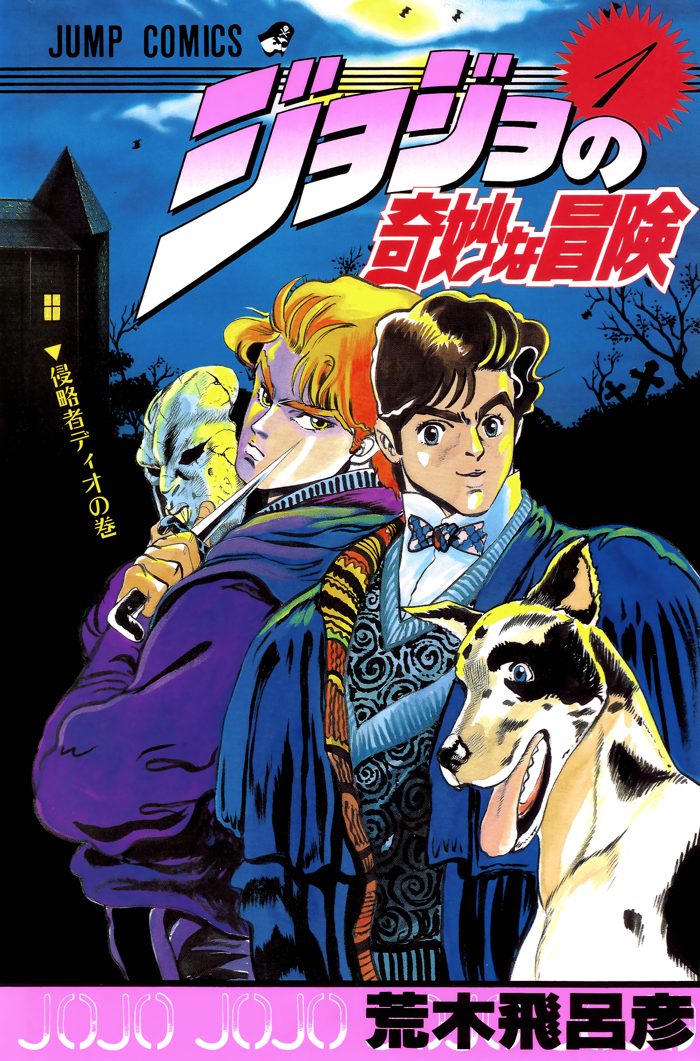
Why do the English JoJo hardcovers have different covers?
Parts 1-3 are JoJonium, with brand-new Araki art. The editions, untangled.
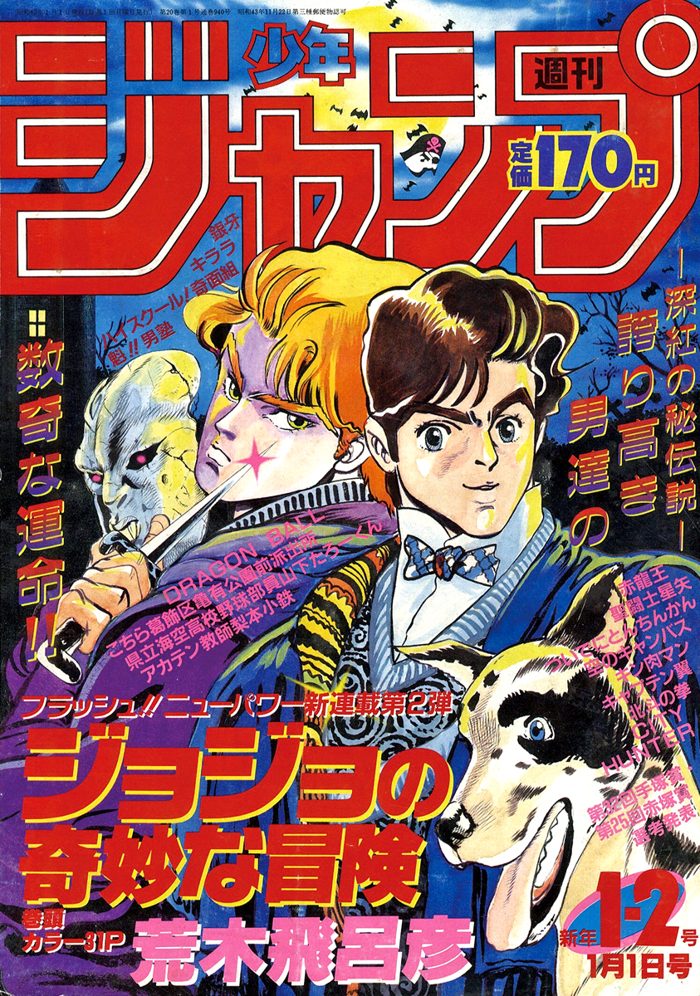
What WSJ issues have JoJo on the cover?
The Jump years, 1987 to the Ultra Jump move, cover by cover.
The JoJo Manga Gallery
The nine parts in their Japanese covers, side by side: the art, the structure, the music names, and the doors to every manga question on the shelf.
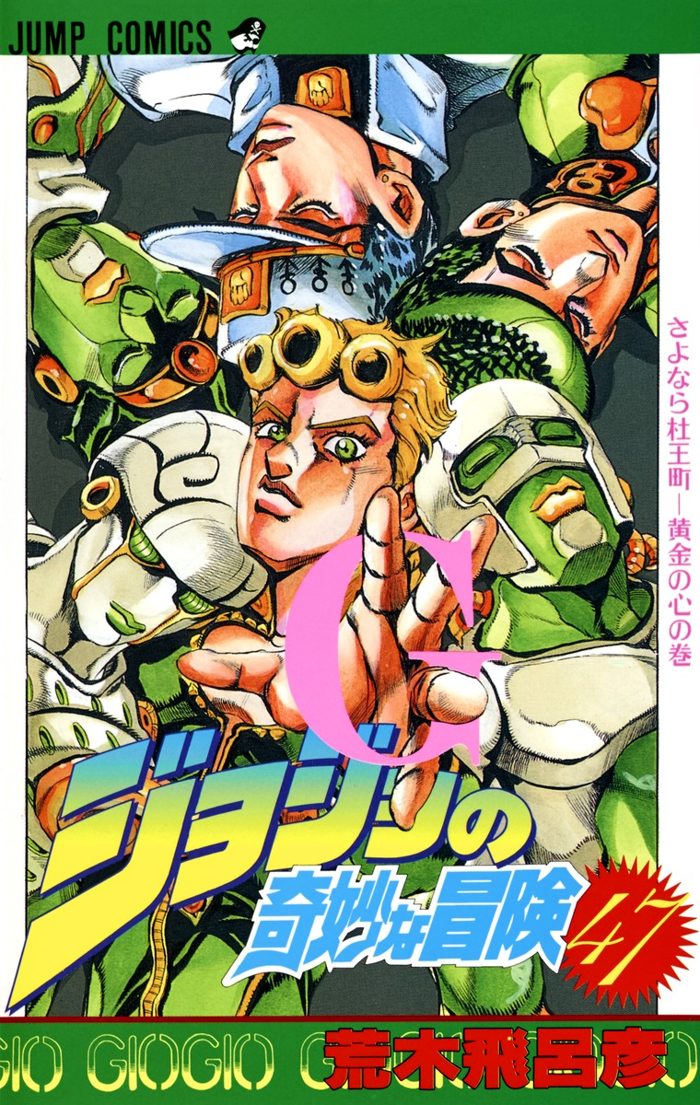
What inspired JoJo's Bizarre Adventure's art?
Michelangelo's sculpture, Gauguin's color, and the fashion rack: Araki's art direction, from his own statements and named reporting.
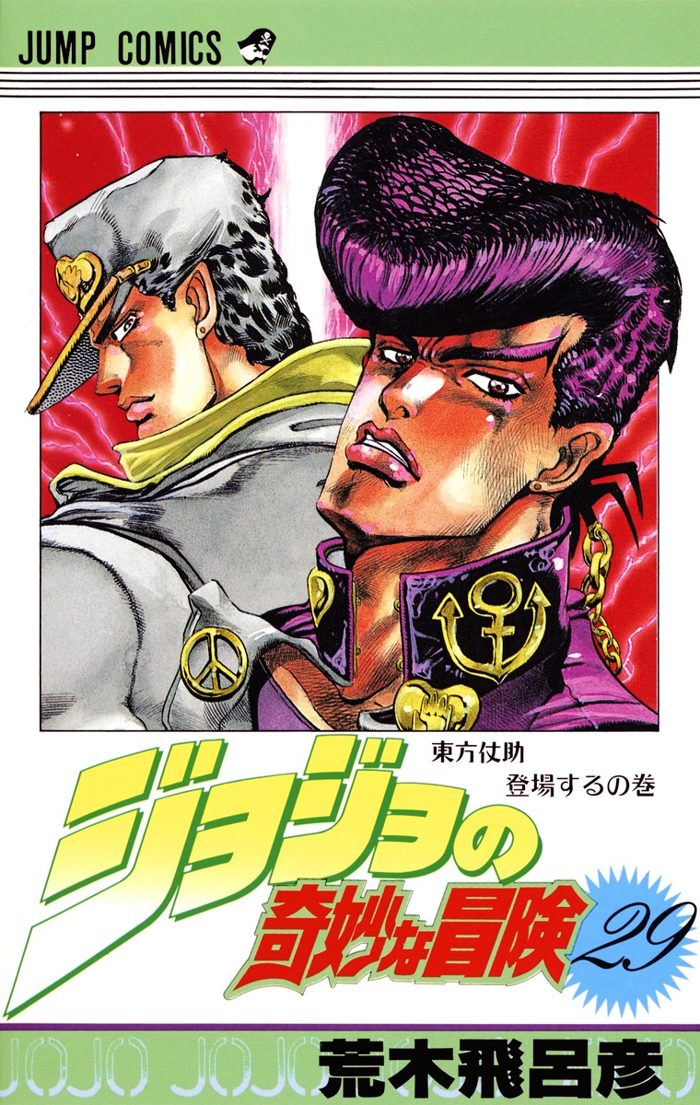
Why was JoJo exhibited at the Louvre?
The 2009 invitation, the cursed painting, and Rohan at the Louvre: the only non-French title in the museum's comics line, in full color.
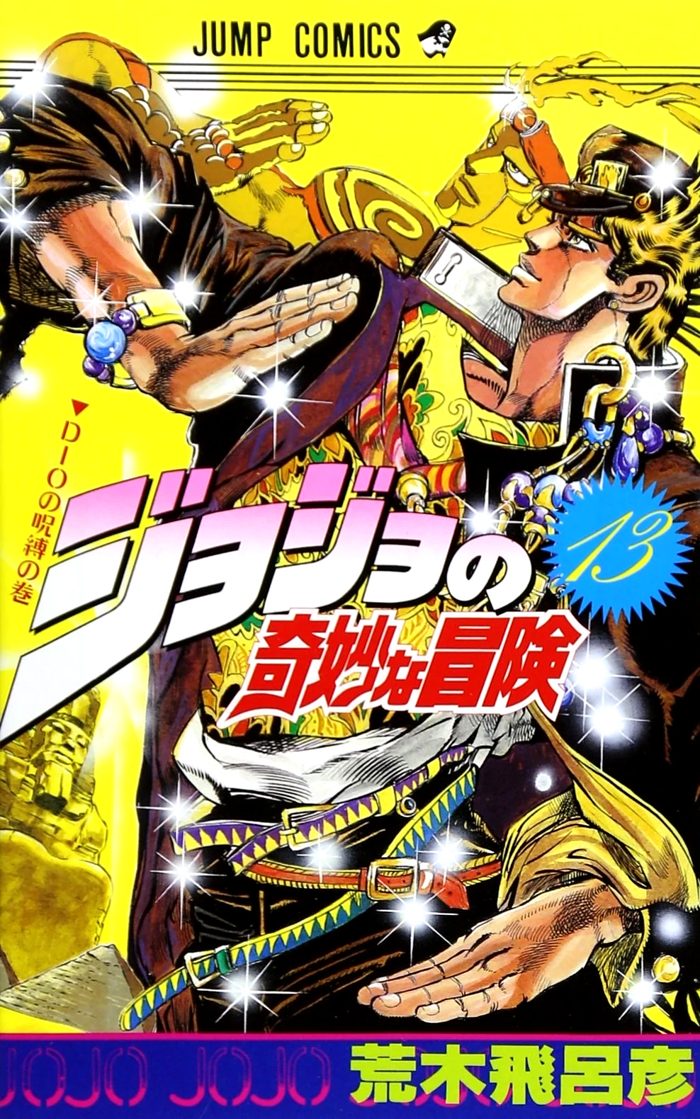
How many parts does JoJo's Bizarre Adventure have?
Nine parts, two continuities, 139 volumes and counting: every part's years, hero, and place in the Joestar line.
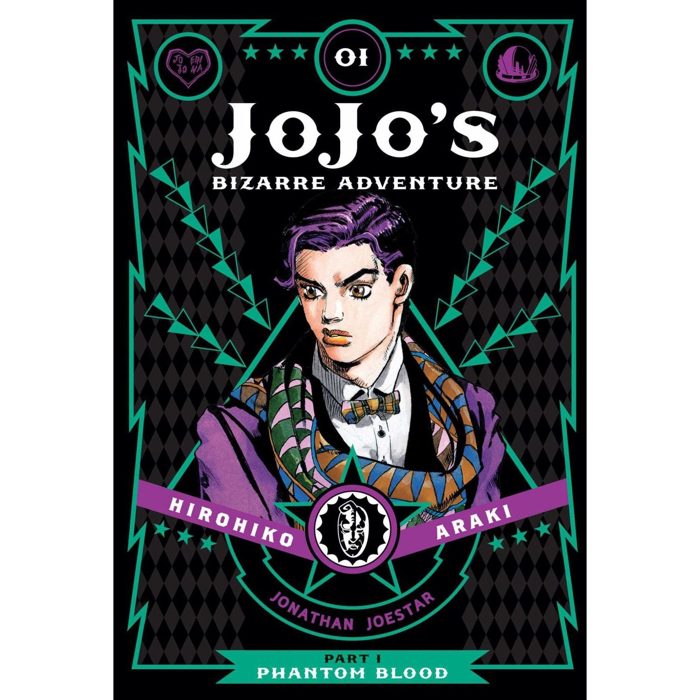
Why does JoJo start over with a new protagonist in every part?
Death and legacy, by Araki's own account: Roots, East of Eden, and the founding gamble of killing Jonathan.
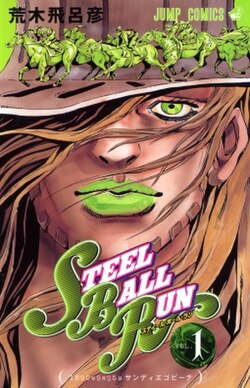
Why was Steel Ball Run not called JoJo at first?
Part 7 ran for 23 chapters under its own name alone, at the editors' request. Araki's account, and the covers that prove it.
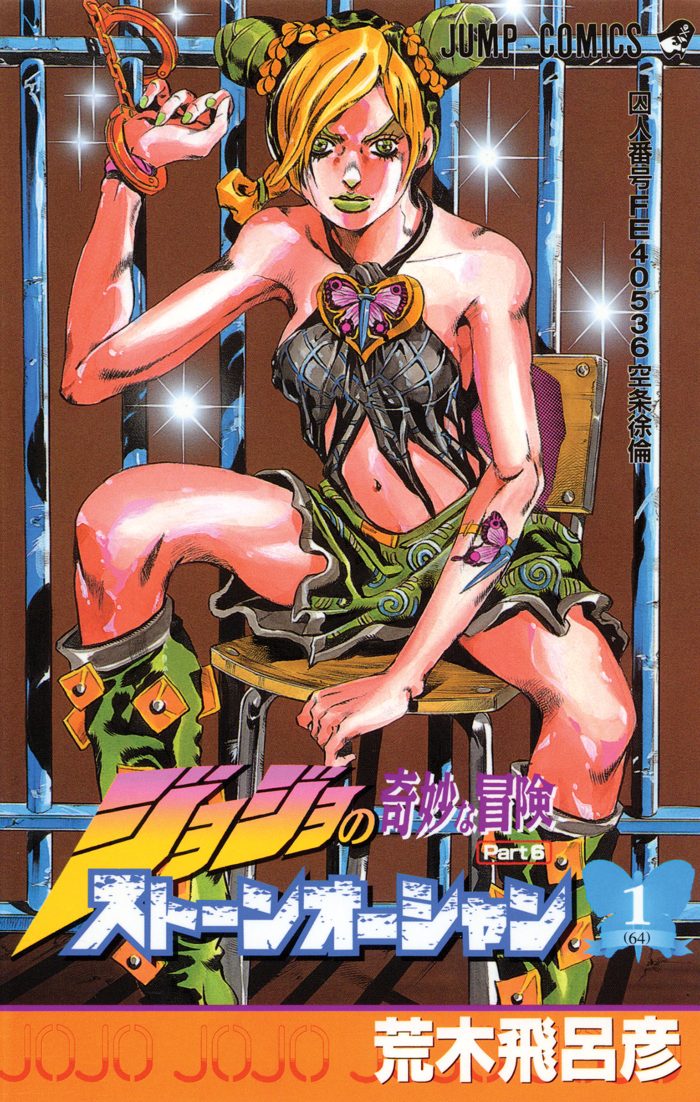
Why do JoJo volume numbers start over?
From Stone Ocean on, every part counts itself: the cover that prints 1 and 64 at once, and the collector's map of both counts.
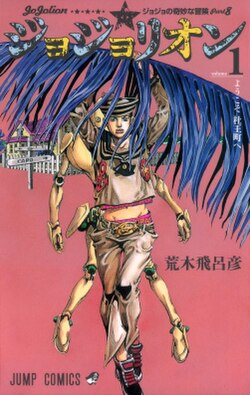
Why are so many JoJo names taken from music?
Dio, Zeppeli, Crazy Diamond, Soft and Wet: Araki names his cast off his record shelf, with his 2017 playlist as the anchor.
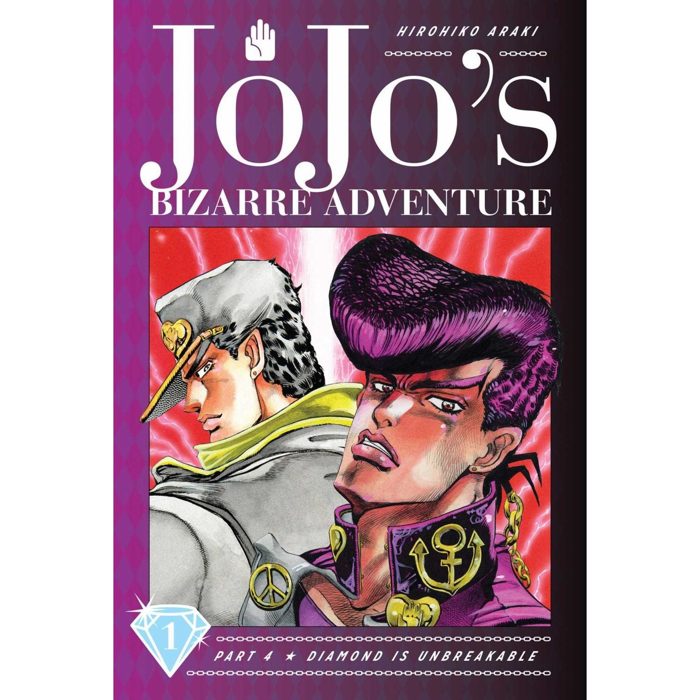
Which JoJo names are different in English?
Zipper Man, Six Bullets, Golden Wind: the lawyer's nightmare behind the swaps, and Araki's approval of every one.
JUJUTSU KAISEN
3 shelves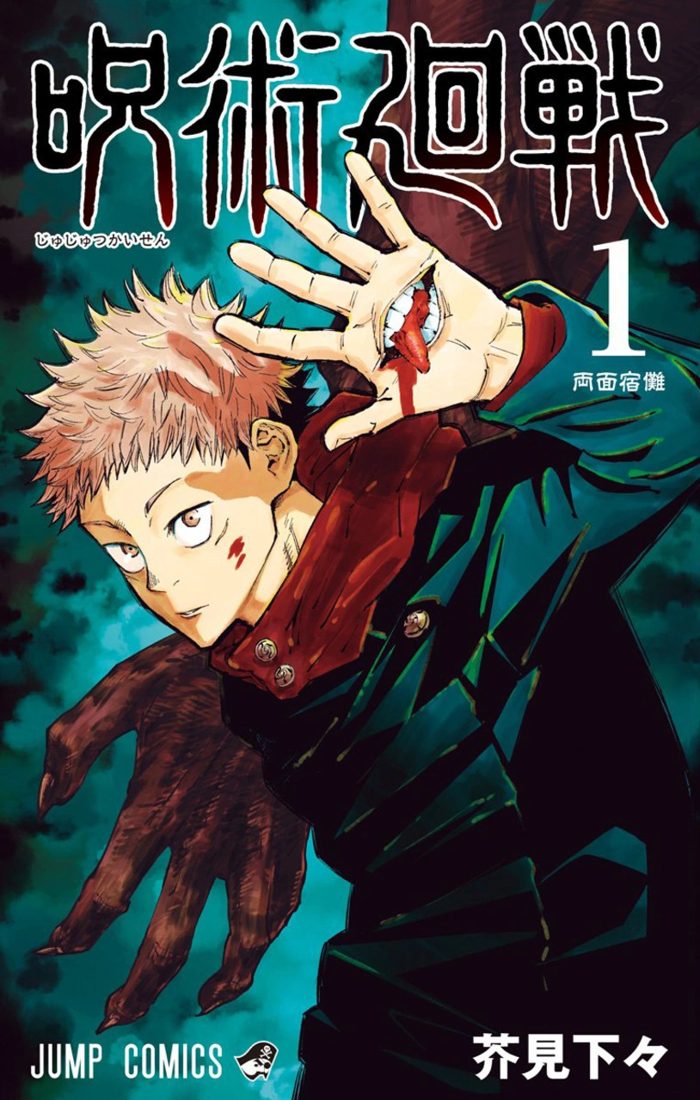
Are JJK covers the same in Japanese and English?
Yes, 31 times over, until Vol 30, where English got five covers Japan never did.
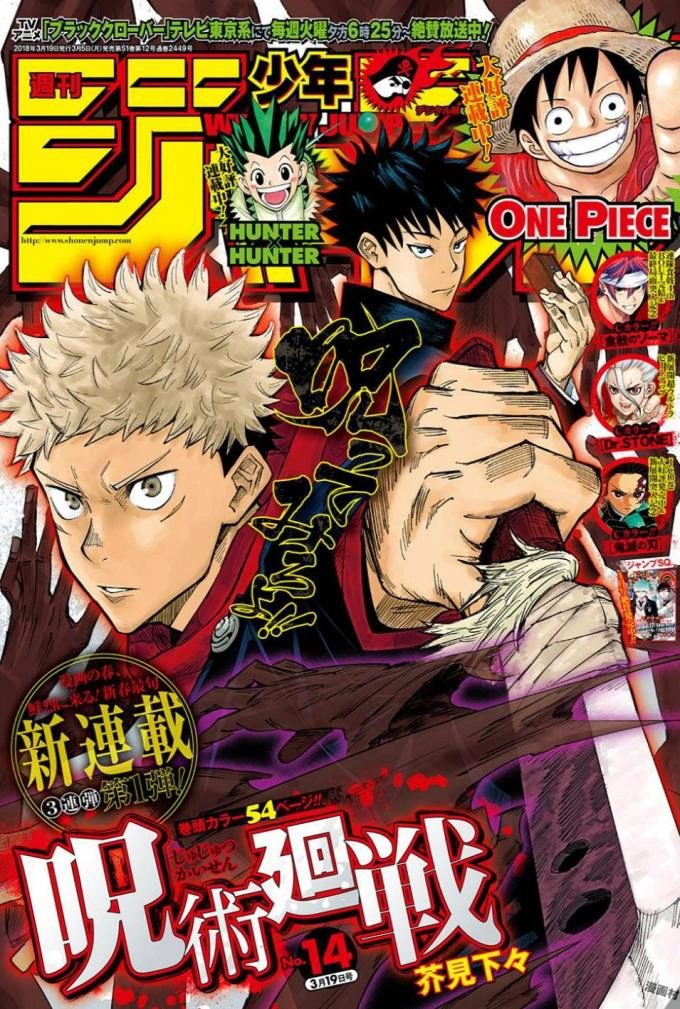
What WSJ covers did Jujutsu Kaisen get?
The 18 feature covers in full size, from the 2018 debut to the 2024 finale.
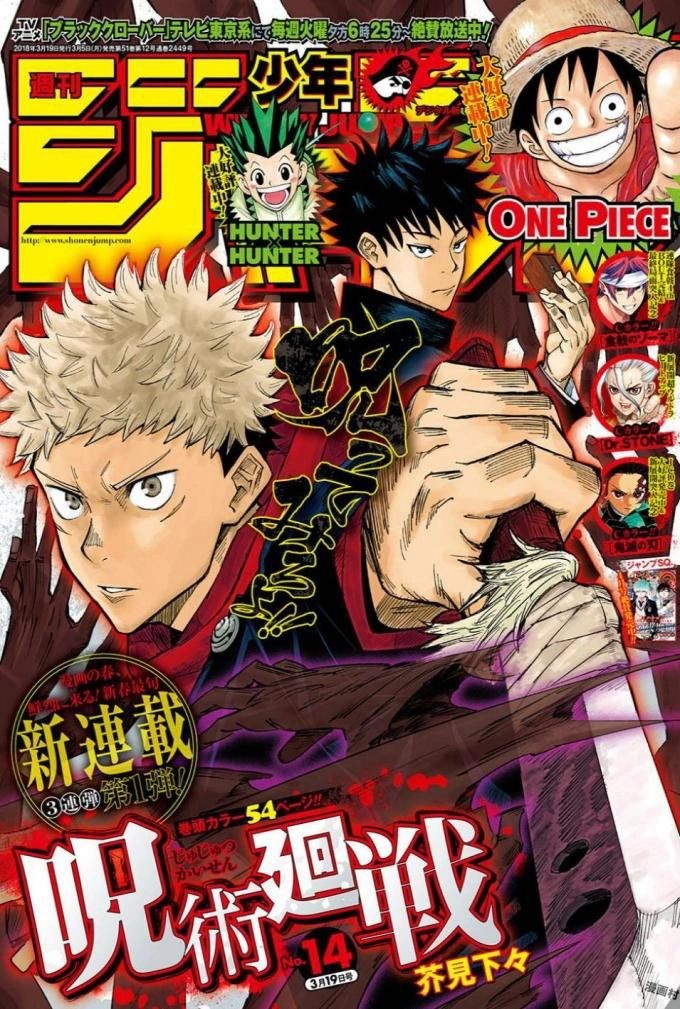
How can you tell if a Weekly Shonen Jump 2018 No.14 is the genuine first printing?
By issue, cover and contents, and the honest limit: no documented reprint mark exists, so claimed reprint editions stay unverified.
KARTIA
12 shelves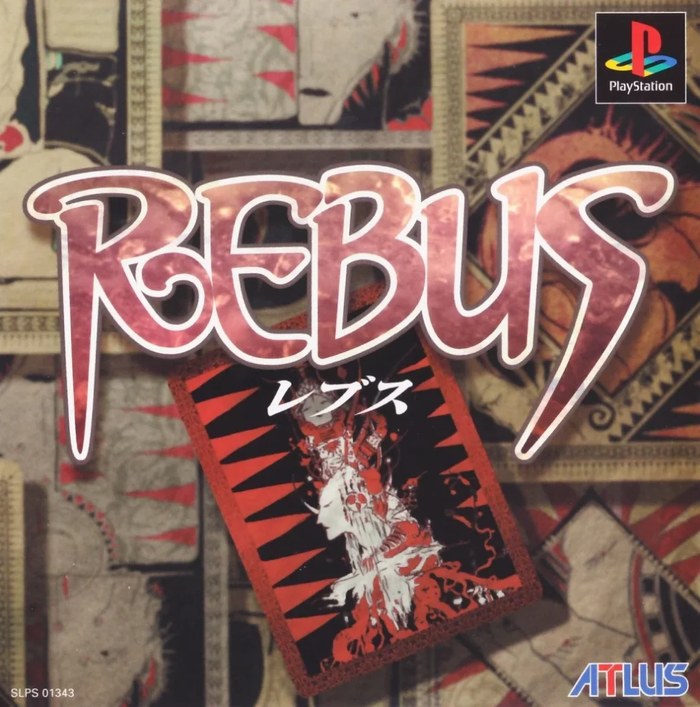
The Kartia Gallery
Kartia's two 1998 covers side by side, the Japanese Rebus box and the American Kartia: The Word of Fate box, plus every edition of Atlus's written-word strategy RPG.
The History of Kartia
How Atlus's Megami Tensei studio built Kartia in 1998, launched it through Blockbuster in America, and never followed it up: no sequel, one Japan-only re-release.
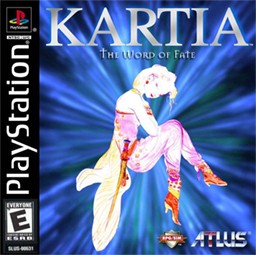
Why Is It Called Rebus in Japan and Kartia in the West?
Kartia has three names: Rebus in Japan, Kartia: The Word of Fate in America, Legend of Kartia in Europe. Each title points at a different part of the same game.
How Do Kartia Cards Work?
Kartia's whole game is written words: combine single characters into texts to forge weapons, cast spells, and summon Phantoms, in a world with no shops at all.
Who Are Toxa and Lacryma, Kartia's Two Heroes?
Kartia tells one story twice: eighteen chapters for the free knight Toxa, eighteen for the shrine warrior Lacryma, and only both together explain the whole plot.
Who Did the Art for Kartia?
Yoshitaka Amano designed Kartia's characters, and on the PlayStation his paintings finally lived inside the game: portraits, covers, and the soundtrack jacket.
Are Kartia's Covers the Same in Japan and America?
No: Japan's Rebus box is a collage of magic cards and America's Kartia box is a lone heroine, but both covers are Yoshitaka Amano art. The pair, side by side.
Where Does Kartia Fit in the Strategy RPG Boom?
Kartia arrived in the middle of the 1998 strategy RPG pile-up, weeks from Tactics Ogre and months from Final Fantasy Tactics, and was judged in their shadow.
How Was Kartia Received?
Kartia's 1998 reviews agreed on the game's shape: praised for art, music, and ideas, faulted for fiddly battles. A 31 from Famitsu, a 75 percent average in the West.
Why Is Kartia Forgotten?
Kartia sold, reviewed respectably, and vanished anyway: a rental-first launch, two giant rivals on its own publisher's shelf, no sequel, a Japan-only re-release.
What Strategy Guides Does Kartia Have?
Kartia got two official Japanese books from Atlus's own publishing arm, an official guide and a setting collection, plus Prima's American guide for both storylines.
Collecting Kartia
Kartia's collectible map: the Japanese Rebus original and Best editions, the American foil and Blockbuster rental variants, the PAL Legend of Kartia, dated prices.
KATSUYA TERADA
12 shelvesWho is Katsuya Terada?
The Doodle King: illustrator of the Zelda guidebooks, designer of Saya in Blood: The Last Vampire, and an artist who simply never stops drawing.
Who drew the old Zelda guidebook art?
Those painterly, dangerous-looking illustrations in the A Link to the Past and Link's Awakening guides were drawn by Katsuya Terada.
Katsuya Terada's Zelda illustrations
Promotional art for four Zelda games, player's guides in two languages, and a secret: the man who drew Hyrule had never played it.
What is Katsuya Terada's The Monkey King?
Terada's full-color Journey to the West: a savage Monkey King, a nun on pilgrimage, and the manga that took him into English in 2005.
Who designed the characters in Blood: The Last Vampire?
Saya's heavy, haunted look came from an illustrator, not an anime designer: Katsuya Terada, hired by name for Production I.G's 2000 film.
Who drew the Detective Jinguji Saburo covers?
Data East's hard-boiled detective has worn the same face for decades because one artist drew him: Katsuya Terada, its designer and cover artist.
What is Rakuda Laughs?
A trigger-happy yakuza new father, one corpse too many, and Terada drawing crime with a grin: Rakuda Ga Warau, in English as Rakuda Laughs!
What is RakugaKing?
Part nickname, part book: RakugaKing is Terada's doodle philosophy made physical, over 1,000 pages of sketchbook in a slipcase.
What is Terada Katsuya Zenbu?
Zenbu means everything: Kodansha's 1999 complete-works volume, Terada's first art book, and the shelf of books that followed it.
Katsuya Terada Real Size
One black marker, no rough drafts, printed at actual size: PIE International's 2019 hardcover of Terada's exhibition marker art.
How does Katsuya Terada draw?
Markers, brush pens, an early bet on digital painting, and no rough drafts: the tools and method behind the Doodle King's line.
What is a Katsuya Terada live drawing?
No sketch, no plan, hours of ink appearing line by line in front of an audience: inside the live-drawing performances Terada is famous for.
KAWAJIRI
13 shelves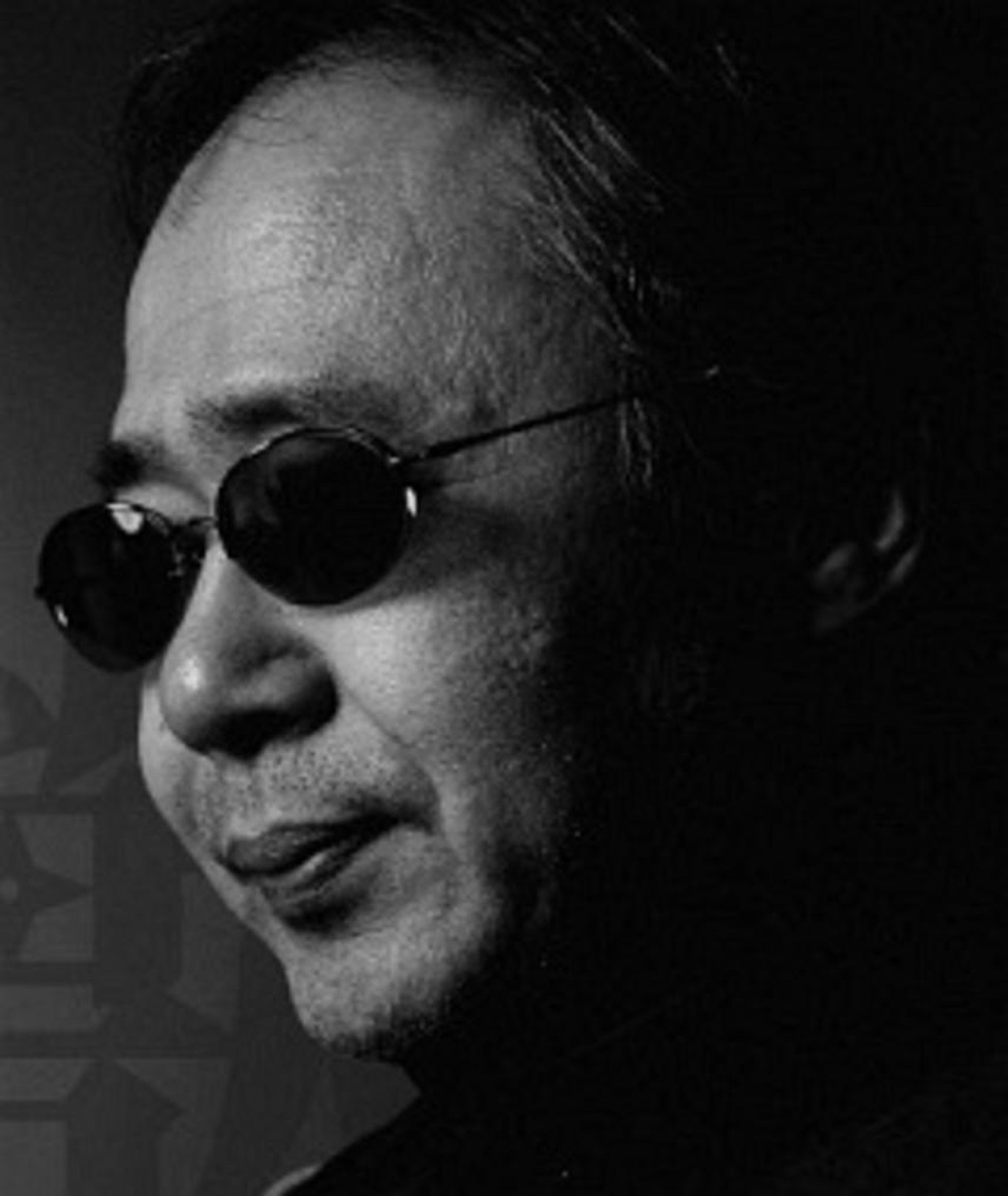
Who Is Yoshiaki Kawajiri?
Yoshiaki Kawajiri: the Madhouse co-founder who directed Wicked City, Ninja Scroll and Vampire Hunter D: Bloodlust, and gave the West its darkest anime.
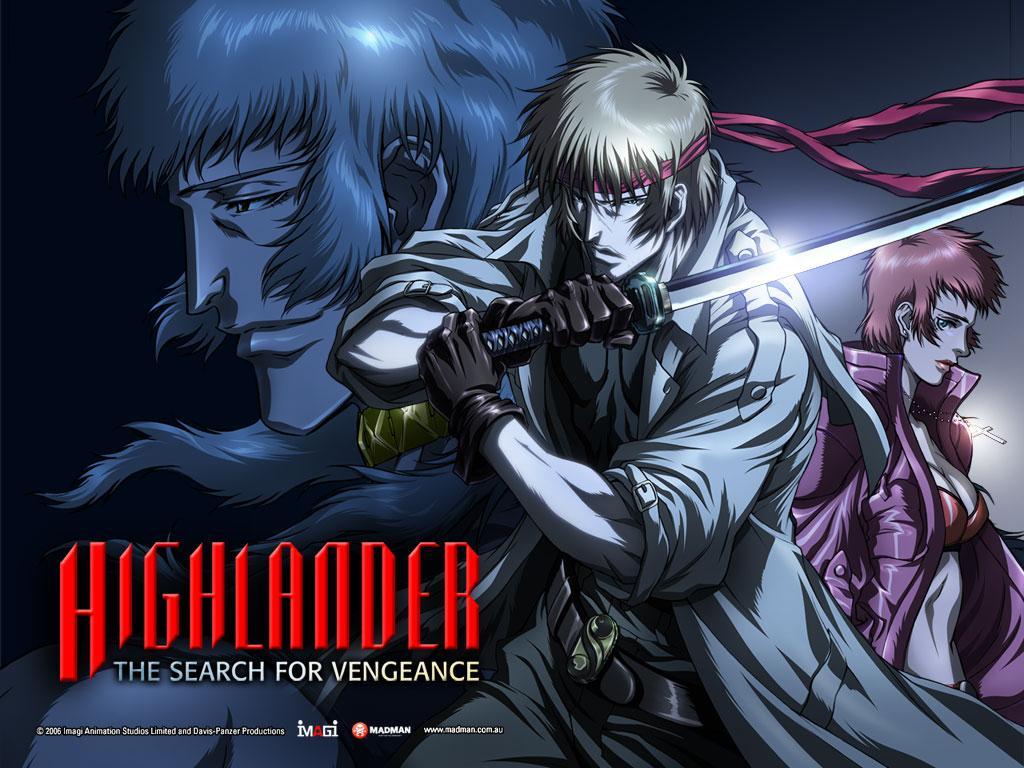
The Films of Yoshiaki Kawajiri
The Kawajiri shelf: Wicked City, Demon City Shinjuku, Ninja Scroll and Vampire Hunter D: Bloodlust, the four films that built the Western rental canon.
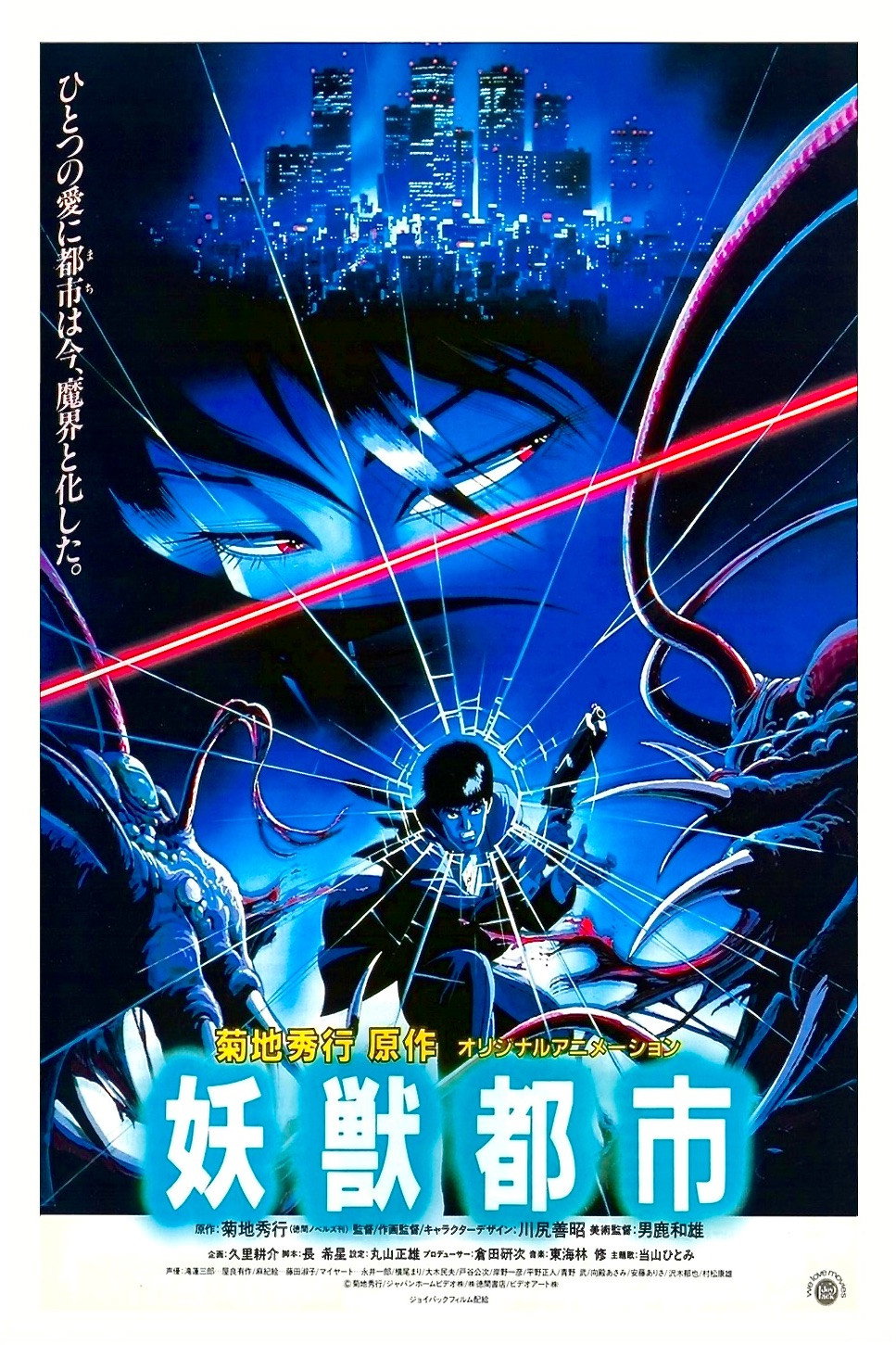
What Is Wicked City?
Wicked City (1987): Kawajiri’s solo directorial debut, from Hideyuki Kikuchi’s novel Black Guard. A 35-minute commission that grew into a feature.
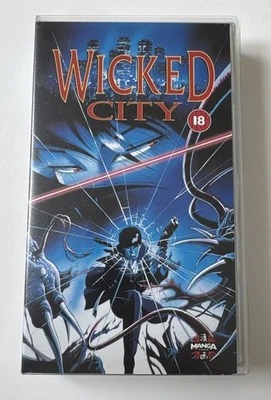
Why Was Wicked City Cut in Britain?
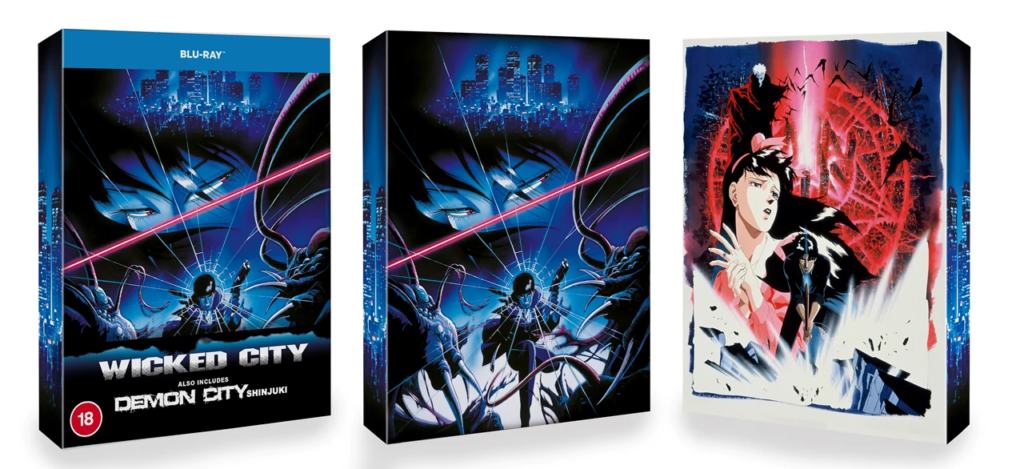
Britain got a different Wicked City: a Manga UK dub of its own and about 1 minute 48 seconds removed by the BBFC. Discotek’s editions reunite both dubs, uncut.
What Is Demon City Shinjuku?
Demon City Shinjuku (1988): Kawajiri’s second Kikuchi adaptation. A ruined Shinjuku, a swordsman’s son, and the OVA Britain renamed Monster City.
How Was Ninja Scroll Made?
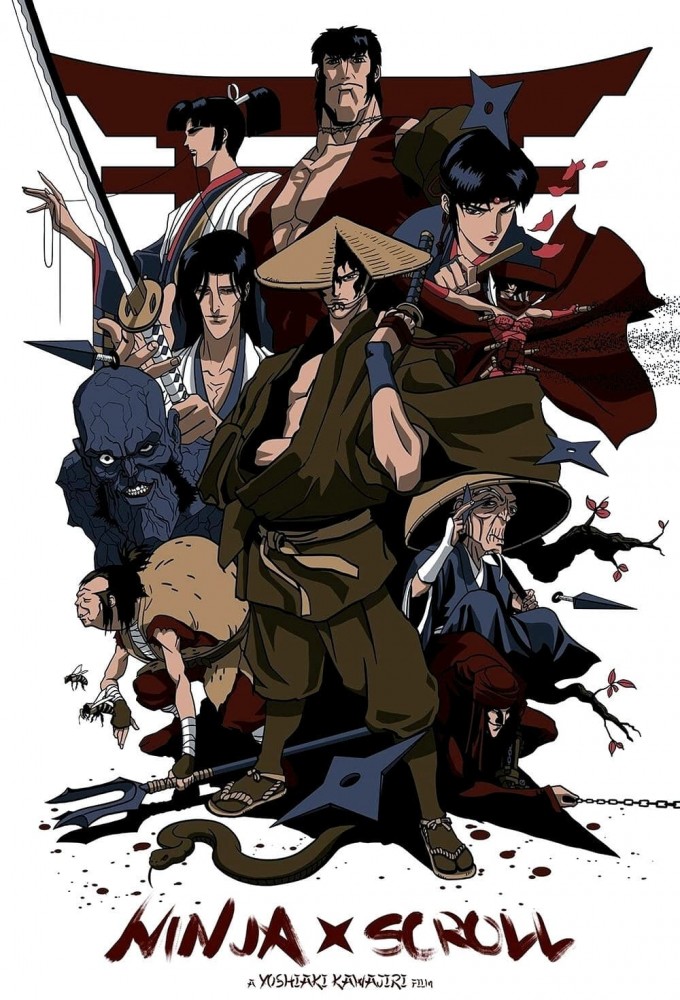
Ninja Scroll (1993): written, designed and directed by Yoshiaki Kawajiri at Madhouse, from Futaro Yamada homage to Yubari prize winner, quiet in Japan.
Why Did Ninja Scroll Become a Hit in the West?
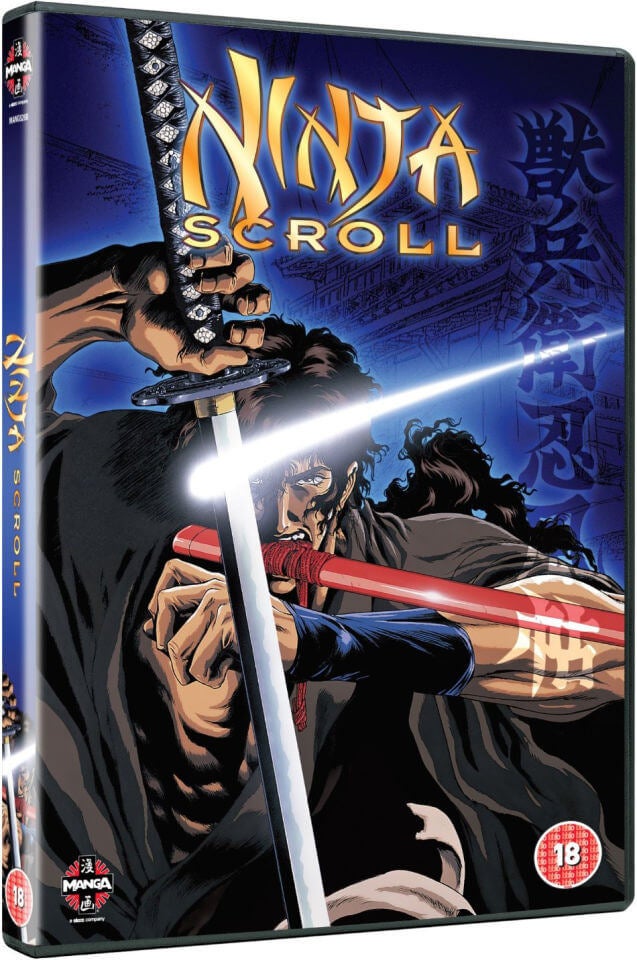
Ninja Scroll sold 70,000 North American tapes by May 1996 and a million DVDs after: how Manga Entertainment and the video store made it the rental canon.
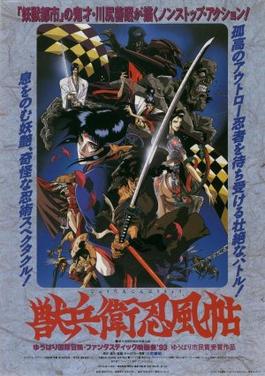
Who Are the Eight Devils of Kimon?
The Eight Devils of Kimon, profiled: Gemma, Tessai, Benisato, Shijima, Yurimaru, Zakuro, Mushizo and Utsutsu, plus Jubei, Kagero and Dakuan.
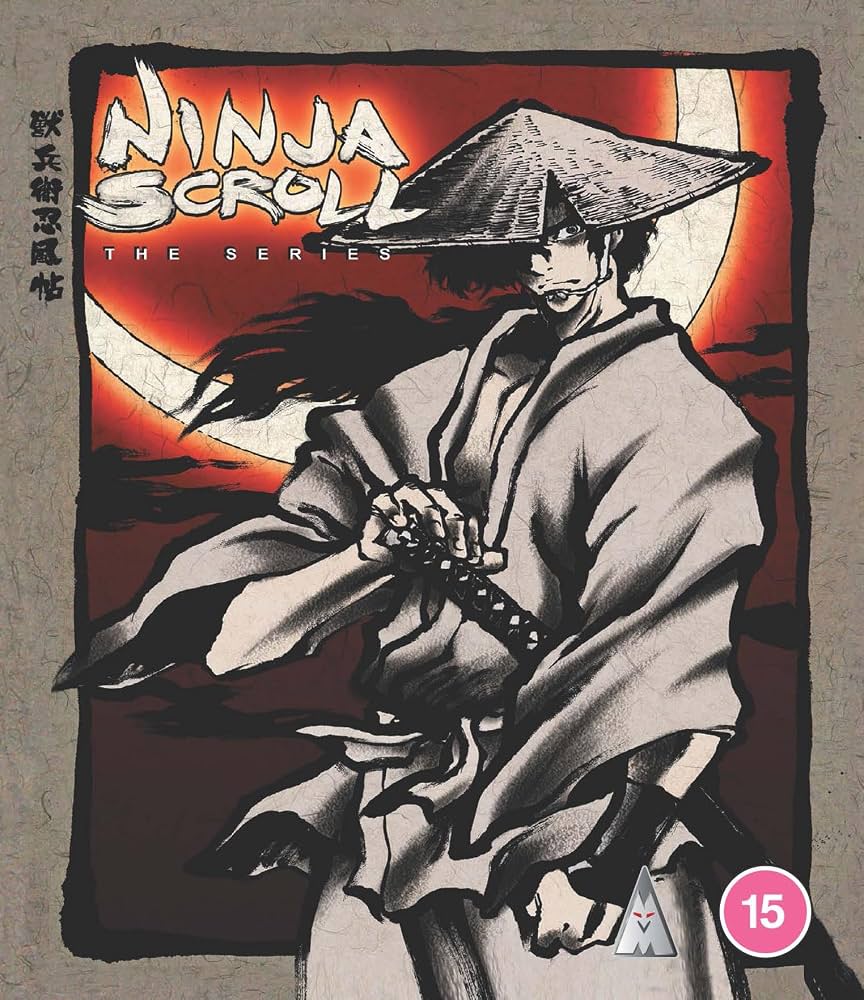
Will There Ever Be a Ninja Scroll 2?
As of 2026: no sequel film exists. Kawajiri finished a script in 2013, financing never came, and in June 2026 Kasagi Labo announced a new project.
Was Ninja Scroll Censored?
In Britain, yes: the BBFC removed about 52 seconds in 1995, restored in 2004. The Japanese and American releases were never cut.
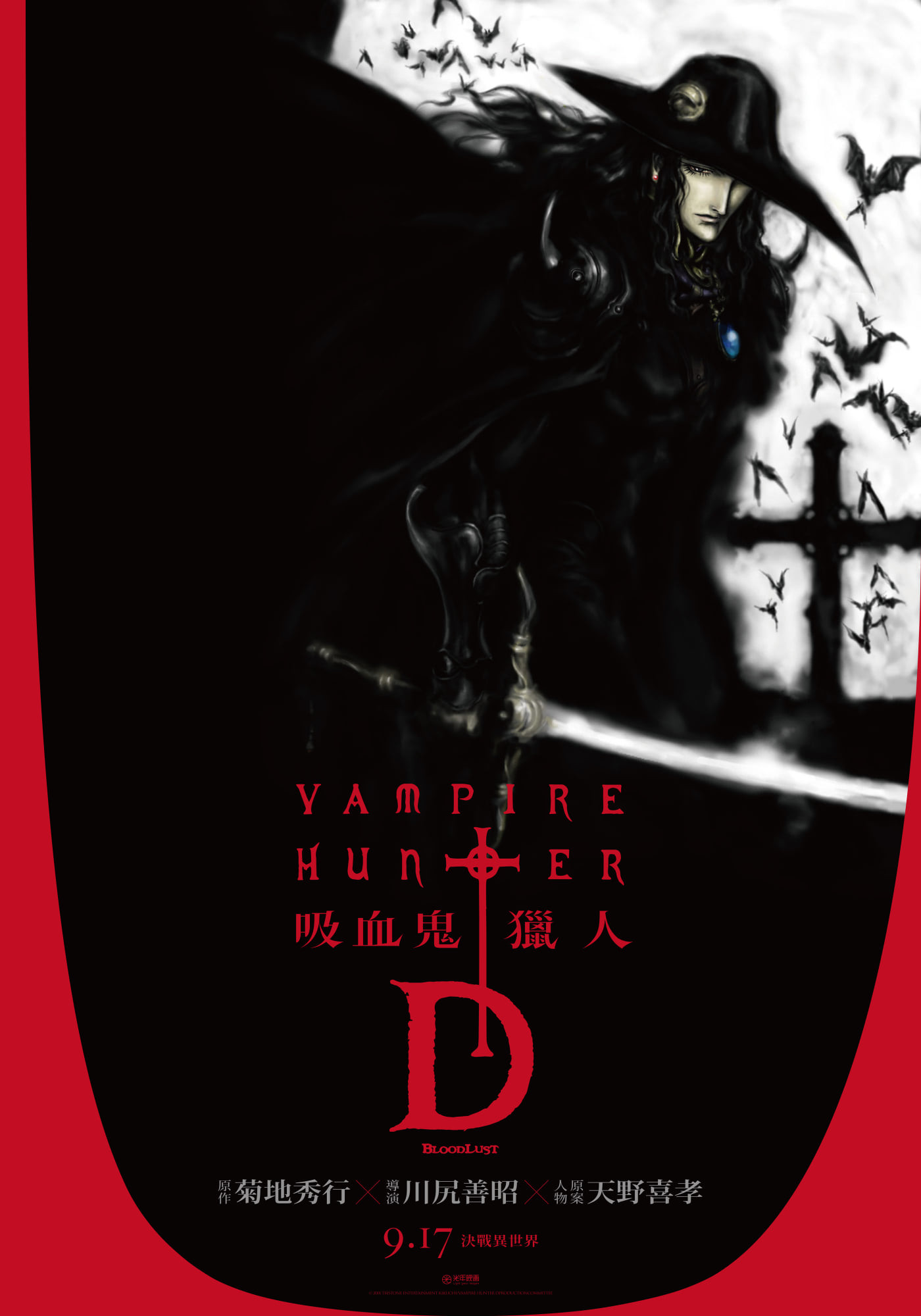
What Is Vampire Hunter D: Bloodlust?
Vampire Hunter D: Bloodlust (2000): Kawajiri’s English-first feature from Kikuchi’s Demon Deathchase, with Amano’s designs animated by Madhouse.
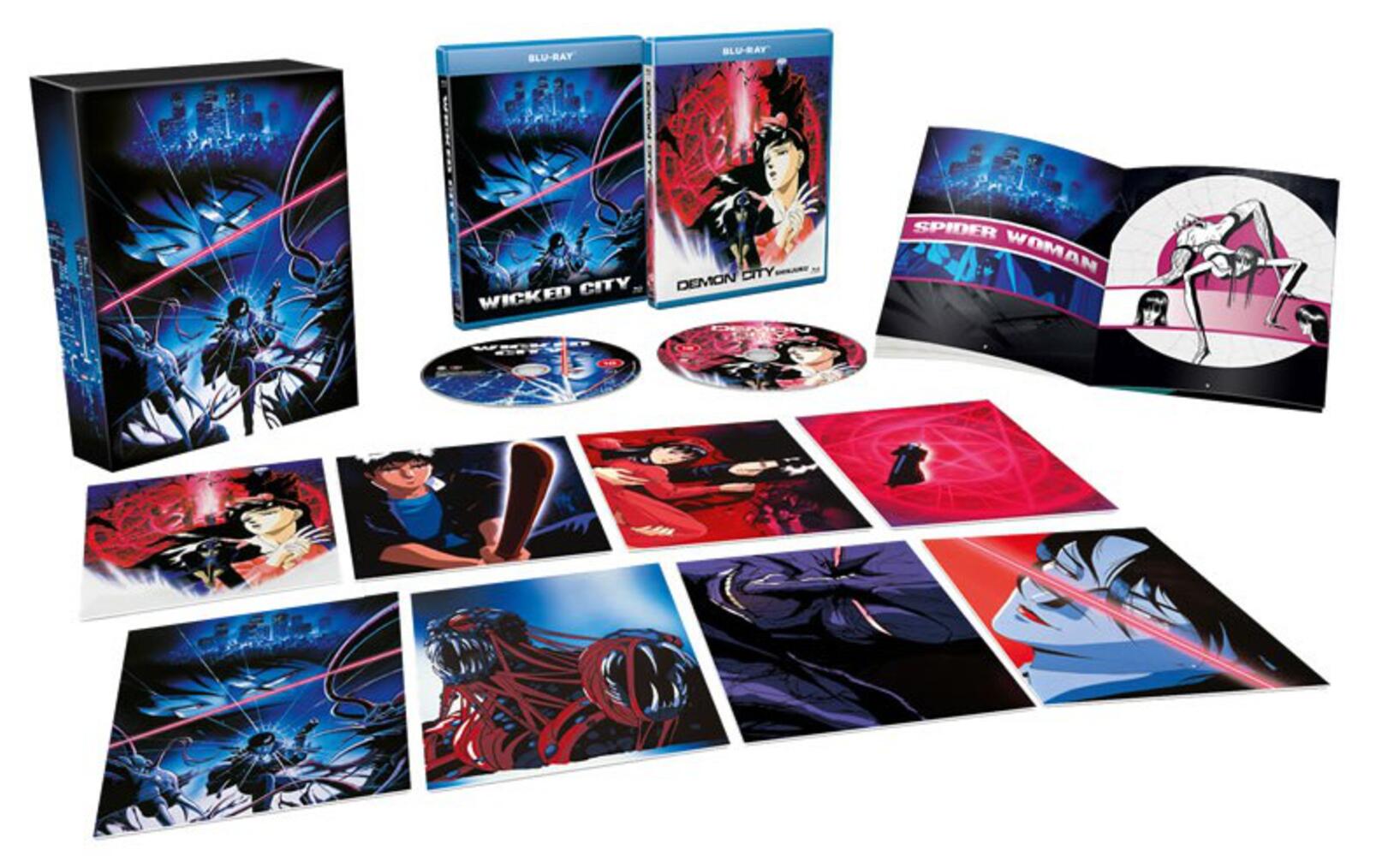
How Can You Watch Kawajiri’s Films Today?
Ninja Scroll in 4K from Berlinale 2026 to a 2027 steelbook, Bloodlust returning with GKIDS in 2027, and the Discotek editions of the Kikuchi films.
Collecting the Kawajiri Films
The edition census: Manga tapes, LaserDiscs, the two Wicked City dubs, Discotek’s restorations, steelbooks, and the storyboard book.