
THE LIBRARY
Collector guides, cover censuses, and edition answers, documented issue by issue. Every page answers one specific question, completely.
POKÉMON
121 shelves
The Pokémon Gallery
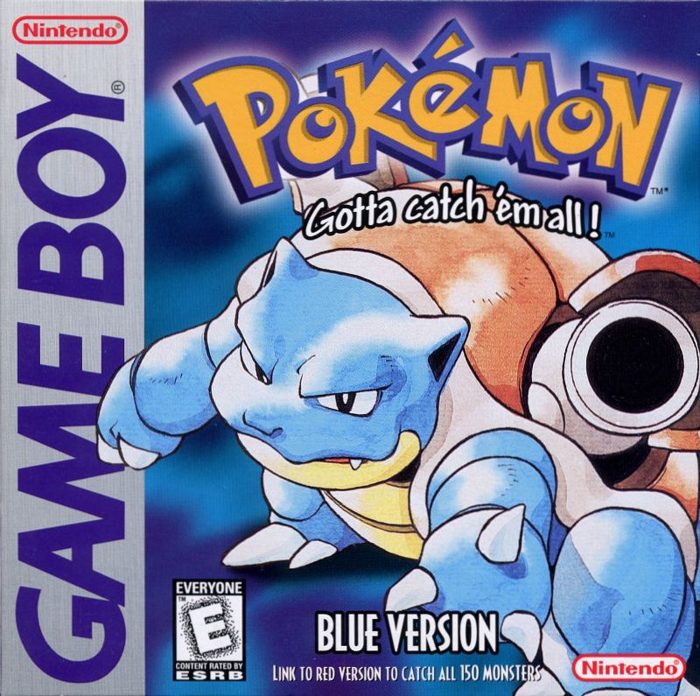
Red, Green and Blue, covers first: the Japanese boxes of 1996 and the American boxes of 1998, with the history and the origin question behind them.
The History of Pokémon Red and Blue
Red and Green in February 1996, Blue as the mail order special edition, and the Western pair built on Blue: over 31 million copies, from bugs and a link cable.The pair that started with bugs and a cable, and sold over 31 million copies.
→
What inspired Pokémon?
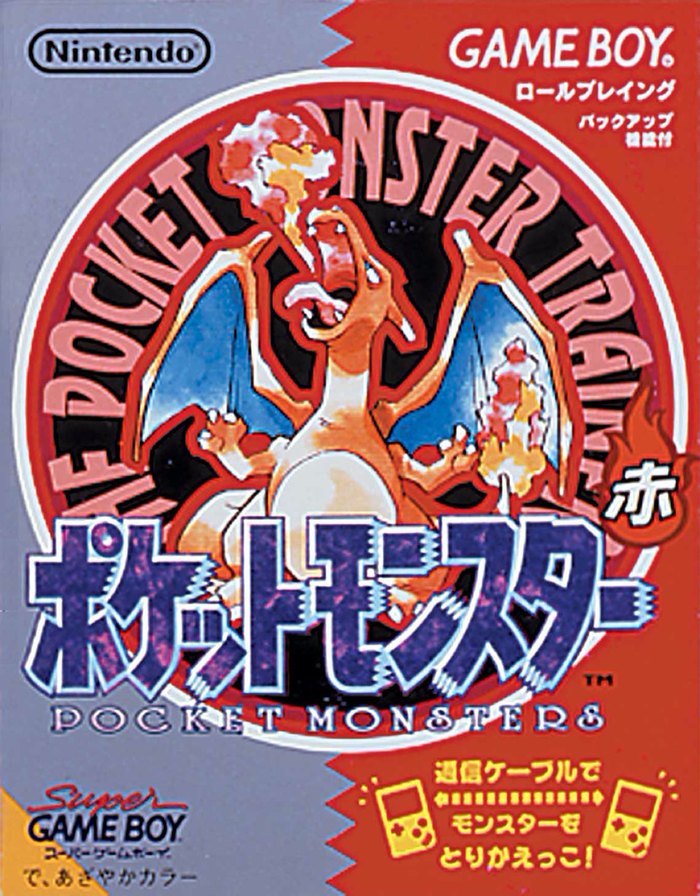
A childhood spent catching insects, in Satoshi Tajiri's own account.
Why do Japanese Pokémon cards have different backs?
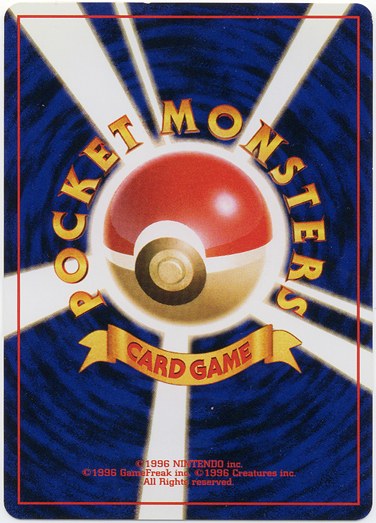
Japan's 1996 back and the world's 1999 back never unified, and tournament rules still count them as marked cards.
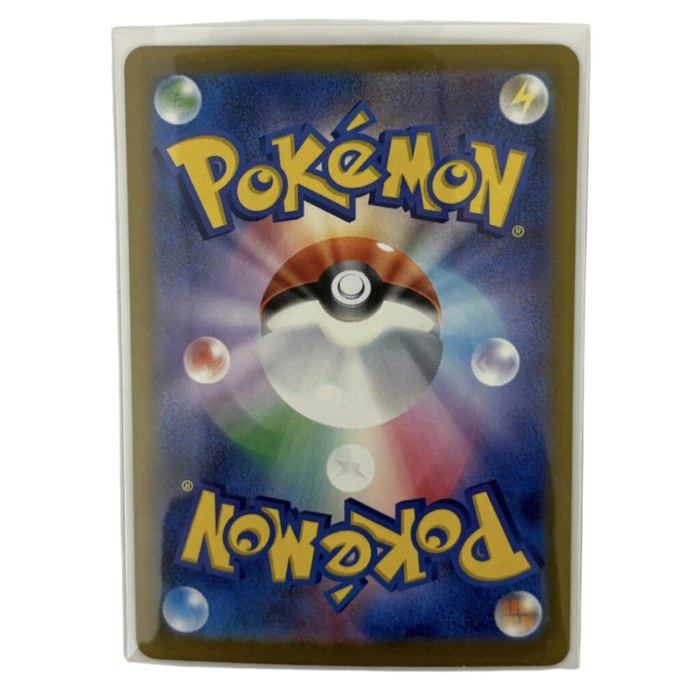
The History of Pokémon Cards in Japan and the West
Media Factory in October 1996, Wizards of the Coast in January 1999: two publishers, two backs, and two 1st Edition timelines that never lined up.
Do Japanese Pokémon cards have 1st Edition stamps?
Yes, but only from 2001: Japan adopted the stamp just as the West was dropping it, and Japanese Unlimited prints are often the scarcer ones.
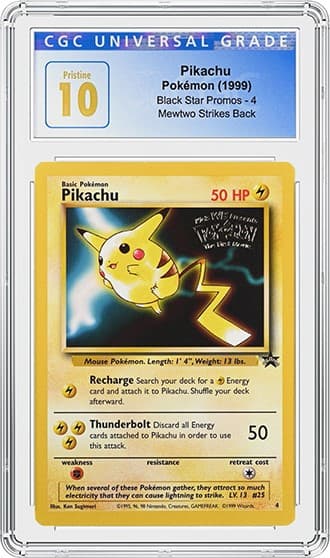
The Pokémon Promo Gallery
The Burger King gold cards, the movie promos, Ancient Mew, the Poncho Pikachu universe, sticker cards and phone cards: Pokémon's promotional history, documented…
Are the Burger King gold Pokémon cards real gold?
The 1999 Burger King gold cards are real 23-karat gold plating on thick metal, sold for $1.99 with a meal during the First Movie campaign: six Pokémon, a Poké…
What comes in a complete Burger King gold card set?
A complete Burger King gold card example is four pieces: the gold-plated metal card, its plastic Poké Ball, the certificate of authenticity signed by Howard…
Why were the Burger King Poké Balls recalled?
Burger King recalled the Poké Ball containers in December 1999 after two infants suffocated on the ball halves. The campaign also included 59 toys, PokéTrivia…
What cards were given away at Pokémon: The First Movie?
Four Wizards Black Star Promos: Electabuzz 2, Mewtwo 3, Pikachu 4 and Dragonite 5, each stamped in gold foil with the Kids WB movie logo, handed out sealed at US…
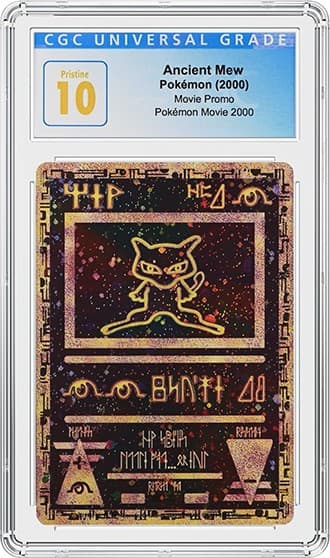
What does the Ancient Mew card actually say?
Ancient Mew's runes are a cipher for the Latin alphabet: the card is a 30 HP Psychic Basic whose attack Psyche does 40, whose flavor line reads
How many versions of Ancient Mew are there?
Six distinguishable prints: three Japanese prints from 1999 (the
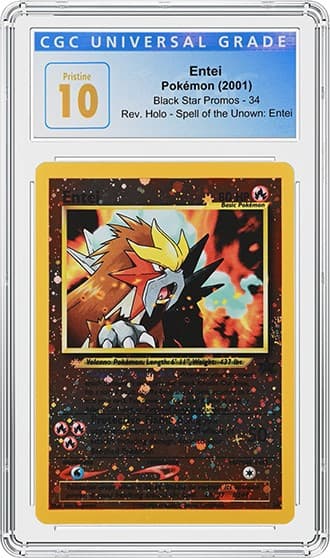
What movie promo cards came after the first movie?
The Movie 2000 gave Ancient Mew, then the three legendary birds; Pokémon 3 gave the first reverse holo outside Japan; Pokémon 4Ever closed the Wizards era; Japan…
The Poncho Pikachu Gallery
All twelve Poncho Pikachu promo cards documented: the nine XY-P cards of 2014 to 2016 and the three SM-P cards of 2017, every one illustrated by Kouki Saitou and…
PUNCH-OUT
3 shelves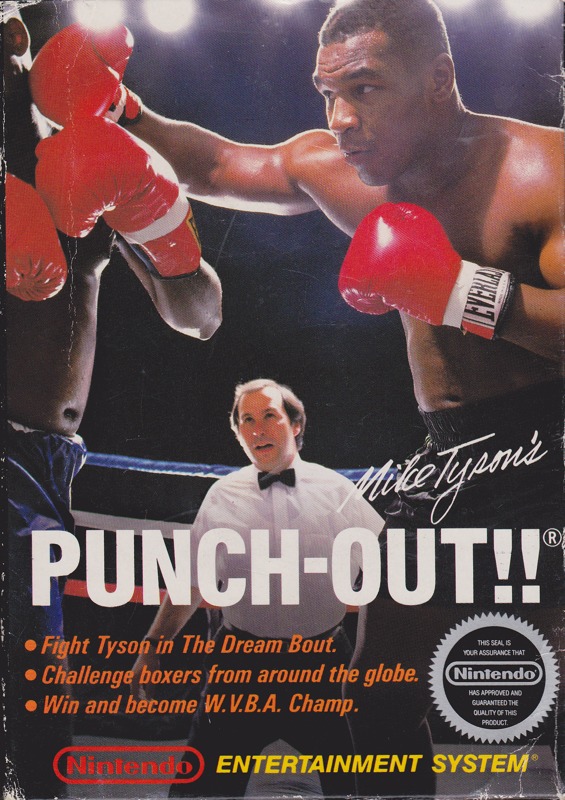
Why was Mike Tyson removed from Punch-Out?
The contract expired in 1990 and Nintendo let it go. The timeline, the rumored price, and the myth to retire.
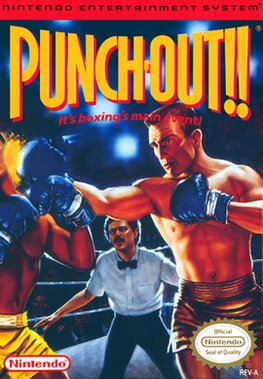
Who is Mr. Dream in Punch-Out?
A 99 and 0 champion from Dreamland, built out of Tyson's sprite, and the boss in every modern re-release.
Why is the Mike Tyson fight in Punch-Out so hard?
Ninety seconds of one-punch knockdowns, tells measured in blinks, and delays you cannot memorize.
RECORD OF LODOSS WAR
15 shelvesHow did Record of Lodoss War begin?
Record of Lodoss War began as serialized Dungeons & Dragons session transcripts in Kadokawa’s Comptiq magazine, September 1986: Ryo Mizuno’s campaign, played by…
What is an RPG replay?
A replay is a Japanese publishing genre invented in practice by the Lodoss serials: an edited transcript of a real tabletop RPG session, sold and read as a book.
What is Sword World RPG?
Sword World RPG (1989) is Group SNE’s own fantasy role-playing system, built so the Lodoss replays could be published as a game: Japan’s best-selling domestic…
Who is Ryo Mizuno?
Ryo Mizuno (born 1963) is the game master, novelist, and Group SNE co-founder who ran the campaign that became Record of Lodoss War and wrote the novels himself.
The history of Record of Lodoss War
From a 1986 magazine game log to novels, a landmark 1990 OVA, a 1998 TV series, and a 2021 Metroidvania: the documented chronology of Record of Lodoss War.
The Record of Lodoss War novels, volume by volume
The seven original Record of Lodoss War novels (Kadokawa, 1988–1993) and the two 1995 side-story collections, with their dates, campaigns, and English status.
Who illustrated the Record of Lodoss War novels?
The original novels were illustrated by Yutaka Izubuchi, the designer of record for the franchise’s first decade: seven novels, the replay paperbacks, and the…
Who is Akihiro Yamada?
Akihiro Yamada (born 1957) is the watercolor illustrator of the Legend of Lodoss prequel novels and the artist of The Lady of Pharis manga: the painterly heart…
Who is Nobuteru Yuki?
Nobuteru Yuki (born 1964) is the character designer of the 1990 Record of Lodoss War OVA, whose elegant, long-lined designs became the franchise’s face in the West.
How was the Record of Lodoss War OVA made?
Madhouse’s 13-episode OVA (1990–91): chief director Akinori Nagaoka, designs by Nobuteru Yuki, music by Mitsuo Hagita, and the painted, stillness-first style…
What is Record of Lodoss War: Chronicles of the Heroic Knight?
The 1998 TV series from AIC: 27 episodes on TV Tokyo retelling the later Lodoss novels with Spark as hero, famous above all for its opening song, Kiseki no Umi.
Why is “Kiseki no Umi” famous?
Kiseki no Umi (Sea of Miracles), the 1998 Chronicles of the Heroic Knight opening: Yoko Kanno’s music, Yuho Iwasato’s words, Maaya Sakamoto’s voice, and a second…
The Record of Lodoss War manga, series by series
Six Lodoss manga lines documented: The Grey Witch (two versions), Akihiro Yamada’s The Lady of Pharis, Natsumoto’s Chronicles of the Heroic Knight, Deedlit’s…
What Record of Lodoss War video games are there?
The documented Lodoss games: Hummingbird Soft’s 1988 PC-98 RPG, the PC Engine CD pair, Mega-CD, the 1995 Super Famicom RPG, the Dreamcast’s Advent of Cardice,…
How can you collect Record of Lodoss War in English?
The English Lodoss map: Central Park Media’s anime and CPM Manga lines, the decade out of print, Funimation’s 2017 rescue, Seven Seas’ Grey Witch novel, and…
RESIDENT EVIL
11 shelfs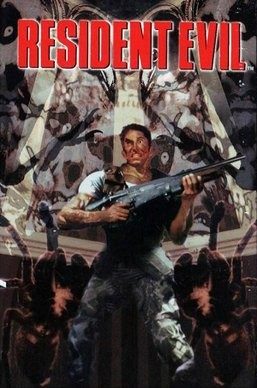
The Resident Evil Gallery
The Japanese Biohazard and American boxes side by side for seven games, from the bloodshot eye of 1996 to the red sky of Resident Evil 4, with their histories and questions behind them.
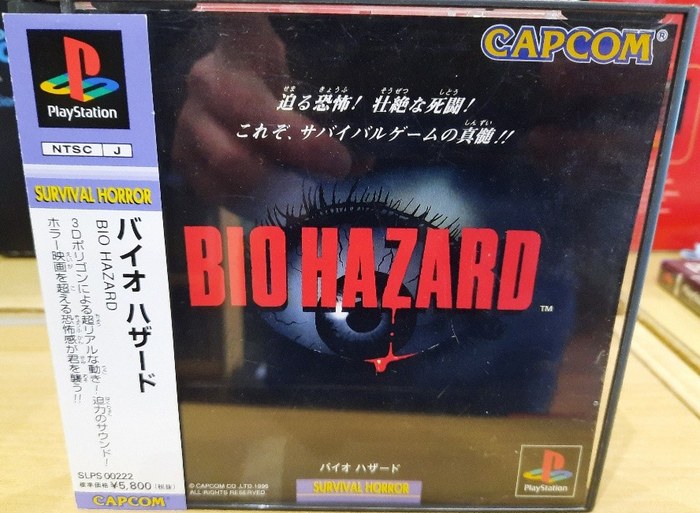
The History of Resident Evil
Fujiwara and Mikami in the Spencer Mansion: the making, the editions, Famitsu 38/40, and the game that named survival horror.
Why is the voice acting in Resident Evil so bad?
A camp direction given in a Tokyo studio, a Japanese dub recorded and never used, and a Guinness record for the dialogue.
What happened to the Resident Evil Director's Cut soundtrack?
The deaf genius credited with the 1998 replacement score admitted in 2014 that Takashi Niigaki wrote it, and that he was not deaf.
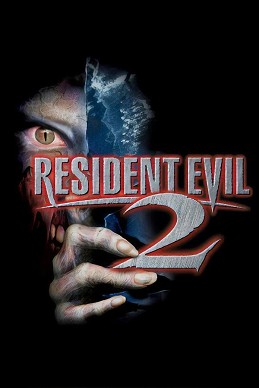
The History of Resident Evil 2
Kamiya, the scrapped Resident Evil 1.5, Sugimura's zapping system, and the Romero commercial: the sequel that became the series' best seller.
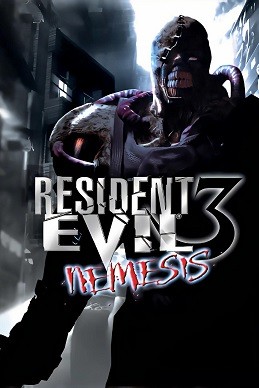
The History of Resident Evil 3: Nemesis
Biohazard 3: Last Escape in Japan: the spin off promoted to a numbered game, Jill's last day in Raccoon City, and the Nemesis built from the T-1000.
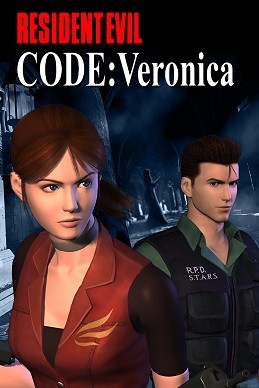
The History of Resident Evil: Code: Veronica
The Dreamcast sequel that lost its number to console politics: real time 3D, European gothic, the Ashford twins, and Metacritic 94.
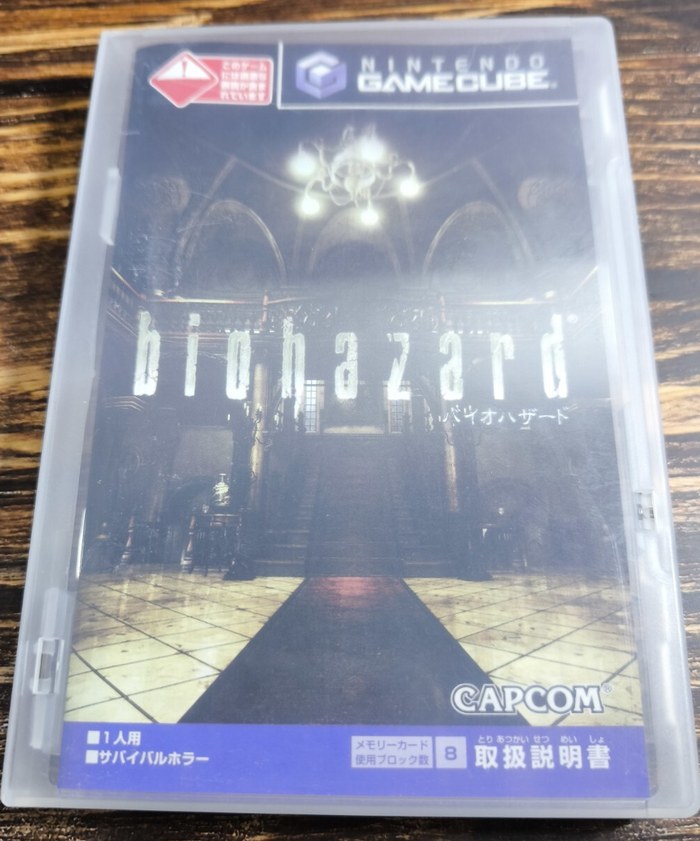
The History of Resident Evil (2002)
Mikami rebuilds his own game for the GameCube: Crimson Heads, Lisa Trevor, Famitsu 39/40, and sales that steered the whole series.
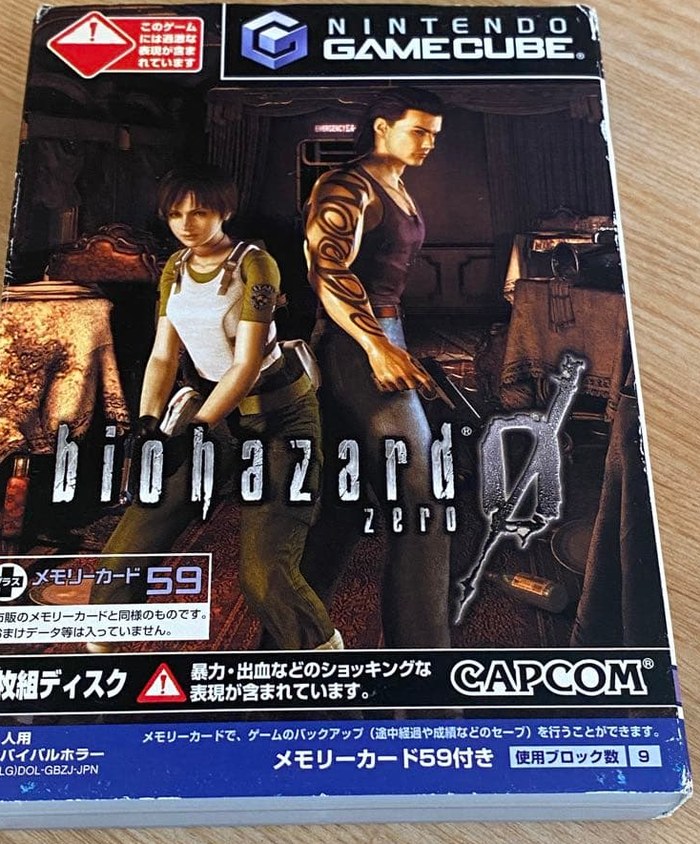
The History of Resident Evil Zero
The Nintendo 64 prequel rebuilt for GameCube: Rebecca and Billy, partner zapping, and item boxes removed in Sweet Home's name.
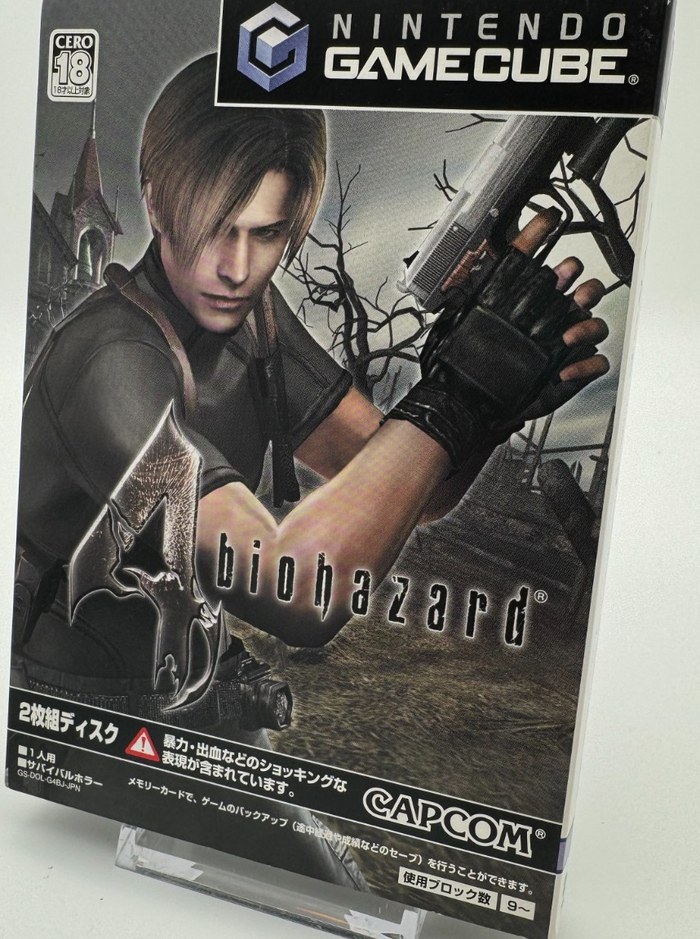
The History of Resident Evil 4
Four discarded versions, one of them Devil May Cry, then Mikami's takeover: the making of the game that moved the camera and the industry.
Why did Resident Evil 4 change the series?
The over the shoulder camera, the Ganados, and the Merchant's economy, and the documented road into Gears of War, Dead Space, and The Last of Us.
RPG: DREAMCAST
5 shelfs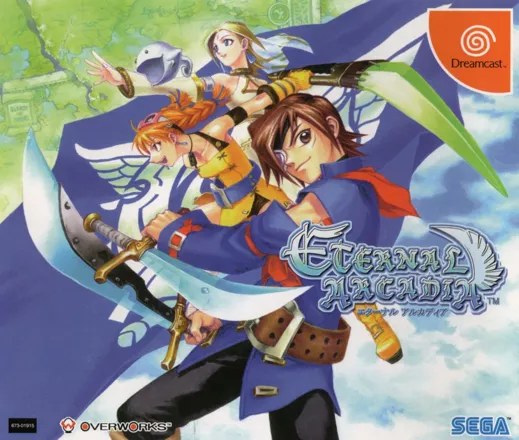
The Dreamcast RPG Gallery
Three Dreamcast RPGs in one room: Skies of Arcadia, Grandia II, and Phantasy Star Online, with their covers and the discs that came inside the boxes.
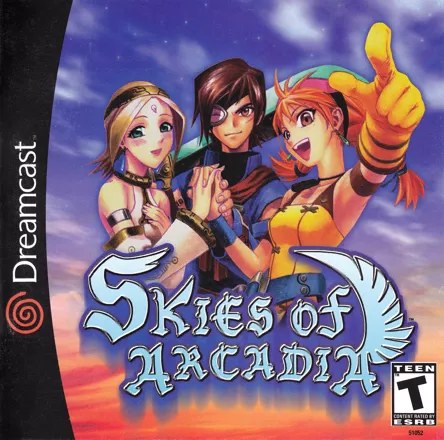
The History of Skies of Arcadia
The bright game in a dark decade: sky pirates, Discoveries, a 93 on Metacritic, and the sales that never came.
What Changed in Skies of Arcadia Legends?
The GameCube director's cut: fewer encounters, new hunts, the download extras folded in, and the cooler second reception, documented.
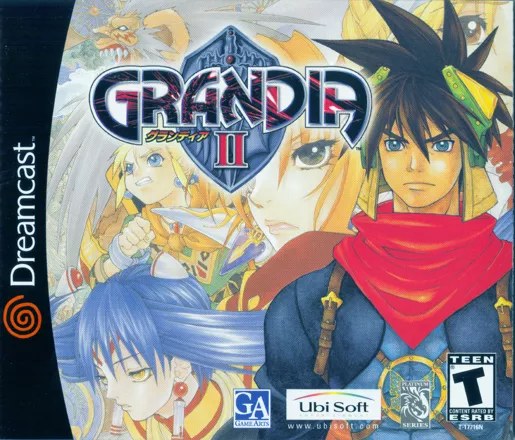
The History of Grandia II
The IP gauge battle system, the 90 on Metacritic, the port that damaged the name, and the remasters that went back to the Dreamcast version.
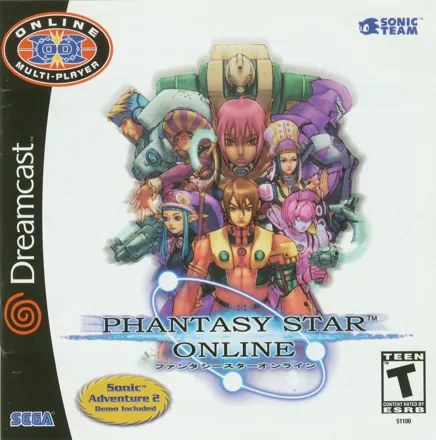
The History of Phantasy Star Online
The first successful console online RPG: ordered by Sega's chairman, modeled on Diablo, and kept alive by fan servers after 2010.
RPG: GAMECUBE
7 shelfs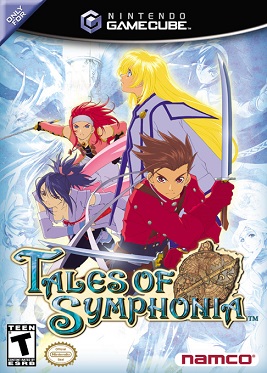
The GameCube RPG Gallery
Six role-playing games of the GameCube era: Tales of Symphonia, Baten Kaitos, Paper Mario, Path of Radiance, Crystal Chronicles and Skies of Arcadia Legends, covers first.
The History of Tales of Symphonia
The first 3D Tales: a Namco and Nintendo collaboration, an 86 on Metacritic, 2.4 million copies, and the port that stayed in Japan.
Why did Tales of Symphonia's PlayStation 2 port stay in Japan?
No official reason was ever given. The documented record, the rumors labeled, and the content's arrival in 2014.
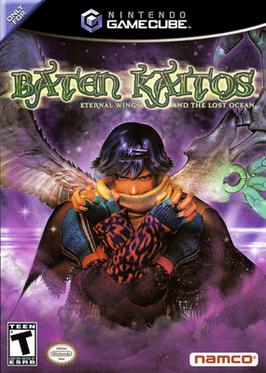
The History of Baten Kaitos
Monolith Soft and tri-Crescendo's thousand card RPG: built to give the GameCube a true RPG, an 80 on Metacritic, and a famous sales miss.
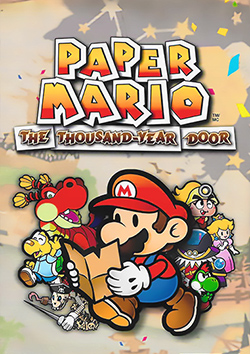
The History of Paper Mario: The Thousand-Year Door
Rogueport, the Crystal Stars and a battle audience: an 87 on Metacritic and Console Role-Playing Game of the Year.
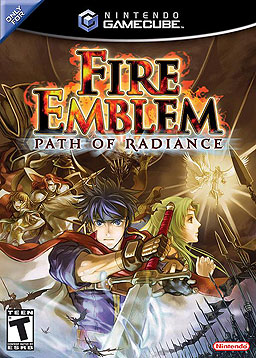
The History of Fire Emblem: Path of Radiance
Fire Emblem returns to home consoles in 3D behind a mercenary: an 85 on Metacritic, and the Maniac difficulty the West never got.

The History of Skies of Arcadia Legends
The GameCube edition as its own release record: Sega after hardware, an 84 on Metacritic, and no rerelease since.
THE FIRST WORD
First word on new listings, plus a subscriber promo code for the eBay store.