
THE LIBRARY
Collector guides, cover censuses, and edition answers, documented issue by issue. Every page answers one specific question, completely.
RPG: GENESIS
11 shelfs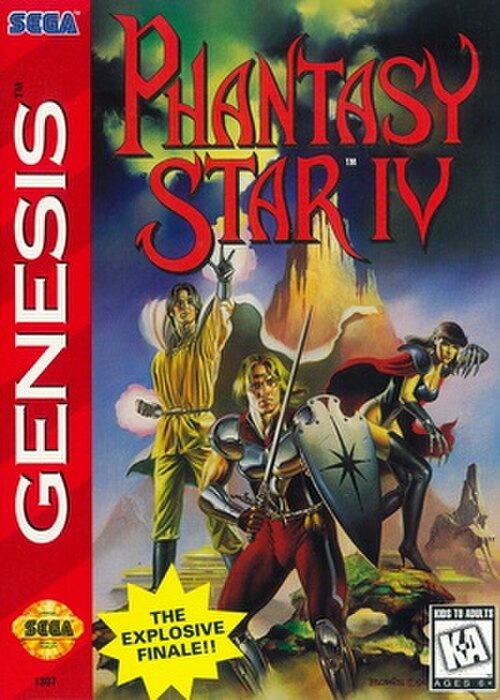
The Genesis RPG Gallery
Phantasy Star II, III and IV, Shining Force and its sequel, Warsong, and the two Lunar games: the verified covers, the honest gaps, and the histories behind them.
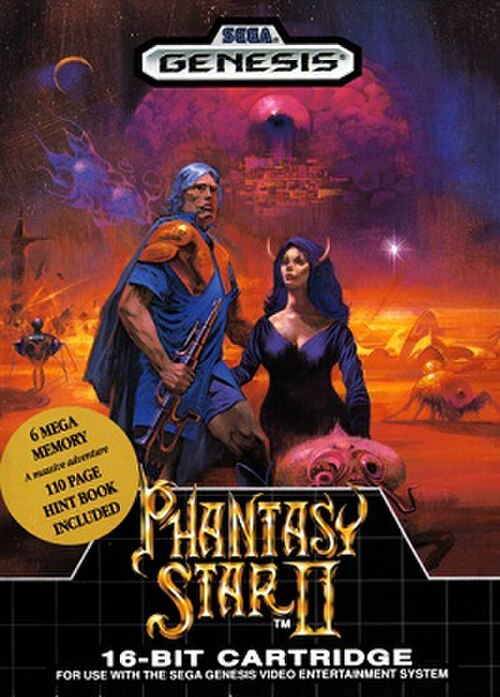
The History of Phantasy Star II
The first Mega Drive RPG: a 6 megabit cartridge, Nei, a bundled 110 page hint book, and the ending that reversed the invasion.
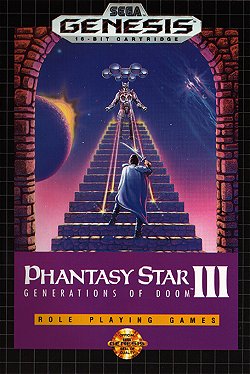
The History of Phantasy Star III
Generations of Doom: three generations, marriage choices, four endings, and the black sheep argument in full.
The History of Phantasy Star IV
The End of the Millennium: Kodama's finale, Boris Vallejo's cover, just under $100 at American retail, and the missing fifteenth combo.
Why is Phantasy Star IV considered the best Genesis RPG?
The rankings that settled it, the near $100 price that shaped its legend, and the 1995 dissent that said years behind.
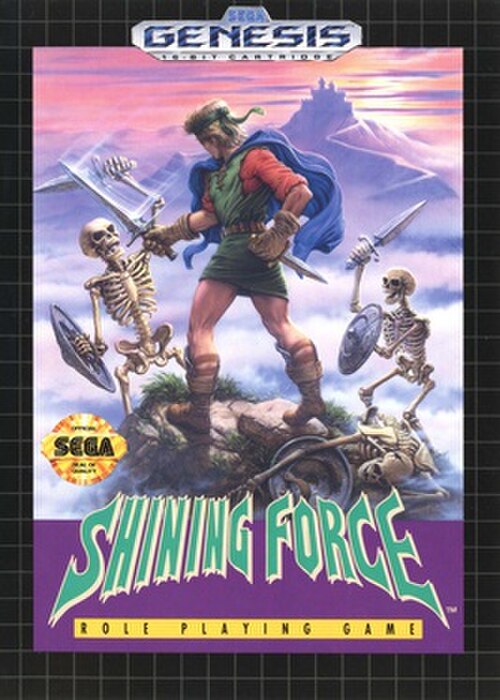
The History of Shining Force
Takahashi on the record: not Fire Emblem. Dragon Quest battles, an obscure PC game called Silver Ghost, and the tactical RPG with no game over.
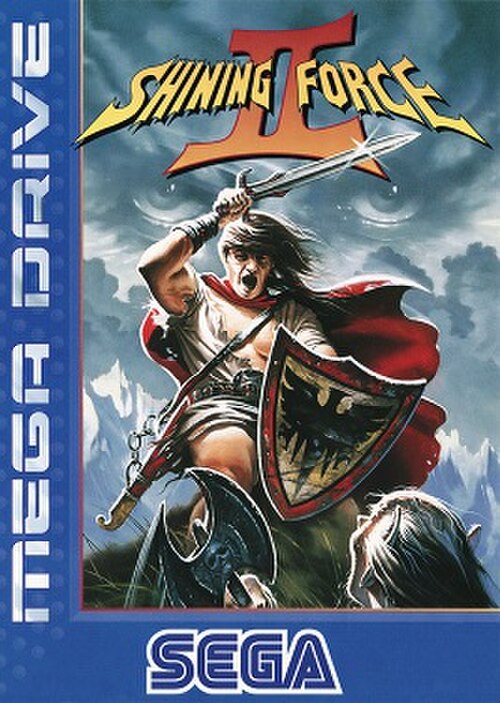
The History of Shining Force II
The hit or else sequel: free roaming, branching promotions, GamePro's pan against the canon, and the Devil Kings translation its co-director corrected.
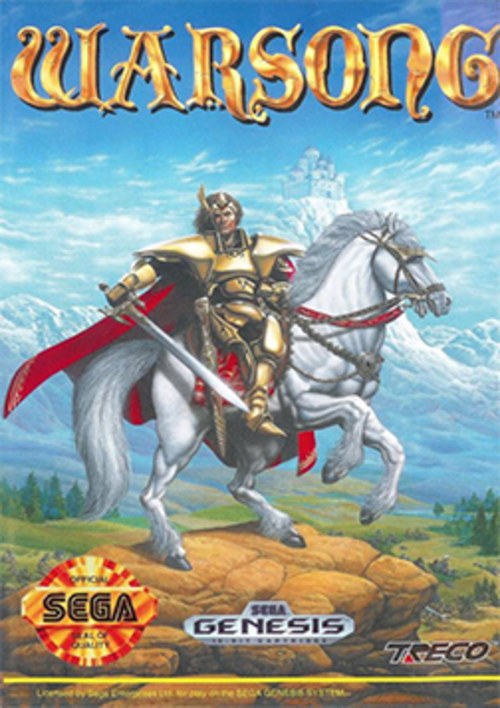
The History of Warsong
Langrisser in Japan, Warsong in America: Masaya's commander and troops tactics, Treco's renamed edition, and the five game series the West saw once.
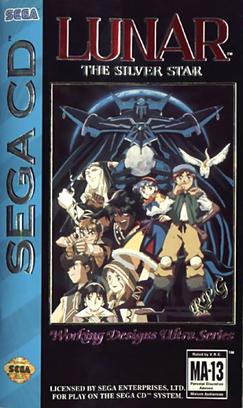
The History of Lunar: The Silver Star
Japan's best selling Mega-CD game: animation as storytelling, Working Designs' eight week translation, and seven collectible disc art variants.
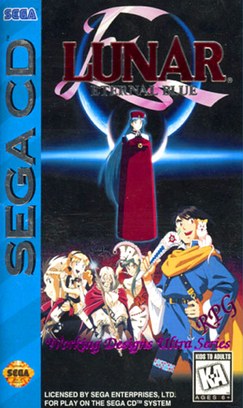
The History of Lunar: Eternal Blue
Three years and $2.5 million, fifty minutes of animation, a save system that charges experience, and GameFan's about face on the jokes.
What did Working Designs change in Lunar?
Names, censorship, injected jokes, a new harp sequence, rewritten lyrics, rebalanced battles, and priced saving, itemized from the record of both Lunar games.
RPG: NES
17 shelves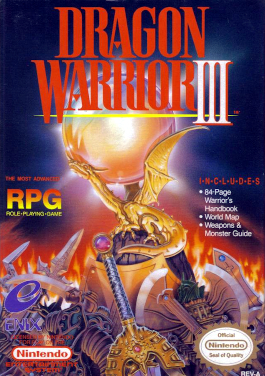
The NES RPG Gallery
Fourteen Famicom and NES role-playing games, Dragon Quest to Lagrange Point, with their covers, their two names apiece, and the questions behind them.
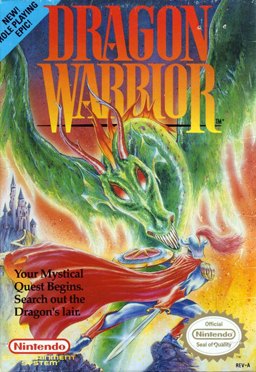
The History of Dragon Quest
Horii, Toriyama, and Sugiyama build the first Japanese console RPG in 1986, and America meets it in 1989 as Dragon Warrior.
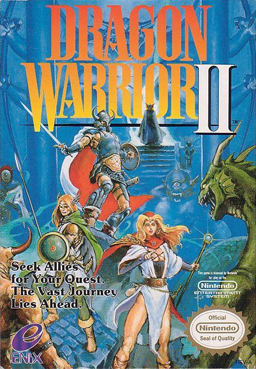
The History of Dragon Quest II
The first party, the first ship, 2.4 million copies in Japan, and the hardest late game of the early series.
The History of Dragon Quest III
The class system, a world shaped like Earth, 3.8 million copies, and the prequel twist that explained the Erdrick legend.
Was There Really a Dragon Quest Law in Japan?
No law was passed. A million copies in a day, almost 300 truancy arrests, and Enix's own weekend decision: the record, with the myth labeled.
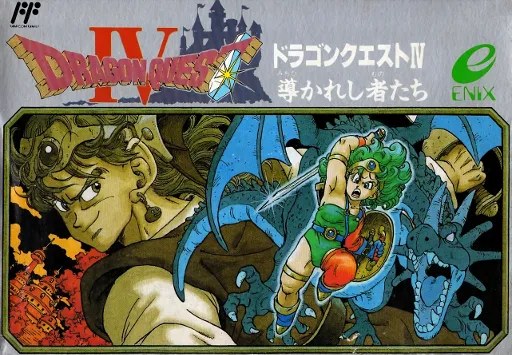
The History of Dragon Quest IV
Five chapters, five viewpoints, the Tactics system, 3.1 million Famicom copies, and the PlayStation remake America never got.
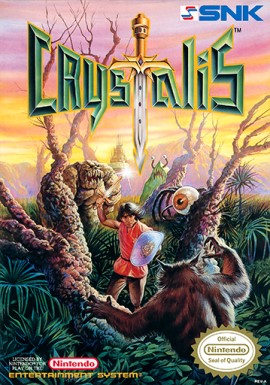
The History of Crystalis
SNK's God Slayer: four elemental swords, a hero woken a century after the end of the world, and a Game Boy Color version that rewrote it.
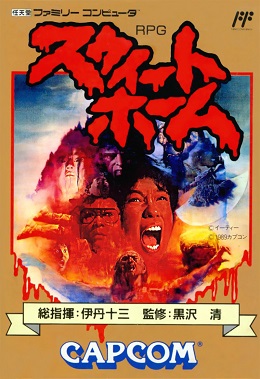
The History of Sweet Home
Capcom's 1989 horror RPG: five filmmakers, five tools, permanent death, and the mansion Resident Evil was built on.
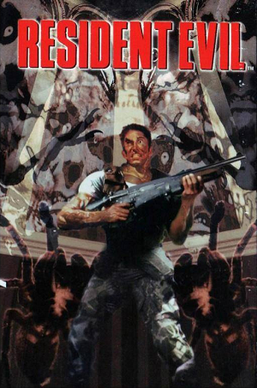
How Did Sweet Home Lead to Resident Evil?
Through its own director. Fujiwara produced Resident Evil to do what the Famicom could not, and the inheritance is itemized on the record.
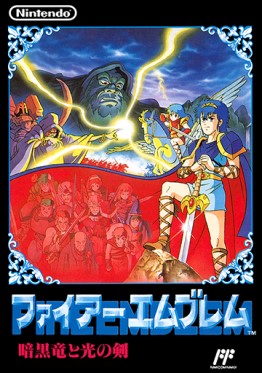
The History of Fire Emblem
Shadow Dragon and the Blade of Light: Kaga fuses Famicom Wars with an RPG, death becomes permanent, and Japan waits thirty years to share it.

The History of Willow
Capcom's second Willow game of 1989: Akira Kitamura's NES action RPG, Harumi Fujita's score, and an eighteen character password.
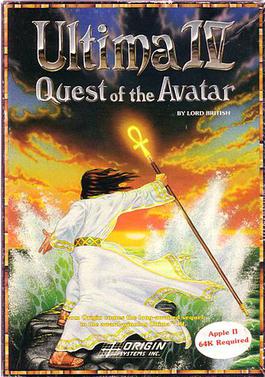
The History of Ultima: Quest of the Avatar
Garriott's 1985 RPG of eight virtues and no villain, remade in Japan for the Famicom and sold back to America on the NES.
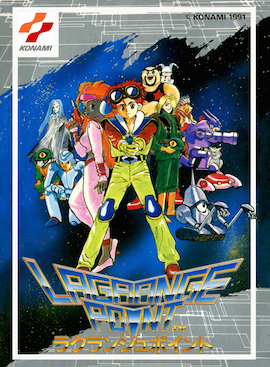
The History of Lagrange Point
Konami's Japan only space opera of 1991, and the VRC7 chip that gave it a sound no other Famicom game has.
Why Does Lagrange Point Sound Different from Other Famicom Games?
Its cartridge carries six channels of FM synthesis. Konami claimed the first; the technical record says it stayed the only one.
The Dragon Quest Gallery
Eight main line games and Monsters on one shelf: Horii, Toriyama, and Sugiyama's series, cover by cover, Japan's national event against America's nine year silence.
How did Dragon Quest's music end up in concert halls?
Sugiyama recorded the eight melodies with an orchestra in 1986 and conducted them at Suntory Hall in 1987. The suites never stopped.
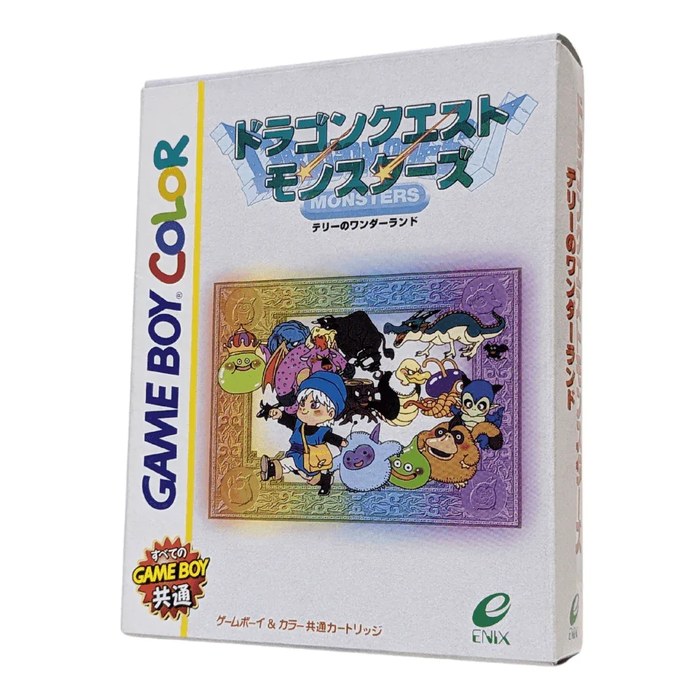
The History of Dragon Quest Monsters
Terry's Wonderland: Tose's 1998 spin-off, the breeding system, 2.35 million Japanese copies, and 60,000 American ones.
RPG: PC ENGINE
6 shelfs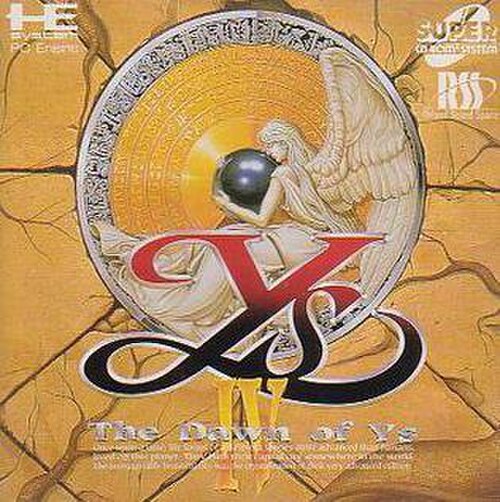
The PC Engine RPG Gallery
Ys Book I and II, Ys IV: The Dawn of Ys, Tengai Makyou II, and Cosmic Fantasy 2: the first CD console's RPG shelf, with its absences stated.
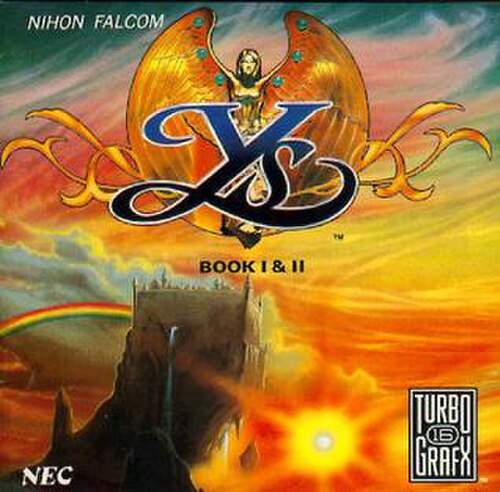
The History of Ys Book I & II
732 megabytes in 1989: two Falcom games on one CD, voice dubbing, bump combat, and EGM's number 38 game of all time.
The History of Ys IV: The Dawn of Ys
One of two games called Ys IV, Hudson's licensed Celceta chapter, Japan only, with the 2004 fan translation as its only English door for decades.
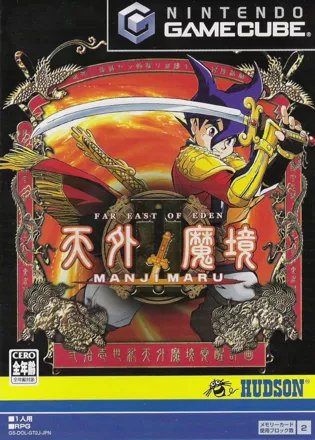
The History of Tengai Makyou II: Manji Maru
500 million yen, Joe Hisaishi, 20,000 screens: Japan's best selling PC Engine game and its highest rated, never released outside Japan in any version.
Why was Tengai Makyou II never released outside Japan?
The platform that lost America, the biggest localization job on it, an American preview that led nowhere, and Victor Ireland's number one game of all time.
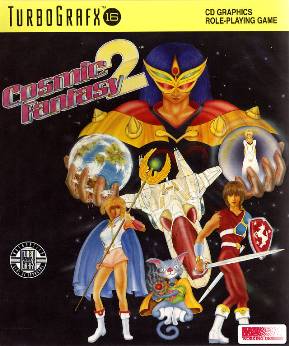
The History of Cosmic Fantasy 2
The first third party game published on a CD console, EGM's Best RPG of 1992, and nearly one copy sold per American TurboGrafx-CD.
RPG: PLAYSTATION
24 shelfs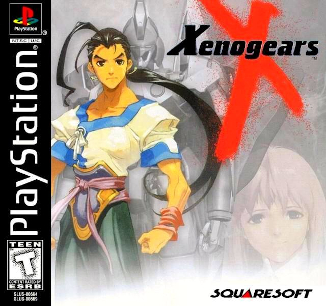
The PlayStation RPG Gallery
Twenty games that made one console the home of the RPG: Final Fantasy VII to IX and Tactics, Xenogears, Chrono Cross, Vagrant Story, Parasite Eve, Valkyrie Profile, Suikoden, Persona, Grandia, and Lunar.
The History of Xenogears
The Final Fantasy VII proposal that was too dark: Episode V of a six part saga, Perfect Works, 1.19 million copies, and no European release.
Why does Xenogears' second disc tell its story instead of playing it?
The budget cut legend, and director Tetsuya Takahashi's own account from 2017, labeled apart: a young team, a two year rule, and a choice.
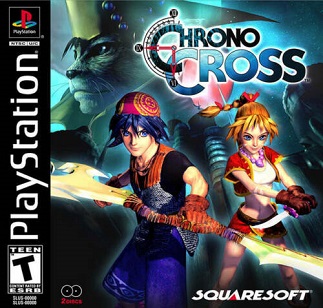
The History of Chrono Cross
Kato and Mitsuda return without the Dream Team: parallel worlds, 45 heroes, a perfect 10 from GameSpot, and the sequel argument that never ended.
Why is Chrono Cross so divisive?
A 94 on Metacritic against a fan argument about what a sequel owes: the critics judged the game, the fans judged the sequel.
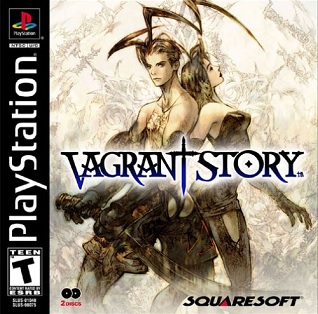
The History of Vagrant Story
Matsuno's one man dungeon: Famitsu's perfect 40, the Tactics team in full 3D, and the most admired Square game of its year, overshadowed by its own stablemates.
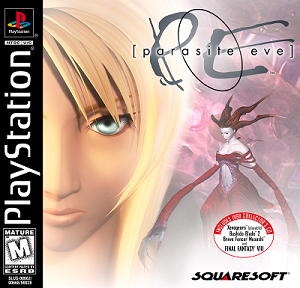
The History of Parasite Eve
Square adapts Hideaki Sena's horror novel, builds its first M rated game with a mostly American team in Los Angeles, and invents the cinematic RPG.
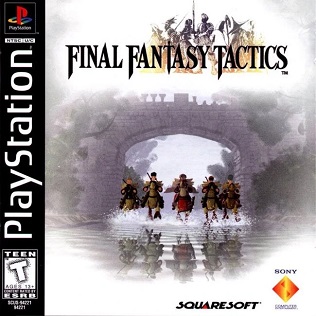
What did War of the Lions change in Final Fantasy Tactics?
Almost every word: the complete retranslation, Algus renamed Argath, two new jobs, Balthier and Luso, voiced cutscenes, and the slowdown that came with them.
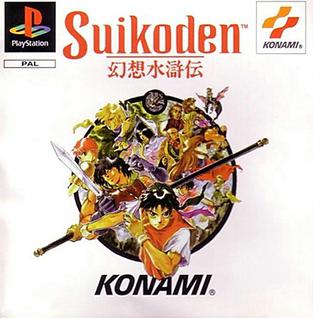
The History of Suikoden
Murayama and Kawano build Konami's 108 Stars RPG: Water Margin's outlaws, three kinds of battle, and the split verdict: America's RPG of the Year against Famitsu's series-low 26.
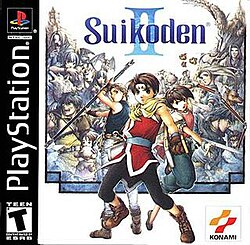
The History of Suikoden II
Two friends, two halves of one rune, and a limited Western print run: the 1999 record (Japan hit, EGM 7) and the canon lists that reversed it.
Why did Suikoden II become a cult classic?
No reprint after a tepid Western start, a decade of best-ever lists, PSN in 2014: the dated stages of an afterlife, separated from the nostalgia.
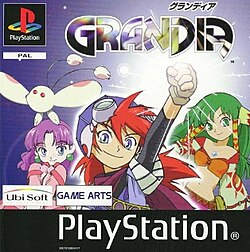
The History of Grandia
The Saturn original in full: 344,554 Japanese copies, a cloth map limited edition, and import fame, then the 1999 PlayStation port that carried it West.
Why did Grandia move from the Saturn to the PlayStation?
Sega of America said no, the petition failed, the European talks failed: how an acclaimed Saturn game reached the West only by changing machines.
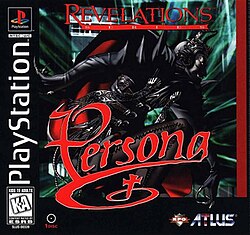
The History of Revelations: Persona
The West's first Megami Tensei RPG: Jung, Twin Peaks, demon negotiation, and a 1996 edition that cut an entire second campaign, restored on PSP in 2009.
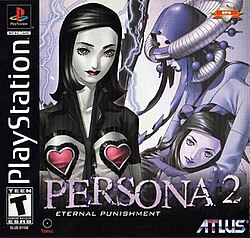
The History of Persona 2
Innocent Sin and Eternal Punishment as the pair they are: rumors that become real, one story from two viewpoints, and a first half the West waited twelve years for.
Why was Persona 2: Innocent Sin not released in the West?
Not a ban: a documented debate, real content concerns, and the reason Atlus staff gave as the main one: the team was already localizing the sequel.
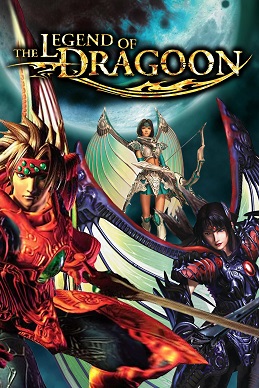
The History of The Legend of Dragoon
Sony's $16 million in-house answer to Final Fantasy: the Additions system, a Metacritic 74, over a million copies mostly in America, and a sequel cancelled in pre-production.
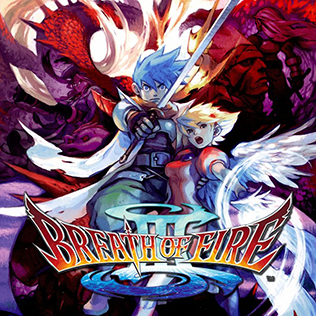
The History of Breath of Fire III
Ryu grows from lost child to adult across one game: masters, dragon genes, a fairy village, and the jazz soundtrack reviewers fought over.
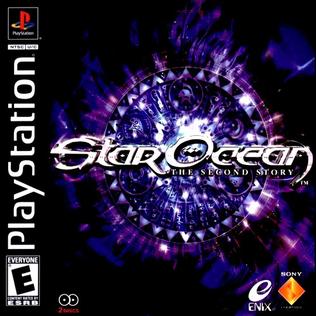
The History of Star Ocean: The Second Story
Two leads, Private Actions, 86 endings: the first Star Ocean the West received sold 1.094 million and is still called the series' best.
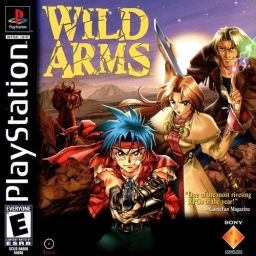
The History of Wild Arms
A spaghetti-western RPG from a ten-person team: among the first 3D battle systems on PlayStation, and 1997's runner-up to Final Fantasy VII in award after award.
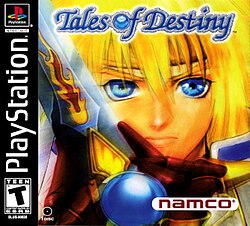
The History of Tales of Destiny
Talking swords and real-time 2D battles: over a million copies, a localization bet documented by its own producer, and the sequel naming trap, flagged.
The History of Lunar: Silver Star Story Complete
The Silver Star rebuilt: 50 minutes of animation, a villain rewritten into sympathy, and Working Designs' $60 collector's box that sold out its entire run.
What is Xenogears: Creid?
Mitsuda's 1998 Celtic arrangement of his own score: five vocal tracks, one sung in Gaelic, recorded with his band Millennial Fair.
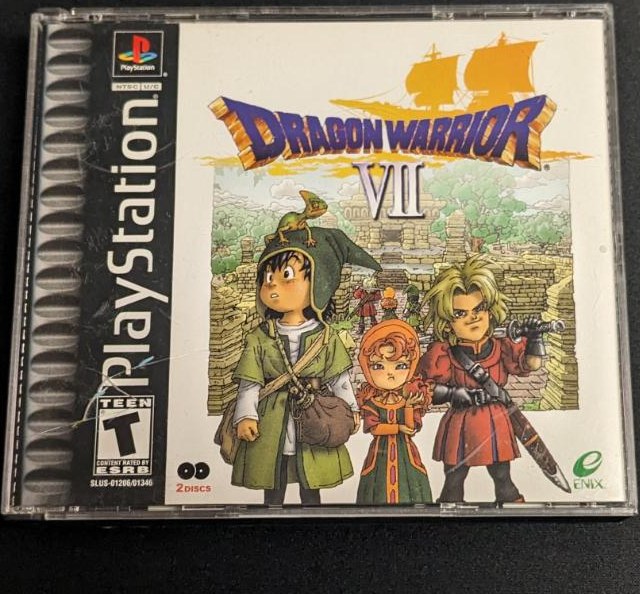
The History of Dragon Quest VII
A hundred hours, a 35 person team, the 64DD defection, 4.06 million Japanese copies, and the last Dragon Warrior.