
THE LIBRARY
Collector guides, cover censuses, and edition answers, documented issue by issue. Every page answers one specific question, completely.
RUMIKO TAKAHASHI
30 shelves
Who is Rumiko Takahashi?
Rumiko Takahashi, creator of Urusei Yatsura, Maison Ikkoku, Ranma 1/2 and Inuyasha: over 230 million copies in circulation, two Shogakukan Manga Awards, and the…
What is Rumic World?
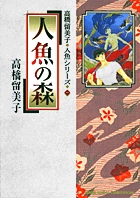
Rumic World is the name for Rumiko Takahashi’s short manga: the one-shots and sporadic series from Katte na Yatsura (1978) to Mermaid Saga, several of them…
What is Maison Ikkoku?
Maison Ikkoku (1980–87) is Rumiko Takahashi’s seinen romance: 15 volumes and 25 million copies, drawn simultaneously with Urusei Yatsura, and adapted into…
How successful is Rumiko Takahashi?
Over 230 million copies in circulation, repeated appearances in Japan’s top-taxpayer coverage, two Shogakukan Manga Awards, the Eisner and Harvey Halls of Fame,…
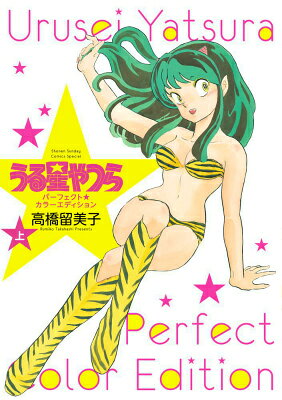
How does Rumiko Takahashi work?
Takahashi creates the story and layout and pencils and inks the characters herself; four assistants (all women, by her stated policy) handled backgrounds, panel…
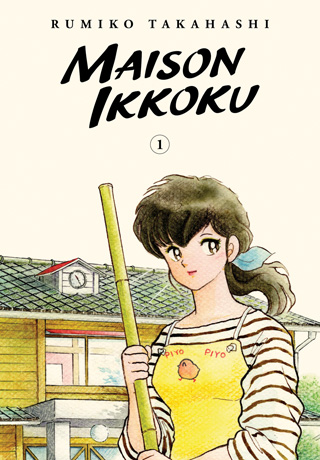
Viz and Rumiko Takahashi: a thirty-year history
Every major Rumiko Takahashi series reached English through Viz Media: Urusei Yatsura from 1989, Ranma 1/2 from 1992, Inuyasha from 1997, through flipped comics…
The History of Urusei Yatsura
Urusei Yatsura ran in Weekly Shonen Sunday from August 1978 to January 1987: 366 chapters, 34 volumes, over 35 million copies, and the series that launched…
Urusei Yatsura: The Manga Gallery
All 34 Urusei Yatsura covers documented: the 1980–87 Shonen Sunday Comics tankobon, the 15-volume wideban, the 17-volume bunkoban with other artists’…
The Urusei Yatsura anime and the Oshii years
Kitty Films’ Urusei Yatsura (1981–86) ran 194 episodes containing 213 stories; the first 106 episodes were directed by Mamoru Oshii, the remainder by Kazuo…
The Urusei Yatsura films
Six Urusei Yatsura films, 1983–1991: Only You, Beautiful Dreamer, Remember My Love, Lum the Forever, The Final Chapter and Always My Darling, plus the…
The 2022 Urusei Yatsura remake
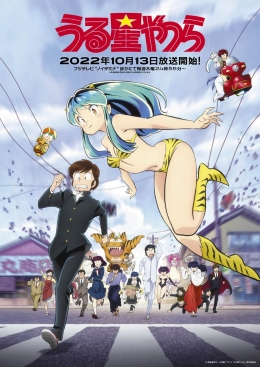
David Production’s Urusei Yatsura (2022–24): 46 episodes in four cours on Fuji TV’s Noitamina block, a selected-chapters adaptation of the manga, licensed…
Urusei Yatsura in English
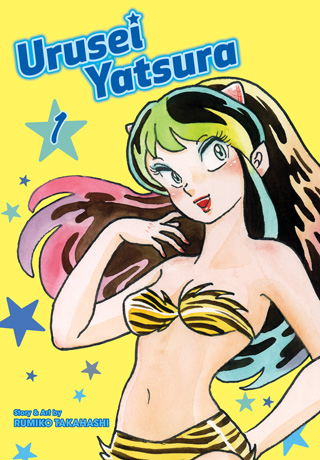
Viz Media’s first Urusei Yatsura run (1989–2000) stalled at nine volumes covering roughly the first eleven Japanese volumes; the complete 17-volume 2-in-1…
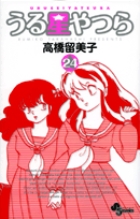
Urusei Yatsura video games
The Urusei Yatsura games, 1982–2005: a Bandai handheld, Jaleco’s Famicom Lum no Wedding Bell, Hudson’s PC Engine CD Stay With You, Game Arts’ Mega-CD Dear…
The History of Ranma 1/2
Ranma 1/2 ran in Weekly Shonen Sunday from August 1987 to March 1996: 407 chapters, 38 volumes, 55 million copies, and one of the first manga and anime to become…
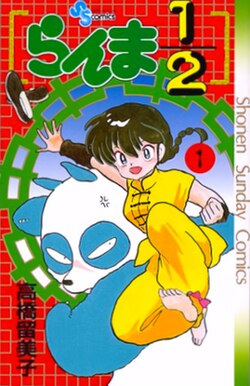
Ranma 1/2: The Manga Gallery
All 38 Ranma 1/2 covers documented: the 1988–96 Shonen Sunday Comics tankobon, the 38-volume shinsoban of 2002–03, and the 20-volume Shonen Sunday…
The Ranma 1/2 anime (1989–1992)
Studio Deen’s Ranma 1/2 ran 161 episodes across two series (1989–92), with three films and twelve OVAs between 1991 and 2008, and a live-action TV special…
The Ranma 1/2 remake
MAPPA’s Ranma 1/2 premiered October 6, 2024 on Nippon TV and Netflix: two 12-episode seasons aired in 2024 and 2025, a third from October 2026, adapting the…
Ranma 1/2 in English: the flipped years
Viz Media published Ranma 1/2 from 1992 to 2006 in flipped left-to-right editions spanning 36 graphic novels; the unflipped 2-in-1 edition of 19 books followed…
Ranma 1/2 video games
Seventeen Ranma 1/2 games: the Super Famicom fighters (Chonai Gekitouhen, reskinned in America as Street Combat; Bakuretsu Rantouhen, released as Hard Battle;…
Why does Ranma change into a girl?
Takahashi wanted a male lead for a martial-arts manga but worried about writing one, so she made him half-female; the water trigger came from a bathhouse…
The History of Inuyasha
Inuyasha ran in Weekly Shonen Sunday from November 1996 to June 2008: 558 chapters, 56 volumes, 50 million copies, the 47th Shogakukan Manga Award, and…
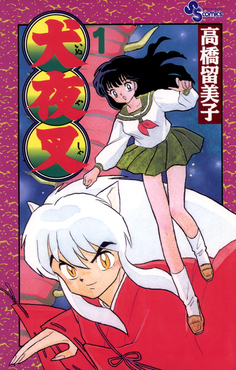
Inuyasha: The Manga Gallery
All 56 Inuyasha covers documented: the Shonen Sunday Comics tankobon of 1997–2009 and the 30-volume wideban of 2013–15, the only book edition…
The Inuyasha anime and The Final Act
Sunrise’s Inuyasha ran 167 episodes (2000–04) and stopped before the manga ended; Inuyasha: The Final Act adapted volumes 36–56 in 26 episodes in…
The Inuyasha films
Four Inuyasha films, each released in December: Affections Touching Across Time (2001), The Castle Beyond the Looking Glass (2002), Swords of an Honorable Ruler…
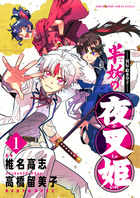
What is Yashahime?
Yashahime: Princess Half-Demon (2020–22) is Sunrise’s anime-original sequel to Inuyasha: 48 episodes following Sesshomaru’s twin daughters and Inuyasha and…
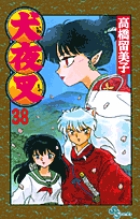
Inuyasha in English: the flip point is volume 38
Viz Media’s Inuyasha ran from 1997 to 2011: comic-book issues as Inu-Yasha, two paperback editions, flipped art through volume 37, unflipped from volume 38 (July…
Inuyasha video games
The Inuyasha games, 2001–07: a WonderSwan Color debut, PlayStation RPG and fighter, the PS2 pair The Secret of the Cursed Mask and Feudal Combat, and the…
Takahashi in games: the census
The combined census of Rumiko Takahashi video games across Urusei Yatsura, Ranma 1/2 and Inuyasha: 1982–2007, almost entirely Japan-only, with one game in…
Rumiko Takahashi’s influence
Bryan Lee O’Malley, Shantae creator Matt Bozon and Turning Red director Domee Shi all cite Takahashi; Urusei Yatsura shaped the romantic-comedy wave that…
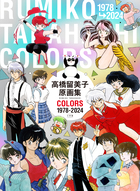
Collecting Rumiko Takahashi: editions and identification
The collector’s map of the Takahashi shelf: the incomplete 1990s Viz Urusei Yatsura, Viz’s 36-volume Ranma regrouping, the Inuyasha flip point at volume 38, the…
RUROUNI KENSHIN
20 shelves
The Kenshin Manga Gallery
Every Japanese Jump Comics cover of Rurouni Kenshin, volumes 1 to 28, 1994 to 1999, each with its release date, plus the kanzenban and Hokkaido designs.
What is Rurouni Kenshin?
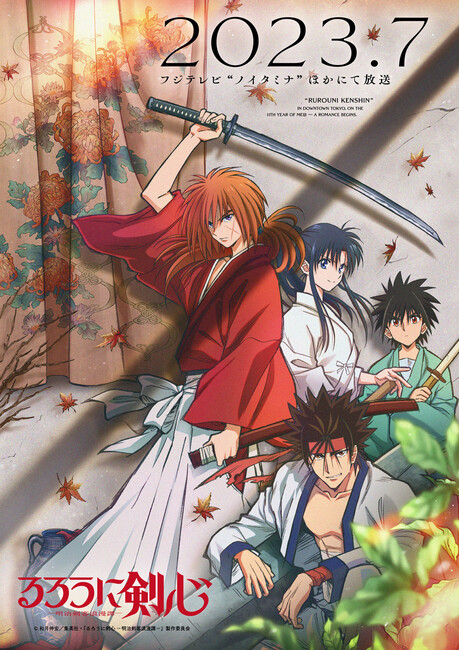
Rurouni Kenshin in brief: Watsuki’s 1994 Jump classic about a Bakumatsu assassin who swore never to kill again, its premise, its wordplay, and its 72 million copies.
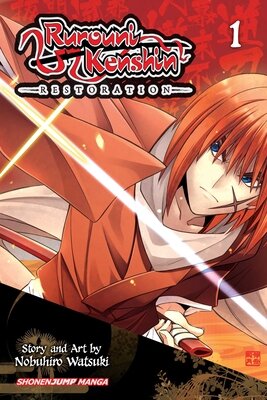
The history of Rurouni Kenshin
From the 1992 one-shots to the September 1999 finale: how Rurouni Kenshin was serialized in Weekly Shonen Jump and ended at its peak by its author’s choice.
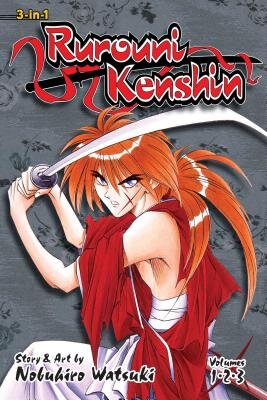
How many Kenshin books are there?
The count, edition by edition: 28 tankobon, 22 kanzenban, 14 bunkoban, 10 Hokkaido volumes and counting, plus the English Viz lines.
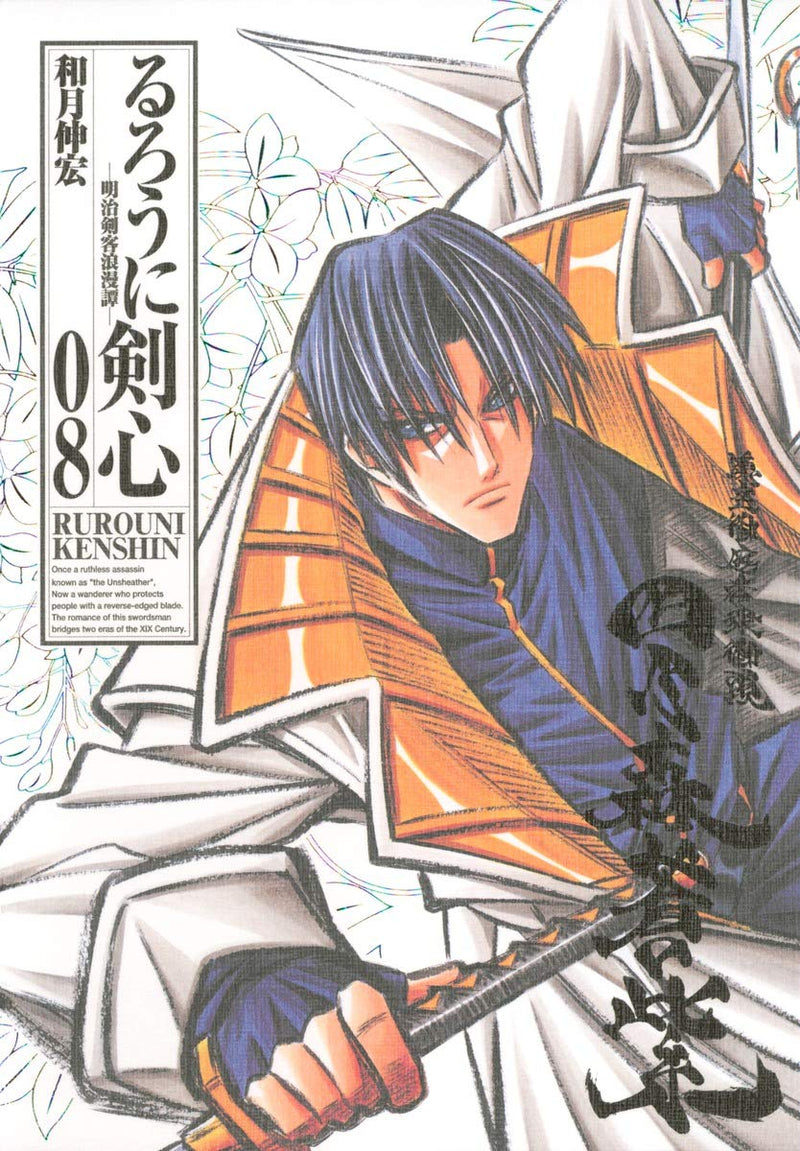
What is the Kenshin kanzenban?
The 2006–07 complete edition of Rurouni Kenshin: 22 larger volumes, covers drawn again from scratch, and the two lost stories restored.
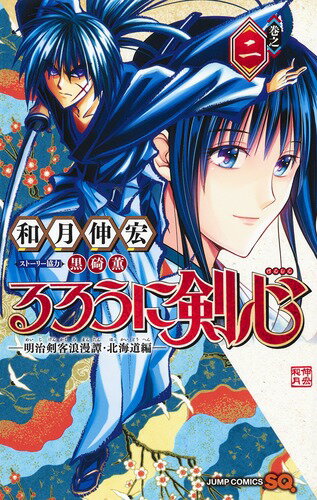
What is the Kenshin Hokkaido Arc?
The Hokkaido Arc explained: Watsuki’s direct sequel in Jump Square from 2017, set in 1883, its new cast, its ten volumes and its interrupted schedule.
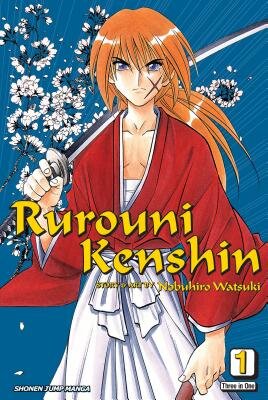
Kenshin in English: the Viz editions
Rurouni Kenshin in English: Viz Media’s 28 volumes of 2003–06, the VIZBIG omnibuses, the 3-in-1 line, and the Samurai X name the anime travelled under.
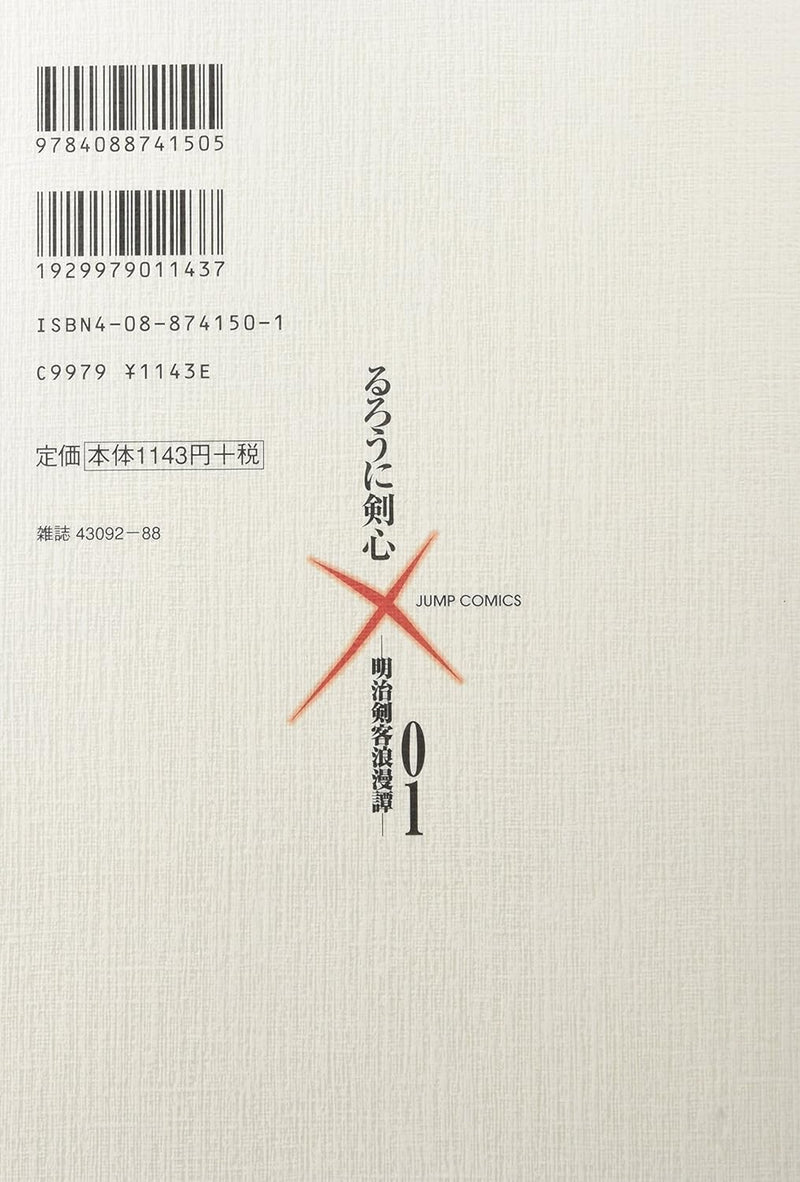
How can you tell a first printing of Kenshin?
Reading a Japanese Kenshin colophon: the printing line, the issue-versus-release date trap, obi, and what separates a 1994 first printing from later impressions.
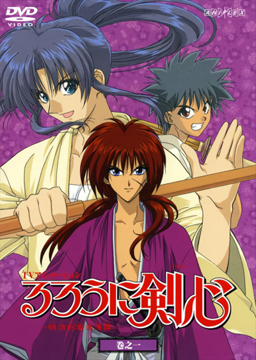
The 1996 Kenshin anime
The 1996 Rurouni Kenshin anime: 95 episodes on Fuji TV, Studio Gallop then Studio Deen, director Kazuhiro Furuhashi, and why it stopped before the final arc.
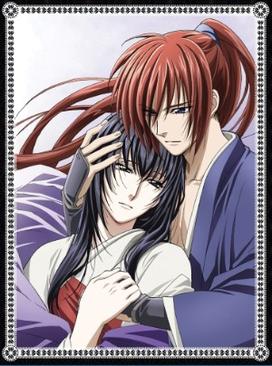
Why is Trust & Betrayal considered a masterpiece?
Trust & Betrayal as craft: how Furuhashi, Masashi Sogo, Masahide Yanagisawa and Taku Iwasaki rebuilt Kenshin’s Remembrance chapters into four 1999 OVA episodes.
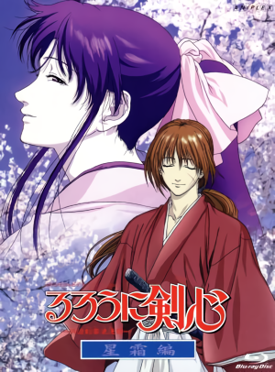
Reflection and the New Kyoto Arc
The OVAs after Trust & Betrayal: Reflection (2001–02), the sequel Watsuki disowned, and the New Kyoto Arc (2011–12), the Kyoto story retold by its original makers.
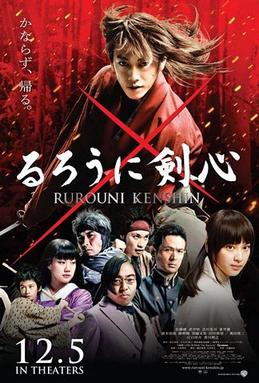
The Kenshin live-action films
The five live-action Rurouni Kenshin films, 2012–2021: Keishi Otomo’s series with Takeru Satoh, the manga adaptation that reset the standard for all of them.
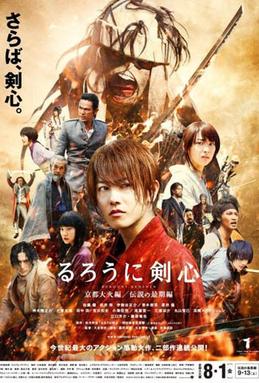
How much did the Kenshin films make?
The Kenshin live-action box office, film by film: Kyoto Inferno’s 5.22 billion yen, the series past 19 billion, from the films’ own official announcements.
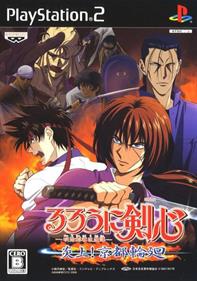
What Kenshin video games are there?
The Rurouni Kenshin games: the 1996 PlayStation fighter, the 1997 RPG with original heroes, Kyoto Rinne on PS2, Saisen and Kansei on PSP, and the Jump crossovers.
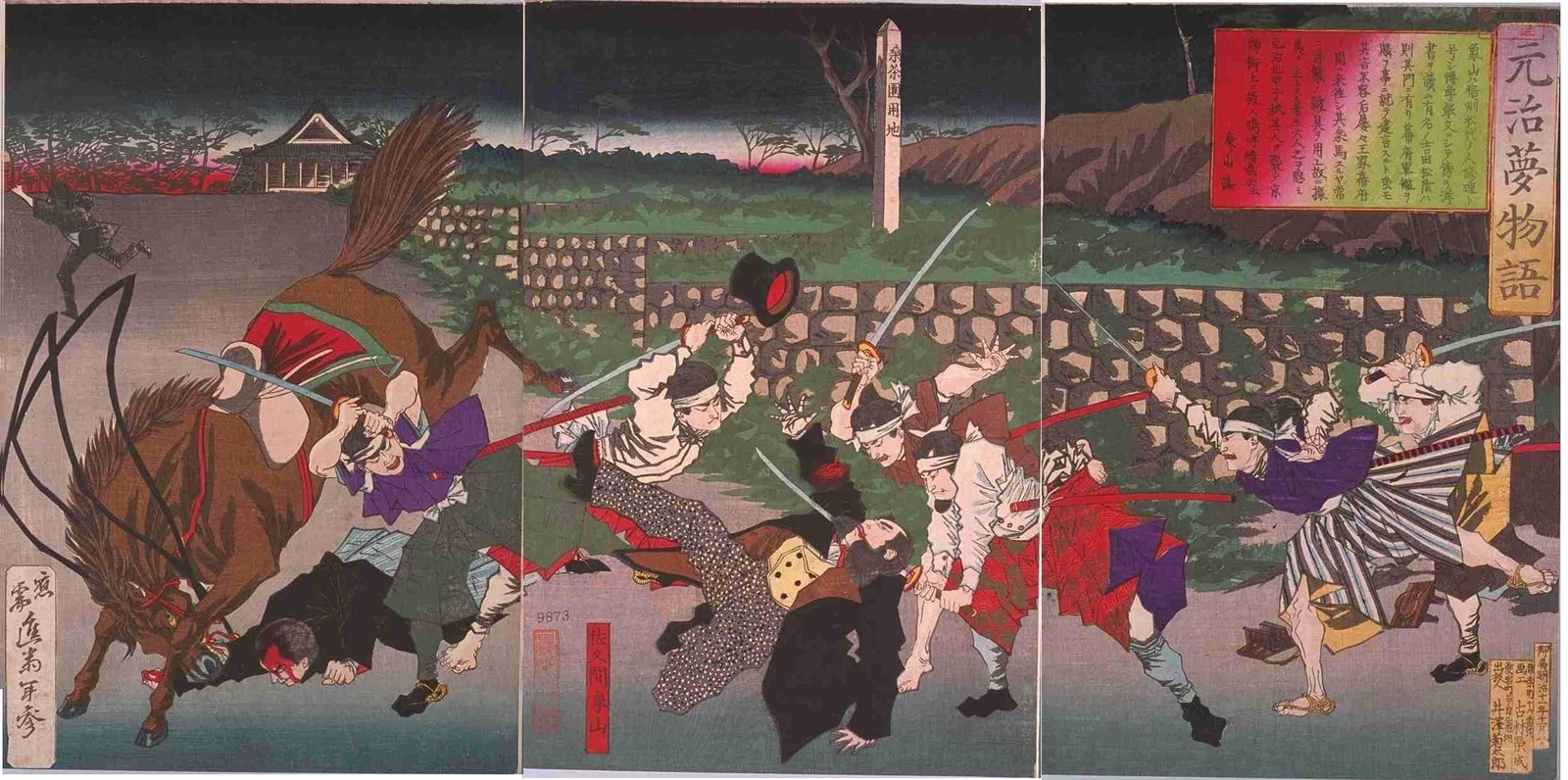
Who was Kawakami Gensai?
Kawakami Gensai (1834–1872): the real hitokiri of Kumamoto, one of the Bakumatsu’s four assassins, and the documented model behind Himura Kenshin.
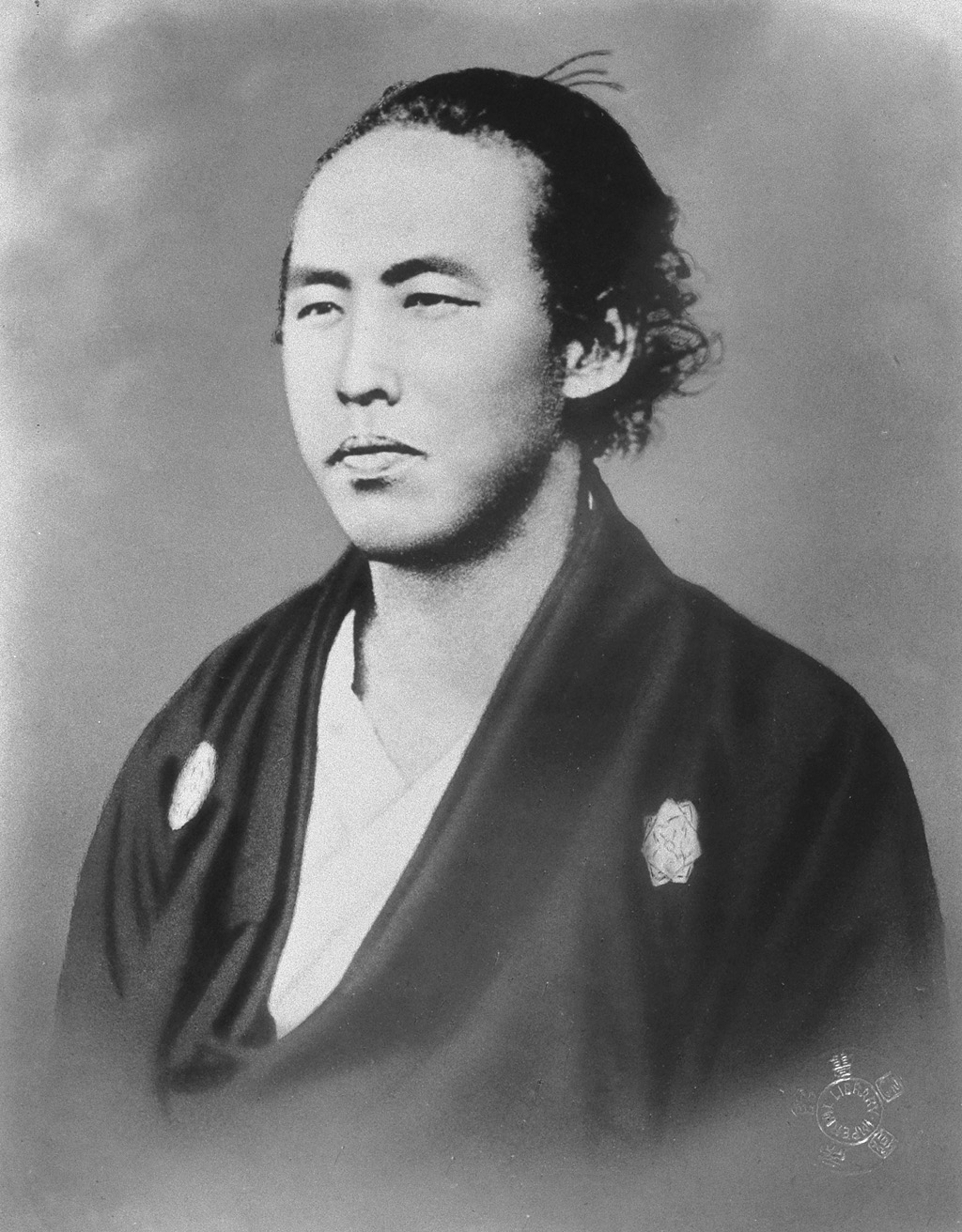
Kenshin and the real Bakumatsu
What is real in Rurouni Kenshin’s history: the Boshin War, Okubo’s assassination on the date volume 7 is named for, the Shinsengumi, and what Watsuki invented.
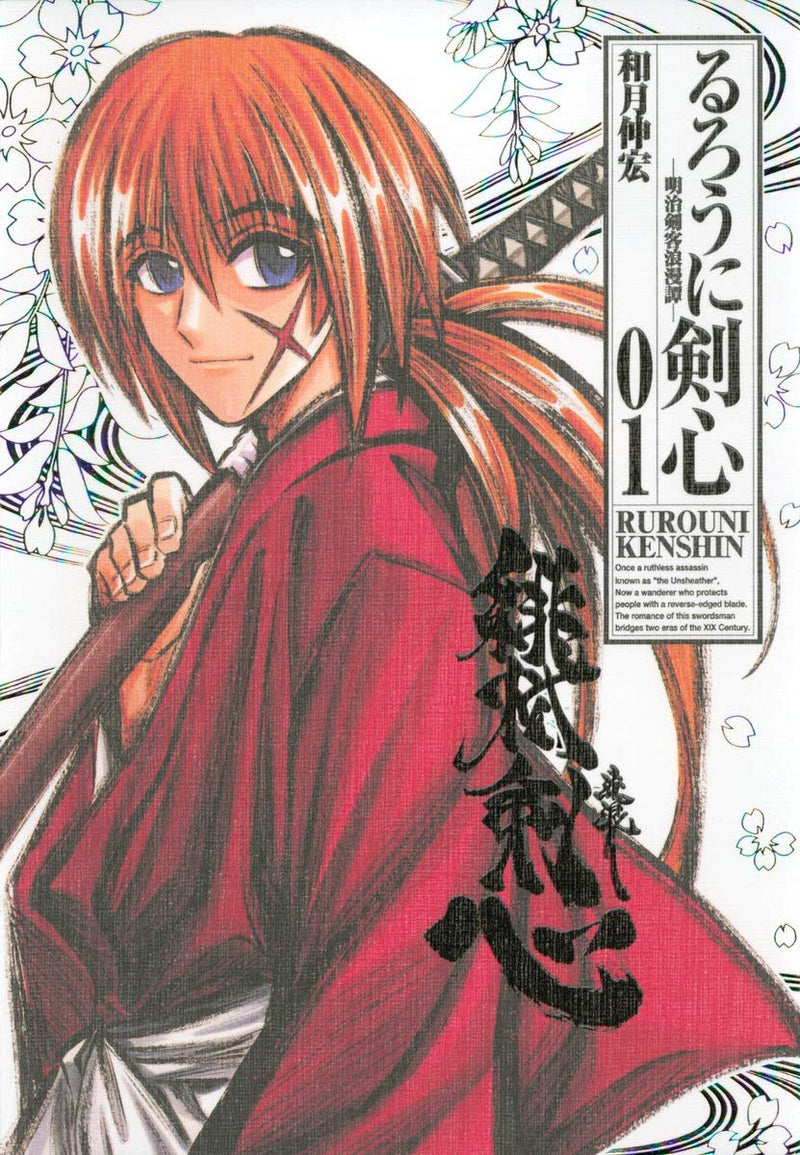
How did Watsuki design Kenshin?
Designing Kenshin: the deliberately feminine silhouette, the Shinsengumi traits borrowed from Okita and Saito, the cross scar added on instinct, and Samurai Shodown.
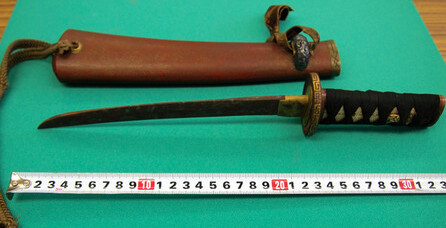
The sakabatō: Kenshin’s reverse-blade sword
The sakabato documented: Arai Shakku’s two swords in the manga, the design logic of the reversed edge, and the real Edo-period reverse blade found in Chiba in 2013.
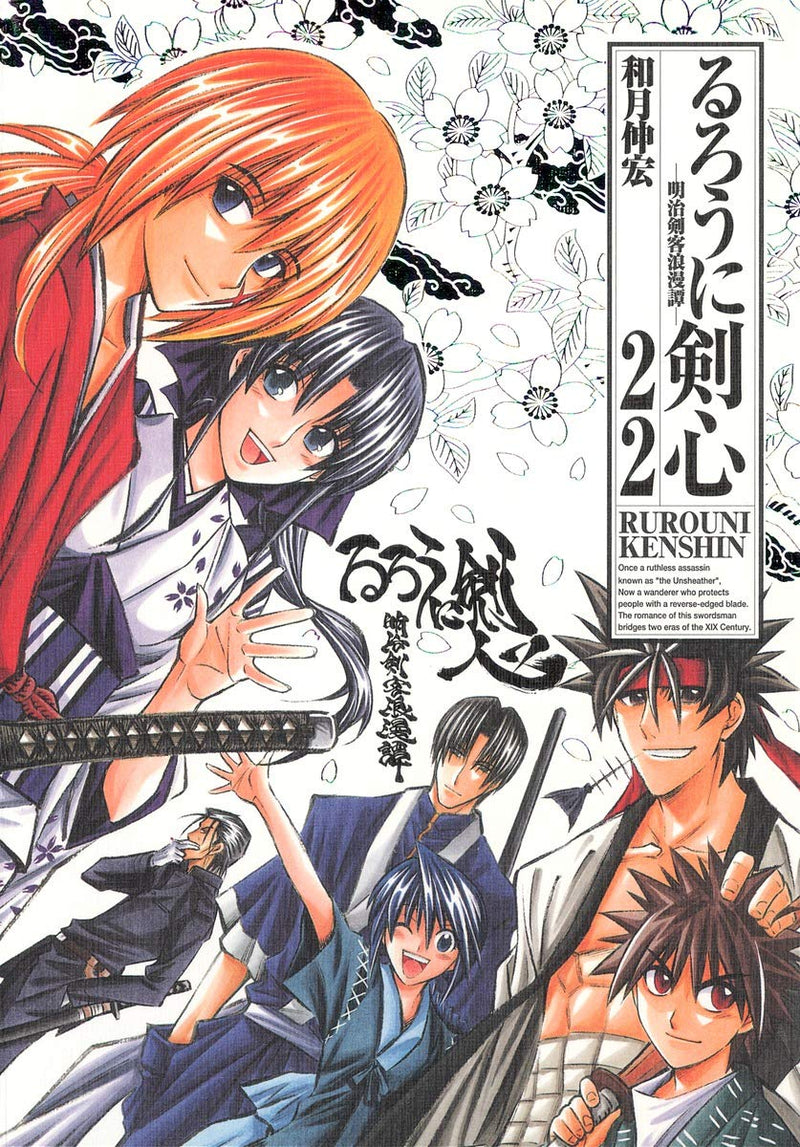
The Kenshin one-shots and side stories
Every Kenshin short: the 1992 and 1993 Rurouni pilots, Crescent Moon in the Warring States, Yahiko no Sakabato, Restoration, Master of Flame and the Ashitaro…
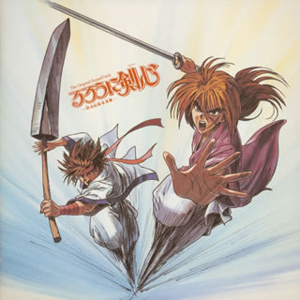
The music of Kenshin: Asakura, Sobakasu and Iwasaki
Kenshin’s three sounds: Noriyuki Asakura’s television score, Judy and Mary’s Sobakasu, and Taku Iwasaki’s OVA music, plus the manga ending the anime’s opening…