
THE LIBRARY
Collector guides, cover censuses, and edition answers, documented issue by issue. Every page answers one specific question, completely.
STRATEGY GUIDES
9 shelves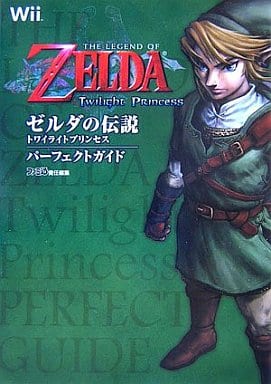
The Strategy Guides Gallery
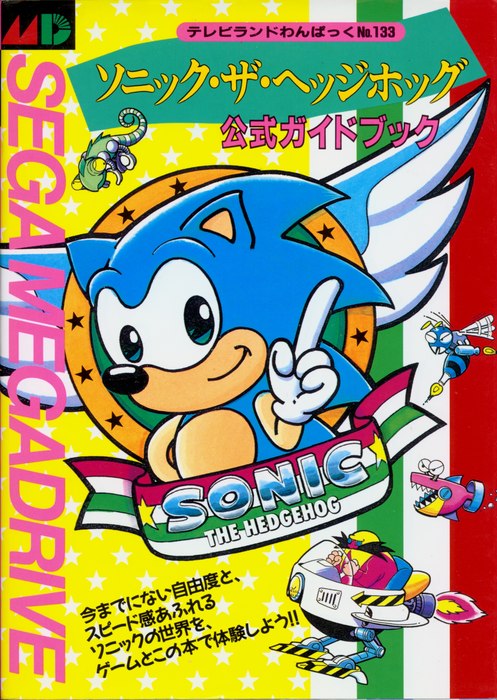
Japanese and American guide covers side by side: several official books for one game in Japan, one licensed book per game in America, and the hardcover survivors.
Why did Japan get several official guides for the same game?
Four licensed Twilight Princess guides in Japan against one licensed guide in America: two licensing models, documented in counts and in a guide writer's words.
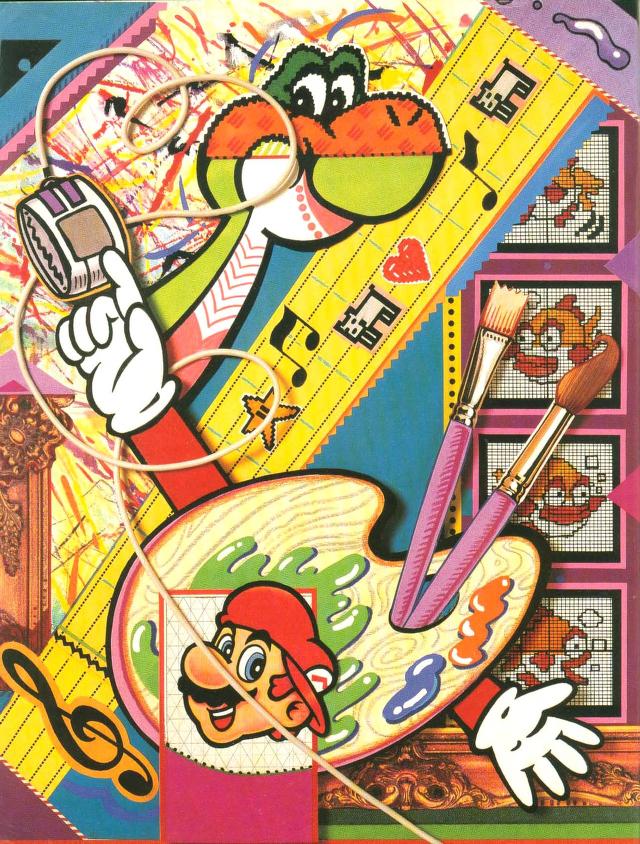
Why did Nintendo publish America's early game guides itself?
Nintendo Power, the Player's Guides of 1991 to 2007, and a hint telephone line: at the start, the platform holder was the guide industry.
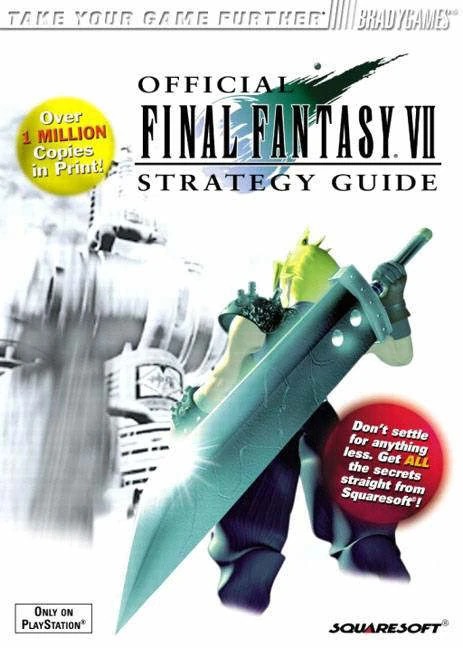
What made the Final Fantasy VII guide sell a million copies?
BradyGames, 1997, 224 pages: 150,000 copies in weeks against a 70,000 industry ceiling, and the three reasons Brady's own staff gave.

Why did reviewers recommend the unauthorized Final Fantasy VII guide?
GameSpot's 1997 comparison of three guides: the official BradyGames book spoiled the story, and the cheaper Versus Books book protected it.
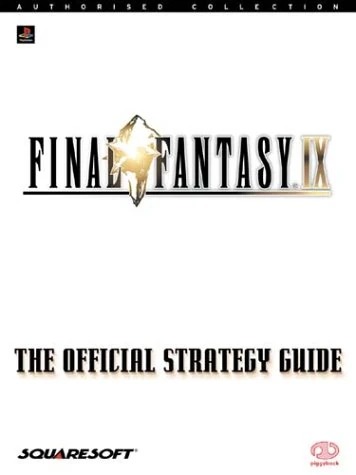
Why does the Final Fantasy IX guide keep sending you to a website?
SquareSoft's PlayOnline portal, BradyGames' pushback, and the Final Fantasy X license at stake, in veteran guide writer Doug Walsh's account.
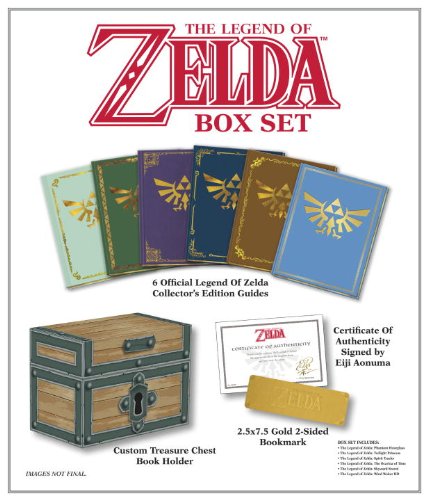
Why did BradyGames and Prima vanish from the guide shelves?
A 2015 merger retired one name, free guide websites retired the other's print business in 2019, and the surviving name became a website.
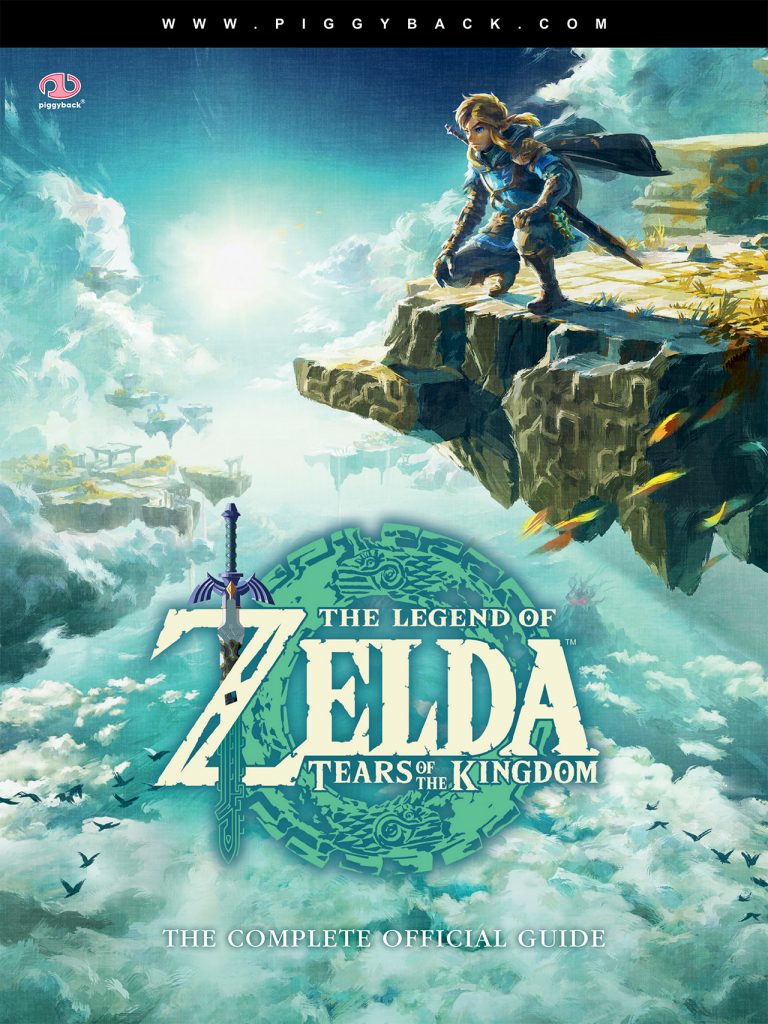
Who still publishes print strategy guides?
Piggyback's four games a year in five languages and Future Press's 512 page hardcovers that sell out: print survived by becoming a collector's object.
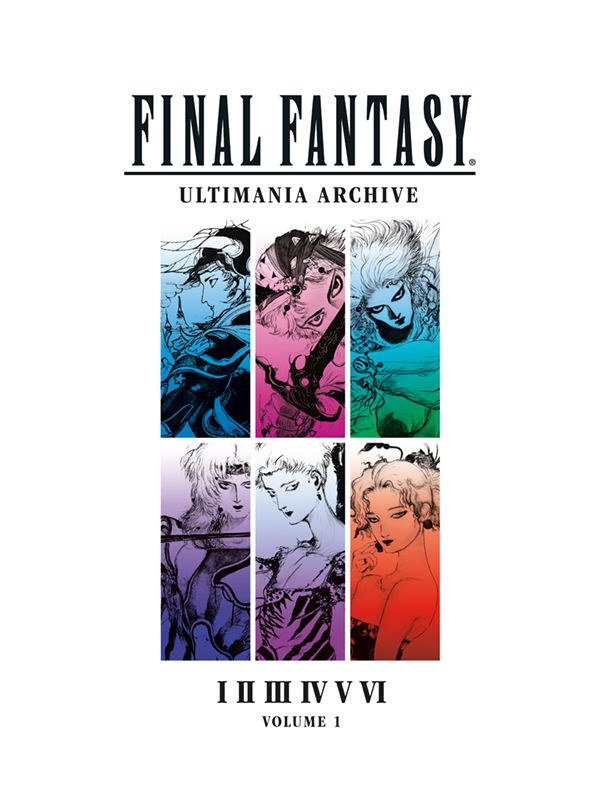
Where does the art you only see in a guide come from?
Art the game maker handed over exclusively, concept art printed first in a guide, and art the guide makers invented themselves, from clay figures to fake newspapers.
STREET FIGHTER
4 shelves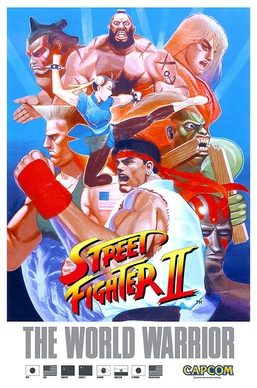
Why were Street Fighter's boss names swapped outside Japan?
One boss was a Mike Tyson parody named Mike Bison. Capcom rotated three names rather than risk the lawsuit.
Why does Street Fighter II have so many versions?
Five arcade editions, each answering a problem: unplayable bosses, bootlegs, new hardware, lost speed, a hidden demon.
Who is Sheng Long in Street Fighter?
Nobody. A mistranslated taunt plus an April Fools' prank built the most famous fighter who never existed.
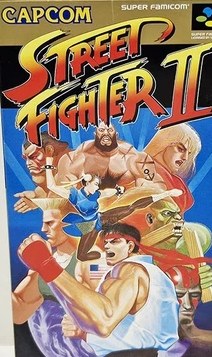
Who wrote Street Fighter II's music?
Yoko Shimomura, nearly all of it, written country first and then written again at danger tempo.
SUIKODEN
10 shelvesWhat Is Water Margin, the Novel Behind Suikoden?
Water Margin (Shui Hu Zhuan), the 14th-century Chinese novel of 108 outlaw heroes, documented: its authorship debate, the 36 Heavenly Spirits and 72 Earthly…
Who Is Yoshitaka Murayama, the Creator of Suikoden?
Yoshitaka Murayama (1969 to 2024) documented: the Konami decade, the creation of Suikoden, his departure a month before Suikoden III shipped and the removal of…
The History of Suikoden III
The history of Suikoden III (2002): the series' first 3D entry, the Trinity Sight System's three viewpoints, the Flame Champion, the missing European release,…
The History of Suikoden IV
The history of Suikoden IV (2004): the prequel set 150 years before the series, the Rune of Punishment that eats its bearers, the ship that replaced the castle,…
The Suikoden Games, in Order
Every Suikoden game mapped by era and by story: the PlayStation years, the PlayStation 2 run, the handheld departures, the thirteen-year silence, and the 2025…
How Do the 108 Stars of Destiny Work in Suikoden?
The 108 Stars of Destiny as a game design, documented: where the roster comes from, why most of the army never fights, how the castle grows, and what completing…
What Are the 27 True Runes in Suikoden?
The 27 True Runes documented: the creation myth of Sword and Shield, the rules every bearer lives under, the eighteen runes the games have actually identified,…
Why Did the Suikoden I&II HD Remaster Take So Long?
The Suikoden I&II HD Remaster delay documented: the September 2022 announcement, the August 2023 postponement and Konami's statement, the year of silence, and…
What Is Eiyuden Chronicle, Suikoden's Spiritual Successor?
Eiyuden Chronicle: Hundred Heroes documented with care: Rabbit & Bear Studios, the 2020 Kickstarter, Murayama's death on February 6, 2024, the studio's…
Collecting Suikoden in English: The Editions Guide
Collecting Suikoden in English, documented: which games were released in English and which never were, why Suikoden II became one of the most valuable…
SWEET HOME
11 shelves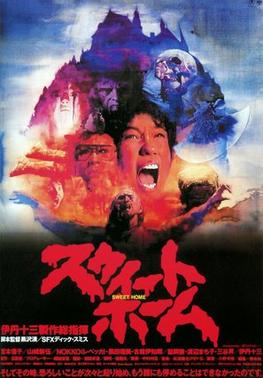
The Sweet Home Gallery
The visual record of Sweet Home: the 1989 Famicom box art beside the film poster it was adapted from, the cartridge, and the manual, documented.
Who Is Tokuro Fujiwara?
Tokuro Fujiwara: the Capcom director of Ghosts 'n Goblins and Sweet Home, main producer of Mega Man, and the man who conceived Resident Evil as a Sweet Home remake.
How Does Sweet Home's Party System Work?
Sweet Home's five-character party system explained: two parties of up to three, one essential tool per character, permanent death, and the substitute items that…
How Many Endings Does Sweet Home Have?
Sweet Home has five endings, decided by how many of the five filmmakers survive the final battle, not by which ones. The film's outcome is one of them.
Was Sweet Home a Movie or a Game First?
The Sweet Home film came first, in January 1989, and the Famicom game followed in December, but the two were developed together as one production, film crew and…
What Did Juzo Itami Have to Do with Sweet Home?
Juzo Itami produced both the Sweet Home film and the Capcom game, put his name on the box, then re-edited the film after release and was sued by its director,…
Why Did Sweet Home Never Leave Japan?
Sweet Home was never localized: critics blame its gruesome imagery under Nintendo's Western content rules, the weak North American market for RPGs in 1989, and a…
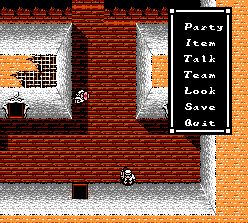
What Is the Sweet Home Fan Translation?
The 2000 fan translation of Sweet Home by Gaijin Productions and Suicidal Translations: a year of work, the Taguchi-to-Taro compromise, and the patch every…
Is Sweet Home the First Survival Horror Game?
Sweet Home (1989) assembled survival horror's design grammar years before the term existed: the mansion, the limited inventory, the notes, the permadeath. The…
The Sweet Home Strategy Guide and Gamebook
The Japanese print around Sweet Home: Futabasha's official strategy guide of January 1990 (ISBN 4-575-15154-8), the Masho no Sumu Yakata gamebook by Katsuyuki…
Collecting Sweet Home
Collecting Sweet Home on Famicom: what a complete copy includes, the CAP-EH cartridge and its battery, PriceCharting's late-October 2026 record for loose,…
TAKESHI OBATA
15 shelvesWho did the art for Death Note?
Takeshi Obata drew Death Note, working from writer Tsugumi Ohba's thumbnails. The pairing began when editors handed him the 2003 pilot chapter.
How do Ohba and Obata split the work on a manga?
Ohba writes thumbnails with the dialogue and panel layout already in place. Obata turns them into finished art, choosing expressions and camera angles.
Who is Tsugumi Ohba, the writer behind Death Note?
Tsugumi Ohba is a pen name, and the writer's real identity has never been officially confirmed. The official profile offers teacups and a thinking pose, not a name.
How was Ryuk designed?
Ryuk began as a handsome, winged young man in the rock star mold. The final monster exists because an editor told Obata the shinigami did not have to look human.
Why does Death Note look so realistic?
Because the realism is researched. Light's clothes come out of fashion magazines, Misa's out of Gothic Lolita magazines, and L was engineered against Light.
What else has Takeshi Obata drawn?
Thirty years of series as Jump's go-to illustrator: a cyborg grandfather, a go phenomenon, Death Note, Bakuman, an Edge of Tomorrow manga and an angel epic.
What is Hikaru no Go, the series Obata drew before Death Note?
A manga about the board game go that became a national phenomenon: 23 volumes, a hit anime, two major awards, and a generation of new go players.
Did the same artist draw Bakuman and Death Note?
Yes. Bakuman reunited Tsugumi Ohba and Takeshi Obata two years after Death Note ended, and its heroes are a writer and artist pair modeled on the same split.
What is Bakuman about?
Two teenagers try to become manga artists inside the real Weekly Shonen Jump machine: reader surveys, editor meetings, serialization and cancellation.
What is Platinum End, the third Ohba and Obata series?
After Death Note's shinigami and Bakuman's editors, Ohba and Obata spent five years on angels: 13 candidates, one vacant throne of God, 999 days.
What was Takeshi Obata's first manga?
Cyborg Jii-chan G, a 1989 gag series about a 70-year-old scientist who rebuilds himself into a farming cyborg, published under the pen name Shigeru Hijikata.
Did the Death Note artist really redesign Castlevania?
Yes. For Castlevania Judgment on the Wii in 2008, Konami hired Takeshi Obata to redesign the whole cast, and Simon Belmont got a Death Note wardrobe.
What is All You Need Is Kill, the manga behind Edge of Tomorrow?
Hiroshi Sakurazaka's 2004 time-loop novel, drawn as a manga by Obata in 2014, the same season Hollywood released its version as Edge of Tomorrow.
What is Blanc et Noir, Obata's art book?
Obata's first full art book: the color work of 2001 to 2006, the Hikaru no Go and Death Note years, issued in Japan in 2006 and as a 10,000-copy Viz folio in 2016.
Who learned to draw from Takeshi Obata?
The creators of Rurouni Kenshin, Black Cat and Eyeshield 21 all came through Obata's studio, which makes him a quiet root of three separate Jump eras.