
THE LIBRARY
Collector guides, cover censuses, and edition answers, documented issue by issue. Every page answers one specific question, completely.
METROID
30 shelves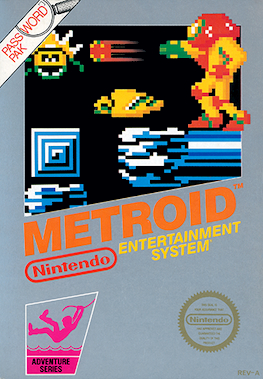
The Metroid Gallery
Every main Metroid box, documented: North American covers from the 1987 NES grey box to Metroid Dread and Prime 4 Beyond key art, with the editions in between.
The History of Metroid
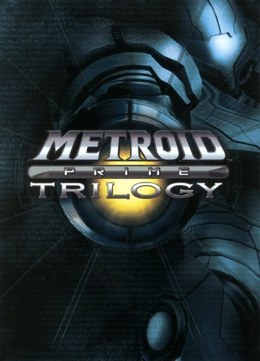
Metroid from the 1986 Famicom Disk original to Prime 4 Beyond: the peaks, the two long silences, the 2002 double launch and the MercurySteam revival.
What Metroid games are there?
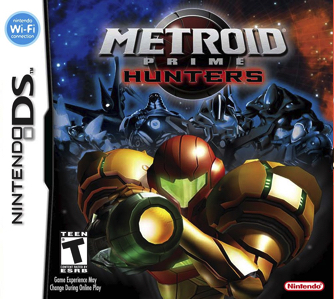
The complete Metroid census: all seventeen releases from the 1986 Famicom Disk original to Prime 4 Beyond, with platforms, developers and documented sales.
How was the first Metroid made?
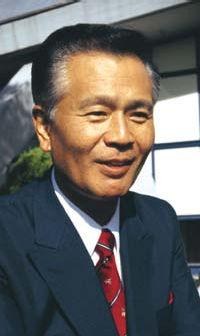
Metroid (1986) behind the scenes: R&D1 and Intelligent Systems, Yokoi producing, Kiyotake designing Samus, Hip Tanaka composing, and the mid-development twist.
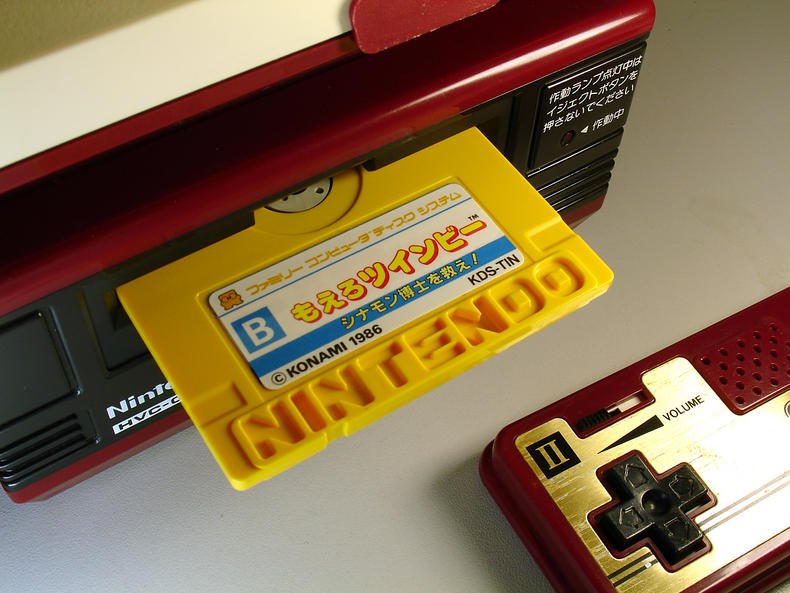
How did the Famicom Disk Metroid differ from the NES version?
Metroid Famicom Disk System vs NES: three save files against 24-character passwords, the extra sound channel, the siren countdown, and the missing suitless Samus.
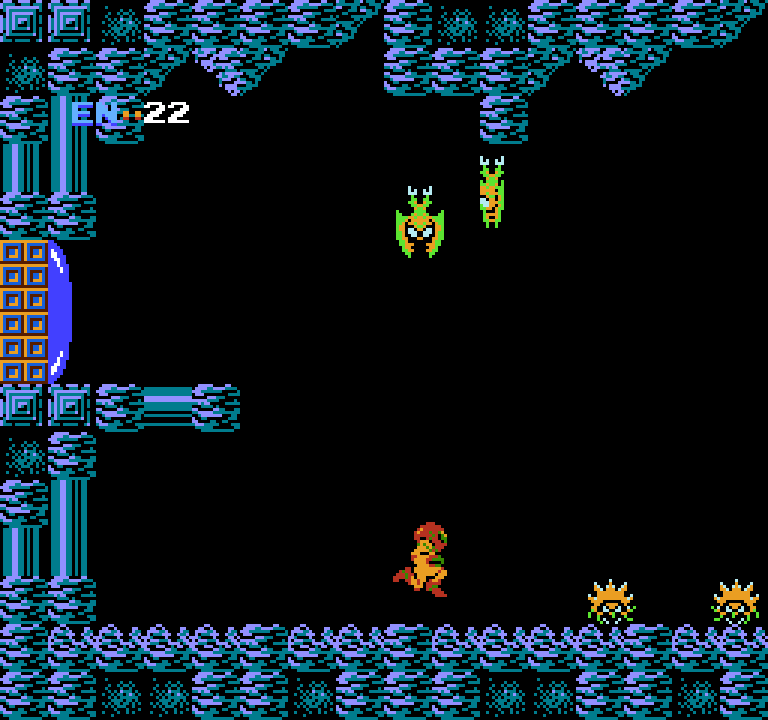
Why did America’s Metroid use passwords?
Why the NES Metroid uses 24-character passwords: the battery budget went to Zelda, and the workaround produced JUSTIN BAILEY and NARPAS SWORD.
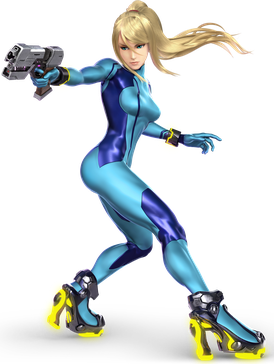
What is Samus Aran’s backstory?
Samus Aran’s backstory documented: K-2L and its destruction, Old Bird and the Chozo adoption, the DNA infusion, and how the 2002 manga codified it.
Who designed Samus Aran?
Who designed Samus Aran: Makoto Kano created the character, Hiroji Kiyotake designed the suit, and the famous reveal was a mid-development suggestion.
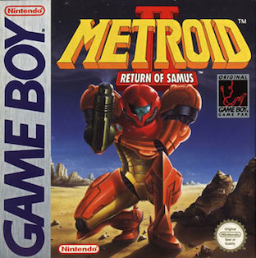
How has Samus’s suit changed?
Samus’s suit design evolution: Kiyotake’s 1986 original, the Varia silhouette fixed by Metroid II, Prime’s sculpture, the Fusion organism, the Zero Suit and…
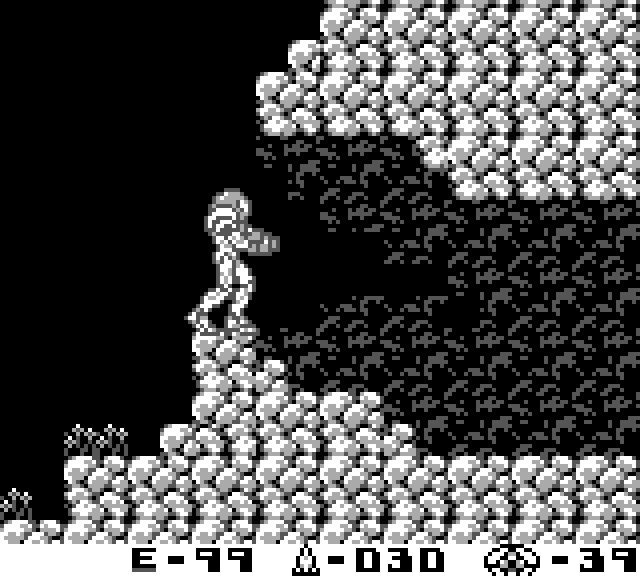
What did Metroid II add to the series?
What Metroid II (1991) added: the final Varia silhouette, battery saves, the Spider Ball, the Metroid life cycle and Queen, and the baby Metroid ending.
Why is Super Metroid a design landmark?
Why Super Metroid is a design landmark: teaching without text, the animal tutorials, environmental storytelling, and the EGM best-game-ever verdict.
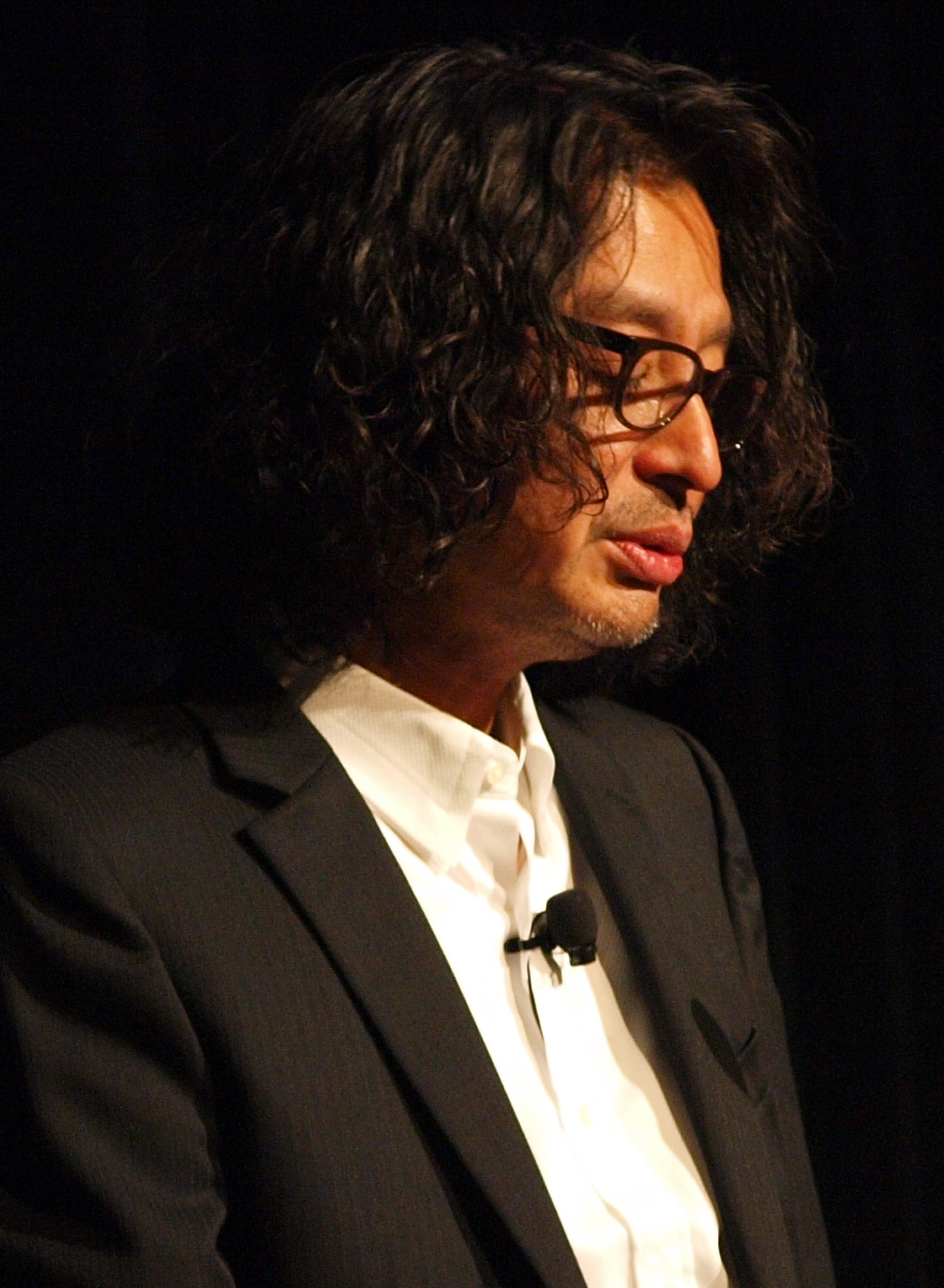
How was Super Metroid made?
How Super Metroid was made: R&D1 with Intelligent Systems, Sakamoto directing, Kano producing, Yamamoto humming themes on a motorcycle, and the 24-megabit cartridge.
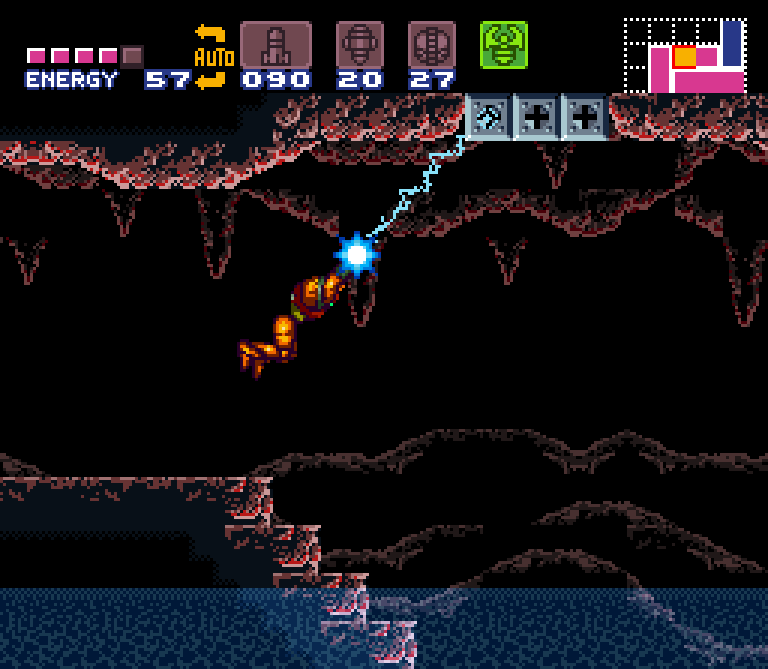
What is sequence breaking in Super Metroid?
Sequence breaking in Super Metroid explained: the wall jump and Shinespark the animals teach, early items, skipped bosses, and why the design tolerates it.

Why do speedrunners race Super Metroid?
Why speedrunners race Super Metroid: the series’ timed endings since 1986, the categories, and GDQ’s Save the Animals donation war.
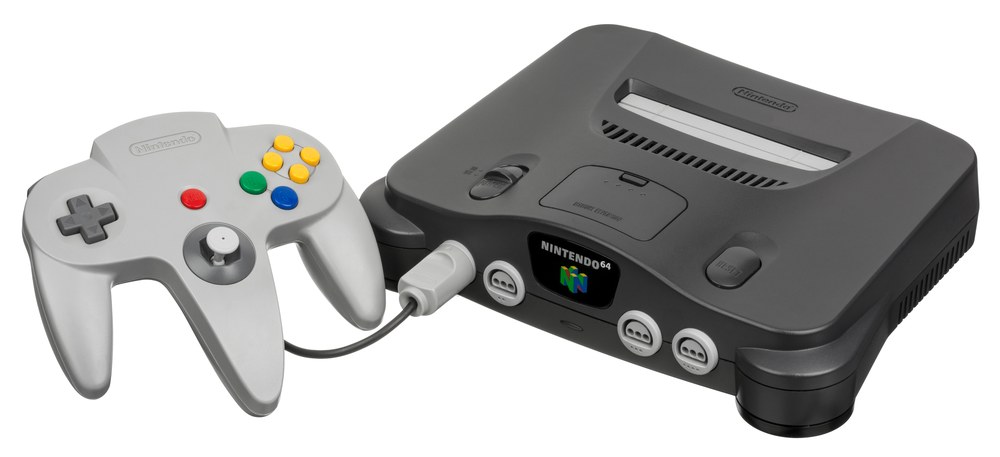
Why is there no Metroid on Nintendo 64?
Why there is no N64 Metroid: Sakamoto’s controller objection, the outside studio that declined, and the eight-year gap Super Metroid left behind.
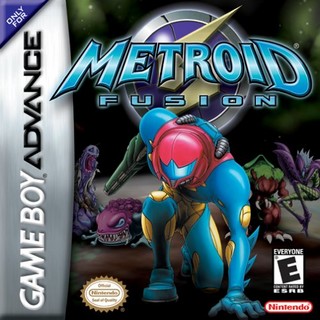
What is Metroid Fusion?
Metroid Fusion (2002) documented: the X parasites, the SA-X, Adam, the same-day launch with Prime, and R&D1’s final Metroid.
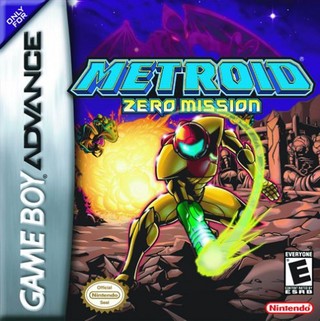
What is Metroid: Zero Mission?
Metroid Zero Mission (2004): the first game rebuilt, the Chozo statue guidance, the Zero Suit stealth epilogue, and the unlockable 1986 original.
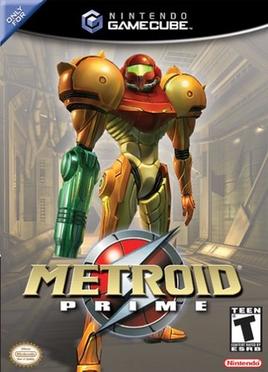
How did Metroid Prime happen?
How Metroid Prime happened: Retro Studios’ cancelled projects, Miyamoto’s 2000 visit, the female-led prototype, and the
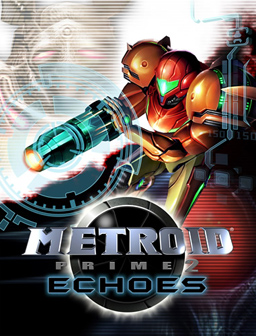
What Metroid Prime games are there?
The Metroid Prime line complete: the Retro trilogy, Hunters, Pinball, Federation Force, the Trilogy steelbook, Remastered, and Beyond.

Why was Metroid Prime 4 restarted?
Why Metroid Prime 4 was restarted: the 2017 logo announcement, Bandai Namco’s shelved version, Shinya Takahashi’s 2019 admission, and the return to Retro.
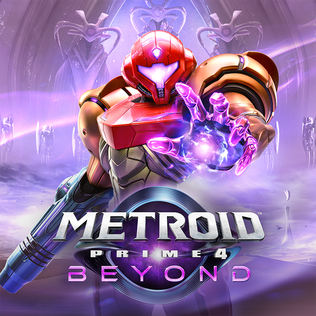
What is Metroid Prime 4: Beyond?
Metroid Prime 4 Beyond (2025) documented: Viewros, Sylux, psychic abilities, the Vi-O-La, the Switch 2 edition, its timeline slot and first-month sales.
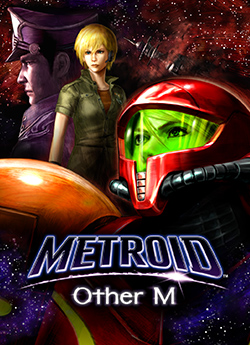
What is Metroid: Other M?
Metroid Other M (2010) documented: Sakamoto and Team Ninja, the NES-simple controls, the characterisation controversy, and the seven-year silence after it.
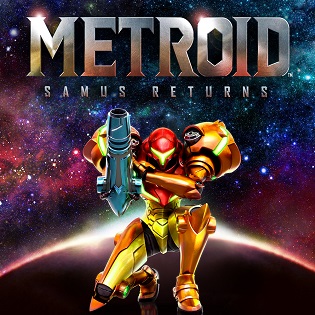
What is Metroid: Samus Returns?
Metroid Samus Returns (2017): MercurySteam’s redirected pitch, the melee counter, Aeion abilities, and how the remake revived the 2D series.
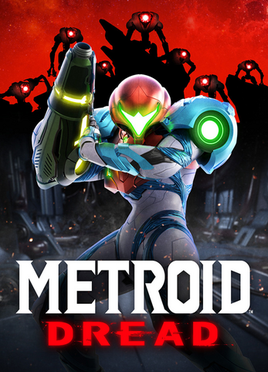
What is Metroid Dread?
Metroid Dread (2021): the twice-cancelled DS project, the E3 2009 prototype, the E.M.M.I., the saga’s finale, and the best-selling Metroid ever made.
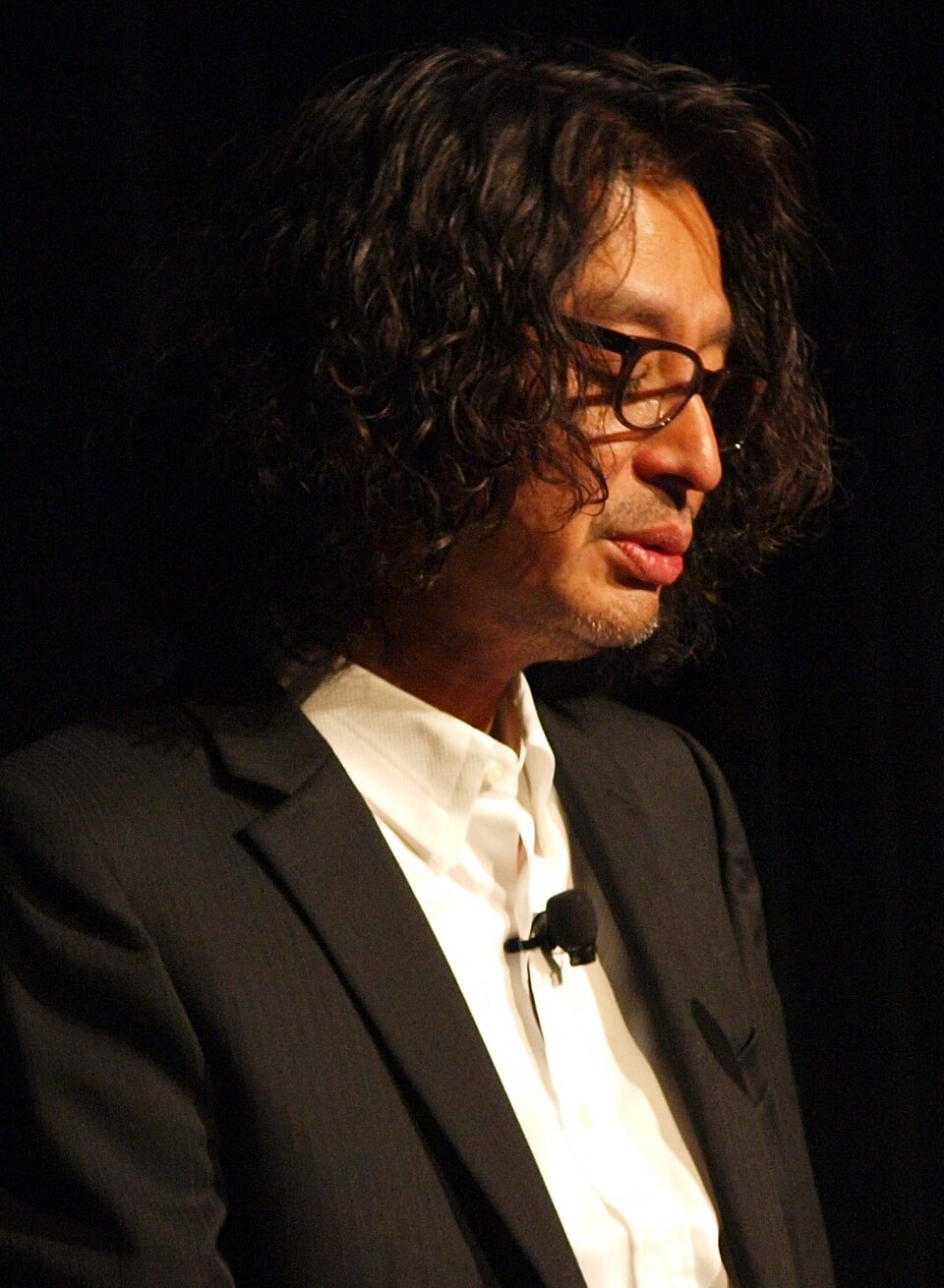
Who is Yoshio Sakamoto to Metroid?
Yoshio Sakamoto’s role in Metroid: 1986 character designer, director of Super Metroid and Fusion, producer of the MercurySteam era, and Dread’s stubborn father.
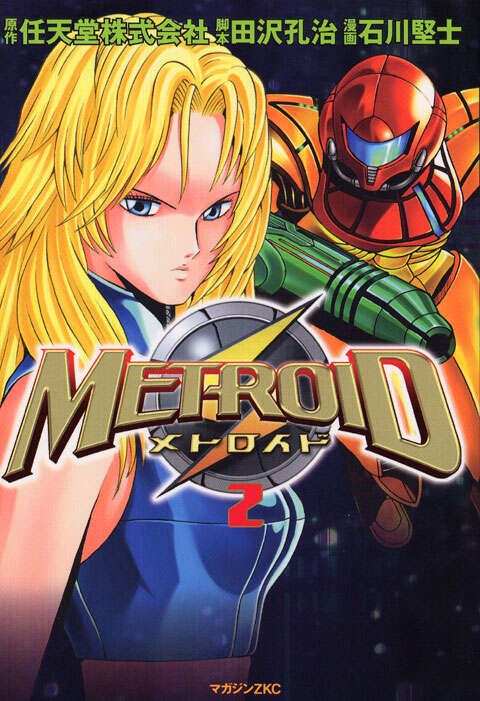
What is the Metroid manga?
The Metroid manga documented: Tazawa and Ishikawa’s Magazine Z serial (2002-04), the two Kodansha volumes, the e-manga, Samus & Joey, and the missing English…

Who composed Metroid’s music?
Metroid’s composers: Hip Tanaka’s living-organism score, Kenji Yamamoto’s motorcycle humming, Minako Hamano, and the Prime sound budget.
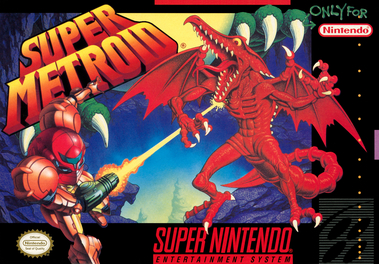
How do Metroid releases differ between Japan and the West?
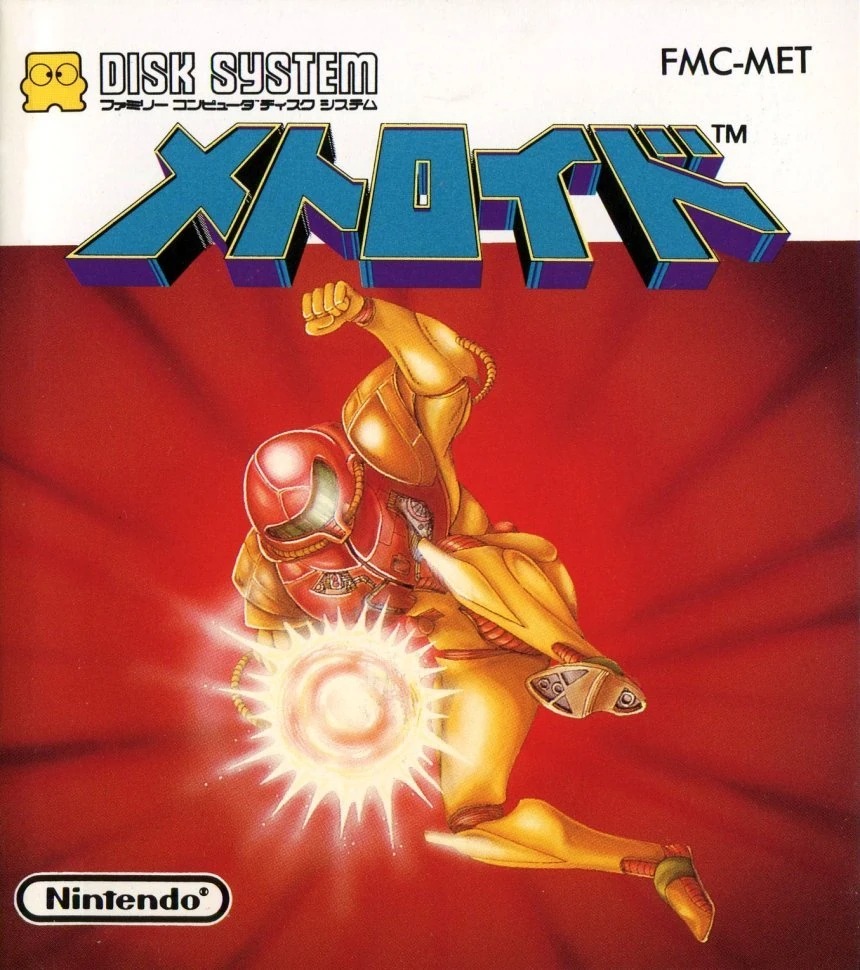
Japanese vs Western Metroid releases: Disk Card against cartridge, the Adventure Series box and its revisions, box art instincts, and the shared manual art.
How can you tell a first release of Metroid?
Identifying first Metroid releases: the Famicom Disk original, five-screw vs three-screw NES cartridges, the 1992 yellow-label Classic Series, Player’s Choice…
What is a Metroidvania?
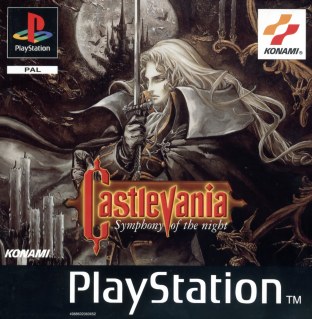
What a Metroidvania is: the Metroid plus Symphony of the Night formula, Tom Happ’s definition, the naming, and the genre that outgrew its absent parent.