
THE LIBRARY
Collector guides, cover censuses, and edition answers, documented issue by issue. Every page answers one specific question, completely.
LUPIN III
23 shelves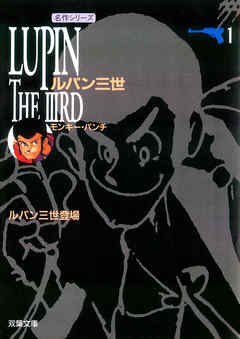
The History of Lupin the Third
From a three-month manga commission in 1967 to seven television series, a Miyazaki classic, and a near-yearly run of TV specials: the documented history of Lupin…
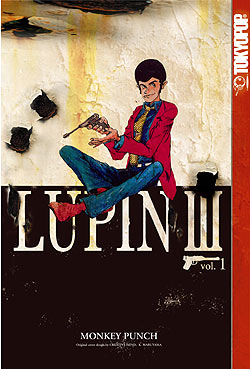
The Lupin III Manga Gallery
The Lupin III manga as physical books: the Futabasha and Chuokoron-Shinsha Japanese editions, Tokyopop’s 2002–2004 English run, and Seven Seas’ hardcover…
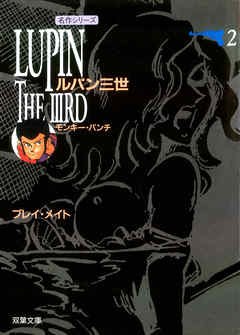
What is the original Lupin III manga?
Monkey Punch’s 1967–1969 Lupin III: 94 chapters in Weekly Manga Action, a seinen comic far darker and wilder than the family-friendly anime that followed.
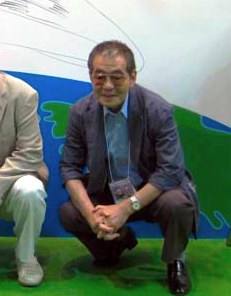
Who is Monkey Punch?
Kazuhiko Katō (1937–2019): the Hokkaidō artist who took a pen name he disliked for a three-month job and drew one of manga’s permanent characters.
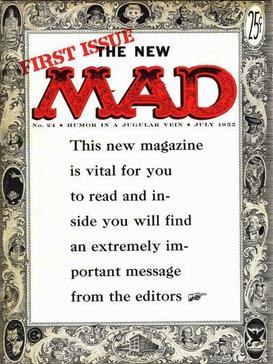
How did Mad magazine shape Lupin III?
Mort Drucker’s line, Mad’s gag machinery, James Coburn’s face: the American comics DNA inside Monkey Punch’s Lupin III, documented.
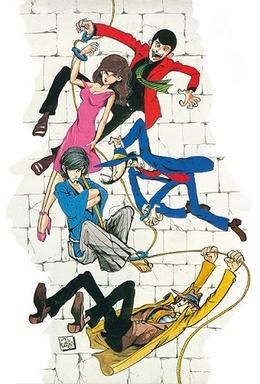
Who are the Lupin III gang?
Lupin, Jigen, Goemon, Fujiko, and the Inspector: the five fixed points of Lupin III, how Monkey Punch built each one, and why they are not really a team.
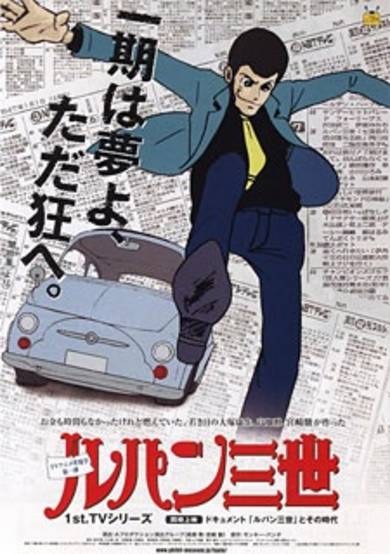
Lupin the Third Part I: the green jacket series
Part I (1971–72): 23 episodes, a hard-boiled start, and the Miyazaki–Takahata takeover that softened Lupin and made him immortal.
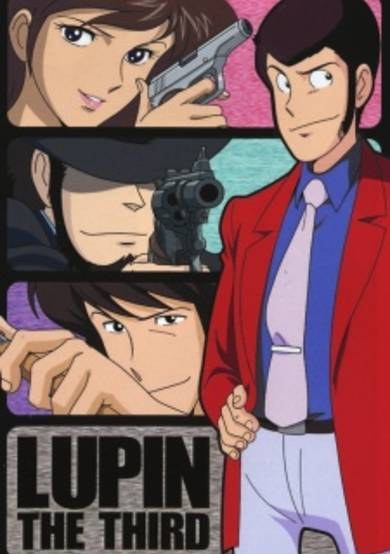
Lupin the Third Part II: the red jacket series
Part II (1977–80): 155 episodes in the red jacket, Yuji Ohno’s theme, Miyazaki’s farewell episodes, and the series that conquered the world.
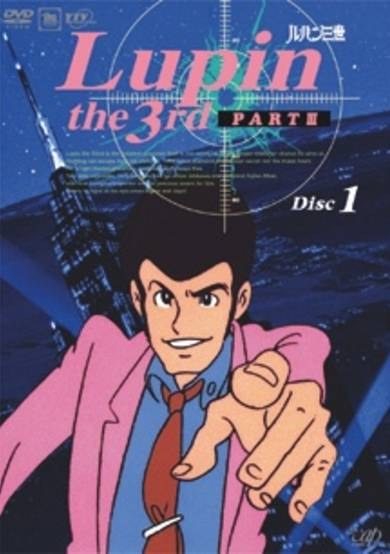
Lupin the Third Part III: the pink jacket series
Part III (1984–85): 50 episodes in pink, the most cartoonish Lupin ever made, and the era the franchise half-tried to forget.
Why does Lupin change jacket colors?
Green, red, pink, blue, and green again: what each of Lupin’s jacket colors actually marks, series by series, and why fans read tone from a wardrobe.
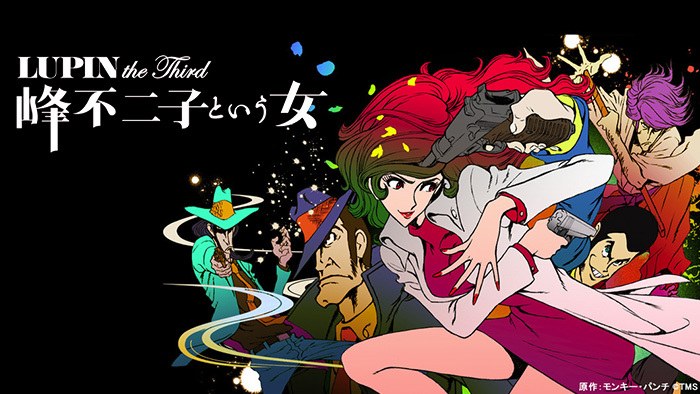
The Woman Called Fujiko Mine
The 2012 series that returned Lupin to Monkey Punch’s page: Sayo Yamamoto directing, Takeshi Koike designing, 13 episodes of the gang’s first meetings.
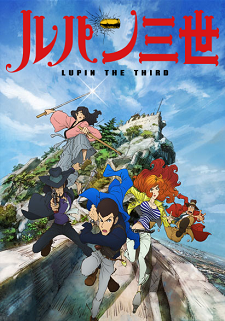
Lupin the Third Part IV: the Italian adventure
Part IV (2015): Lupin in Italy and San Marino, the blue jacket debut, a story-arc structure, and a premiere that happened in Italy before Japan.
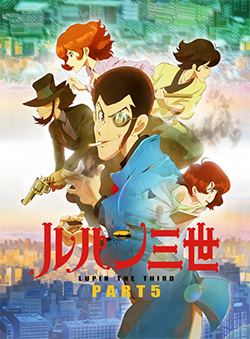
Lupin the Third Part 5: the French homecoming
Part 5 (2018): 24 episodes set in France, the homeland of Arsène Lupin, with jacket-color homages woven into the season.
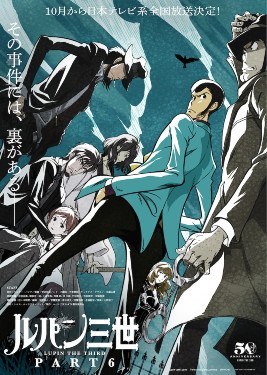
Lupin the Third Part 6: the fiftieth anniversary
Part 6 (2021–22): Sherlock Holmes, a green jacket restored, Kiyoshi Kobayashi’s farewell as Jigen after 52 years, and Lupin Zero.
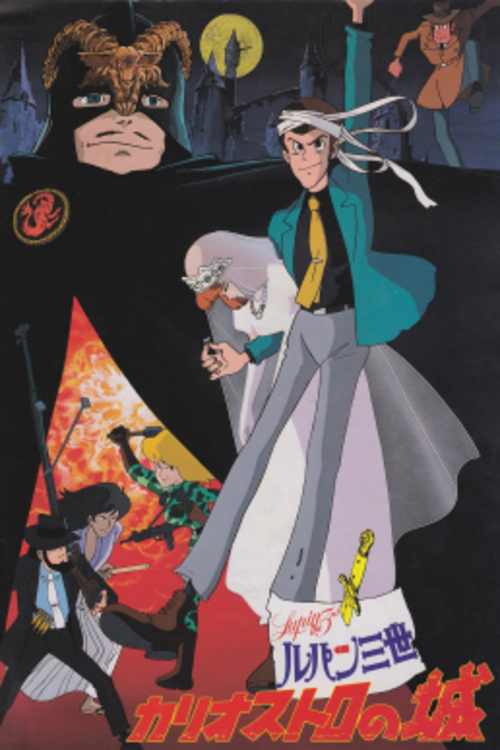
The Castle of Cagliostro
Hayao Miyazaki’s 1979 feature debut: made in seven and a half months, a flop on release, and now the most beloved Lupin III film ever made.
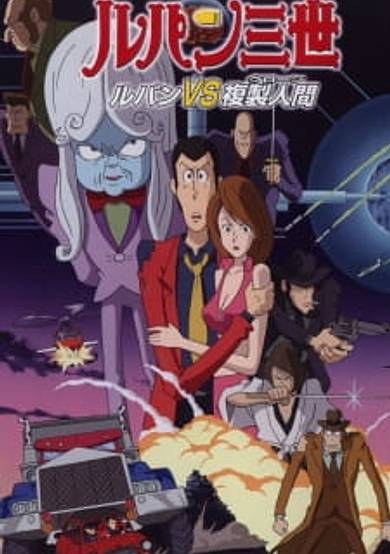
The Mystery of Mamo
The first Lupin III animated feature (1978): Sōji Yoshikawa’s science-fiction caper, and the film that filled half of America’s Cliff Hanger arcade game.
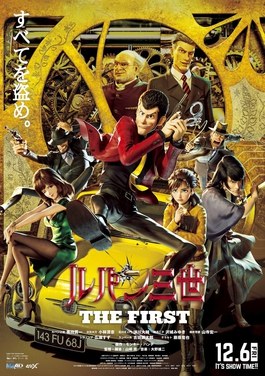
Lupin III: The First
The 2019 CGI feature directed by Takashi Yamazaki: the franchise’s first fully CG film, openly built on the bones of The Castle of Cagliostro.
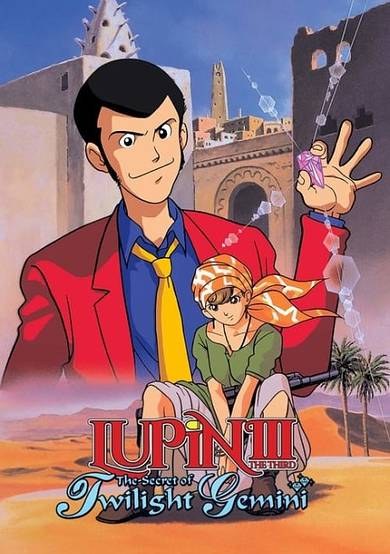
The Lupin III TV specials
From Bye Bye, Lady Liberty (1989) to the end of the yearly run in 2013: how the Lupin TV specials became a quarter-century Japanese institution.
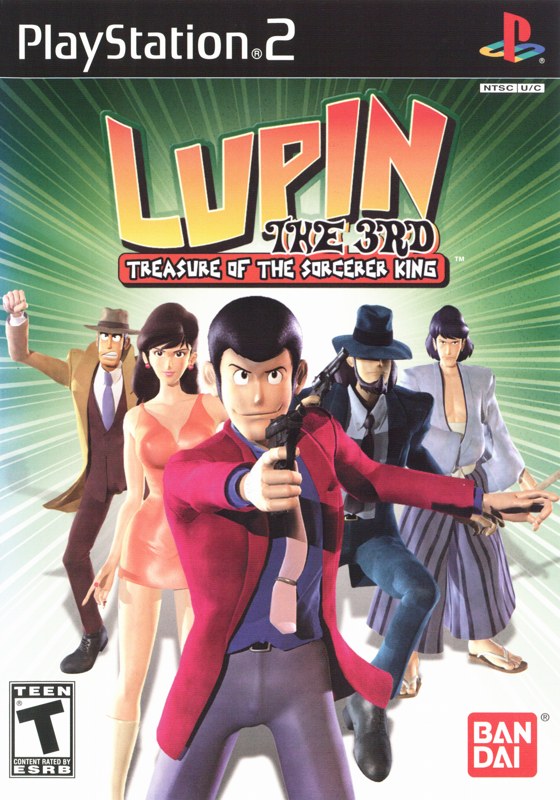
Lupin III video games
From Taito’s 1980 stealth arcade game to the PS2’s Treasure of the Sorcerer King: forty years of Lupin III games, documented platform by platform.
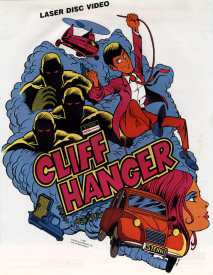
What was Cliff Hanger?
Stern’s 1983 laserdisc arcade game: two Lupin films re-cut into an American game, a hero renamed Cliff, and Miyazaki’s accidental US debut.
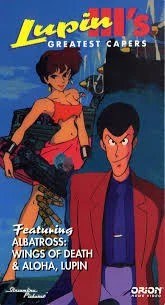
Why was Lupin called “the Wolf” in America?
The Leblanc estate, a name taken without permission, Edgar in France, the death of Lupin VIII, and the 2012 public-domain date that freed the name.
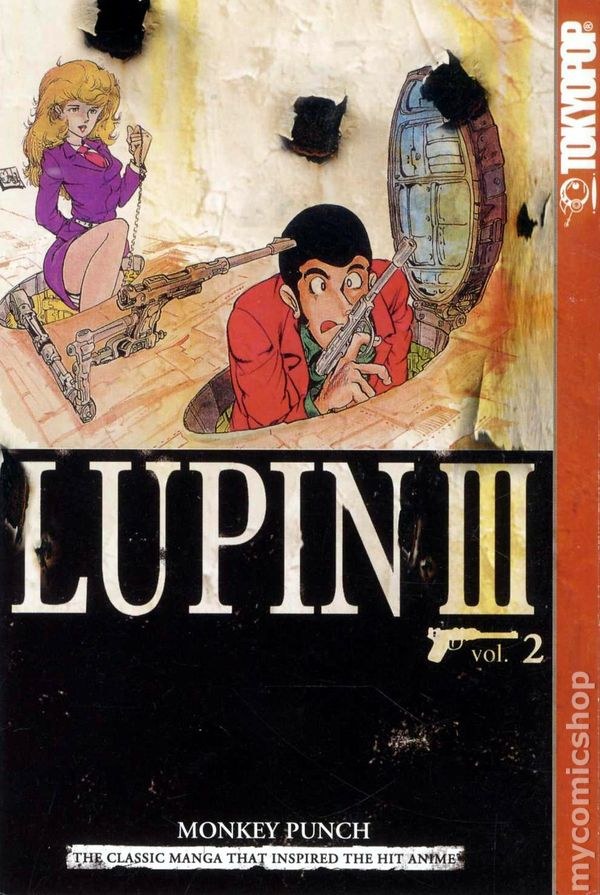
Lupin III manga in English
Tokyopop’s complete 14-volume run (2002–2004), the abandoned World’s Most Wanted, and Seven Seas’ hardcover revival: Lupin’s English print history.
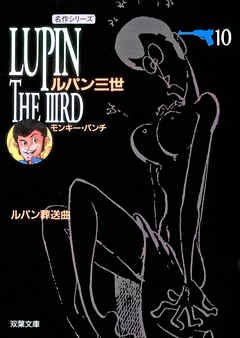
How to collect the Lupin III manga
Two rival Japanese publishers, a split edition history, and three English eras: a field guide to identifying Lupin III manga editions before you buy.
MAGIC KNIGHT RAYEARTH
13 shelves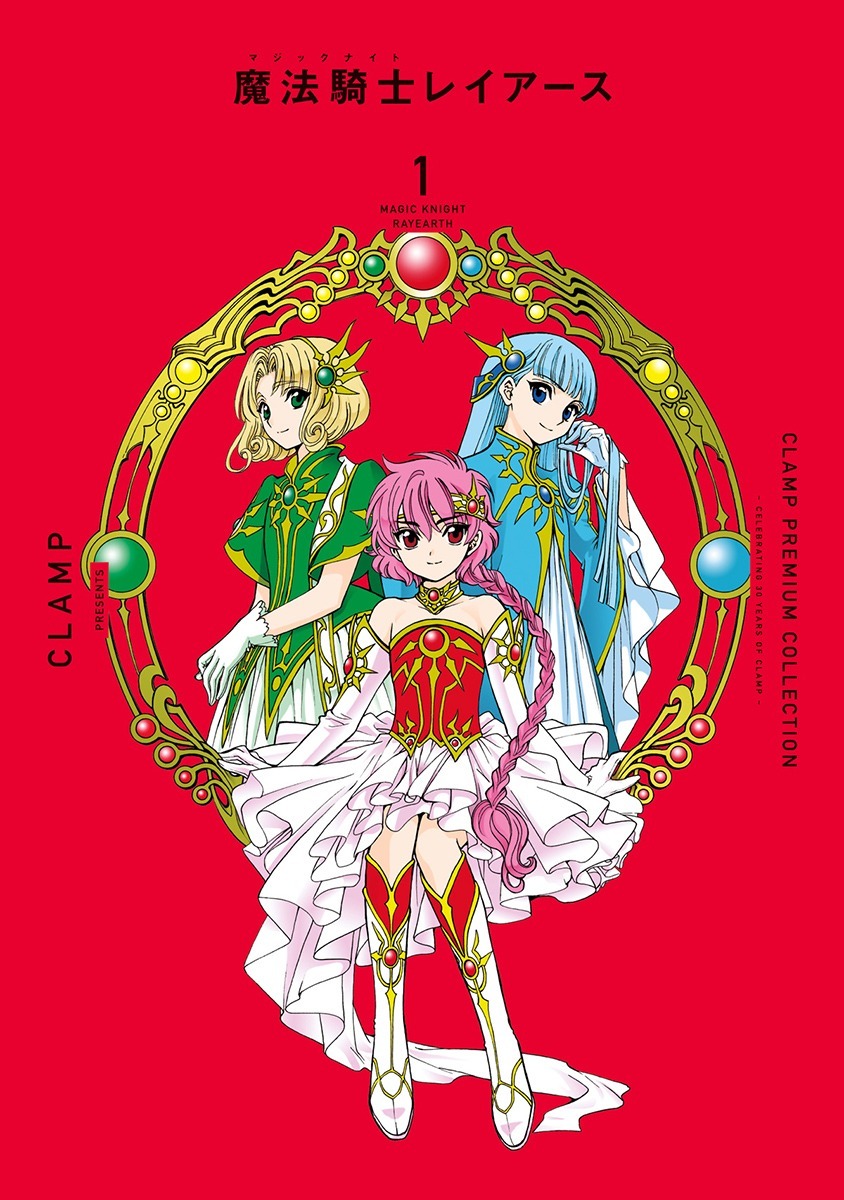
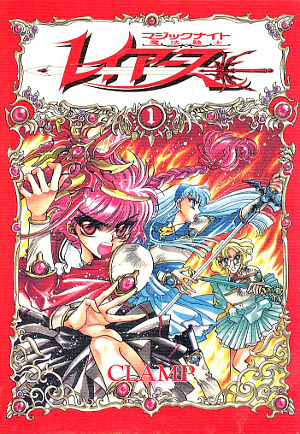
The Magic Knight Rayearth Manga Gallery
Every Japanese tankobon of CLAMP’s Magic Knight Rayearth, parts I and II: six Kodansha volumes from 1994 to 1996, with release dates and ISBNs.
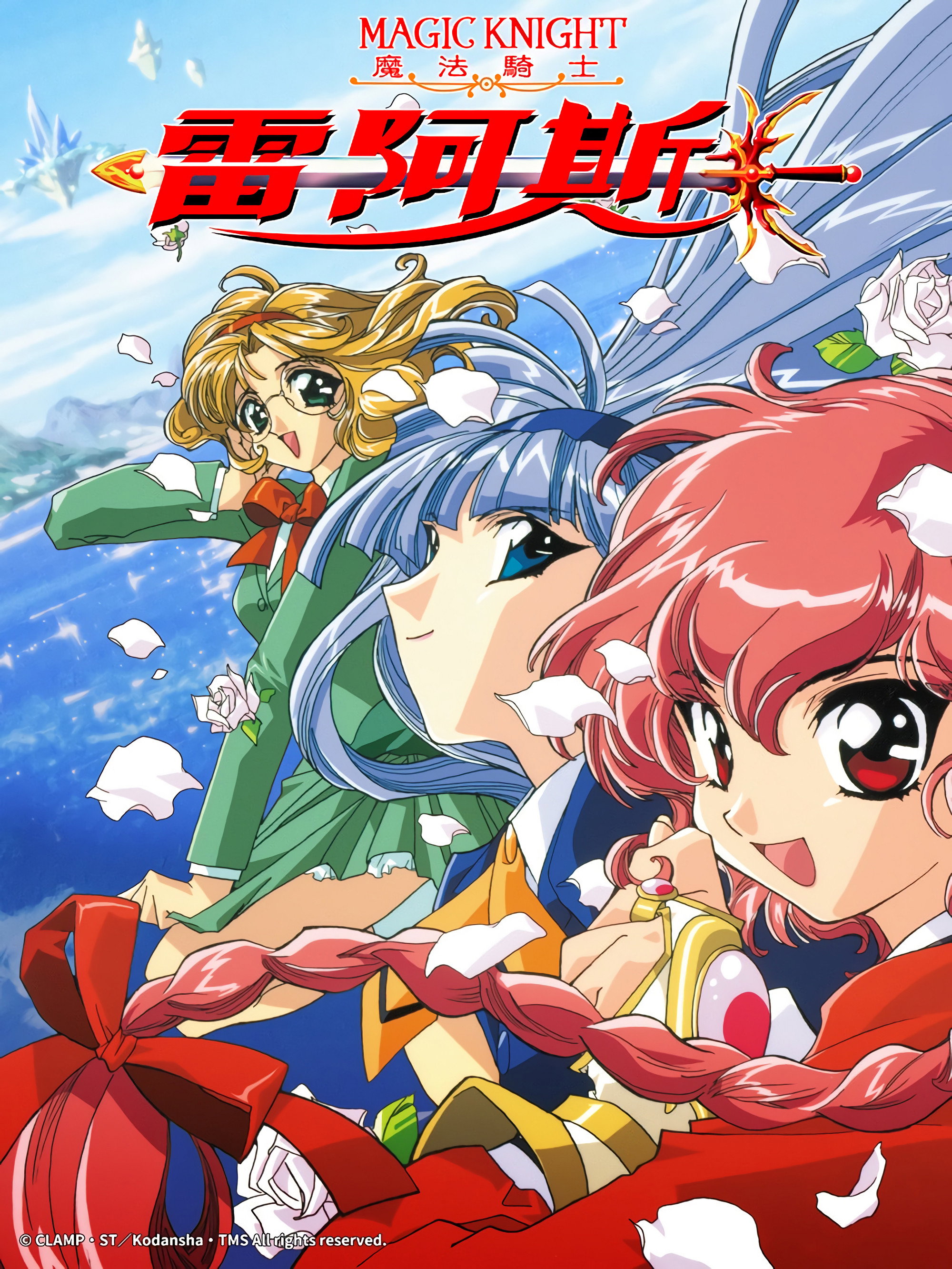
The History of Magic Knight Rayearth
Magic Knight Rayearth from a 1993 Nakayoshi serial to the 2026 remake anime: the manga, the TMS series, the OVA, the last American Saturn game, and four English…
How Was Magic Knight Rayearth Created?
How CLAMP built Rayearth for Nakayoshi: an editor’s commission, Sailor Moon’s shadow, a formula of robots plus RPGs plus fantasy, and names borrowed from cars.
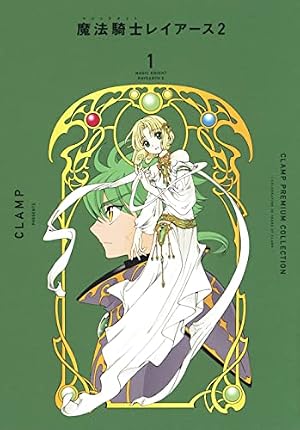
Why Does the Rayearth Anime End Differently from the Manga?
The Rayearth anime’s second season departs from CLAMP’s manga: anime-only villains Nova and Lady Debonair, a dead Presea, and a different road to the same refusal.
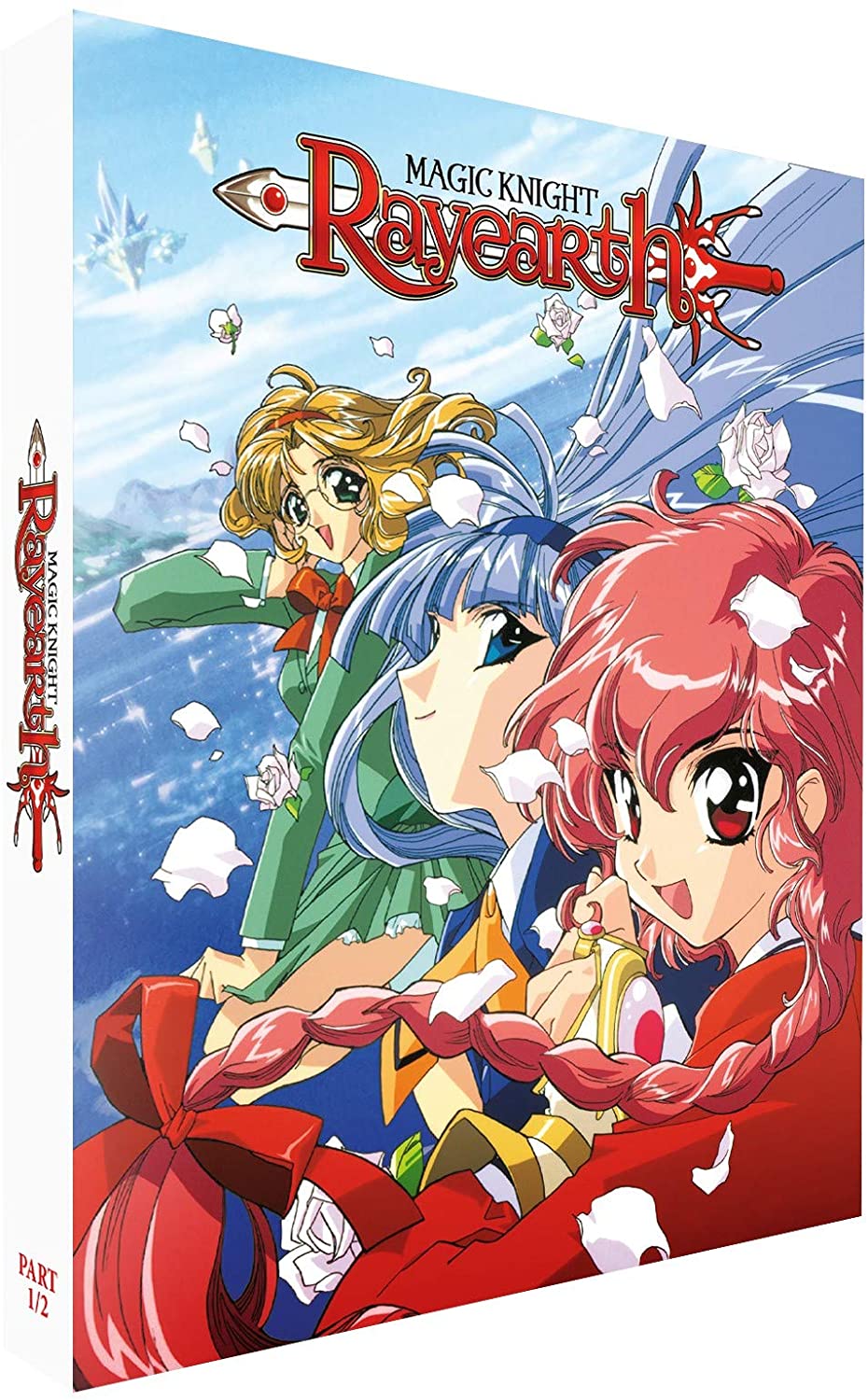
What Is the Rayearth OVA?
Rayearth, the 1997 three-part OVA: CLAMP’s story retold as a dark fantasy invasion of Tokyo, with the same cast in a different story entirely.
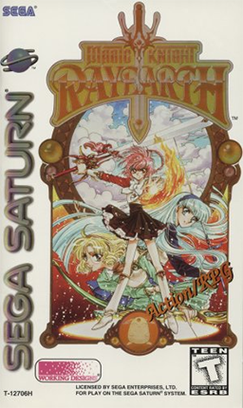
What Magic Knight Rayearth Games Are There?
The Rayearth games, 1994 to 2021: the Saturn action RPG, Super Famicom and Game Boy RPGs, Game Gear and Pico oddities, and the Super Robot Wars crossings.
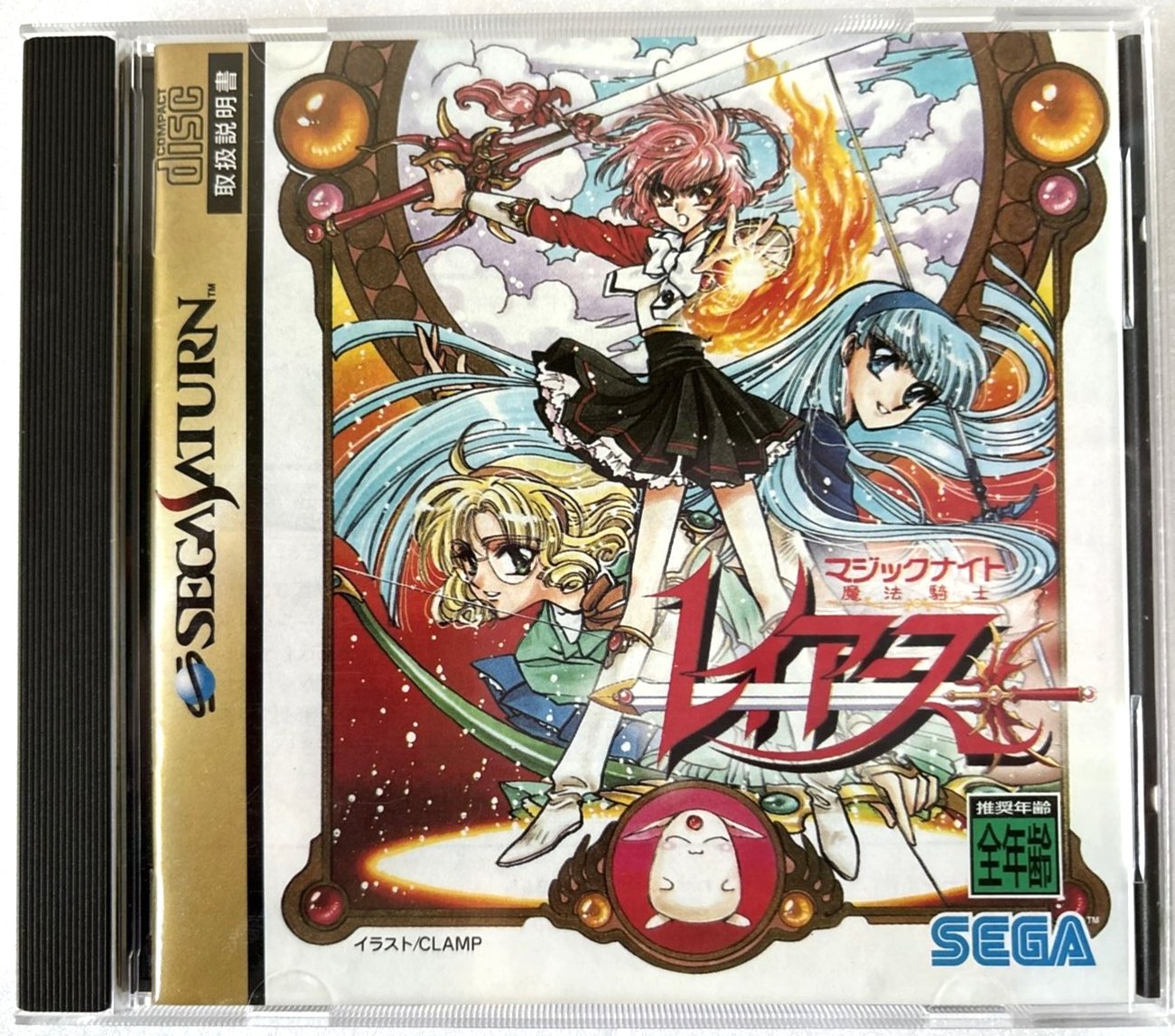
How Did Rayearth Become the Last Saturn Game in America?
The Saturn Rayearth was announced with the console in 1994, released in Japan in 1995, and shipped in America on December 11, 1998: the last Saturn game there.
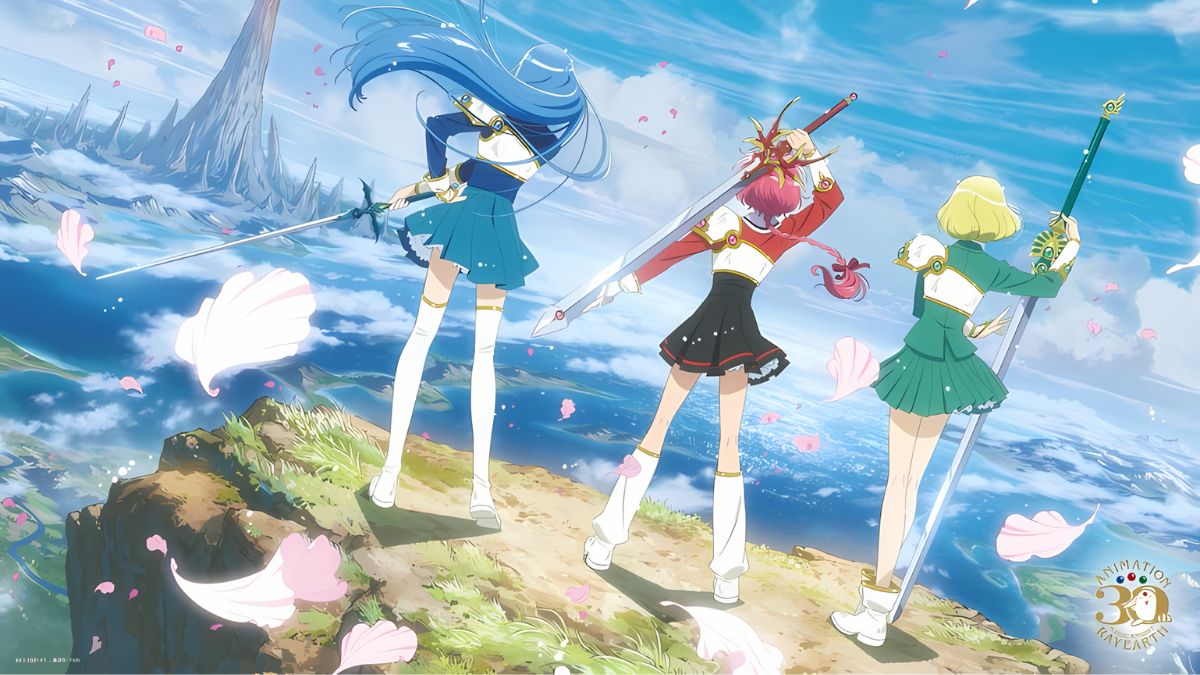
What Is the New Magic Knight Rayearth Anime?
The 2026 Magic Knight Rayearth remake: announced July 2, 2024 for the anime’s 30th anniversary, premiered October 7, 2026, by TMS and E&H Production.
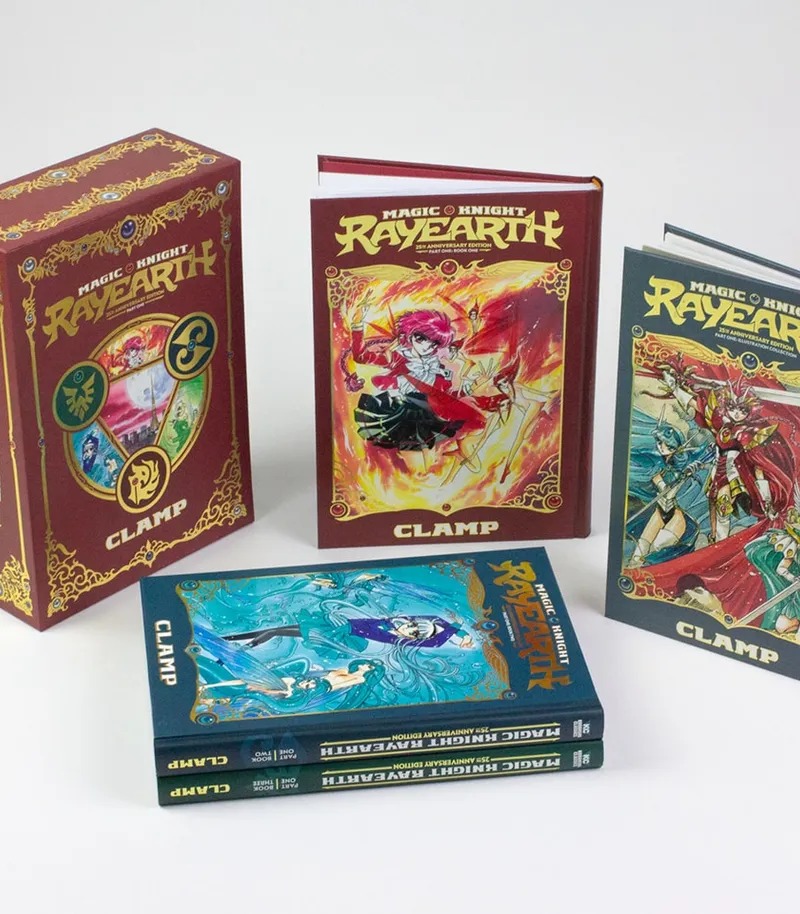
What Are the English Editions of Magic Knight Rayearth?
Rayearth in English, four times over: Tokyopop’s flipped MixxZine-era volumes, the unflipped re-release, Dark Horse’s omnibus, and Kodansha’s anniversary hardcovers.
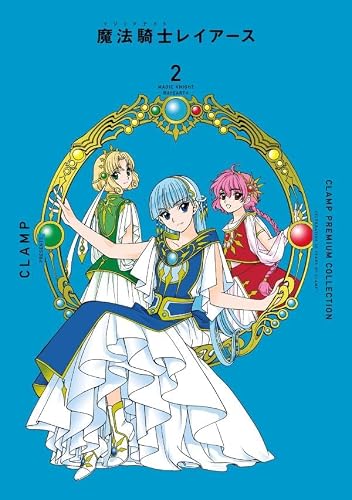
Who Are the Magic Knights?
Hikaru Shidou, Umi Ryuuzaki, and Fuu Hououji: three eighth-graders, three elements, three Rune-Gods, and a cast named after cars.
What Is Mokona?
Mokona, the Magic Knights’ white guide: a manjū-like creature who says only “Puu,” feeds the party from the gem in its forehead, and is not what it seems.
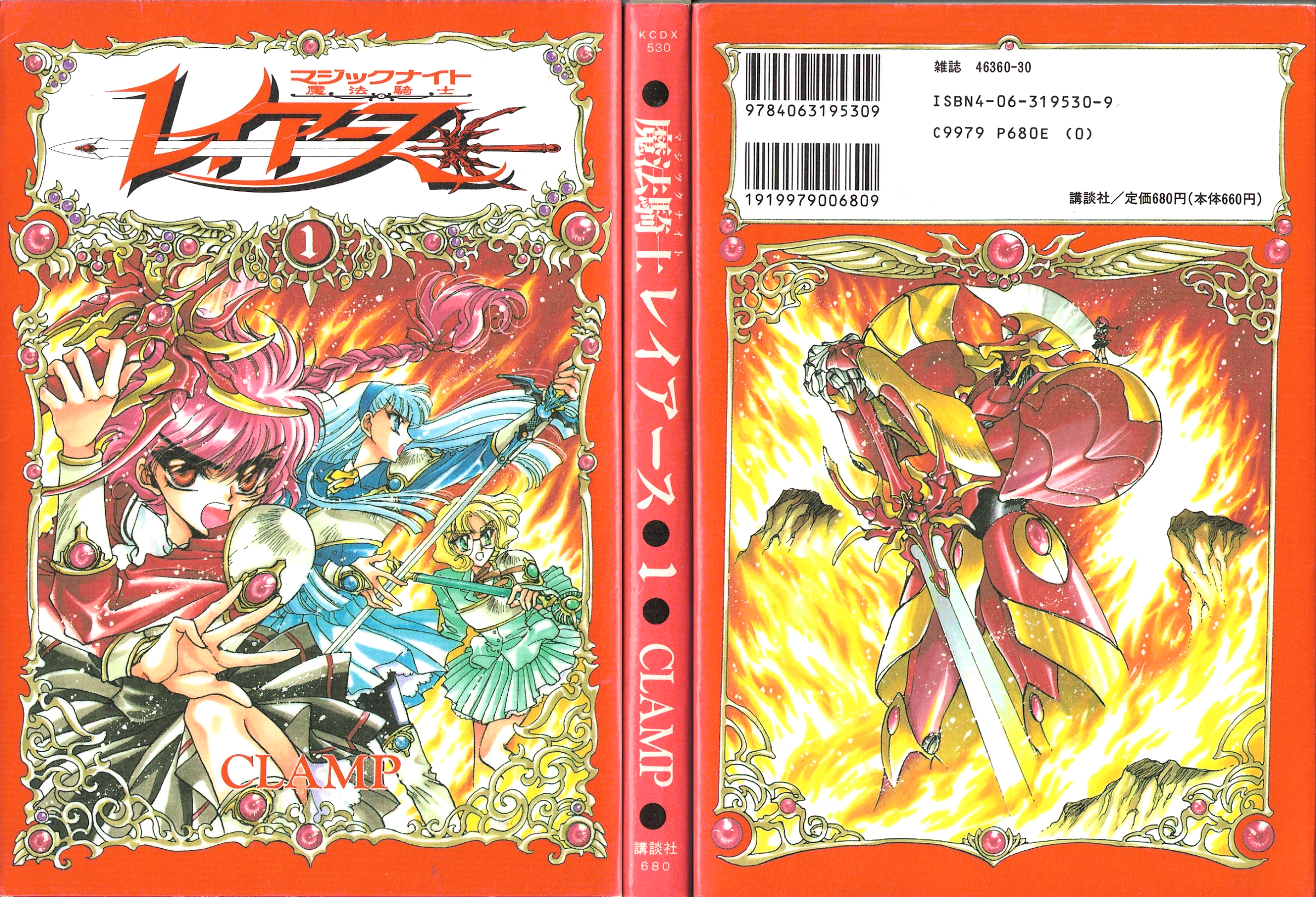
How Can You Tell a First Printing of Rayearth?
Identifying first printings of Magic Knight Rayearth: the six Kodansha ISBNs and dates, and how to separate Tokyopop’s flipped first edition from its unflipped…
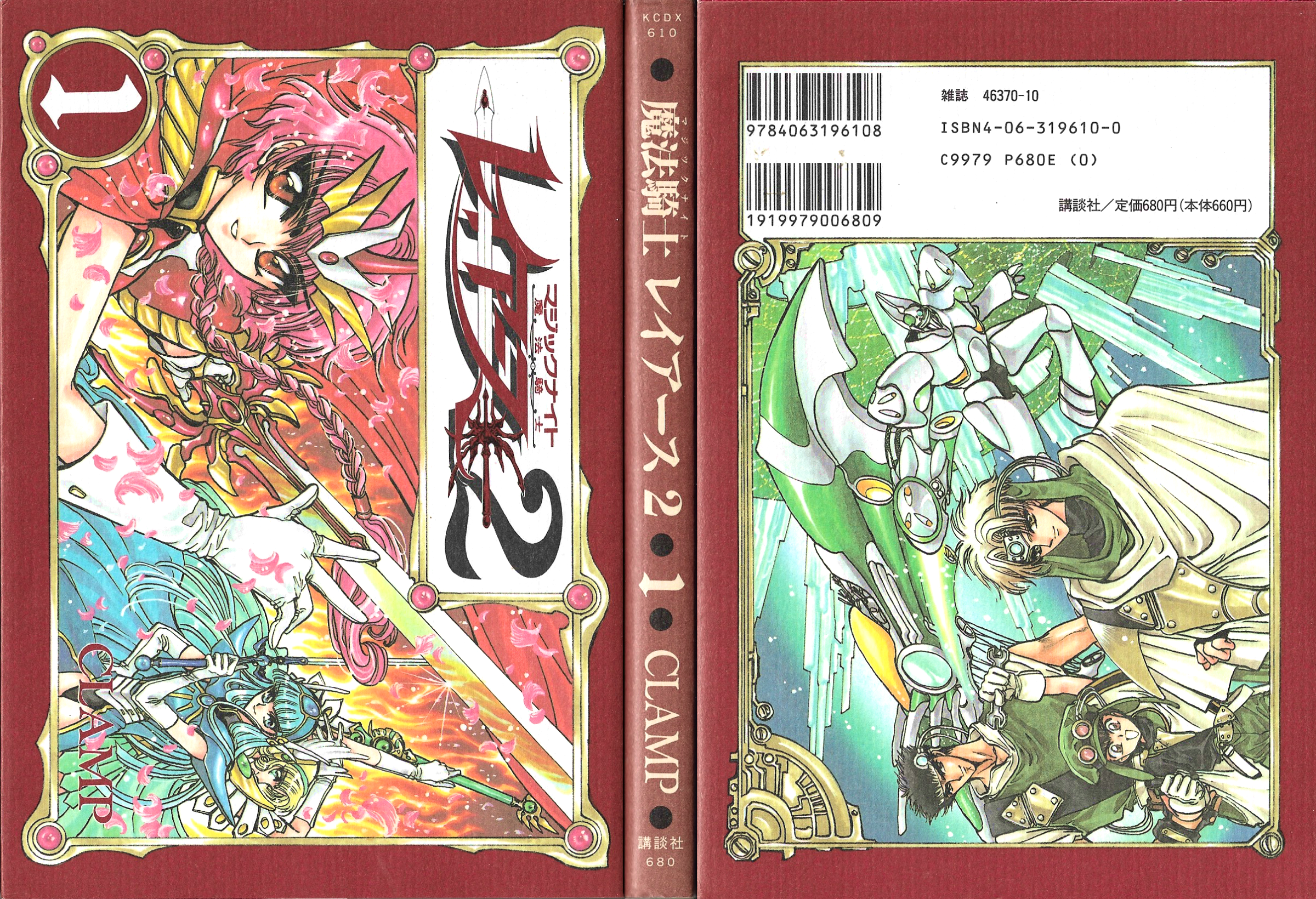
What Are the Rune-Gods?
The Mashin of Cephiro: Rayearth the fire wolf, Selece the water dragon, and Windam the wind bird, living gods who are also giant robots.
MARVEL HEROES
3 shelves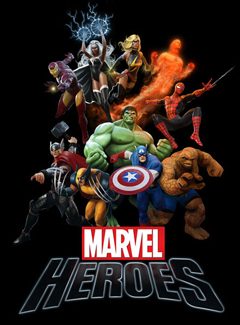
What is Marvel Heroes, the Diablo-style Marvel RPG?
A deliberate post-vintage exception, shelved at the owner's request for the Brevik lineage: the free 2013 Marvel action RPG Diablo's creator built at Gazillion.
What did Diablo's creator change when he made a Marvel game?
The systems Brevik carried over from Diablo, the ones he replaced for a free Marvel MMO, and the 2017 redesign he did not make.
Why did Marvel Heroes shut down in 2017?
Disney ended the licence without stating a cause; the servers closed on November 27, 2017, and the reported accounts are labeled here as reported, not established.
MEDIEVIL
6 shelves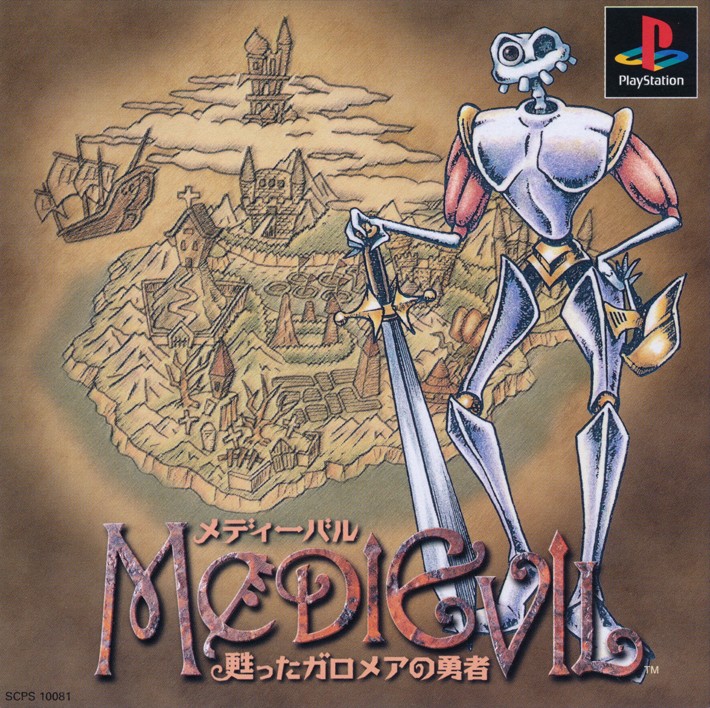
The MediEvil Gallery
Sir Daniel Fortesque's boxes side by side: the European, American, and Japanese covers, the helmet Japan added, with both histories and the questions behind them.
The History of MediEvil
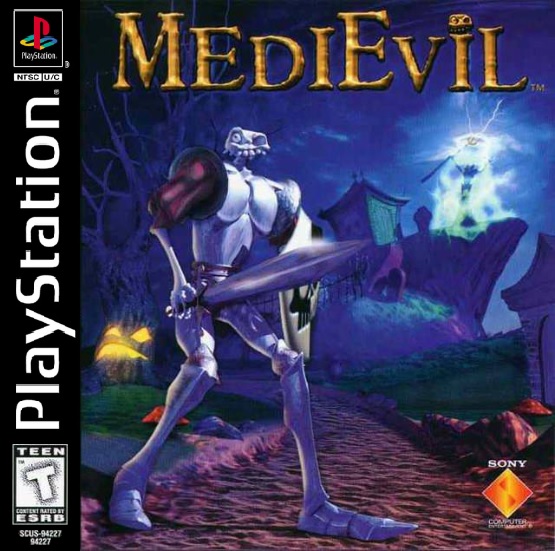
Millennium Interactive's 1998 original: Chris Sorrell, the Sony buyout, Sir Daniel's design, the editions, the scores, and the 2019 remake.
The History of MediEvil 2
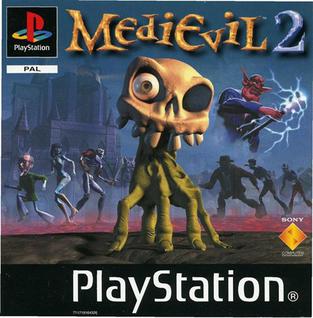
The 2000 sequel in Victorian London: James Shepherd, Lord Palethorn, the Dan Hand, the BAFTA win, and the scores.
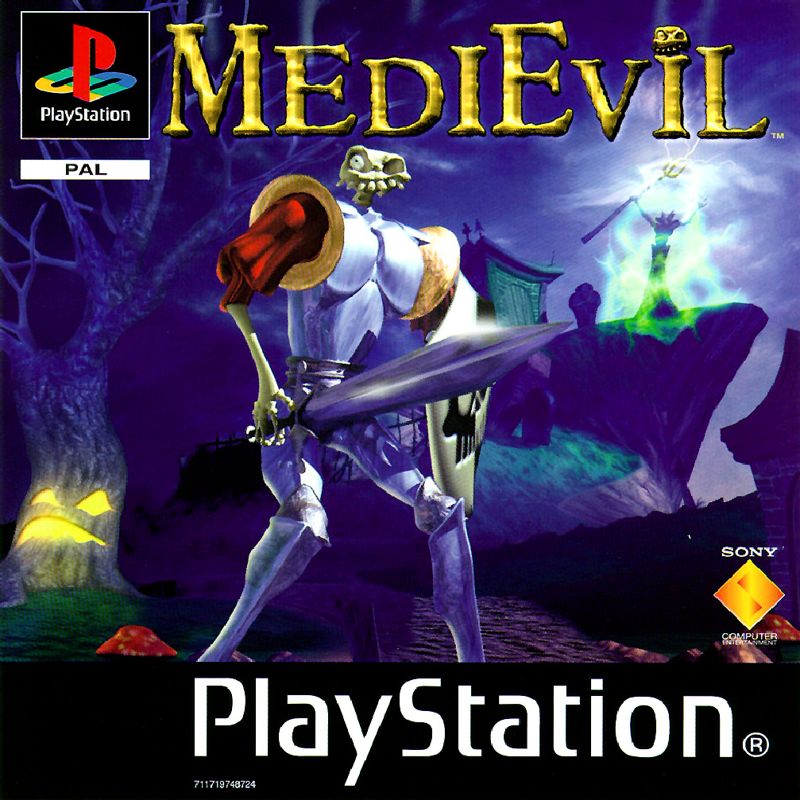
What inspired MediEvil?
Ghouls 'n Ghosts drawn by Tim Burton, in creator Chris Sorrell's own pitch.
How was MediEvil released in Japan?
Last, renamed, and re-covered, and the skeleton hero proved a strange sell.
Why does Sir Daniel Fortesque have one eye?
The first arrow of the battle he never fought took it, and the king covered the story up.