
THE LIBRARY
Collector guides, cover censuses, and edition answers, documented issue by issue. Every page answers one specific question, completely.
TRAILS
26 shelves
The history of the Trails series
From a 1989 Dragon Slayer spin-off to a thirteen-game, single-story saga: how Falcom's Trails became the longest continuous narrative in JRPGs.
The Trails map: four arcs, one continent
Liberl, Crossbell, Erebonia, Calvard: the four arcs of the Trails series mapped on one continent and one timeline, in the order Falcom tells them.
The Trails box art gallery
Eleven verified pieces of Trails key art in release order, the paintings the series' boxes and storefronts have carried from Liberl to Calvard.
In what order should you play the Trails games?
The spoiler-free answer: release order is story order. The Trails play order explained arc by arc, with the honest entry points and the games you can't skip.
How many Trails games are there?
Counted carefully: 13 main Trails entries, 2 remakes, and the wider Legend of Heroes family at 17 numbered games, the census, with every count defined.
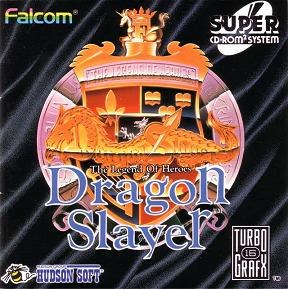
Before Trails: Dragon Slayer and the first Legend of Heroes
Trails began as Legend of Heroes VI, which began in 1989 as a Dragon Slayer game. The two Dragon Slayer: The Legend of Heroes titles, documented.
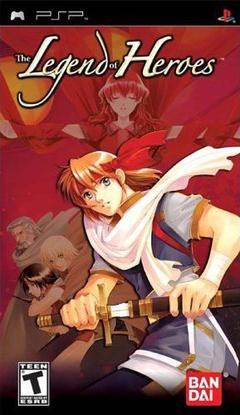
The Gagharv trilogy: Legend of Heroes III, IV and V
The White Witch, A Tear of Vermillion and Song of the Ocean (1994–1999): one world split by a chasm, told out of order, and the West's scrambled PSP editions.
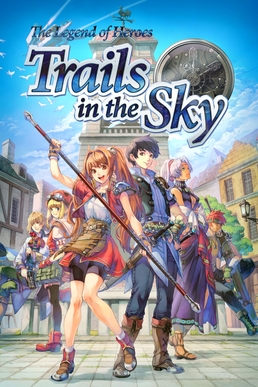
Trails in the Sky: the first chapter, documented
The 2004 PC original, the 2006 PSP port and the nine-month edit: Trails in the Sky First Chapter, the foundation stone of the longest story in JRPGs.
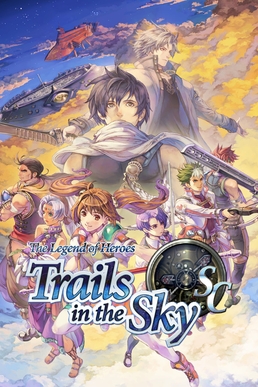
Trails in the Sky SC: the second chapter, documented
Trails in the Sky SC (2006): the sequel that took nine years to cross the Pacific, a 3-million-character script and the localisation that nearly sank XSEED.
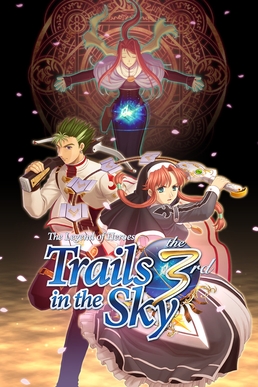
Trails in the Sky the 3rd: the book of doors
Trails in the Sky the 3rd (2007): Kevin Graham, the Phantasma, and the vignette

How Trails in the Sky was localised: the XSEED years
1.5 million characters, a nine-month edit, a white whale named SC: how XSEED brought Trails in the Sky West between 2010 and 2017, documented from the record.
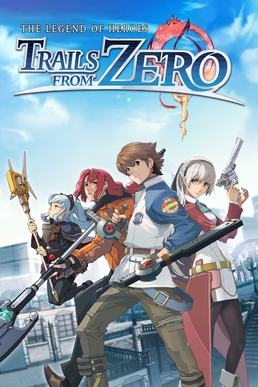
Trails from Zero: Crossbell's first chapter
Trails from Zero (2010): Lloyd Bannings and the Special Support Section, the two-game Crossbell arc that the West waited twelve years to play officially.
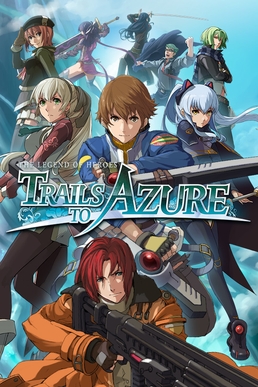
Trails to Azure: Crossbell's conclusion
Trails to Azure (2011): the second and final Crossbell game, save-data imports, a city voting on its own fate, and a finale Cold Steel assumes you have seen.
How the Geofront brought Crossbell West
A fan team named after a sewer district translated two of the largest scripts in gaming, gave them away, and NIS America licensed them. The Geofront, documented.
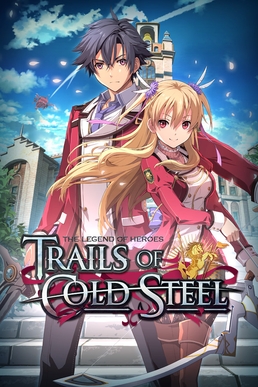
Trails of Cold Steel: the Erebonia arc, in four parts
Trails of Cold Steel I–IV (2013–2018): a military academy, a civil war, a curse, the four-part structure of the Erebonia arc and its place in the saga.
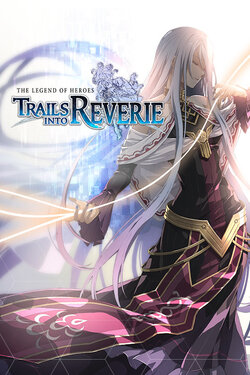
Trails into Reverie: the capstone
Trails into Reverie (2020): three routes, two arcs closed, one door opened, how Falcom's Hajimari no Kiseki works as the hinge of the entire Trails saga.
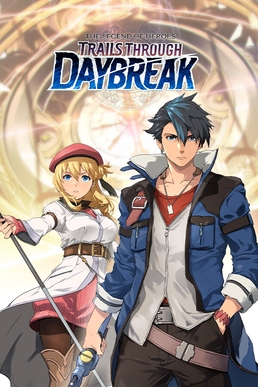
Trails Through Daybreak: the Calvard arc begins
Trails Through Daybreak and Daybreak II (2021–2022): Van Arkride, the spriggan's trade, a hybrid battle system, the second half of the Trails saga opens.
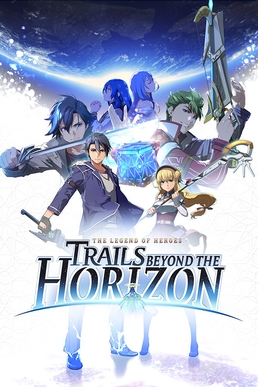
Trails Beyond the Horizon, and the road to the ending
Kai no Kiseki (2024), Trails Beyond the Horizon in English (2026): the Calvard arc's third game, a story Falcom says is 90% told, and a finale set for 2032.
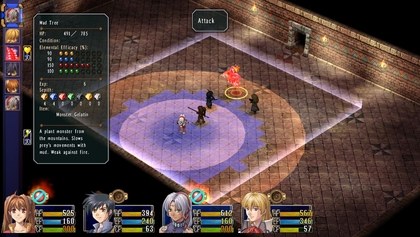
Why are the Trails scripts so big?
1.5 million characters for one game, 716,401 English words for its sequel: the documented numbers behind the Trails series' enormous scripts, and why they happen.
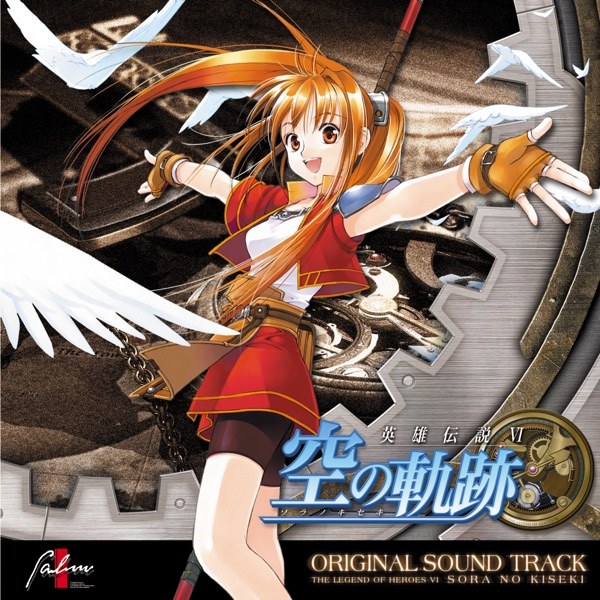
The music of Trails: Falcom Sound Team jdk
One anonymous credit across four decades: Falcom Sound Team jdk, Sonoda, Unisuga, Jindo, Singa, the jdk BAND, and the anonymity tradition behind the Trails scores.

Who publishes Trails in English?
XSEED, NIS America, GungHo, Ghostlight, Clouded Leopard: the full English publishing map of the Trails series, house by house and era by era.
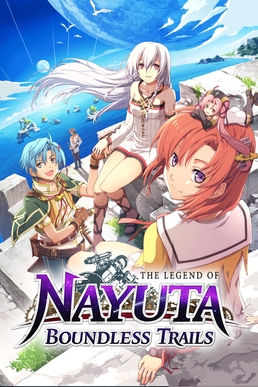
The Legend of Nayuta: Boundless Trails, the spin-off that isn't Zemuria
Nayuta no Kiseki (2012): an action RPG wearing the Trails name, set on a drowned world of falling star fragments, and the series' strangest collecting footnote.
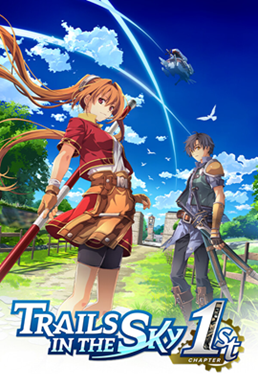
Trails in the Sky 1st Chapter: the remakes, documented
September 19, 2025: Falcom rebuilt its 2004 foundation in full 3D and launched it worldwide on one day. The Sky remakes, 1st Chapter, 2nd Chapter, in full.
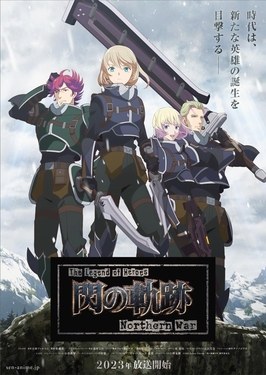
The Trails anime: the Sky OVA and Northern War
Three animated Trails works across thirty years: the 1992 Dragon Slayer OVA, Kinema Citrus' Sky SC OVAs, and Tatsunoko's Northern War series (2023).
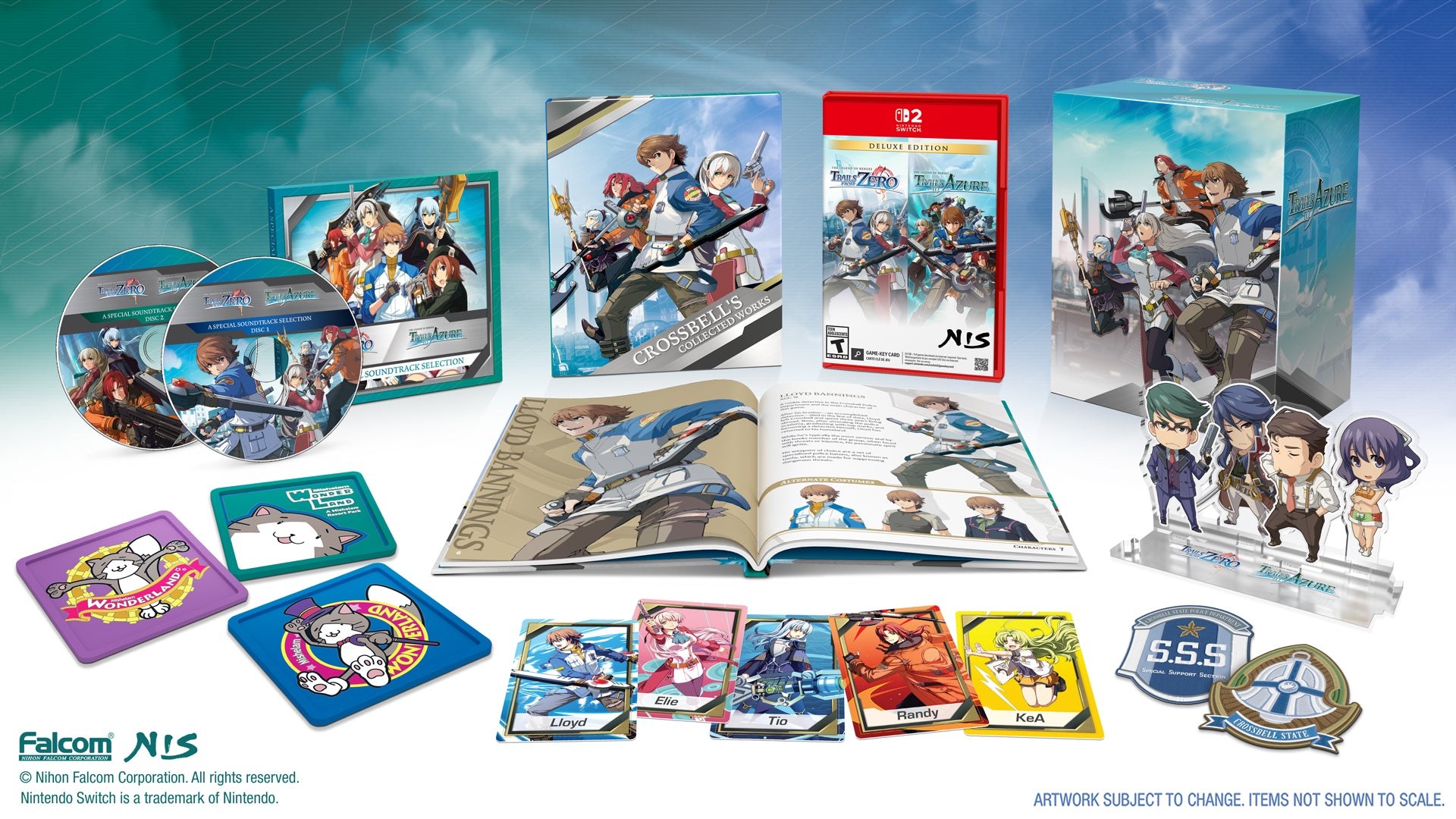
Trails limited editions: a collector's guide
Lionheart boxes, Bracer Editions, drama CDs carrying cut chapters: the Trails series' limited and special editions, Japanese and Western, documented in text.
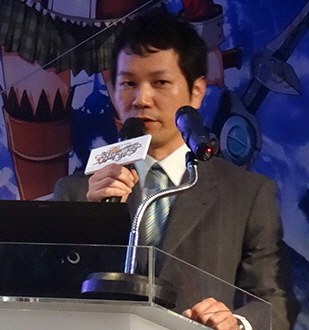
Toshihiro Kondo: the fan who became Falcom's president
He built a fansite for The White Witch, applied for an accounting job, and inherited the company: Toshihiro Kondo and the Trails series he calls his life's work.
TREASURE
10 shelves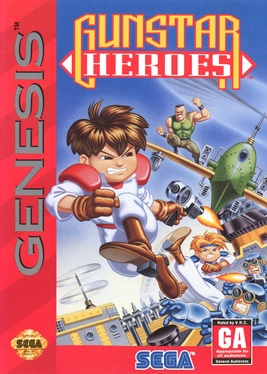
The Treasure Gallery
Gunstar Heroes, Guardian Heroes, Radiant Silvergun, Ikaruga, and Sin and Punishment: the verified art, the honest gaps, and the histories behind them.
The History of Treasure
The Konami staff whose original game was rejected in 1991, who left in 1992, and who had to prove themselves on a McDonald's game first.
The History of Gunstar Heroes
Treasure's 1993 debut: six builders, weapon combinations, Seven Force, and the thirteenth producer who approved the American release.
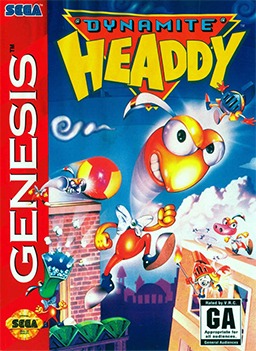
The History of Dynamite Headdy
The 1994 puppet platformer whose American version was made about twice as hard for the rental market, with dialogue removed and sprites changed.
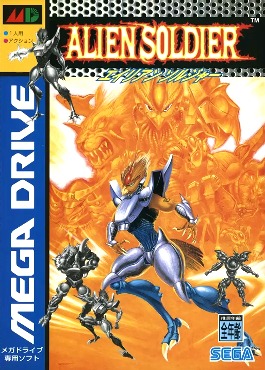
The History of Alien Soldier
Hideyuki Suganami's boss rush for hardcore Mega Drive players: 100 bosses planned, 26 shipped, and no American cartridge at all.
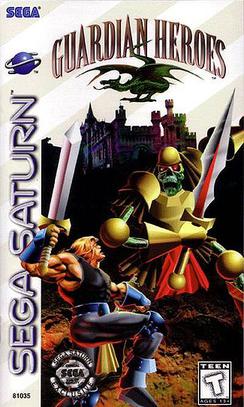
The History of Guardian Heroes
The Saturn fighting RPG with three battle planes, branching paths, a karma meter, and a 2011 remaster rescued from DAT tapes.
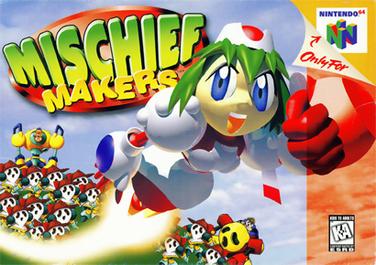
The History of Mischief Makers
Treasure's first Nintendo game and the Nintendo 64's first 2D side-scroller: Marina grabs, shakes, and throws everything on Planet Clancer.
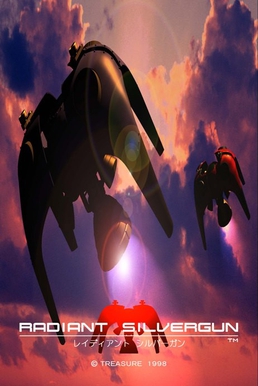
The History of Radiant Silvergun
Hiroshi Iuchi's 1998 Saturn shooter: seven weapons from the first second, color chaining, Hitoshi Sakimoto's score, and no Western release until 2011.
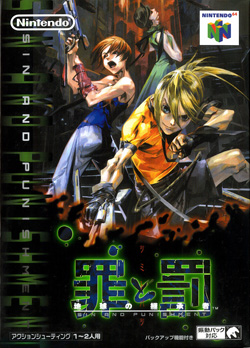
The History of Sin and Punishment
Treasure and Nintendo's 2000 rail shooter, built for the Nintendo 64 controller grip nobody used, Japan only until the Wii Virtual Console in 2007.
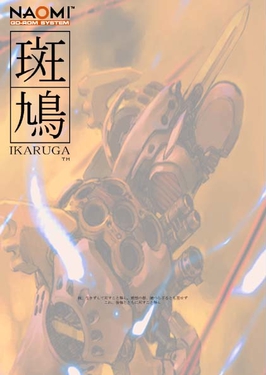
The History of Ikaruga
Project RS2, prototyped at home after hours: the polarity shooter where you absorb the bullets that match you and die to the rest.
TRIGUN
4 shelfs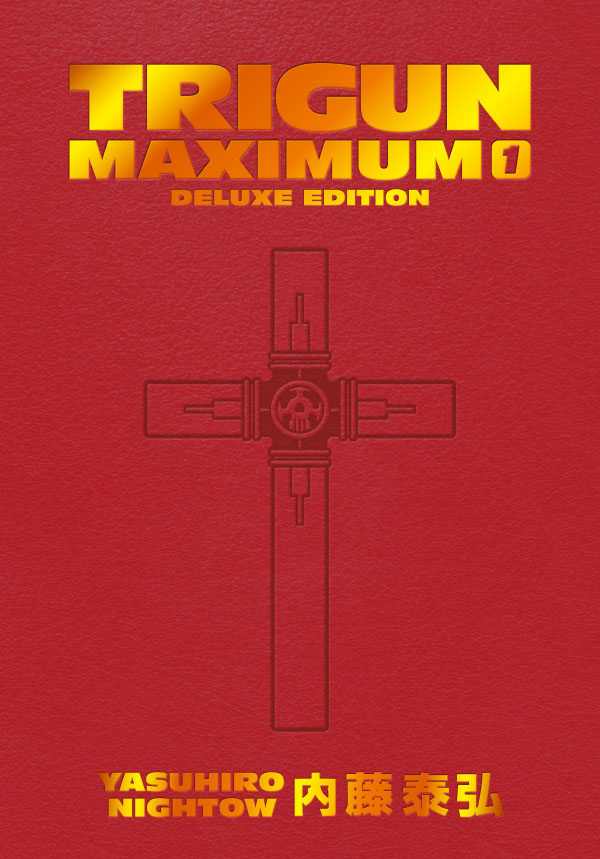
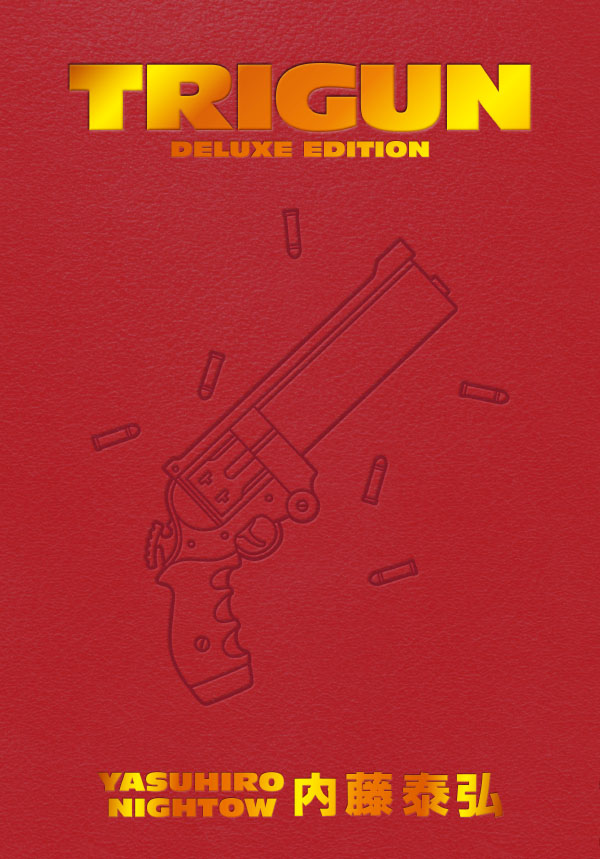
Why did Trigun become Trigun Maximum?
Its magazine ceased publication in 1996. Nightow resumed the same series at Young King OURs, and said the only reason for the new title was the switch of publishing house.
Why does the 1998 Trigun anime end differently from the manga?
It aired in 1998 while the manga was still being written, and the manga ran on in print until 2007. The second half and the ending are the anime's own invention.
What inspired Trigun?
Star Wars and its Tatooine desert, John Woo's gunplay, and a pacifist gunman built against the action movies, in Nightow's own words.
Why did Trigun Stampede reimagine Trigun instead of retracing it?
The producers called the manga and the 1998 anime masterpiece level, so there was no point doing the same thing. Nightow told them to do whatever they liked.
UNREAL TOURNAMENT
5 shelves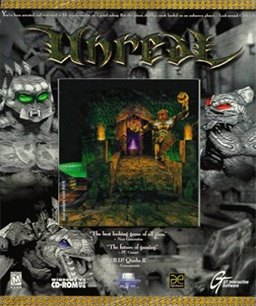
Was the Unreal Engine built for Unreal Tournament?
No: it was built for Unreal (1998). UT was the showcase that turned it into an empire.
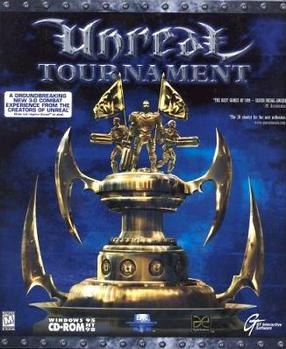
Whatever happened to Unreal Tournament?
The open reboot, the Fortnite silence, and the January 2023 switch-off, in order.
How did Unreal Tournament's mods change gaming?
Tools in the box, a million-dollar contest, and the mods that graduated into Tripwire and Killing Floor.
Why is Facing Worlds the most famous map in Unreal Tournament?
Two towers, one bridge, nowhere to hide: Inoxx's engine test that outplayed every other CTF map combined.
Why does Unreal Tournament use tracker music?
Demoscene composers Brandon and van den Bos shipped the score as tiny tracker files with two names left off the box.