
THE LIBRARY
Collector guides, cover censuses, and edition answers, documented issue by issue. Every page answers one specific question, completely.
RPG: PS2
17 shelfs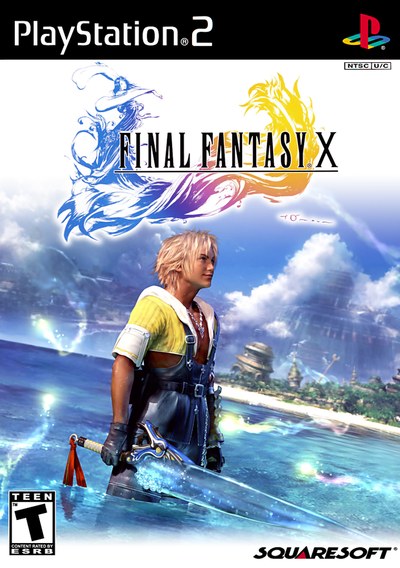
The PS2 RPG Gallery
Sixteen games, cover first: the deepest bench in role-playing history.
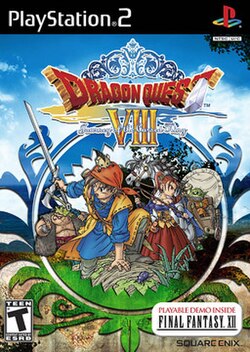
Dragon Quest VIII (2004)
The History: Level-5 rebuilds the tradition, and Japan's biggest PS2 game goes west.
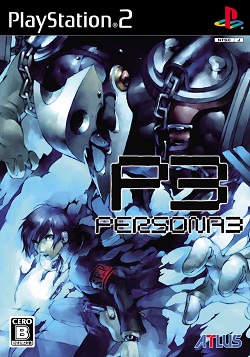
Persona 3 (2006)
The History: the calendar, the Social Links, and the Evokers.
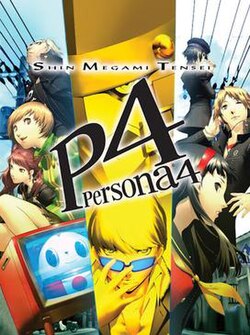
Persona 4 (2008)
The History: a murder mystery, the fog deadline, and a 90 on Metacritic.
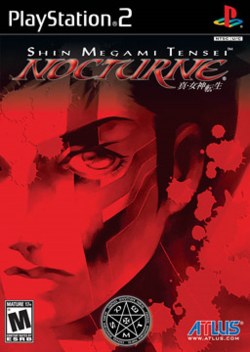
Shin Megami Tensei III: Nocturne (2003)
The History: the Conception, the Press Turn, and the West's first mainline SMT.
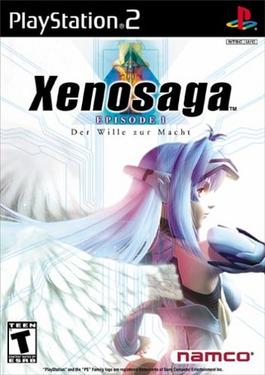
Xenosaga Episode I (2002)
The History: Takahashi's six part plan, cut to three.
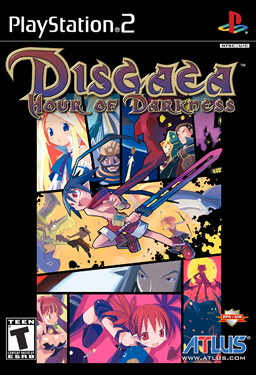
Disgaea: Hour of Darkness (2003)
The History: the bet the company game, and five million Prinnies.
How did Dragon Quest VIII break through in the West?
The name, the localization, the demo disc, and Europe's first entry.
Why is Dante in Nocturne?
A fan on staff, a pitch film to Capcom, and a trade in character designs.
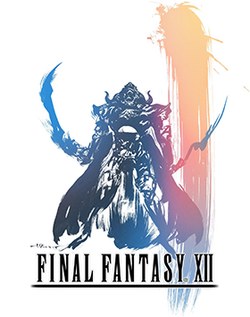
Why did Yasumi Matsuno leave Final Fantasy XII?
The documented health record, and the rumors, labeled as rumors.
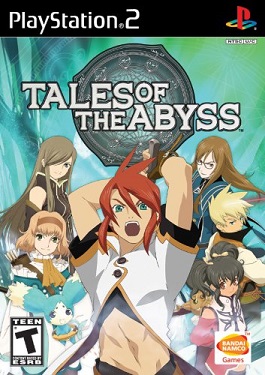
Tales of the Abyss (2005)
The History: the tenth anniversary Tales, Free Run, the Score, and a hero who is a copy.
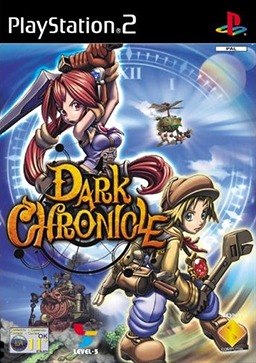
Dark Cloud 2 (2002)
The History: Dark Chronicle in Japan and Europe, Georama, inventions, and GameSpot's best PS2 game of 2003.
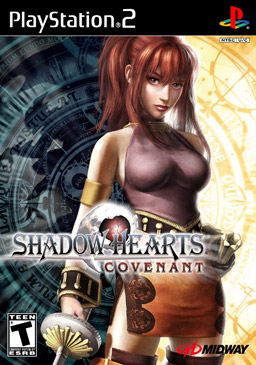
Shadow Hearts: Covenant (2004)
The History: Shadow Hearts II in Japan, the Judgment Ring, and IGN's PS2 RPG of the year.
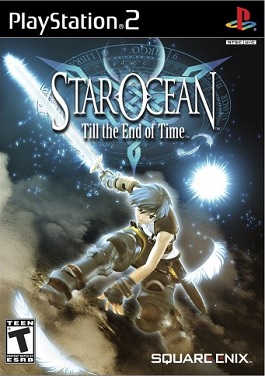
Star Ocean: Till the End of Time (2003)
The History: tri-Ace goes 3D, a buggy launch, the Director's Cut, and the Eternal Sphere.
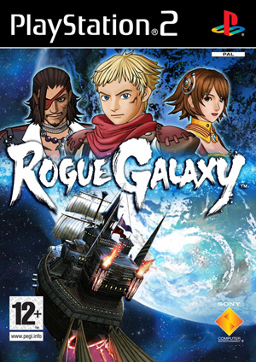
Rogue Galaxy (2005)
The History: Level-5's biggest game, a seamless galaxy, and the expanded version the West received.
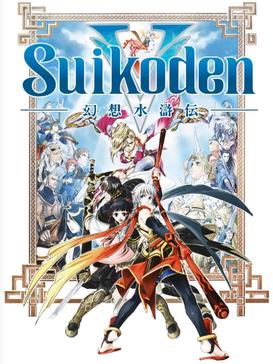
Suikoden V (2006)
The History: 108 Stars, six in the party, and the last classic Suikoden.
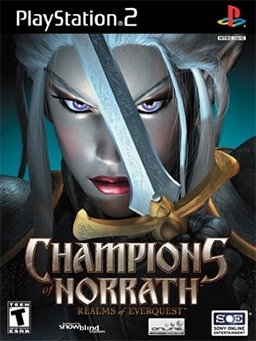
Champions of Norrath (2004)
The History: EverQuest without the subscription, the Dark Alliance engine, and four player co-op.
RPG: SATURN
11 shelfs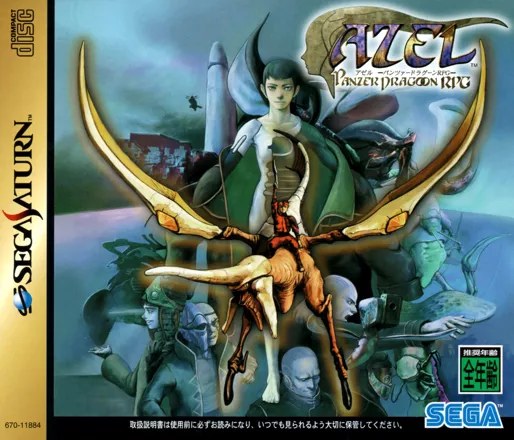
The Saturn RPG Gallery
Six Saturn RPGs and one famous guest: Panzer Dragoon Saga, Shining Force III, Sakura Wars, Dragon Force, Rayearth, Albert Odyssey, and the Saturn's Grandia, covers side by side.
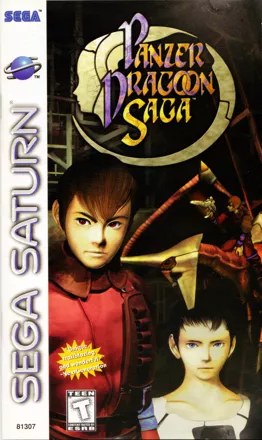
The History of Panzer Dragoon Saga
Team Andromeda's four disc answer to Final Fantasy VII: the making, the morphing dragon, the 92 percent reviews, and the lost source code.
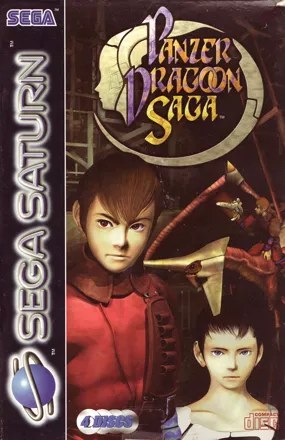
How Many Copies of Panzer Dragoon Saga Were Made?
About 20,000 for North America and around 1,000 for Europe: what the record supports about the scarcity, and what is folklore.
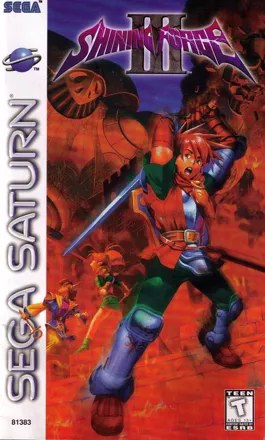
The History of Shining Force III
One war told three times in Japan, once in the West: the three scenarios, the Synchronicity saves, and the Premium Disk, stated precisely.
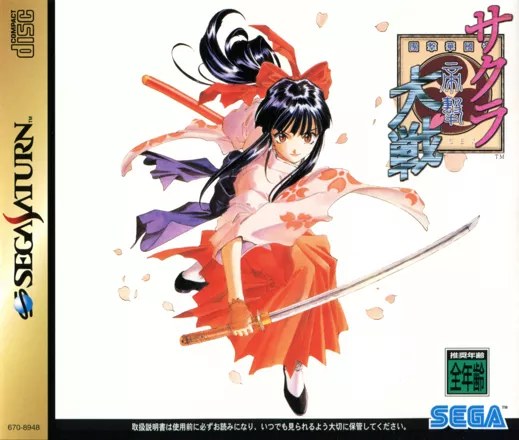
The History of Sakura Wars
Sega's most expensive project of its era: the dramatic adventure, the LIPS system, and the biggest selling original title on the Saturn in Japan.
Why Did Sakura Wars Stay in Japan for So Long?
359,485 copies at home and nothing abroad for fourteen years: the sales record, the two exceptions, and the 2019 turn.
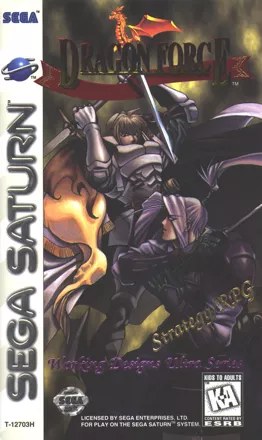
The History of Dragon Force
Eight rulers, two hundred soldiers on one screen, and a working week of ruling between battles: EGM's Saturn game of 1996.
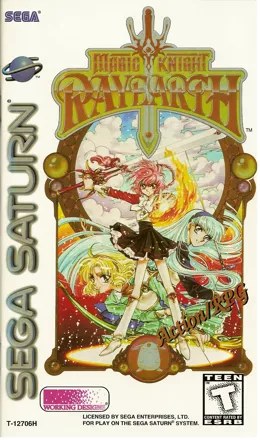
The History of Magic Knight Rayearth
Kodama's first directing job, a localization rebuilt after a hard drive crash, and the last Saturn game released in North America.
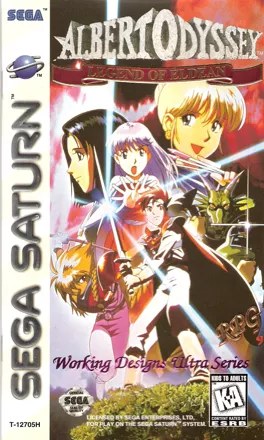
The History of Albert Odyssey: Legend of Eldean
A Super NES game that lost its platform and gained an orchestra: Sunsoft's side story and the era's most divided reviews.
What language are the Panzer Dragoon songs sung in?
Panzerese, a language invented for the series from Ancient Greek, Latin and Russian roots. Saga closes with a full song in it, sung by Eri Ito.
Why is the Sakura Wars theme song so famous in Japan?
Geki! Teikoku Kagekidan: a Super Sentai opening crossed with a 1949 film song, written to put melody back in front of a generation.