
THE LIBRARY
Collector guides, cover censuses, and edition answers, documented issue by issue. Every page answers one specific question, completely.
RPG: SNES
33 shelfs
The SNES RPG Gallery
Seventeen Super Nintendo and Super Famicom role-playing games, cover first, with the Japanese and Western boxes side by side wherever both exist, and the missing Western boxes named as missing.
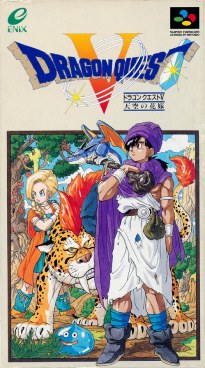
The History of Dragon Quest V
One hero from birth to fatherhood: monster recruitment, the marriage choice, and 1.3 million copies sold in a single day in Japan.
Why does Dragon Quest V span three generations?
Because Horii built a life, not a quest: the father searches, the son answers, and the party spans thirty years.
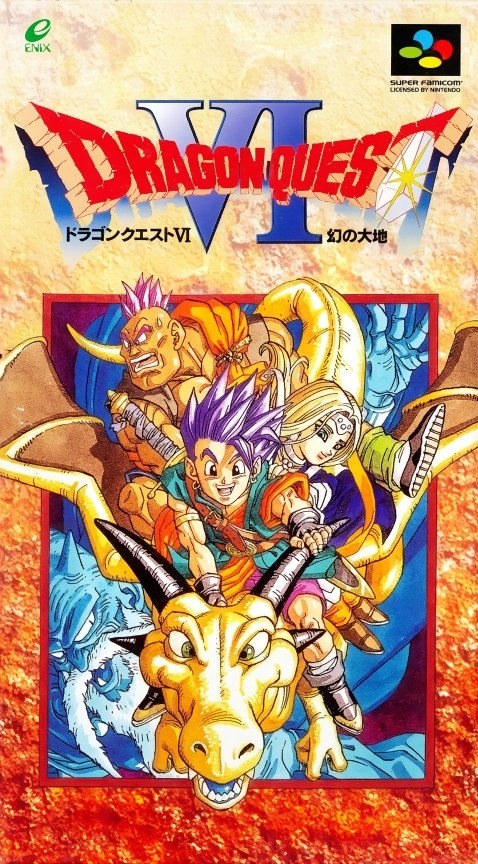
The History of Dragon Quest VI
Heartbeat's first entry in the series, two worlds that explain each other, and the trilogy ending America waited fifteen years to read.
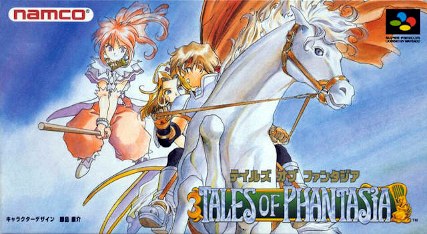
The History of Tales of Phantasia
Wolf Team's singing cartridge: a rejected Enix pitch, a Namco contract, and a staff walkout that founded tri-Ace.
How did Tales of Phantasia fit a sung theme song on a cartridge?
A 48-megabit cartridge, a sound system called Flexible Voice Drive, and Yukari Yoshida singing Yume wa Owaranai.
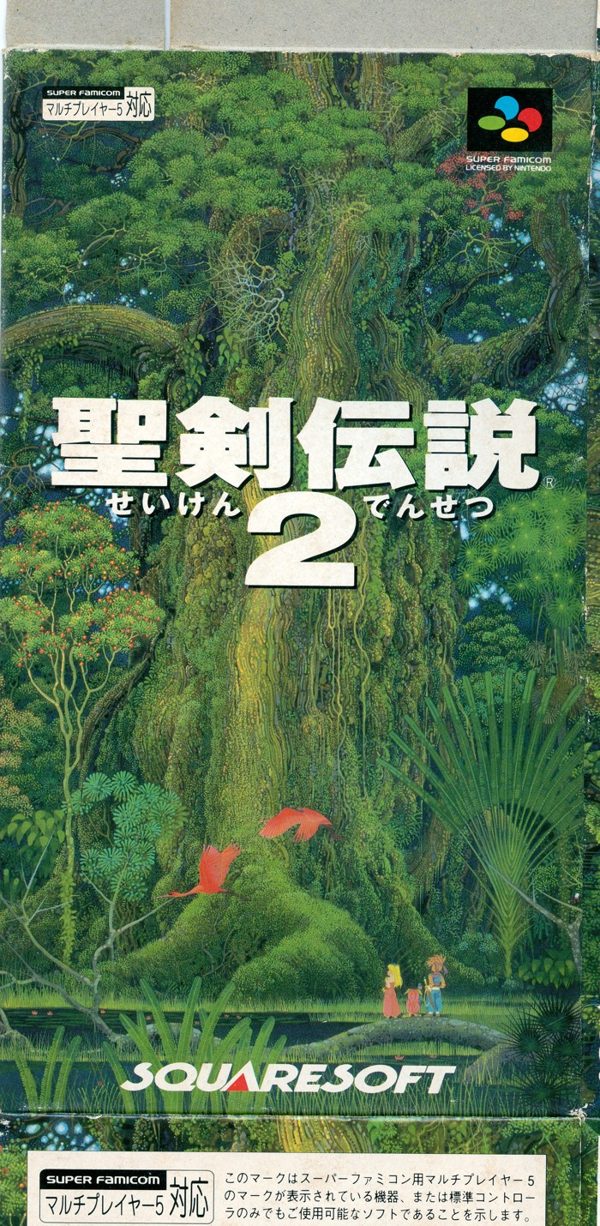
The History of Secret of Mana
The cancelled CD-ROM launch title, the forty percent that was cut, and the three-player action RPG that resulted.
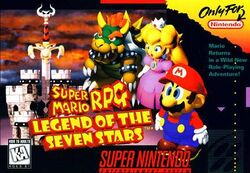
The History of Super Mario RPG
Square and Nintendo's 1996 collaboration: the making, the SA-1 chip, timed action commands, the scores, and the two series it started.
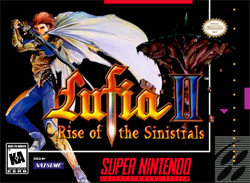
The History of Lufia II
Neverland's prequel built out of puzzles: Maxim's first war against the Sinistrals, the IP skills, the 99-floor Ancient Cave, and the scores.
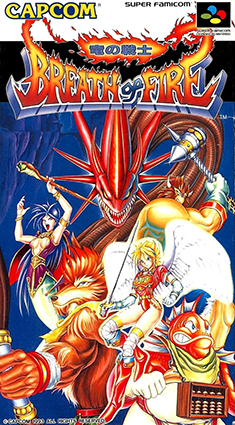
The History of Breath of Fire
Capcom's first traditional RPG: Inafune's characters, the Square Soft American release and Woolsey translation, the scores, and the series it founded.
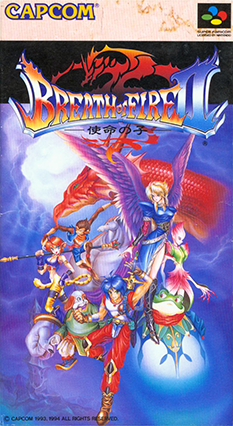
The History of Breath of Fire II
The direct sequel 500 years on: town building, shaman fusions, the church that eats prayers, its famously rough translation, and the scores.
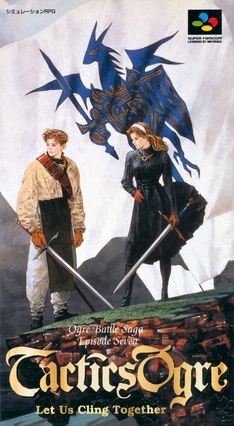
The History of Tactics Ogre
Yasumi Matsuno's branching war story: the making, the massacre choice, the ports that carried it West three years late, the scores, and the legacy.
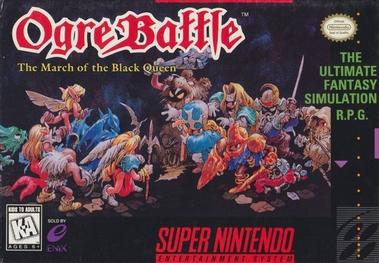
What Inspired Tactics Ogre?
Matsuno on record: the Yugoslav Wars on the evening news, the fall of the Berlin Wall, and Queen, with interpretation labeled Tier 2.
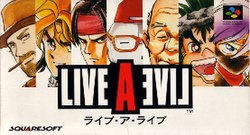
The History of Live A Live
Tokita's seven-era omnibus RPG: seven heroes, seven manga artists, Shimomura's first major score, its Japanese failure, and its worldwide remake.
Why Did Live A Live Take 28 Years to Reach the West?
A 270,000-copy disappointment, a localization chief's on-record doubts, fallen-through revivals, and the HD-2D style that finally unlocked it.
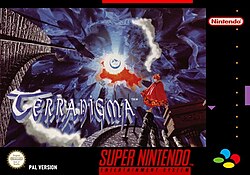
The History of Terranigma
Quintet's resurrection epic: raising the continents, reviving life itself, its Japan and PAL releases, the American release that never happened, and the scores.
Why Was Terranigma Never Released in North America?
Enix closed its US branch before localization finished; Nintendo published it in Europe instead, and the rights tangle that froze it for thirty years.
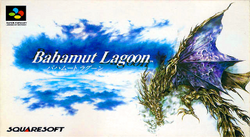
The History of Bahamut Lagoon
Square's newcomer team and its dragons you raise but do not control: the making, the Japan-only release, its fan translations, and the scores.
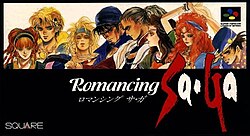
The Squaresoft Japan-Only Gallery
Five Super Famicom games Square never sent West, cover first, with the missing Western boxes named as missing.
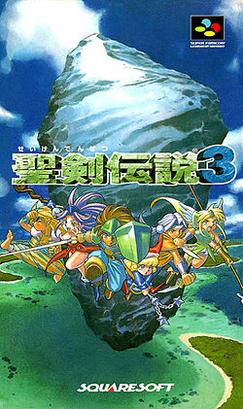
The History of Seiken Densetsu 3
Ishii and Tanaka's six-hero Mana sequel: three heroes chosen from six, light or dark classes, Kikuta's score, and its 2019 arrival as Trials of Mana.
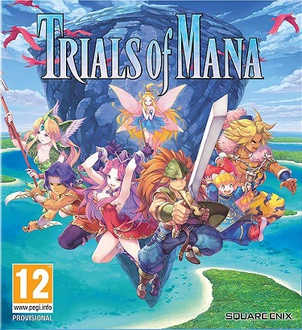
Why Did Seiken Densetsu 3 Take So Long to Reach the West?
Planned in 1995, cancelled in 1996 over bugs, cartridge space, and cost, and released as Trials of Mana just under twenty four years later.
The History of Romancing SaGa
Kawazu's Free Scenario System: eight protagonists, no experience points, a million Japanese copies, and a 2005 remake as its first Western door.
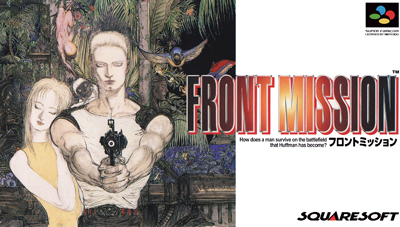
The History of Front Mission
Tsuchida and G-Craft's wanzer tactics game: Square said no robots, Amano drew the cover, and 500,000 Japanese copies followed.

Why Did Front Mission Reach the West Backwards?
The West started at part three in 2000; the wanzer original arrived twelve years late, expanded, on the Nintendo DS.
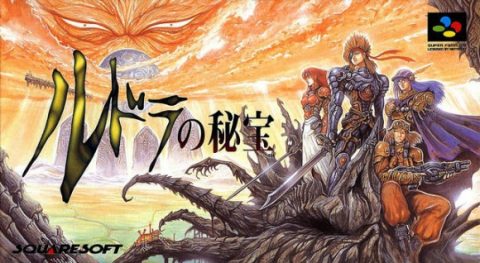
The History of Treasure of the Rudras
Square Osaka's fifteen days before the end of humanity, built around a mantra system in which players write their own spells.
How Does the Mantra System Work in Treasure of the Rudras?
Prefix, elemental core, suffix: the mantra language explained, from learning spells off enemies to the coding problem that blocked translation.
The History of Treasure Hunter G
Sting's first game and Square's last published Super Famicom title: pre-rendered sprites, Action Point tactics, and seven composers.
Which Was Square's Last Super Famicom Game?
The Rudras was the last Square developed; Treasure Hunter G was the last Square published, seven weeks later. Both claims are true.
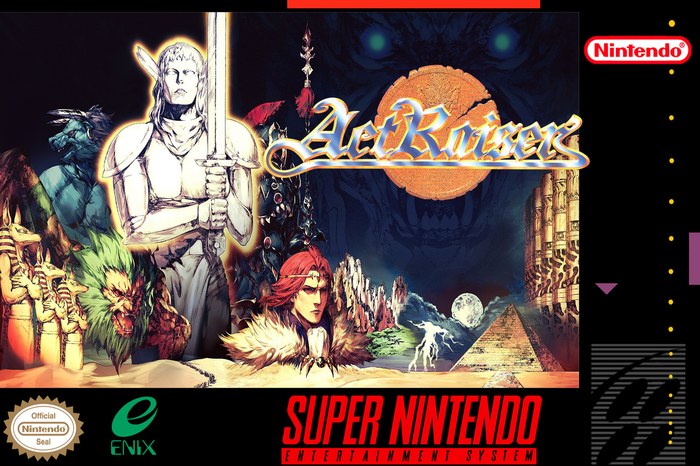
The Quintet Gallery
Quintet, the studio: ActRaiser, Soul Blazer, Illusion of Gaia, Terranigma, and Robotrek, cover first, with the boxes side by side and the histories behind them.
The History of ActRaiser
Quintet's first game: the god simulation and action hybrid, God renamed The Master for the West, Yuzo Koshiro's score, and 620,000 copies.
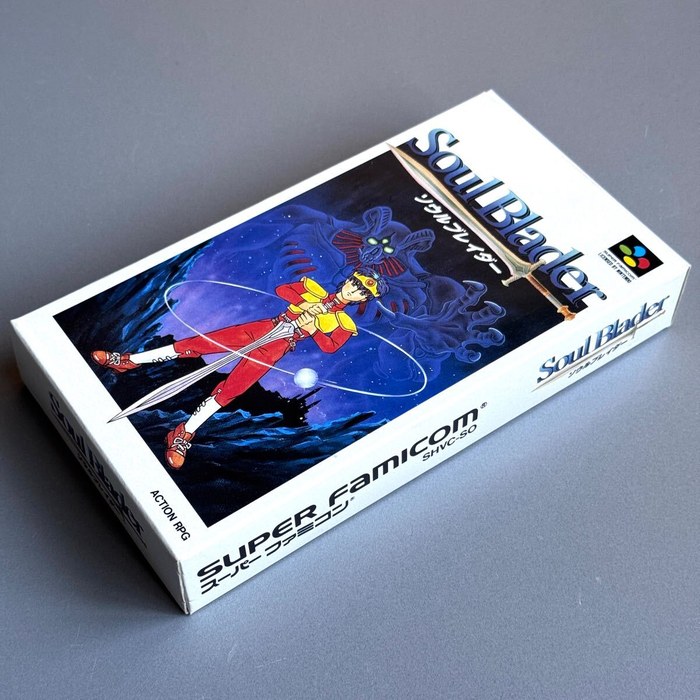
The History of Soul Blazer
Quintet's resurrection system: a king sells his kingdom soul by soul, Lisa and Dr. Leo, the best reviews on the shelf, and no re-release in any form.
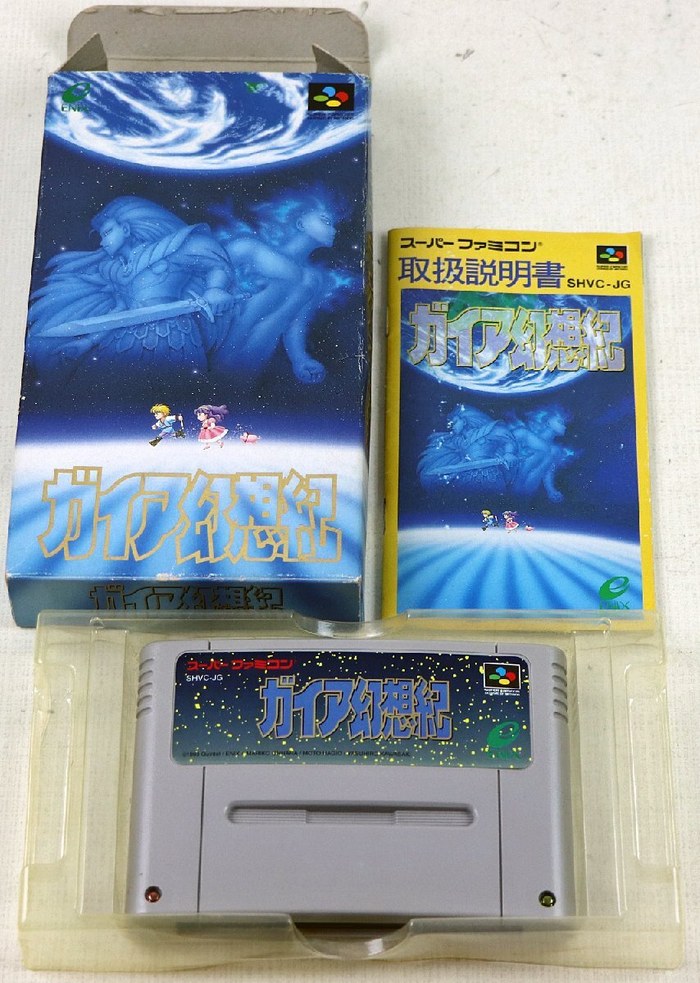
The History of Illusion of Gaia
Moto Hagio draws and Mariko Ohara writes Will's tour of the real world's ruins, Nintendo published in the West, and 650,000 copies, Quintet's biggest sale.
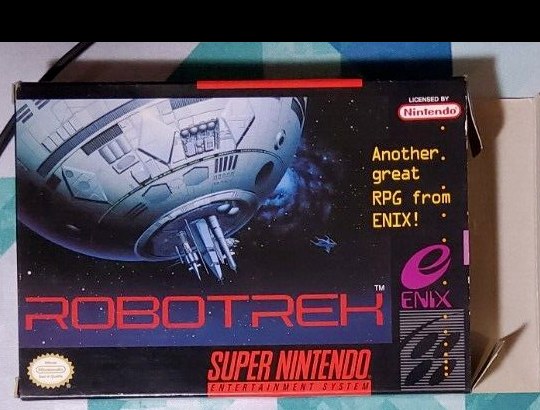
The History of Robotrek
Quintet's comedy RPG: invent three robots and send them out in capsules, Slapstick in Japan, average scores, and only 65,000 copies.
RPG: XBOX
12 shelfs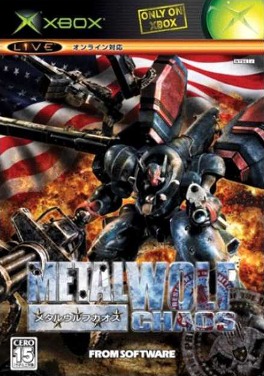
The Xbox RPG Gallery
Morrowind, both Knights of the Old Republic games, Fable, Jade Empire, Dark Alliance, and the two Japan only prints, Shin Megami Tensei: Nine and Metal Wolf Chaos: the verified covers, the honest gaps, and the histories behind them.
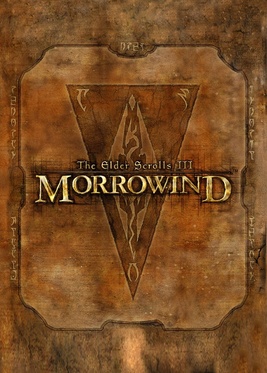
Morrowind (2002)
The History: Bethesda builds one island by hand, ships the Construction Set, and puts a PC epic on the Xbox.
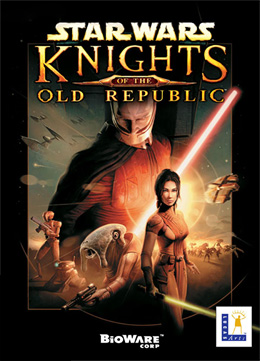
Star Wars: Knights of the Old Republic (2003)
The History: BioWare's first Star Wars RPG, the Revan twist, a 93 on Metacritic, and the road to Mass Effect.
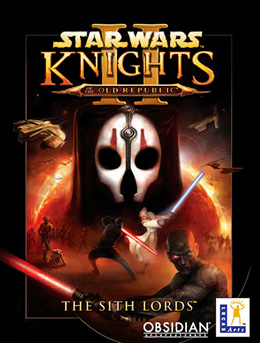
Star Wars Knights of the Old Republic II: The Sith Lords (2004)
The History: Obsidian's first game, Kreia's deconstruction of the Force, and a sequel made in fourteen months.
Why did Knights of the Old Republic II ship with cut content?
A date moved up from 2005 to December 2004, penalties for missing it, a cut planet, and the fan mod that put much of it back.
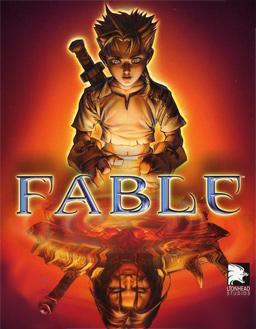
Fable (2004)
The History: Project Ego, Peter Molyneux's promises, a hero whose body keeps the score, and 375,000 copies in a week.
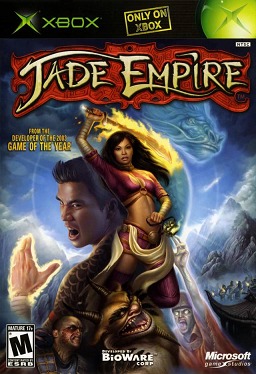
Jade Empire (2005)
The History: BioWare's dream project and first original world, an 89 on Metacritic, and the launch window that sank it.
Why was Jade Empire not an Xbox 360 launch title?
Greg Zeschuk's on record answer: Microsoft's advice to ship at the end of the original Xbox's life, in his words the stupidest thing ever.
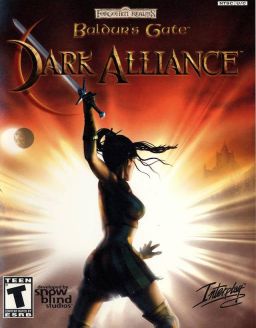
Baldur's Gate: Dark Alliance (2001)
The History: Snowblind's console reinvention of Baldur's Gate, PlayStation 2 first in 2001 and Xbox in 2002, and the engine that powered Champions of Norrath.
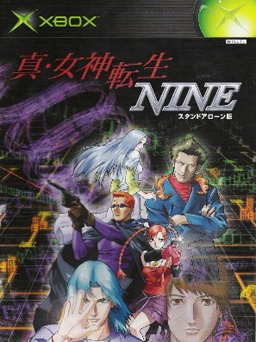
Shin Megami Tensei: Nine (2002)
The History: Atlus's Japan only Xbox RPG, announced as Shin Megami Tensei Online, nine alignments, and a cancelled online half that became Imagine.
Metal Wolf Chaos (2004)
The History: FromSoftware's Japan only mecha game, a president in a mech suit, and English voices recorded for a release that never came.
Why did Metal Wolf Chaos stay in Japan until 2019?
FromSoftware's own 2018 answer, the end of the Xbox's cycle, and the 2016 tweet that brought it back as XD.