
THE LIBRARY
Collector guides, cover censuses, and edition answers, documented issue by issue. Every page answers one specific question, completely.
← Back to MEGA MAN on the Library shelf
MEGA MAN
31 shelfs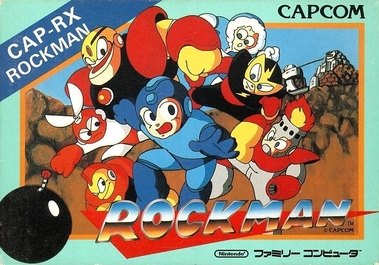
The Mega Man Gallery
The Japanese and American boxes for the classic series side by side, from the 1987 original to Mega Man 11, with their histories and the questions behind them.
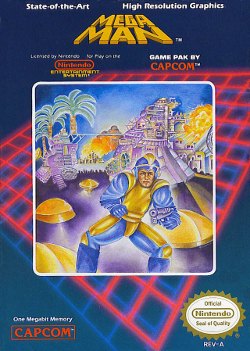
The History of Mega Man
Capcom's six person team invents the template in 1987: Kitamura's concept, Inafune's art, Matsumae's three note score, and a sleeper hit.
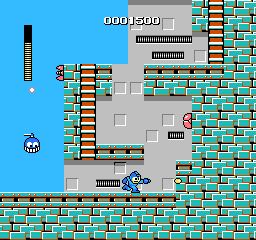
What inspired Mega Man?
Astro Boy, on the artist's own record, plus American comics, Santa Claus and Einstein, and a Famicom palette with more blues than anything else.
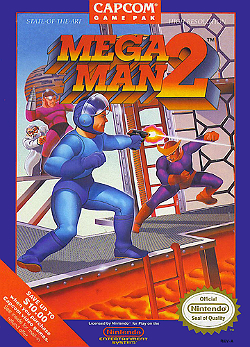
The History of Mega Man 2
The sequel Capcom never ordered, built in the team's own time in three to four months, with 8,370 fan boss designs and Tateishi's soundtrack.
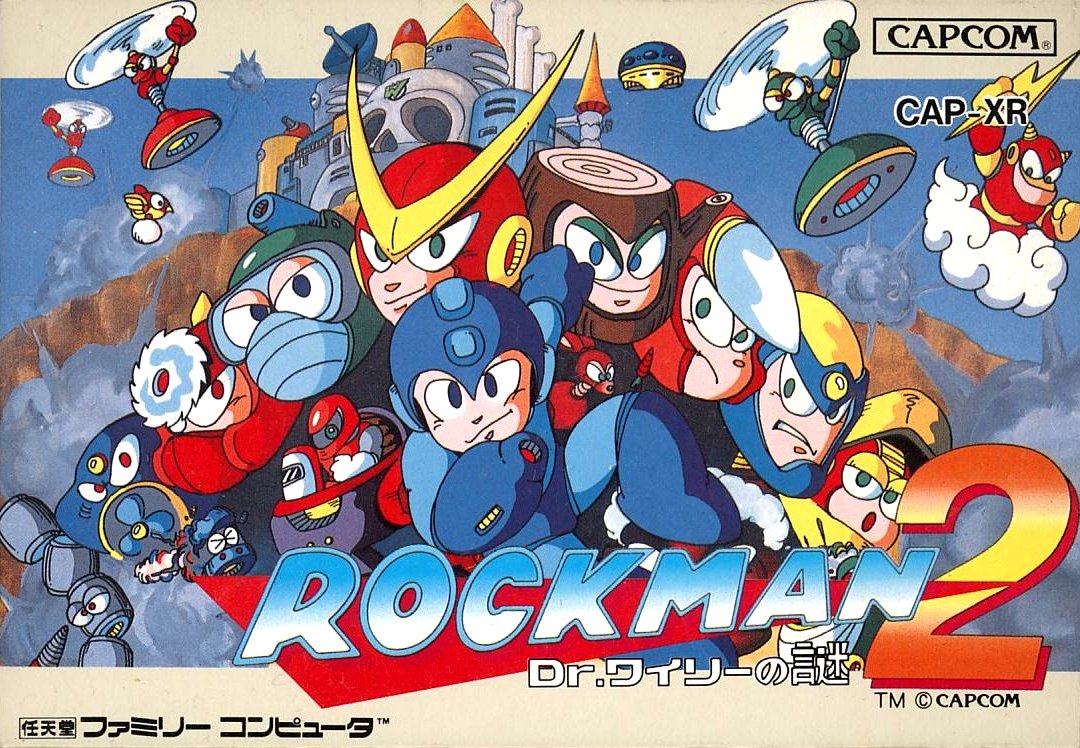
Why was Mega Man 2 the best-selling Mega Man game for thirty years?
1.51 million copies from an unauthorized side project that fixed every complaint on the list, until Mega Man 11 finally passed it.
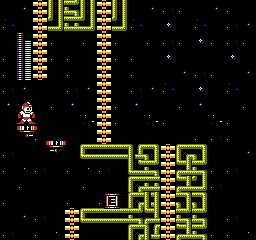
Why is Mega Man 2's Dr. Wily theme so famous?
Takashi Tateishi built it from eight measures repeated under data limits, and the rankings canonized the compromise.
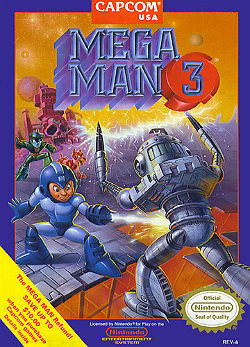
The History of Mega Man 3
Rush, the slide, and a brother named Blues, shipped in September before it was ready, over Inafune's on record protest.
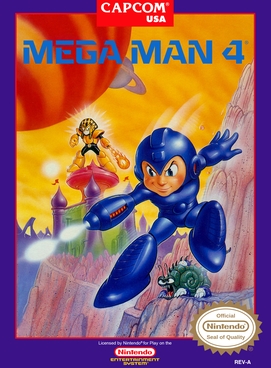
The History of Mega Man 4
Dr. Cossack, the charge shot, 70,000 contest drawings, and the eight golden cartridges that are now among the rarest objects in the hobby.
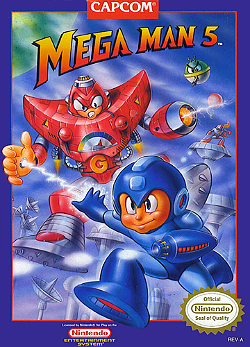
The History of Mega Man 5
Proto Man framed by an impostor, the Nintendo Power contest's 130,000 submissions, and Beat, the bird held over from Mega Man 3.
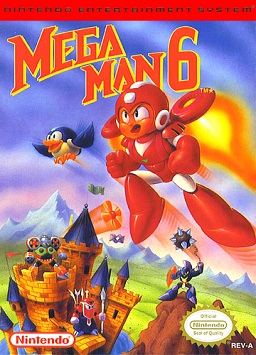
The History of Mega Man 6
The last NES entry, published in America by Nintendo after Capcom passed, with two Robot Masters designed by North American fans.
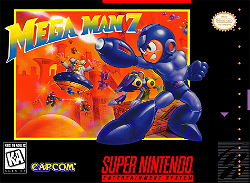
The History of Mega Man 7
Three months, 220,000 contest drawings, a rival named Bass, a versus mode built in two days, and an ending America and Japan wrote differently.
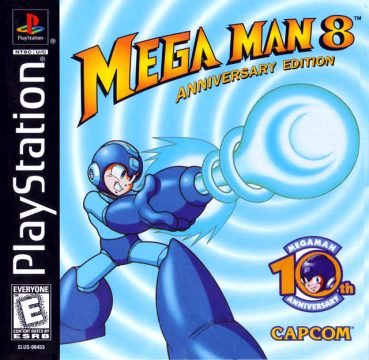
The History of Mega Man 8
The tenth anniversary game: anime cutscenes, Duo and the Evil Energy, and the Saturn version that kept the extra bosses and songs.
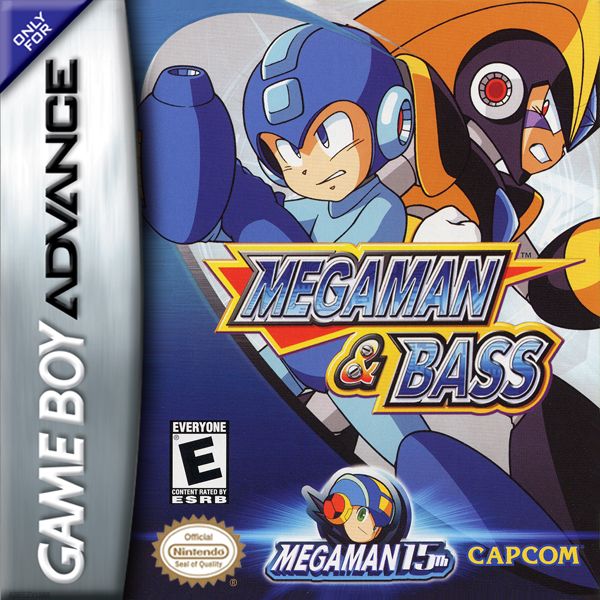
The History of Mega Man & Bass
Rockman & Forte, the Mega Man 8.5 built for Super Famicom players in 1998, King's robot rebellion, and the 100 CD database.
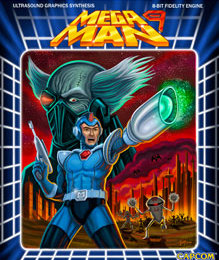
The History of Mega Man 9
The 2008 download revival: an engine that simulates an NES, Splash Woman, and fake box art embracing the worst cover in the medium.
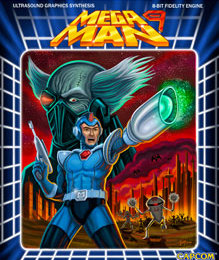
Why did Mega Man 9 go back to 8-bit?
Capcom's management wanted 3D. The team wanted to surpass Mega Man 2, and called the result the new Mega Man 3.
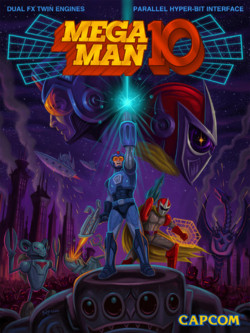
The History of Mega Man 10
Roboenza, the Easy Mode answer to Mega Man 9, and a soundtrack written by the returning composers of the first seven games.
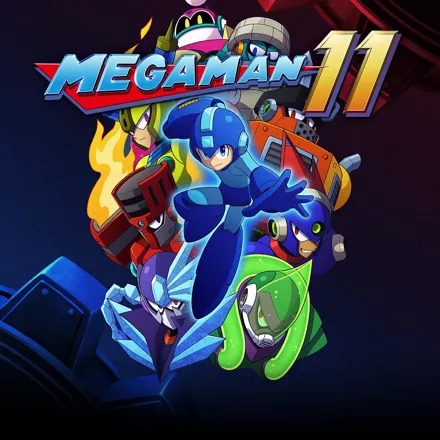
The History of Mega Man 11
The Double Gear, the 30th anniversary return, and the sales that finally passed Mega Man 2 to become the franchise record.
Why did Mega Man 11 take eight years?
Inafune left Capcom in 2010, and nobody would step up and become the new Mega Man guy, until Koji Oda did.
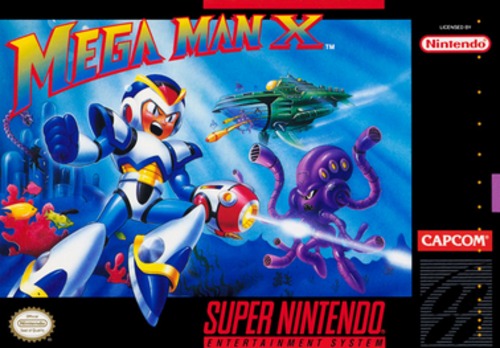
The History of Mega Man X
Capcom's 1993 reinvention: the mature storyline, the armor capsules, Zero's origin as the intended hero, and the 1.165 million selling Super NES flagship.
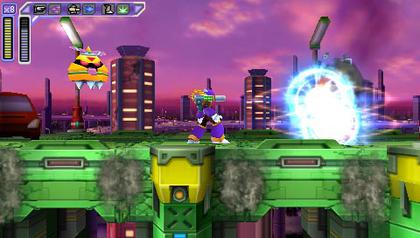
Why does Mega Man X open with an unbeatable boss fight?
Vile cannot be beaten in the opening, and the game states why in dialogue: X has not reached full power yet, and the armor system is the promise made playable.
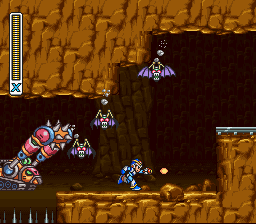
What inspired Mega Man X?
Inafune's redesign that became Zero, Kaji and the Super NES palette, and armor parts borrowed from the RPG boom, all on the designers' record.
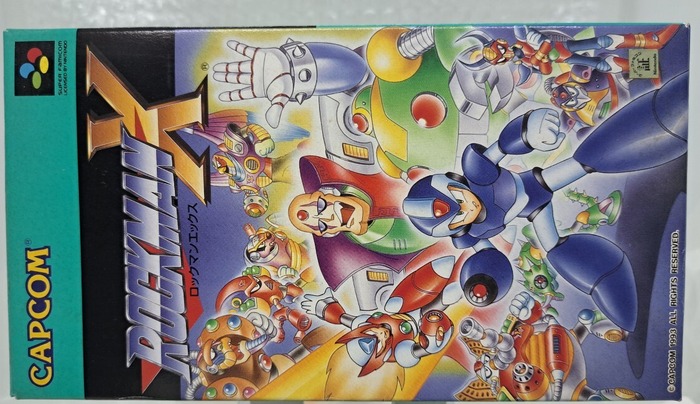
Who wrote the music for Mega Man X?
Setsuo Yamamoto wrote the vast majority alone. Four colleagues rescued one or two tracks each, and two of them went on to lead X2 and X4.
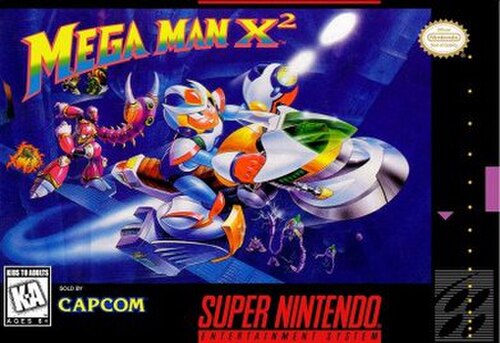
The History of Mega Man X2
The X-Hunters ransom Zero's body parts, the Cx4 wireframe chip, Yuki Iwai's score, and the sequel reviewers called improved in almost every way.
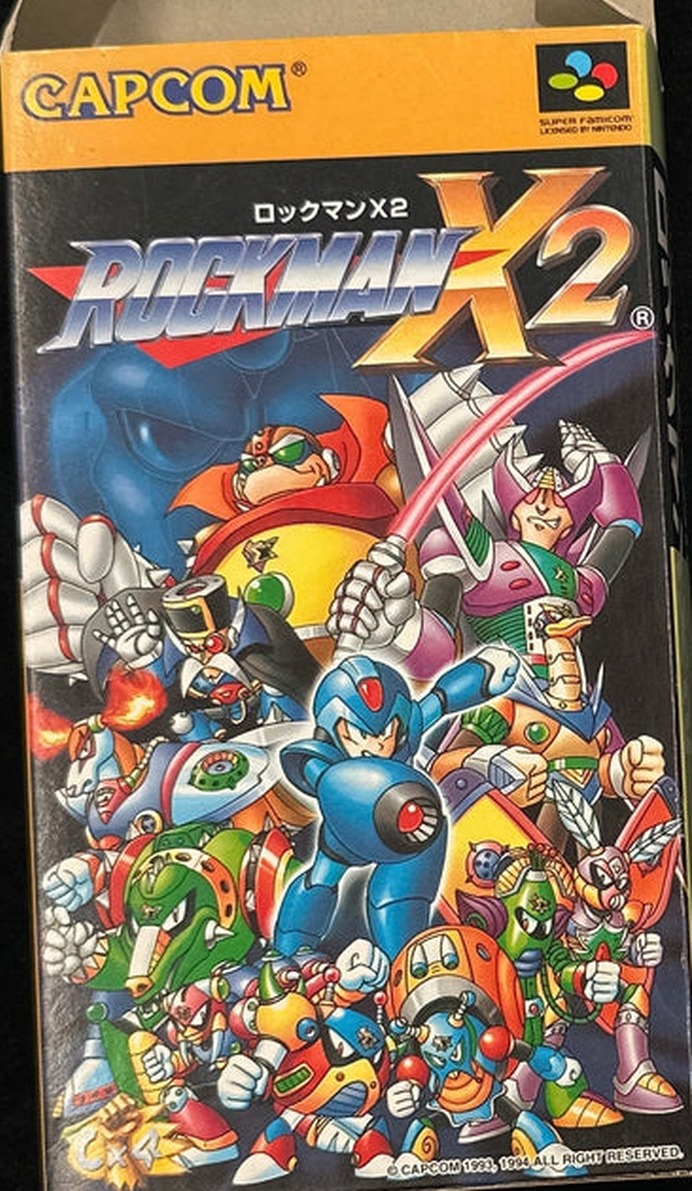
Why does Zero keep dying and coming back?
His designer called keeping him dead a shame, built a sequel around his ransomed parts, and planned his final death for a finale that moved.
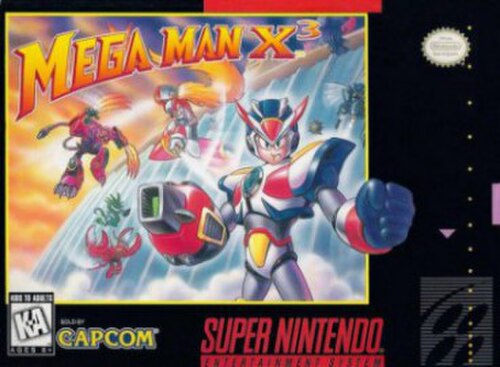
The History of Mega Man X3
The first playable Zero, an outsourced production Inafune called psychological turmoil, and the 32 bit editions North America never received.
