THE LIBRARY
Collector guides, cover censuses, and edition answers, documented issue by issue. Every page answers one specific question, completely.
KARTIA
12 shelves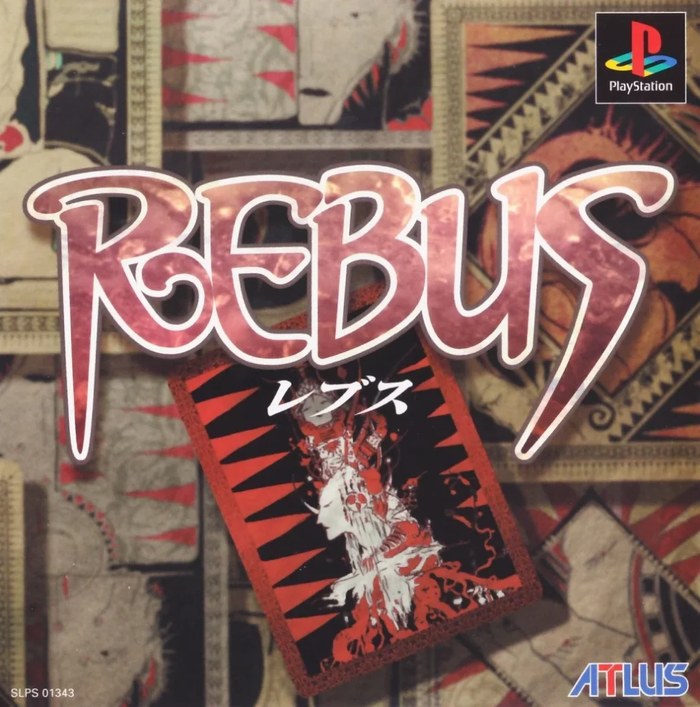
The Kartia Gallery
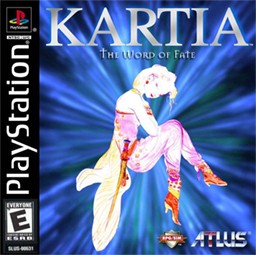
Kartia's two 1998 covers side by side, the Japanese Rebus box and the American Kartia: The Word of Fate box, plus every edition of Atlus's written-word strategy RPG.
The History of Kartia
How Atlus's Megami Tensei studio built Kartia in 1998, launched it through Blockbuster in America, and never followed it up: no sequel, one Japan-only re-release.
Why Is It Called Rebus in Japan and Kartia in the West?
Kartia has three names: Rebus in Japan, Kartia: The Word of Fate in America, Legend of Kartia in Europe. Each title points at a different part of the same game.
How Do Kartia Cards Work?
Kartia's whole game is written words: combine single characters into texts to forge weapons, cast spells, and summon Phantoms, in a world with no shops at all.
Who Are Toxa and Lacryma, Kartia's Two Heroes?
Kartia tells one story twice: eighteen chapters for the free knight Toxa, eighteen for the shrine warrior Lacryma, and only both together explain the whole plot.
Who Did the Art for Kartia?
Yoshitaka Amano designed Kartia's characters, and on the PlayStation his paintings finally lived inside the game: portraits, covers, and the soundtrack jacket.
Are Kartia's Covers the Same in Japan and America?
No: Japan's Rebus box is a collage of magic cards and America's Kartia box is a lone heroine, but both covers are Yoshitaka Amano art. The pair, side by side.
Where Does Kartia Fit in the Strategy RPG Boom?
Kartia arrived in the middle of the 1998 strategy RPG pile-up, weeks from Tactics Ogre and months from Final Fantasy Tactics, and was judged in their shadow.
How Was Kartia Received?
Kartia's 1998 reviews agreed on the game's shape: praised for art, music, and ideas, faulted for fiddly battles. A 31 from Famitsu, a 75 percent average in the West.
Why Is Kartia Forgotten?
Kartia sold, reviewed respectably, and vanished anyway: a rental-first launch, two giant rivals on its own publisher's shelf, no sequel, a Japan-only re-release.
What Strategy Guides Does Kartia Have?
Kartia got two official Japanese books from Atlus's own publishing arm, an official guide and a setting collection, plus Prima's American guide for both storylines.
Collecting Kartia
Kartia's collectible map: the Japanese Rebus original and Best editions, the American foil and Blockbuster rental variants, the PAL Legend of Kartia, dated prices.
KATSUYA TERADA
12 shelvesWho is Katsuya Terada?
The Doodle King: illustrator of the Zelda guidebooks, designer of Saya in Blood: The Last Vampire, and an artist who simply never stops drawing.
Who drew the old Zelda guidebook art?
Those painterly, dangerous-looking illustrations in the A Link to the Past and Link's Awakening guides were drawn by Katsuya Terada.
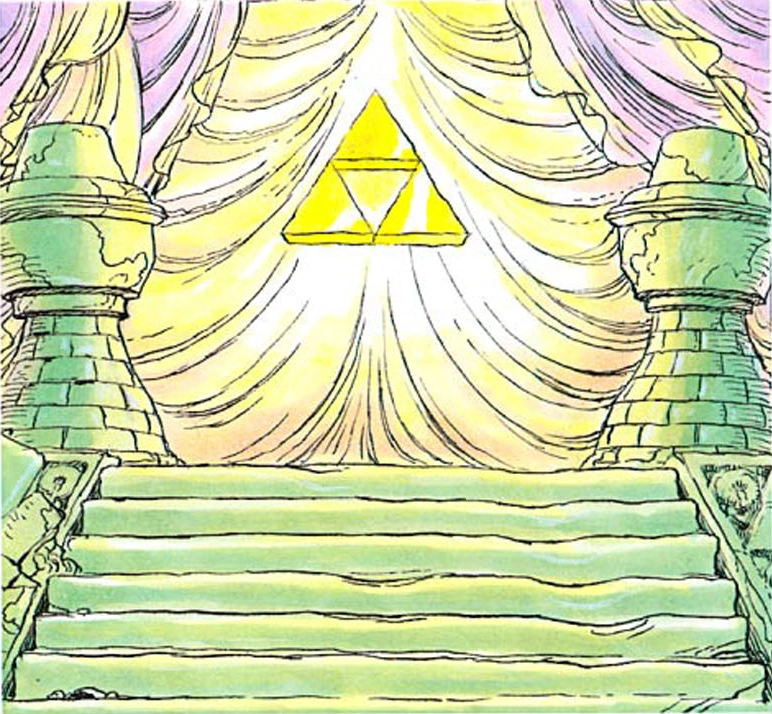
Katsuya Terada's Zelda illustrations
Promotional art for four Zelda games, player's guides in two languages, and a secret: the man who drew Hyrule had never played it.
What is Katsuya Terada's The Monkey King?
Terada's full-color Journey to the West: a savage Monkey King, a nun on pilgrimage, and the manga that took him into English in 2005.
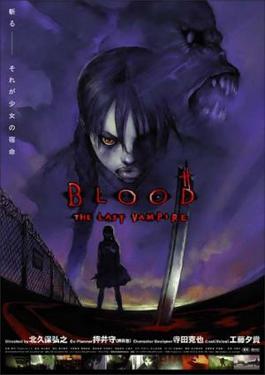
Who designed the characters in Blood: The Last Vampire?
Saya's heavy, haunted look came from an illustrator, not an anime designer: Katsuya Terada, hired by name for Production I.G's 2000 film.
Who drew the Detective Jinguji Saburo covers?
Data East's hard-boiled detective has worn the same face for decades because one artist drew him: Katsuya Terada, its designer and cover artist.
What is Rakuda Laughs?
A trigger-happy yakuza new father, one corpse too many, and Terada drawing crime with a grin: Rakuda Ga Warau, in English as Rakuda Laughs!
What is RakugaKing?
Part nickname, part book: RakugaKing is Terada's doodle philosophy made physical, over 1,000 pages of sketchbook in a slipcase.
What is Terada Katsuya Zenbu?
Zenbu means everything: Kodansha's 1999 complete-works volume, Terada's first art book, and the shelf of books that followed it.
Katsuya Terada Real Size
One black marker, no rough drafts, printed at actual size: PIE International's 2019 hardcover of Terada's exhibition marker art.
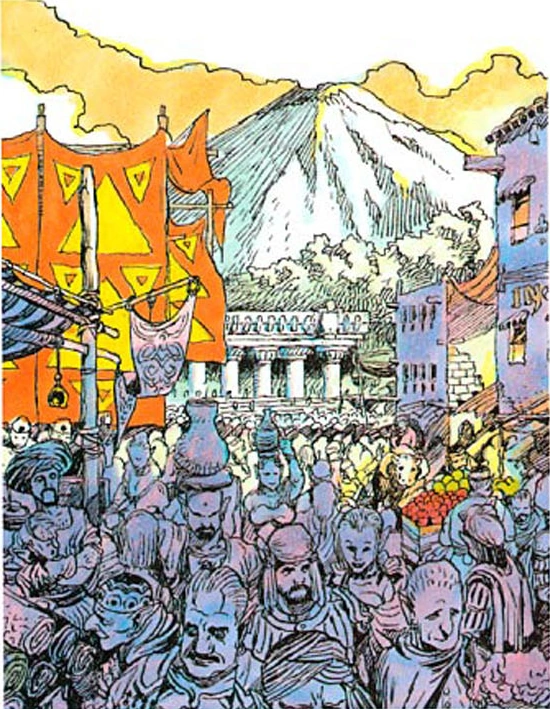
How does Katsuya Terada draw?
Markers, brush pens, an early bet on digital painting, and no rough drafts: the tools and method behind the Doodle King's line.
What is a Katsuya Terada live drawing?
No sketch, no plan, hours of ink appearing line by line in front of an audience: inside the live-drawing performances Terada is famous for.
KAWAJIRI
13 shelves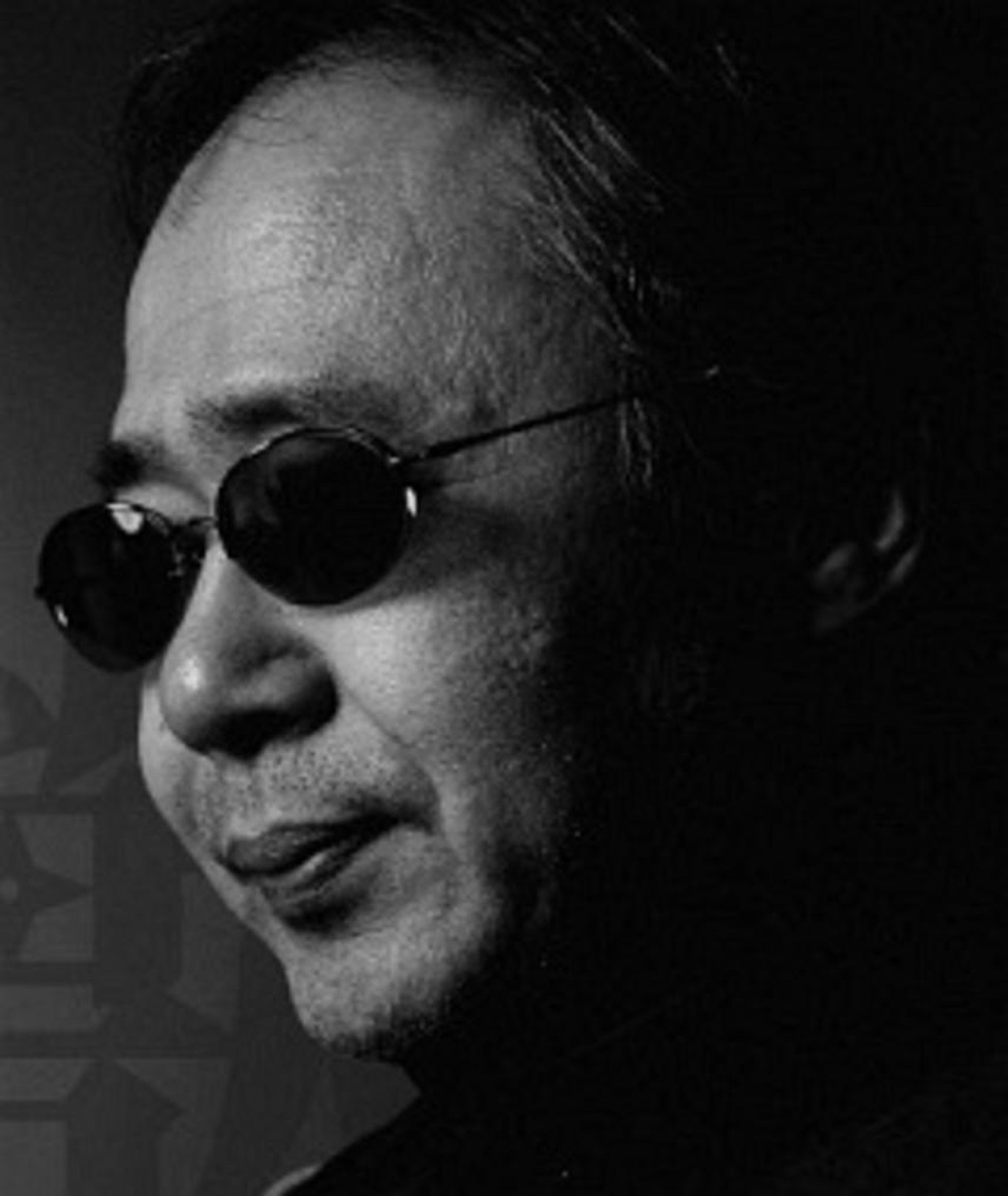
Who Is Yoshiaki Kawajiri?
Yoshiaki Kawajiri: the Madhouse co-founder who directed Wicked City, Ninja Scroll and Vampire Hunter D: Bloodlust, and gave the West its darkest anime.
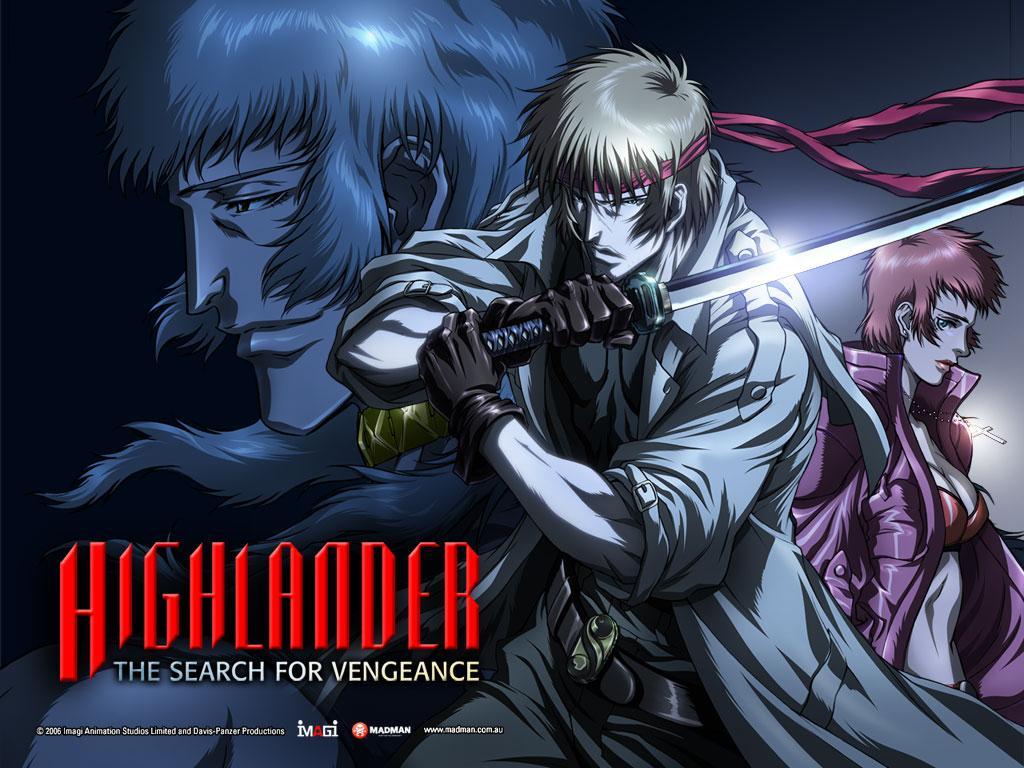
The Films of Yoshiaki Kawajiri
The Kawajiri shelf: Wicked City, Demon City Shinjuku, Ninja Scroll and Vampire Hunter D: Bloodlust, the four films that built the Western rental canon.
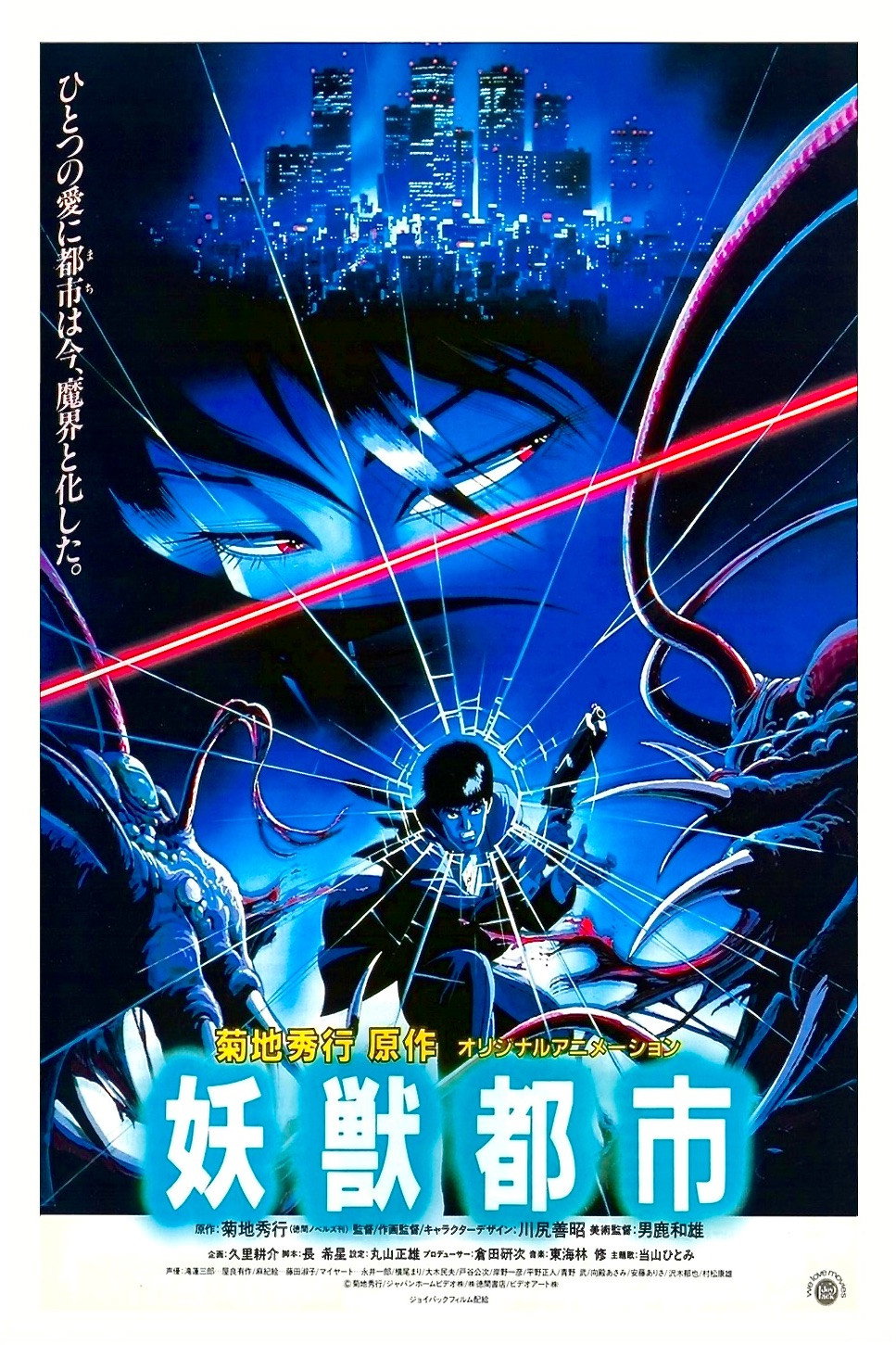
What Is Wicked City?
Wicked City (1987): Kawajiri’s solo directorial debut, from Hideyuki Kikuchi’s novel Black Guard. A 35-minute commission that grew into a feature.
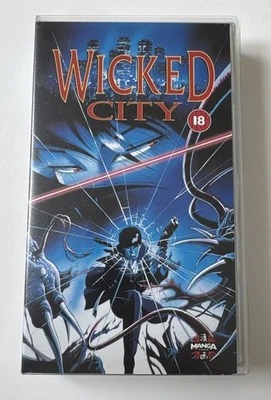
Why Was Wicked City Cut in Britain?
Britain got a different Wicked City: a Manga UK dub of its own and about 1 minute 48 seconds removed by the BBFC. Discotek’s editions reunite both dubs, uncut.
What Is Demon City Shinjuku?
Demon City Shinjuku (1988): Kawajiri’s second Kikuchi adaptation. A ruined Shinjuku, a swordsman’s son, and the OVA Britain renamed Monster City.
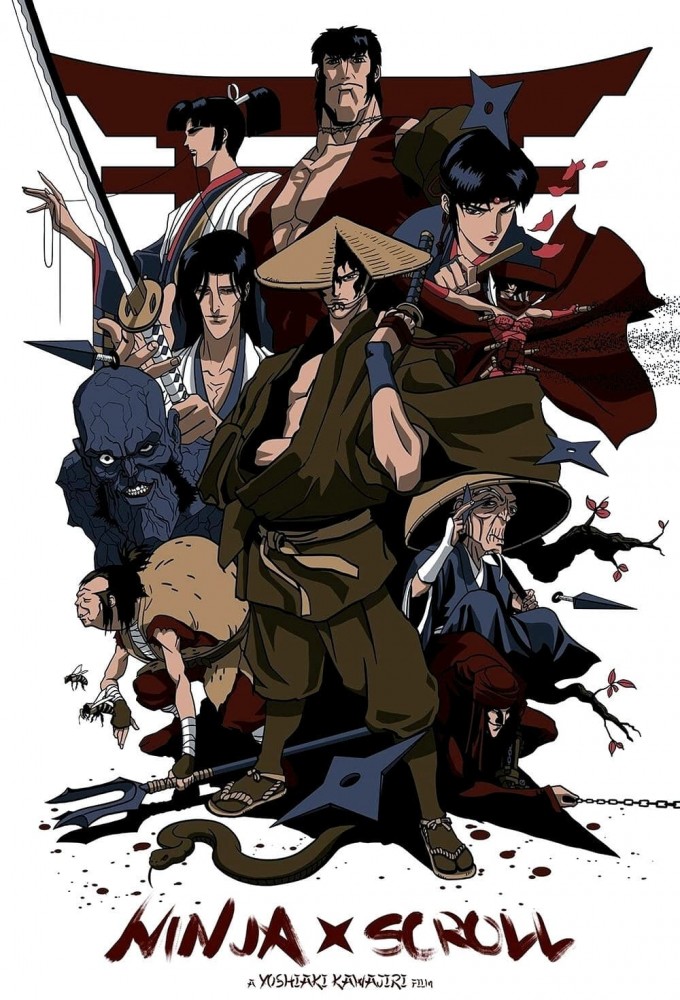
How Was Ninja Scroll Made?
Ninja Scroll (1993): written, designed and directed by Yoshiaki Kawajiri at Madhouse, from Futaro Yamada homage to Yubari prize winner, quiet in Japan.
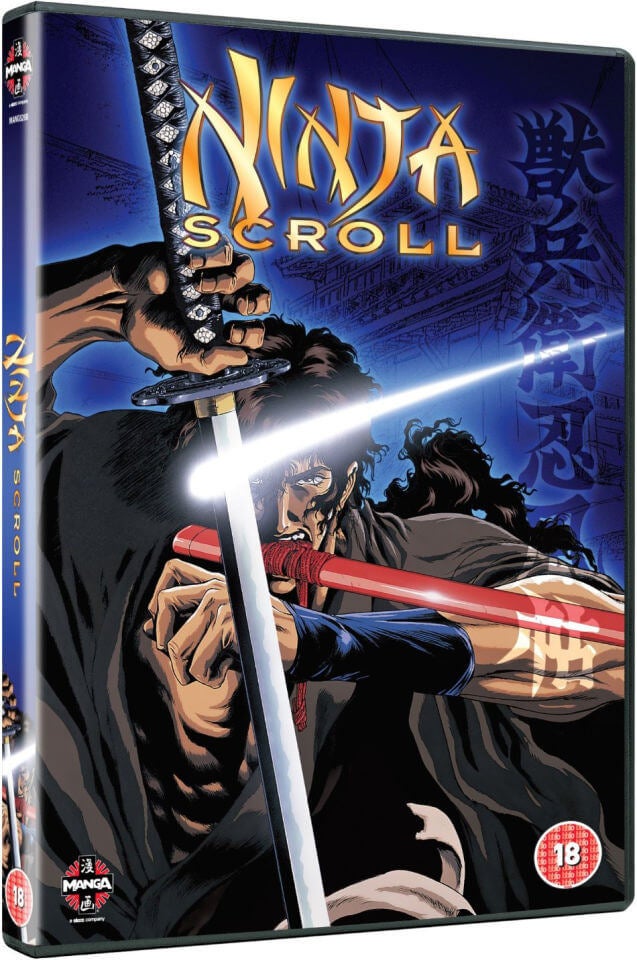
Why Did Ninja Scroll Become a Hit in the West?
Ninja Scroll sold 70,000 North American tapes by May 1996 and a million DVDs after: how Manga Entertainment and the video store made it the rental canon.
Who Are the Eight Devils of Kimon?
The Eight Devils of Kimon, profiled: Gemma, Tessai, Benisato, Shijima, Yurimaru, Zakuro, Mushizo and Utsutsu, plus Jubei, Kagero and Dakuan.
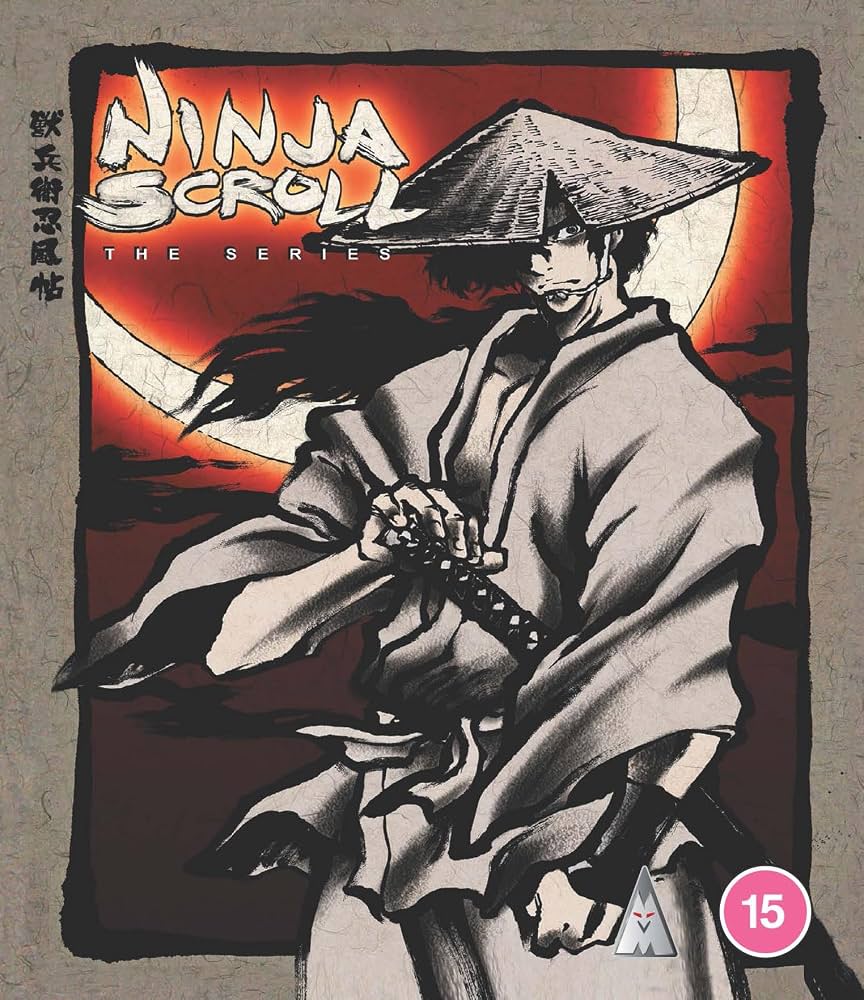
Will There Ever Be a Ninja Scroll 2?
As of 2026: no sequel film exists. Kawajiri finished a script in 2013, financing never came, and in June 2026 Kasagi Labo announced a new project.
Was Ninja Scroll Censored?
In Britain, yes: the BBFC removed about 52 seconds in 1995, restored in 2004. The Japanese and American releases were never cut.
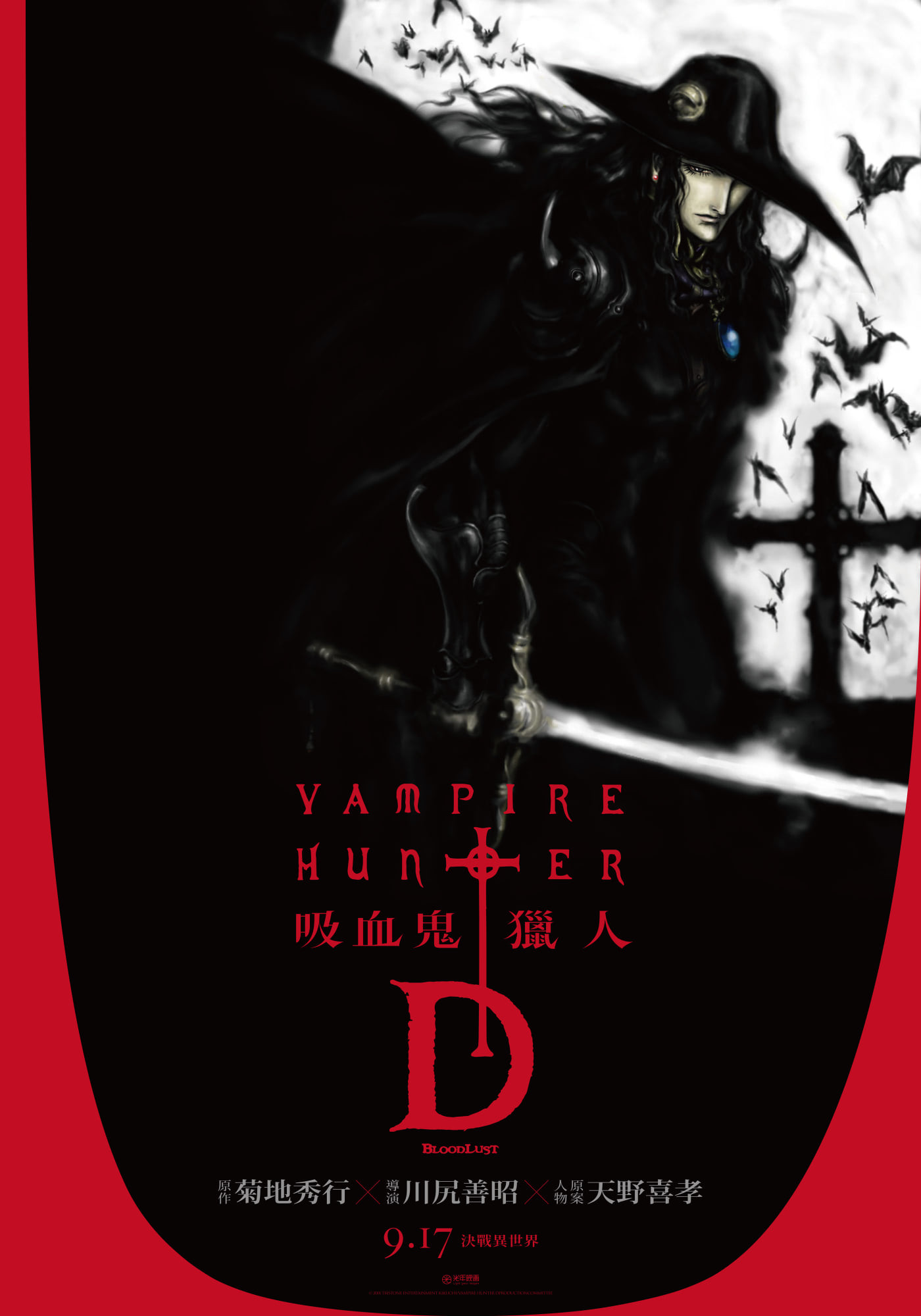
What Is Vampire Hunter D: Bloodlust?
Vampire Hunter D: Bloodlust (2000): Kawajiri’s English-first feature from Kikuchi’s Demon Deathchase, with Amano’s designs animated by Madhouse.
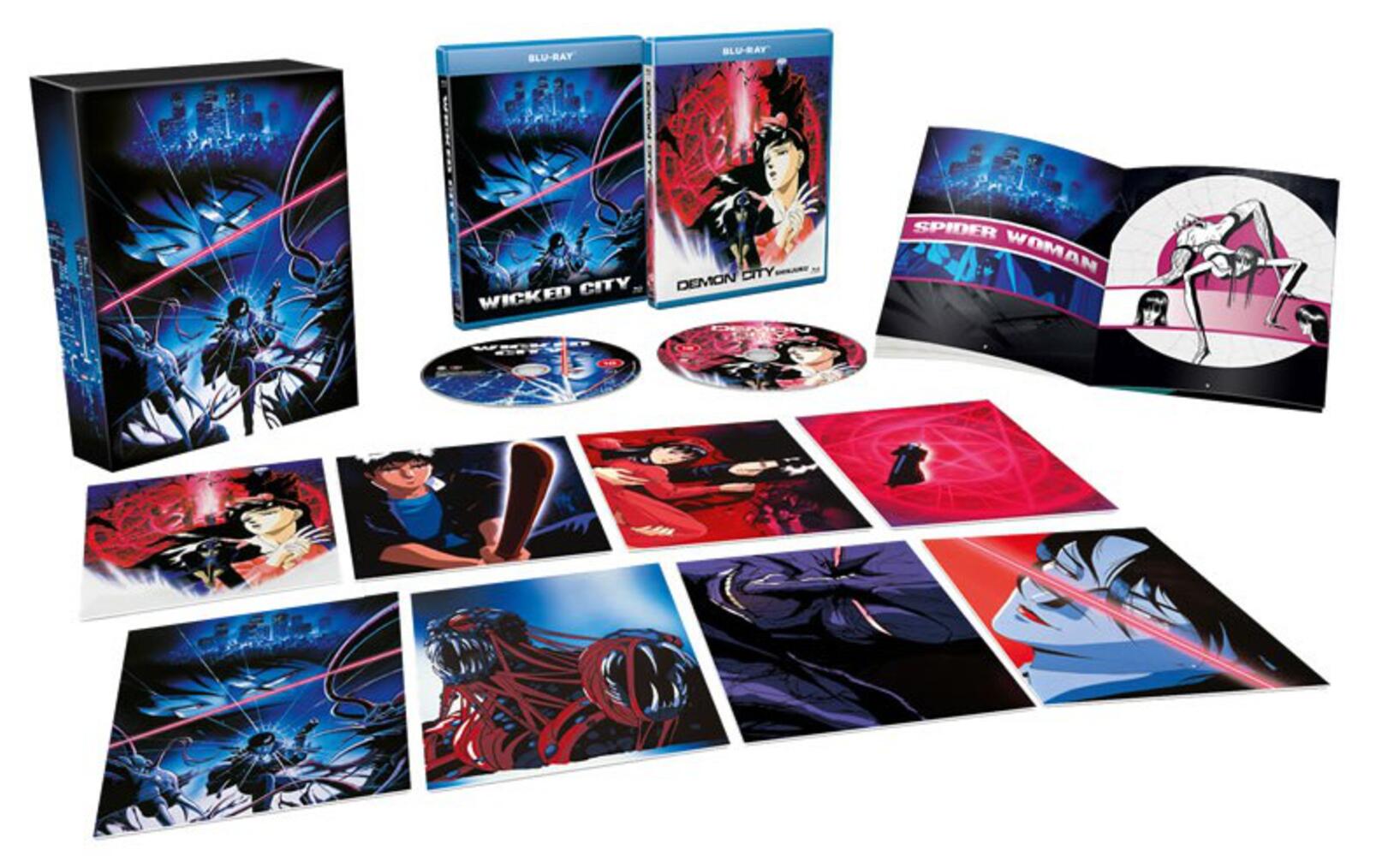
How Can You Watch Kawajiri’s Films Today?
Ninja Scroll in 4K from Berlinale 2026 to a 2027 steelbook, Bloodlust returning with GKIDS in 2027, and the Discotek editions of the Kikuchi films.
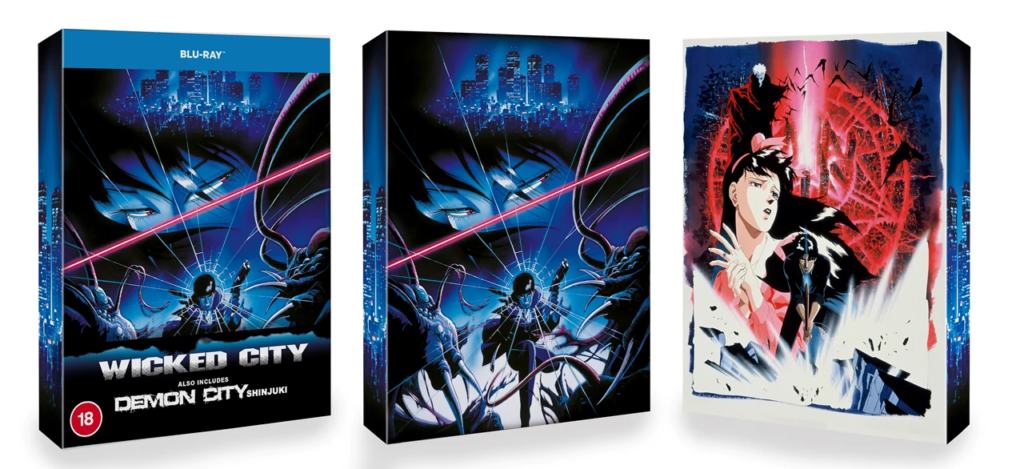
Collecting the Kawajiri Films
The edition census: Manga tapes, LaserDiscs, the two Wicked City dubs, Discotek’s restorations, steelbooks, and the storyboard book.
KENTARO MIURA
15 shelvesWho is Kentaro Miura?
The Berserk creator who spent over thirty years drawing one dark fantasy epic, founded Studio Gaga, and left the series to his team and his oldest friend.
How did Kentaro Miura start drawing manga?
A schoolboy manga circle, a debut at 18, art school, a short apprenticeship with George Morikawa and a 48 page prototype: Miura's road to Berserk.
How did Kentaro Miura's Berserk art evolve?
From the clean 1989 shonen influenced line to the dense, etched, painterly pages of the later volumes, and the digital shift near the end: Berserk's visual arc.
Why is Berserk's art so detailed?
Art school training, etching like hatching, researched armor and architecture, and a refusal to simplify: the reasons Berserk pages carry so much drawing.
What was Kentaro Miura's early manga before Berserk?
Futatabi, Noa, the Berserk prototype, and the Buronson collaborations King of Wolves and Japan: the short shelf before the epic.
What is Studio Gaga?
Studio Gaga is Kentaro Miura's own studio of trained assistants, the team behind Duranki that now draws Berserk under Kouji Mori's supervision.
Who continues Berserk after Kentaro Miura?
Studio Gaga draws Berserk now, supervised by Kouji Mori, Miura's friend since high school, following the story's course as Miura himself related it.
What is Duranki?
Duranki is Studio Gaga's mythic adventure manga, originated and directed by Kentaro Miura, about the child Usumgallu between humans and gods.
What is Giganto Maxia?
Giganto Maxia is Kentaro Miura's 2013 to 2014 short series: a wrestler and a girl with strange powers crossing a mythic world of giants a century after a great war.
What inspired Kentaro Miura's art?
Go Nagai's Devilman, Dororo, the Guin Saga novels, Fist of the North Star and a childhood of manga and film: the documented influences behind Berserk's look.
What are the best Kentaro Miura art books?
The Berserk Illustrations File, the postcard and illustration collections, and the oversized editions that print his hatching at scale: Miura in art book form.
How did Kentaro Miura work with assistants?
Long training, shared finishes, and a studio that became a named author: how Miura's assistant system grew into Studio Gaga.
Did Kentaro Miura draw anything besides Berserk?
Yes: two teenage shorts, historical manga with Buronson, the complete short series Giganto Maxia, and the Studio Gaga production Duranki.
Who did the art for the Berserk anime?
Miura drew the manga; the anime versions rest on character designers Yoshihiko Umakoshi (1997), Naoyuki Onda (the films) and Hisashi Abe (2016).
Kentaro Miura gallery: the art in one place
A gallery page for the Miura hub: Berserk covers across thirty years, the prototype, Giganto Maxia and Duranki, arranged as an evolution of the line.
KING'S FIELD
14 shelves
The King’s Field Box Art Gallery
Every King’s Field cover that can be verified, Japan beside North America and Europe: the four Japanese originals, the renamed American long boxes, and the…
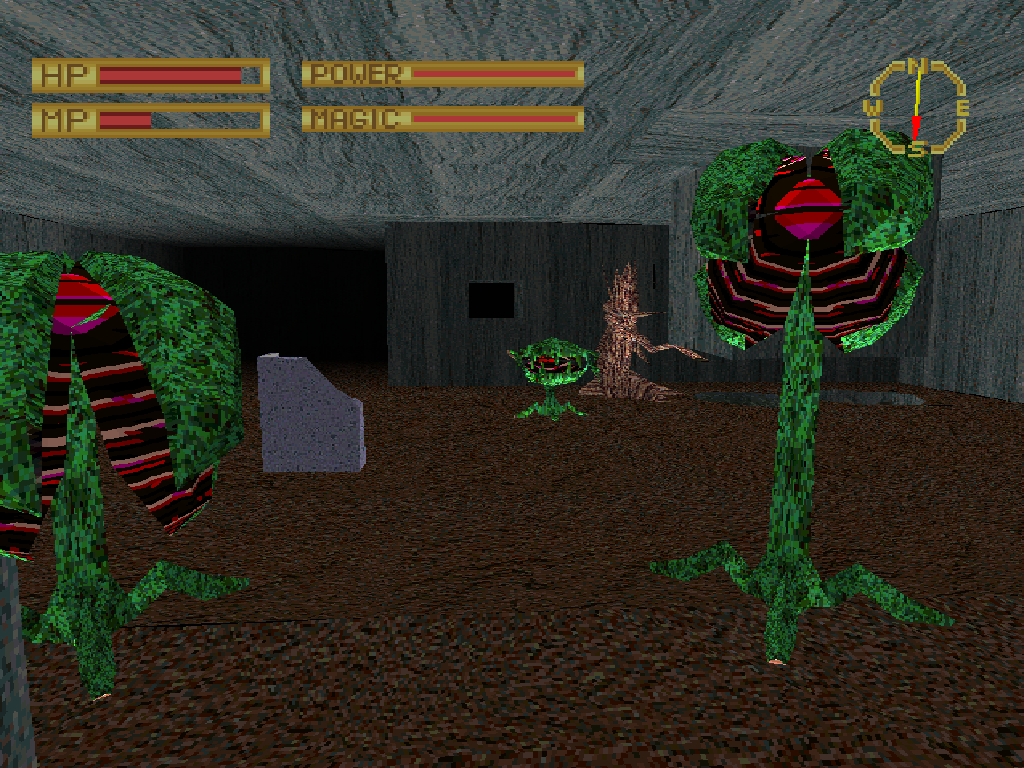
The first King’s Field (1994)
The original King’s Field of 16 December 1994: a fully 3D first-person dungeon released thirteen days after the PlayStation launched in Japan, and never localized.
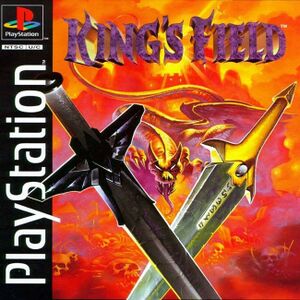
Why is America’s King’s Field really King’s Field II?
The Western King’s Field numbering explained: Japan’s II became America’s King’s Field, Japan’s III became King’s Field II, and IV became The Ancient City.
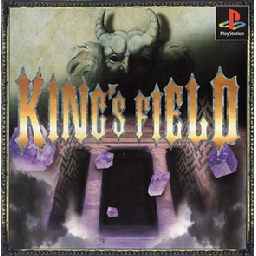
King’s Field II (1995): the island of Melanat
King’s Field II (21 July 1995): Prince Aleph shipwrecked on Melanat to recover the stolen Moonlight Sword. Famitsu 35/40, the West’s first King’s Field.
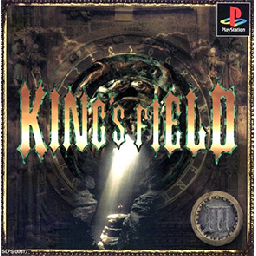
King’s Field III (1996): the fall of Verdite
King’s Field III (21 June 1996): Lyle marches on his mad father King Jean to end the Verdite trilogy. The largest PlayStation entry, with the series’ first automap.
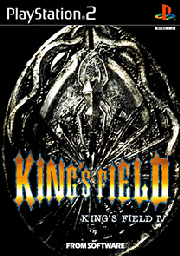
King’s Field IV (2001): the Ancient City
King’s Field IV (4 October 2001): the PlayStation 2 finale, sold in the West as King’s Field: The Ancient City. The Idol of Sorrow, a lost army, and the series’…
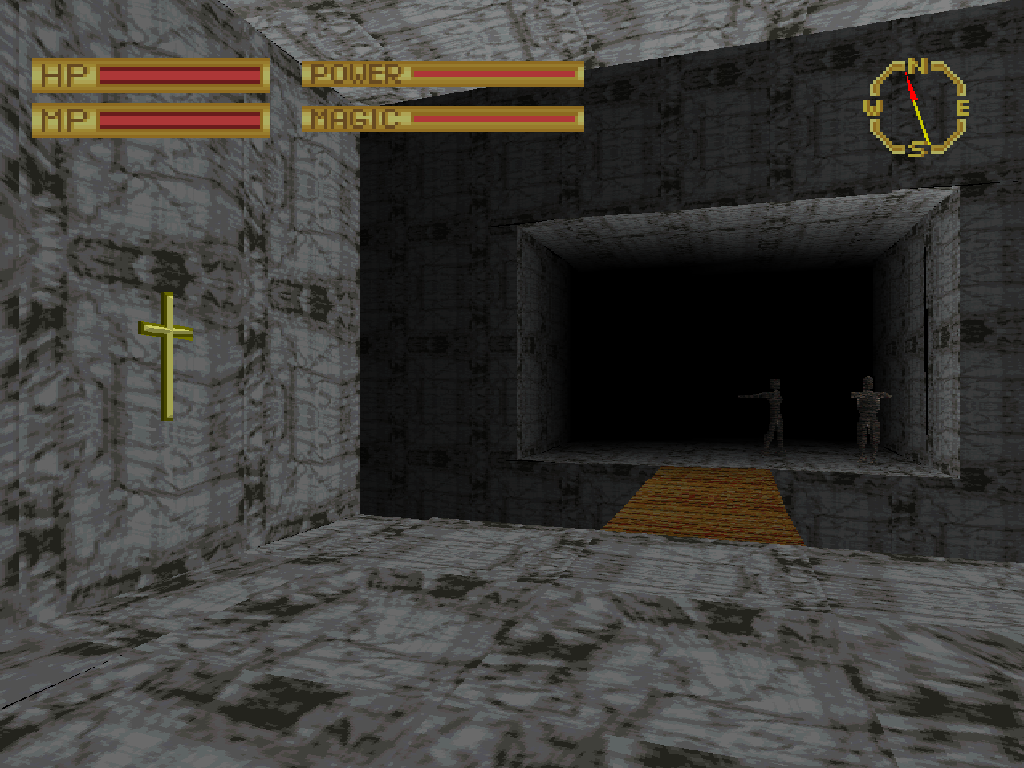
How did King’s Field actually play?
The King’s Field design explained: first-person swordplay, the charging weapon gauge, and the slow movement that let a 1994 console stream a seamless world…
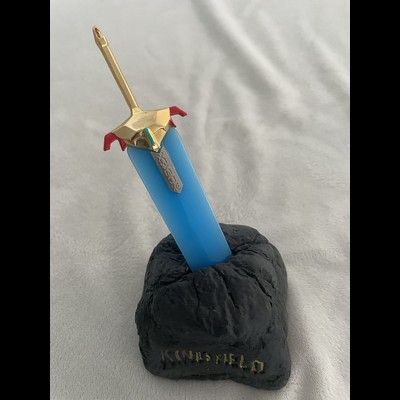
Where did the Moonlight Sword come from?
The Moonlight Sword began in the first King’s Field in 1994: Guyra the Black Dragon forged it, the fairy Milia awakens it, and it has crossed into nearly every…
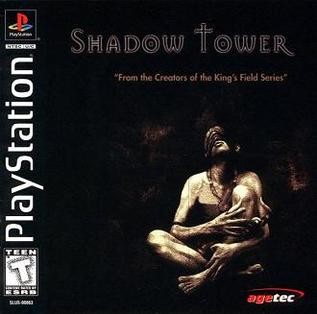
What is Shadow Tower?
Shadow Tower (1998) is King’s Field’s harder sibling: no experience points, no music, no map, breaking equipment, and a PS2 sequel whose finished English version…
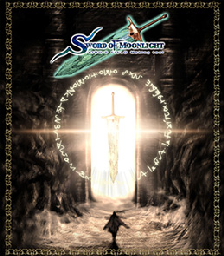
What is Sword of Moonlight?
Sword of Moonlight (16 March 2000) is FromSoftware’s King’s Field construction kit for Windows, bundled with a full remake of the 1994 original and still home to…
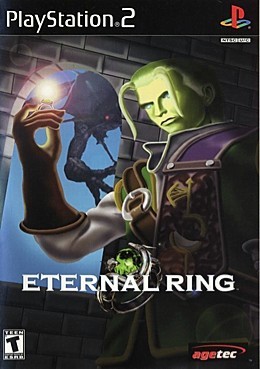
What is Eternal Ring?
Eternal Ring (4 March 2000) is the King’s Field formula rebuilt around forgeable magic rings, launched with the PlayStation 2 in both Japan and North America.
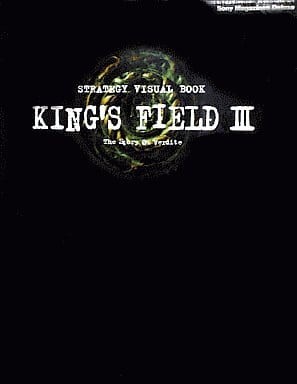
What King’s Field strategy guides are there?
The King’s Field guide shelf: Japan’s capture books, visual books, the 2001 trilogy Scripture, the IV official guidebook, and the Prima guides for all three…
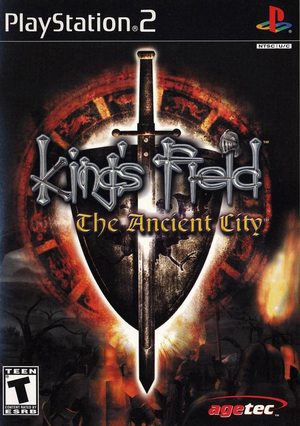
Collecting King’s Field
A collecting guide to King’s Field: cheap Japanese originals, the renamed American long boxes, the Dark Side Box of 2007, and the Prima guides, with prices as…
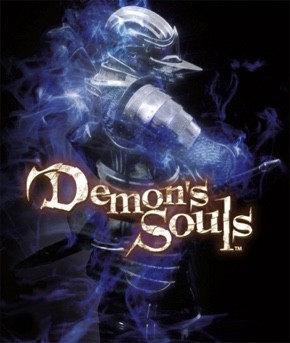
How did King’s Field lead to Demon’s Souls?
Demon’s Souls began as a revival of the lost breed of action game: a new King’s Field was ruled out, the prototype stalled, and Hidetaka Miyazaki volunteered to…
KINGDOM
20 shelvesWhat is Kingdom? Yasuhisa Hara's Warring States epic explained
Kingdom is Yasuhisa Hara's long running historical manga about an orphan named Shin who dreams of becoming a great general in ancient China.
Who is Yasuhisa Hara? The creator of Kingdom
Yasuhisa Hara is the manga artist behind Kingdom. His path ran from a salaryman job and an award winning one shot to a 100 million copy series.
How Kingdom runs in Weekly Young Jump
Kingdom has run weekly in Weekly Young Jump since 2006. This page explains the magazine, the chapter rhythm and how the tankobon follow.
Kingdom story arcs: a reader's guide to the campaigns
From Shin's first battle to the invasion of Zhao, Kingdom is built from named campaigns. This guide maps the major arcs and what each one changes.
Shin and the Hi Shin Unit: Kingdom's climb from the bottom
Shin starts as a penniless orphan and builds the Hi Shin Unit around him. This page follows his ranks, his unit and his famous glaive.
The seven states of Kingdom: Qin against the six
Kingdom's China is split into seven warring states. This page profiles Qin, Zhao, Chu, Wei, Han, Yan and Qi and what each brings to the war.
The Coalition Invasion arc: Kingdom's first great set piece
Five states attack Qin at once and the manga becomes a multi front epic. This page explains the Coalition Invasion arc and why readers rank it so highly.
The Gyou campaign: Kingdom's invasion of Zhao explained
The Western Zhao Invasion is the longest operation in Kingdom. This page explains the plan, the battles of Shukai Plains and the supply war behind them.
Kingdom tankobon editions: the Japanese volumes as objects
More than 80 Japanese volumes with painted covers make Kingdom a shelf series. This guide covers the tankobon, their covers and special editions.
Kingdom covers: Hara's portrait gallery of generals
Every Kingdom volume cover is a portrait of command. This gallery page reads the cover program across the series, from Shin's first cover to the great generals.
The Kingdom anime: seasons, studios and the rough first season
The Kingdom anime ran five seasons and changed studios and style along the way. This guide covers Studio Pierrot, Signpost and why season one looks different.
The Kingdom live action films: cast, coverage and box office
Four live action Kingdom films made the manga a Japanese box office fixture. This page covers the cast, what each film adapts and how they performed.
The art of Kingdom: crowds, brushwork and the exhibition
Kingdom's art swings from single duels to armies of thousands. This page looks at Hara's battle drawing, his cover painting and the official art exhibition.
Kingdom and the Shiji: the real history behind the manga
Kingdom is built on Sima Qian's Shiji, written two thousand years ago. This page explains the source, the real generals and where Hara invents.
Kingdom sales and awards: how big did it get?
Kingdom passed 100 million copies and won the Tezuka Prize. This page tracks its sales climb, its honors and its place in Young Jump history.
KINGDOM HEARTS
25 shelves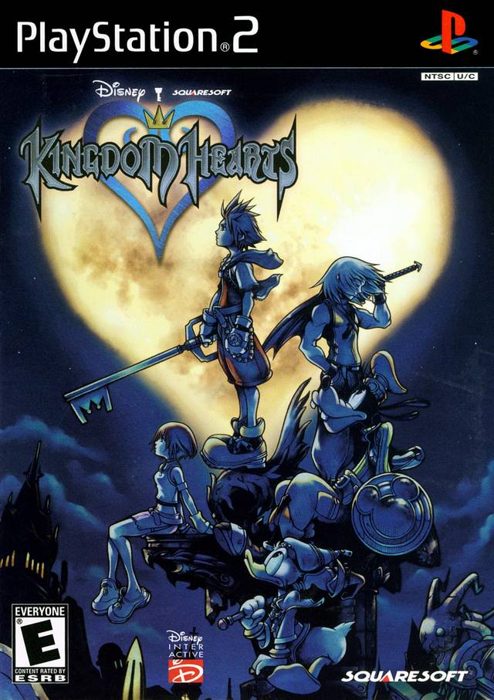
The Kingdom Hearts Gallery
One game, two boxes: the Japanese and American Kingdom Hearts side by side, with its history and the questions its versions raise.
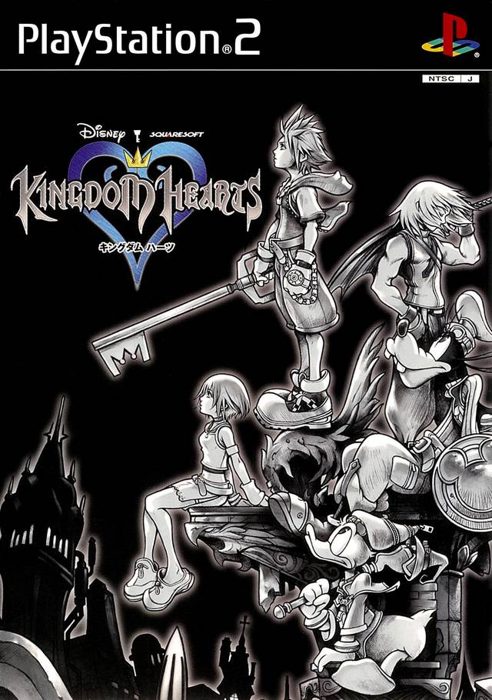
The History of Kingdom Hearts
An elevator pitch, a first time director, and the crossover that was supposed to be impossible: how the 2002 original was made and received.
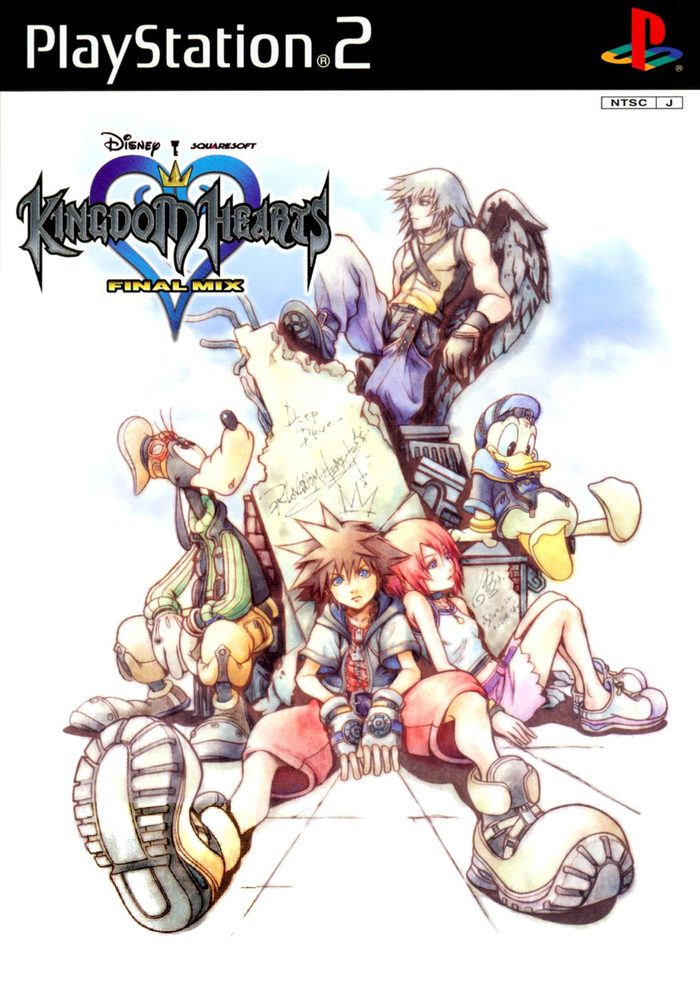
What is a Kingdom Hearts Final Mix version?
The Japan-only expanded re-release, born when America got extra bosses first. The West waited eleven years.
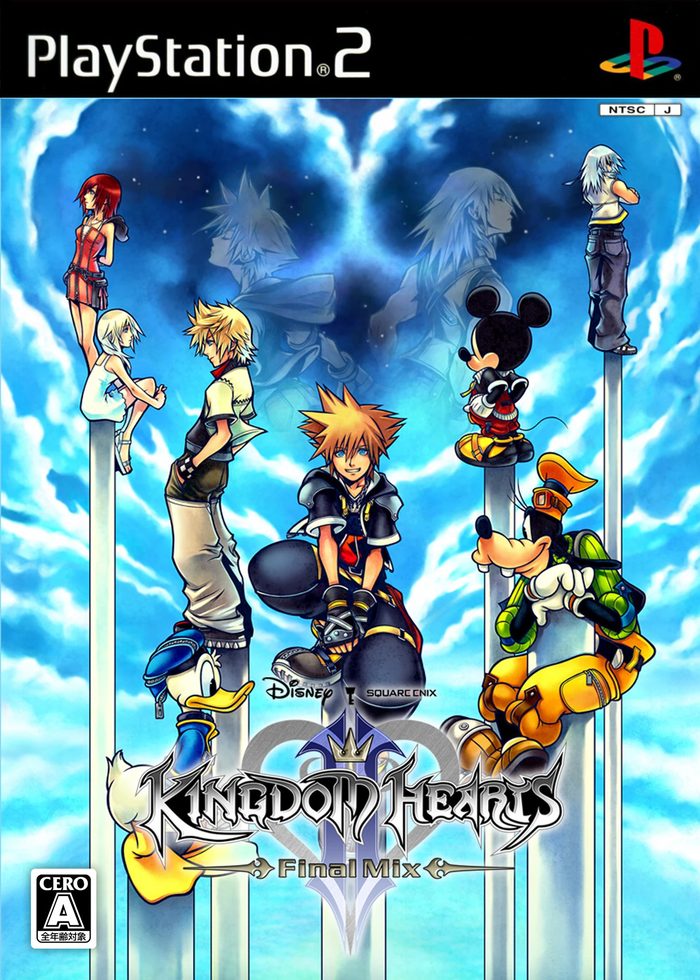
What did Kingdom Hearts II Final Mix+ add?
Two discs: Critical Mode, the Roxas fight, the Lingering Will, a secret movie, and a full remake riding along.
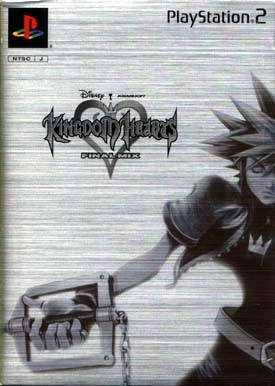
How did the American Kingdom Hearts differ from the Japanese original?
Sephiroth, the Ice Titan, and Kurt Zisa were American additions. Final Mix exists to bring them home.

How did Skrillex end up co-writing the Kingdom Hearts III theme?
Utada asked a fan for a remix. Skrillex could not improve the song, so in one London hour they wrote a new one instead: Face My Fears.
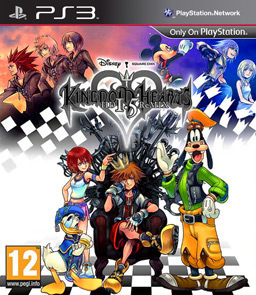
The Kingdom Hearts Version Tree
Every Kingdom Hearts release and its second version, mapped: the Final Mixes, the remakes, the theater cuts, the collections, and the one branch that was cancelled.
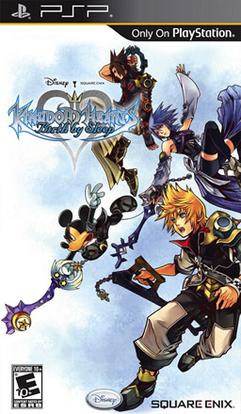
What did Kingdom Hearts Birth by Sleep Final Mix add?
Birth by Sleep Final Mix (Japan, January 20, 2011) added a playable Secret Episode, three Mirage Arena bosses including No Heart, and the Western version’s…
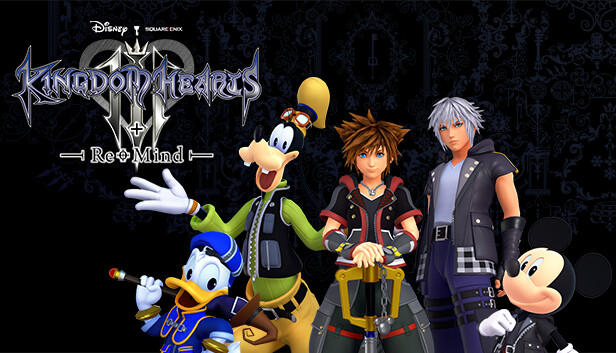
What is Kingdom Hearts III Re Mind?
Re Mind (January 23, 2020) is Kingdom Hearts III’s Final Mix delivered as DLC: a Re Mind scenario, the 13-boss Limitcut Episode, and a Secret Episode against…
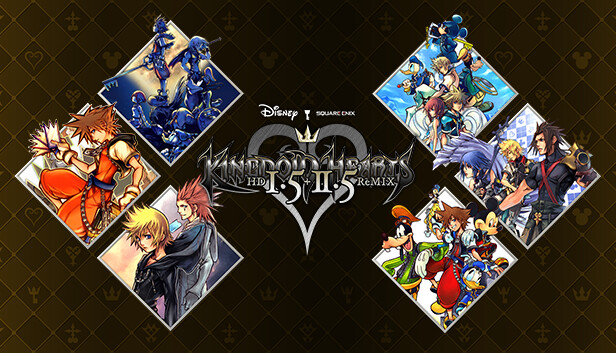
What are the Kingdom Hearts HD collections?
The HD collections (1.5, 2.5, 2.8, and their bundles) are how the Final Mixes finally left Japan: PS3 in 2013, PS4 in 2017, PC in 2021, Steam in 2024, and native…
How did Chain of Memories become Re:Chain of Memories?
Re:Chain of Memories (2007) is a full 3D PS2 remake of the 2004 Game Boy Advance card battler, released in Japan only as the second disc of Final Mix+, then…
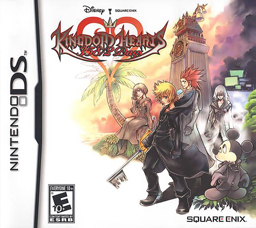
Why are 358/2 Days and Re:coded movies in the collections?
The two Nintendo DS games entered the HD collections as HD theater films of their cutscenes rather than playable remakes, leaving their DS originals as the only…
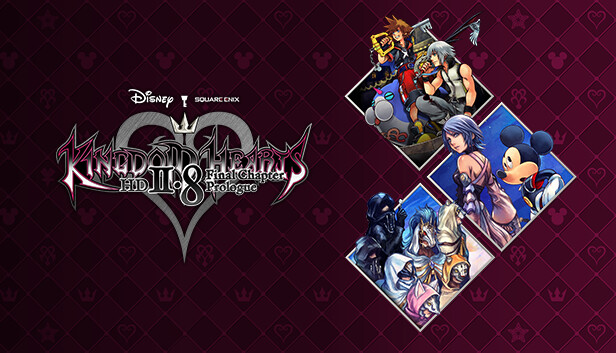
What is Kingdom Hearts 0.2: A Fragmentary Passage?
0.2 (January 2017) is a short playable prologue to Kingdom Hearts III built in Unreal Engine 4: Aqua’s journey through the Realm of Darkness, shipped inside HD…
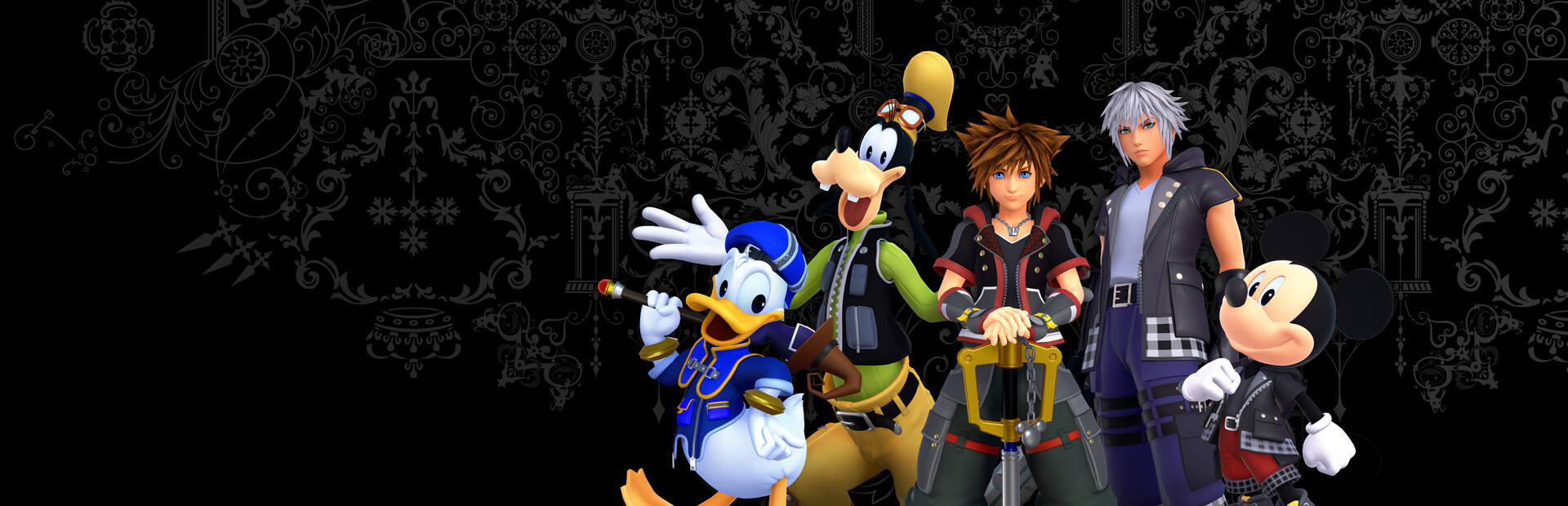
Who is Tetsuya Nomura?
Tetsuya Nomura (born 1970) is Kingdom Hearts’ creator, director, and character designer: a Square monster artist who redesigned Final Fantasy VII’s cast and then…
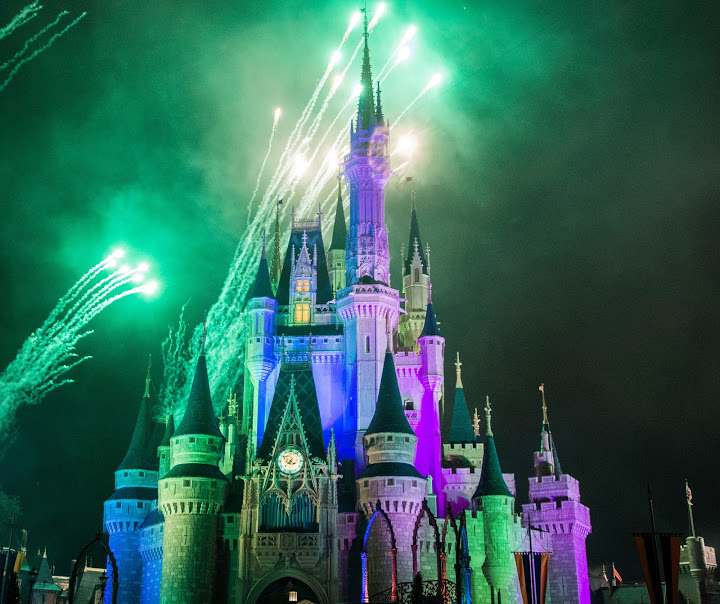
What rules does Disney set for Kingdom Hearts?
Disney’s rules shaped Kingdom Hearts from the start: Mickey Mouse was licensed for exactly one scene in the first game, Sora was designed as a compromise hero,…
KIRBY
12 shelfs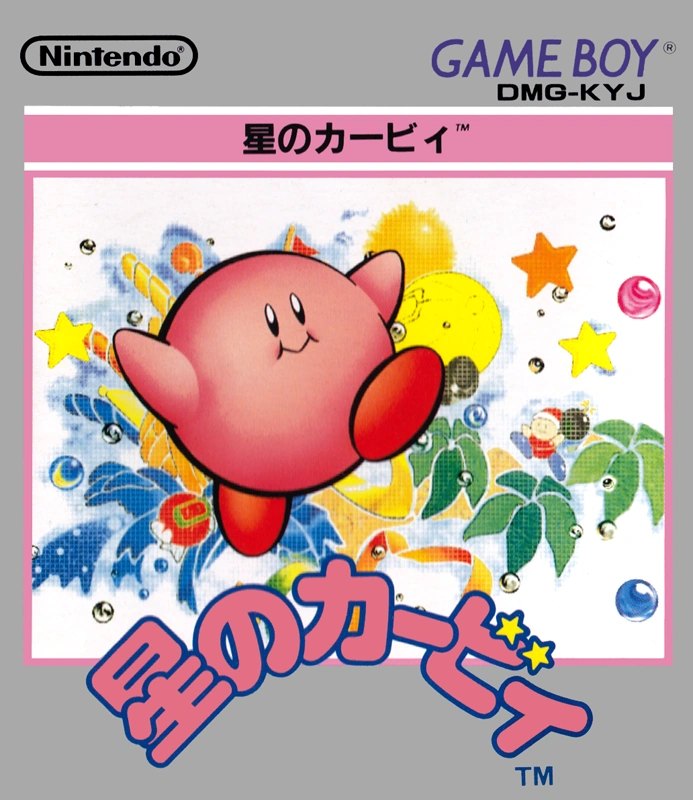
The Kirby Gallery
Six games, two boxes each: the white Kirby of 1992, the Paulownia wood box, two plaids, and one Warp Star with two expressions, with the histories and questions behind them.
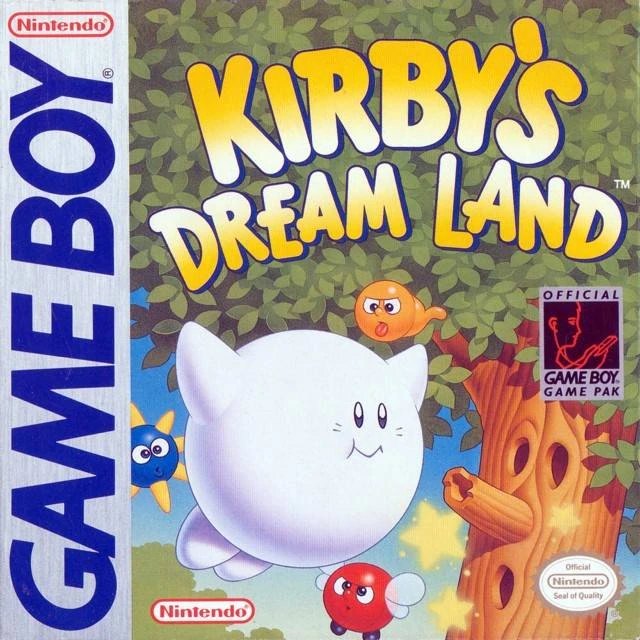
The History of Kirby's Dream Land
Sakurai at nineteen builds a game for beginners: the placeholder hero named Popopo, Jun Ishikawa's music, and 5.13 million copies.
Why is Kirby white on the first American box?
The Game Boy could not show pink, Miyamoto guessed yellow, and America printed the sprite's own white. Two on-record explanations, kept apart.
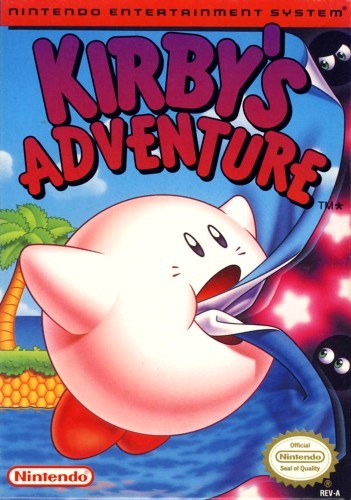
Why does Kirby's Dream Land have no copy ability?
A beginner first design with a small, complete kit. Copy was invented for the sequel, after experienced players called the first game too simple.
What inspired Kirby's design?
A placeholder blob that everyone liked too much to replace, drawn as a circle anyone could draw, in Sakurai's own accounts.
The History of Kirby's Adventure
The copy ability from over forty candidates, Meta Knight's debut, Kirby in pink at last, and the NES pushed to its limit in 1993.
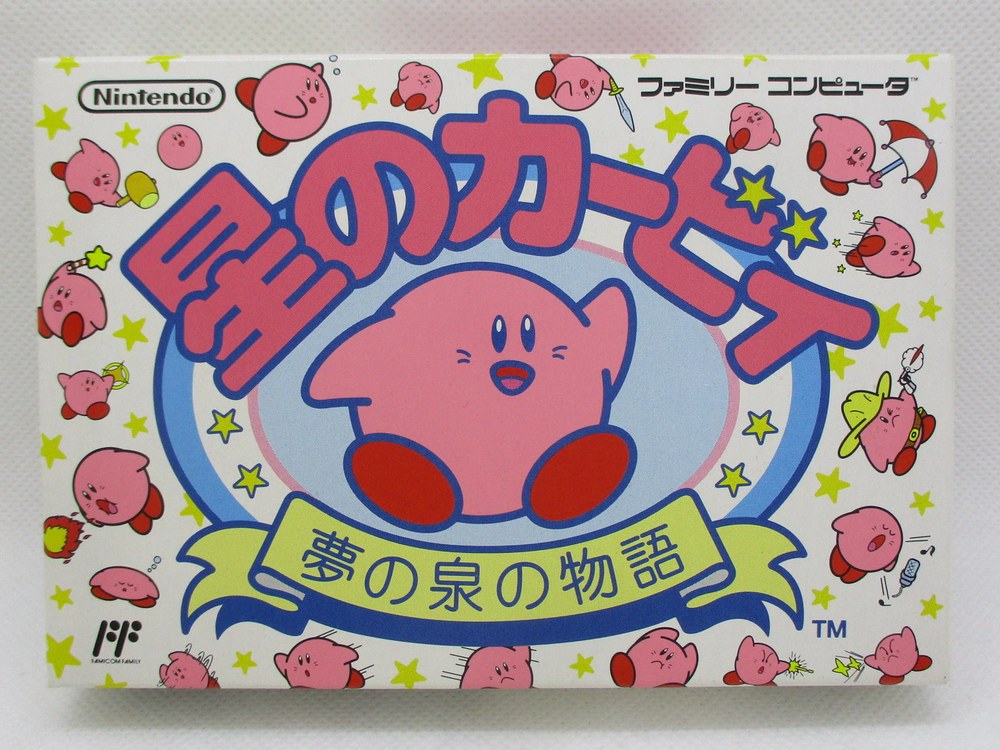
How did Kirby get his name?
From a Nintendo of America list, partly in honor of John Kirby, the lawyer who won the Donkey Kong case, per Miyamoto. Told at its documented weight.
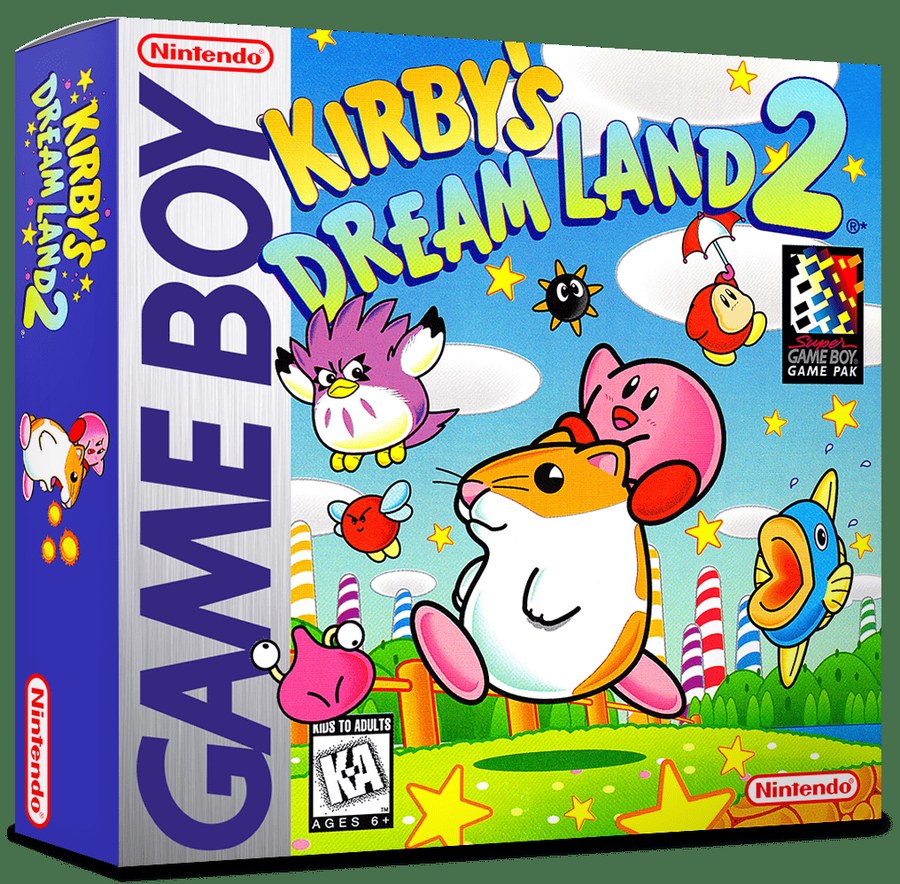
The History of Kirby's Dream Land 2
Shimomura takes over: Dark Matter arrives, Rick, Kine, and Coo transform seven copy abilities, and the Rainbow Drops hide the true ending.
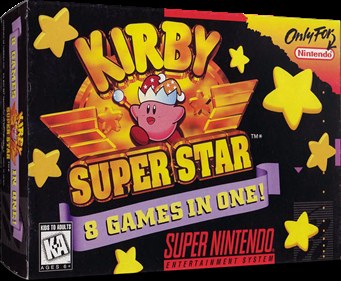
The History of Kirby Super Star
Three pillars, three years, and a wooden box: Helpers, fighting game movesets, the omnibus format, and Itoi's Paulownia packaging.
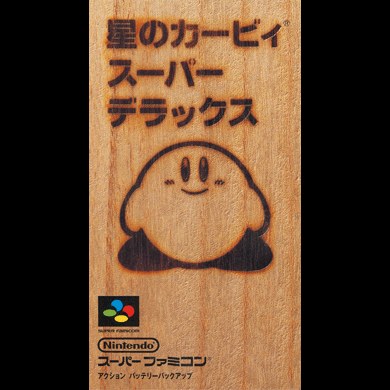
Why is Kirby Super Star eight games in one?
Sakurai's omnibus answer in his own words: games had grown too long to beat, so he shipped quick, complete, varied scenarios instead.
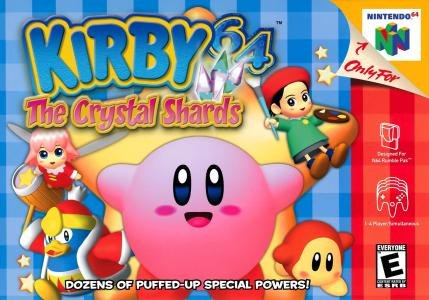
The History of Kirby 64: The Crystal Shards
The 64DD game that became a cartridge: first 3D Kirby, 28 Power Combos, the D-pad rescue, and a jazz score for the final areas.
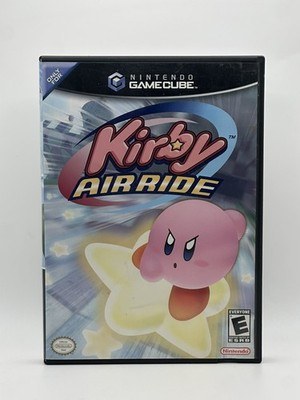
The History of Kirby Air Ride
Kirby Bowl 64 at the Nintendo 64 unveiling, cancellation, the one button racer, City Trial, and Sakurai's last Kirby at HAL.