
THE LIBRARY
Collector guides, cover censuses, and edition answers, documented issue by issue. Every page answers one specific question, completely.
HAJIME NO IPPO
20 shelves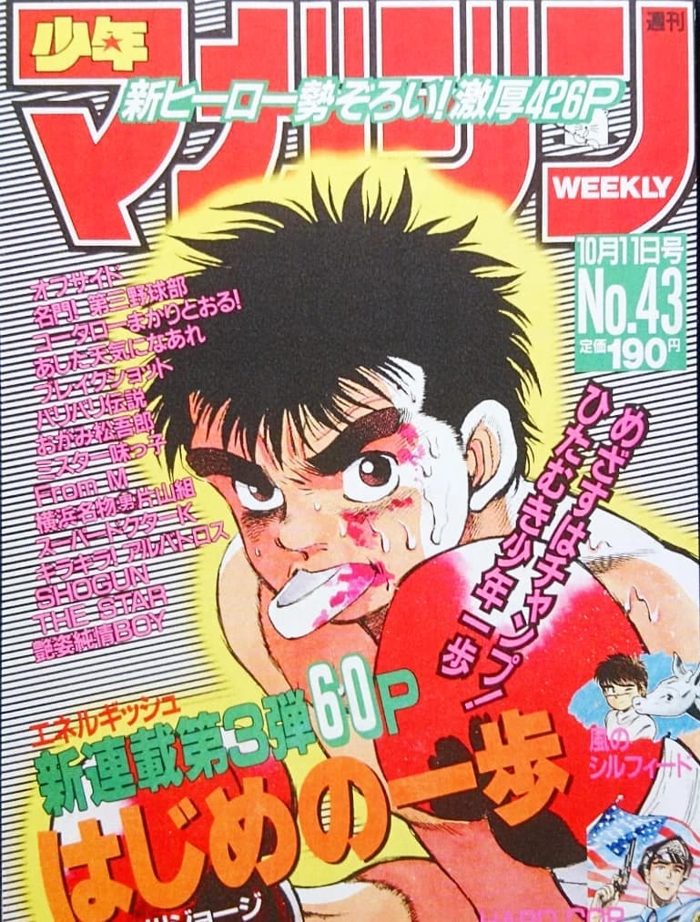
Is Hajime no Ippo available in English?
Digitally yes, in print not until 2027, and the 34-year wait has a specific reason.
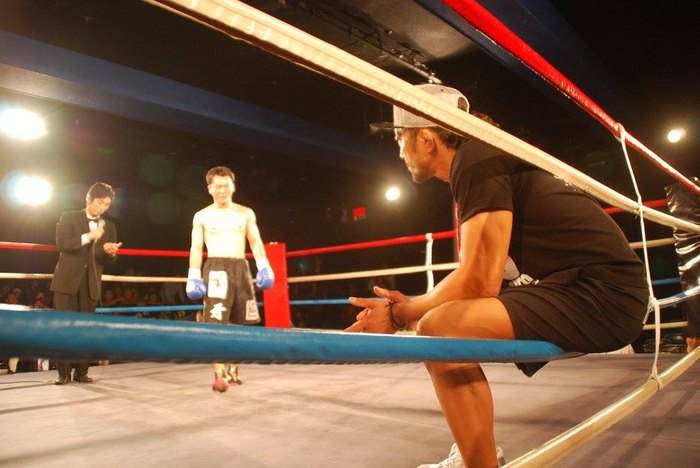
What inspired Hajime no Ippo?
His real Tokyo gym, Tyson and Mancini, and the challenge to Ashita no Joe he first refused.
Is the Dempsey Roll real?
The falling step is real, documented in Dempsey's own manual. The named move is Morikawa's.
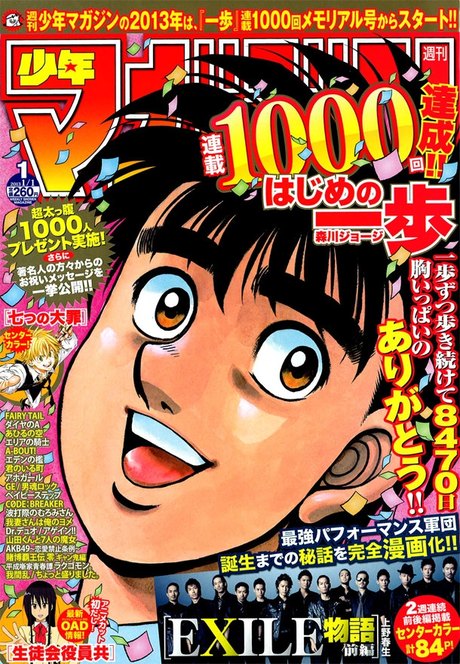
How long is Hajime no Ippo?
145 volumes and 1,515 chapters since 1989, ninth longest ever, currently on hiatus.
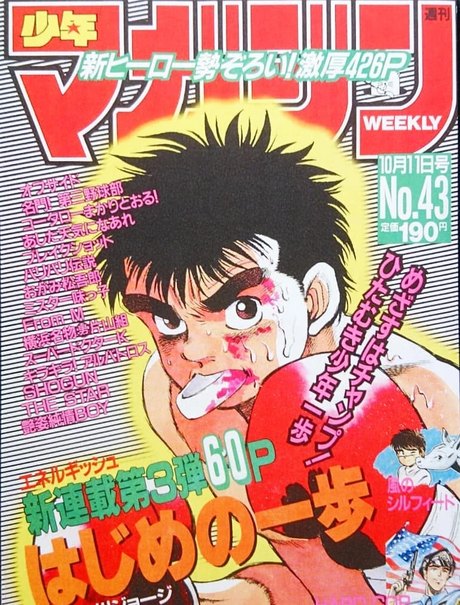
How can you tell the 1989 Hajime no Ippo debut issue?
The 190 yen price, the date line, and the banner that announces the new serialization.
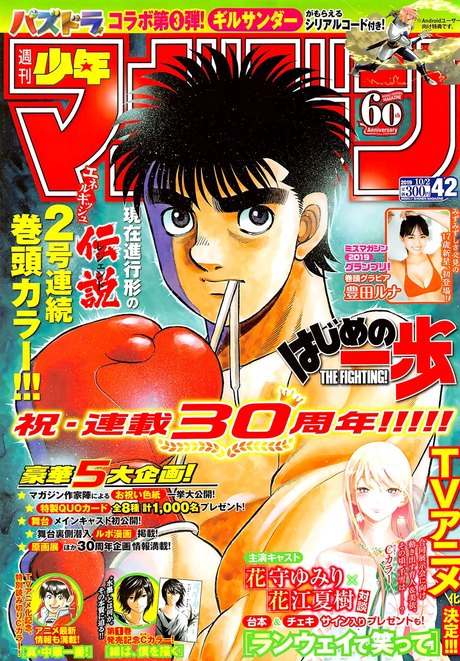
What WSM issues have Hajime no Ippo on the cover?
55 feature covers documented so far, 1989 to 2024, plus 4 ensemble covers.
Who is George Morikawa, the creator of Hajime no Ippo?
George Morikawa has drawn Hajime no Ippo since 1989. This page covers the former boxer and fishing shop owner behind one of manga's longest runs.
What is Weekly Shonen Magazine, and what is Ippo's place in it?
Kodansha's Weekly Shonen Magazine explained: the rival to Jump, its sports manga tradition, and Hajime no Ippo as its longest serving flagship.
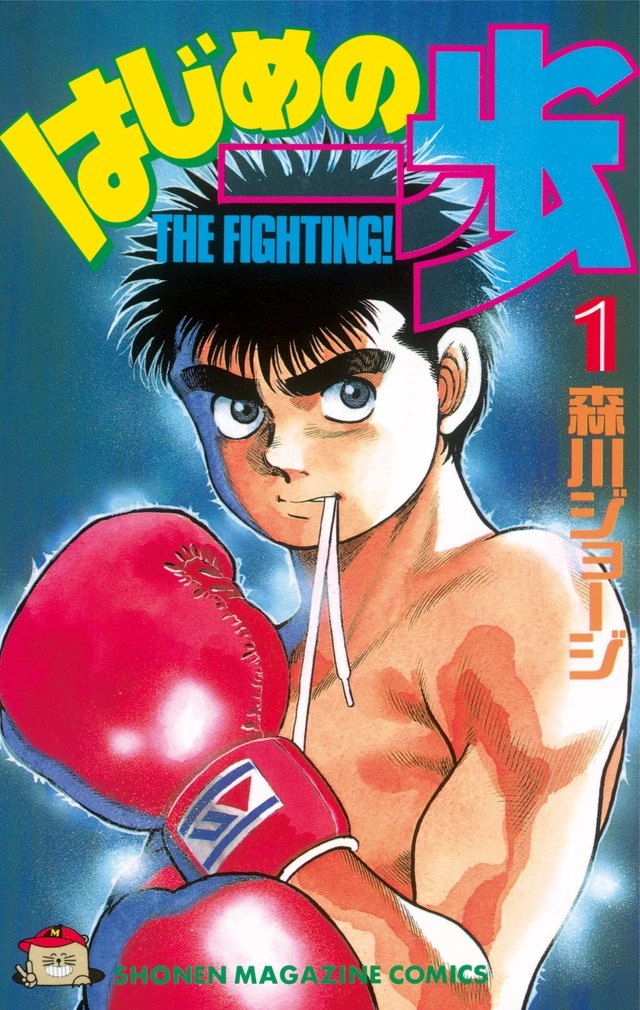
How is the Hajime no Ippo manga collected in tankobon?
Over 140 volumes and counting: how Kodansha collects Ippo into tankobon, what the volume covers do, and what a complete run actually looks like.
What are the Hajime no Ippo anime seasons?
The anime in order: the 2000 Madhouse series, New Challenger, Rising, and where Champion Road and the OVA fit for a first watch.
What are the Hajime no Ippo video games?
The games surveyed: Victorious Boxers and its sequels, the Wii and handheld entries, and the Japan only releases the West never saw.
Who are the main boxers in Hajime no Ippo?
The Kamogawa gym and its rivals introduced: Ippo, Takamura, Miyata, Sendo, Mashiba and the rest of the cast that carries a 35 year boxing epic.
Are Hajime no Ippo covers the same in Japanese and English?
Ippo's cover situation explained: a manga with almost no English print covers to compare, Kodansha's digital English art, and the anime and game cover splits.
What does Hajime no Ippo mean?
The title translated and unpacked: hajime, ippo as a first step, and why the series' English names, Fighting Spirit and Victorious Boxers, chose different pieces of it.
What is the Dempsey Roll in Hajime no Ippo?
Ippo's signature technique explained: the real Jack Dempsey's rolling assault, how Morikawa rebuilt it for manga, and how it broke its user.
HALO
8 shelfs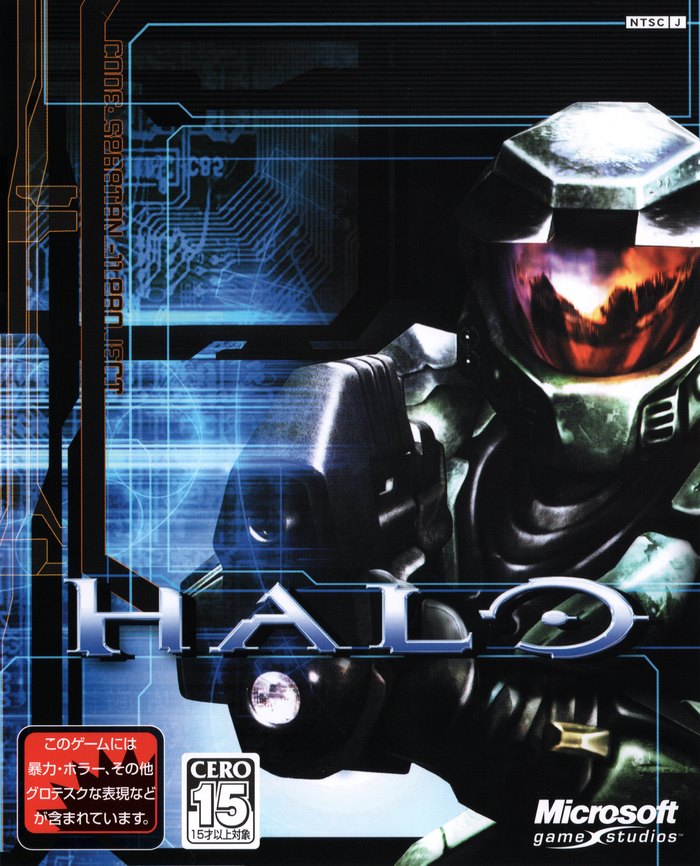
The Halo Gallery
Combat Evolved, Halo 2 and Halo 3: the Japanese and American boxes side by side, Platinum Collection editions included, with the histories behind them.
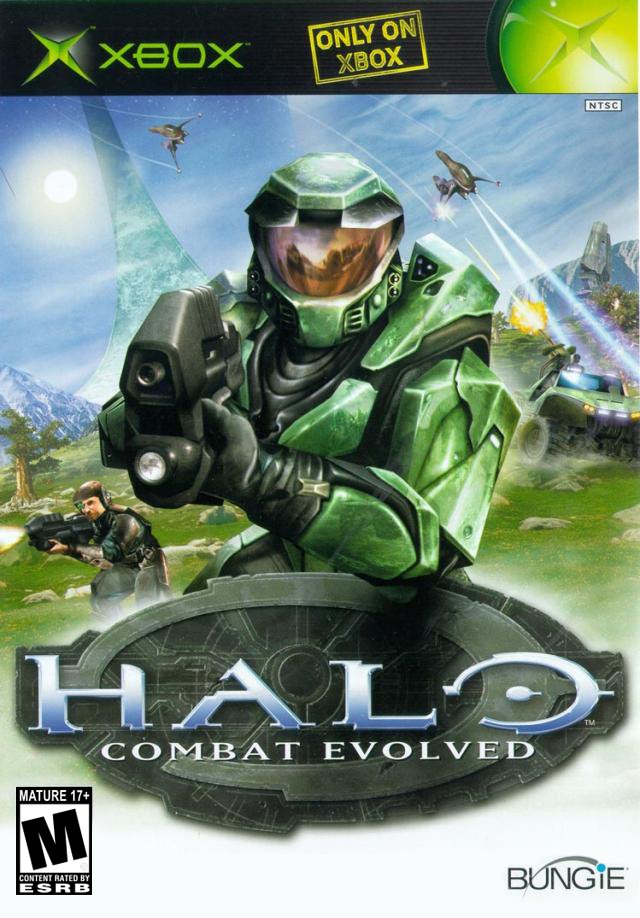
The History of Halo: Combat Evolved
Bungie's 2001 launch game: the Mac strategy game Microsoft bought, the ring, the 97 on Metacritic, and the Japanese Platinum Collection edition.
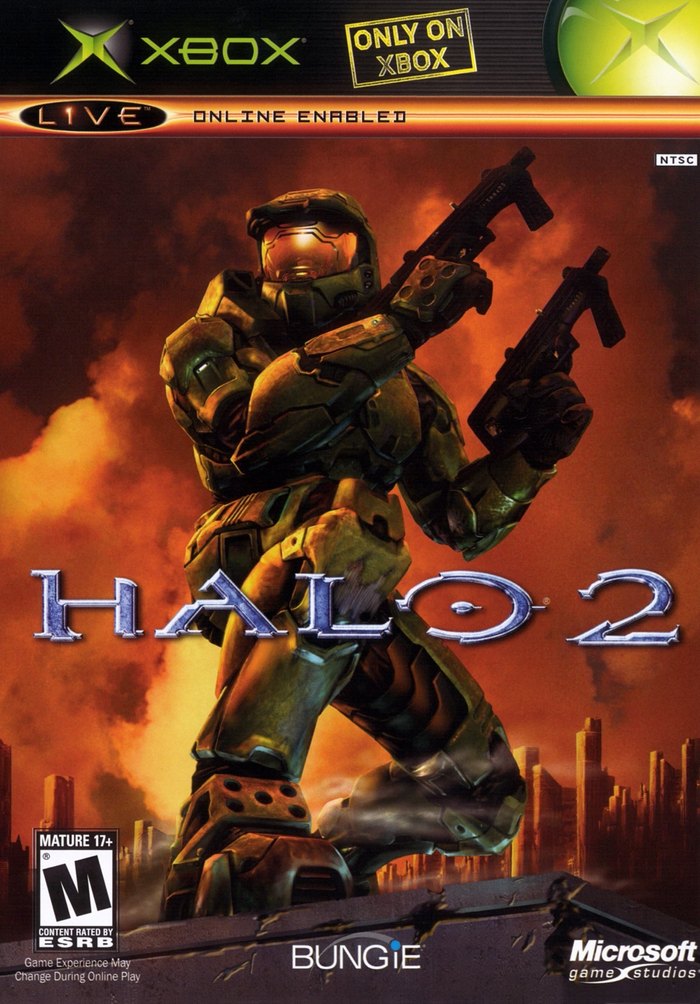
The History of Halo 2
The 2004 sequel that made Xbox Live: matchmaking, the Arbiter, the cliffhanger, 8.46 million copies, and the Limited Edition steelbook.
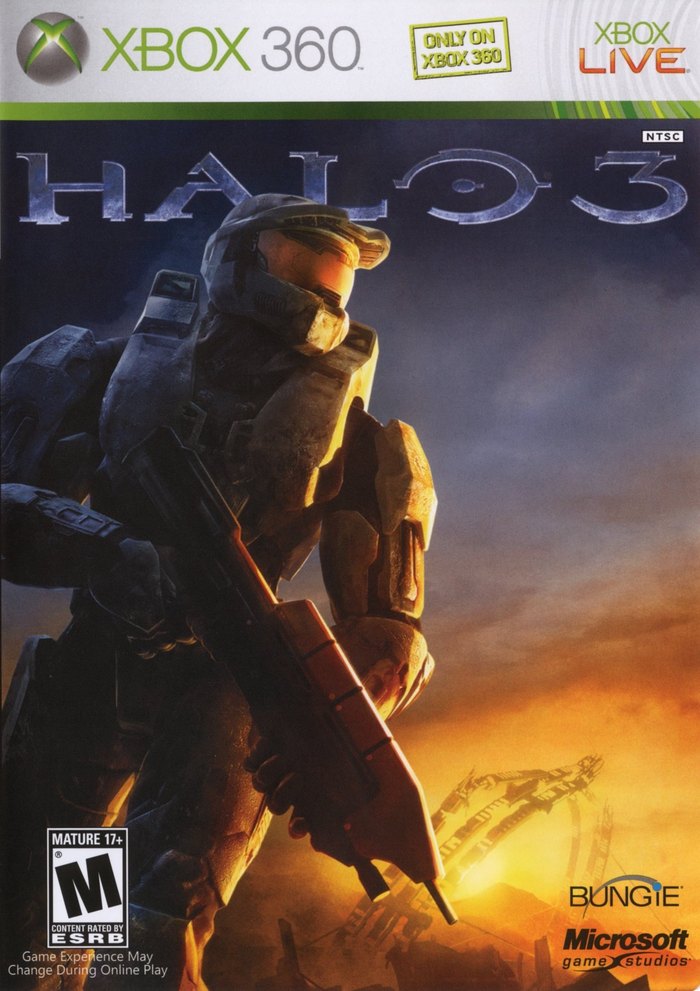
The History of Halo 3
Finish the Fight in 2007: Forge, saved films, the Legendary Edition helmet, 14.5 million copies, and a number one debut in Japan.
What inspired Halo's ring?
Niven's Ringworld and Banks' Culture novels, per Bungie's own list.
How was Halo released in Japan?
Famitsu 33/40 and third best seller on a console Japan never bought.
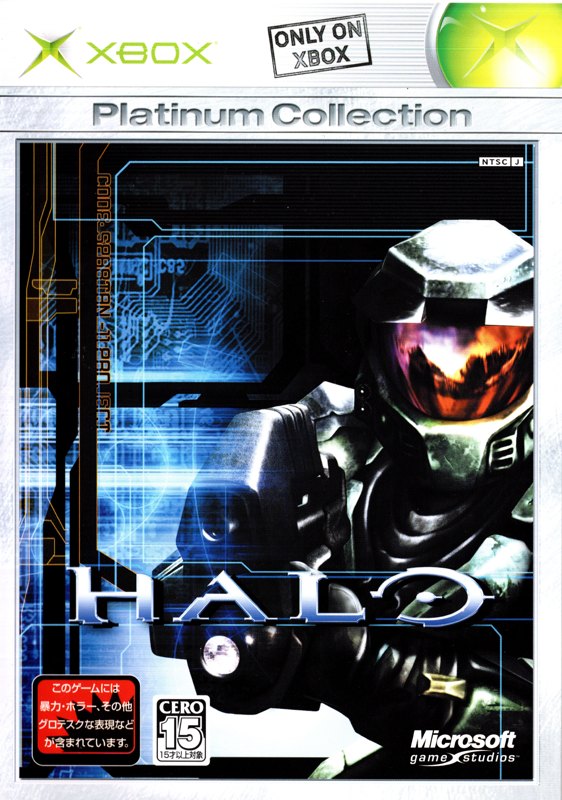
How do the Japanese and American Halo covers compare?
Completely different art for the first game, budget editions included. Identical by Halo 3.
How was the Halo theme written?
In about three days: Martin O'Donnell answered a brief for something big, ancient and unusual with Gregorian chant, written on the drive to Michael Salvatori's studio.
HARRY POTTER
3 shelves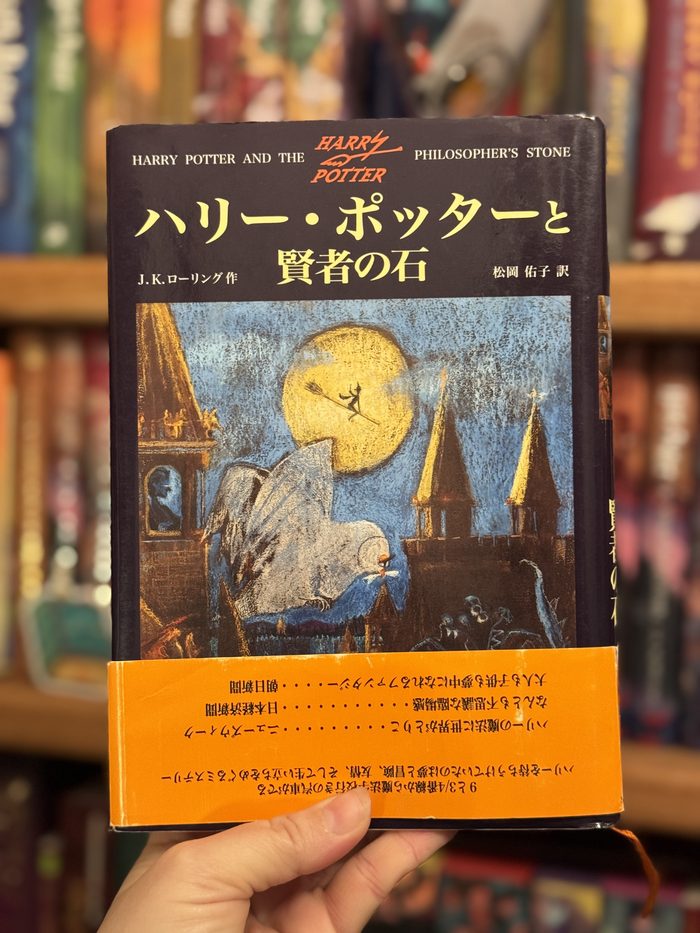
Why do the Japanese Harry Potter books have different covers?
Japan commissioned its own painter: Dan Schlesinger, against Britain's Taylor and America's GrandPré.
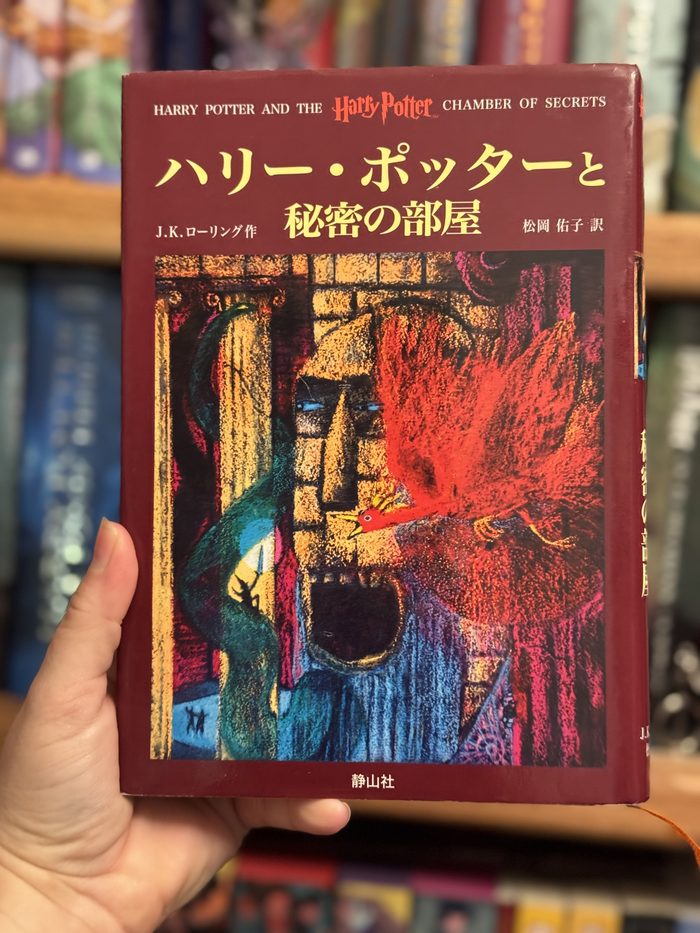
How to identify the Japanese first edition of Philosopher's Stone
The colophon at the back decides it: Say-zan-sha, December 1999, ISBN and printing line included.
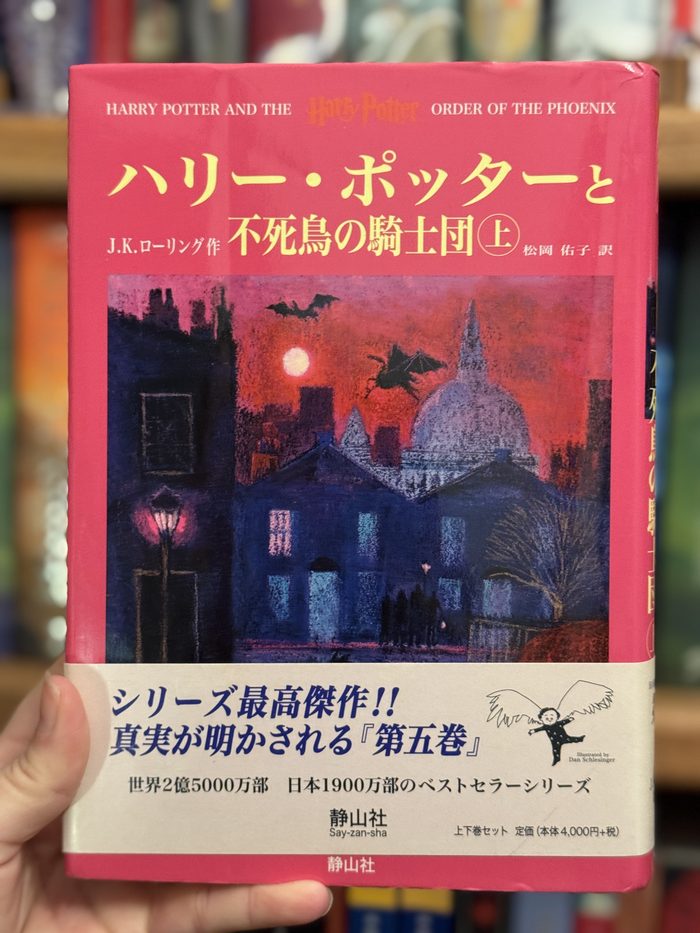
Why are the Japanese Harry Potter books split into two volumes?
Seven novels, eleven hardcovers: from Goblet of Fire, each book became an upper and a lower volume.
HARVEST MOON
20 shelvesWhat is Harvest Moon and Bokujo Monogatari?
One farm, two names: the 1996 farming life series that taught games to grow crops, keep animals, and marry into a small town.
Why are there two Harvest Moon games?
The Marvelous and Natsume split explained: who owns the farm, who owns the name, and how to tell the real Bokujo Monogatari from the other Harvest Moon on any shelf.
What is Harvest Moon on the SNES?
The 1996 original that started the farm: two and a half years to prove yourself, a dog, a horse, and the hardest working cartridge on the Super Nintendo.
What is Harvest Moon 64?
The Nintendo 64 farm from 1999: the Mineral Town cast is born, rival marriages arrive, and a scarce American cartridge becomes a collecting staple.
What is Harvest Moon: Back to Nature?
The PlayStation farm that rebuilt Mineral Town in 3D: the 1999 entry fans remade, ported, and argued about for two decades.
What is Harvest Moon: Friends of Mineral Town?
The Game Boy Advance classic of 2003: Back to Nature in your pocket, and the handheld farm by which all others are still judged.
What is Harvest Moon: A Wonderful Life?
The GameCube entry that followed a whole lifetime: Forget-Me-Not Valley, a son who grows up, and chapters that end in an actual ending.
What are the Harvest Moon DS games?
Touch screen farming, an island of your own, twin villages, and a bazaar: the four DS and early handheld experiments that stretched the farm in every direction.
What is Story of Seasons?
The new name for the original farm: the 2014 3DS relaunch, Trio of Towns, and how the Marvelous series found its Western identity again.
What is Story of Seasons: Friends of Mineral Town?
The 2019 Switch remake that brought the GBA classic home: same town, new art, and the release that taught a new generation the old farm.
What is Story of Seasons: Pioneers of Olive Town?
The first wholly new Switch farm in 2021: clearing a forest frontier, makers and sprinklers, and the growing pains of a series learning new hardware.
What is Story of Seasons: A Wonderful Life?
The 2023 remake of the GameCube life story: Forget-Me-Not Valley rebuilt, all routes in one game, and a second chance for the series most emotional entry.
What is Story of Seasons: Grand Bazaar?
From DS market stall to Switch remake in 2025: the bazaar economy entry where selling is the game, and presentation sets your prices.
What is Rune Factory, and how is it related to Harvest Moon?
A fantasy farming offshoot that kept the farm and added swords: Neverland, Marvelous, and the spin off that outlived its parent studio.
What happened to Harvest Moon after the split?
Natsume kept the name and built its own farm: The Lost Valley, Light of Hope, One World, and Winds of Anthos, a parallel series finding its own way.
HELLSING
15 shelves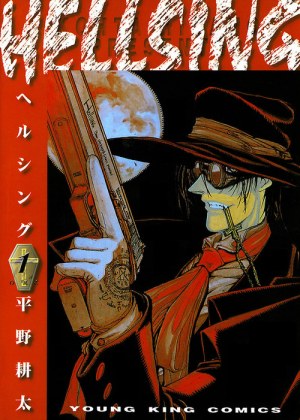
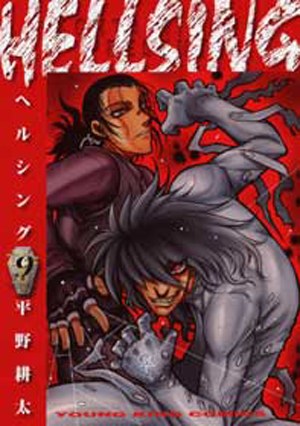
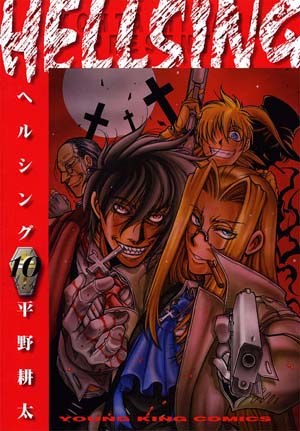
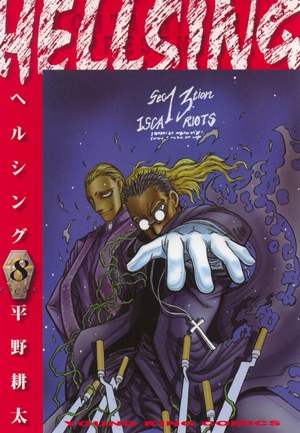
The Hellsing Manga Gallery
Every Japanese tankobon cover of Hellsing, volumes 1 to 10, from Shonengahosha’s own Young King Comics editions, with the second cover hidden under each dust…
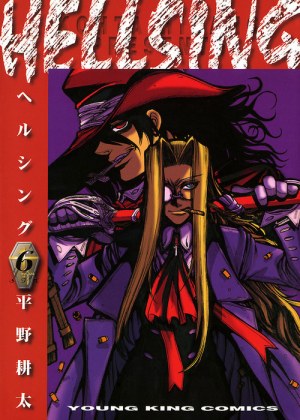
The History of Hellsing
Hellsing from the 1996 one-shot to the 2023 paperback revival: serialization in Young King OURs 1997 to 2008, ten volumes, two anime, the Deluxe Edition, and…
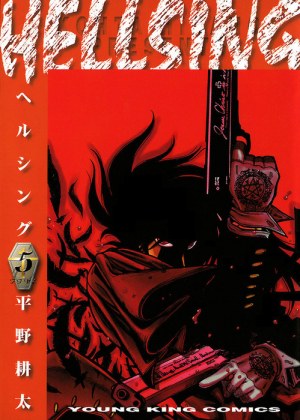
Who is Alucard?
Alucard is Count Dracula: the anagram, the defeat by Van Helsing, the name Arthur Hellsing gave him, and why Kohta Hirano designed him for gunplay instead of…
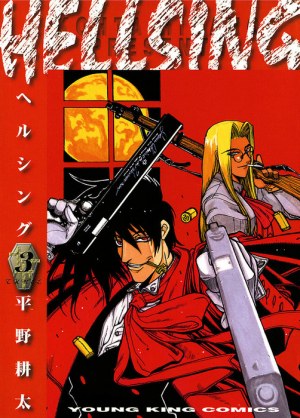
What is the Hellsing Organization?
The Royal Order of Protestant Knights: founded by Abraham Van Helsing, directed by his descendants, overseen by the Round Table, and mirrored by Iscariot and…
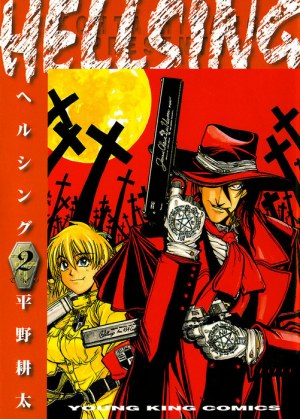
Where did Hellsing begin?
Hellsing began in Kohta Hirano’s doujin years: the assistant work, the GUY-YA circle, Hi-and-Low, and the 16-page Comic Kairakuten one-shot of October 1996 he…
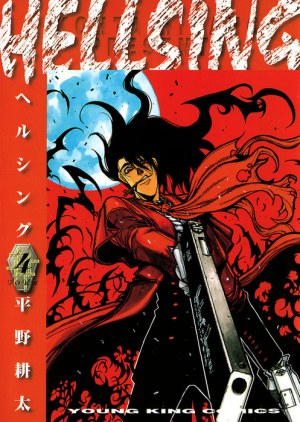
Why is it called Hellsing?
Hellsing is Abraham Van Helsing’s name with a deliberate “hell” in it: Kohta Hirano’s wordplay, invisible in Japanese, and the family name his heroine inherits.
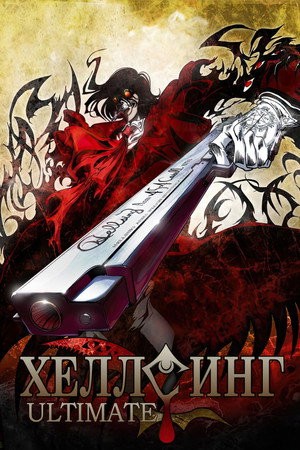
Which Hellsing anime should you watch?
Hellsing (2001) versus Hellsing Ultimate: why Gonzo’s TV series invents its own ending with Incognito, why the OVA was made to follow the manga, and which to…
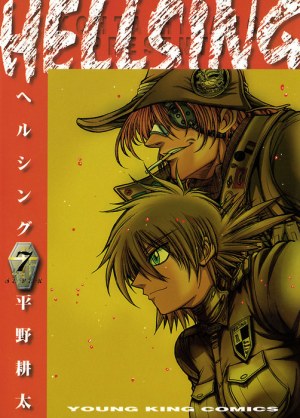
What is Hellsing: The Dawn?
Hellsing: The Dawn is the unfinished six-chapter prequel: Walter aged fourteen and Alucard in Warsaw, September 1944, published 2002 to 2006 and never collected.
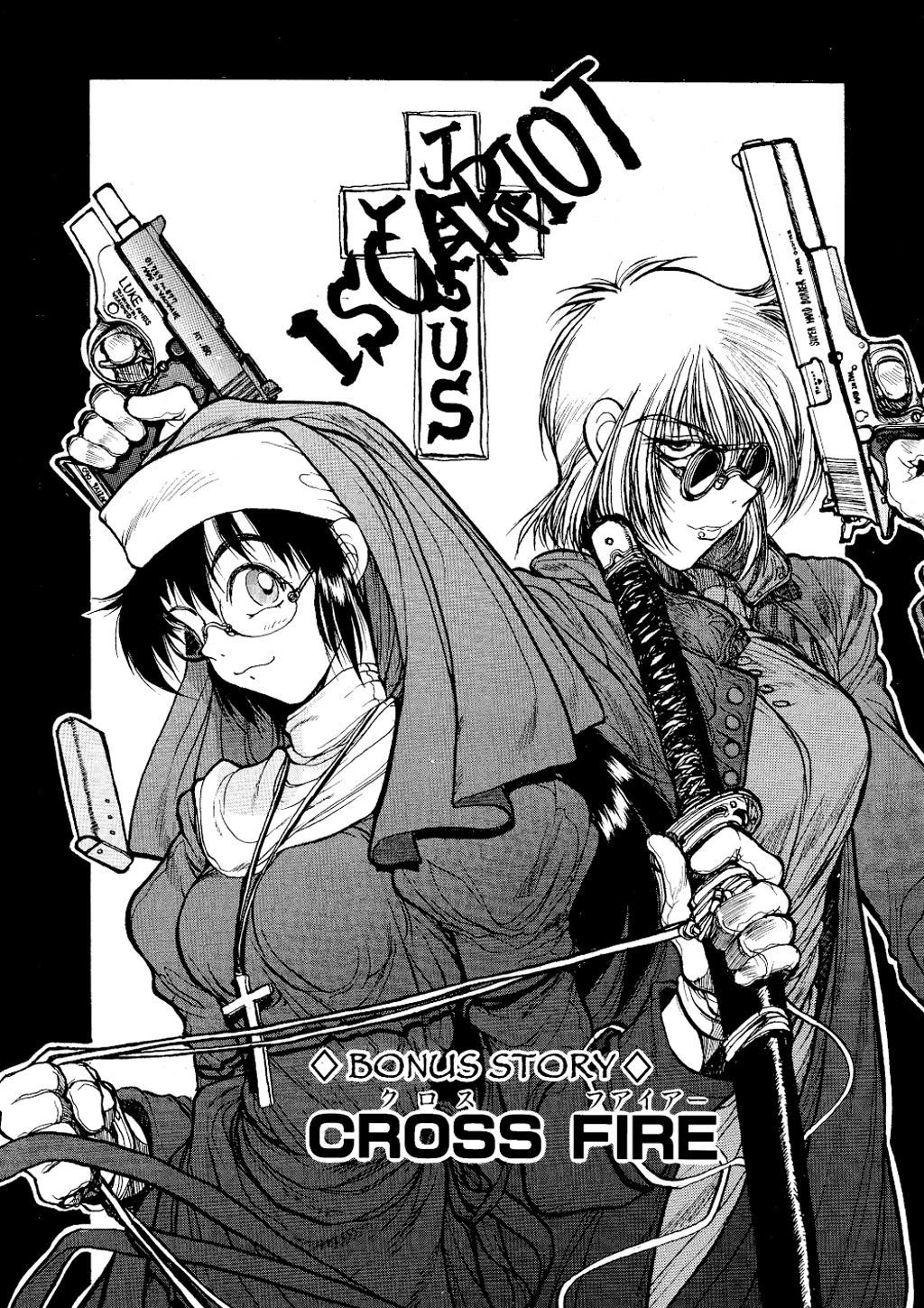
What is Crossfire?
Crossfire is Kohta Hirano’s three-chapter Iscariot side story for Comic Master, republished inside Hellsing volumes 1 to 3 to fill their page counts, with…
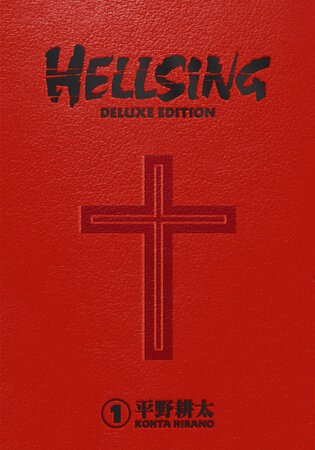
What are the Hellsing English editions?
Dark Horse’s Hellsing in English: the ten paperbacks of 2003 to 2010, the second edition of 2023 to 2025, and the three 7 by 10 inch Deluxe hardcovers of 2020 to…
Is the Hellsing live-action movie still happening?
The Amazon Hellsing film announced in March 2021 with John Wick writer Derek Kolstad: what was actually announced, and why the honest status in 2026 is…
What order should you read Hellsing in?
Read Hellsing in volume order, 1 to 10, with Crossfire inside the first three volumes and The Dawn placed after volume 7: the complete reading order, placed and…
Who is Kohta Hirano?
Kohta Hirano (born 1973, Adachi, Tokyo): the assistant years, the doujin and adult-magazine apprenticeship, Hellsing, Drifters, and the analog method behind the art.
Collecting Hellsing
Collecting Hellsing: the ten in-print Japanese volumes, the 2012 Official Guidebook, three art books, the scarce magazine issues, Hirano’s doujin-era works, and…
How can you tell a first printing of Hellsing?
Identify first printings of Hellsing: the Japanese colophon and printing marks, verified ISBN tables for all ten Young King Comics volumes and the Dark Horse…
HIROHIKO ARAKI
15 shelvesWho is Hirohiko Araki?
The JoJo's Bizarre Adventure creator whose manga has run since 1987, whose art hangs at the Louvre, and whose style resets with every new part.
How did Hirohiko Araki start drawing manga?
A Sendai childhood of manga and art books, a Tezuka Award recognized debut at 20, and three early series before JoJo: Araki's road in.
How did Hirohiko Araki's art evolve across the JoJo parts?
From the hulking, Fist of the North Star era bodies of Phantom Blood to the slender fashion figures of the later parts: the most famous style evolution in manga.
Why do JoJo characters pose like fashion models?
Araki collects fashion magazines and art books, and poses his characters from models, sculpture and album covers: the story behind the famous JoJo poses.
What fashion inspired Hirohiko Araki's art?
Italian designers, Prince, Versace era prints and the runways Araki followed for decades: the fashion sources behind JoJo's clothes and covers.
Who did the art for JoJo's Bizarre Adventure?
Hirohiko Araki draws JoJo himself, and has for nearly forty years: the manga credits, and how the anime's designers differ from the author.
What else has Hirohiko Araki drawn?
Besides JoJo: Baoh, Cool Shock B.T., The Gorgeous Irene, the Rohan books, and one shots and commissions from the Louvre project to fashion collaborations.
What is Baoh, and who drew it?
Baoh is Hirohiko Araki's 1984 to 1985 horror action manga about a boy turned into a living weapon, later an anime OVA, and JoJo's clearest dress rehearsal.
What are the Rohan stories by Hirohiko Araki?
Thus Spoke Kishibe Rohan: the spin off one shots starring JoJo Part 4's manga artist, running since 1997 across magazines, books and adaptations.
What is Rohan at the Louvre?
Araki's full color Rohan story made for the Louvre Museum's comics project: a haunted painting, a Paris trip, and a manga landmark in a museum binding.
What are Hirohiko Araki's art exhibitions?
From the Louvre in 2009 to the National Art Center's Ripples of Adventure in 2018: the museum career of a manga artist, explained.
What are the best Hirohiko Araki art books?
JoJo A Go Go, JoJoveller, JoJonium's new cover art and the Ripples of Adventure catalogue: the books that hold Araki's color art.
How does Hirohiko Araki work?
Reference files, a golden path story method, monthly discipline and a famous refusal to repeat himself: Araki's working method in his own account.
Who designed the JoJo anime characters?
Araki drew the manga; David Production's designers, including Takako Shimizu, Terumi Nishii, Takahiro Kishida and Masanori Shino, adapted it part by part.
Hirohiko Araki gallery: the art in one place
A gallery page for the Araki hub: JoJo covers across nine parts, Baoh, Rohan at the Louvre, JoJonium's repainted covers and exhibition art.
HUDSON SOFT
10 shelfs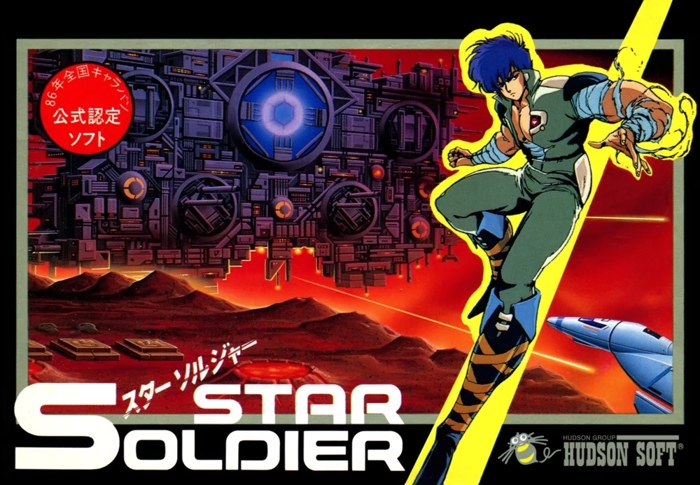
The Hudson Soft Gallery
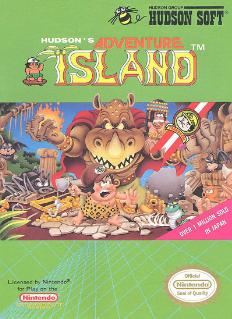
Bomberman, Adventure Island, Bonk, and Star Soldier: the Japanese and American boxes side by side, with the company history and the questions behind them.
The History of Hudson Soft
A Sapporo radio shop, Nintendo's first Famicom licensee, a console built with NEC, and the eleven year Konami absorption that closed it in 2012.
The History of Bomberman
A man in a bowler hat, a borrowed Lode Runner robot, a 72 hour Famicom port, and the multiplayer reinvention on the PC Engine and Super NES.
The History of Adventure Island
Hudson's Wonder Boy port that could not use the Wonder Boy name: how its own spokesman became the hero, and the two series that split from one game.
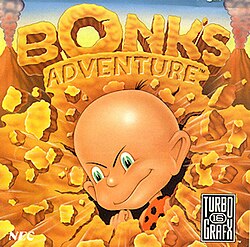
The History of Bonk's Adventure
The magazine comic caveman who became the TurboGrafx-16 mascot in 1989: Red Company designed him, Atlus built the game, and his head did the rest.
The History of Star Soldier
The shooter Hudson designed for its travelling Caravan tournament: sixteen stages, Starbrain bosses, timed score attack modes, and the Soldier line on the PC Engine.
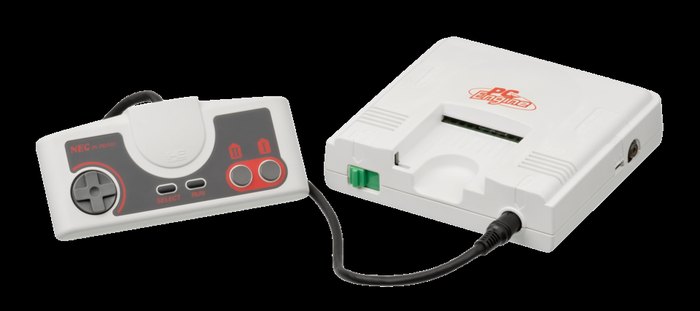
How did Hudson Soft help create the PC Engine?
Hudson's HuC6280 CPU, its two graphics chips, and the HuCard format, inside the machine NEC manufactured and sold.
Who was the real Master Higgins?
Toshiyuki Takahashi, a Hudson executive famous for sixteen shots a second, whose face and name Adventure Island borrowed.
Why is Bonk called PC Genjin in Japan?
A pun on the PC Engine itself, with a fake Latin species name underneath, renamed for every machine he moved to.

Why did Konami absorb Hudson Soft?
Largest shareholder in 2001, control in 2005, full ownership in 2011, dissolved in 2012: the takeover in four dated steps.
HUNTER X HUNTER
20 shelves
Why does Hunter x Hunter keep going on hiatus?
Togashi's back and hips, in his own 2022 account: two years unable to sit in a chair to draw, and the dated record of the breaks since 2006.
What endings has Togashi planned for Hunter x Hunter?
Patterns A, B and C, rated but never described, plus the discarded pattern D he told in full in November 2023 in case he cannot finish.
Why are there two Hunter x Hunter anime?
The 1999 series ran out of manga and finished on OVA in 2004. Madhouse rebooted from chapter one in 2011 and reached the Election arc.
How does Togashi draw Hunter x Hunter?
Ink and Kabura pens, historically almost alone; since 2022, lying down, with more staff working to his instructions.
What inspired Hunter x Hunter?
His collecting hobby and a cold read of the Jump reader polls, both in Togashi's own words.
How is the Hunter x Hunter manga collected?
38 volumes and counting, no complete edition, and a hiatus shaped shelf: how Togashi's second epic is packaged in Japan and English.
How many volumes of Hunter x Hunter are there?
38 as of late 2024, over 400 chapters, and counting: the volume math of an unfinished epic and why the number keeps moving.
What are the story arcs of Hunter x Hunter?
Nine arcs, each a different genre: exam adventure, mafia tragedy, a game world, an insect war and a royal succession game of death.
What is the Hunter Exam arc?
287 applicants, a marathon through a swamp, a cooking test and a trick tower: the opening arc that introduces Gon, Killua, Kurapika, Leorio and Hisoka.
What is the Yorknew City arc?
Kurapika's revenge, the Phantom Troupe and the world's biggest auction: the noir arc where Hunter x Hunter becomes a mafia tragedy.
What is the Greed Island arc?
Ging's game, played on a real island with Nen: a card collecting RPG inside the manga, a dodgeball match for the ages, and Gon's closest step to his father.
What is the Chimera Ant arc?
The longest arc in the series: an insect invasion that evolves toward humanity, a king named Meruem, and a board game champion at the story's heart.
What is the Dark Continent in Hunter x Hunter?
The true world beyond the maps: Lake Mobius, five calamities, a 300 year old travelogue, and the expedition the current manga is sailing toward.
What is Nen in Hunter x Hunter?
Aura as a craft with rules: the four principles, the six types, water divination, and why Hunter x Hunter's power system is treated like engineering.
How do the 1999 and 2011 Hunter x Hunter anime differ?
Same manga, two productions twelve years apart: coverage, Kite, filler, tone and endings compared between Nippon Animation and Madhouse.
